
The memory of a beloved childhood restaurant can be a powerful thing, evoking a sense of nostalgia and a longing for simpler times. For many who grew up in the late 1990s and early 2000s, Eatza Pizza represented such a cherished culinary destination. Known for its extensive all-you-can-eat buffet that offered a dizzying array of pizzas, pastas, and comfort food classics, Eatza Pizza was a fixture in many communities. However, the chain’s presence was fleeting, and its sudden disappearance left many patrons wondering what happened to their favorite pizza haven. This article delves into the rise and fall of Eatza Pizza, exploring its unique offerings, its rapid expansion, and the factors that ultimately led to its demise.
The Allure of the Eatza Pizza Experience
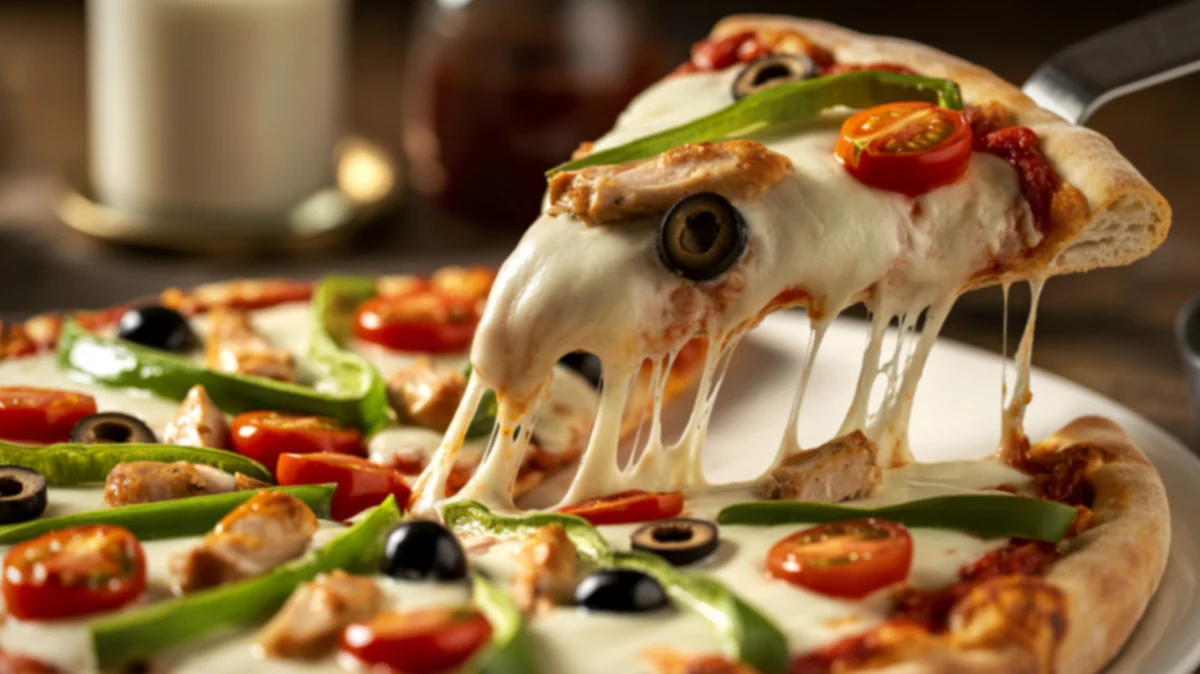
Eatza Pizza, which first opened its doors in Scottsdale, Arizona, in 1997, quickly distinguished itself from other pizza establishments by focusing on the all-you-can-eat buffet model. This approach resonated with families and individuals seeking value and variety. The buffet was not merely a collection of standard pizza pies; Eatza Pizza prided itself on offering a wide spectrum of flavors, often boasting at least 18 different pizza options at any given time. This commitment to variety meant that diners could sample everything from classic pepperoni and cheese to more adventurous combinations, including Sicilian pizzas, and specialty pies laden with an assortment of toppings like olives, peppers, tomatoes, and chicken.
Beyond the pizza, the Eatza Pizza experience extended to a comprehensive selection of accompanying dishes. A robust salad bar allowed patrons to create their own fresh salads, while a pasta station provided comforting carb-laden options. For those seeking a different kind of indulgence, the buffet frequently featured fried chicken, macaroni and cheese, and a proprietary potato specialty known as "Zatos," which were a unique fried potato creation. The inclusion of a dessert bar further cemented Eatza Pizza’s reputation as a place where indulgence was encouraged. This sweet finale often included a variety of cakes, cookies, and, for many, a memorable dessert pizza.
The restaurant’s atmosphere also contributed to its appeal, particularly for younger patrons. Many Eatza Pizza locations were equipped with elaborate game rooms, reminiscent of classic arcades. This made the dining experience an entertainment destination in itself, drawing families with the promise of both good food and fun. This combination of a plentiful buffet and a family-friendly entertainment zone drew comparisons to other popular buffet chains of the era, such as CiCi’s Pizza. While some customer reviews suggest that competing establishments like Pizza Inn might have held a slight edge in certain aspects, Eatza Pizza carved out its own niche by offering a distinct and memorable dining adventure.
A Rapid Ascent: Expansion and Early Success
The concept of Eatza Pizza proved to be immensely popular. From its initial location in Arizona, the chain experienced a period of rapid growth, expanding its footprint across multiple states. At its zenith, Eatza Pizza operated close to 100 restaurants, a significant achievement for a relatively young franchise. This expansion was fueled by the perceived success of its business model and the strong consumer demand for affordable, family-oriented dining options.
The company’s strategy appeared to be focused on capturing a market segment that valued quantity and variety at a reasonable price point. In an era where fast-casual dining was gaining traction, Eatza Pizza offered a different, more traditional buffet experience that appealed to a broad demographic. The ability to feed an entire family for a fixed price, with the added bonus of entertainment, made it a compelling choice for many households. The enthusiastic recollections shared by former patrons on social media platforms like Facebook and Reddit highlight the emotional connection many developed with the brand. Comments often express a wistful longing for the "good old days" when "pizza was actually pizza and tasted good," underscoring the perceived quality and enjoyment associated with their dining experiences.
The Turning Tide: Financial Troubles and Legal Challenges
Despite its promising start and widespread popularity, the trajectory of Eatza Pizza took a sharp downturn in the mid-2000s. The first significant indicator of internal challenges emerged in 2003 when the company changed hands. While the specifics of this initial acquisition are not widely publicized, it marked the beginning of a period of transition.

By 2007, Eatza Pizza found itself embroiled in legal difficulties. The chain faced a lawsuit filed by two creditors, though the precise nature of their claims and the underlying reasons for the dispute were not publicly disclosed. Such legal entanglements can severely disrupt operations, impacting supply chains, cash flow, and investor confidence. Following these legal challenges, several Eatza Pizza locations began to close their doors later that same year, signaling a growing instability within the company.
In an attempt to revitalize the brand and address its financial woes, Eatza Pizza was acquired by International Franchise Associates. This new ownership group reportedly harbored ambitious plans for the chain, with projections suggesting the opening of hundreds of new locations across the country. Such expansionist strategies are often employed by new owners seeking to inject capital and regain market share. However, these optimistic forecasts were not to be realized.
The Inevitable Bankruptcy and Disappearance
The efforts to salvage Eatza Pizza proved to be too little, too late. By 2008, less than a year after the acquisition by International Franchise Associates, Eatza Pizza filed for bankruptcy. This marked the definitive end of the chain as a going concern. The bankruptcy proceedings led to the closure of all remaining locations, effectively erasing Eatza Pizza from the restaurant landscape.
The reasons behind Eatza Pizza’s swift decline are likely multifaceted. The competitive landscape of the pizza and buffet industry is notoriously fierce, with established chains and new entrants constantly vying for consumer attention. Economic downturns, such as the one that began to take hold in 2008, can disproportionately affect businesses with high overheads and reliance on discretionary consumer spending. Rising food costs, labor expenses, and the challenges of maintaining a large franchise network can also contribute to financial strain.
Furthermore, the specific circumstances surrounding the legal disputes and the management changes may have exacerbated existing financial weaknesses. The inability to recover from these setbacks, coupled with potential shifts in consumer preferences away from large, traditional buffets towards healthier or more specialized dining options, could have contributed to its downfall. The story of Eatza Pizza serves as a cautionary tale in the volatile restaurant industry, illustrating how quickly a popular establishment can fade into obscurity if it fails to adapt to evolving market conditions and manage its financial health effectively.
Legacy and Lingering Memories
Though Eatza Pizza no longer exists, its memory persists among those who experienced its offerings firsthand. The anecdotal evidence from online forums and social media suggests a deep fondness for the chain, particularly for its unique approach to the all-you-can-eat buffet. Former patrons recall the joy of endless pizza slices, the variety of desserts, and the family-friendly atmosphere. These fond memories highlight the impact that even short-lived restaurant chains can have on consumers’ lives.
The disappearance of Eatza Pizza adds to a growing list of once-popular restaurant brands that have vanished from the American dining scene. This phenomenon is not unique to the pizza industry; many other restaurant concepts have experienced periods of significant growth only to face closure due to various economic and market pressures. The nostalgia surrounding these defunct eateries underscores the role they play in the cultural fabric of communities and the personal histories of individuals.
While the precise financial details of Eatza Pizza’s bankruptcy and the specifics of the lawsuits may remain private, the outcome is clear: a once-thriving chain ceased to operate, leaving behind a legacy of satisfied customers and unanswered questions. The story of Eatza Pizza is a testament to the ephemeral nature of the restaurant business and the enduring power of shared dining memories. Its rapid rise and equally swift fall serve as a compelling case study for entrepreneurs and industry observers alike, offering insights into the challenges and opportunities inherent in the competitive world of food service. The absence of Eatza Pizza in today’s culinary landscape is a reminder of the constant evolution of consumer tastes and the unforgiving realities of market dynamics.
