
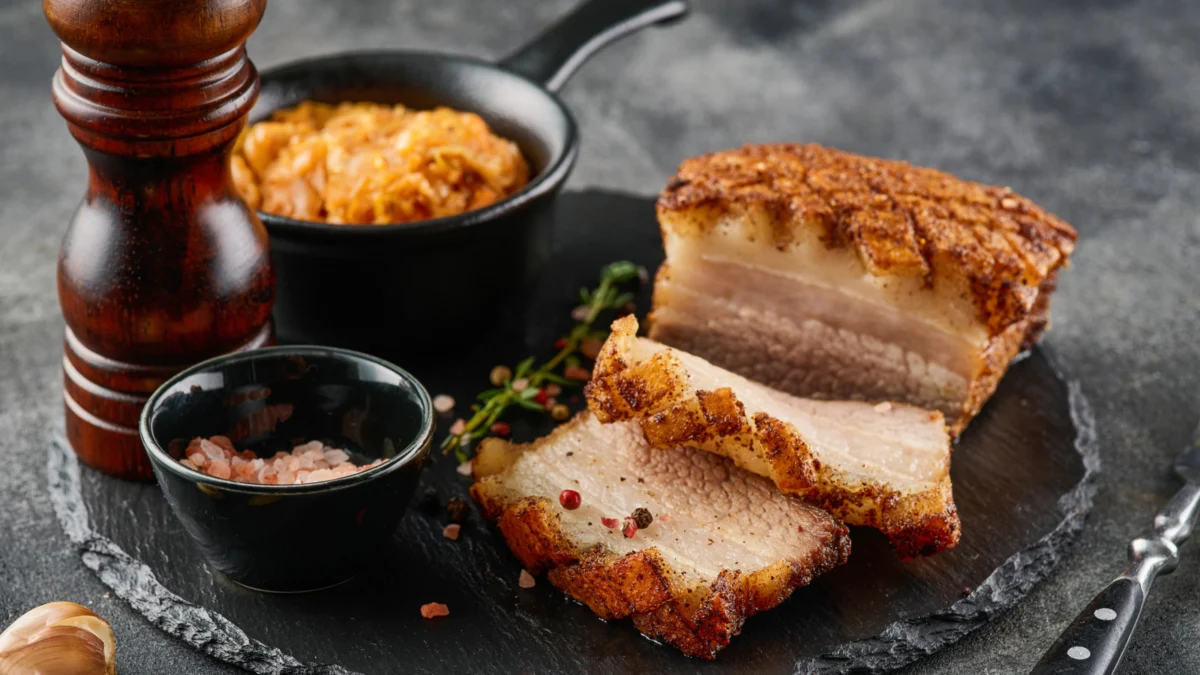
The culinary world often presents unexpected pairings that challenge conventional wisdom, and one such revelation involves the humble tub of store-bought vanilla frosting. Far from being relegated solely to sweet confections, this pantry staple is emerging as a surprisingly effective secret weapon for elevating the preparation of roasted pork belly. This unconventional approach leverages the inherent properties of frosting—namely its high sugar content and adhesive qualities—to achieve a remarkably crispy exterior and a deeply flavorful result.
The Science Behind the Sweet and Savory
The concept of incorporating sweet elements into savory dishes is not new. Chefs and home cooks have long recognized the power of sugar in enhancing the Maillard reaction, the complex chemical process responsible for the browning and rich flavor development in cooked foods. Ingredients like brown sugar, honey, and maple syrup are frequently employed in marinades, rubs, and glazes for meats, including pork belly, to promote caramelization and add depth.
Store-bought frosting, primarily composed of sugar, fat, and flavorings, offers a convenient and readily available source of these caramelizing agents. Its smooth, consistent texture ensures an even coating across the pork belly, facilitating uniform crisping. Furthermore, the vanilla extract commonly found in vanilla frosting complements the inherent richness of pork, creating an unexpected yet harmonious flavor profile. This synergy between the sweet glaze and the savory meat contributes to a more complex and appealing taste experience.
A Step-by-Step Culinary Innovation
The application of store-bought frosting to pork belly follows a structured cooking process designed to maximize both texture and flavor. The initial stages involve preparing the pork belly by seasoning it generously with salt and pepper. This fundamental step is crucial for building a foundational savory flavor that will contrast with the sweetness of the glaze.
The seasoned pork belly is then placed on a wire rack set over a rimmed baking sheet. This arrangement is critical for allowing hot air to circulate freely around the meat, particularly beneath the skin, which is positioned upwards. This orientation is key to achieving the coveted crispy crackling that defines well-prepared pork belly.
The first phase of cooking takes place in a preheated oven at a relatively low temperature of 225°F (approximately 107°C). This slow roasting period, lasting around two hours, allows the pork belly to render its fat gradually and begin to tenderize without overcooking or burning the exterior.
Following this initial roast, the pork belly is removed from the oven, and a generous layer of store-bought vanilla frosting is evenly spread across its surface. This coating acts as the primary caramelizing glaze. The meat is then returned to the oven for an additional hour, during which the frosting melts, caramelizes, and begins to crisp the skin.
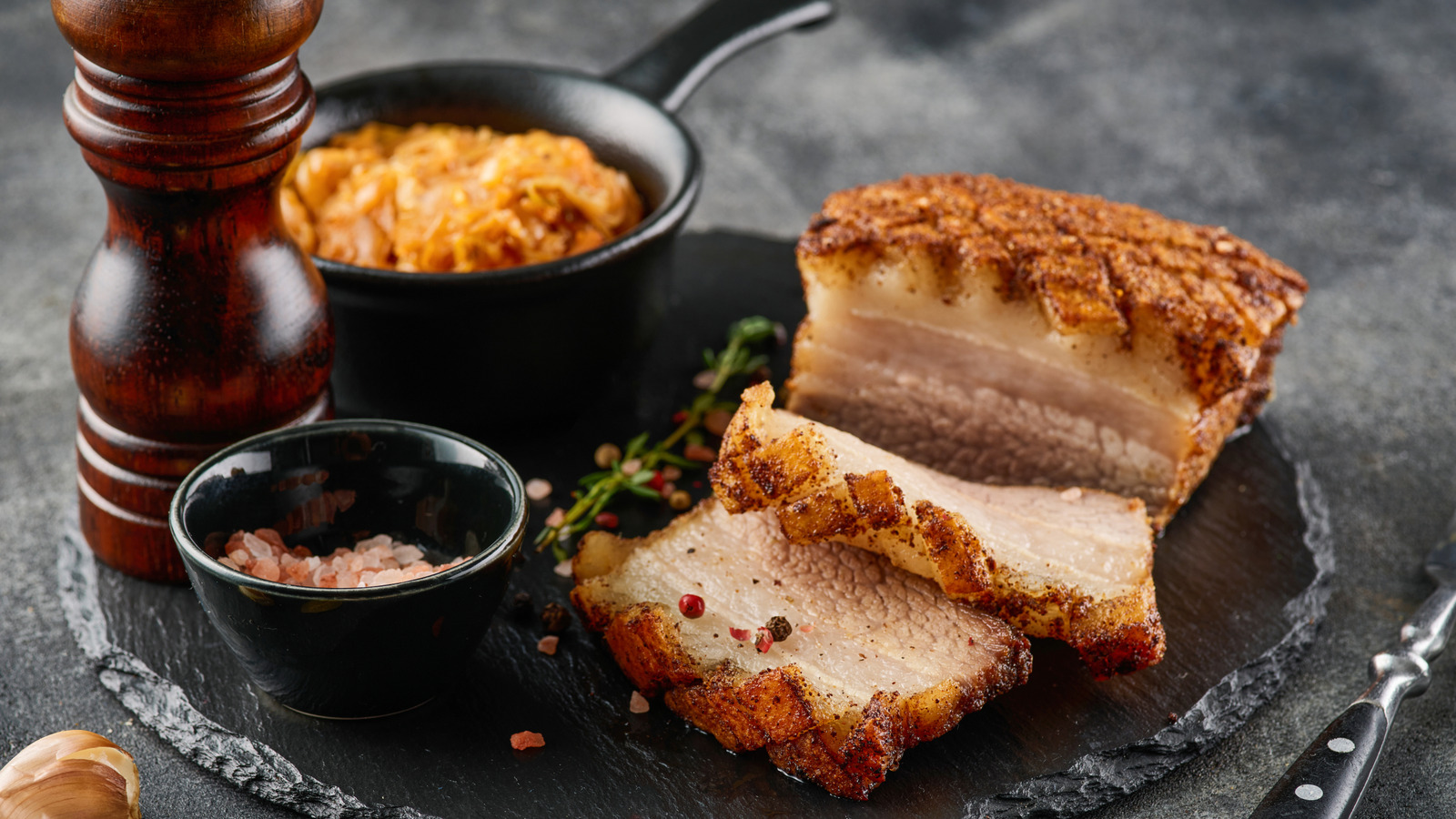
A second, lighter application of frosting is then applied. This ensures a more pronounced glaze and an even crispier finish. The final step involves placing the pork belly under the broiler for approximately 10 minutes. The broiler’s intense heat rapidly caramelizes the surface further, creating a deeply browned, irresistibly crunchy exterior.
Expanding the Horizons of Frosting Applications
The innovative use of store-bought frosting extends beyond this specific pork belly preparation. Culinary enthusiasts and chefs are exploring its potential in other savory contexts, demonstrating its versatility as a flavor enhancer and textural component.
One notable example is the creation of "pork belly cinnamon rolls," a recipe popularized by Derek Wolf of Over the Fire Cooking. In this rendition, skinless pork belly is prepared with a maple bourbon rub and brown sugar, then rolled, tied, and smoked. The smoking process, followed by a glaze of cinnamon and bourbon whiskey, imparts a rich, smoky, and slightly sweet flavor. The final touch involves drizzling the finished pork belly rolls with a glaze made from microwaved vanilla frosting, thinned to a pourable consistency. This technique highlights how frosting can be adapted to create a sweet and savory finish for smoked meats.
Beyond pork, the application of frosting to snacks offers another avenue for sweet and salty experimentation. Combining frosting with items like pretzels, spicy snacks such as Flamin’ Hot Cheetos, or even crunchy corn nuts can create an intriguing interplay of flavors and textures. This approach encourages a playful exploration of taste profiles, blurring the lines between traditional snack pairings and more adventurous culinary creations.
The Rise of Convenient Culinary Solutions
The exploration of store-bought frosting in savory cooking reflects a broader trend towards utilizing convenient, readily available ingredients to achieve gourmet results. In a fast-paced world, home cooks and even professional chefs are increasingly seeking ways to simplify complex preparations without compromising on quality or flavor.
The widespread availability of high-quality store-bought frostings, such as Betty Crocker Rich & Creamy Vanilla Frosting and Duncan Hines Vanilla Frosting, has made these ingredients more accessible for a wider range of culinary applications. These brands are often praised for their consistent texture and balanced sweetness, making them reliable choices for both sweet and savory endeavors. For those who prefer a more artisanal approach, recipes for classic vanilla buttercream frosting are also readily available, offering a customizable alternative for those who wish to control every aspect of the preparation.
Data and Market Context
The global market for frostings and icings is substantial, driven by the consistent demand for cakes, pastries, and other baked goods. This market is projected to continue its growth trajectory, fueled by innovation in product development and evolving consumer preferences. The exploration of savory applications for frostings, while niche, taps into the larger trend of "flavor fusion" and the desire for novel culinary experiences. As consumers become more adventurous in their palates, ingredients traditionally confined to one category are likely to find new and unexpected uses.
The market research firm Grand View Research, in its analysis of the global frosting and icing market, reported that the market size was valued at USD 1.9 billion in 2022 and is expected to expand at a compound annual growth rate (CAGR) of 4.2% from 2023 to 2030. This growth is attributed to factors such as increasing demand for convenience foods, the rise of home baking, and the growing popularity of customized and decorative cakes. While this data primarily reflects the sweet applications, it underscores the widespread presence and acceptance of frosting as a versatile food product.
Expert and Industry Reactions (Inferred)
While direct statements from manufacturers regarding the savory use of their frosting products are unlikely to be publicly available, the culinary community’s embrace of such techniques can be inferred from their presence in food blogs, online recipe platforms, and social media. Food bloggers and influencers often play a pivotal role in popularizing unconventional culinary methods. The dissemination of recipes like the pork belly cinnamon rolls and the general trend of using frosting as a glaze suggest a positive reception within the home cooking and food enthusiast spheres.
From a product development perspective, manufacturers of frosting are likely observing these trends with interest. While their primary marketing efforts remain focused on traditional applications, the diversification of ingredient usage can indirectly benefit the market by increasing overall product visibility and consumption. The potential for expanded market segments, even if small, could influence future product innovation, perhaps leading to the development of frosting formulations better suited for savory applications, such as reduced sweetness or enhanced umami profiles.
Broader Impact and Implications
The unconventional use of store-bought frosting in savory cooking has several implications. Firstly, it challenges the rigid categorizations of food ingredients, encouraging a more experimental and creative approach to cooking. It demonstrates that familiar items can possess hidden potential when viewed through a different culinary lens.
Secondly, it highlights the economic advantage of such techniques. Store-bought frosting is generally more affordable and readily available than specialized glazes or marinades. This makes it an accessible option for a wider range of home cooks looking to experiment with flavor without significant investment.
Thirdly, this trend contributes to the ongoing evolution of culinary trends. As social media and online platforms continue to democratize food content, innovative and surprising recipes are quickly shared and adopted. This can lead to a more dynamic and unpredictable culinary landscape, where traditional boundaries are constantly being re-examined and redefined. The success of such methods also underscores the importance of understanding the fundamental properties of ingredients—in this case, the role of sugar in caramelization—which can then be applied in novel ways.
In conclusion, the integration of store-bought vanilla frosting into the preparation of roasted pork belly and other savory dishes represents a fascinating development in modern culinary practices. It showcases the power of ingredient innovation, the blurring of sweet and savory lines, and the ever-present drive for delicious, accessible, and perhaps even surprising, food experiences. As home cooks and chefs continue to push the boundaries of flavor, the humble tub of frosting may find its place on a more diverse array of dinner tables, transforming from a dessert-only staple into a versatile culinary tool.
