
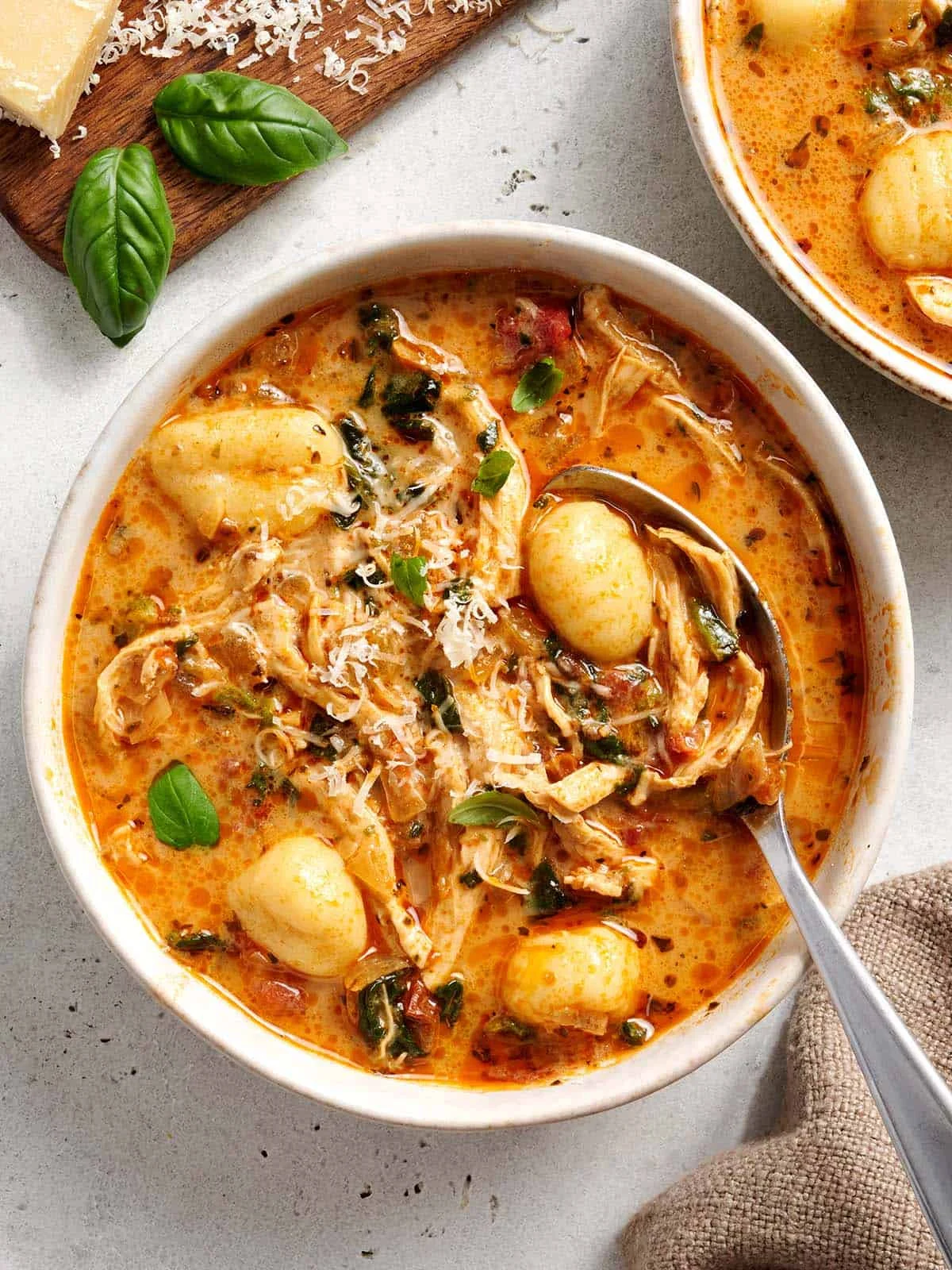
The Nashville-based culinary development team at Budget Bytes has officially released a new iteration of the viral "Marry Me" flavor profile, transitioning the classic skillet dish into a high-utility, budget-conscious soup. Developed by culinary professional Jennie Alley and rigorously tested in the Nashville Test Kitchen, the Marry Me Chicken Soup represents a strategic shift in home cooking trends for 2025, prioritizing speed, cost-efficiency, and the "elevated comfort" aesthetic that has dominated digital food media for nearly a decade. This latest recipe seeks to capitalize on the enduring popularity of the "Marry Me" concept—a flavor palette defined by sun-dried tomatoes, heavy cream, parmesan, and aromatics—while addressing the consumer demand for one-pot meals that can be prepared in under 40 minutes.
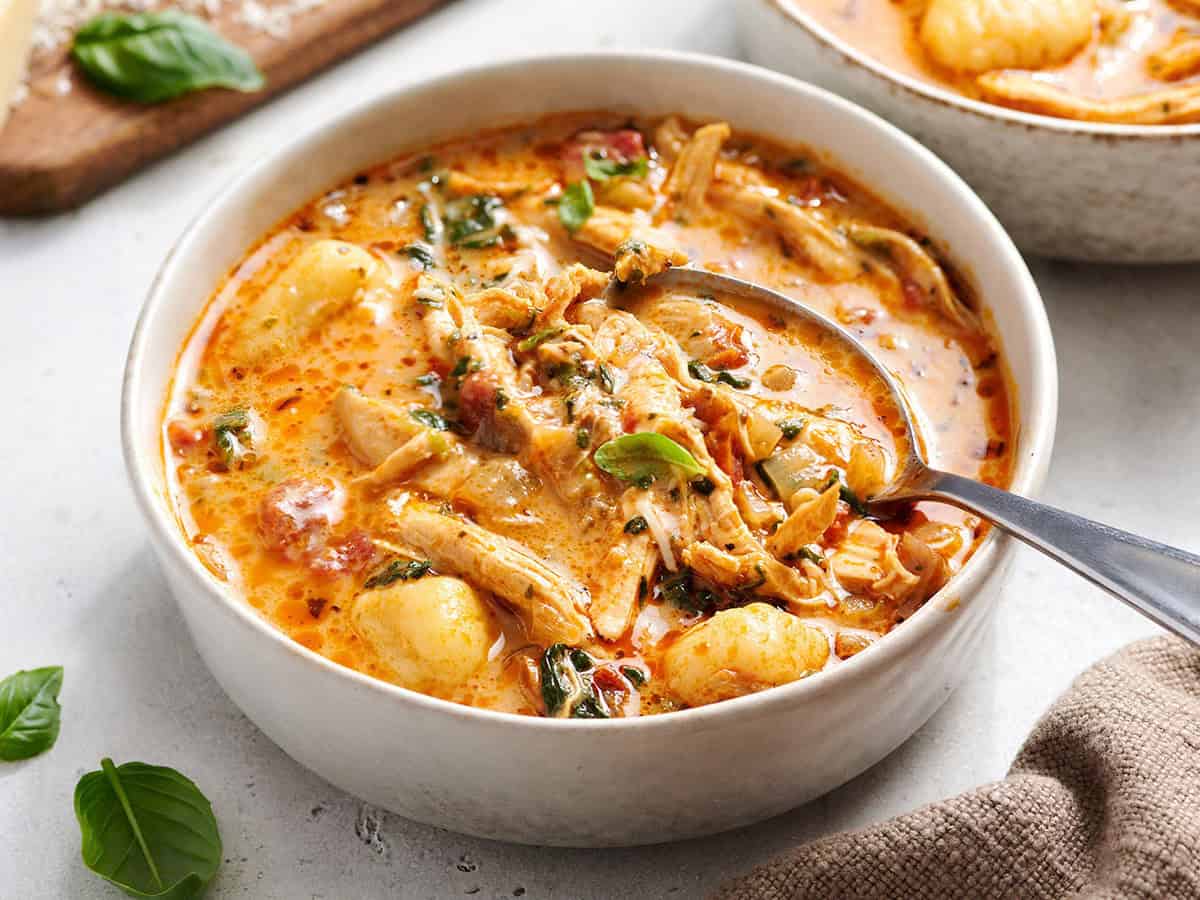
The Origin and Chronology of the Marry Me Phenomenon
The "Marry Me Chicken" trend did not emerge in a vacuum. To understand the significance of this soup variant, one must trace the chronology of the flavor profile’s ascent in popular culture. The concept first gained mainstream traction around 2016, largely credited to the editorial team at Delish. The original recipe featured pan-seared chicken breasts smothered in a rich, creamy sauce with sun-dried tomatoes and red pepper flakes. The hyperbolic name suggested that the dish was so delicious it would elicit a marriage proposal from anyone who consumed it.
By 2021 and 2022, the trend exploded on short-form video platforms like TikTok and Instagram. According to social media analytics, the hashtag #MarryMeChicken has garnered hundreds of millions of views, spawning countless variations including pasta, meatballs, and now, gnocchi-based soups. The evolution from a formal plated entrée to a rustic soup reflects a broader shift in the culinary landscape. As home cooks increasingly balance professional responsibilities with the desire for gourmet-quality meals, the "soupification" of complex dishes has become a logistical necessity.
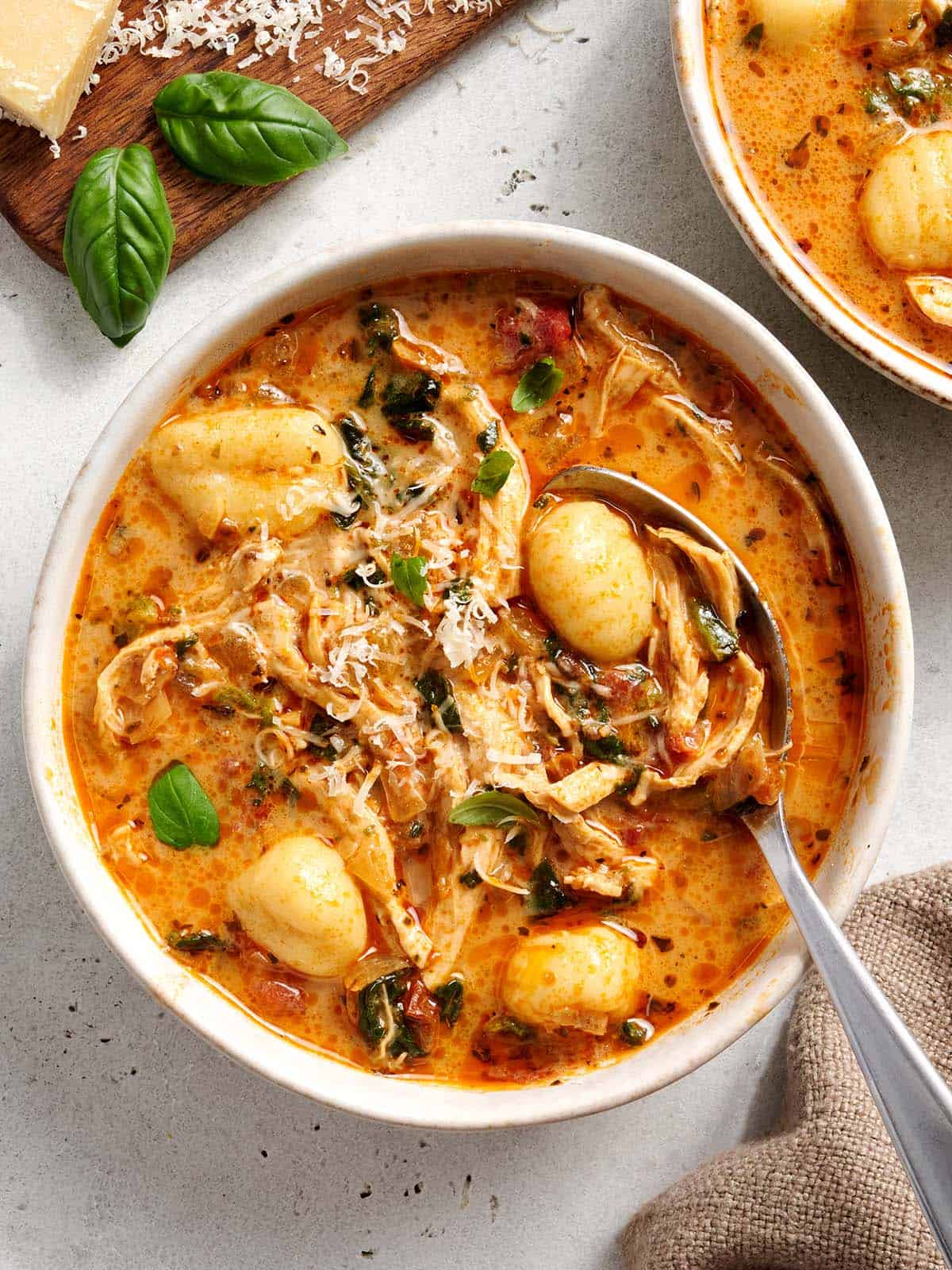
Technical Analysis of the Flavor Profile and Ingredients
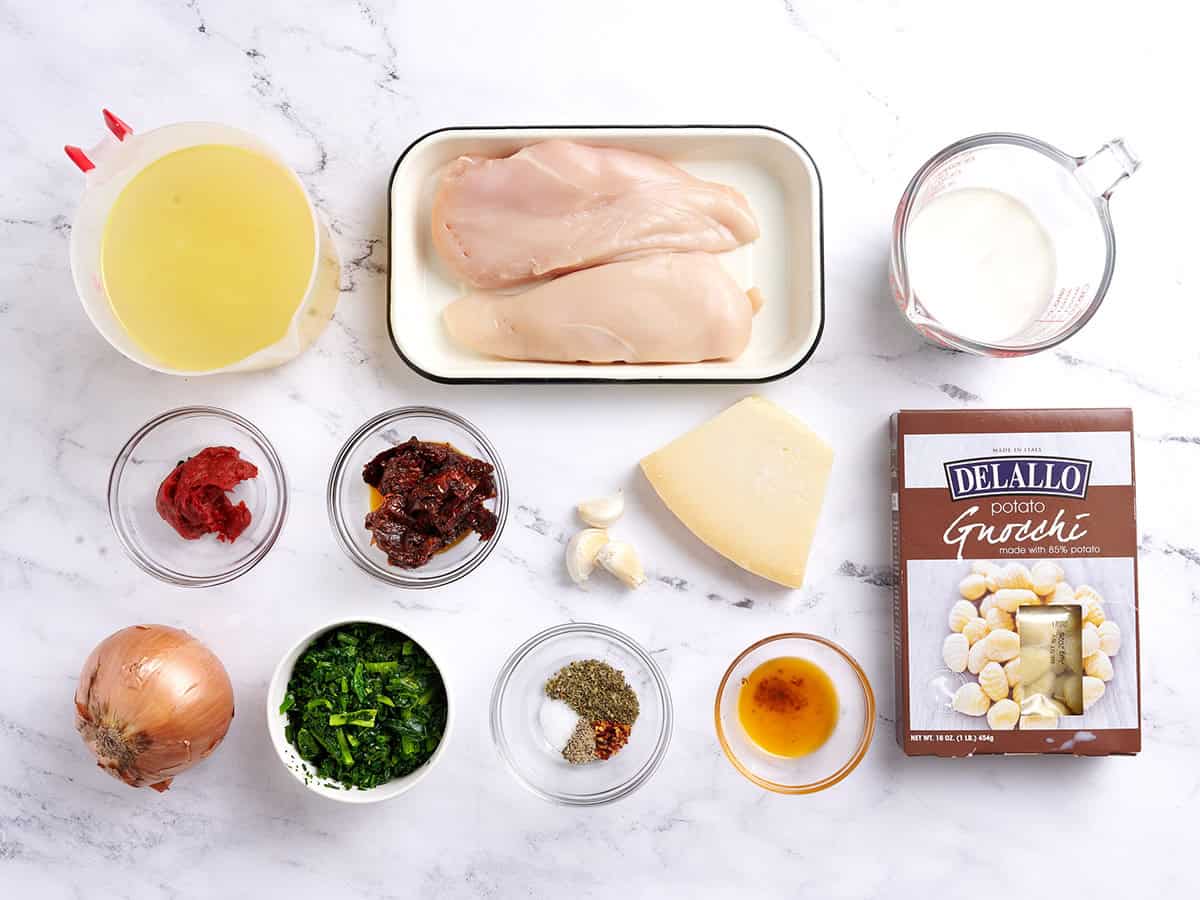
The success of the Marry Me Chicken Soup lies in its adherence to the "umami-acid-fat" balance. Culinary developers at the Nashville Test Kitchen utilized several key components to ensure the dish maintains its signature depth while remaining affordable.
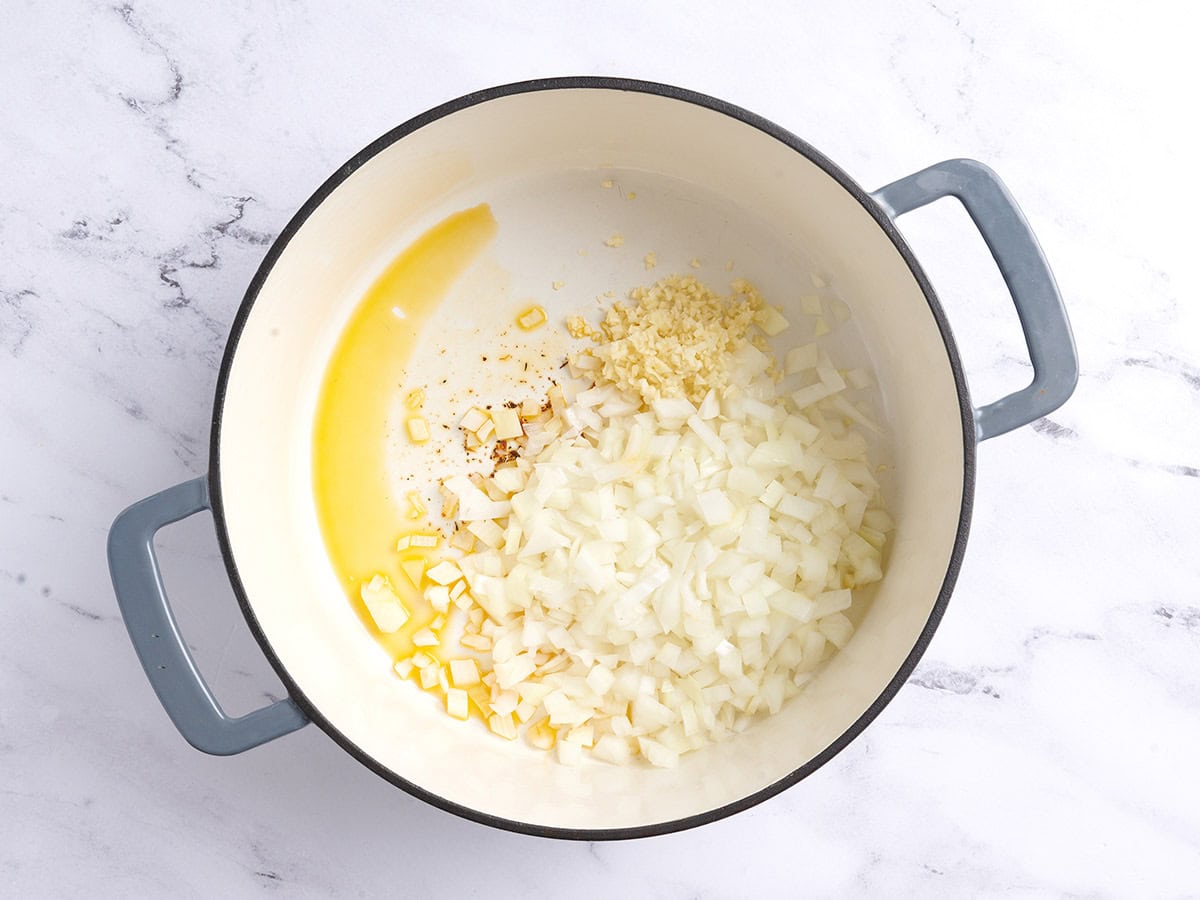
- The Role of Sun-Dried Tomato Oil: A critical technical aspect of this recipe is the use of the oil from the sun-dried tomato jar. In professional culinary terms, this is an infused oil that carries concentrated lycopene and herbal notes. By using this as the primary sautéing medium for onions and garlic, the cook builds a foundation of flavor that would otherwise require long-simmering times.
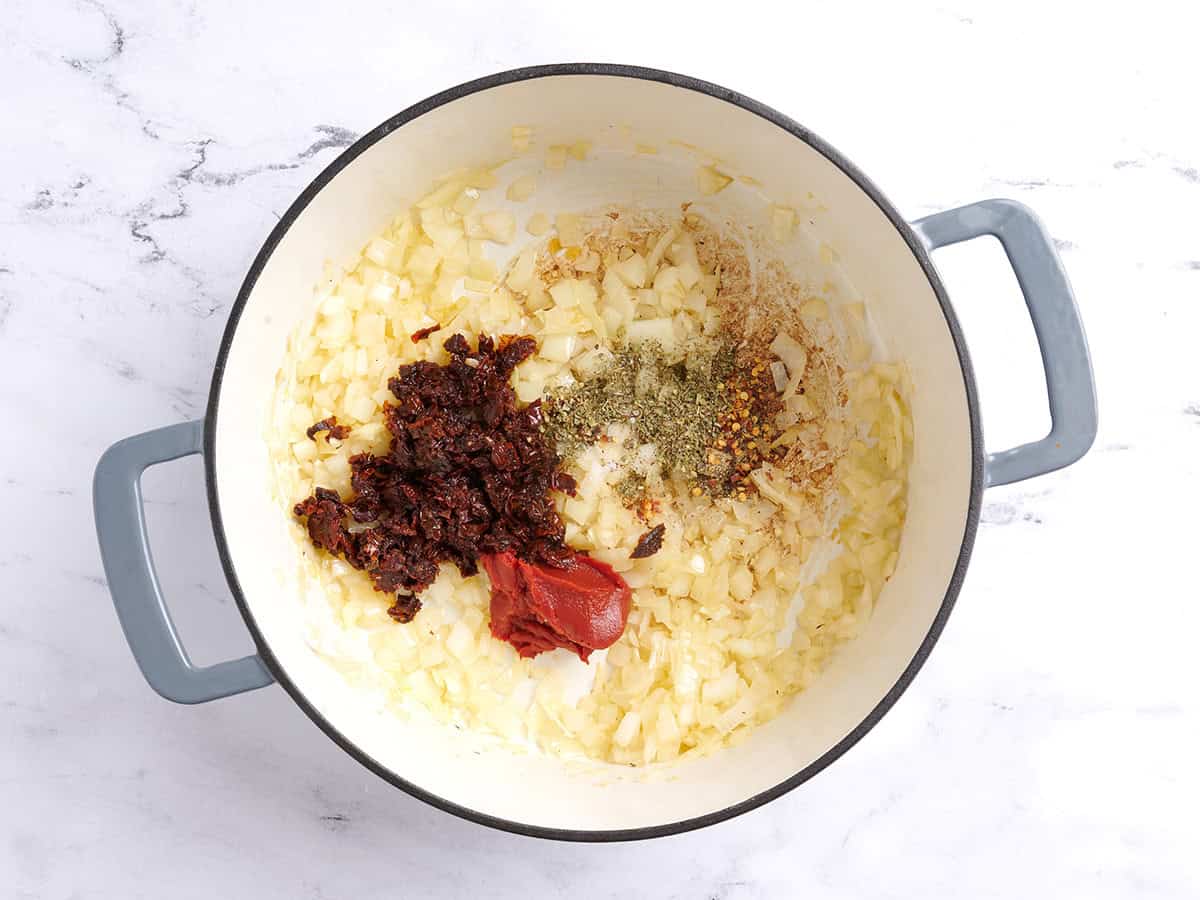
- The Maillard Reaction in Tomato Paste: The recipe calls for sautéing two tablespoons of tomato paste until it darkens. This process, known as caramelization or the Maillard reaction, reduces the raw acidity of the paste and introduces a savory, smoky undertone that mimics the flavor of a slow-cooked ragu.
- Gnocchi as a Structural Element: Unlike traditional noodle-based soups, the use of shelf-stable potato gnocchi provides a dense, pillowy texture that holds up better against a creamy broth. The starch released from the gnocchi during the final minutes of cooking also acts as a natural thickening agent.
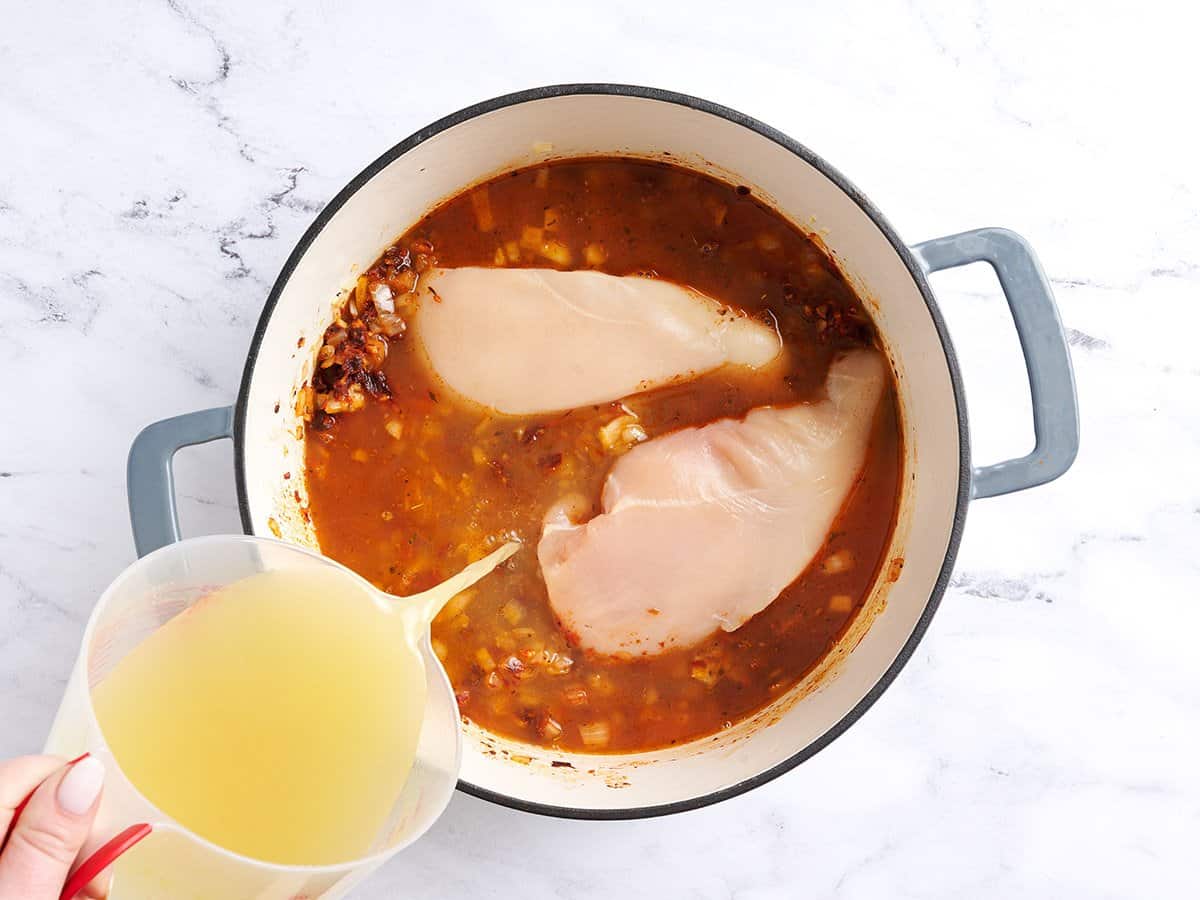
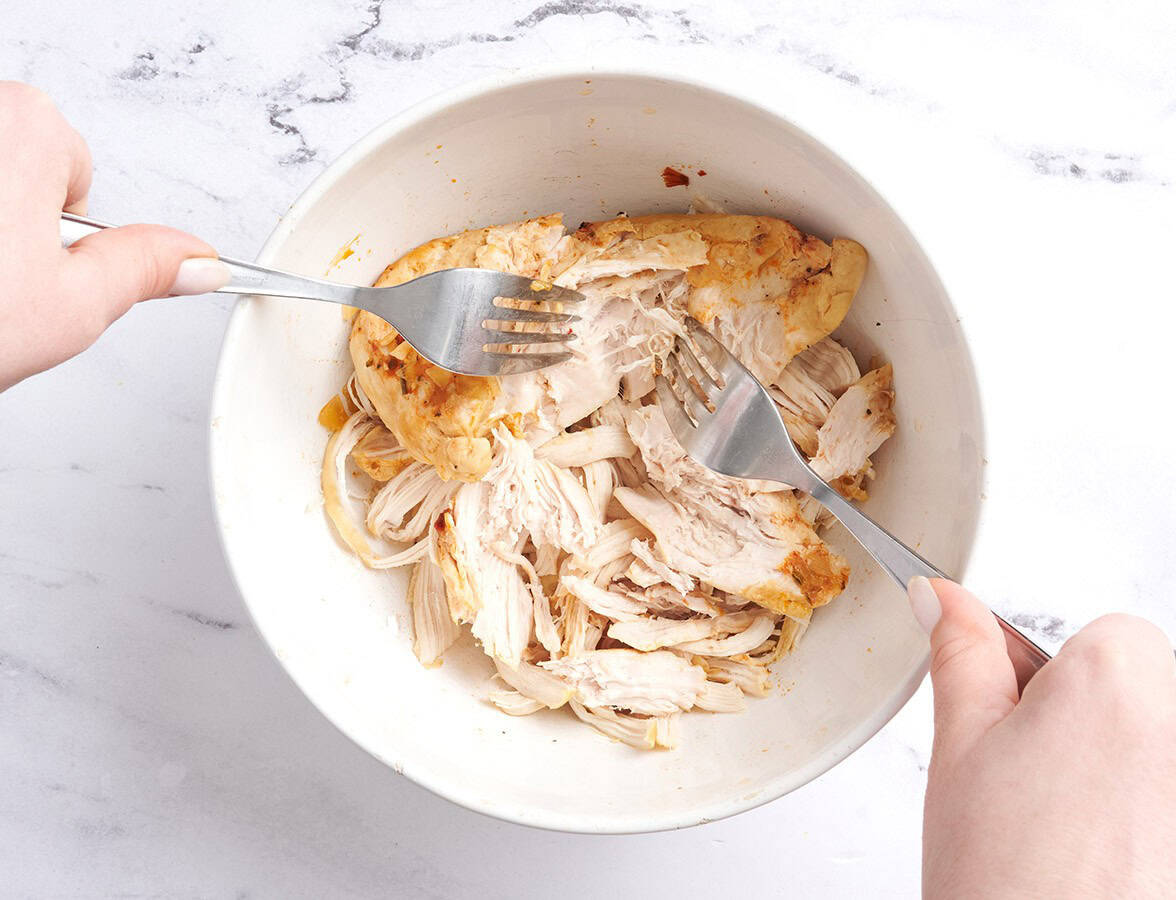
- The Protein Component: The methodology involves poaching one pound of chicken breast directly in the six cups of broth. This "in-pot" poaching method serves a dual purpose: it ensures the chicken remains tender and moist while simultaneously fortifying the broth with chicken juices.
Economic Impact and Cost Analysis
In an era of significant food price volatility, the Marry Me Chicken Soup is positioned as a high-value alternative to casual dining. Budget Bytes’ internal data provides a detailed cost breakdown that highlights the economic viability of the dish.
The total cost for a six-serving batch is estimated at $9.45, resulting in a per-serving cost of approximately $1.58. When compared to the industry standard for a similar "Zuppa Toscana" or chicken gnocchi soup at national Italian-themed restaurant chains—where a single bowl often retails between $7.00 and $9.00—the home-cooked version represents a savings of over 80%.
To achieve these price points, the developers recommend the use of concentrated bases, such as "Better Than Bouillon," rather than pre-packaged cartons of liquid broth. This choice not only reduces the cost per quart but also allows for a more controlled sodium profile and a deeper "roasted" flavor. Furthermore, the recipe suggests using frozen spinach that has been thawed and squeezed dry, a move that provides the same nutritional value as fresh greens at a fraction of the cost and with a longer shelf life.
Nutritional Profile and Dietary Implications
From a nutritional standpoint, the Marry Me Chicken Soup offers a balanced macronutrient profile suitable for a standard evening meal. Each serving contains approximately:
- Calories: 316 kcal
- Protein: 25g
- Carbohydrates: 35g
- Fat: 9g
- Fiber: 4g
- Sodium: 1593mg
The high protein content (50% of the daily value) makes the soup satiating, while the fat content remains relatively moderate for a cream-based dish by utilizing half-and-half rather than heavy whipping cream. However, journalists and health experts note that the sodium content (69% of the daily value) is high, a common trait in recipes utilizing bouillon and parmesan cheese. Culinary experts suggest that individuals on sodium-restricted diets can mitigate this by using low-sodium broth bases and reducing the added salt.
Statements from Culinary Developers
Jennie Alley, the recipe developer behind this version, emphasized the goal of accessibility in a recent briefing. "Everyone loves the marry me recipe craze for good reason. It’s creamy, comforting, and full of flavor," Alley stated. "I turned this tasty concept into a cozy soup with tender shredded chicken, pillowy gnocchi, and creamy broth. It comes together in under 40 minutes with simple, affordable ingredients, but still tastes like it took all afternoon."
The Nashville Test Kitchen’s rigorous testing protocol ensures that the recipe is "weeknight friendly yet impressive enough to serve for a date night." This dual-purpose appeal is a hallmark of the "Marry Me" family of recipes, which strive to bridge the gap between utilitarian sustenance and romanticized culinary experiences.
Broader Implications for Home Cooking Trends
The release of this recipe reflects several burgeoning trends in the 2025 food economy. First, there is a clear "flight to quality" among home cooks who are weary of the high costs associated with food delivery services. By providing "restaurant-quality" results for under $2.00 a serving, developers are tapping into a market of budget-conscious millennials and Gen Z consumers.
Second, the "Marry Me" brand represents the power of culinary storytelling. In a crowded digital space, a recipe needs more than just good flavors; it needs a narrative. The implication of "proposal-worthy" food creates an emotional hook that drives engagement.
Finally, the soup’s storage and reheating guidelines highlight a growing interest in "batch cooking." The recipe notes that gnocchi will continue to soak up broth as it sits, suggesting a transition from a traditional soup to a more stew-like consistency over 3-4 days. This characteristic is often viewed as a benefit by "meal preppers" who value dishes that evolve in flavor and texture over time.
Conclusion and Serving Recommendations
The Marry Me Chicken Soup is a case study in modern recipe development. It takes a proven viral concept, deconstructs its most successful elements, and reassembles them into a format that is more practical for the average household.
For the optimal experience, the developers suggest garnishing the dish with fresh basil and an extra drizzle of the sun-dried tomato oil to heighten the visual and olfactory appeal. While the soup is a complete meal on its own—containing protein, starch, and vegetables—it is frequently paired with acidic side dishes like a Caesar salad or light green bean salad to cut through the richness of the parmesan-cream broth.
As the food industry continues to adapt to changing consumer habits, the Marry Me Chicken Soup stands as a testament to the enduring power of comfort food that is both emotionally resonant and fiscally responsible. Whether it leads to a marriage proposal or simply a satisfied family on a Tuesday night, its place in the modern culinary canon seems secure.
