

The culinary landscape of home cooking is increasingly defined by the intersection of economic efficiency and nutritional density. As food prices continue to fluctuate globally, recipes that prioritize pantry staples while delivering complex flavor profiles have become essential for the modern household. A prominent example of this trend is the recently refined Ham and Lentil Soup, a dish developed and rigorously tested within the Nashville Test Kitchen by culinary experts. This recipe demonstrates that a sophisticated, flavorful meal can be achieved in approximately 35 minutes using a minimalist ingredient list and a cost-effective strategy that brings the price per serving to approximately $1.29.

Lentil-based soups have long been a cornerstone of global cuisines, valued for their shelf-stability and high protein content. However, the specific iteration of Ham and Lentil Soup highlighted by culinary developer Melissa Nolan emphasizes a streamlined approach designed for the contemporary, time-constrained cook. By utilizing a foundational mirepoix and incorporating pre-cooked ham, the recipe achieves a depth of flavor typically associated with much longer simmering times.
Historical and Economic Context of Pulse-Based Soups
Lentils (Lens culinaris) are among the oldest cultivated crops in human history, with archaeological evidence of their consumption dating back over 8,000 years to the Near East. Throughout history, they have been referred to as "the poor man’s meat" due to their high protein content and low cost. In the current economic climate, where the Bureau of Labor Statistics has frequently noted the rising costs of animal proteins, lentils offer a viable solution for families looking to stretch their grocery budgets without sacrificing health.

The inclusion of ham in this soup serves a dual purpose. Historically, ham was used as a seasoning agent in legume dishes across Europe and the American South, where a small amount of preserved meat could flavor a large pot of beans or peas. In a modern context, using ham steak or leftover holiday ham represents an efficient use of resources, reducing food waste and providing a smoky, salty counterpoint to the earthy sweetness of the lentils.
Chronology of Preparation: From Mise en Place to Service
The preparation of Ham and Lentil Soup follows a logical progression that maximizes the extraction of flavor from simple vegetables and dried legumes. The process can be broken down into four distinct phases:

Phase I: The Aromatic Foundation (0–10 Minutes)
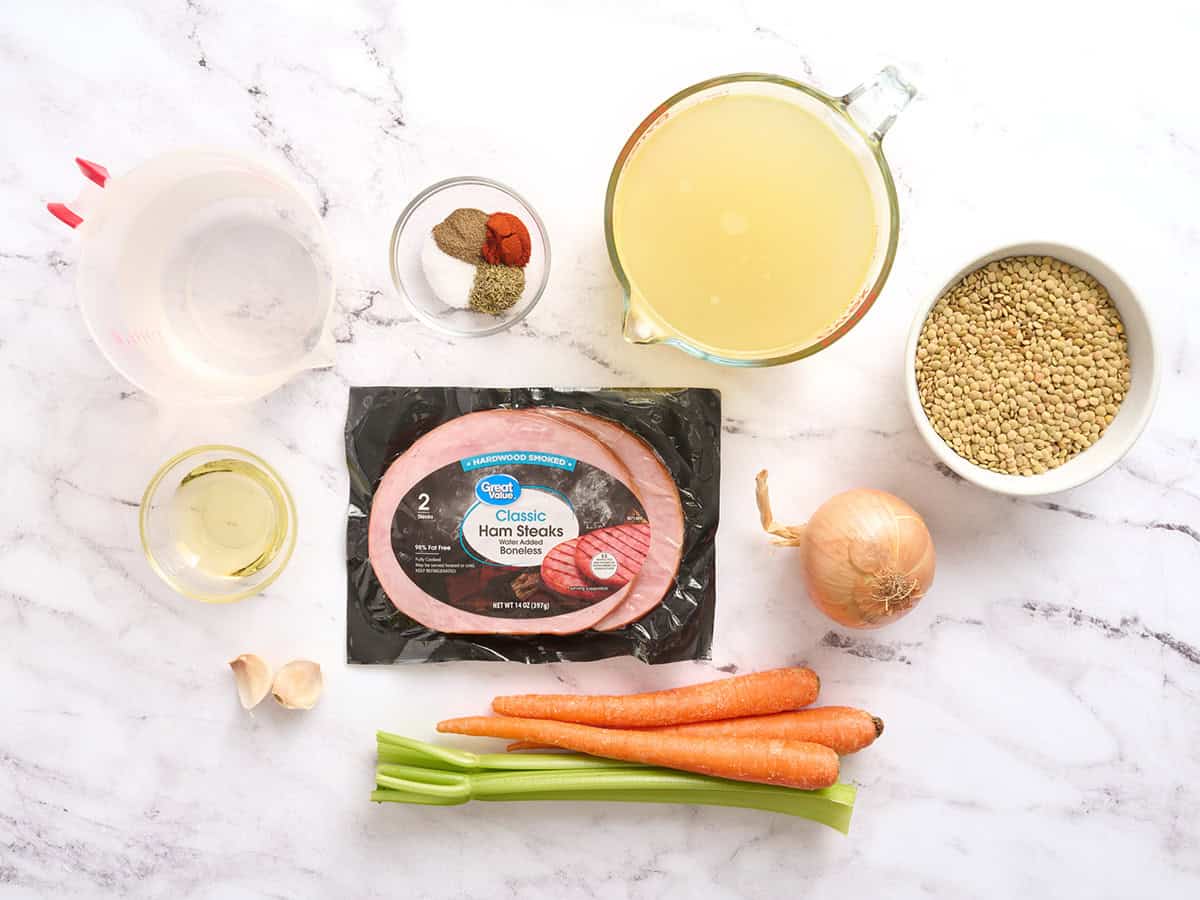
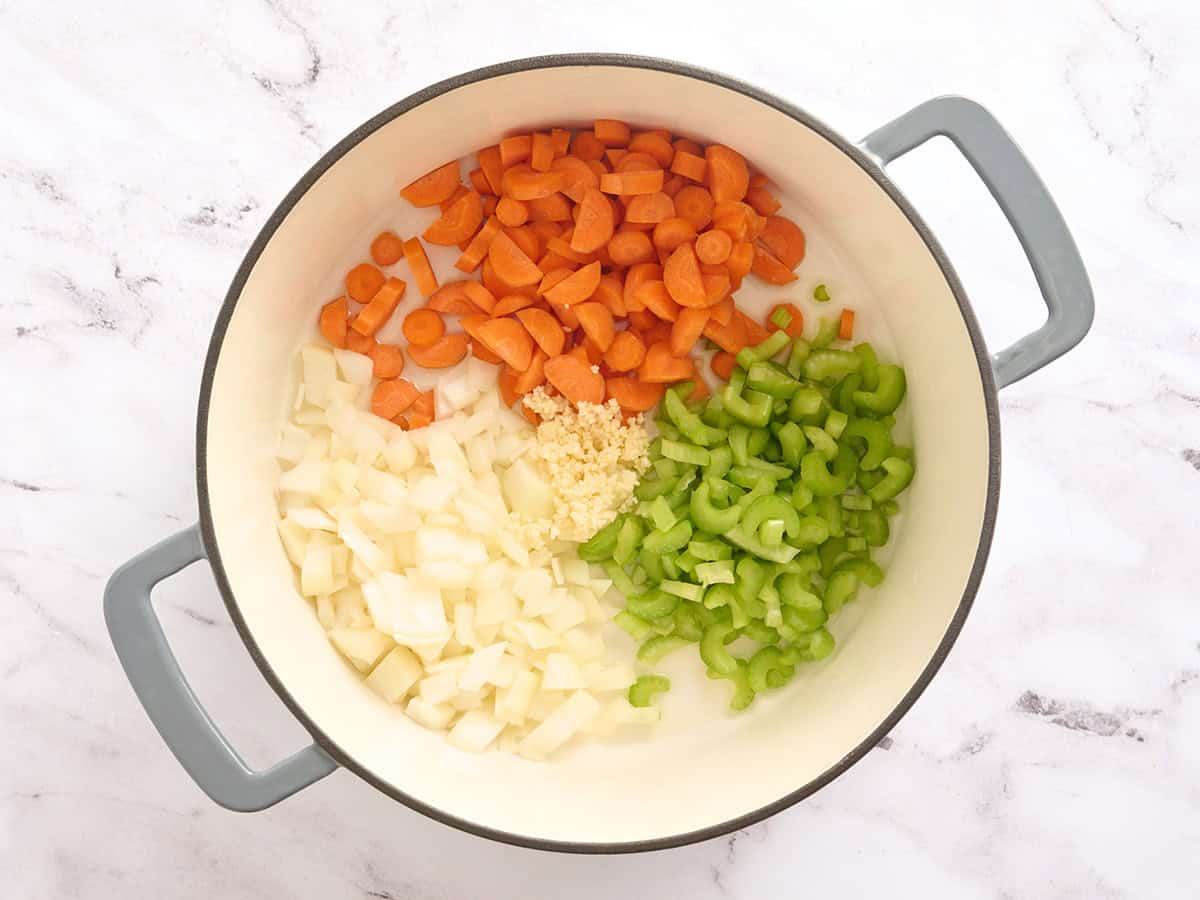
The process begins with the preparation of a mirepoix—the classic French trifecta of onions, carrots, and celery. In this recipe, one small onion, two ribs of celery, and three carrots are diced and sautéed in vegetable oil. This stage is critical for the development of the soup’s base flavor. As the vegetables cook over medium heat, the sugars within them undergo the Maillard reaction and caramelization, creating a sweet and savory foundation. Mincing two cloves of garlic and adding them in the final minute of the sauté prevents the garlic from burning while ensuring its essential oils are released into the fat.
Phase II: Hydration and Seasoning (10–15 Minutes)
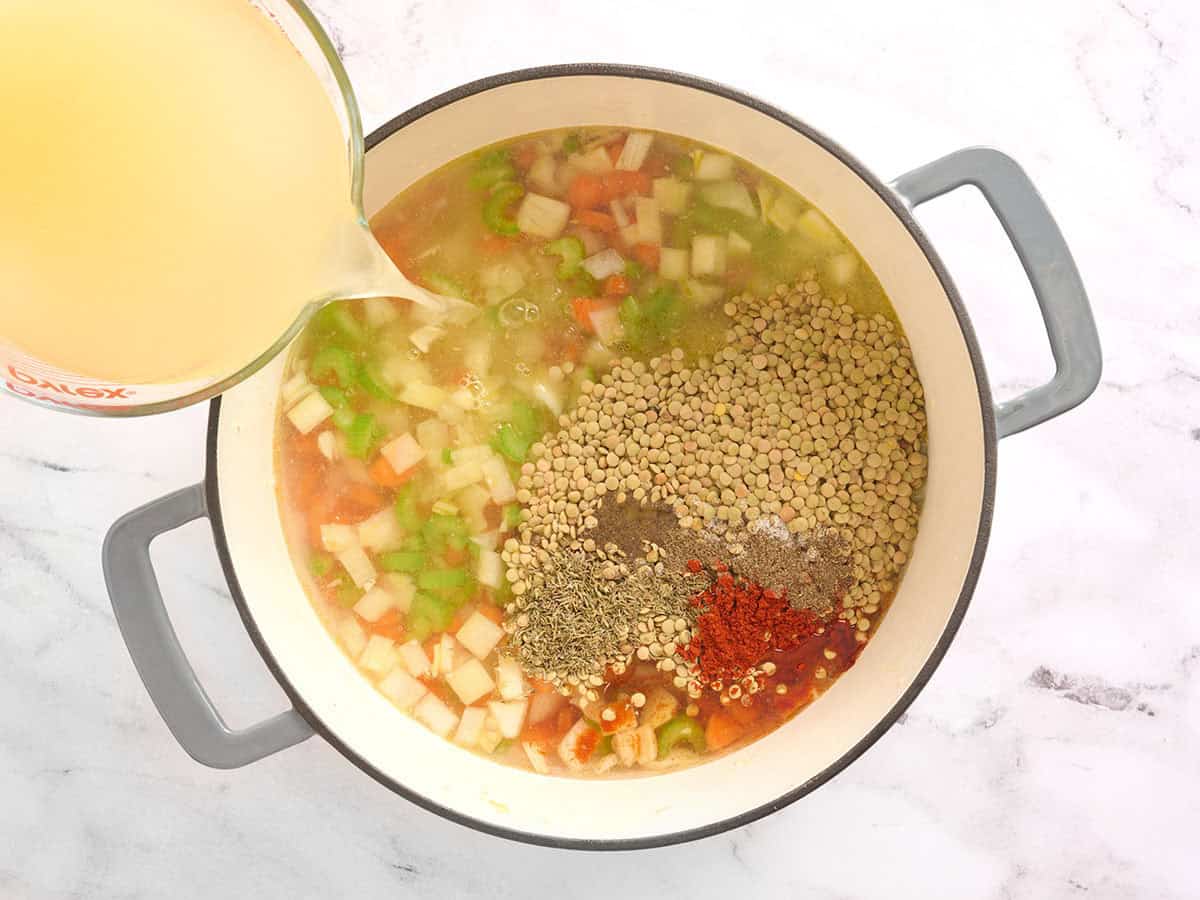
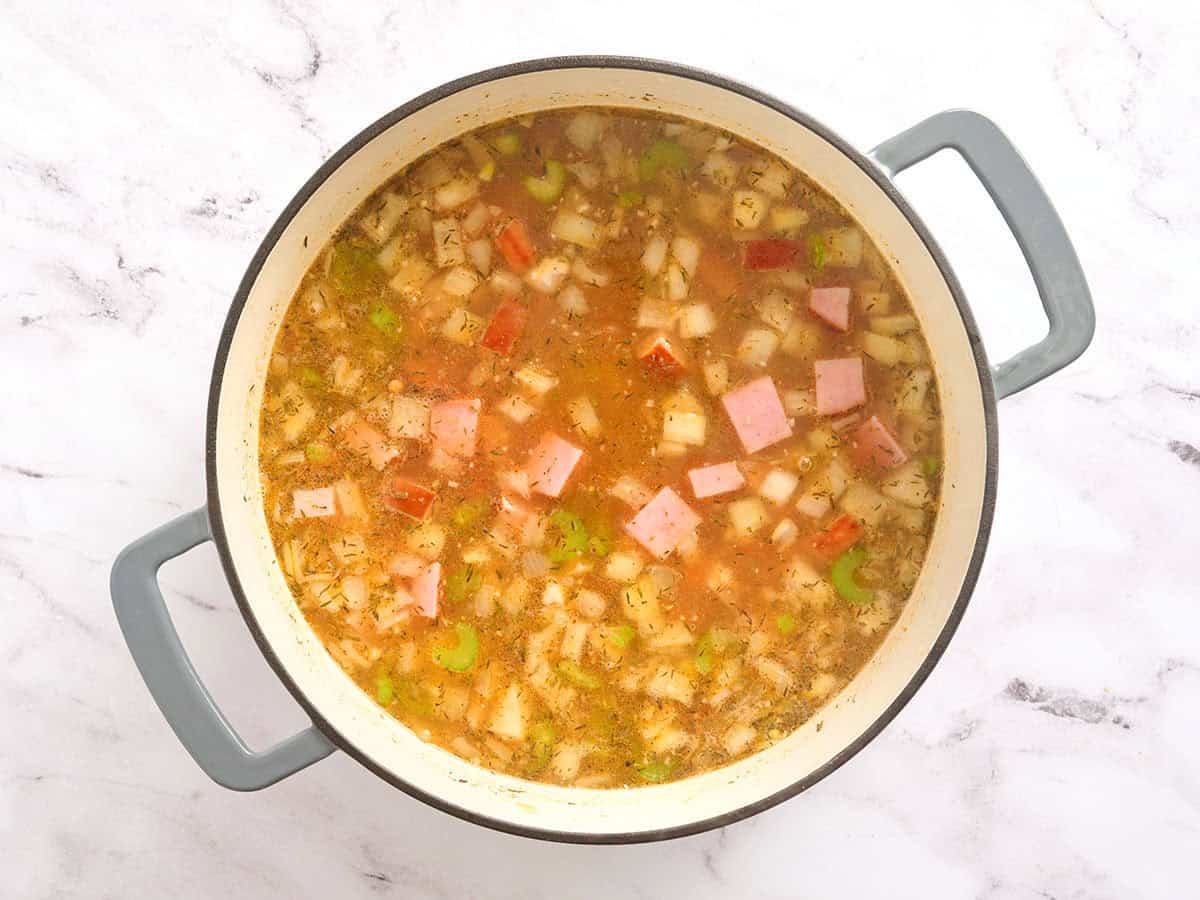
Once the aromatics are softened and translucent, the primary bulk of the soup is added. This includes 1.5 cups of dried brown lentils, which must be rinsed to remove any environmental debris or dust. Unlike many other dried legumes, lentils do not require a pre-soak, making them ideal for a 35-minute recipe. The liquid component consists of a combination of four cups of chicken broth and three cups of water. The seasoning profile is intentionally focused: paprika for a subtle smokiness and color, dried thyme for an herbaceous note, and standard salt and pepper.
Phase III: The Simmer and Integration (15–45 Minutes)
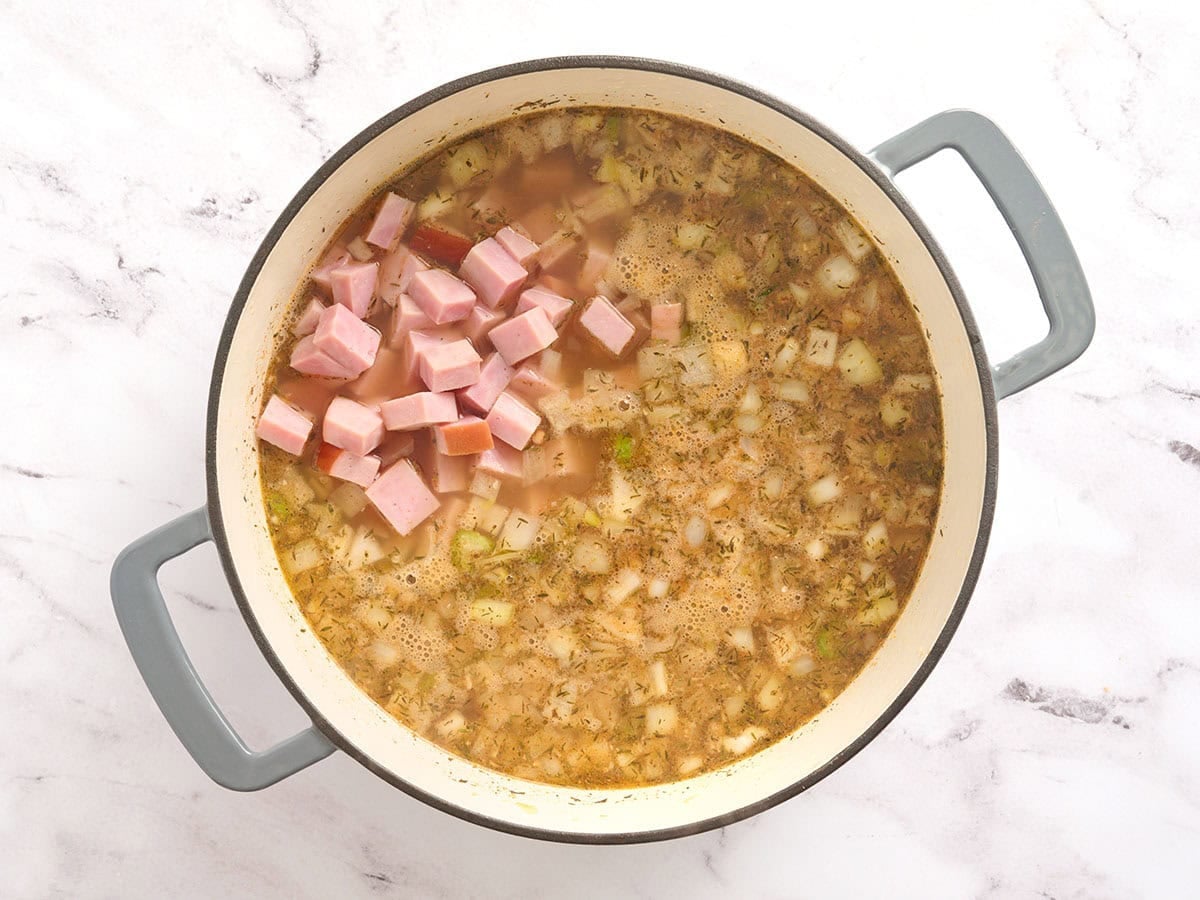
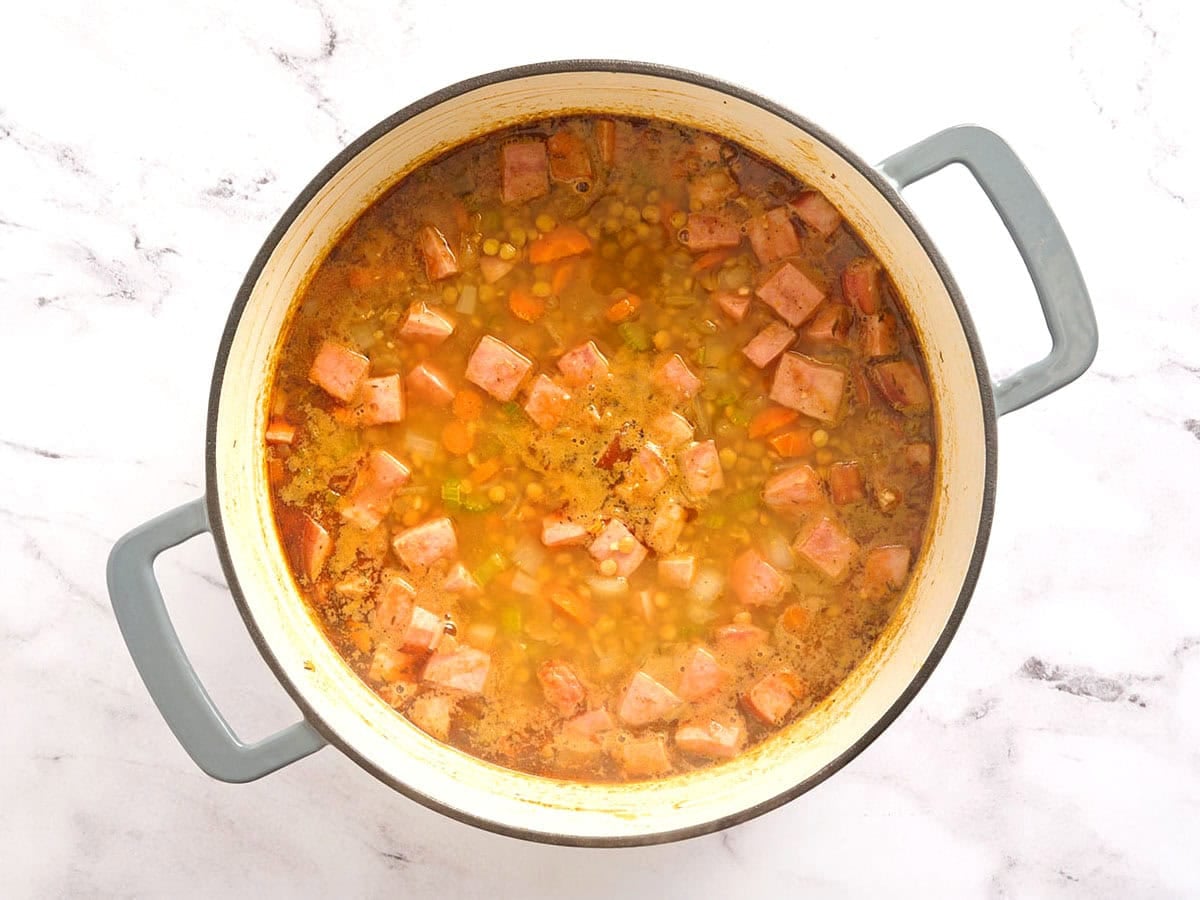
The mixture is brought to a gentle simmer. It is at this stage that the protein is introduced. The recipe calls for two diced ham steaks or approximately two cups of leftover baked ham. Because the ham is already cooked, it does not require a long braising period; instead, it simmers alongside the lentils for roughly 30 minutes. During this window, the lentils absorb the seasoned broth, softening into a tender texture while maintaining their structural integrity. The pot remains uncovered, allowing the liquid to reduce slightly and the flavors to concentrate.
Phase IV: Quality Control and Finishing (Final 5 Minutes)
The final phase involves a texture check. Culinary experts recommend testing the lentils to ensure they are "al dente"—tender but with a slight bite in the center. If the soup has become too thick due to the lentils’ starch release, additional broth may be added. A final taste test allows the cook to adjust salt and pepper levels before the soup is ladled into bowls for service.
Supporting Data: Nutritional and Financial Analysis
The Ham and Lentil Soup is not merely a comfort food; it is a nutritionally dense meal that aligns with many modern dietary guidelines. A standard 1.33-cup serving provides a robust nutritional profile:
- Calories: 312 kcal
- Protein: 29g (58% of the Daily Value)
- Dietary Fiber: 16g (67% of the Daily Value)
- Total Fat: 6g
- Carbohydrates: 35g
The high protein and fiber content make this dish exceptionally satiating, which can aid in weight management and digestive health. However, the data also highlights a significant sodium content of 1966mg per serving, which represents 85% of the recommended daily intake. Analysts suggest that home cooks can mitigate this by opting for low-sodium chicken broth or selecting ham steaks specifically labeled as "lower sodium."
Finest-scale financial analysis reveals the recipe’s high value. With a total recipe cost of $7.76 and a yield of six servings, the cost per serving is $1.29. This is significantly lower than the average cost of a processed canned soup or a fast-casual meal, which can range from $4.00 to $12.00 per serving.
Expert Insights and Technical Recommendations
Melissa Nolan, a recipe developer with a background in business hospitality and culinary arts from Johnson and Wales University, emphasizes the importance of ingredient selection in simple recipes. Having interned at Thomas Keller’s Per Se in New York City, Nolan brings high-level technical standards to budget-friendly cooking.
Her recommendations for this specific dish include:
- Lentil Selection: Brown lentils are preferred for this recipe because they hold their shape better than red or yellow lentils, which tend to disintegrate into a puree.
- Broth Quality: The use of "Better Than Bouillon" is suggested as a cost-saving measure that does not compromise the depth of the broth.
- Ham Varieties: While ham steak is the most accessible and quickest option, Nolan notes that a ham hock can be used for a deeper, more traditional flavor, though it requires an extended simmering time of at least one hour to allow the collagen to break down and the meat to become shreddable.
Broader Implications for Home Food Management
The versatility of the Ham and Lentil Soup extends to its storage and reheating capabilities, making it a prime candidate for "meal prepping"—a practice that has gained popularity as a way to save time and money. The soup can be refrigerated for up to four days or frozen for up to three months.
From a sustainability perspective, this recipe encourages the "nose-to-tail" philosophy on a domestic scale. Using a ham bone or shank from a previous holiday meal to flavor a pot of lentils reduces municipal waste and extracts the maximum nutritional value from the animal product.
Furthermore, the recipe’s adaptability to modern appliances like the Instant Pot or a slow cooker reflects a broader shift in kitchen technology. While the stovetop method is the fastest, the slow cooker allows for a "set it and forget it" approach that accommodates the schedules of working professionals.
Conclusion
The Ham and Lentil Soup stands as a testament to the fact that high-quality, nutritious meals do not require expensive ingredients or exhaustive labor. By focusing on the chemical synergy of a mirepoix, the nutritional power of pulses, and the efficient use of preserved proteins, home cooks can produce a dish that is both economically responsible and culinarily satisfying. As the Nashville Test Kitchen continues to vet such recipes, the emphasis remains on accessibility, ensuring that flavorful, healthy eating remains within reach for all demographics, regardless of budget constraints. Through dishes like this, the art of the "budget byte" is elevated from simple frugality to a sophisticated culinary practice.
