
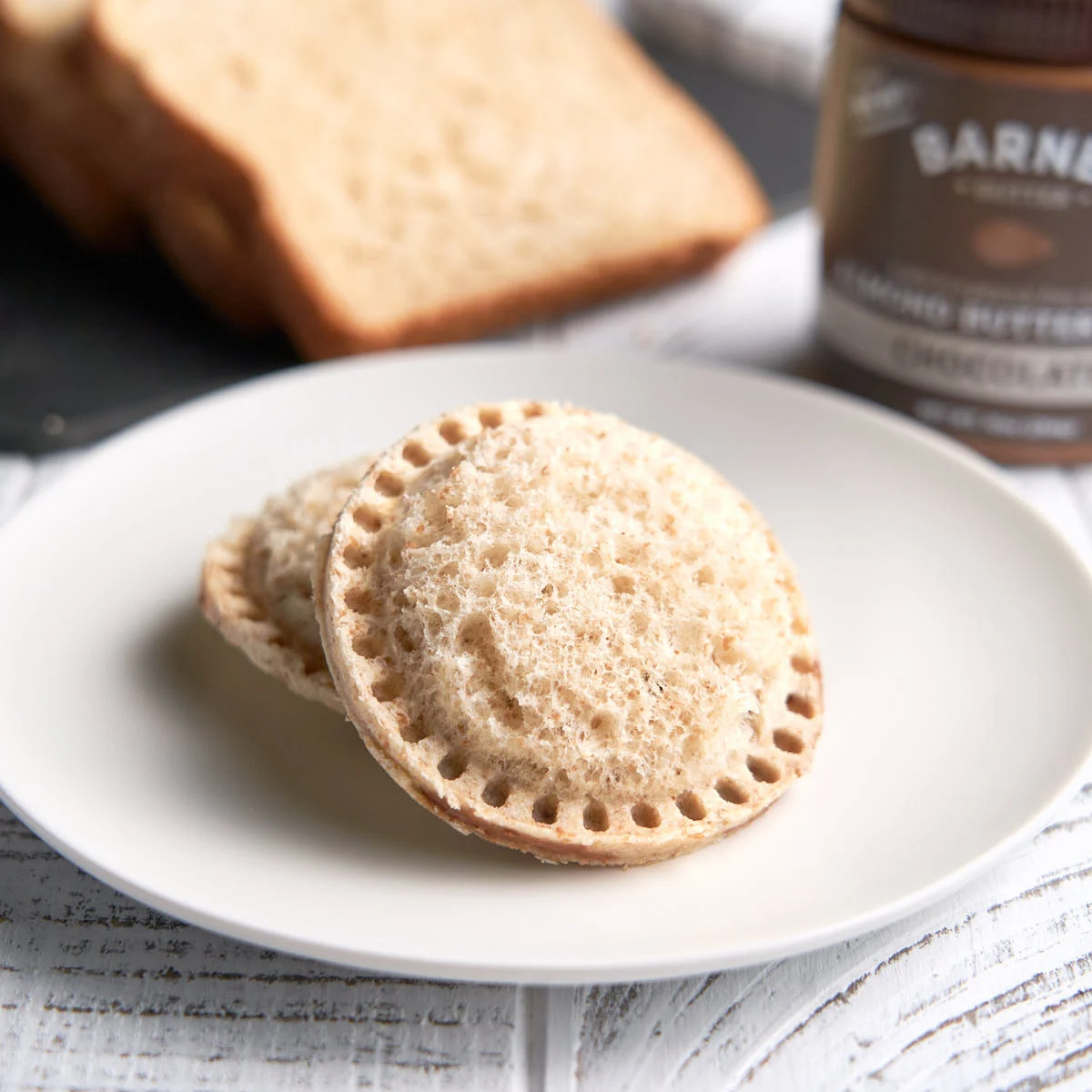
The quest for the perfect, kid-approved snack often leads parents to re-create beloved store-bought treats at home. Among these, the Smucker’s Uncrustables hold a special place in many childhood memories. However, a growing movement towards healthier, more customizable options is prompting a deeper dive into homemade alternatives. This article explores the art of creating superior homemade chocolate uncrustables, focusing on ingredient selection, essential tools, and practical tips to achieve a result that surpasses its commercially produced counterpart, making it an ideal, nutritious option for breakfast or snacks.
The Evolution of the Snackable Sandwich
The concept of a sealed, crustless sandwich gained significant traction with the introduction of pre-packaged Uncrustables by Smucker’s. Launched in 1999, these convenient frozen sandwiches quickly became a staple in lunchboxes and freezers across the nation. Their appeal lies in their portability, mess-free nature, and the satisfying combination of soft bread and sweet fillings. Initially offered in peanut butter and jelly, the chocolate hazelnut variety soon followed, tapping into a universally loved flavor profile. The market for such convenient, single-serving snacks has continued to expand, reflecting a broader consumer trend towards on-the-go eating and a demand for palatable, easy-to-consume foods for children.
However, concerns about sugar content, preservatives, and the desire for more wholesome ingredients have driven many consumers to seek out homemade versions. The ability to control the quality of ingredients, particularly the spread used, is a key differentiator for homemade Uncrustables. This article aims to provide a comprehensive guide for crafting these delightful treats, emphasizing the superior flavor and health benefits achievable through thoughtful ingredient choices and simple preparation techniques.

The Crucial Choice: Selecting the Perfect Chocolate Spread
The heart of any chocolate uncrustable lies in its filling. While the classic store-bought version typically uses a chocolate hazelnut spread, the pursuit of a healthier and arguably more delicious alternative leads to exploring other options. The key is to find a spread that is both palatable and offers nutritional advantages.
For those seeking to replicate the iconic flavor profile, a high-quality chocolate hazelnut spread can be a starting point. However, for a demonstrably healthier and equally, if not more, satisfying experience, the focus shifts to alternatives that minimize added sugars and incorporate beneficial ingredients.
A standout recommendation in this category is Barney Butter’s Almond Butter with Chocolate. This product offers a rich, chocolatey flavor without the excessive sugar typically found in traditional spreads. With only 2 grams of added sugar per serving, it stands in stark contrast to the approximately 21 grams of added sugar found in a comparable serving of Nutella. This significant difference makes it a compelling choice for health-conscious families. Furthermore, its smooth texture ensures easy spreading and an enjoyable mouthfeel, contributing to a superior finished product. The almond butter base also provides a good source of healthy fats and protein, enhancing the nutritional value of the uncrustable, making it a viable and satisfying breakfast option.
Essential Tools for Perfect Uncrustables
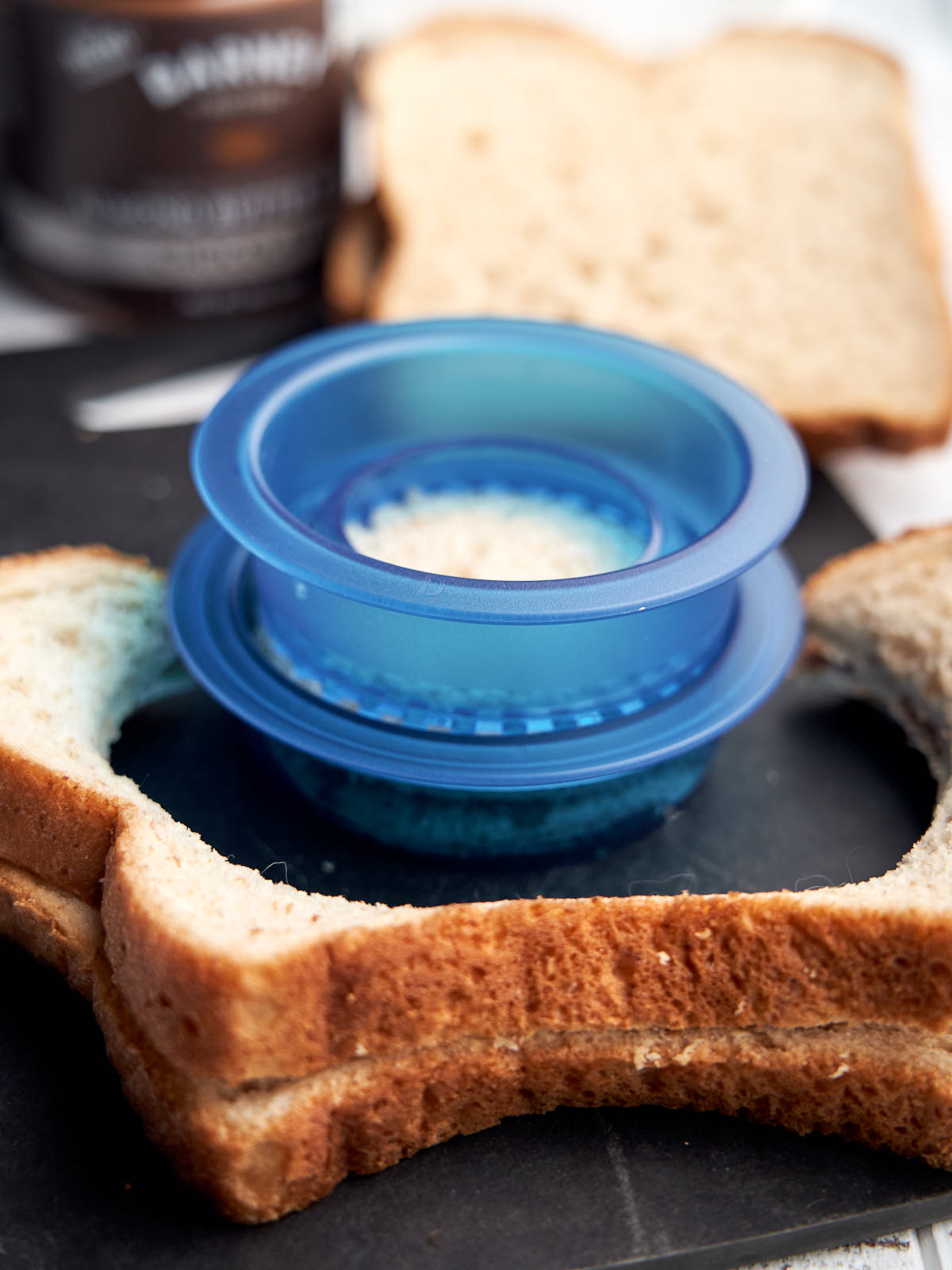
Achieving the signature look and seal of a store-bought uncrustable requires specific tools. While a simple knife can cut off crusts, it lacks the precision and sealing capability of dedicated uncrustable makers. These devices are designed to both cut and crimp the edges of a sandwich, creating a secure seal that prevents filling from leaking out.

There are numerous uncrustable makers available on the market, varying in design and functionality. A highly recommended option is one that replicates the classic Smucker’s edge shape, avoiding the less desirable wavy edges that some generic sandwich sealers produce. The ideal tool will feature a clean-cutting circular cutter and a well-designed crimping mechanism.
The process of using such a maker is remarkably straightforward, typically involving two key steps:
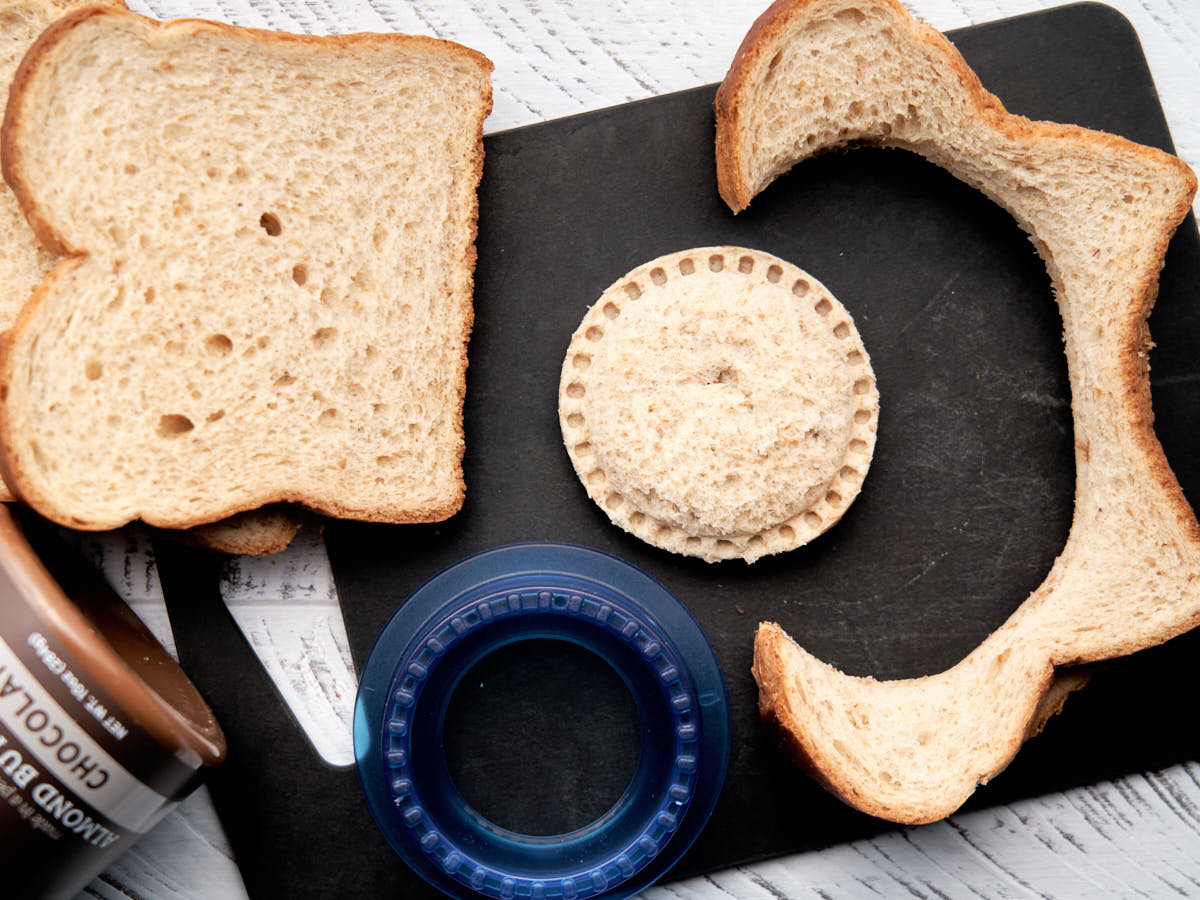
- Crust Removal: The sandwich, prepared with the chosen filling, is placed under the circular cutter. A firm press removes the crust and creates a clean, round base.
- Sealing the Edges: The sealing mold is then pressed down onto the sandwich. This action crimps the edges of the bread, effectively sealing the filling within and creating the iconic uncrustable shape.
This two-step process ensures a professional-looking and functionally superior product, preventing any messy leaks during consumption.
Mastering the Technique: Tips for Superior Homemade Uncrustables
Beyond the choice of spread and the right tools, several practical tips can elevate the quality of homemade chocolate uncrustables. These seemingly small details contribute significantly to the overall success and enjoyment of the final product.
The Foundation: Selecting the Right Bread
The type of bread used plays a crucial role in the outcome. For optimal results, opt for soft, pliable sandwich breads. Varieties like Wonder Bread or Nature’s Own Honey Wheat are often ideal. These breads are less prone to splitting or cracking when subjected to the cutting and sealing process.
In contrast, denser whole wheat breads, while nutritionally beneficial in other contexts, may not hold up as well. Their texture can be more brittle, leading to cracks and a less aesthetically pleasing, or even compromised, seal. The goal is a bread that yields to the pressure of the uncrustable maker without tearing, ensuring a clean and intact sandwich.
The Art of Filling: Moderation is Key
It might be tempting to generously fill the sandwich with the chocolate spread, but this is a common pitfall that can lead to messy results. Overfilling is a primary cause of the filling oozing out during the sealing process. The uncrustable maker has a limited capacity, and excessive filling can easily escape the crimped edges.
A visual cue to watch for is any spread appearing on the sealed edge before the sandwich is fully formed. This indicates too much filling has been used.
Strategic Placement: Keeping the Filling Centered
To further prevent spillage, concentrate the chocolate spread in the center of the bread slices. There is no need to spread it all the way to the edges. By keeping the filling confined to the central area, the chances of it being squeezed out during the sealing process are significantly reduced. This methodical approach ensures that the crimping action effectively contains the filling, maintaining the integrity of the uncrustable.
The Healthier Breakfast Alternative: Nutritional Considerations
The shift towards homemade uncrustables, particularly when using spreads like Barney Butter Almond Butter with Chocolate, offers significant health advantages. The reduction in added sugars is a primary benefit, crucial for maintaining stable energy levels and preventing sugar crashes, especially for children.
According to the USDA, a standard serving of Nutella (2 tablespoons or approximately 32 grams) contains about 21 grams of added sugar. In comparison, Barney Butter Almond Butter with Chocolate contains only about 2 grams of added sugar per serving. This is a substantial difference, making the homemade version a far healthier choice for regular consumption.
Beyond sugar content, the use of almond butter introduces beneficial nutrients. Almonds are a good source of healthy monounsaturated and polyunsaturated fats, which are important for heart health. They also provide vitamin E, magnesium, and fiber. When combined with whole grain bread (if chosen), these uncrustables can offer a more balanced nutritional profile, contributing essential macronutrients and micronutrients to a child’s diet. This makes them a practical and guilt-free option for a quick breakfast or a wholesome snack.
Expanding the Uncrustable Horizon: Beyond Chocolate
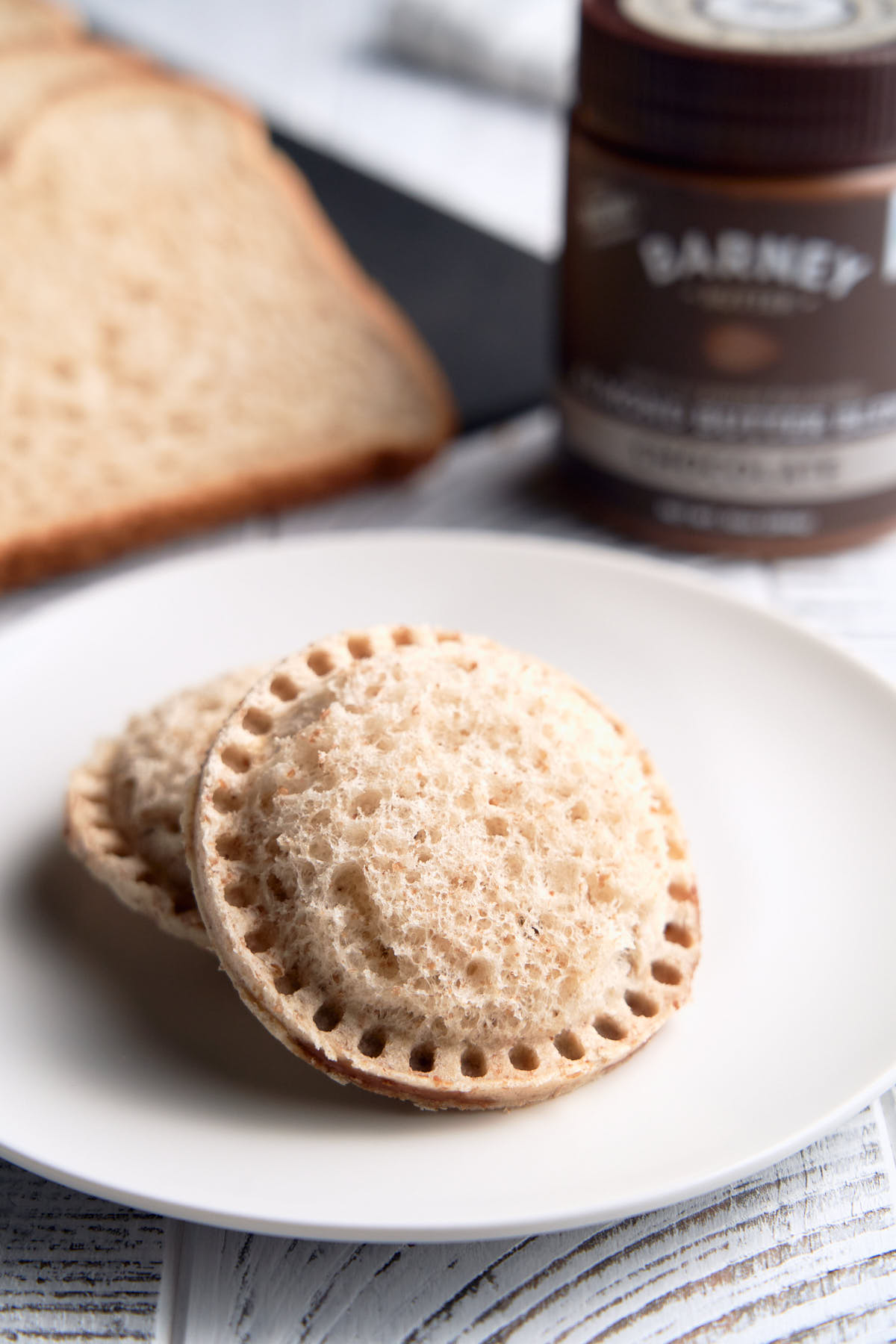
While the chocolate uncrustable is a crowd-pleaser, the versatility of the uncrustable maker extends to other fillings. The same principles of careful ingredient selection and application apply. For instance, a classic peanut butter and jelly uncrustable can be made with natural peanut butter and a lower-sugar fruit jam. Savory options, such as cream cheese and a thin layer of ham or turkey, can also be explored, offering even more variety and nutritional balance.
The original article also references a recipe for Peanut Butter and Honey Uncrustables, demonstrating a commitment to providing a range of homemade uncrustable options. Furthermore, the suggestion to explore "kid-friendly breakfast ideas" points towards a broader culinary philosophy that prioritizes accessible, enjoyable, and nutritious meals for young eaters.
Conclusion: A Sweet Victory for Homemade Snacks
The creation of superior homemade chocolate uncrustables is an achievable goal that offers a healthier, more delicious, and customizable alternative to store-bought versions. By carefully selecting a quality chocolate spread with reduced sugar content, utilizing the right tools like a dedicated uncrustable maker, and adhering to simple preparation tips such as using soft bread and moderating filling amounts, families can enjoy a beloved treat with enhanced nutritional benefits. This approach not only satisfies cravings but also empowers parents to provide wholesome snacks that align with their family’s health and dietary goals, making the homemade chocolate uncrustable a sweet victory in the realm of family-friendly cooking.
