
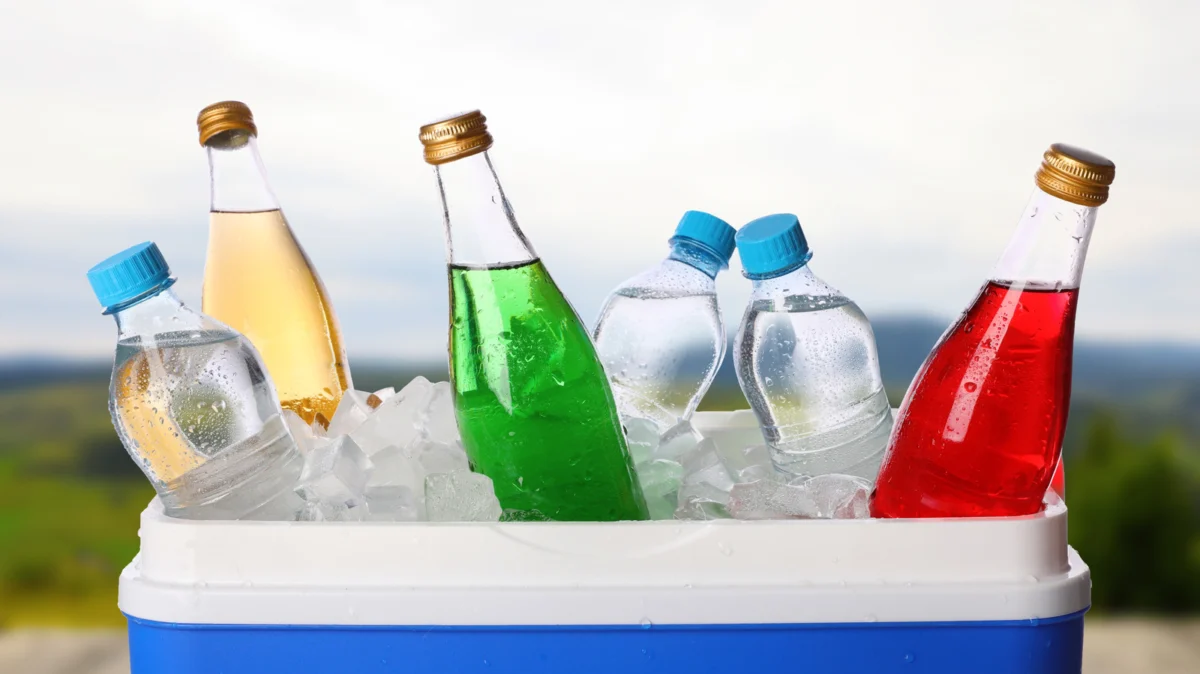
The quintessential summer outing – be it a sun-drenched beach day, a lively park picnic, or a scenic camping adventure – often hinges on one critical element: the sustained coolness of its provisions. For many, the disappointment of reaching into a cooler after hours of enjoyment, only to discover a lukewarm beverage or a soggy sandwich, is a recurring summer woe. Fortunately, a straightforward yet remarkably effective strategy exists to combat this common frustration, rooted in a fundamental principle of thermodynamics. By understanding the dynamics of heat transfer and air displacement, individuals can significantly extend the chill factor of their portable coolers, ensuring refreshing sustenance throughout their outdoor endeavors.
The Physics of a Packed Cooler: Minimizing Air, Maximizing Chill
At the heart of this simple yet powerful cooler trick lies the second law of thermodynamics, which dictates that heat naturally flows from warmer environments to cooler ones. In the context of a cooler, this means that the warmer ambient air surrounding the cooler, and any air trapped within its empty spaces, will inevitably attempt to transfer its heat to the cooler interior and its contents. A partially filled cooler is essentially a vessel containing a significant volume of air. Air, being a poor conductor of heat but readily available to displace other substances, becomes a conduit for warmth.
Every time the cooler lid is opened, this warmer outside air rushes in, displacing the colder air inside. This influx of heat accelerates the melting of ice and the warming of chilled items. Consequently, the more unoccupied space within a cooler, the greater the surface area exposed to incoming warm air and the faster the cooling efficiency diminishes. This phenomenon explains why a half-empty cooler succumbs to ambient temperatures far more rapidly than one that is densely packed. The principle is elegantly simple: less air means less opportunity for heat to infiltrate.
The Overpacking Advantage: A Strategy for Sustained Cold
The most effective solution to this pervasive problem is deceptively straightforward: pack your cooler completely full. By minimizing the volume of air within the cooler, you drastically reduce the potential for warm air to enter and displace the cold air. This density of contents creates a more robust thermal barrier, effectively slowing down the rate at which external heat can penetrate. Essentially, "overpacking" your cooler is not an act of excess, but a strategic application of scientific principles to ensure your food and beverages remain refreshingly cold for extended periods. This method is particularly beneficial for longer excursions or when facing particularly high ambient temperatures, as it provides a sustained cooling effect that can last for many hours.
Strategic Filling: Beyond Just Stuffing It In
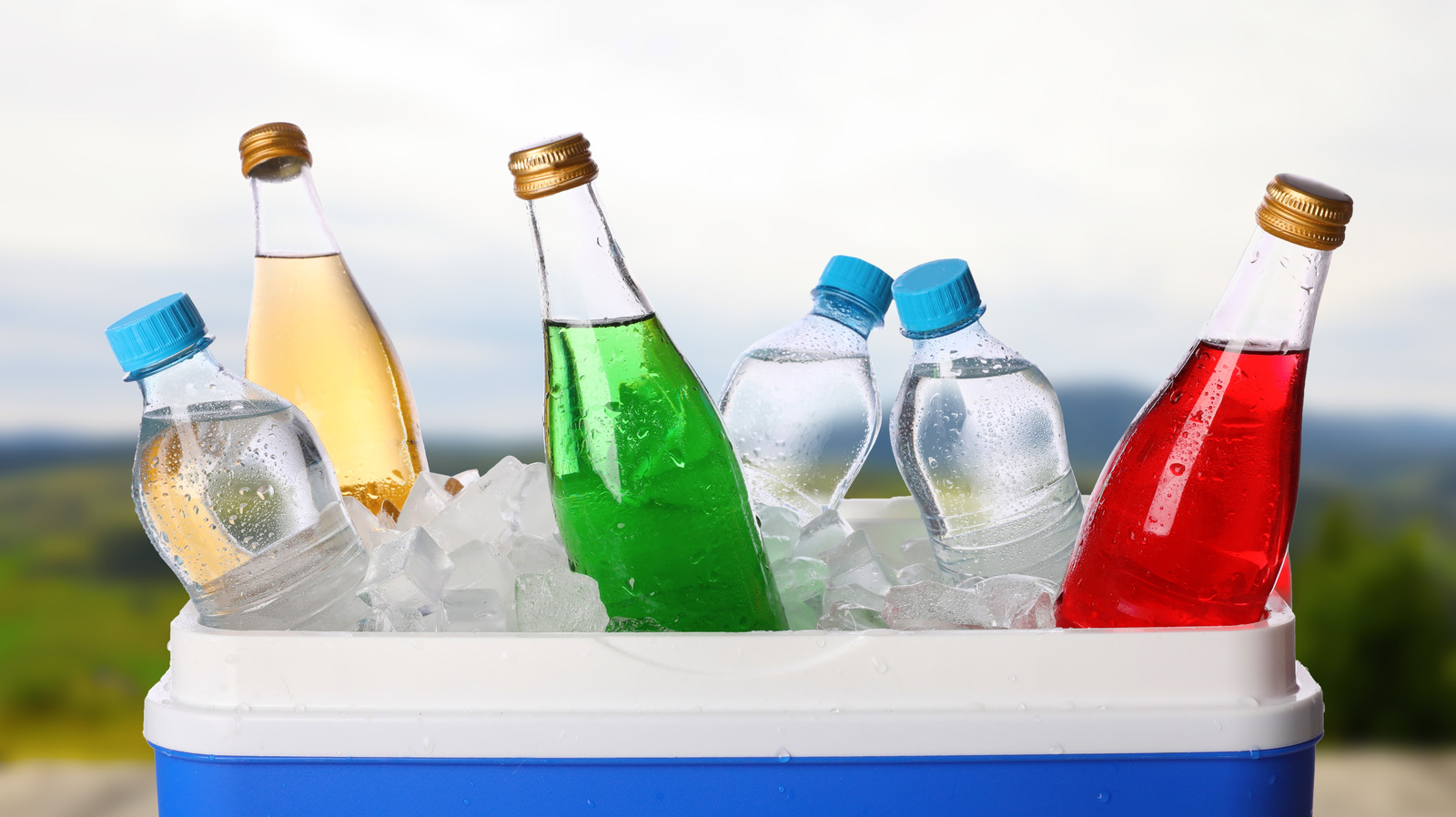
While the core principle is to fill the cooler, the way in which it is filled can further enhance its cooling capabilities. The ideal way to fill the remaining space, once your primary food and beverage items are loaded, is by utilizing frozen water bottles. These serve a dual purpose: they act as formidable ice packs, maintaining a consistent low temperature within the cooler, and they also provide a source of cold drinking water as they gradually thaw. This eliminates the common issue of melted ice creating a watery mess, which can not only be inconvenient but can also compromise the integrity of certain food items.
The Science of Ice: Size Matters for Longevity
Beyond frozen bottles, the type and size of ice used also play a significant role in a cooler’s performance. While standard ice cubes will certainly cool your contents, their smaller surface area relative to their volume means they melt more quickly. Larger blocks of ice, conversely, offer a more sustained cooling effect. If you have the foresight and freezer space, consider creating your own jumbo ice cubes by using wide plastic containers. These larger frozen masses will surrender their chill at a slower rate, providing consistent coolness for a greater duration.
A widely accepted guideline for optimal cooler packing suggests a 2-to-1 ratio of ice to food and beverages. This means that approximately two-thirds of your cooler’s volume should ideally be occupied by ice. Adhering to this ratio, while also ensuring the cooler is packed tightly with items to minimize air pockets, will yield the most effective and long-lasting cooling results. The aim is to create a dense, insulated environment where the cold air is trapped, and the intrusion of warm air is significantly impeded.
Context and Background: The Evolving Landscape of Outdoor Food Safety
The importance of maintaining cool temperatures for food and beverages during outdoor activities extends beyond mere comfort; it is a critical aspect of food safety. In warmer weather, perishable foods can quickly enter the "danger zone" – a temperature range between 40°F (4°C) and 140°F (60°C) – where bacteria can multiply rapidly, increasing the risk of foodborne illnesses. According to the U.S. Food and Drug Administration (FDA), maintaining cold foods at or below 40°F (4°C) is essential to prevent bacterial growth.
The evolution of portable coolers has seen significant advancements, from simple insulated boxes to high-performance, vacuum-insulated models capable of keeping ice frozen for several days. However, even with the most advanced coolers, proper packing techniques remain paramount. The scientific principles behind effective cooling have been understood for centuries, but their practical application in everyday scenarios, like a summer picnic, is often overlooked in favor of convenience.
Implications for Summer Activities and Public Health
The widespread adoption of this simple cooler-packing strategy has several positive implications:
- Reduced Risk of Foodborne Illness: By ensuring perishable items remain consistently cold, the likelihood of consuming contaminated food decreases significantly, contributing to public health and well-being during recreational activities.
- Enhanced Enjoyment of Outdoor Events: The ability to enjoy chilled drinks and fresh food throughout a long day outdoors undoubtedly enhances the overall experience of summer outings, making them more pleasant and satisfying.
- Economic Benefits for Food Providers: For businesses that cater outdoor events or sell picnic-ready meals, ensuring the quality and safety of their products through effective temperature control can lead to increased customer satisfaction and repeat business.
- Environmental Considerations: While not the primary focus, efficient cooler packing can indirectly contribute to reducing food waste by preserving the freshness of provisions for longer periods.
Expert Recommendations and Future Trends
Experts in food safety and outdoor recreation consistently emphasize the importance of proper cooler management. Organizations like the Centers for Disease Control and Prevention (CDC) provide guidelines for safe food handling during outdoor events, often highlighting the critical role of temperature control.
Looking ahead, advancements in cooler technology, such as improved insulation materials and integrated cooling systems, may further enhance the longevity of chilled contents. However, the fundamental principle of minimizing air space and maximizing the presence of cooling agents, as outlined by the simple "pack it full" strategy, is likely to remain a cornerstone of effective cooler use. Educational initiatives aimed at promoting these simple yet scientifically sound practices could further empower individuals to enjoy safer and more enjoyable summer experiences.
A Chronology of Cooler Evolution and Food Safety Awareness
The history of preserving food through cooling is ancient, with early methods involving ice harvested from frozen lakes and rivers. The development of insulated containers began in the 19th century, with early ice chests evolving into the modern cooler. The widespread adoption of refrigeration in homes and the commercial availability of portable coolers in the mid-20th century revolutionized outdoor food consumption.
Concurrently, awareness of foodborne illnesses and the scientific understanding of bacterial growth have grown. Public health campaigns and regulatory bodies have increasingly emphasized safe food handling practices, including maintaining proper temperatures. The "pack it full" cooler trick, while seemingly a recent discovery for some, is a practical manifestation of these long-standing scientific principles, gaining renewed attention as people seek to optimize their outdoor experiences.
Conclusion: A Simple Solution for a Cooler Summer
The quest for perfectly chilled refreshments on a hot summer day need not be complicated. By embracing the fundamental principle of minimizing air displacement within a cooler, individuals can significantly extend the coldness of their provisions. Packing a cooler to its capacity, utilizing frozen water bottles as dual-purpose ice packs and beverages, and opting for larger ice blocks when possible are all simple yet highly effective strategies. These techniques, rooted in basic thermodynamics and aligned with crucial food safety guidelines, ensure that your summer adventures are accompanied by refreshingly cold food and drinks, enhancing enjoyment and promoting well-being throughout the season. The next time you prepare for an outdoor excursion, remember the power of a full cooler – it’s the secret to a truly cool summer.
