
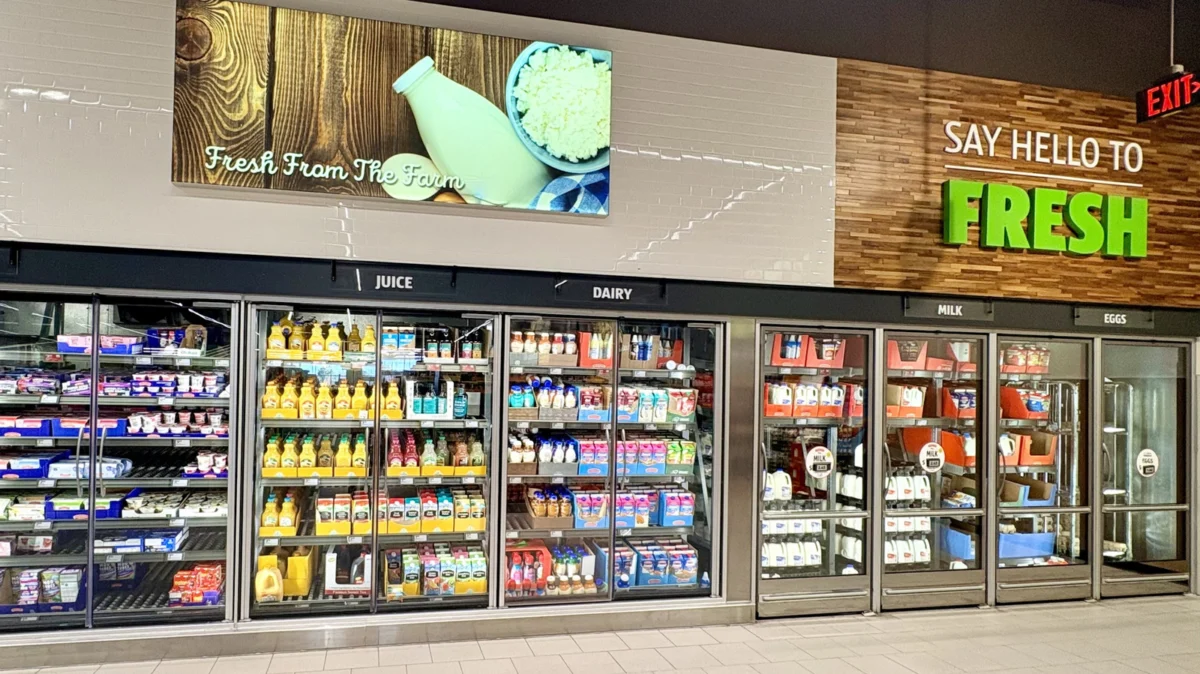
Aldi, the German-born supermarket chain renowned for its distinctive shopping experience, strategically places its frozen food section immediately adjacent to the checkout counters. This unconventional store layout, a departure from the typical grocery store arrangement where frozen aisles are often relegated to the back or alongside other packaged goods, is not an arbitrary design choice. Instead, it is a meticulously planned operational strategy aimed at enhancing product integrity, optimizing the customer shopping journey, and contributing to the overall efficiency of the Aldi model.
Strategic Placement: Preserving Product Quality
The primary rationale behind positioning the frozen section near the checkout is to minimize the time frozen items spend at ambient temperatures. By making frozen goods the final items customers place into their carts, Aldi significantly reduces the risk of thawing before reaching the consumer’s home. This is particularly crucial for items like frozen vegetables, prepared meals, and popular products such as Aldi’s own-brand chicken nuggets, ensuring they remain in optimal condition. The concern is not merely about consumer satisfaction; it is about upholding product quality and preventing potential spoilage, which aligns with the retailer’s commitment to delivering value and quality.
The strategy extends beyond preventing thawing. The proximity of the frozen section to the exit also serves to protect these delicate items from being damaged or crushed by heavier, non-refrigerated goods that are typically loaded into shopping carts earlier in the shopping trip. This prevents scenarios where frozen waffles could be flattened or frozen fruits could be mashed by cans of soup or bags of flour. This thoughtful consideration for product handling contributes to a better overall customer experience and reduces potential waste.
The "Island Freezer" Innovation
Complementing the main frozen section, Aldi also employs strategically placed "island freezers" within the store’s central aisles. These freezers offer customers the convenience of grabbing last-minute frozen purchases. While the time these items spend in the cart before checkout might be slightly longer than those from the primary frozen aisle, the overall risk of significant thawing is still mitigated. This dual approach—a dedicated frozen zone near the checkout and accessible island freezers—demonstrates a comprehensive effort to maintain the cold chain throughout the customer’s shopping experience.
Evolution of the Aldi Model: A Look Back
Aldi’s origins trace back to 1913 in Essen, Germany, when Anna and Karl Albrecht opened a small grocery store. The company rapidly expanded, and by the 1960s, it had established its distinctive discount model. Key to this model were several innovations designed to reduce costs and increase efficiency, including limited product selection, a focus on private labels, and a unique checkout system that included a deposit for shopping carts. The placement of the frozen section is a continuation of this long-standing philosophy of thoughtful, cost-effective, and customer-centric design. The company’s expansion into the United States began in 1976, and it has since become a major player in the American grocery market, known for its aggressive pricing and unique shopping environment.
Customer Adaptation and Perceived Challenges
While Aldi’s layout is strategically sound from an operational perspective, it can present an initial adjustment period for shoppers accustomed to more traditional grocery store formats. The concentration of staple items like produce, bakery goods, and frozen foods at the front of the store, followed by dairy and meats in the middle or back, can lead some customers to inadvertently skip essential items located further into the store. This necessitates a more deliberate and planned approach to shopping at Aldi, which may not suit those in a hurry or who prefer a more serendipitous browsing experience.
Furthermore, some customers have voiced concerns regarding the narrowness of Aldi’s aisles. This can create congestion, particularly during peak shopping hours, making navigation challenging for shoppers with larger carts or those who need to maneuver around other customers. This constraint on aisle width is another facet of Aldi’s cost-saving and efficiency-driven model, as it allows for more selling space within a given footprint. However, it requires shoppers to be mindful of traffic flow and consider alternative shopping strategies.
Optimizing the Aldi Shopping Experience
To maximize their efficiency and enjoyment at Aldi, shoppers are often advised to adopt specific strategies. For instance, utilizing a reusable bag instead of a cart for smaller purchases can help navigate the aisles more easily. Arriving early in the morning, when store traffic is typically lighter, can provide more space and time to explore the entire store without feeling rushed. Additionally, shoppers are encouraged to explore the central aisles, which often feature Aldi’s famous "Special Buys"—weekly rotating offers on a diverse range of products, from prepared foods and kitchenware to home decor and seasonal items. These special buys are a significant draw for many Aldi customers and highlight the store’s commitment to offering unexpected value beyond everyday groceries.
Data and Market Impact
Aldi’s strategic layout choices are underpinned by a data-driven approach to retail operations. While specific internal data on the impact of frozen section placement is proprietary, industry analysis consistently points to the effectiveness of such optimized store designs in driving sales and customer loyalty. For example, studies by retail analytics firms often highlight the correlation between efficient store flow and increased basket sizes, as customers are more likely to complete their shopping missions when the process is seamless. Aldi’s consistent growth, evidenced by its over 2,300 stores in the U.S. as of recent reports, suggests that its unique operational strategies, including the freezer placement, are indeed resonating with a significant consumer base. The company’s market share in the U.S. has steadily increased, often attributed to its ability to offer competitive pricing without compromising on product quality or shopping convenience, a testament to the success of its carefully orchestrated store environment.
Broader Implications for the Retail Landscape
The Aldi model, with its emphasis on strategic layout and operational efficiency, offers valuable insights for the broader retail industry. In an era where consumers are increasingly seeking value, convenience, and a positive shopping experience, retailers are compelled to re-evaluate their store designs and operational strategies. Aldi’s success demonstrates that unconventional approaches, when thoughtfully implemented and rooted in a clear understanding of consumer behavior and operational imperatives, can lead to significant competitive advantages. The company’s ability to maintain product integrity, facilitate efficient checkout, and still offer an engaging shopping experience through its special buys, exemplifies a holistic approach to retail management. As other grocery chains continue to face evolving consumer demands and competitive pressures, the lessons learned from Aldi’s well-honed strategies, including the seemingly simple yet impactful decision of freezer placement, are likely to influence future retail store designs and operational frameworks.
