
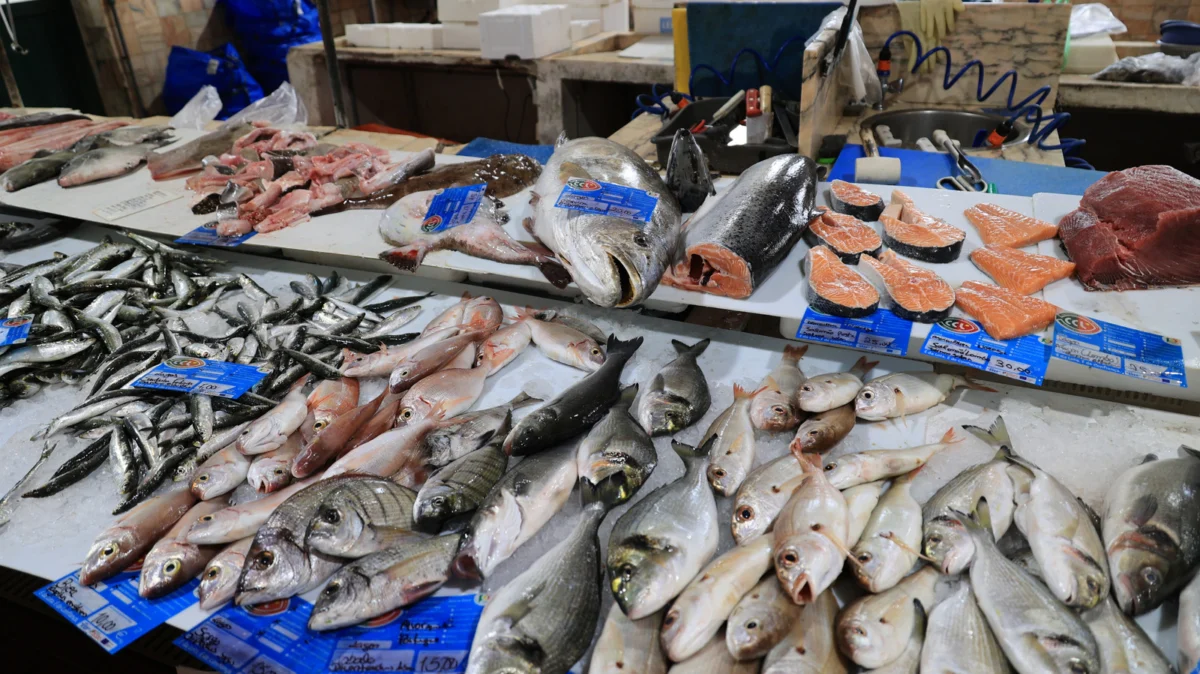
While the phrase "chicken of the sea" may evoke a popular canned tuna brand, for culinary professionals and home cooks alike, white fish represents a far more versatile and fundamental protein. This broad category encompasses a diverse array of both freshwater and saltwater species, united primarily by the pale hue of their flesh. The remarkable interchangeability of these fish in recipes, their generally mild flavor profiles, and their adaptability to various sauces and cooking methods make them a staple in kitchens worldwide. Furthermore, many varieties offer an accessible price point, though this can vary significantly. Navigating the vast world of white fish requires an understanding of which options are not only delicious but also sustainable and ethically sourced.
Drawing on extensive culinary experience, including the operation of two seafood-centric restaurants and a personal history rooted in generations of fishing families, this guide aims to illuminate the best choices for consumers. It delves into ten white fish varieties that are consistently worth purchasing, alongside four that are best avoided due to ecological concerns, sustainability issues, or quality considerations. This analysis considers not only the palatability and culinary applications of each fish but also crucial factors such as environmental impact, fishing practices, and market availability.
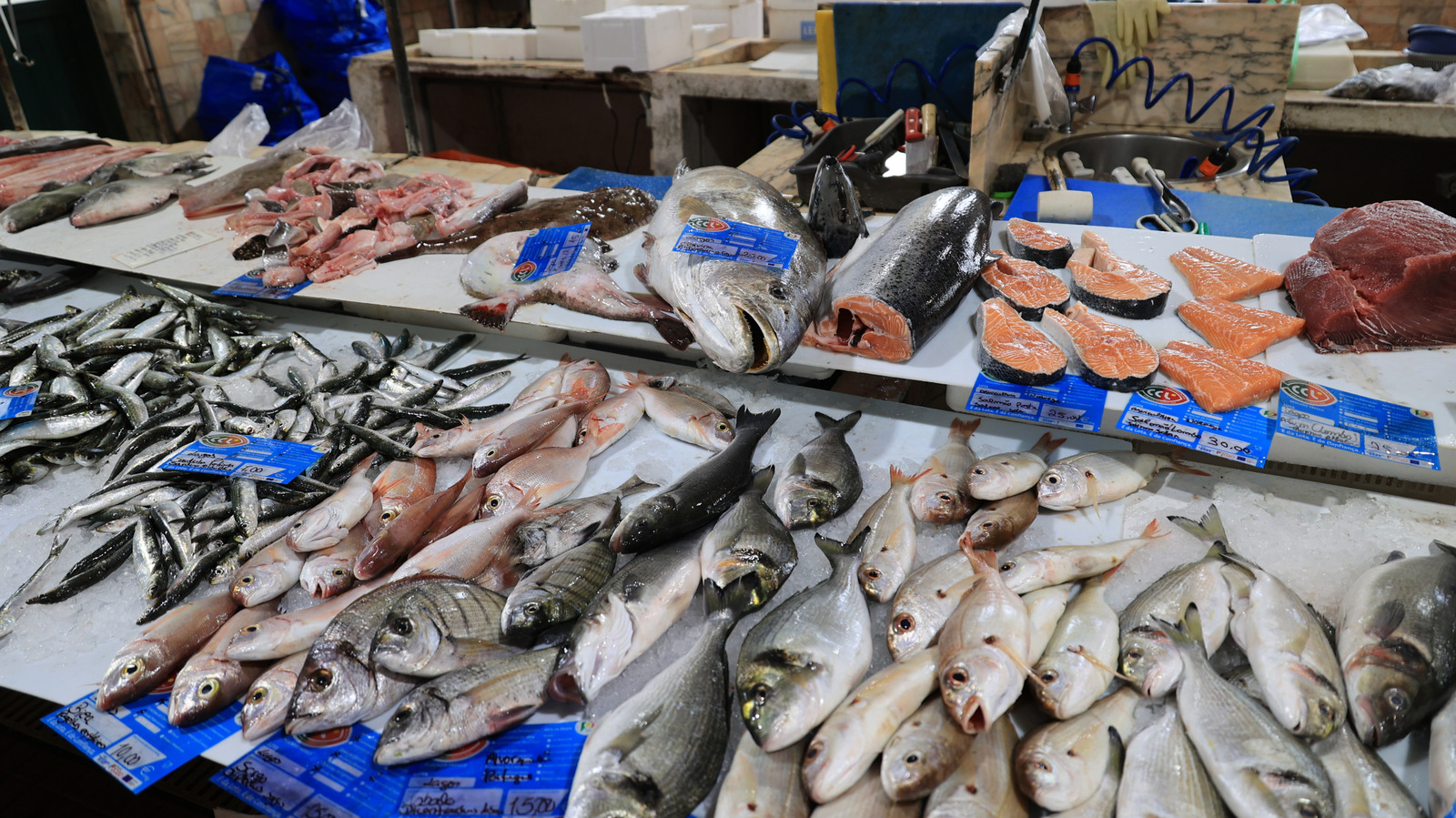
The Enduring Appeal of Cod: A Culinary Cornerstone
Cod, a fish that has historically been a cornerstone of diets across Europe and North America, continues to be a prime candidate for home cooks. Its white, meaty, and firm yet tender flesh makes it exceptionally well-suited for a wide range of preparations. For centuries, cod was not merely a food source but a vital economic driver, representing one of the most significant trade commodities in the Western world. This immense popularity, however, led to significant challenges. Overfishing in the 19th and 20th centuries caused the collapse of many Atlantic cod stocks, profoundly impacting fishing communities and altering marine ecosystems.
Despite these historical struggles, cod remains a viable and recommended option for consumers today, provided they exercise careful selection. Many fisheries have implemented more sustainable practices, and organizations like Seafood Watch offer guidance on which cod sources are environmentally responsible. For instance, Atlantic cod from numerous European countries and specific U.S. fisheries are rated favorably. Pacific cod is also generally considered a sustainable choice. Consumers are encouraged to look for Marine Stewardship Council (MSC) certification as an additional assurance of responsible sourcing. While certain fisheries, such as Atlantic cod from Canada, are currently listed as "Avoid," a wealth of delicious and sustainably sourced cod recipes remain accessible. The historical significance of cod underscores its culinary importance, and with mindful purchasing, it can continue to be enjoyed.
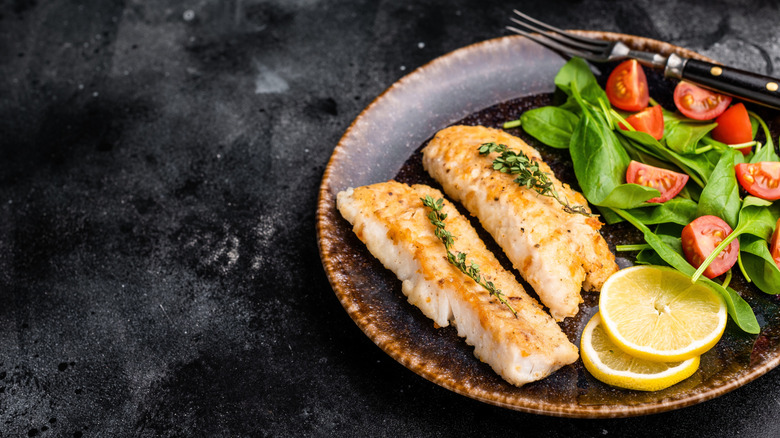
Haddock: A Versatile and Affordable Cousin
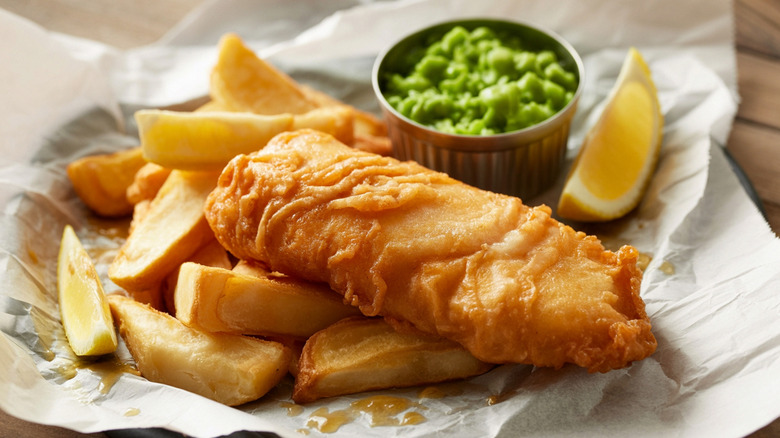
Haddock, a close relative of cod within the Gadidae family, which also includes hake and ling, is a frequent and commendable presence in seafood markets. While sharing many characteristics with cod, haddock presents subtle distinctions that can influence its culinary use. Haddock fillets are typically thinner and smaller than those of cod, and their delicate flakes require a gentler approach during cooking to prevent breakage. This characteristic makes haddock particularly well-suited for dishes like traditional English fish and chips, a preparation that was a specialty at the author’s former restaurant.
Beyond its culinary merits, haddock stands out for its affordability and accessibility. It is often more budget-friendly than other white fish varieties, making it a regular staple for home cooks. Crucially, haddock fisheries demonstrate strong sustainability credentials. Seafood Watch has not issued an "Avoid" rating for any haddock fishery globally, making it a consistently responsible choice for consumers. Its widespread availability, coupled with its mild flavor and flaky texture, ensures that haddock can be enjoyed in a multitude of dishes without environmental guilt.
Monkfish: The "Poor Man’s Lobster" with a Unique Appeal
Monkfish, a bottom-dwelling species with a decidedly unconventional appearance, yields a surprisingly exquisite culinary product. Once the imposing head and formidable teeth are removed, the monkfish tail offers firm, meaty fillets of pearly white flesh, often with a subtle pinkish hue. The absence of fine bones simplifies preparation, and its sweet, lean meat has earned it the moniker "poor man’s lobster" due to its resemblance in size, shape, and flavor to lobster tails.
Monkfish is a versatile ingredient that lends itself well to various cooking methods, frequently featured in Mediterranean-inspired dishes. Recipes often incorporate it into rich tomato-based sauces, wrap it in prosciutto, or use it as a key component in classic bouillabaisse. From a sustainability perspective, the source of monkfish is paramount. Seafood Watch recommends trawl-caught or MSC-certified monkfish, while those harvested with gillnets are advised against due to potential bycatch issues and habitat disruption. Consumers should inquire about the fishing method when purchasing monkfish to ensure an ethical and environmentally sound choice.
Pollock: An Accessible and Widely Used White Fish
Pollock, another member of the cod family, is available from both Atlantic and Pacific oceans, with "Alaskan pollock" being a common designation for the Pacific variety in the U.S. While perhaps less recognized by name than cod or haddock, pollock is a familiar ingredient in many processed seafood products, including McDonald’s Filet-O-Fish and imitation crab or lobster (surimi). When purchased as fillets, pollock bears a strong visual resemblance to cod and haddock and can be substituted in many of their recipes. However, it is generally more delicate and less firm than cod, making it a closer culinary comparison to haddock.
Pollock typically represents an excellent value in the seafood market, offering both versatility and a lower cost compared to many other wild-caught white fish. Like haddock, it requires gentle handling during cooking. Sustainability ratings for pollock are generally positive, with most Pacific and Atlantic fisheries receiving approval from Seafood Watch. However, as with many species, a few fisheries in Canada and New England have received "Avoid" ratings, necessitating a degree of consumer vigilance.
Sole and Flounder: Delicate Flatfish with Distinctive Charms
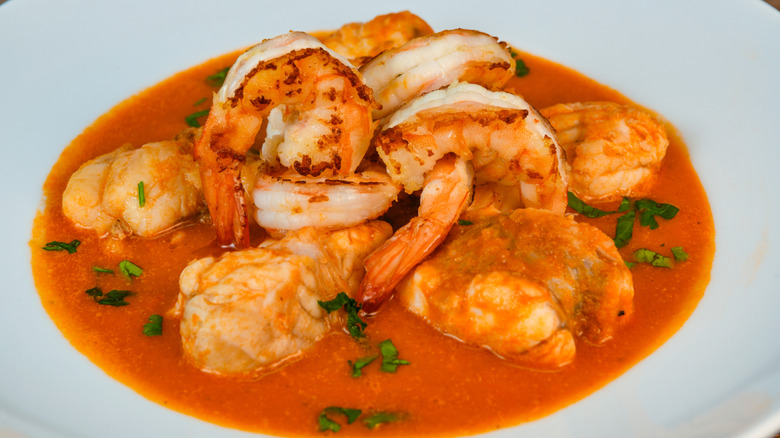
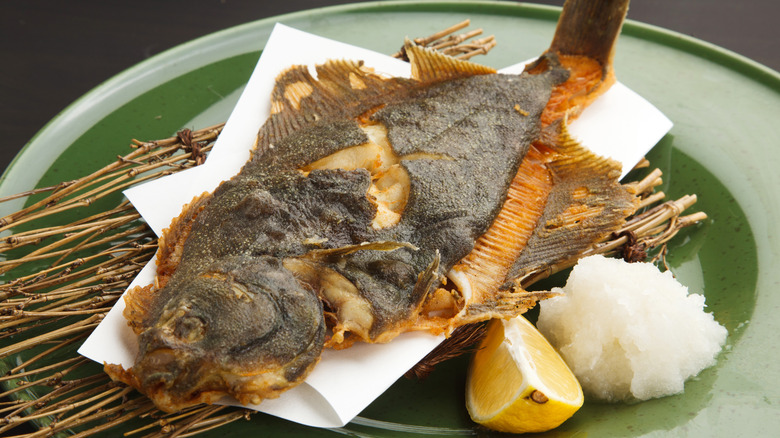
Sole and flounder, characterized by their flat bodies and unique bilateral symmetry, offer a visually intriguing and culinarily delightful experience. These bottom-dwelling fish are readily available in most supermarkets, both fresh and frozen. While their "landscape" orientation may differ from the more common "portrait" of other fish, they yield four fillets per fish, providing ample servings. Often sold filleted, smaller specimens may sometimes be available whole.
The process of filleting a sole or flounder involves carefully locating the central line where the two fillets meet and then working the knife to extract each fillet from both sides. This technique can also be applied to cooked flounder, where the tender flesh allows for easy portioning with a fork or serving utensil. From a sustainability standpoint, sole is consistently a safe choice. While certain flounder fisheries may receive "Avoid" ratings from Seafood Watch, a significant number are recommended, making them a generally responsible purchase.
Skate: An Overlooked Gem with a Unique Texture
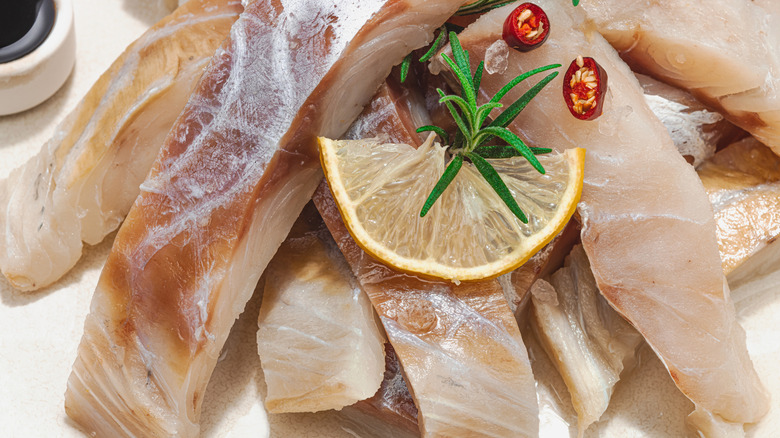
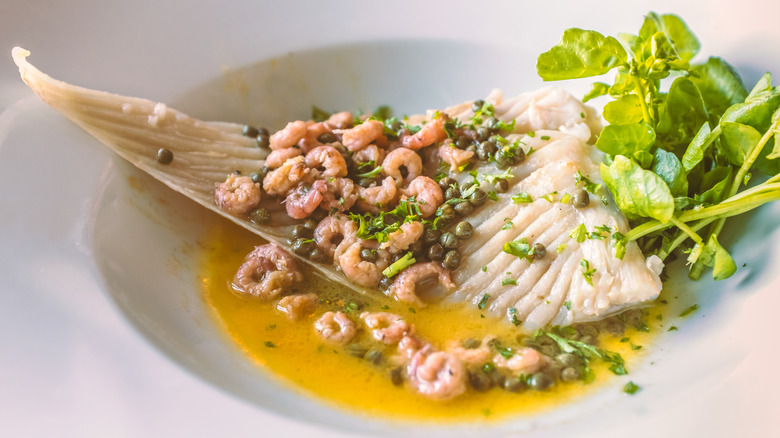
Skate holds a special place in the author’s culinary repertoire, having been a frequent purchase during their youth on the West Coast due to its availability and reasonable cost. As a member of the ray family, skate possesses wide, wing-like fins that constitute the edible portion. The flesh is moist, flavorful, and characterized by long, thick strands that flake beautifully. A distinctive feature of skate is its cartilaginous structure, which replaces true bones, simplifying deboning either before or after cooking.
Despite its culinary merits, skate remains somewhat overlooked in the U.S. market for several reasons. It is often caught as bycatch in other fisheries, and concerns exist regarding the sustainability of certain species. Furthermore, as a relative of sharks, skate can produce ammonia if not handled with absolute freshness, which can be off-putting to consumers unfamiliar with the fish. However, for those who encounter it at a reputable fishmonger, skate is a rewarding option. Its flavor profile pairs exceptionally well with capers, lemon, and brown butter, but it is versatile enough to complement a wide array of recipes.
Halibut: A Premier Lean White Fish
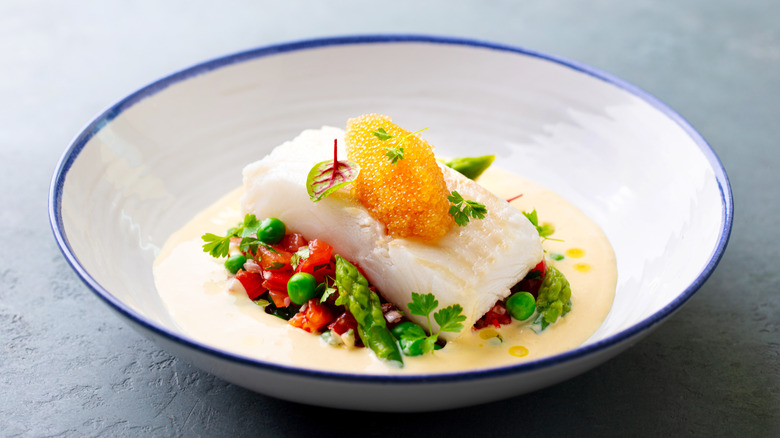
Halibut, another impressive flatfish found in both the Atlantic and Pacific oceans, distinguishes itself from flounder through its moist, firm flesh and substantial size. Mature Atlantic and Pacific halibut can exceed 500 pounds, yielding large, meaty portions even from smaller specimens. Halibut is celebrated as a paragon of lean white fish. Its thick fillets and steaks are firm, succulent, and flavorful, capable of withstanding diverse cooking methods without disintegrating. Whether fried, poached, grilled, or used in stir-fries, halibut maintains its integrity.
The primary consideration with halibut is its premium price point, which may limit its frequency of consumption for some. Sustainability varies by origin: Pacific halibut generally garners positive ratings from Seafood Watch. MSC-certified Atlantic halibut from Canada is also considered sustainable. However, U.S.-landed Atlantic halibut and certain varieties from Mexico are advised against. Consumers should prioritize sourcing from reputable and sustainable fisheries to enjoy this exceptional fish ethically.
Tilapia: An Accessible and Budget-Friendly Option
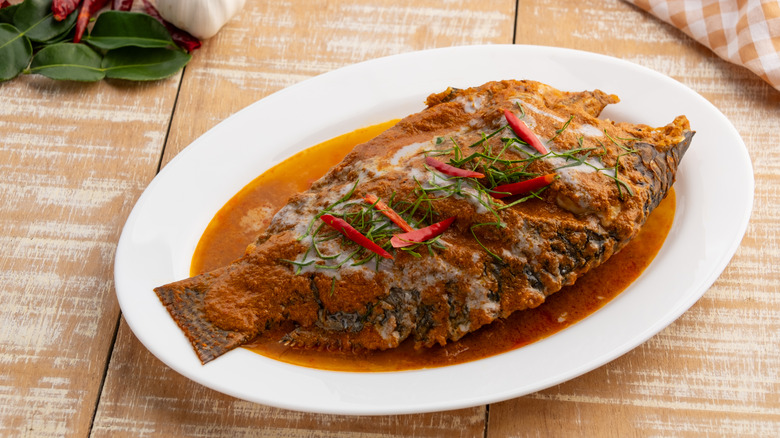
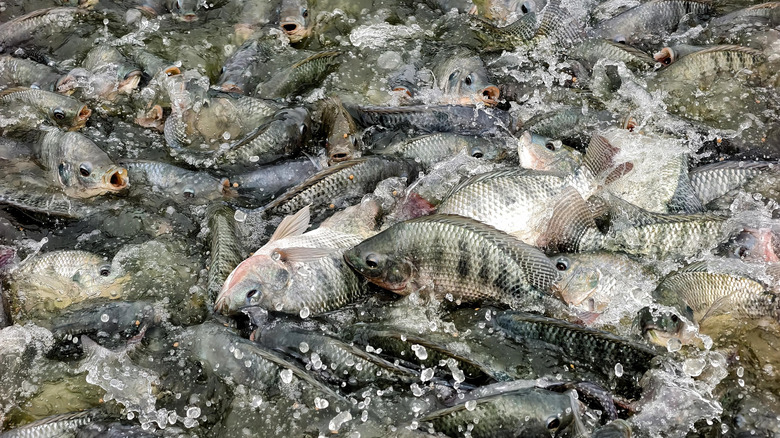
While not a personal favorite, tilapia earns its place on this list as an exceptionally accessible and budget-friendly white fish option. Its remarkable suitability for aquaculture, characterized by rapid growth, thriving in warm waters, and prolific reproduction, makes it a globally farmed staple. This ease of cultivation translates into a readily available and inexpensive source of lean protein for consumers worldwide.
Tilapia’s understated flavor is a double-edged sword. While some may find it bland, it also serves as an advantage for those seeking to experiment with bold seasonings and marinades. Unlike stronger-flavored fish, tilapia’s mildness allows spices to take center stage, making dishes like Tilapia Masala a culinary canvas. From a sustainability perspective, tilapia entering the U.S. market is almost exclusively farmed. U.S.-raised tilapia, often produced in land-based tanks, receives high marks from Seafood Watch. Many Asian and Latin American producers are also considered sustainable. However, specific producers warrant caution, as detailed below.
Catfish: A Southern Favorite with Strong Sustainability Credentials
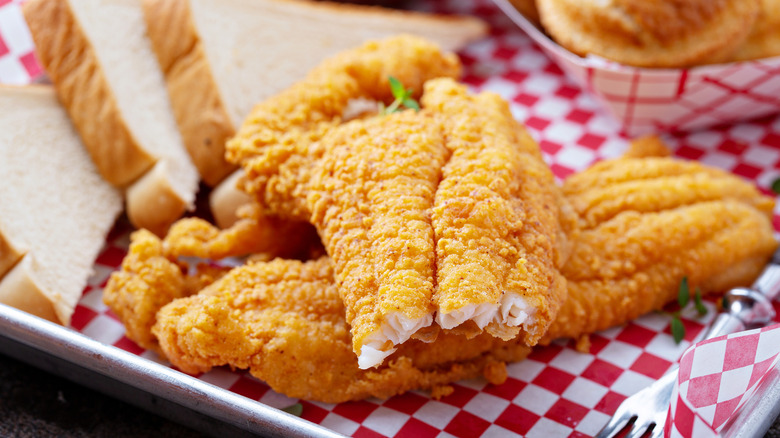
For those familiar with Southern cuisine, the appeal of catfish is undeniable. For consumers who do not have the opportunity to catch their own, catfish is a widely and sustainably farmed option in the U.S., with sustainable wild fisheries also contributing to the supply. Catfish possesses a mild and sweet flavor profile, typically available as fresh or frozen fillets, with occasional offerings of steaks.
Catfish fillets are delicate and prone to falling apart, making breading a popular method to help them maintain their form. However, poaching, baking, or steaming are also viable cooking techniques. Catfish steaks, with their inherent bones, skin, and thickness, offer greater versatility and resilience during cooking, though they do require dealing with bones and skin at the table. All American catfish is highly rated by Seafood Watch, with U.S.-farmed varieties appearing on the organization’s "Super Green List" as among the most sustainable fish choices available. While Asian species like basa and pangasius are similar, U.S. law reserves the "catfish" designation for native species.
Striped Bass, White Bass, and Sunshine Bass: A Sport Fisher’s Delight and a Sustainable Choice
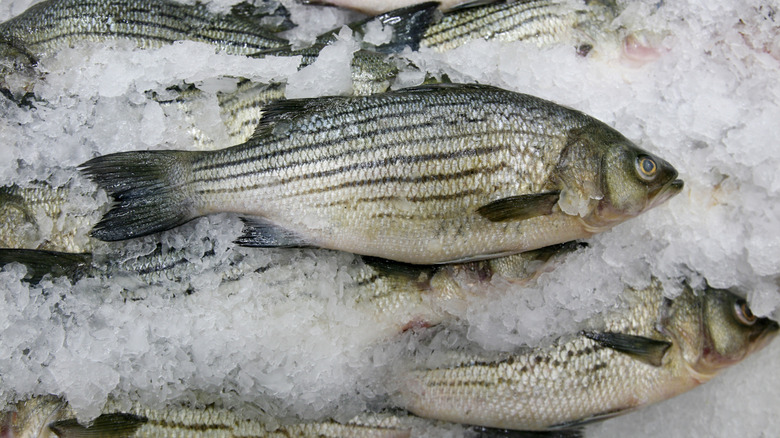
For anglers, bass species represent both a thrilling sport and a delicious meal. When not caught recreationally, these fish can often be found at reputable fish markets. Bass occupies a mid-range position in terms of texture and firmness among white fish. Its flesh is sweet and flavorful, adapting well to most recipes. Furthermore, bass is richer in omega-3 fatty acids compared to many other white fish. Pan-frying, particularly with the skin on to achieve a crispy texture, is a favored preparation method.
Modest commercial fisheries exist for striped bass along the Atlantic and Chesapeake Bay, and white bass are harvested from Lake Erie. Striped bass and "sunshine bass" (hybrid striped bass) are also farmed domestically and internationally. Bass stands out as a unequivocally sustainable choice, with Seafood Watch reporting no "Avoid" ratings for any bass found in stores. U.S.-farmed striped bass, akin to U.S.-farmed catfish, is recognized on Seafood Watch’s "Super Green List" for its environmental responsibility.
Avoid: Chinese-Farmed Tilapia and Mexican Tilapia (with exceptions)
While tilapia is generally a sustainable and affordable choice, tilapia originating from China carries significant sustainability concerns. China, the world’s largest producer and exporter of tilapia, has faced consistent "Avoid" ratings from Seafood Watch for its tilapia aquaculture. This rating stems from a confluence of negative factors: widespread use of banned chemicals and antibiotics, raising concerns about antibiotic resistance; frequent escapes from farms, leading to invasive populations that outcompete native species; prevalence of disease within the industry; and inadequate regulatory oversight and enforcement.
Tilapia from Mexico also presents some challenges. Seafood Watch flags potential issues related to escapes, chemical and antibiotic use, disease, and a general lack of robust data for thorough scrutiny. However, certain certified tilapia produced in Mexico adheres to higher standards and can be purchased without concern. Consumers should verify certifications when considering Mexican tilapia.
Avoid: Asian Catfish from Vietnam (Pangasius/Basa/Swai)
Asian catfish, commonly marketed as basa, swai, or pangasius, shares culinary similarities with North American catfish. However, its sustainability profile, particularly from Vietnam, the primary producer, is a significant concern. Seafood Watch assigns an "Avoid" rating to the majority of Vietnamese pangasius production due to intensive farming methods. These methods often involve higher stocking densities, leading to increased waste accumulation and a greater risk of illegal waste disposal. Furthermore, there are concerns that the use of chemicals and antibiotics by growers may not meet international standards.
While sustainable sources of Asian catfish do exist, even within Vietnam, they typically meet the rigorous standards set by international certification bodies. These certified products are raised under conditions that meet or exceed North American standards. However, given the availability of inexpensive and high-quality domestic catfish, the motivation to seek out and verify the sustainability of imported Asian catfish is often diminished for consumers.
Avoid: Orange Roughy
Orange roughy, a deep-sea fish prized by some chefs for its firm flesh and ability to withstand various cooking methods, presents significant sustainability challenges. Originating from the Pacific Ocean around Australia and New Zealand, these fish are exceptionally long-lived, with lifespans potentially exceeding 100 years, and typically do not reproduce until their 30s. This slow reproductive rate makes them highly vulnerable to overfishing.
Compounding this vulnerability, orange roughy is often caught using bottom trawls, a fishing method that can devastate coral reefs and other delicate marine ecosystems. The species experienced severe overfishing in the 1980s and 1990s, and recovery has been slow. Seafood Watch assigns some of the lowest sustainability ratings to orange roughy fisheries. While some MSC certification has been awarded, questions persist regarding the health of roughy populations, data gaps, and the effectiveness of oversight in New Zealand. Ultimately, a lack of consumer demand is the most effective protective measure for this species.

Avoid: Sea Bass (with notable exceptions)
Sea bass has enjoyed considerable popularity on restaurant menus, lauded for its excellent culinary qualities. However, unlike its freshwater bass cousins, finding sea bass without significant sustainability issues is a considerable challenge. The most commonly encountered varieties, including black sea bass, white sea bass, giant sea bass, and farmed European sea bass (often sold as branzino), all present problems.
Farmed branzino receives a "red" rating from Seafood Watch due to concerns about chemical use and environmental impact. Some black sea bass fisheries are also red-rated due to environmental impacts and questionable management practices. The gillnets used for white and giant sea bass pose a threat to other marine life. While Chilean sea bass (Patagonian toothfish) fisheries in some countries are sustainable, those in Chile are heavily overfished. Ethical purchasing of sea bass typically requires certification. Although a few fisheries achieve "Good Alternative" status, these are often difficult for consumers to identify. Until enhanced traceability standards, expected in 2026, are implemented, consumers are advised to opt for freshwater bass or U.S.-farmed bass instead.
