
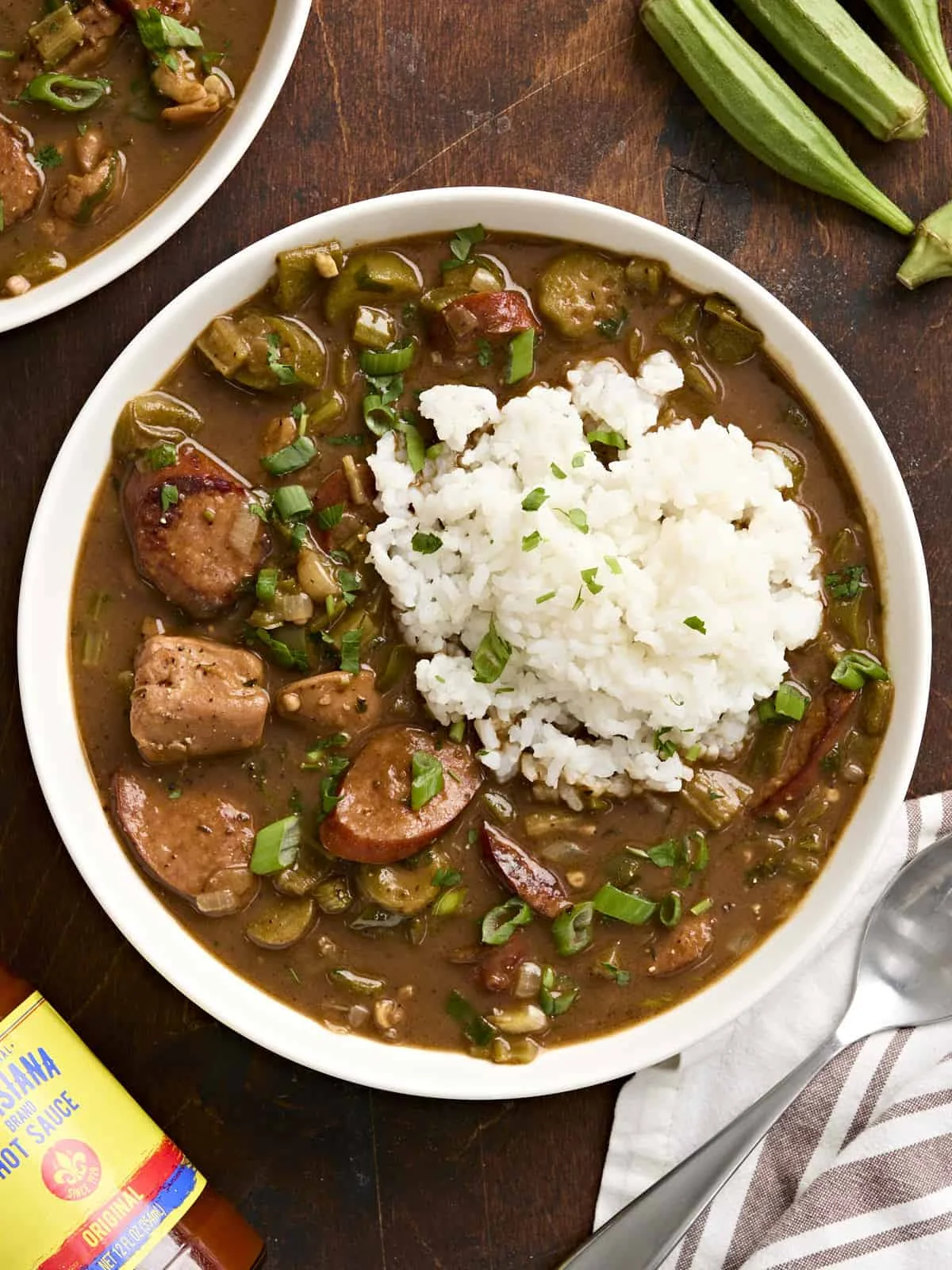
The culinary landscape of the American South is anchored by dishes that serve as historical records of migration, trade, and survival, with gumbo standing as perhaps the most complex and revered example of this heritage. Recent developments in home economics and culinary education have highlighted a renewed interest in this labor-intensive dish, particularly as modern families seek to balance the preservation of cultural traditions with the realities of rising food costs. In a detailed analysis and recipe release from the Nashville-based culinary development team at Budget Bytes, lead developer Melissa Nolan has outlined a methodology for producing a high-quality, authentic Cajun-inspired gumbo that achieves a significant milestone in affordability, costing approximately $1.88 per serving. This development comes at a time when the Bureau of Labor Statistics continues to report fluctuations in protein prices, making the strategic use of chicken thighs and andouille sausage a focal point for budget-conscious but quality-driven home cooks.
The Historical and Cultural Foundations of Gumbo
To understand the technical requirements of a modern gumbo, one must first examine the chronological development of the dish. Gumbo is not merely a soup or a stew; it is a manifestation of the "melting pot" of Louisiana, blending West African, French, Spanish, and Native American influences. The name itself is derived from the West African word for okra, kingombo, which originally served as the primary thickening agent. As the dish evolved through the 18th and 19th centuries, French culinary techniques introduced the concept of the roux, while Choctaw Native Americans contributed filé powder—ground sassafras leaves—as an alternative thickener.
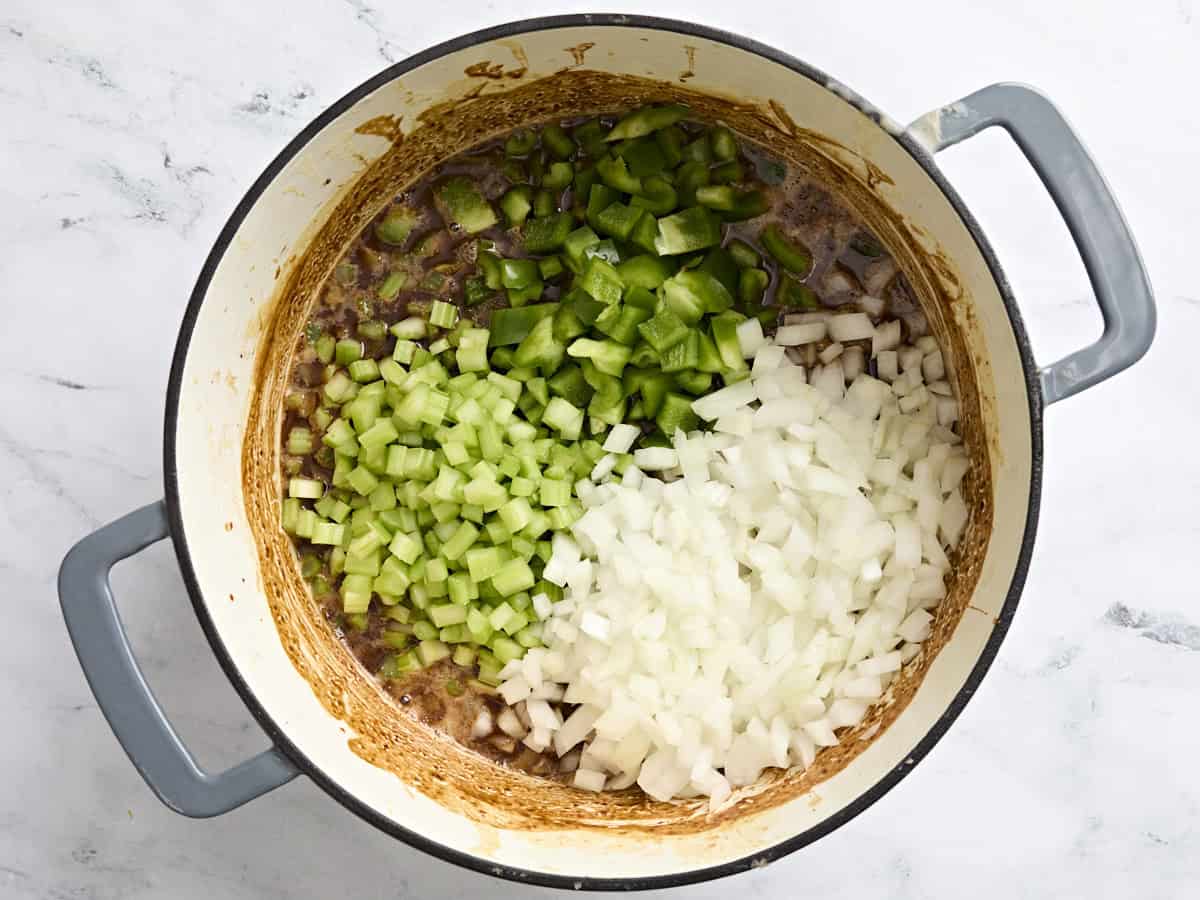
In the contemporary culinary framework, gumbo is generally divided into two categories: Creole and Cajun. Creole gumbo, often associated with New Orleans, frequently incorporates tomatoes and a wider variety of shellfish. Cajun gumbo, originating from the rural prairie and bayou regions of Southwest Louisiana, typically eschews tomatoes in favor of a darker roux and a heavier emphasis on smoked meats and poultry. The methodology released by the Nashville Test Kitchen aligns with the Cajun tradition, prioritizing a "dark roux" and the "holy trinity" of vegetables—onions, celery, and green bell peppers—to establish a savory, umami-rich base.
The Science and Patience of the Two-Hour Roux
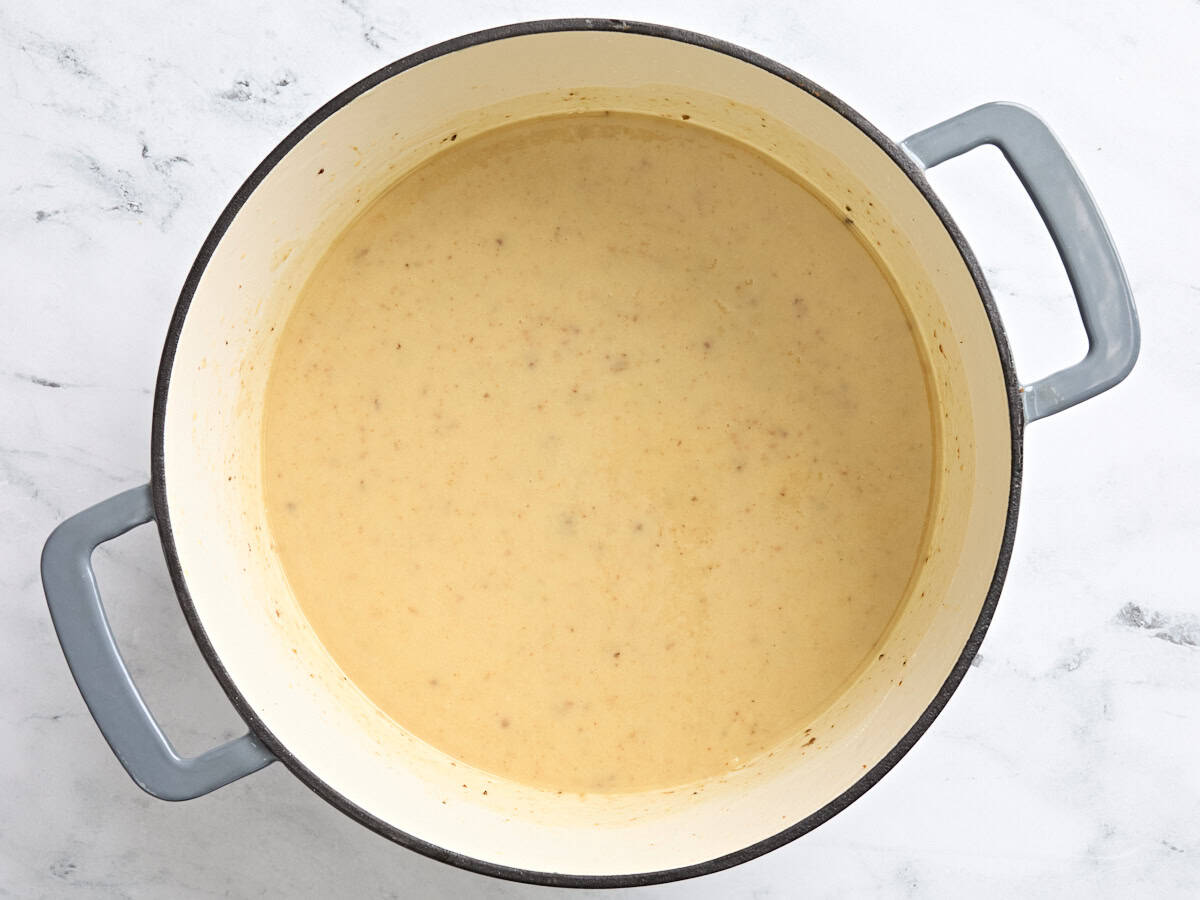
The most critical phase of gumbo production, and the one that requires the most significant investment of time, is the creation of the roux. In most French-derived cooking, a roux is cooked briefly to a "blonde" or "peanut butter" stage to thicken sauces like béchamel. However, in Cajun gumbo, the roux serves a dual purpose: thickening and providing a deep, toasted flavor profile that cannot be replicated with spices alone.
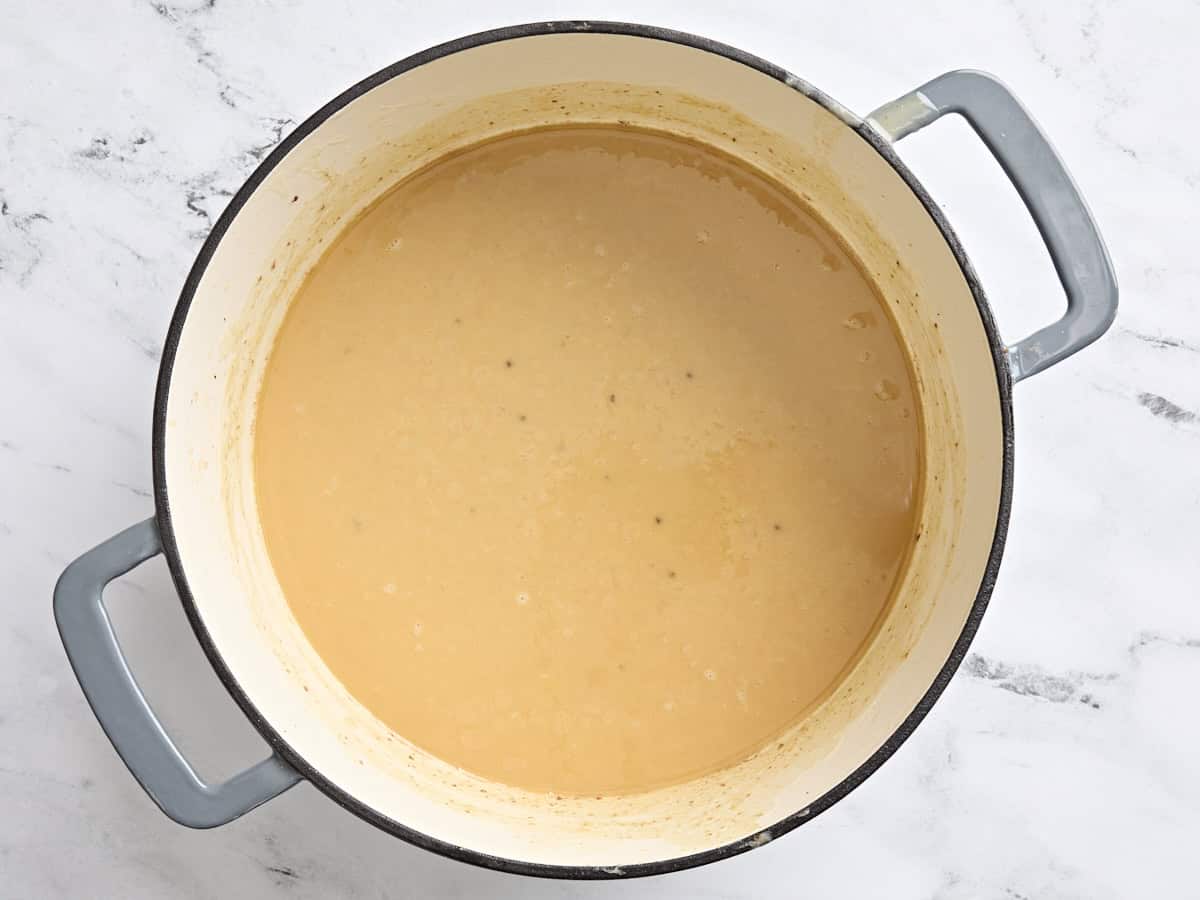
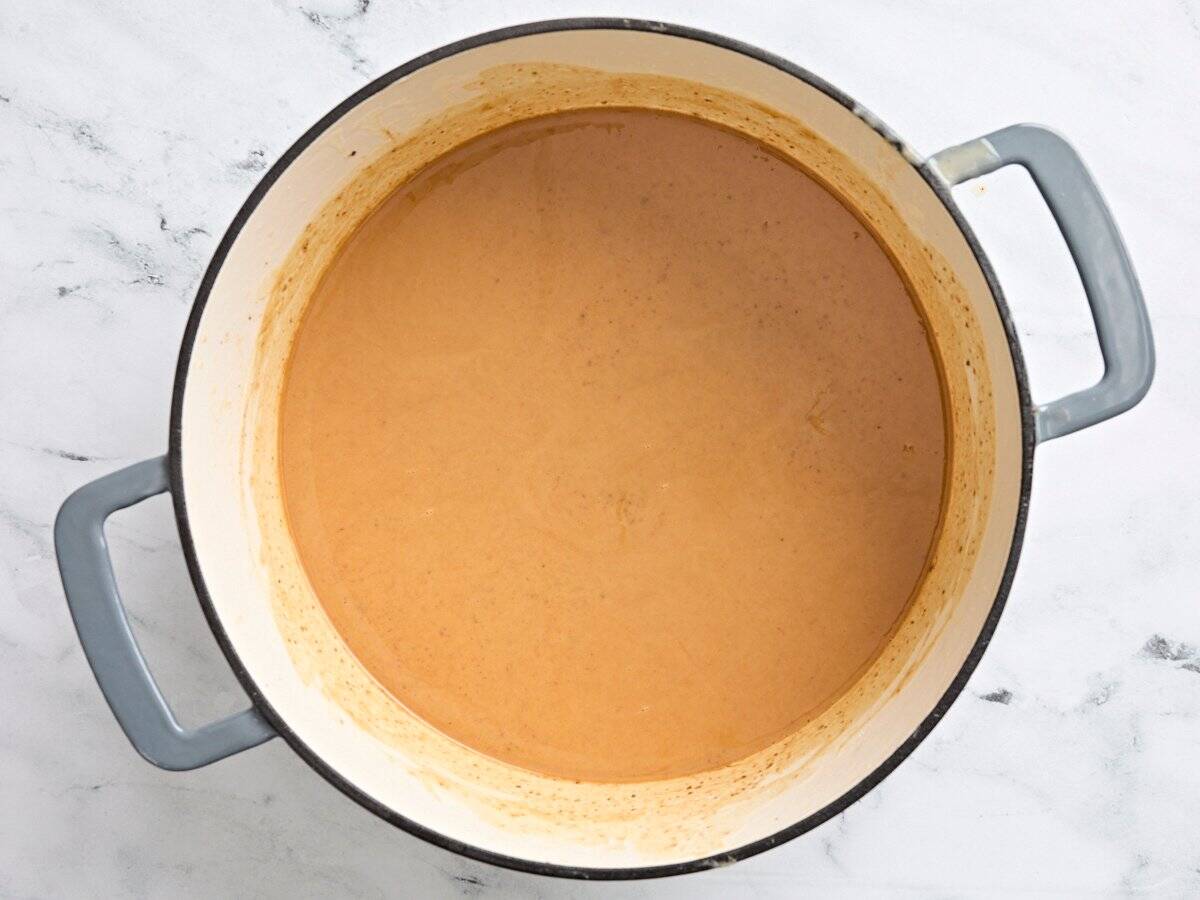
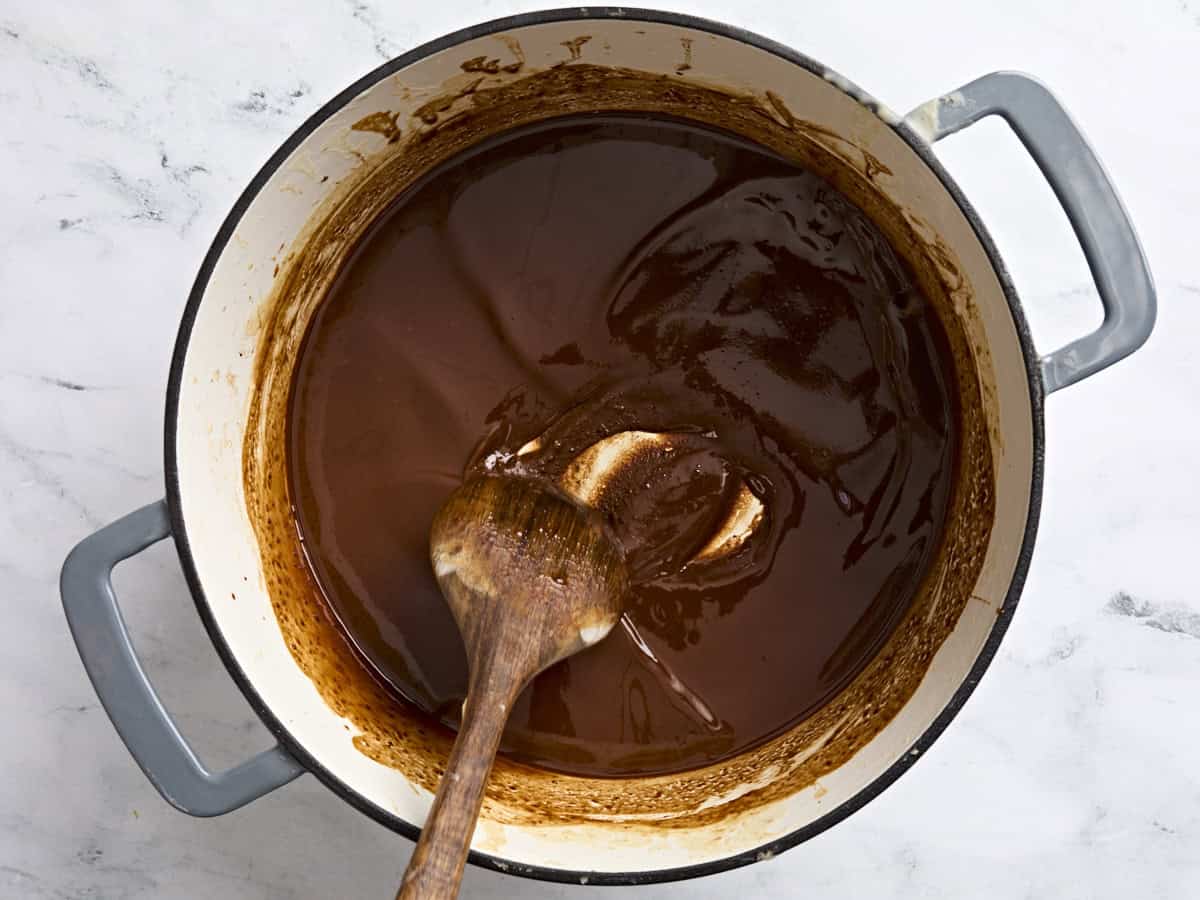
According to the technical specifications provided by Nolan, the process involves a precise ratio of vegetable oil to all-purpose flour, cooked over medium-low heat for a duration of up to two hours. This extended timeframe is necessary to facilitate the Maillard reaction—a chemical reaction between amino acids and reducing sugars that gives browned food its distinctive flavor. As the roux progresses from white to blonde, then to light brown, and finally to a "dark chocolate" or "brick" red hue, the thickening power of the flour actually decreases, but the depth of flavor increases exponentially.
Culinary experts warn that this process cannot be rushed. Increasing the heat to accelerate the browning risks scorching the flour; a burnt roux is characterized by black specks and a bitter acridity that permeates the entire dish, necessitating a complete restart of the process. The Nashville Test Kitchen emphasizes that "patience is the primary ingredient," a sentiment echoed by Louisiana "MawMaws"—the traditional matriarchs of Cajun cooking—who have historically viewed the roux as the "soul" of the pot.
Economic Analysis of Ingredient Selection
In an era of significant food price inflation, the economic feasibility of traditional dishes is a major concern for the culinary industry. The Budget Bytes analysis provides a data-driven breakdown of how a complex, multi-component meal can remain accessible. The total cost for an eight-serving batch of gumbo was calculated at $15.06, which translates to a remarkably low $1.88 per serving, including the rice base.
The cost-efficiency is achieved through several strategic substitutions and procurement methods:
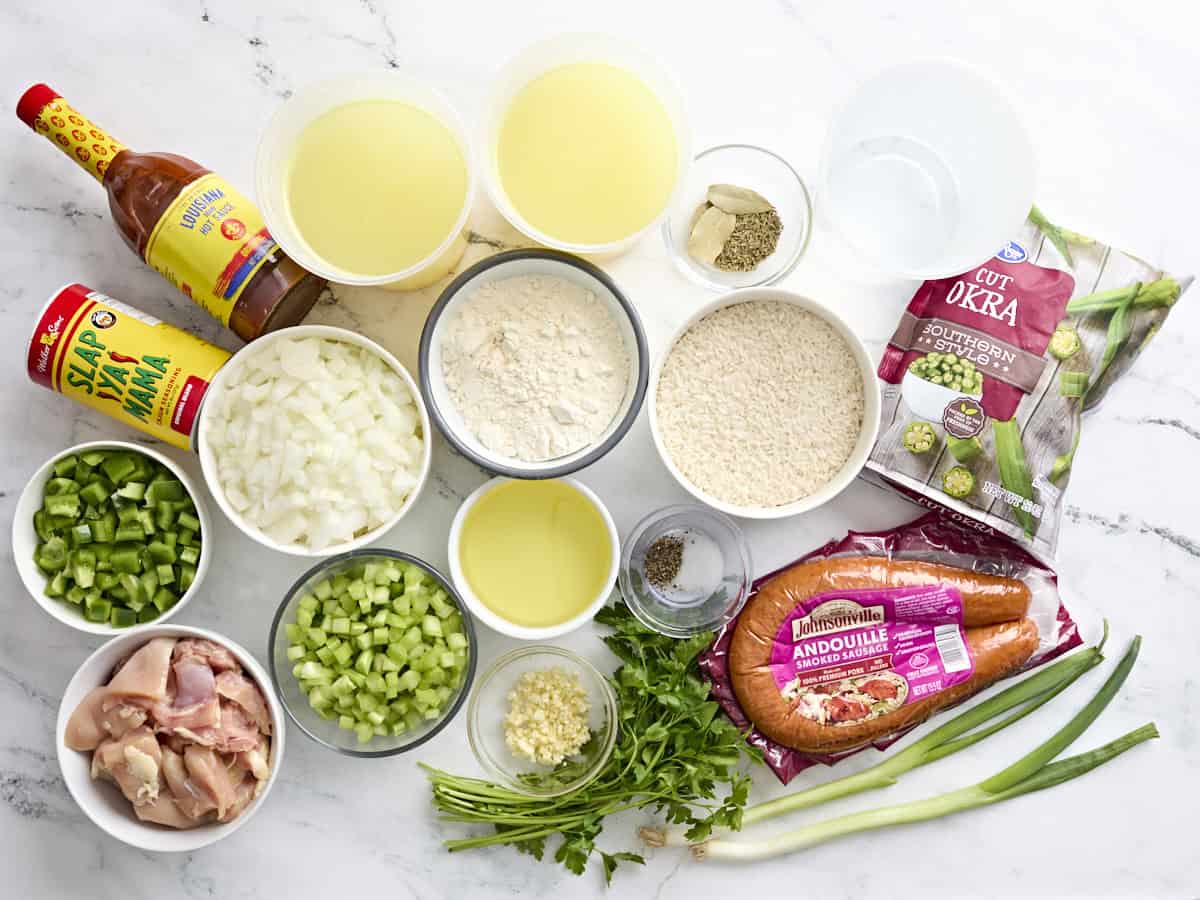
- Protein Optimization: By utilizing 1 lb of chicken thighs instead of breasts, the recipe benefits from a lower price point per pound and a higher fat content, which prevents the meat from drying out during the long simmering process. The inclusion of 13.5 oz of andouille sausage provides the necessary smoke and spice, acting as a "flavor booster" that reduces the need for expensive additional seasonings.
- Frozen vs. Fresh Produce: The use of 12 oz of frozen okra significantly reduces the cost compared to fresh out-of-season okra, while also providing the necessary mucilaginous properties required for thickening the stew.
- Bouillon Bases: The test kitchen recommends using concentrated bases, such as "Better Than Bouillon," rather than purchasing pre-packaged cartons of liquid chicken broth. This reduces the cost per cup of liquid and allows the cook to control the sodium levels more effectively.
- Bulk Seasoning: The application of Cajun seasoning blends, such as Slap Ya Mama or homemade varieties, ensures a consistent flavor profile without the need to purchase multiple individual spice jars for a single meal.
Chronology of the Cooking Process
The preparation of a standard Cajun gumbo follows a strict chronological order to maximize flavor extraction and ensure the structural integrity of the ingredients.
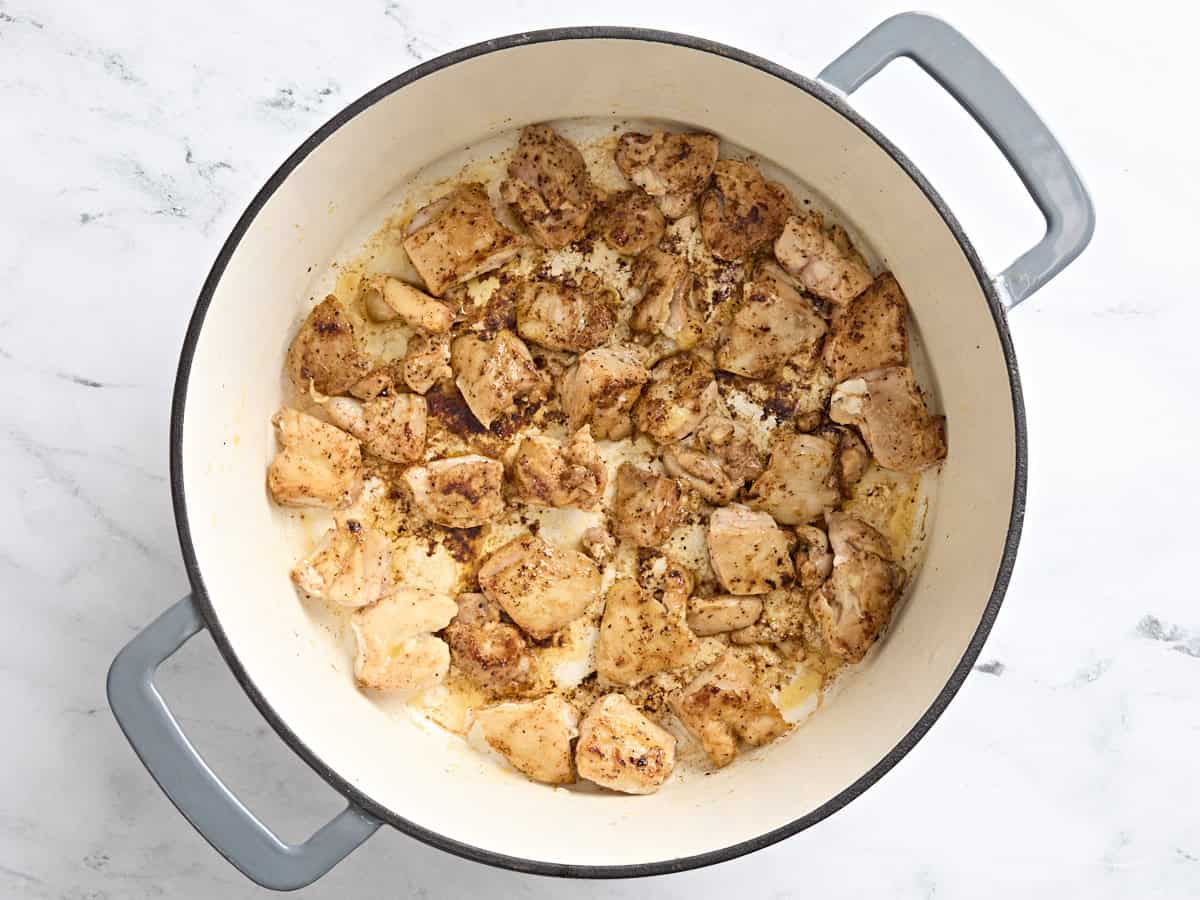
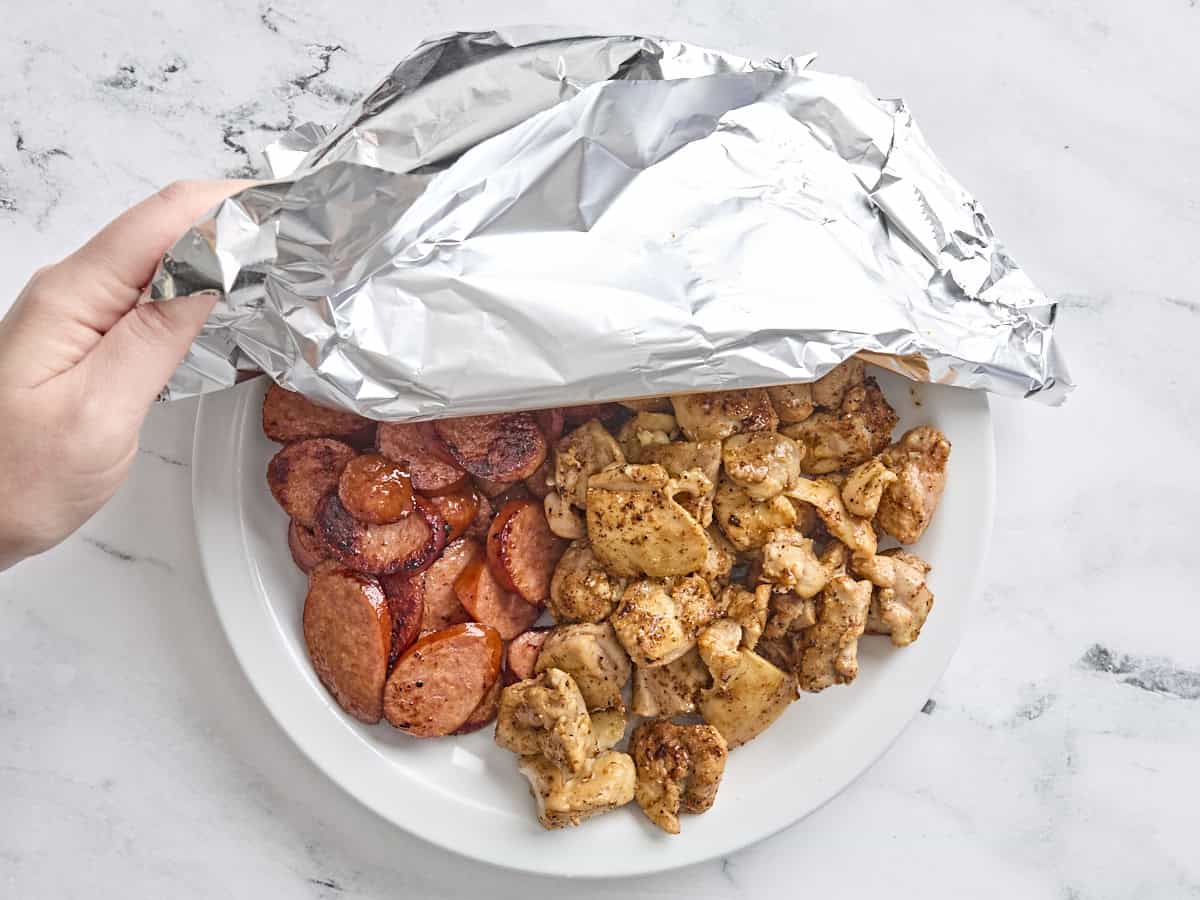
- Phase 1: Protein Preparation (0–20 minutes): The process begins with browning the sliced andouille sausage and seasoned chicken thighs in vegetable oil. This step is not intended to cook the meat through but to develop a crust (fond) on the bottom of the pan, which will later be deglazed into the roux.
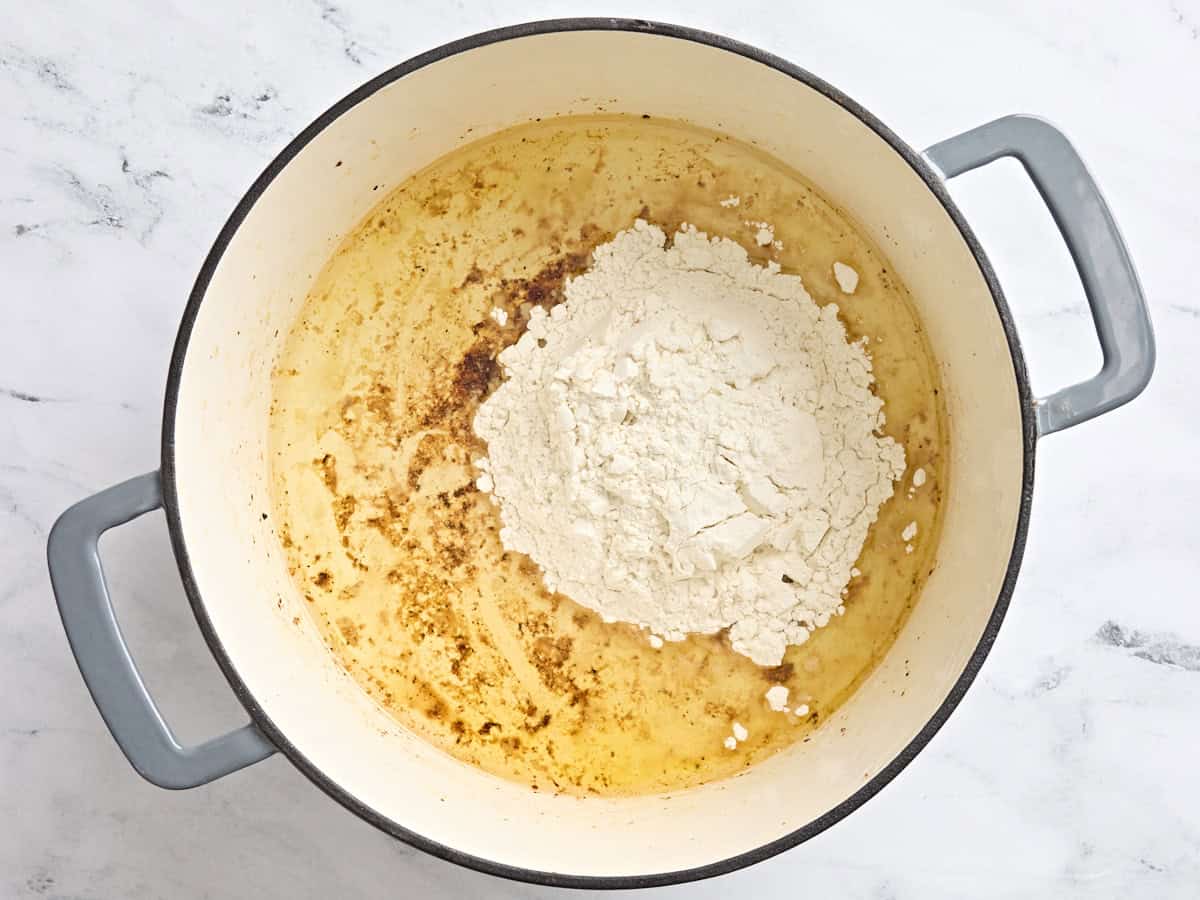
- Phase 2: The Roux Development (20–140 minutes): Following the removal of the meat, additional oil and flour are added. This two-hour window is the most labor-intensive, requiring constant stirring to prevent sticking.
- Phase 3: The Trinity Integration (140–150 minutes): Diced onions, celery, and green bell peppers are added to the dark roux. The moisture from the vegetables serves to stop the cooking process of the roux, preventing it from darkening further, while the fat in the roux softens the vegetables.
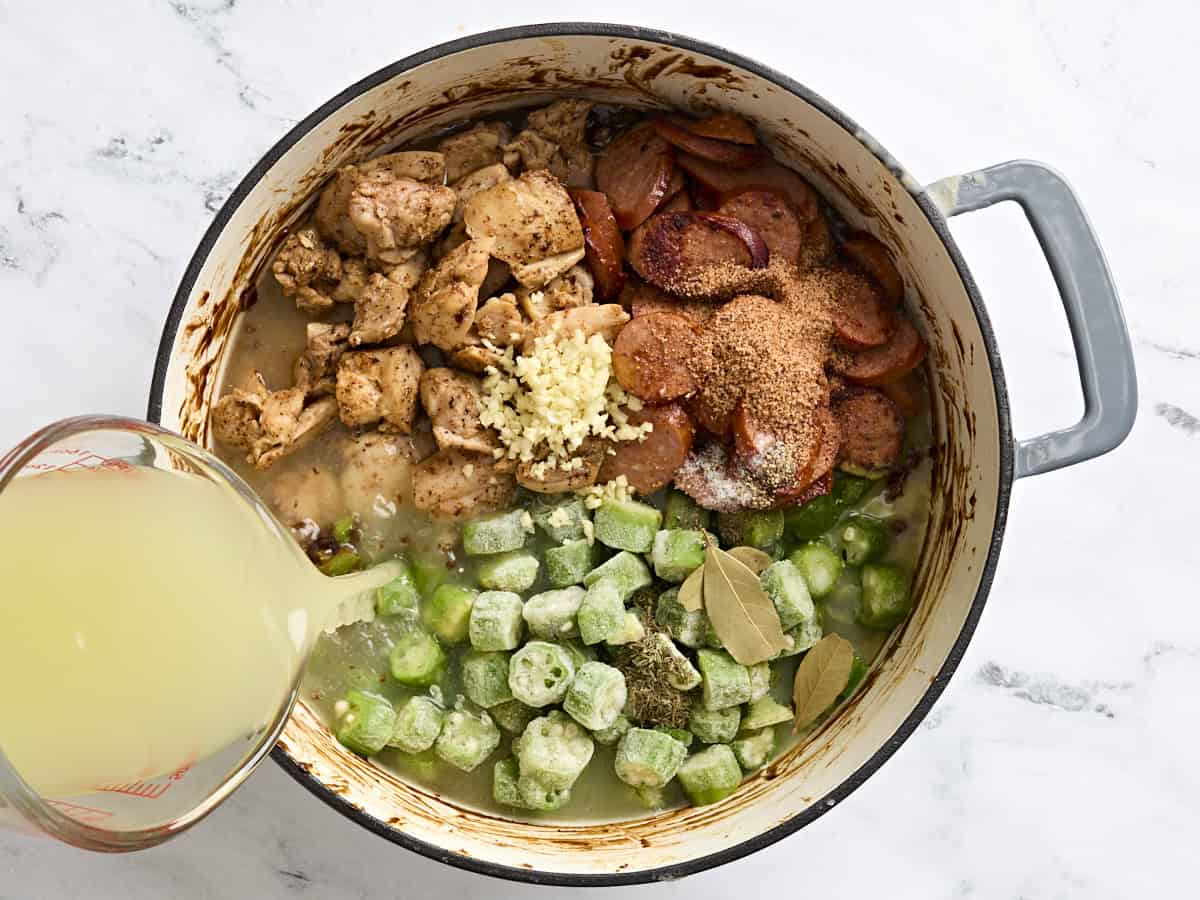
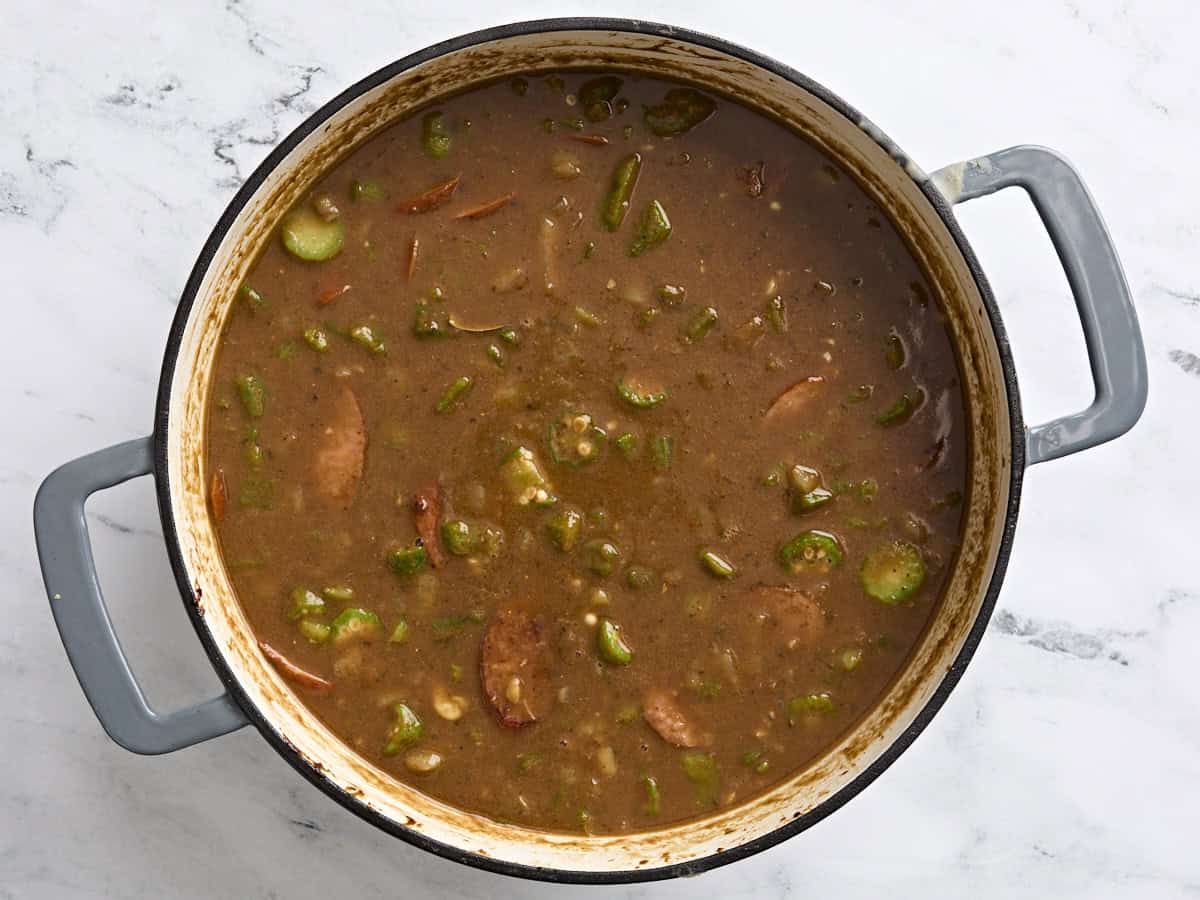
- Phase 4: Simmering and Thickening (150–180 minutes): The meat is returned to the pot along with garlic, okra, chicken broth, and dried herbs (thyme, bay leaves). The mixture is brought to a boil and then lowered to a simmer for 30 minutes to allow the flavors to marry and the okra to release its thickening agents.
- Phase 5: Finishing and Service (180+ minutes): In the final five minutes, fresh elements such as green onions, parsley, and hot sauce are added to provide a bright contrast to the heavy, toasted notes of the base.
Nutritional Profile and Dietary Implications
From a nutritional standpoint, the gumbo recipe provides a calorie-dense and protein-rich meal suitable for cold-weather consumption. Each serving, including the traditional white rice accompaniment, contains approximately 673 calories. The macronutrient breakdown includes 27g of protein, 58g of carbohydrates, and 37g of fat.

While the sodium content is relatively high at 1280mg (approximately 56% of the daily recommended value), the Nashville Test Kitchen notes that this can be adjusted by utilizing low-sodium bouillon or omitting added salt. The dish is naturally egg-free, making it accessible to those with specific dietary restrictions, though the reliance on a flour-based roux means it is not suitable for those with gluten sensitivities unless a gluten-free flour alternative is utilized.
Expert Reactions and Broader Implications
The release of this refined gumbo methodology has prompted discussions among culinary professionals regarding the "democratization" of complex regional cuisines. Chef Melissa Nolan, whose background includes an internship at Thomas Keller’s Per Se and years of instruction at the JAX Cooking Studio, emphasizes that the goal of modern recipe development is to strip away the intimidation factor of "haute" or "traditional" cuisine.
"Gumbo is personal," Nolan stated in her assessment. "Every cook has a different answer for what makes a recipe ‘authentic.’ By focusing on the dark roux and the budget, we are showing that traditional, slow-food techniques are not just for the elite or those with unlimited time; they are a viable way to feed a family well on a budget."
The broader implications of this study suggest a shift in the "foodie" culture of the 2020s. As the cost of living increases, there is a measurable trend toward "extreme home cooking"—dishes that require significant time but low financial investment. Gumbo, with its three-hour cooking time and sub-two-dollar price point, represents the pinnacle of this trend.
Furthermore, the emphasis on storage and reheating—noting that gumbo can be refrigerated for four days or frozen for three months—highlights a growing consumer interest in "batch cooking" as a tool for food security and waste reduction. As more home cooks adopt these long-form culinary traditions, the preservation of Louisiana’s unique cultural heritage is secured, not through expensive restaurant experiences, but through the kitchens of average citizens practicing the ancient art of the slow-cooked roux.
