
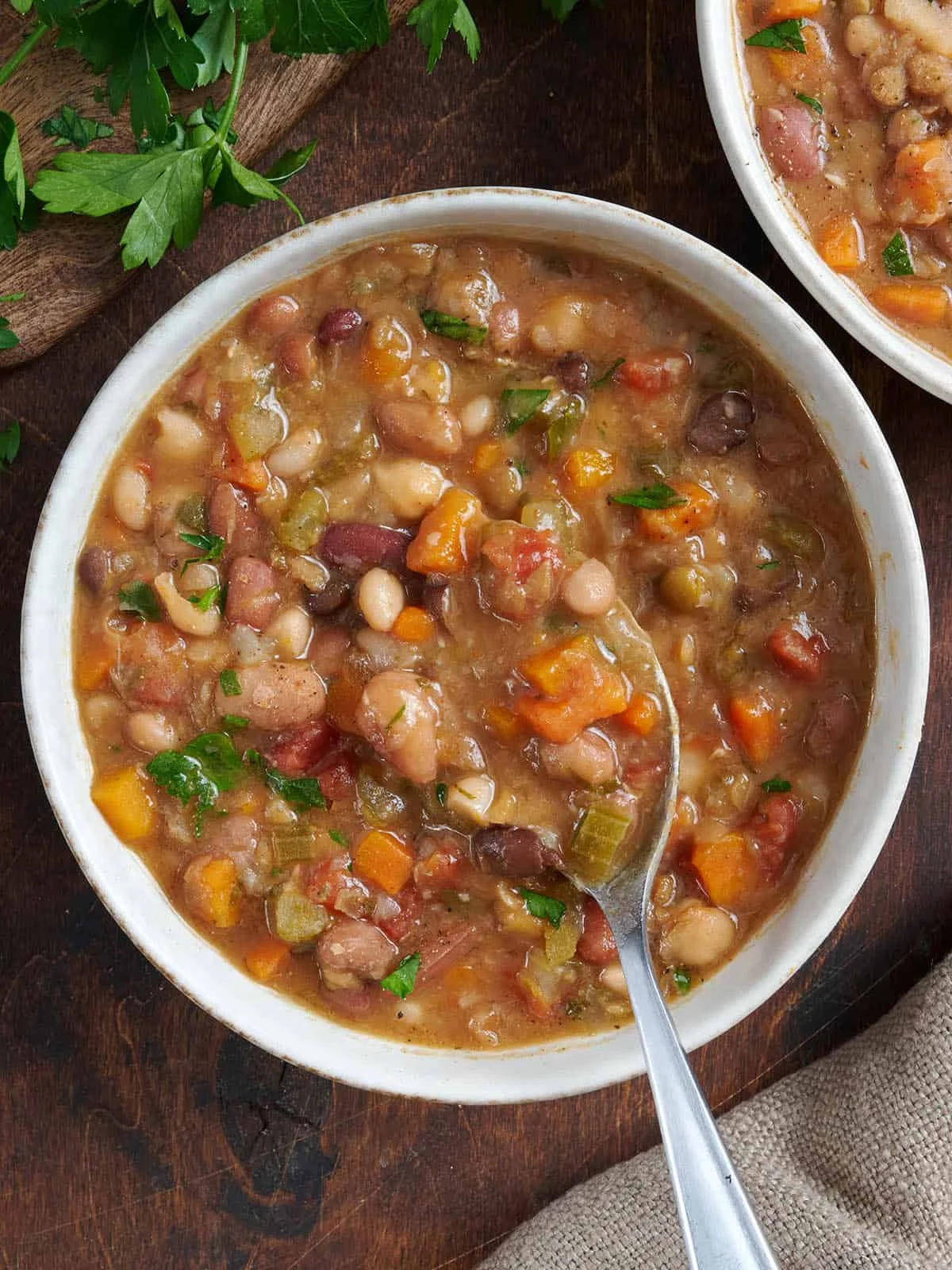
In an era of fluctuating food prices and heightened awareness of dietary health, the humble legume has emerged as a central figure in the global shift toward sustainable and budget-conscious nutrition. Long considered an underrated superfood, beans offer a unique combination of high fiber, dense protein, and significant antioxidant levels while remaining shelf-stable and exceptionally inexpensive. The culinary and economic advantages of these legumes are perhaps best exemplified in the "Vegetarian 15 Bean Soup," a dish that has gained traction for its ability to provide a comprehensive nutritional profile for less than one dollar per serving. By utilizing a diverse array of fifteen different bean varieties, this recipe transforms basic pantry staples into a sophisticated meal-prep solution that addresses both the caloric needs and the financial constraints of modern households.
The Economic Context of Legume-Based Nutrition
The rise in popularity of recipes like the 15 Bean Soup is deeply rooted in current economic realities. As of the mid-2020s, global food inflation has prompted many consumers to seek alternatives to animal proteins, which frequently fluctuate in price due to supply chain disruptions and environmental factors. In contrast, dried beans represent one of the most cost-effective sources of nutrition available on the market. According to cost analysis data from the Nashville Test Kitchen, a single batch of this soup, which yields approximately eight servings, costs a total of $6.76. This brings the cost per serving to a mere $0.85, a figure that stands in stark contrast to the average cost of a fast-food meal in the United States, which currently ranges between $7.00 and $12.00.
The fiscal benefits extend beyond the initial purchase price. Because dried beans are shelf-stable, they allow for bulk purchasing and long-term storage, reducing the frequency of grocery trips and minimizing the risk of food spoilage. The 15 Bean Soup recipe specifically utilizes the Hurst’s Brand bean mix, a staple in major grocery stores since the mid-20th century. By opting for the dry bean mix rather than canned alternatives, consumers can further reduce their sodium intake and control the texture of the final product, all while maintaining a low-cost profile.
Nutritional Breakdown and Health Implications
From a clinical nutrition perspective, the 15 Bean Soup serves as a powerhouse of essential macro and micronutrients. A single serving provides approximately 303 calories, 17 grams of protein, and 16 grams of dietary fiber. The fiber content is particularly noteworthy, representing 67% of the recommended daily value. High-fiber diets are consistently linked to improved digestive health, lower cholesterol levels, and better blood glucose management.
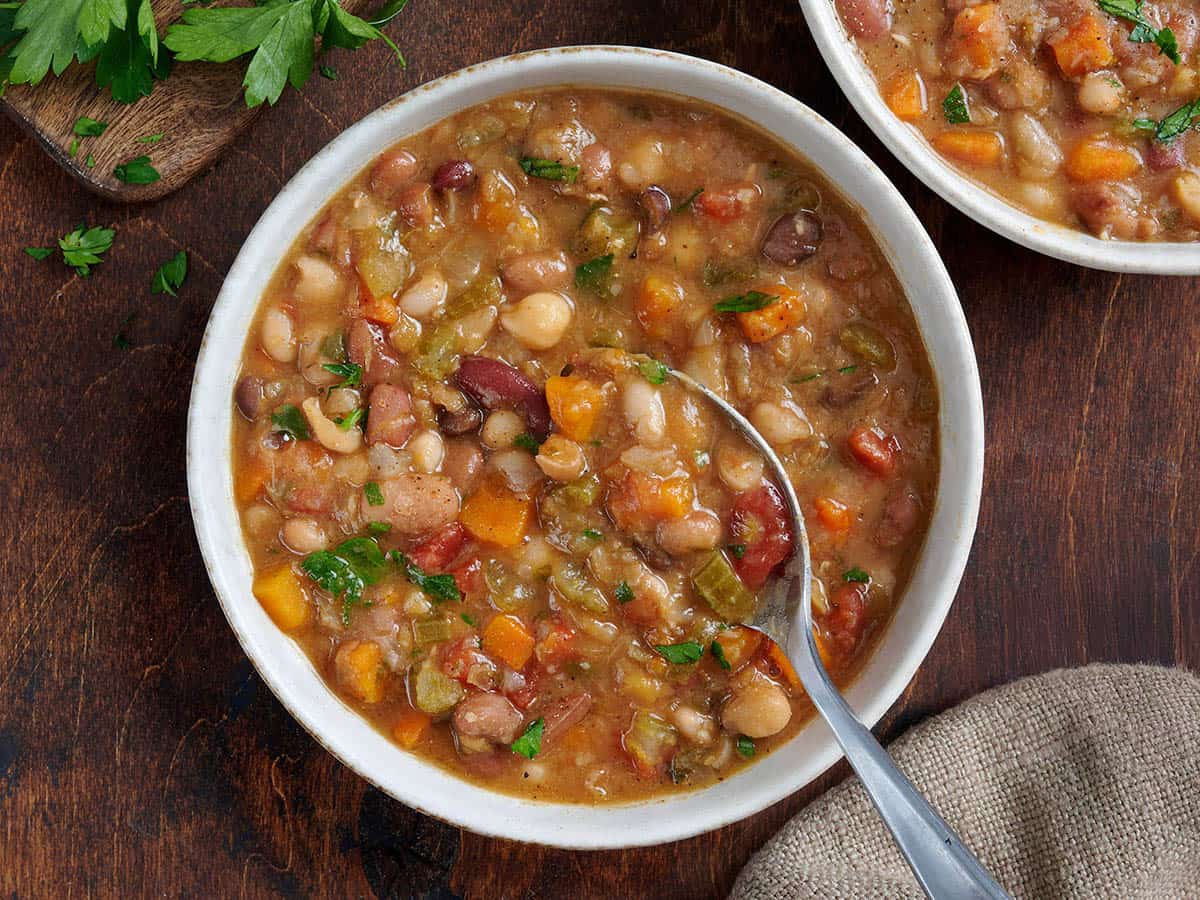
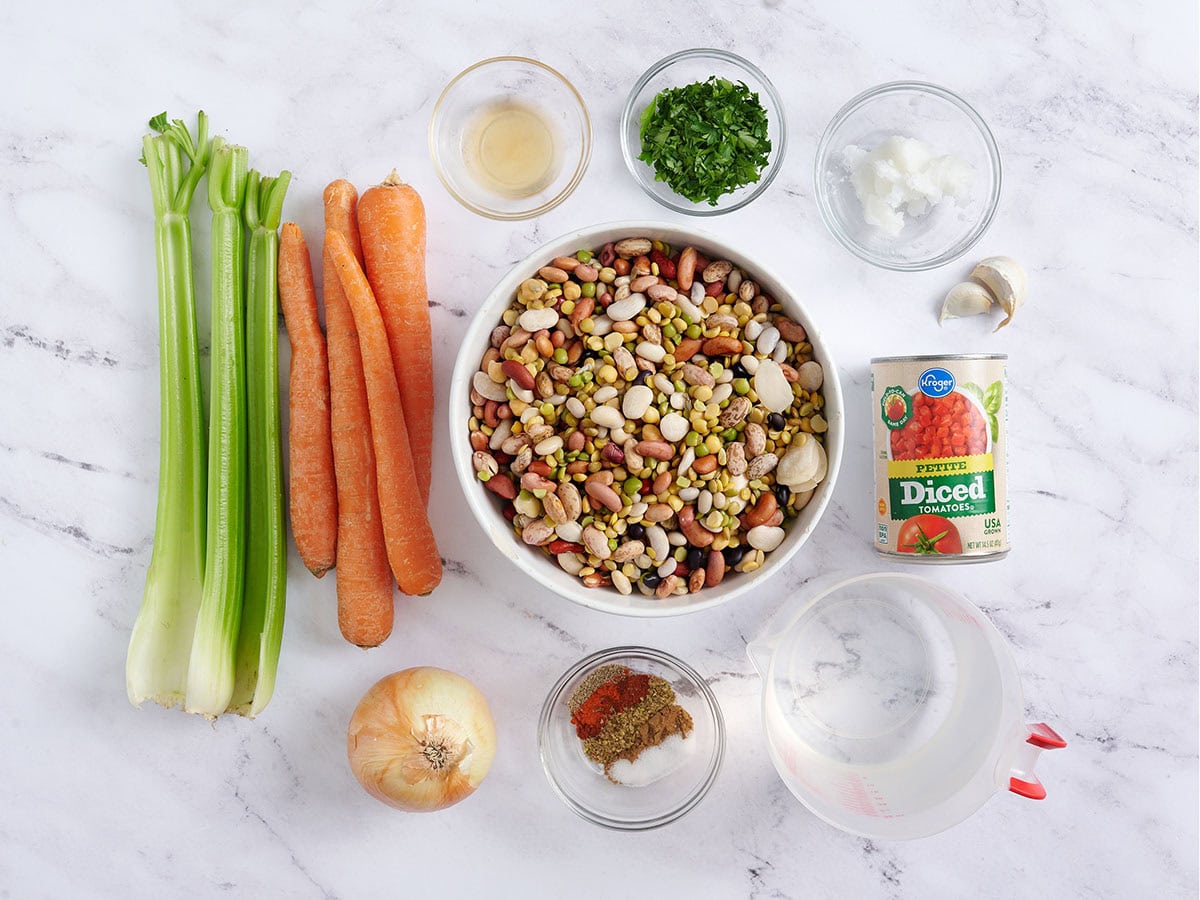
The diversity of the fifteen bean varieties—which typically includes northern beans, pinto beans, large lima beans, yelloweye beans, garbanzo beans, baby lima beans, green split peas, kidney beans, cranberry beans, small white beans, pink beans, small red beans, yellow split peas, lentils, and navy beans—ensures a broad spectrum of phytonutrients. Each variety brings a different antioxidant profile to the pot, contributing to cellular health and systemic inflammation reduction. Furthermore, the recipe is inherently vegan and gluten-free, making it accessible to individuals with a wide range of dietary restrictions or ethical preferences.
Chronology of Preparation: From Dry Pantry to Table
The preparation of a successful 15 Bean Soup follows a precise chronological sequence designed to optimize the digestibility and flavor of the legumes. The process begins at least eight to twelve hours before the actual cooking commences.
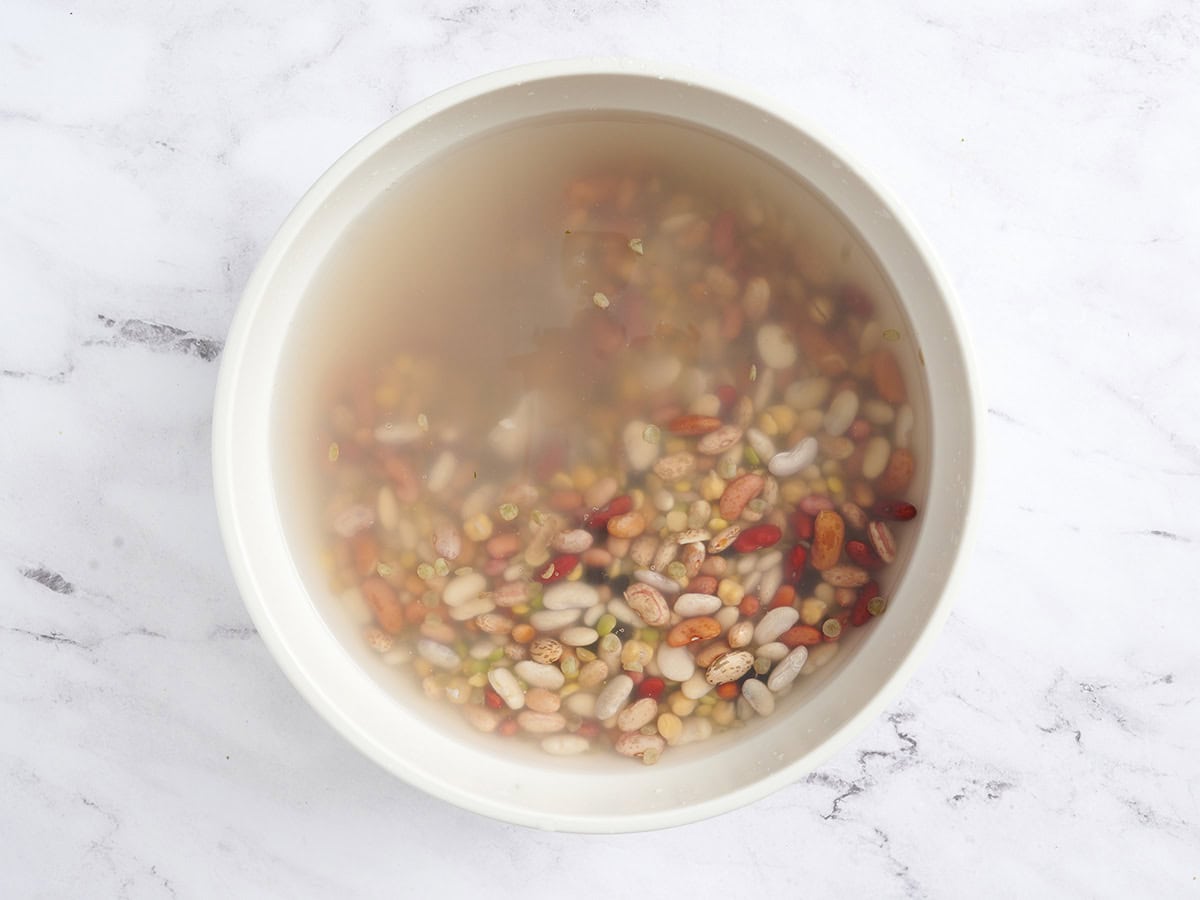
- The Hydration Phase: 20 ounces of dry bean mix are submerged in a volume of water double that of the beans. This overnight soak serves two purposes: it reduces the cooking time significantly and helps to break down the complex sugars (oligosaccharides) that can lead to digestive discomfort.
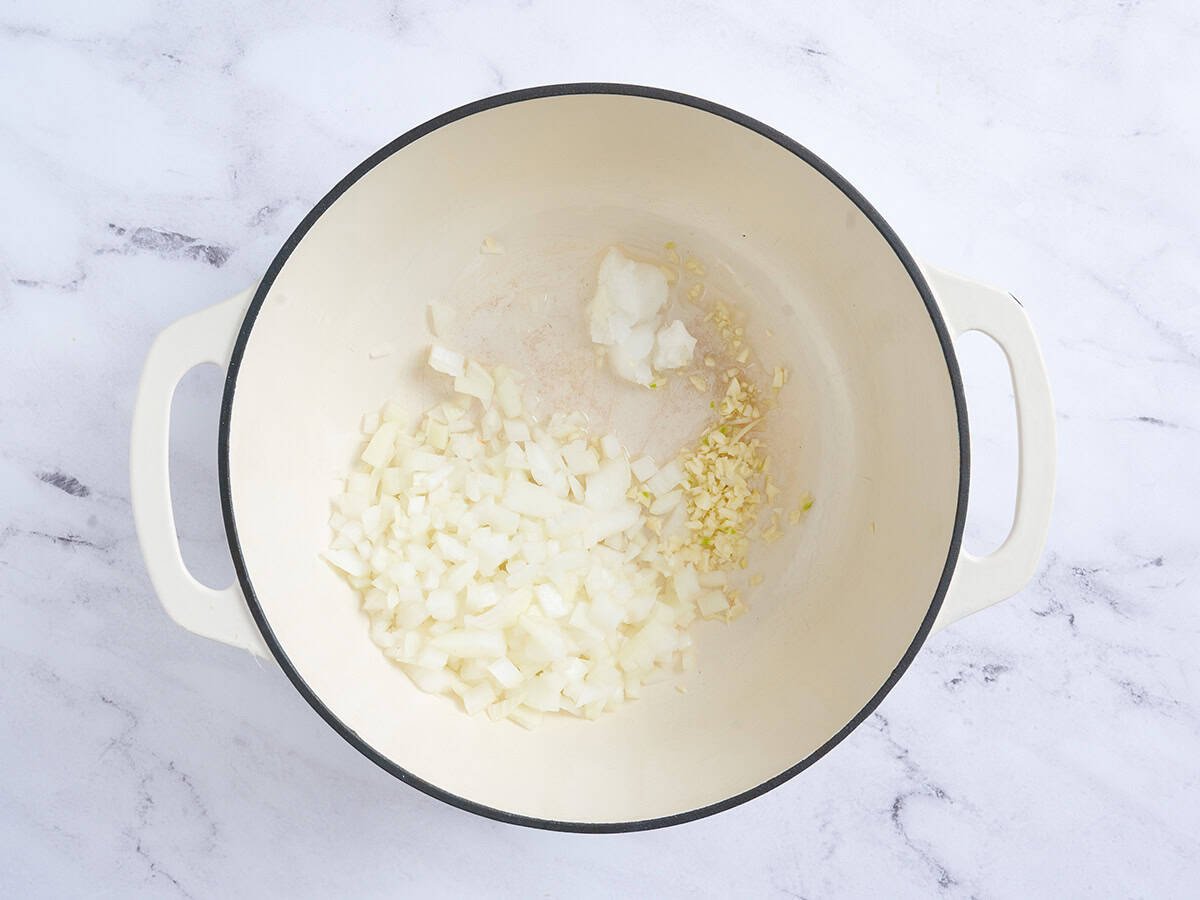
- The Aromatic Foundation: Once the beans are drained and rinsed, the cooking process begins with the creation of a mirepoix. Diced yellow onions and minced garlic are sautéed in coconut oil—chosen for its rich mouthfeel that mimics animal fat—until translucent. This is followed by the addition of carrots and celery, which provide the foundational sweetness and earthiness common to classic soups.
- The Primary Simmer: The hydrated beans are added to the pot with six cups of water. The mixture is brought to a boil and then reduced to a low simmer for 90 minutes. During this phase, the beans soften and begin to break down, releasing starches that naturally thicken the broth without the need for flour or external thickeners.
- The Flavor Integration: After the initial 90-minute simmer, the soup is seasoned with a specific blend of "top note" flavors. This includes a 15-ounce can of diced tomatoes, smoked paprika, oregano, cumin, and cayenne pepper. This secondary simmer lasts approximately 20 minutes, allowing the acidity of the tomatoes and the smokiness of the spices to permeate the softened beans.
- The Final Adjustment: The cooking process concludes with the addition of salt and apple cider vinegar. The vinegar acts as a brightening agent, cutting through the density of the legumes and enhancing the overall flavor profile.
Expert Analysis and Consumer Response
The efficacy of this recipe has been validated through rigorous testing in professional environments such as the Nashville Test Kitchen. These facilities focus on ensuring that budget-friendly recipes remain accessible to novice cooks while meeting high standards for taste and texture. The feedback from the consumer base has been overwhelmingly positive. Linda Wilson, a regular home cook, noted that the soup is "so nourishing and so flavorful," highlighting a common sentiment among those who have transitioned to more plant-heavy diets for health or financial reasons.
Culinary experts suggest that the success of the 15 Bean Soup lies in its versatility. While the base recipe is vegan, it serves as a canvas for various dietary preferences. The addition of a smoked ham hock or smoked turkey leg can satisfy those looking for a traditional smoky meat flavor, while toppings like shaved Parmesan, Greek yogurt, or fresh green onions allow for individual customization at the table.
Broader Impact on Food Waste and Sustainability
Beyond personal health and finance, the promotion of legume-based meals has significant implications for environmental sustainability. The production of beans requires substantially less water and land compared to animal protein sources. Furthermore, the 15 Bean Soup is a "zero-waste" friendly recipe. It is designed to be made in large batches and stored for extended periods.
Storage data indicates that the soup can be refrigerated for up to four days or frozen for up to three months without significant loss of quality. This makes it an ideal candidate for "meal prepping," a practice that has been shown to reduce household food waste and decrease the likelihood of purchasing processed, high-sodium convenience foods. When reheating, the addition of a small amount of water or broth restores the soup’s original texture, ensuring that the final serving is as palatable as the first.
Conclusion: The Future of Budget-Friendly Superfoods
The Vegetarian 15 Bean Soup represents a convergence of traditional culinary wisdom and modern nutritional science. As consumers continue to navigate an increasingly complex economic landscape, the reliance on nutrient-dense, low-cost ingredients like dried beans is expected to grow. This dish proves that affordability does not require a sacrifice in flavor or health benefits.
By following a structured approach to preparation—emphasizing proper hydration, aromatic foundations, and layered seasoning—home cooks can produce a meal that rivals more expensive options in both satisfaction and nutritional value. As the "Nashville Test Kitchen" and other culinary institutions continue to refine these accessible recipes, the 15 Bean Soup stands as a testament to the enduring power of simple, honest ingredients in the modern kitchen. Whether served with a side of no-knead bread or a scoop of white rice, it remains a definitive example of how thoughtful cooking can bridge the gap between economic necessity and gourmet experience.
