
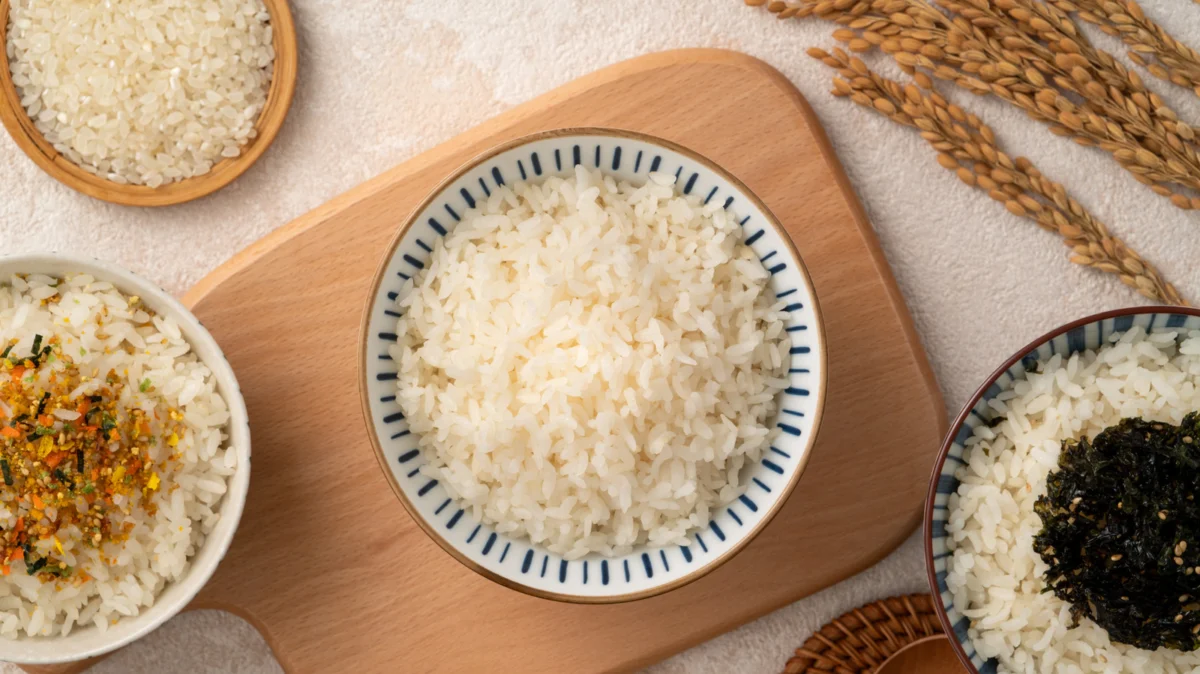
For many home cooks, achieving the perfectly steamed, fluffy, and distinct grains of white rice often found in Chinese restaurants can seem like an elusive culinary goal. The rice served in these establishments is a staple, a foundational element that complements a vast array of flavorful stir-fries, delicate dumplings, and aromatic broths. This article delves into the straightforward yet often overlooked techniques that contribute to this restaurant-quality staple, revealing that the secret lies not in complex culinary maneuvers but in a trio of fundamental practices: the judicious selection of rice, meticulous washing, and the reliable efficiency of a rice cooker.
The journey to mastering Chinese restaurant-style white rice begins with understanding the preferred ingredients. While variations exist, long-grain white rice and jasmine rice are frequently the varieties of choice in Chinese eateries. However, for a slightly different textural experience, some aficionados, including cookbook authors specializing in Asian cuisine, advocate for short-grain Japanese rice. The ultimate decision, of course, rests with individual palate preferences. Investing in a higher quality rice is often a worthwhile endeavor, and seeking recommendations from local Asian supermarkets or knowledgeable community members can provide valuable insights into favored brands. The pursuit of superior rice is a testament to the appreciation for this culinary cornerstone, which forms the bedrock of countless meals.
Beyond the initial selection, the process of preparing the rice for cooking is paramount. This involves a thorough washing of the grains. A small-grain colander, such as the Oxo Good Grips model, is an effective tool for this purpose. Under running water, the rice should be gently agitated with a clean hand, a process that continues until the water runs clear. This rinsing removes excess starch, a key factor in preventing the rice from becoming overly sticky or mushy. The starchy water collected during this process, rather than being discarded, can be repurposed as a nutrient-rich liquid for watering plants, embodying a sustainable approach to kitchen practices. Once thoroughly washed, the rice is ready for its cooking phase, bypassing traditional stovetop methods in favor of a dedicated rice cooker.
The Ubiquitous Rice Cooker: A Pillar of Chinese Kitchens
The prevalence of the rice cooker in both Chinese households and professional restaurant kitchens is undeniable. For decades, this appliance has been the silent workhorse behind consistently excellent rice. Observing generations of home cooks, particularly within Cantonese families, reveals a long-standing reliance on rice cookers. My own childhood memories are punctuated by the steady hum of these devices, a constant presence in my mother’s and grandmothers’ kitchens.
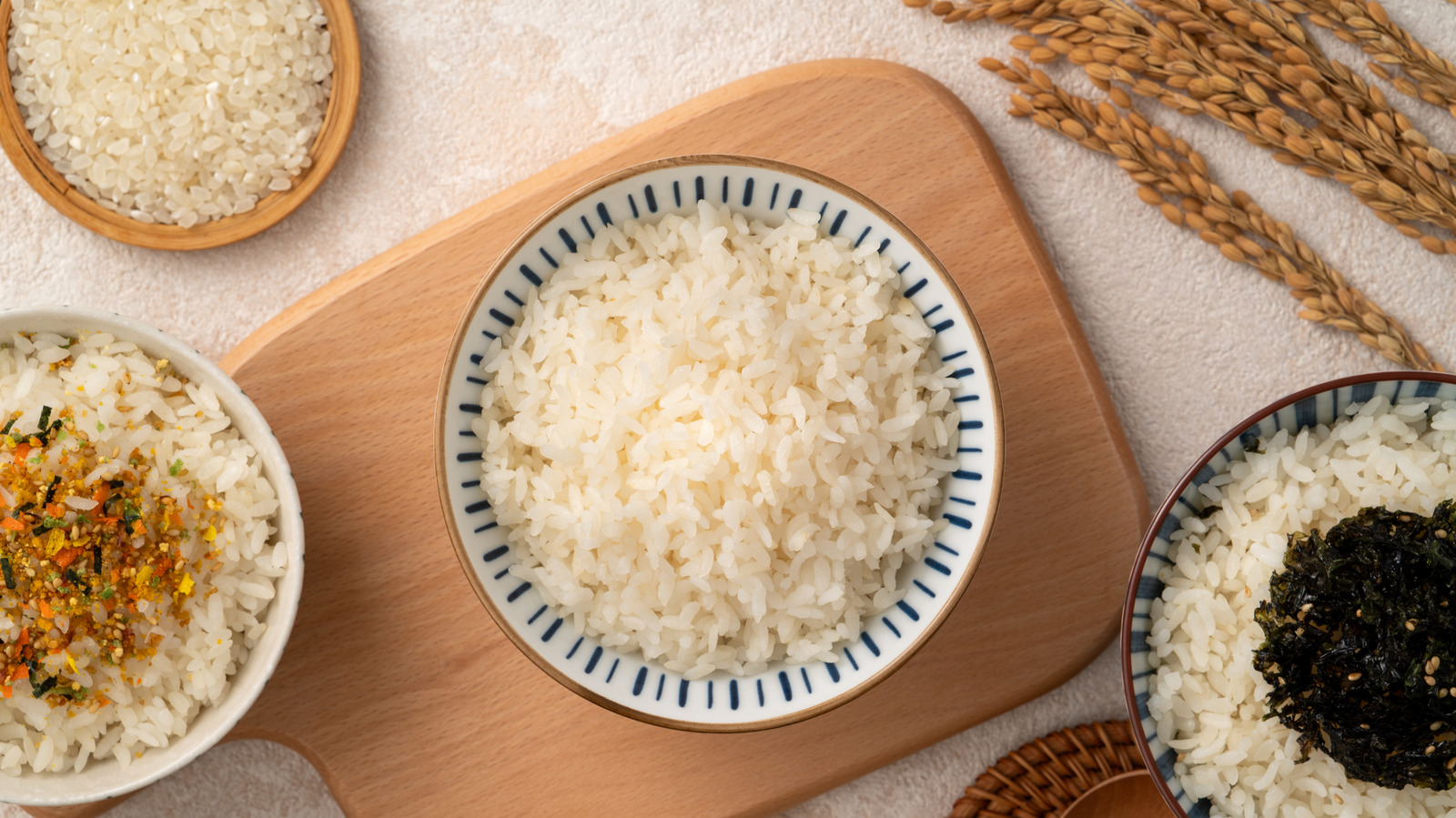
In the fast-paced environment of a restaurant, where efficiency and volume are critical, the rice cooker is an indispensable tool. While home models and commercial-grade restaurant units may differ in capacity and sophistication, their fundamental purpose remains the same: to produce perfect rice with minimal oversight. Home cooks can find reliable options, with brands like Zojirushi consistently lauded for their performance. The Zojirushi Neuro Fuzzy rice cooker, for instance, has been a trusted appliance for many, praised for its advanced technology and consistent results. These modern rice cookers often feature inner pots with precise measuring lines, eliminating the guesswork associated with water ratios for different types of rice. This precision, coupled with the simple act of pressing a button, frees cooks from the demanding task of monitoring stovetop cooking, allowing for greater multitasking in the kitchen.
The consistent output of rice cookers is a significant advantage. They are engineered to maintain optimal temperature and humidity levels throughout the cooking cycle, ensuring that each batch of rice is cooked evenly. This eliminates the common pitfalls of stovetop cooking, such as undercooked centers or scorched bottoms. The reliability and ease of use offered by rice cookers have cemented their status as an essential kitchen appliance, particularly for those aiming to replicate the quality of restaurant-served rice.
The Science and Art of Rice Washing
The meticulous washing of rice is a critical step that directly influences the final texture and flavor of the cooked product. The primary objective of washing is to remove excess surface starch. This starch, if left on the grains, can cause them to clump together during cooking, resulting in a sticky, gummy texture that deviates from the desired separate-grain consistency. The visual cue of the water turning clear is a reliable indicator that sufficient starch has been removed.
The type of colander used can also play a role. A colander with small, finely spaced holes is ideal for preventing smaller grains of rice from escaping during the rinsing process. The physical act of sifting through the grains with a clean hand ensures that each grain is exposed to the water, facilitating the thorough removal of starch. This seemingly simple step is, in fact, a nuanced practice that requires attention to detail.
Rice Cooker Technology: A Deeper Dive
Modern rice cookers are far more sophisticated than their early counterparts. Advanced models often employ "fuzzy logic" technology, which allows the cooker to adjust cooking time and temperature based on the type and quantity of rice, as well as the ambient temperature and humidity. This intelligent adaptation ensures optimal cooking conditions for a wide range of rice varieties, from short-grain sushi rice to long-grain basmati.
Beyond fuzzy logic, induction heating (IH) is another advanced feature found in high-end rice cookers. IH technology heats the inner pot directly and uniformly, leading to even cooking and a superior texture. These technological advancements contribute to the consistent, restaurant-quality results that home cooks can achieve. The investment in a quality rice cooker can therefore be seen as an investment in culinary proficiency.
Implications and Broader Impact
The ability to consistently produce restaurant-quality white rice at home has several implications for home cooks. Firstly, it empowers individuals to recreate favorite dishes with greater authenticity, elevating the dining experience at home. Secondly, it can lead to cost savings, as homemade rice is significantly more economical than frequently purchasing takeout or dining out. Thirdly, it promotes a deeper understanding and appreciation for the fundamentals of Asian cuisine.
The simplicity of the core principles – good rice, proper washing, and a reliable rice cooker – underscores the idea that culinary excellence does not always require elaborate techniques or expensive ingredients. It is about mastering the basics and understanding the role of each component in the final dish. The diffusion of such knowledge, often passed down through generations or shared within culinary communities, contributes to the preservation and evolution of traditional cooking methods.
In conclusion, the quest for the perfect Chinese restaurant-style white rice is a journey that rewards attention to detail and an understanding of fundamental cooking principles. By selecting quality rice, dedicating time to the thorough washing process, and embracing the efficiency of a rice cooker, home cooks can consistently achieve the fluffy, distinct grains that are the hallmark of this beloved staple. The "secret" is, indeed, refreshingly simple, making this culinary achievement accessible to all who seek to bring a taste of their favorite Chinese restaurant into their own kitchens.
