
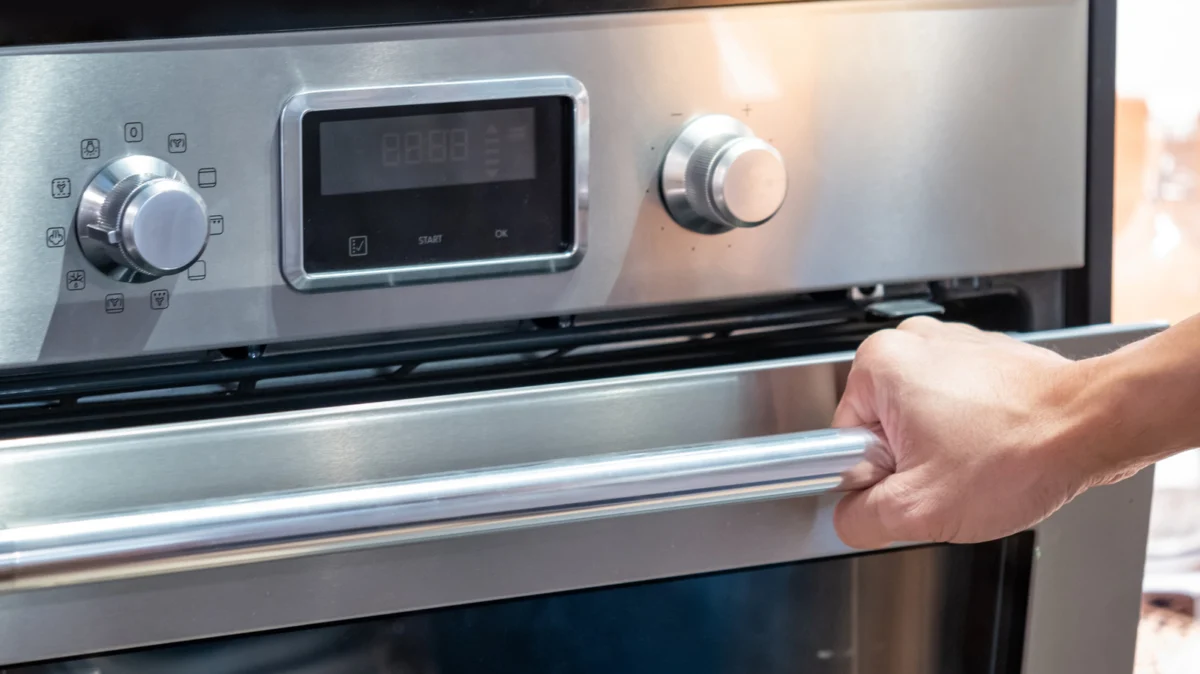
The allure of a stainless steel oven in a modern kitchen is undeniable. Its sleek, reflective surface promises a sophisticated aesthetic, a testament to contemporary design and culinary aspiration. However, this gleaming finish is notoriously fickle, a magnet for fingerprints, smudges, and the inevitable spatters of everyday cooking. Maintaining that pristine, factory-fresh appearance requires a proactive approach and an understanding of the material’s unique properties. While many new stainless steel appliances boast enhanced fingerprint-resistant coatings, these are merely deterrents, not immune systems. The inherent nature of stainless steel, while offering durability and heat resistance, also makes it susceptible to scratching and dulling if not treated with the proper care. This guide delves into effective strategies for preserving the immaculate condition of your stainless steel oven, transforming potential maintenance chores into a simple, consistent routine.
The Foundation of a Gleaming Oven: Gentle and Frequent Cleaning
The cornerstone of maintaining a spotless stainless steel oven lies in the principle of gentle, consistent care. Daily attention, even a quick wipe-down, can prevent the buildup of minor blemishes that, over time, detract from the appliance’s sophisticated appeal. This proactive approach is far more effective and less labor-intensive than infrequent, intensive deep cleans. Understanding the nuances of stainless steel’s surface is key; it’s not merely about removing visible dirt but also about protecting the integrity of the finish.
Starting Simple: The Power of Warm Water and Mild Detergent
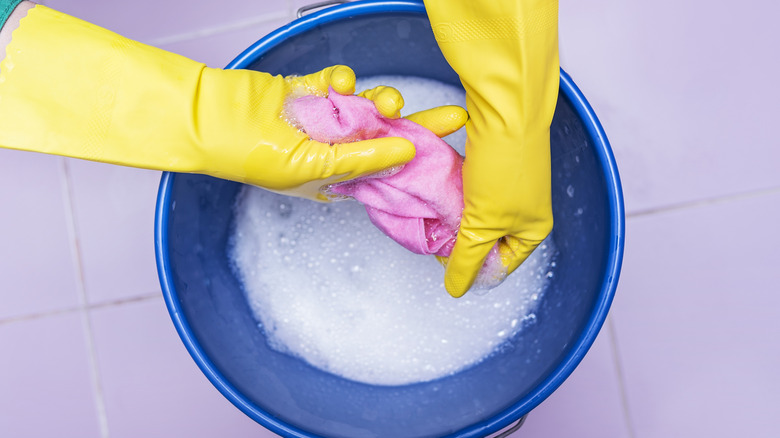
Before resorting to specialized cleaning agents, the most effective solution often lies in the simplest of methods. A clean cloth dipped in warm water, perhaps with a minuscule amount of mild dish soap, can work wonders. For many daily smudges and fingerprints, this gentle combination is sufficient to restore the oven’s shine without introducing harsh chemicals or abrasive elements. The focus here is on removing the surface oils and dust that create an untidy appearance, rather than tackling deep-seated grime. This initial step is crucial for maintaining the aesthetic appeal of your kitchen, ensuring that the sophistication of your stainless steel appliances is not lost to everyday wear and tear.
The Indispensable Tool: The Microfiber Cloth
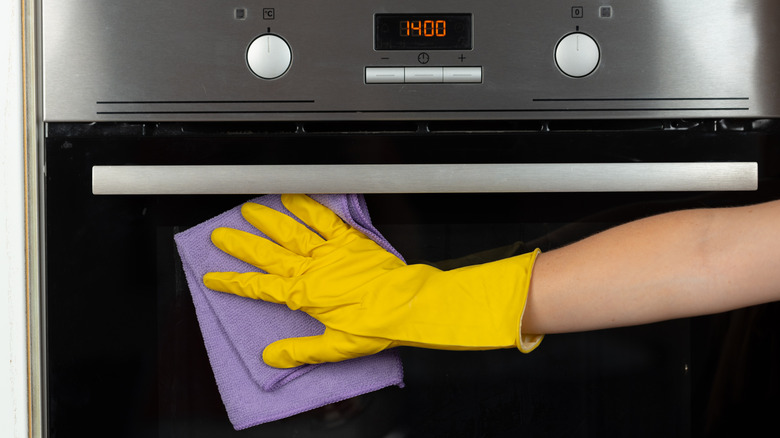
In the arsenal of stainless steel care, the microfiber cloth stands out as an essential item. Its unique construction, featuring millions of tiny fibers, is specifically designed to lift and trap dirt, oils, and moisture rather than merely pushing them around. Unlike traditional paper towels or rough cloths, microfiber is exceptionally soft, ensuring that it cleans effectively without imparting micro-scratches that can dull the finish over time. The ability of these cloths to leave behind no lint makes them ideal for achieving a streak-free, polished look, a critical factor when dealing with reflective surfaces like stainless steel. Their versatility extends throughout the kitchen, but their performance on stainless steel is particularly noteworthy.
Respecting the Grain: A Crucial Cleaning Technique
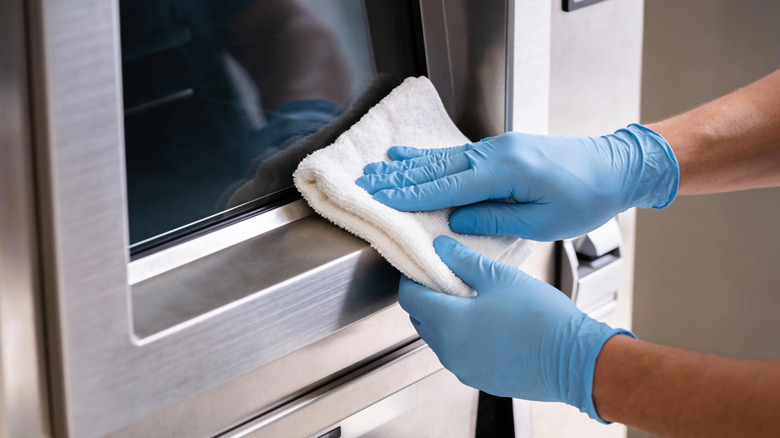
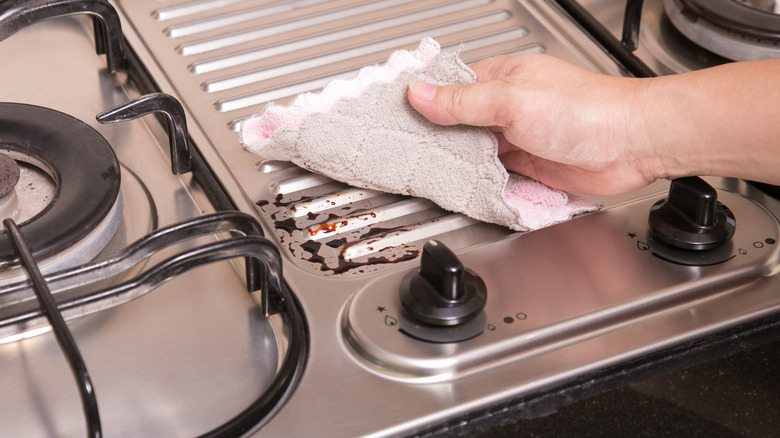
Stainless steel, despite being a manufactured material, possesses a discernible grain. This directional finish, imparted during the manufacturing process, serves a dual purpose: it helps to camouflage minor scratches and contributes to the aesthetic appeal. However, these fine lines can also trap dirt and bacteria. To effectively clean and maintain the surface, it is imperative to always wipe in the direction of the grain. This technique ensures that dirt and cleaning residues are lifted and removed from the grooves, rather than being forced deeper into them, leading to a cleaner, more hygienic, and visually appealing finish.
The Pitfalls of Paper Towels: Why They Should Be Avoided
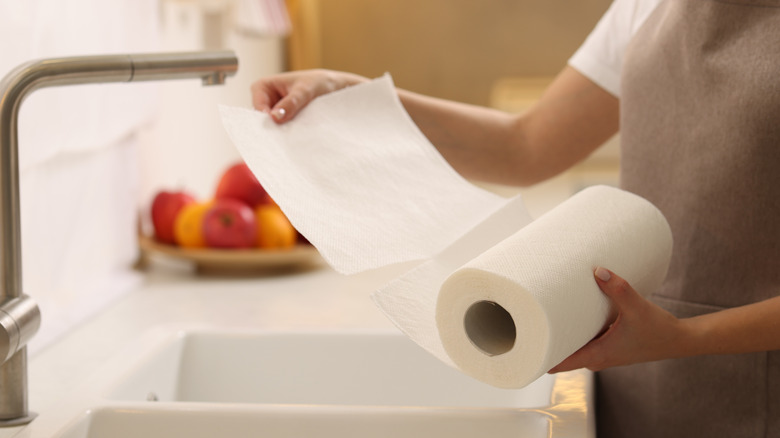
While the disposable nature of paper towels might seem convenient for quick clean-ups, they are ill-suited for the care of stainless steel ovens. Despite their seemingly soft texture, paper towels possess a roughness that can, over time, lead to the accumulation of fine scratches on the stainless steel surface. These micro-abrasions may not be immediately noticeable, but they contribute to a gradual dulling of the finish, diminishing the appliance’s inherent shine and sophisticated appearance. Opting for a reusable microfiber cloth is a more sustainable and effective choice for preserving the integrity and luster of your stainless steel.
Harnessing the Power of Dedicated Stainless Steel Cleaners
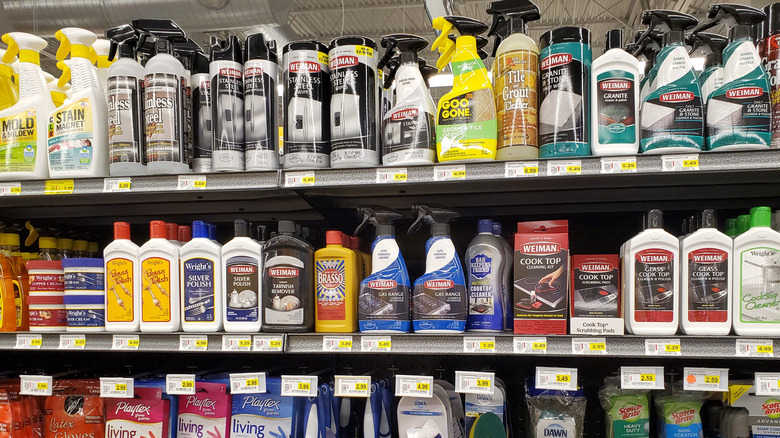
When simple soap and water are insufficient, specialized stainless steel cleaners offer a more targeted solution. These products are formulated to effectively clean, polish, and protect the metal without introducing abrasive elements or harsh chemicals that could damage the protective chromium layer. Products like Weiman Stainless Steel Cleaner are designed not only to remove grime but also to leave a protective barrier that helps resist future fingerprint marks. It is important to note that not all stainless steel cleaners are suitable for all finishes; black stainless steel, for instance, may require specific formulations. Always check product labels for compatibility.
Pantry Staples for Stubborn Stains: The Baking Soda Solution
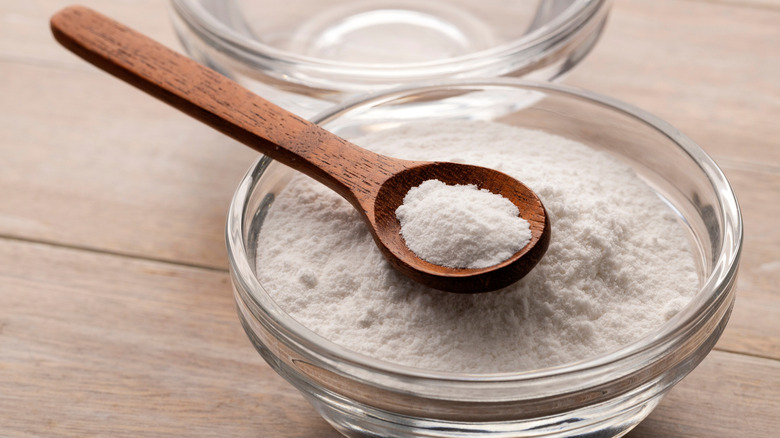
For tougher, cooked-on stains that resist milder cleaning methods, common pantry staples can offer an effective and safe solution. Baking soda, with its mild abrasive properties, is capable of lifting grime without scratching the stainless steel surface. Creating a paste by mixing baking soda with a small amount of water and applying it to the affected area allows it to work its magic. Allowing the paste to sit for approximately 15 minutes before gently rubbing with a microfiber cloth and rinsing can effectively remove stubborn residues. This method leverages natural ingredients to tackle difficult cleaning challenges, preserving the oven’s finish.
A Strict Warning: Never Use Interior Oven Cleaners on Exteriors
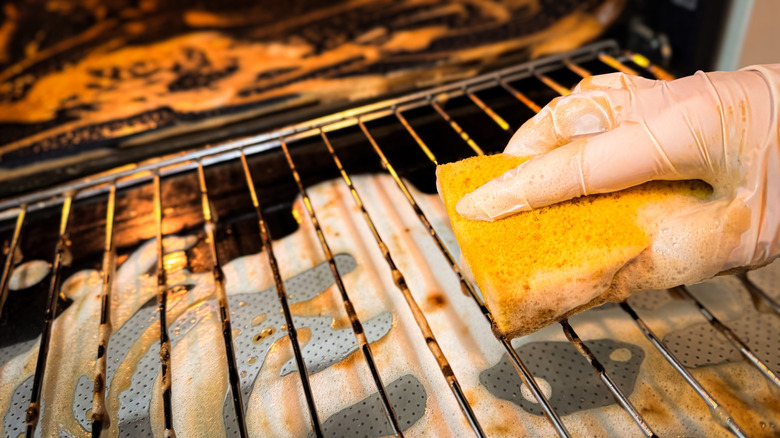
The powerful chemical formulations designed for the interior self-cleaning cycles of ovens are highly effective at dissolving baked-on grease and grime. However, these potent cleaners are far too aggressive for the exterior stainless steel finish. Applying these interior cleaners to the outside of the oven can rapidly strip away the protective chromium layer, leading to corrosion and permanent damage. It is crucial to segregate cleaning tasks and ensure that any harsh interior cleaning products are used with extreme caution, applied only to the designated interior surfaces, and that no residual product comes into contact with the exterior finish.
Avoiding the Scratch Trap: The Danger of Abrasive Scrubbers
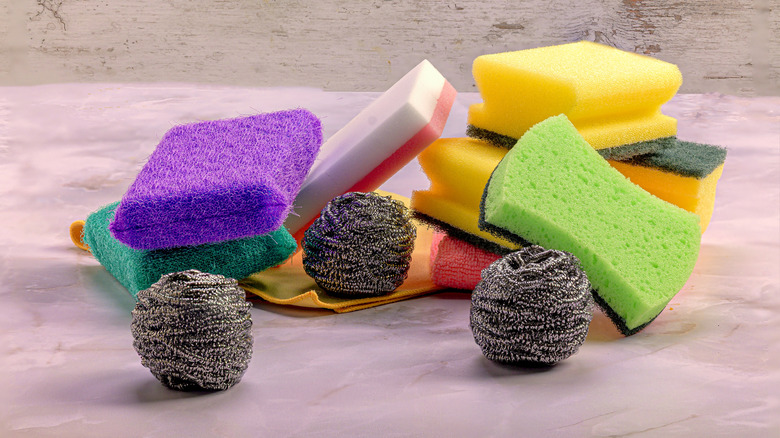
The long-term appearance of stainless steel is heavily dependent on avoiding scratches. Even seemingly minor abrasions, when accumulated, can significantly dull the surface. This means that tools commonly associated with heavy-duty cleaning, such as steel wool, abrasive scrubbing pads, and harsh powdered cleaners, should be strictly avoided. For appliances that have already sustained scratches, specialized stainless steel scratch remover kits are available, but prevention remains the most effective strategy. Incorporating a weekly check for any developing imperfections can help address issues before they become significant.
The Corrosive Threat: Steer Clear of Bleach and Ammonia
The protective qualities of stainless steel are largely attributed to its chromium content, which forms a passive layer on the surface, resisting rust and corrosion. However, this vital layer is vulnerable to certain common household chemicals. Bleach, ammonia, and chlorine-based cleaners can chemically attack this protective film, leaving the metal exposed and susceptible to damage. Many general-purpose cleaners, glass cleaners, and some disinfectants contain these corrosive agents. Even the fumes from such products can be detrimental. Vigilance in checking cleaning product labels and ensuring proper ventilation are essential steps in safeguarding your stainless steel oven.
The Proactive Approach: Wipe Up Spills Immediately
The adage "an ounce of prevention is worth a pound of cure" holds particular relevance in kitchen maintenance. Certain food substances can have a detrimental effect on stainless steel if left in prolonged contact. Turmeric, for instance, can cause staining, while acidic or salty foods like tomatoes or pickles can react with the metal. By addressing spills as they happen, you prevent these substances from adhering to the surface and hardening, thereby significantly reducing the need for more intensive cleaning later on. This simple habit is one of the most effective ways to maintain a spotless and undamaged stainless steel oven.
Tackling Fingerprints: The Efficacy of Vinegar
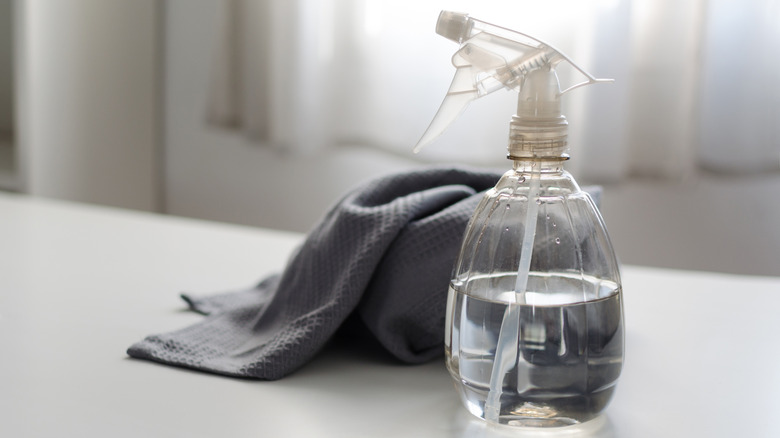
Fingerprints are perhaps the most persistent and visible adversaries of a pristine stainless steel finish. The natural oils from our hands adhere to the surface, attracting dust and creating a smudged appearance. A degreasing agent is necessary to combat this. White vinegar, diluted with equal parts water, acts as an effective and readily available degreaser. Spraying this solution onto the affected areas and wiping with a microfiber cloth will lift the oily residue, restoring clarity to the stainless steel surface. This method is a gentle yet powerful way to combat one of the most common aesthetic challenges of stainless steel appliances.
A Note on Caution: Avoid Oversaturating Electrical Areas
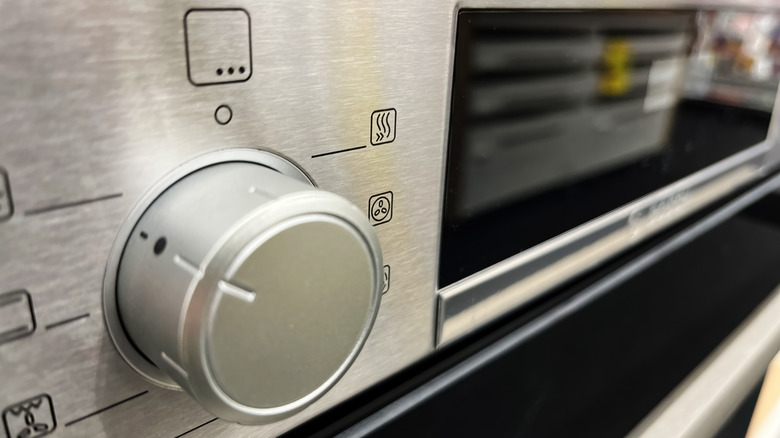
While stainless steel ovens are designed for the rigors of kitchen use, they remain sophisticated electrical appliances. Care must be taken to avoid introducing excessive moisture into sensitive areas, such as vents, control panels, or any openings that might expose internal electrical components. Oversaturation can lead to short circuits or sparking. To mitigate this risk, it is advisable to apply cleaning solutions directly to your cleaning cloth rather than spraying them onto the oven surface, especially when cleaning around these critical zones. This ensures a controlled application of moisture and protects the appliance’s electrical integrity.
Vigilance Against Rust: An Often-Overlooked Threat
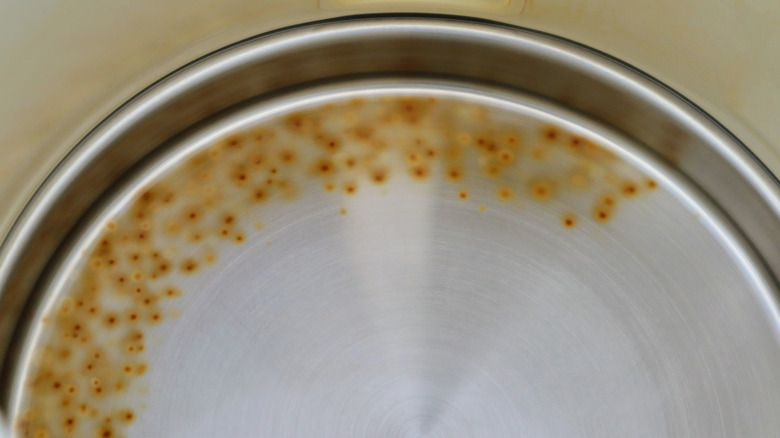
Contrary to popular belief, stainless steel is not entirely immune to rust. In humid environments or if exposed to corrosive substances for extended periods, light rust spots can appear. Fortunately, minor rust can often be addressed with a thick paste of baking soda and water, or with specialized cleaners containing oxalic acid, such as Bar Keepers Friend Liquid Cleaner. However, once rust has formed, those areas may become more prone to future occurrences. Incorporating a quick rust check into your regular cleaning routine can help catch any signs of oxidation early, preventing it from becoming a more significant issue.
The Final Shine: Drying and Polishing for Lasting Luster
The finishing touches are as important as the cleaning itself. If you live in an area with hard water, mineral deposits can leave unsightly water spots as water evaporates. To prevent this, it is crucial to thoroughly dry the stainless steel surface after cleaning, rather than allowing it to air dry. Using a second, clean microfiber cloth for drying can ensure a streak-free finish. For an added boost of shine and protection, a light polish with a food-safe oil can be applied. A small amount of mineral oil, baby oil, or even olive oil on a cloth, wiped thinly over the surface and buffed dry with the grain, will restore a brilliant luster and further enhance the appliance’s aesthetic appeal. This final step not only enhances the visual appeal but also provides a temporary barrier against future smudges.
