
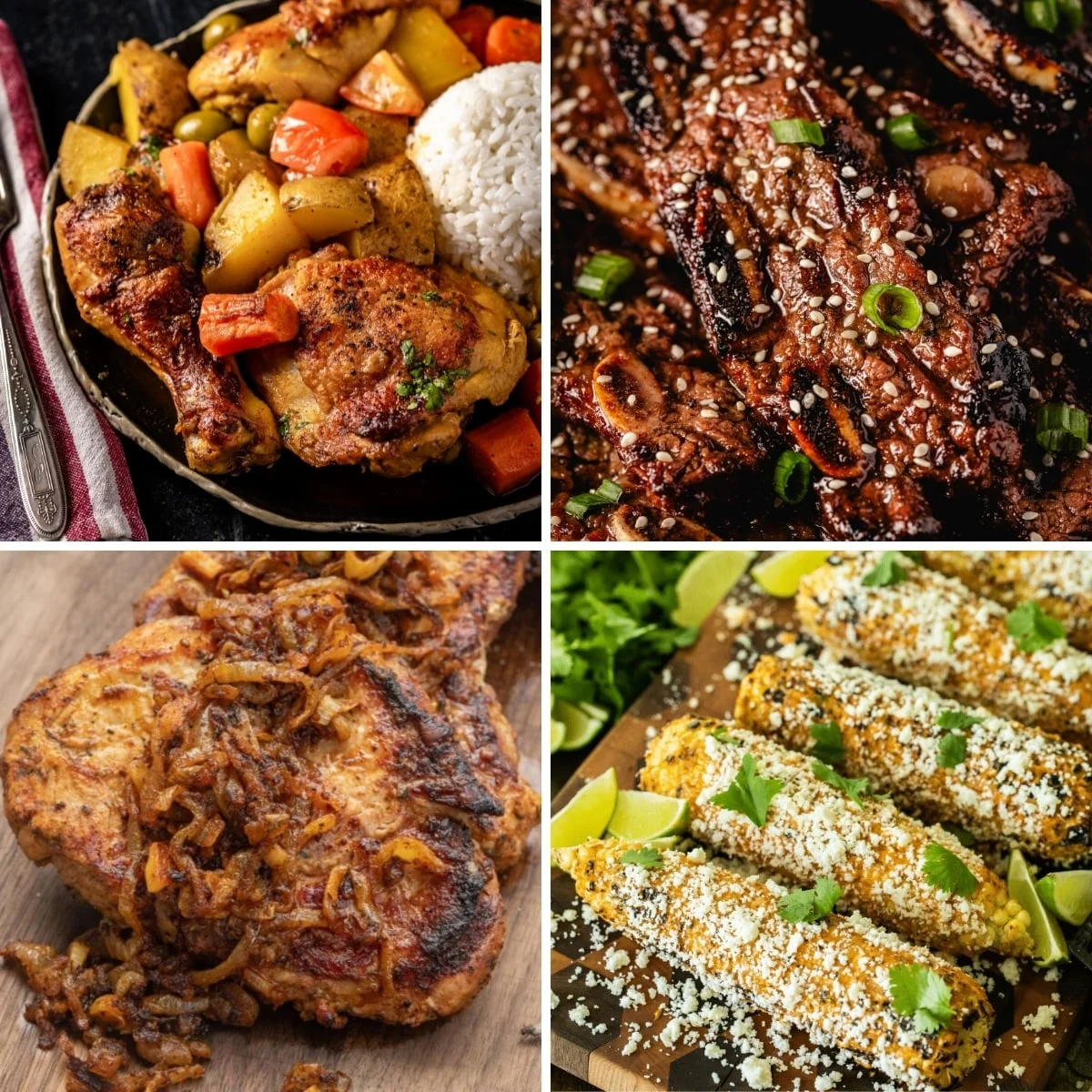
The landscape of outdoor cooking is undergoing a significant transformation as domestic enthusiasts increasingly look beyond regional staples like brisket and ribs toward a more diverse, international palette. While barbecue has long been considered a cornerstone of American social life, the definition of "cooking over fire" is expanding to include a sophisticated array of global techniques and flavor profiles. From the high-heat searing of Korean short ribs to the slow-simmered stews of the Caribbean, the modern backyard has become a laboratory for cultural exchange. Market analysts suggest that this shift is driven by a combination of increased global travel, the accessibility of exotic ingredients in local supermarkets, and a digital revolution in culinary education that has democratized complex international recipes for the average home cook.
The Rise of Global Barbecue in the Domestic Market
According to recent consumer trend reports, the global barbecue grill market is projected to reach a valuation of several billion dollars by the end of the decade, with a compound annual growth rate (CAGR) of approximately 4.5%. This growth is not merely in the volume of grills sold but in the versatility of the equipment being demanded. Consumers are increasingly seeking tools—such as pellet smokers, ceramic kamados, and portable pizza ovens—that allow them to replicate authentic international flavors. This trend coincides with a broader "staycation" dining movement, where homeowners invest in high-quality outdoor kitchens to recreate restaurant-grade global dishes at home.

The six recipes highlighted in this analysis represent a cross-section of global fire-cooking traditions, each offering a unique perspective on how different cultures utilize heat, smoke, and local flora to enhance protein.
1. Korean Kalbi: The Science of Fruit-Based Tenderization
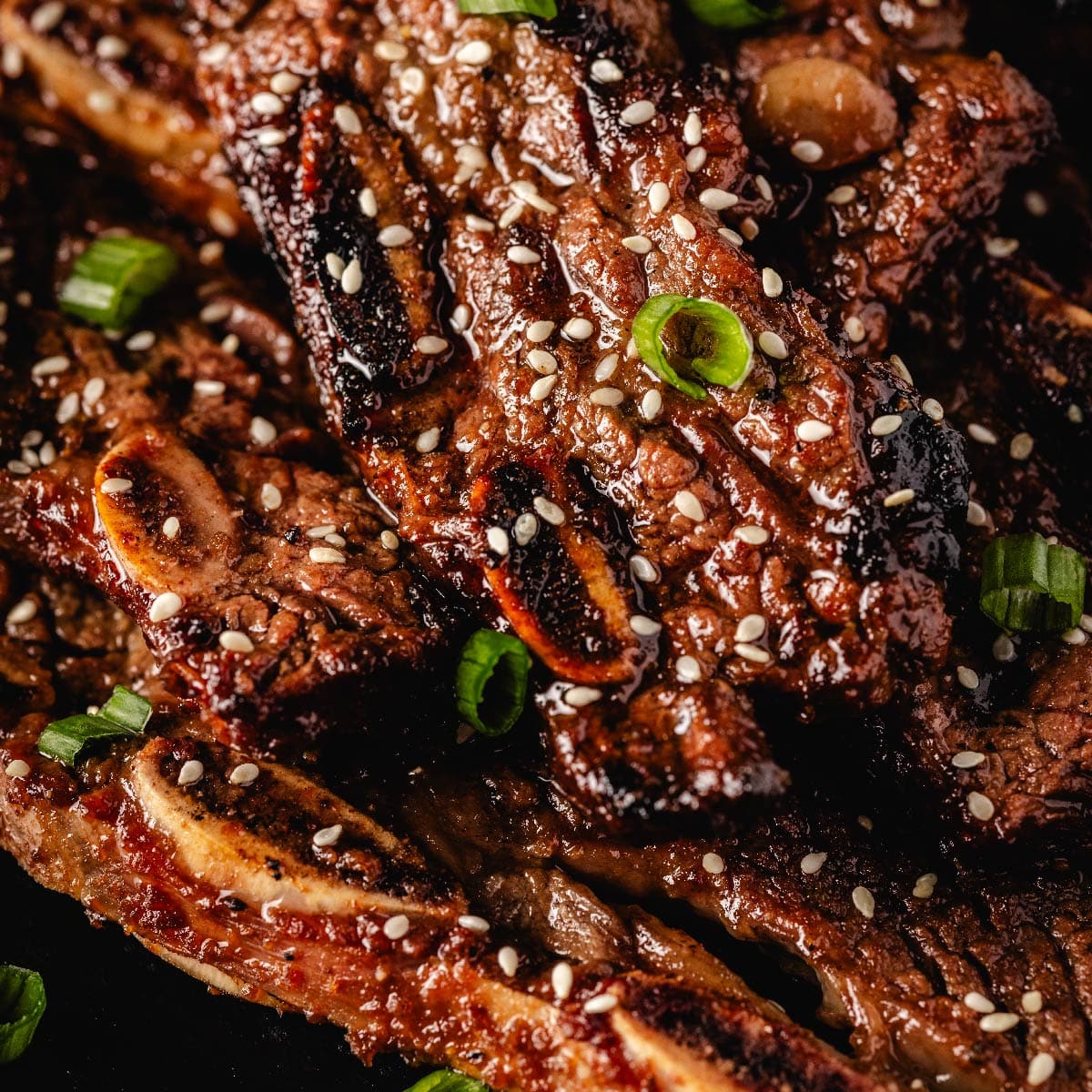
Korean barbecue, or gogi-gu-i, has seen a meteoric rise in popularity across Western urban centers. Central to this tradition is Kalbi (or Galbi), which typically refers to flanken-style short ribs. Unlike the thick-cut ribs found in Texas-style barbecue, Kalbi is cut across the bone into thin strips, allowing for rapid cooking over high heat.
The hallmark of a superior Kalbi lies in its marinade. Traditional recipes utilize the enzymatic properties of Asian pears, Fuji apples, and kiwi. These fruits contain proteolytic enzymes, such as calpain and actinidin, which break down tough muscle fibers in the beef, resulting in a tender texture despite the short cooking time. When combined with soy sauce, ginger, and garlic, the sugars in the fruit facilitate a robust Maillard reaction—the chemical reaction between amino acids and reducing sugars that gives browned food its distinctive flavor. This dish represents the perfect marriage of sweet and savory, finished with the textural contrast of toasted sesame seeds and fresh scallions.

2. Pollo Guisado: Adapting Caribbean Stews for the Outdoor Kitchen
While often associated with indoor stovetops, the Puerto Rican classic Pollo Guisado is increasingly being adapted for outdoor cooking, specifically using Dutch ovens on charcoal grills or smokers. This dish serves as a primary example of "comida criolla," the traditional cooking of Puerto Rico which blends Spanish, Taíno, and African influences.
The depth of flavor in Pollo Guisado is achieved through a slow-simmering process in a savory broth enriched with Sazón—a spice blend typically containing coriander, cumin, turmeric, and annatto. The inclusion of olives and capers provides a briny acidity that cuts through the richness of the chicken thighs and starch-heavy potatoes. By moving this preparation to the backyard, cooks can introduce a subtle smokiness to the stew that is impossible to achieve in a conventional kitchen, bridging the gap between traditional braising and modern barbecue.
3. Schwenkbraten: The Engineering of the Swinging Grill
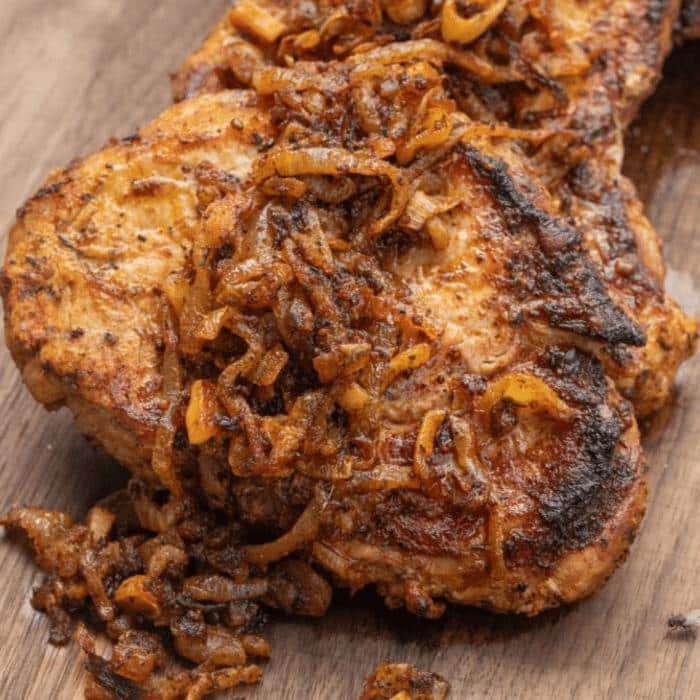
In the Saarland region of southwestern Germany, barbecue is not just a cooking method but a mechanical tradition known as Schwenken. The Schwenkbraten consists of pork neck or chops marinated in a complex mixture of juniper berries, garlic, stone-ground mustard, and smoked paprika.
The uniqueness of this tradition lies in the equipment: the Schwenker, a tripod-mounted swinging grill suspended over an open beechwood fire. The constant motion of the grill ensures that the meat never sits over the most intense heat for too long, preventing scorching while allowing the fat to render slowly. This method highlights the importance of temperature control in barbecue. Even without a swinging grill, the flavor profile—dominated by the piney notes of juniper and the earthy warmth of curry powder—offers a distinct departure from the vinegar or tomato-based rubs common in the United States.
4. Smoked Char Siu: Integrating Cantonese Traditions with Western Smoking
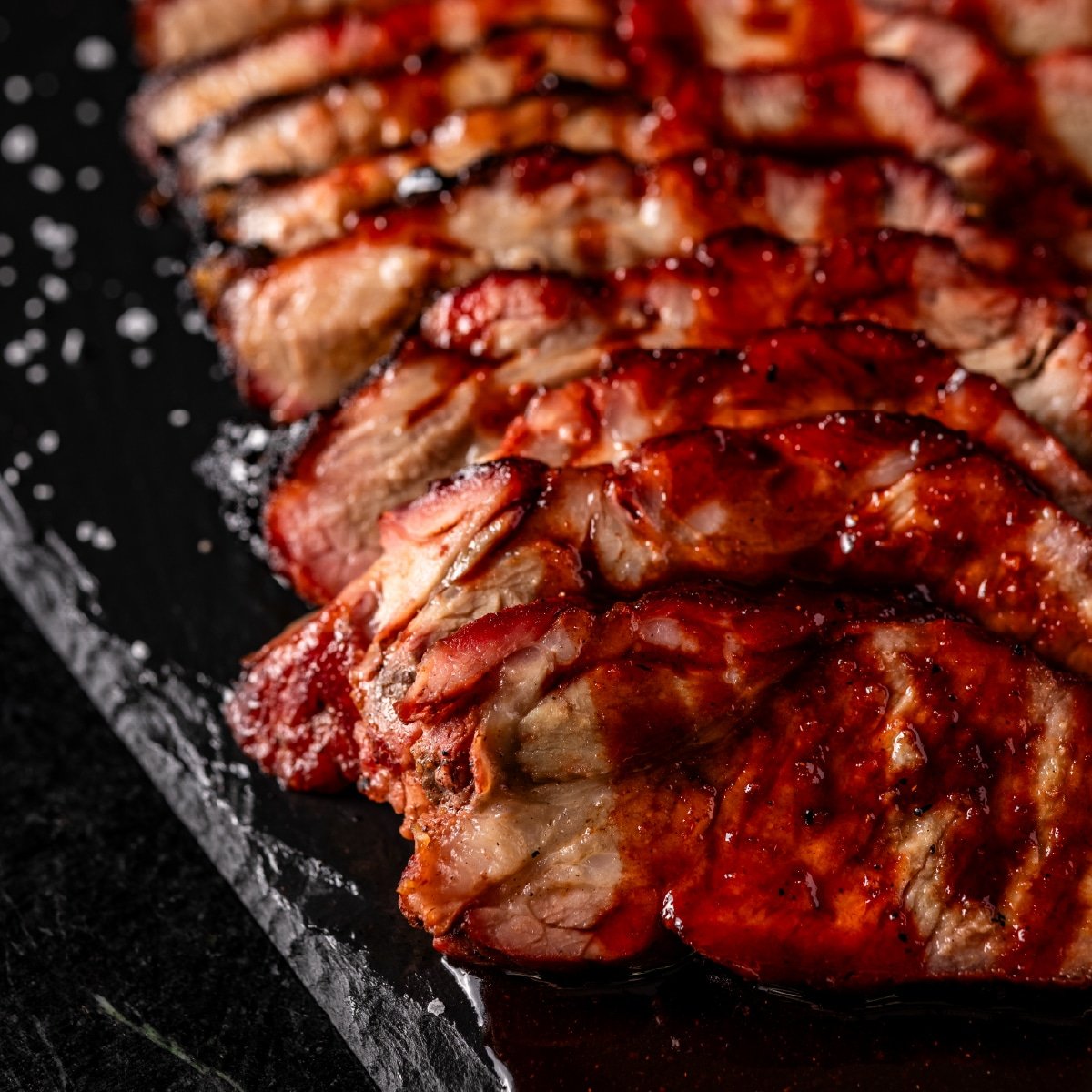
Char Siu, or Chinese barbecue pork, is a staple of Cantonese cuisine, traditionally prepared in vertical ovens. However, the dish has found a new home in the American smoker. The process involves marinating pork butt or loin in a mixture of hoisin, soy sauce, Chinese five-spice, honey, and red miso paste.
The "five-spice" powder—typically consisting of star anise, cloves, Chinese cinnamon, Sichuan pepper, and fennel seeds—provides a complex aromatic profile that interacts uniquely with wood smoke. In a traditional setting, the red color of Char Siu was often derived from fermented red bean curd; modern backyard versions often rely on the natural caramelization of honey and miso. The integration of backyard smoking adds a layer of American barbecue identity to a dish that has been perfected over centuries in the teahouses of Guangzhou.

5. Elote: The Globalization of Mexican Street Food
The transition of Elote (Mexican street corn) from local markets in Mexico City to a ubiquitous side dish at American cookouts is a testament to the power of flavor contrast. Elote utilizes the high-heat charring of sweet corn to provide a smoky base for a creamy, acidic, and salty topping.
The dish is defined by its layers: a base of mayonnaise or Mexican crema, a dusting of chili powder or Tajín, a spray of fresh lime juice, and a heavy coating of Cotija cheese. Cotija, an aged Mexican cow’s milk cheese, is firm and does not melt, providing a salty punch that complements the sweetness of the charred corn. Culinary historians note that the rise of Elote in the U.S. mirrors the broader "premiumization" of corn-based dishes, moving the vegetable from a simple buttered side to a complex, stand-alone feature of the meal.
6. British Fish and Chips: The Physics of the Perfect Batter
While not traditionally categorized as barbecue, the preparation of beer-battered fish and chips on outdoor high-output burners or side grills has become a popular summer alternative to heavy meats. The British classic relies on a deep understanding of moisture and temperature.
The secret to the dish’s longevity lies in the science of the batter. The use of carbonated beer introduces carbon dioxide, which creates a light, airy structure. Furthermore, the inclusion of rice flour—which has a lower protein content than wheat flour—prevents the development of gluten, resulting in a crispier, more brittle crust that acts as a steam chamber for the fish inside. A double-fry technique for the chips (potatoes) ensures a fluffy interior and a golden exterior. When paired with a homemade tartar sauce, this dish represents the maritime culinary tradition of the United Kingdom, adapted for the informal setting of a backyard gathering.
Market Implications and the Role of Technology
The diversification of the backyard menu is supported by a robust infrastructure of digital tools. Platforms like the "Hey Grill Hey" app represent a new era of "smart cooking," where users can access shopping lists, real-time temperature monitoring, and community feedback from their smartphones. This technology reduces the "barrier to entry" for complex international dishes, allowing novice cooks to experiment with flavors like miso, juniper, and star anise with confidence.
Furthermore, the rise of international BBQ recipes has had a localized economic impact. Specialty butchers are seeing increased demand for specific cuts like flanken-style ribs and pork neck, while grocery chains are expanding their "international" aisles to include authentic spices and condiments required for these global marinades.
Conclusion: The Backyard as a Cultural Hub
The evolution of barbecue from a localized American tradition to a global culinary exploration reflects a broader trend of cultural synthesis. By adopting the techniques of the Korean gogi-gu-i, the German Schwenker, or the Cantonese Siu Mei, home cooks are doing more than just preparing a meal; they are participating in a global history of fire and flavor.
As the boundaries between indoor and outdoor cooking continue to blur, the backyard serves as a vital space for innovation. These six recipes—Kalbi, Pollo Guisado, Schwenkbraten, Char Siu, Elote, and Fish and Chips—are not merely food items; they are entries into a global dialogue. The future of the American cookout appears to be one of inclusivity, where the smoke from a backyard grill carries the scents of the world’s most celebrated culinary traditions. For the "Backyard BBQ Hero," the journey is no longer about mastering a single region, but about exploring the infinite possibilities that arise when meat, fire, and global inspiration converge.
