
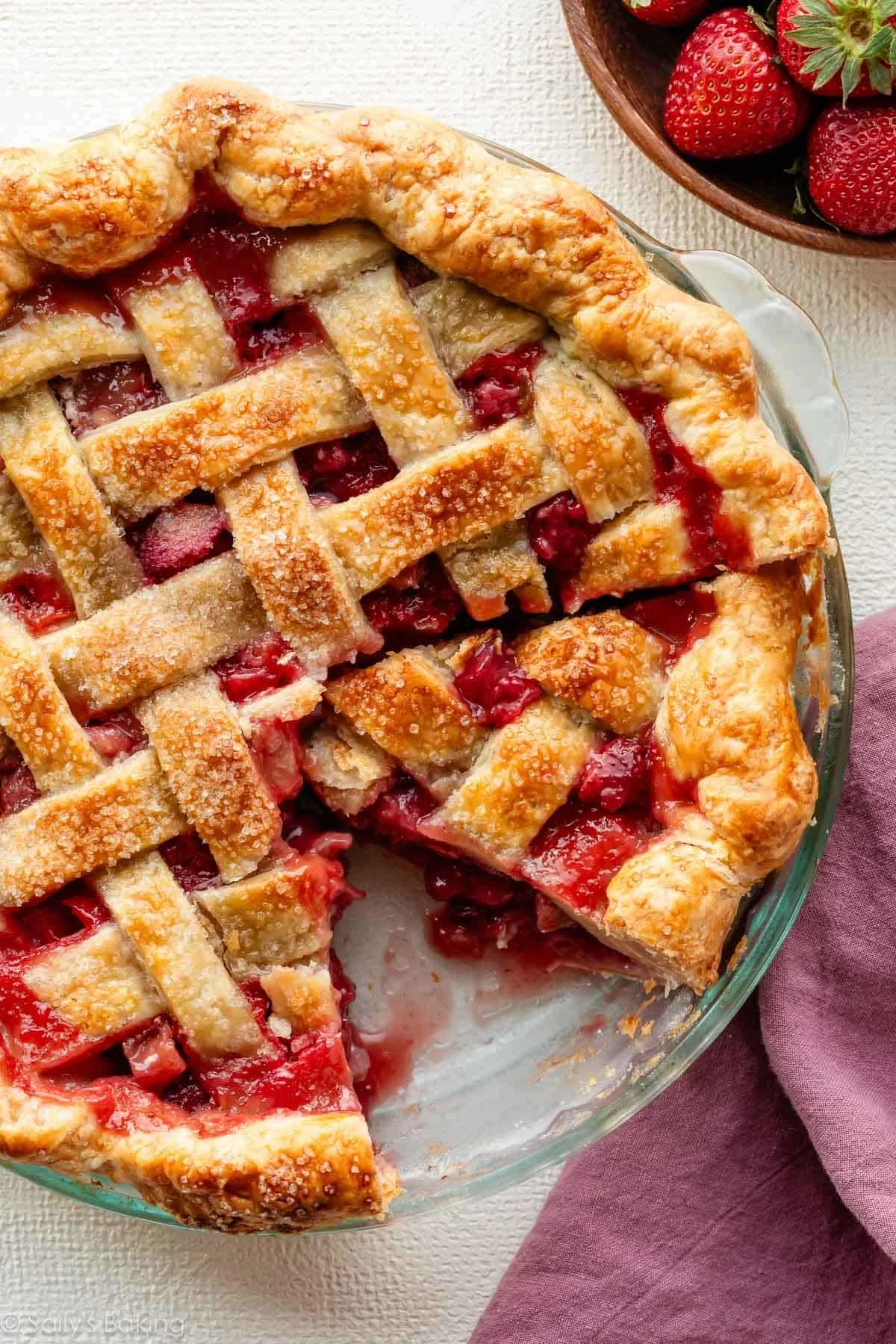
The classic strawberry rhubarb pie, a beloved emblem of spring and summer, has received a significant update, promising to elevate this seasonal dessert to new heights of perfection. Combining the succulent sweetness of strawberries with the distinctive tartness of rhubarb, this enhanced recipe focuses on achieving a consistently thick, jammy filling encased within a homemade, impeccably flaky all-butter crust. The revisions, building on a foundation first established in 2016, specifically address the perennial challenge of runny fruit pies, offering detailed methodologies and advanced tips to ensure every slice holds its shape beautifully, a non-negotiable prerequisite for a truly satisfying pie experience.
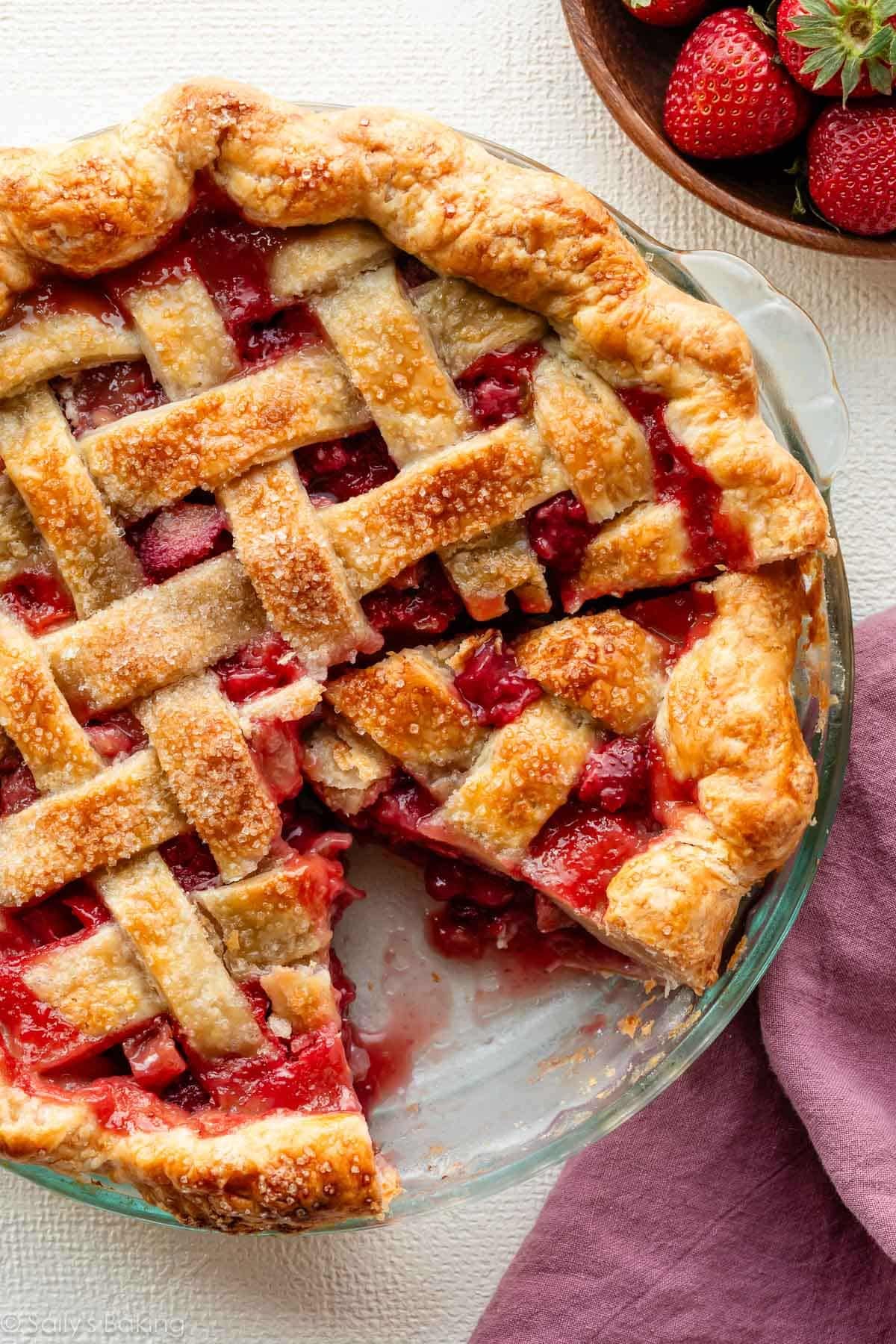
The enduring appeal of strawberry rhubarb pie is deeply rooted in its seasonal nature and the harmonious contrast between its primary ingredients. Rhubarb, botanically a vegetable but culinarily treated as a fruit, typically makes its appearance in late spring, signaling the transition to warmer months. Its tart, fibrous stalks are perfectly complemented by the first blush of ripe, sweet strawberries, which often arrive around the same time. This seasonal synchronicity has fostered a culinary tradition, particularly in North America, where the combination is celebrated in pies, crumbles, and jams. Food historians note that fruit pies became a staple in American cuisine due to the abundance of fresh produce and the practicality of preserving fruits through baking. The pairing of strawberry and rhubarb, in particular, gained significant traction in the early 20th century, becoming a quintessential dessert for picnics, family gatherings, and holiday tables, symbolizing freshness and homemade comfort.
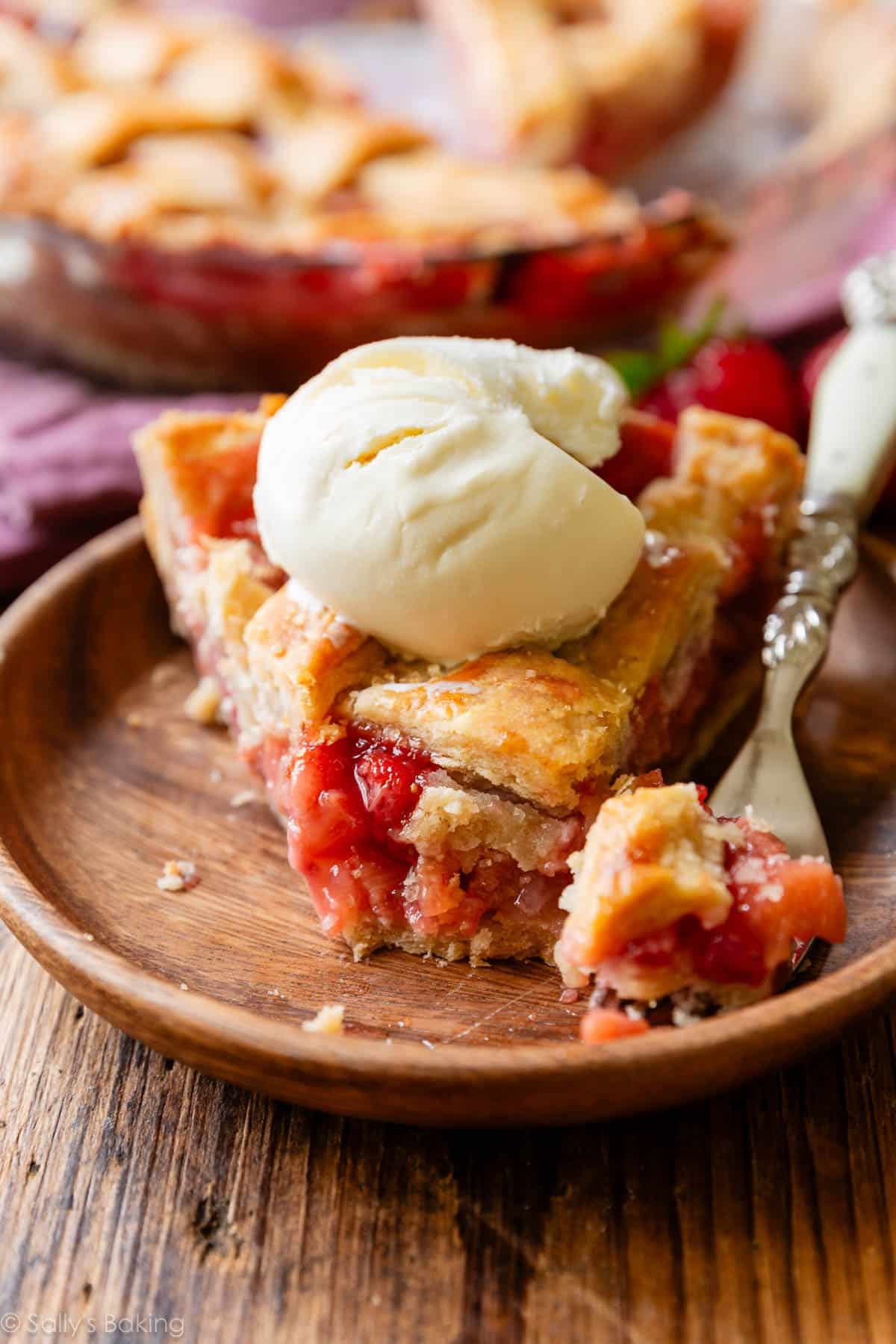
One of the most persistent hurdles for home bakers attempting fruit pies, especially those featuring high-moisture fruits like strawberries, is the dreaded runny filling. This common issue arises from several factors: fruits naturally release significant amounts of juice during baking as their cell walls break down, and if not properly managed, this liquid can prevent the filling from setting. Culinary science experts explain that while fruits contain natural pectin, which acts as a gelling agent, the quantity and activation of pectin vary greatly depending on the fruit’s ripeness and type. Strawberries, for instance, are relatively low in pectin compared to apples or cranberries, exacerbating the liquidity problem. The updated recipe meticulously tackles this by incorporating precise measurements of cornstarch, a highly effective thickening agent, and introducing an innovative optional stovetop step designed to activate the starch and reduce excess moisture before the pie even enters the oven.
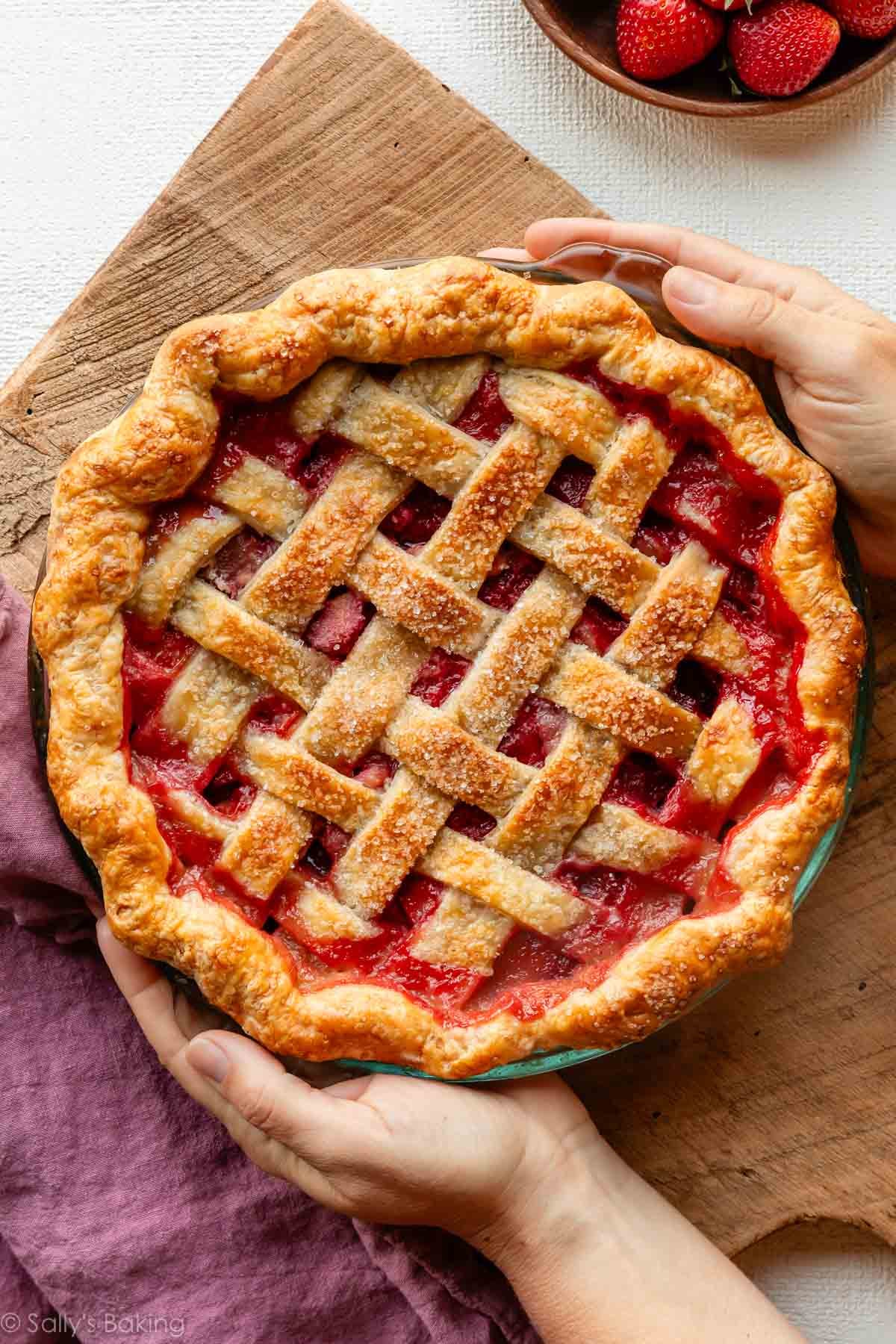
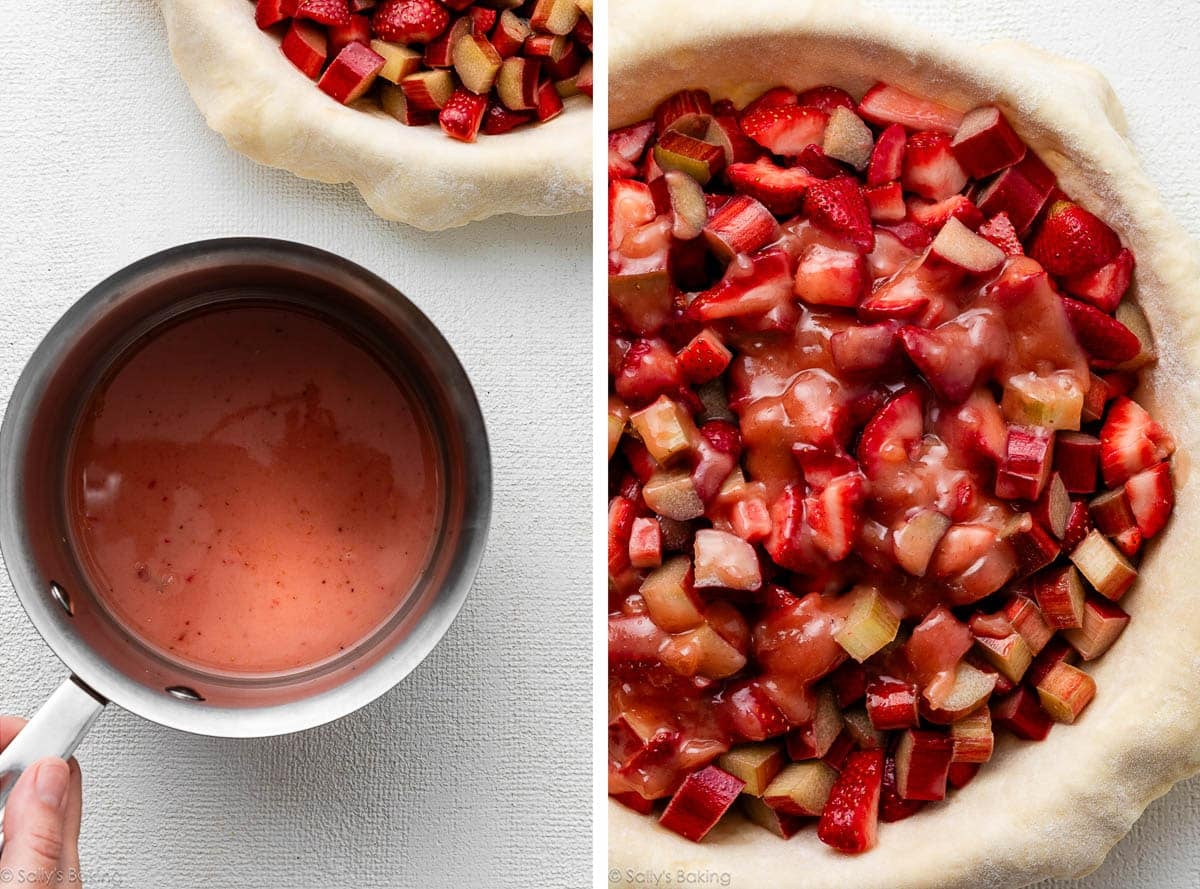
The journey of this particular recipe began in 2016, when it was initially published, quickly gaining traction within the online baking community. However, recognizing the continuous quest for perfection and the evolving needs of home bakers, the recipe underwent a comprehensive overhaul. This chronology of refinement included the integration of new, high-quality photographic documentation, a detailed video tutorial guiding bakers through each stage, and a wealth of supplementary "success tips." The most notable enhancement is the optional pre-cooking of the fruit juices. This technique involves separating the fruit from any accumulated liquid after mixing the filling ingredients, reducing this liquid on the stovetop until it reaches a syrupy consistency, and then reincorporating it into the fruit. This ensures that the cornstarch, which often settles in the pooled juices, is properly activated and dispersed, providing an almost foolproof method against a watery filling. Recipe developers emphasize that this iterative process of testing and refining is crucial for creating robust and reliable culinary instructions that empower bakers of all skill levels.
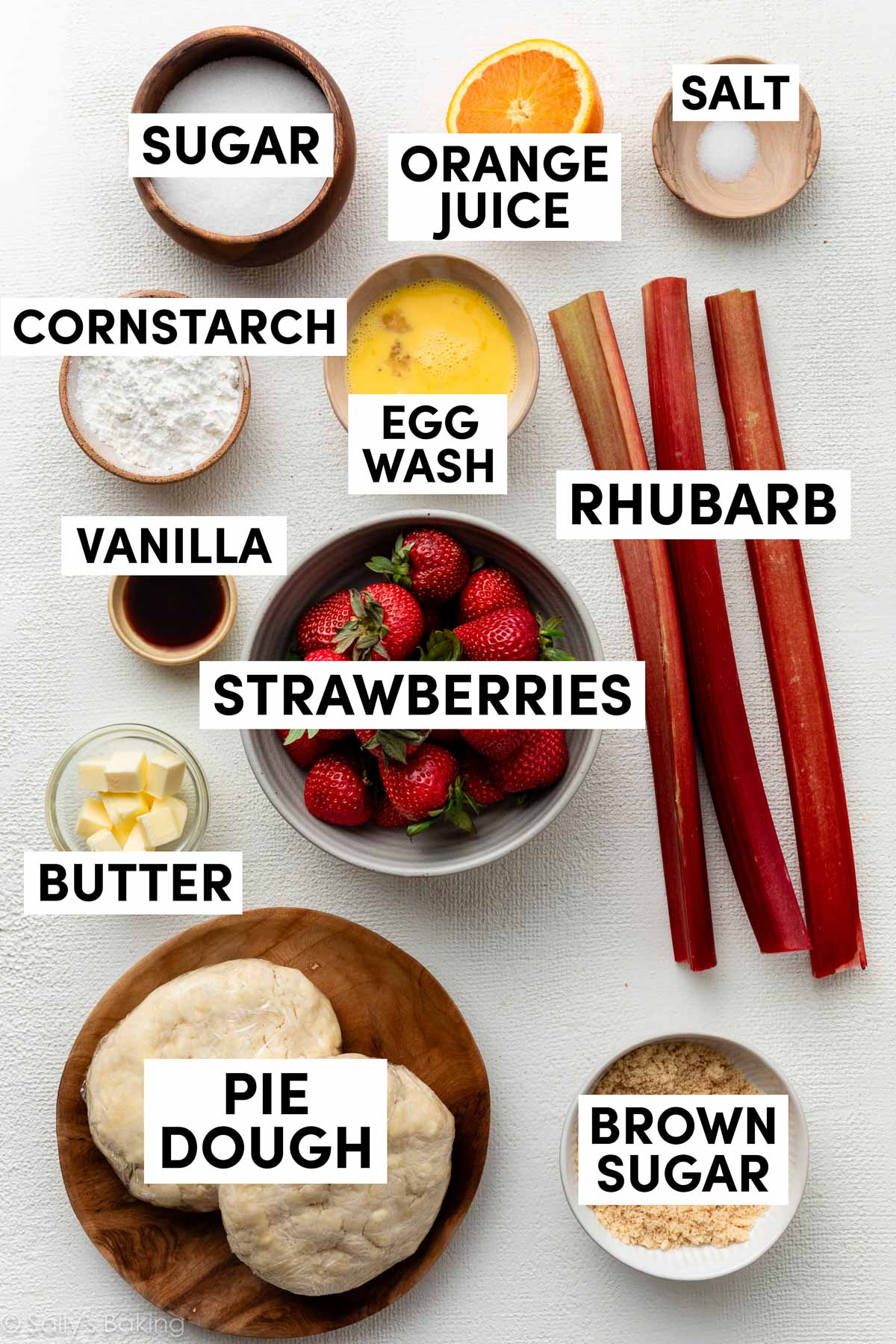
Central to any exceptional pie is its crust, and this recipe champions the use of an all-butter pie crust. A sturdy, yet tender and flaky crust is not merely a container; it is an integral component that contributes significantly to the overall texture and flavor profile of the dessert. The recipe specifically links to an established all-butter pie crust recipe, providing a foundation that promises a rich, buttery flavor and a delicate, crisp texture that stands up to the juicy filling. For those who prefer a slightly different texture, an alternative flaky pie crust using a mix of butter and shortening is also suggested, offering bakers flexibility. The importance of chilling the pie dough for at least two hours before rolling it out is underscored, as cold butter is essential for creating the distinct layers that result in a flaky crust. This chilling period allows the gluten to relax and the fat to firm up, preventing a tough crust. For bakers seeking a less intensive alternative, the option of a "Simple Strawberry Rhubarb Crumble" from a cookbook is also mentioned, catering to varying levels of baking ambition.
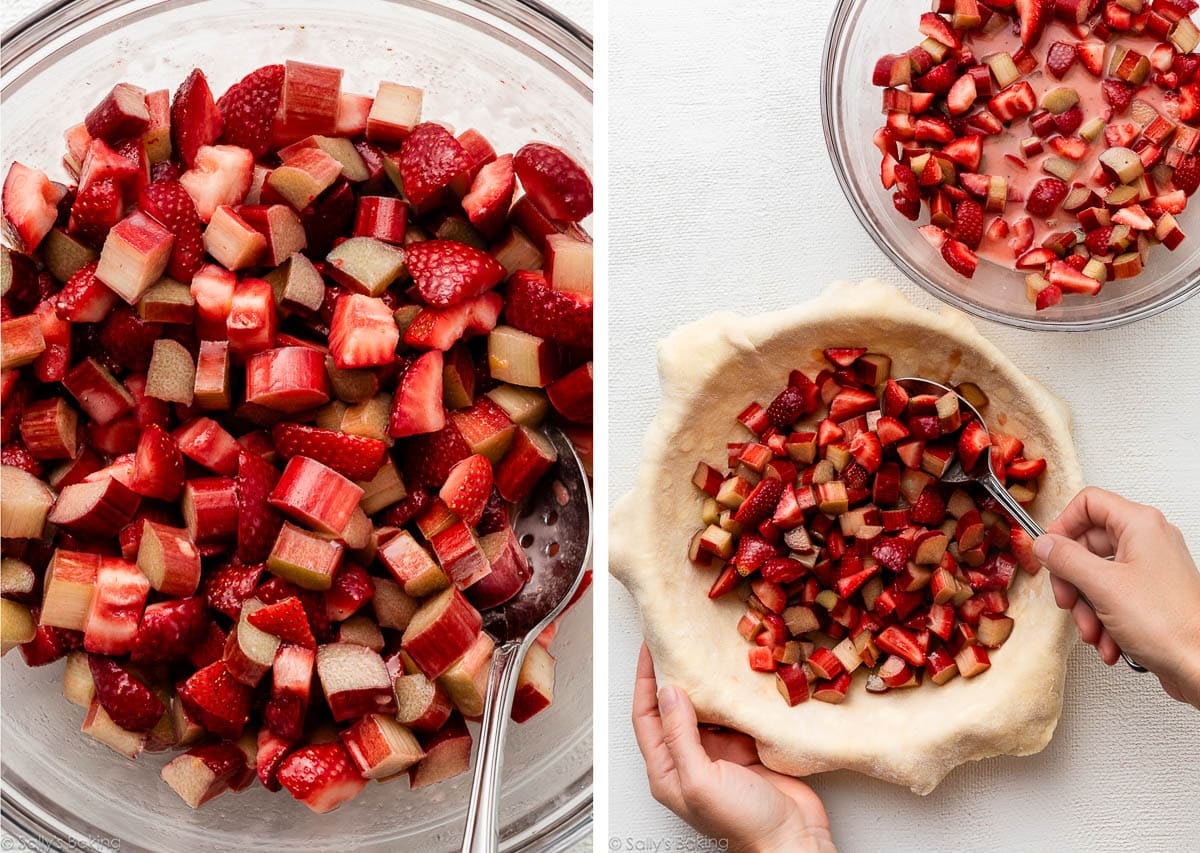
The selection and preparation of ingredients are paramount to the success of this pie. Beyond the star duo of strawberries and rhubarb, the recipe calls for several key components, each playing a critical role. Granulated sugar not only sweetens the tart rhubarb but also helps draw out moisture from the fruit, contributing to the jammy texture. Cornstarch, as previously highlighted, is the primary thickening agent, ensuring the filling sets firmly. A touch of fresh orange juice is incorporated to brighten the flavors, adding a subtle citrusy note that enhances the fruit’s natural zest. The precise balance of these ingredients, particularly the sugar-to-tartness ratio, is crucial for achieving the classic sweet-tart profile that defines this pie. The emphasis on careful measurement and preparation of these ingredients underscores the scientific precision often required in baking to achieve consistent, desirable results.
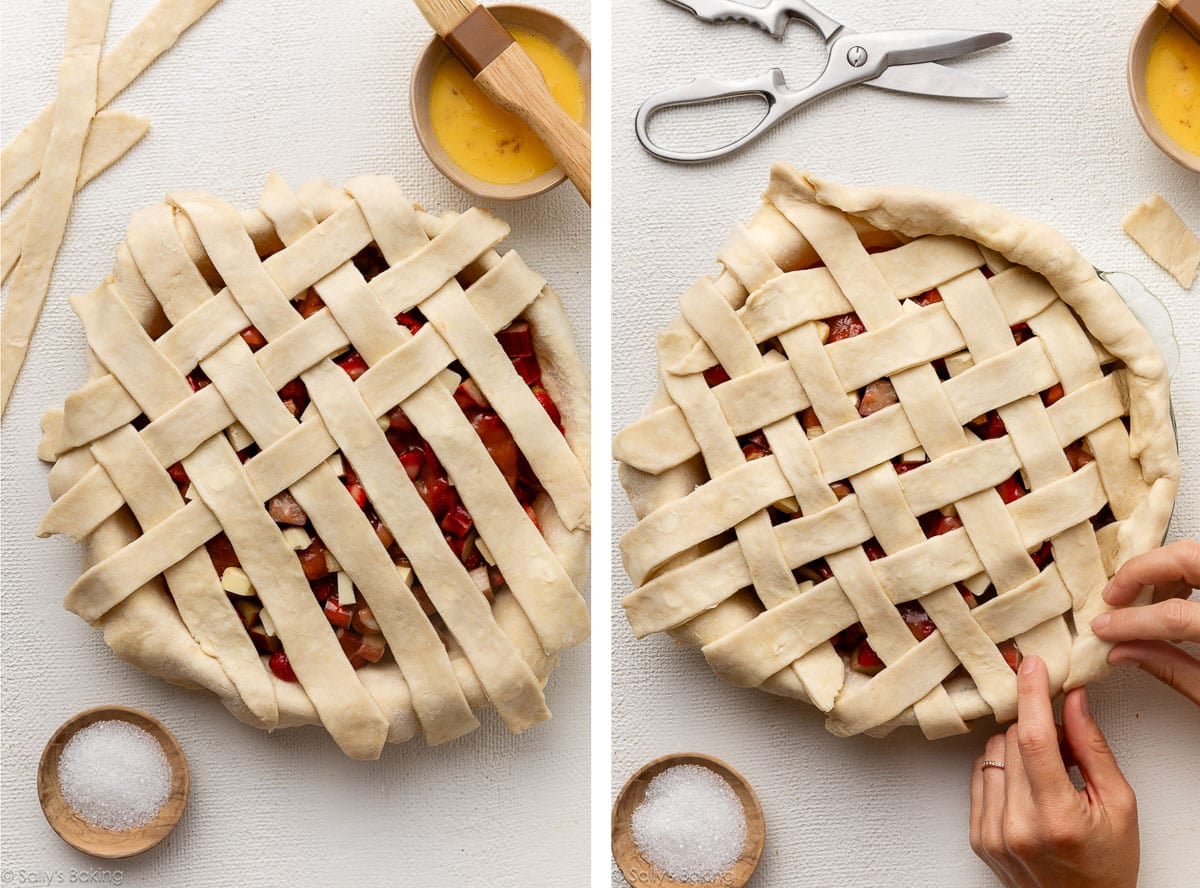
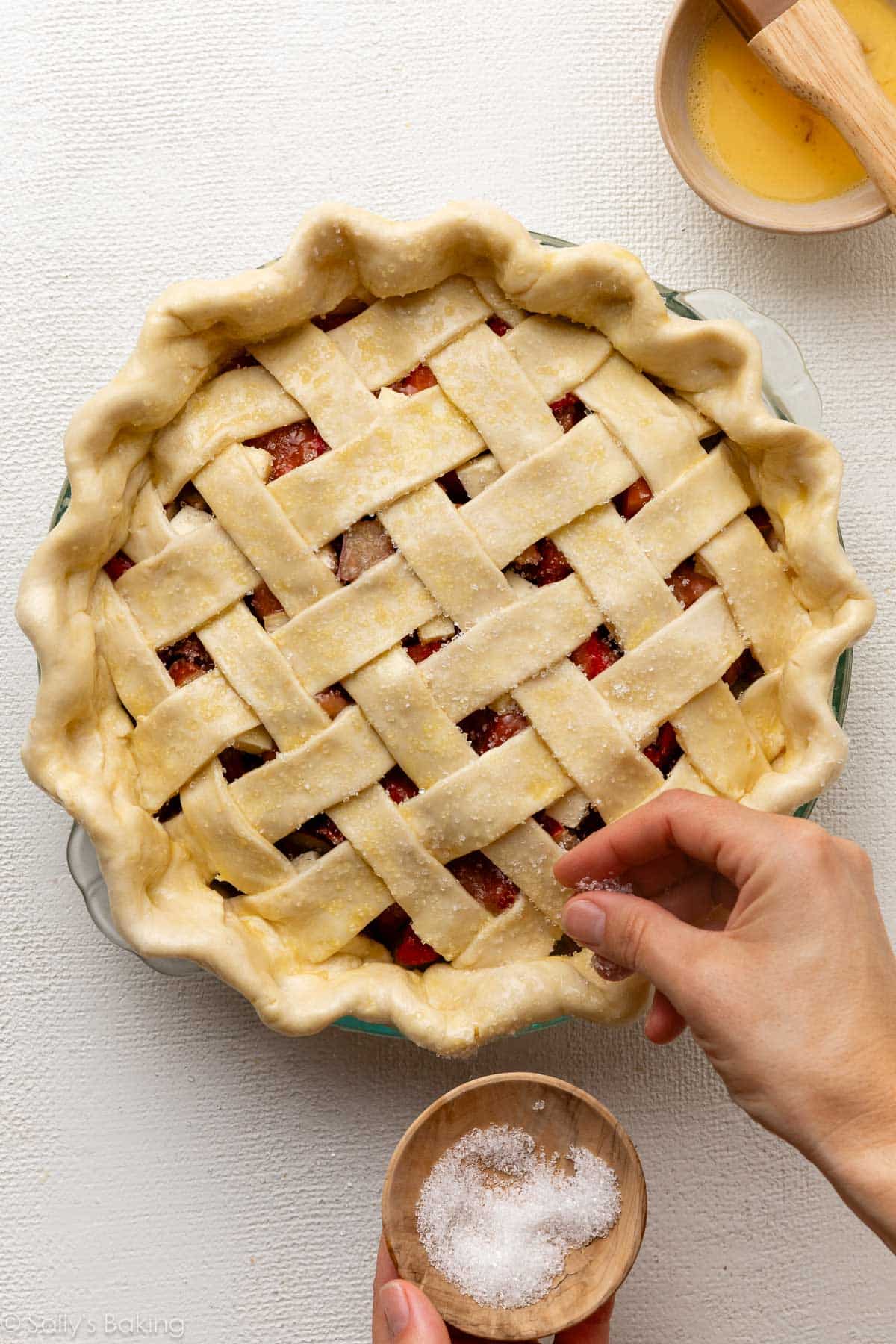
Once the filling is prepared and the crust is ready, the assembly and baking process involve several strategic steps designed for optimal outcome. The article strongly recommends a lattice top crust. Beyond its aesthetic appeal, a lattice design serves a functional purpose by allowing steam to escape efficiently during baking. This prevents the buildup of moisture that could lead to a soggy bottom crust or a soupy filling, even with the best thickening agents. For those unfamiliar with the technique, a dedicated tutorial on crafting a lattice pie crust is referenced, demonstrating the commitment to guiding bakers through every detail. Finishing touches are also highlighted as crucial for both appearance and taste: an egg wash brushed over the crust provides a beautiful golden sheen, while a sprinkling of coarse sugar adds a delightful sparkle and a textural crunch. These small steps are presented as making a "world of difference" in the final presentation.
The baking regimen itself is specifically calibrated to achieve a perfectly cooked crust and a set filling. The pie is initially baked at a higher temperature of 400°F (204°C) for the first 20 minutes. This high heat rapidly sets the pie crust’s structure, promoting flakiness, and provides an initial burst of heat that helps activate the cornstarch in the filling, accelerating the thickening process. Following this initial phase, the oven temperature is reduced to 375°F (190°C) for the remainder of the baking time, allowing the pie to cook through evenly without burning the crust. This two-stage temperature approach is a well-established technique in pie baking, used across various fruit pie recipes, including blueberry and triple berry pies. Doneness is accurately determined not just by visual cues like bubbling filling but by an internal temperature check using an instant-read thermometer, aiming for 200–212°F (approximately 100°C), ensuring the filling is thoroughly cooked and safe.
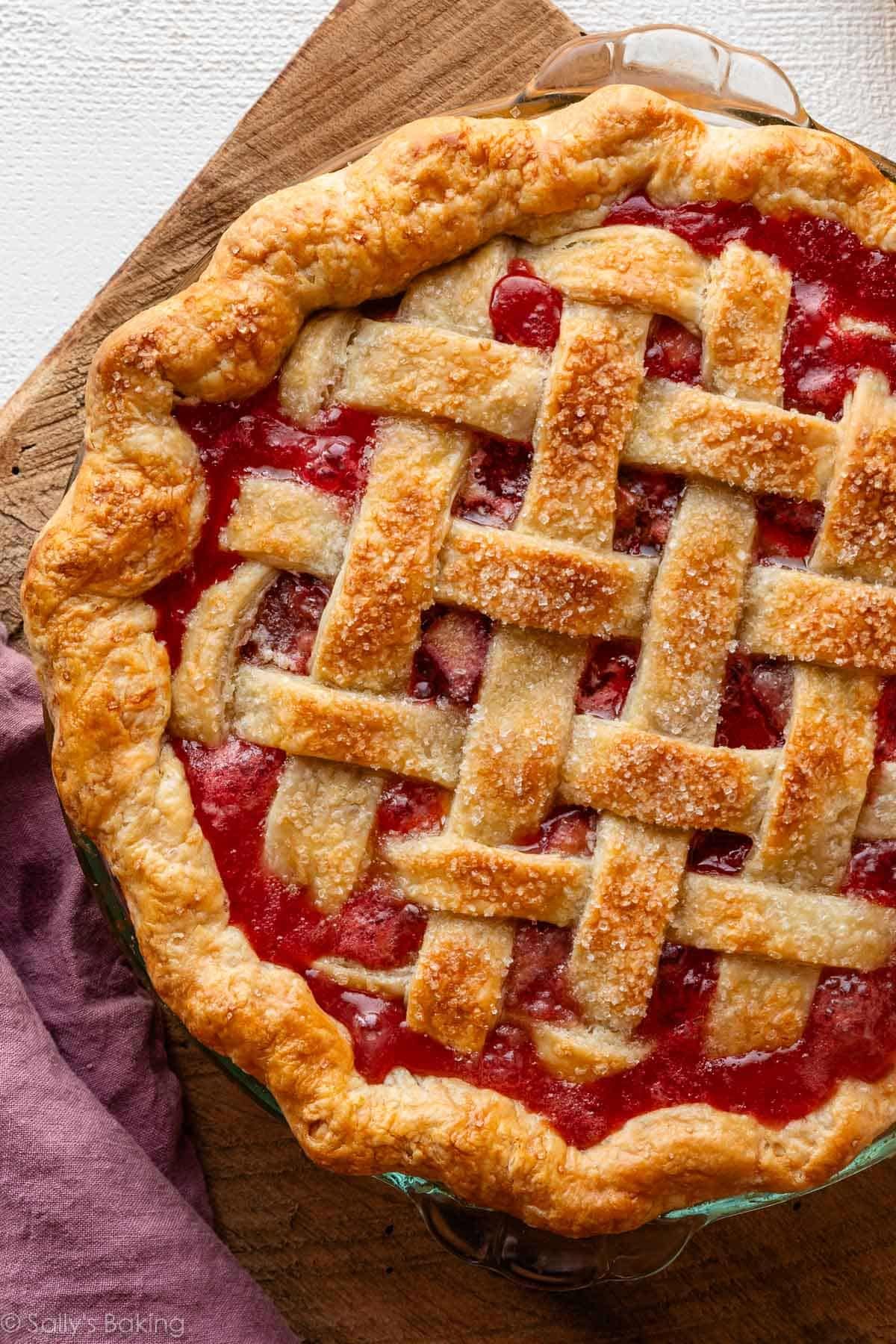
Perhaps the most challenging, yet undeniably critical, step for achieving a perfectly set strawberry rhubarb pie is the cooling process. After baking, the pie must be allowed to cool completely for several hours. This extended cooling period is not merely a suggestion; it is a scientific necessity. During this time, the gelatinized starches from the cornstarch, along with any activated pectin from the fruit, continue to set and firm up, transforming the liquid filling into a thick, sliceable consistency. Cutting into the pie prematurely, while still warm, will inevitably result in a runny, unstable filling, regardless of how well it was baked. This patient waiting period is often cited by culinary experts as the ultimate test of a baker’s discipline, but it is an unnegotiable step that guarantees the desired structural integrity of the pie.
The broader implications of such a meticulously updated recipe extend beyond individual kitchens. In an era where digital content drives much of culinary exploration, detailed, error-proof recipes like this one play a significant role in empowering home bakers. The inclusion of video tutorials, troubleshooting tips, and scientific explanations demystifies complex baking processes, making classic desserts accessible to a wider audience. This trend aligns with a growing interest in scratch-made, seasonal cooking, fostering a deeper connection to ingredients and traditional culinary arts. Furthermore, the emphasis on seasonal ingredients like strawberries and rhubarb can indirectly support local agriculture, encouraging consumers to seek out fresh, in-season produce from farmers’ markets and local growers. As food bloggers and online platforms continue to refine and disseminate culinary knowledge, they contribute to a vibrant culture of home baking that values both tradition and innovation. The updated strawberry rhubarb pie recipe, therefore, represents more than just a dessert; it embodies a commitment to culinary excellence and a celebration of seasonal bounty, ensuring that this cherished classic remains a delightful and achievable treat for generations of bakers.
