
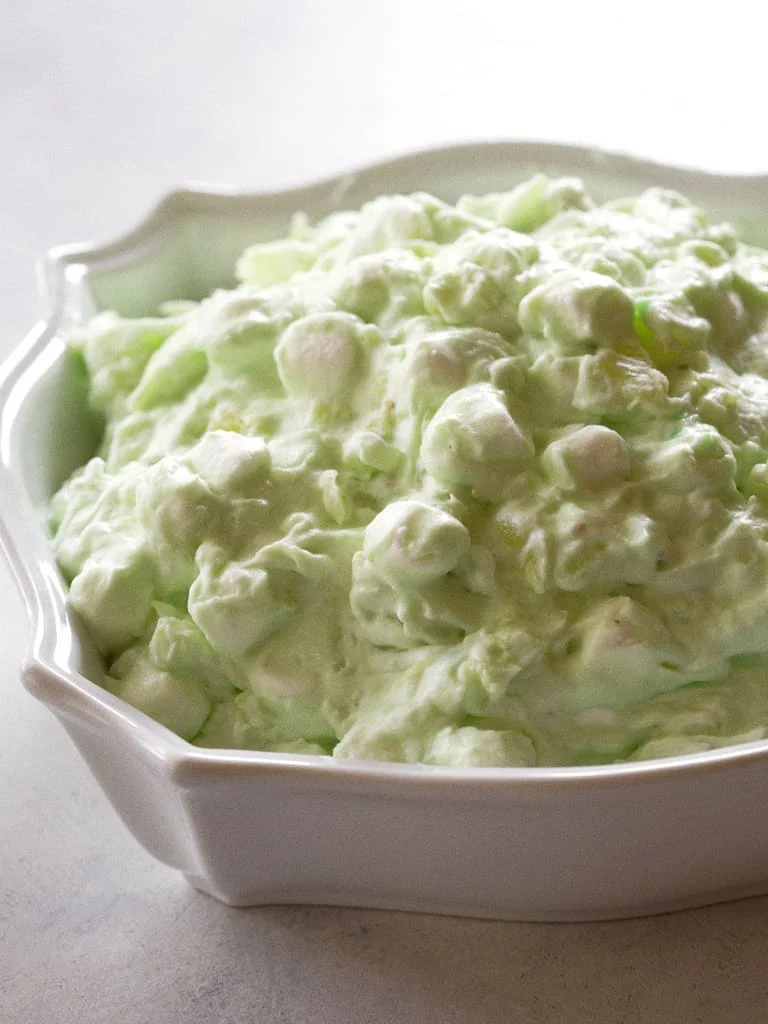
Watergate Salad, a deceptively simple concoction of pistachio pudding mix, crushed pineapple, miniature marshmallows, and freshly whipped cream, has secured a place in the annals of American potluck and holiday gatherings since its emergence in the early 1980s. While its ingredients evoke a sense of nostalgic comfort and uncomplicated sweetness, its name carries a distinct historical weight, inextricably linked to one of the most significant political scandals in United States history. This seemingly lighthearted dessert salad’s moniker is a direct echo of the Watergate scandal, a period of political upheaval that reshaped the nation’s trust in its leadership.
The Genesis of a Green Dessert: From Pistachio Pineapple Delight to Watergate Salad
The origins of Watergate Salad, or as it was initially known, Pistachio Pineapple Delight, can be traced back to 1975. Kraft Kitchens, a renowned culinary incubator, developed this recipe, aiming to capture a vibrant and appealing flavor profile. However, it was a food editor who, in the process of disseminating the recipe through a newspaper column, made the pivotal decision to rename it. This strategic alteration, aimed at generating heightened public interest, coincided precisely with the height of the Watergate scandal, a period of intense national focus on the political machinations surrounding the Nixon administration.
The name "Watergate Salad" quickly gained traction, fueling speculation and creating a memorable, albeit unusual, association. Rumors circulated that a chef at the iconic Watergate hotel itself may have been the originator of this classic recipe, further solidifying the connection in the public consciousness. While the exact historical chain of culinary creation remains somewhat elusive, the adopted name undeniably tapped into the zeitgeist of the era. The scandal, which involved a break-in at the Democratic National Committee headquarters at the Watergate complex in Washington D.C. and subsequent efforts to cover it up, had dominated headlines and public discourse for years, leaving an indelible mark on American society. The adoption of its name by a popular dessert salad is a fascinating example of how cultural and political events can permeate even the most unlikely aspects of daily life.
A Family Tradition: The Enduring Appeal of a Retro Dessert
Beyond its historical namesake, Watergate Salad holds significant personal and familial meaning for many, including the author of the original recipe’s online dissemination. For generations, this green, fluffy confection has been a consistent presence at family gatherings, a testament to its enduring popularity. The author recalls that the preparation of this dessert often fell to her sister, Shelly, and that the precise ingredients were frequently a source of family amusement and mild confusion. This shared experience of recreating the salad, with its occasional variations over the years, speaks to the recipe’s accessible nature and its ability to foster communal involvement in the kitchen.
Much like other beloved retro desserts such as ambrosia salad, Watergate Salad is characterized by its light, airy texture and its reliance on simple, readily available ingredients. Its appeal lies in its uncomplicated preparation and its comforting, familiar taste. This makes it an ideal candidate for potlucks and large family meals, where ease of preparation and crowd-pleasing flavor are paramount. The recipe’s longevity, spanning several decades, underscores its ability to adapt and remain relevant in a constantly evolving culinary landscape.
A Modern Take on a Classic: Elevating Watergate Salad with Fresh Whipped Cream
While the traditional iteration of Watergate Salad often incorporated pre-made frozen whipped topping, such as Cool Whip, a contemporary refinement has gained favor: the use of freshly whipped cream. This elevates the dessert salad from a simple convenience item to a more refined treat. The author’s personal journey, realizing the existence and superior quality of homemade whipped cream during her college years, mirrors a broader culinary trend towards fresh, unadulterated ingredients.
The incorporation of stabilized fresh whipped cream allows for the salad to be prepared a day or two in advance, a practical consideration for busy hosts. However, the inherent simplicity of the recipe means that it can be assembled in mere minutes, rendering advance preparation often unnecessary. The key to achieving a stable, well-integrated whipped cream lies in whipping the cream to soft or medium peaks, ensuring it holds its structure without becoming overly stiff. This meticulous attention to detail, even in a seemingly straightforward recipe, contributes to a superior final product.
The Ingredient List: A Symphony of Sweetness and Texture
The fundamental components of Watergate Salad, whether prepared with fresh whipped cream or its frozen counterpart, remain consistent, creating a harmonious blend of flavors and textures. These core ingredients include:
- Pistachio Pudding Mix: This forms the foundational flavor and vibrant green hue of the salad. The distinct nutty taste of pistachios, combined with the sweet, creamy base of the pudding mix, is central to the salad’s identity.
- Crushed Pineapple: The inclusion of crushed pineapple introduces a tangy counterpoint to the sweetness of the pudding and marshmallows. Its juicy texture also adds a refreshing element, preventing the salad from becoming overly dense. Draining the pineapple well is crucial to avoid an overly watery consistency.
- Miniature Marshmallows: These soft, chewy morsels provide a delightful textural contrast and an additional layer of sweetness. Their small size ensures they are evenly distributed throughout the salad.
- Fresh Whipped Cream (or Cool Whip): As previously discussed, the choice between fresh whipped cream and Cool Whip offers a spectrum of flavor and texture. Freshly whipped cream, when properly stabilized, lends a lighter, airier quality, while Cool Whip provides a denser, more consistent texture that is often associated with the original recipe.
- Optional Additions: While not part of the most basic recipe, some variations may include chopped nuts, such as pecans or walnuts, for an added crunch and depth of flavor. Coconut flakes are another common addition that can enhance the tropical notes of the pineapple.
The Culinary Process: A Step-by-Step Assembly
The creation of Watergate Salad is remarkably straightforward, requiring minimal culinary expertise. The process typically involves the following steps:
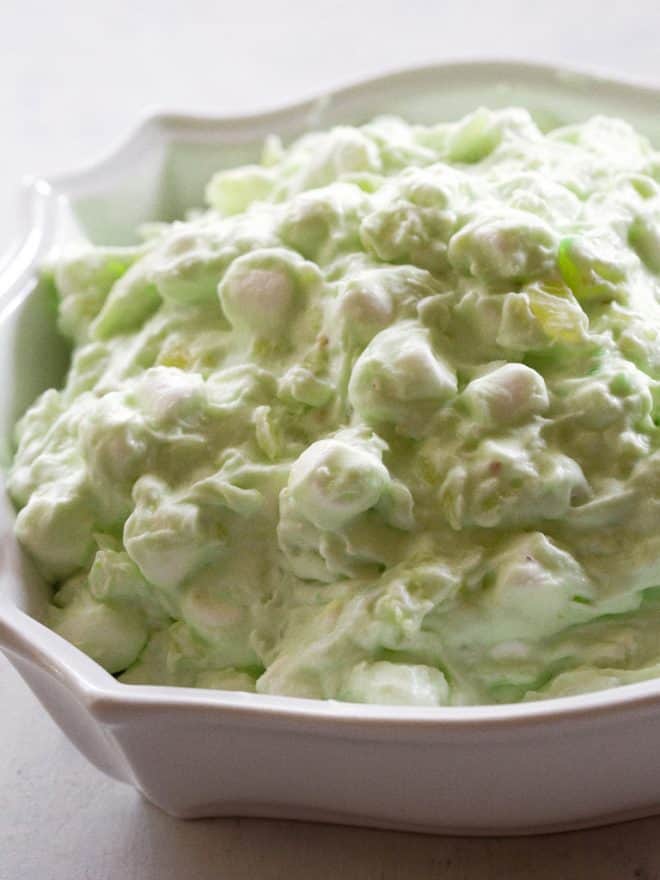
- Prepare the Pudding Base: In a large mixing bowl, combine the pistachio pudding mix with the crushed pineapple (undrained, if the recipe specifies a moister salad, or drained for a firmer consistency). Stir until thoroughly combined.
- Incorporate Marshmallows: Gently fold in the miniature marshmallows, ensuring they are evenly distributed throughout the pudding and pineapple mixture.
- Add Whipped Cream: If using homemade whipped cream, ensure it has been whipped to the desired consistency (soft to medium peaks). Fold the whipped cream into the pudding mixture until just combined. Overmixing can deflate the whipped cream, resulting in a less airy salad. If using Cool Whip, gently fold it into the mixture until no streaks remain.
- Chill and Serve: Cover the bowl and refrigerate the Watergate Salad for at least 30 minutes to allow the flavors to meld and the salad to chill thoroughly. This step is crucial for optimal texture and taste.
Storing and Serving: Maintaining Freshness
Watergate Salad, once prepared, can be stored in an airtight container in the refrigerator for at least two to three days. This makes it a convenient option for make-ahead dishes for parties and gatherings. It is best served chilled, allowing the creamy textures to firm up and the flavors to fully develop.
The Broader Implications: Food as a Reflection of Culture
The enduring popularity of Watergate Salad, and its unique naming convention, offers a fascinating lens through which to view the interplay between historical events, cultural trends, and everyday life. The fact that a dessert salad could adopt the name of a national political scandal speaks to the pervasive influence of such events on the collective consciousness. It highlights how even seemingly trivial aspects of our lives can be shaped by the larger narratives unfolding around us.
The recipe’s evolution, from its initial "Pistachio Pineapple Delight" to the now ubiquitous "Watergate Salad," and the modern preference for fresh whipped cream, demonstrates the dynamic nature of culinary traditions. Recipes are not static entities; they are living documents that are adapted, improved, and reinterpreted by home cooks over time. The persistence of Watergate Salad on dessert tables across America, decades after the political scandal that lent it its name, is a testament to its inherent appeal and its ability to evoke a sense of nostalgia and shared experience. It serves as a sweet, green reminder that even in the face of significant historical moments, the simple pleasures of a well-loved recipe can continue to bring people together.
