
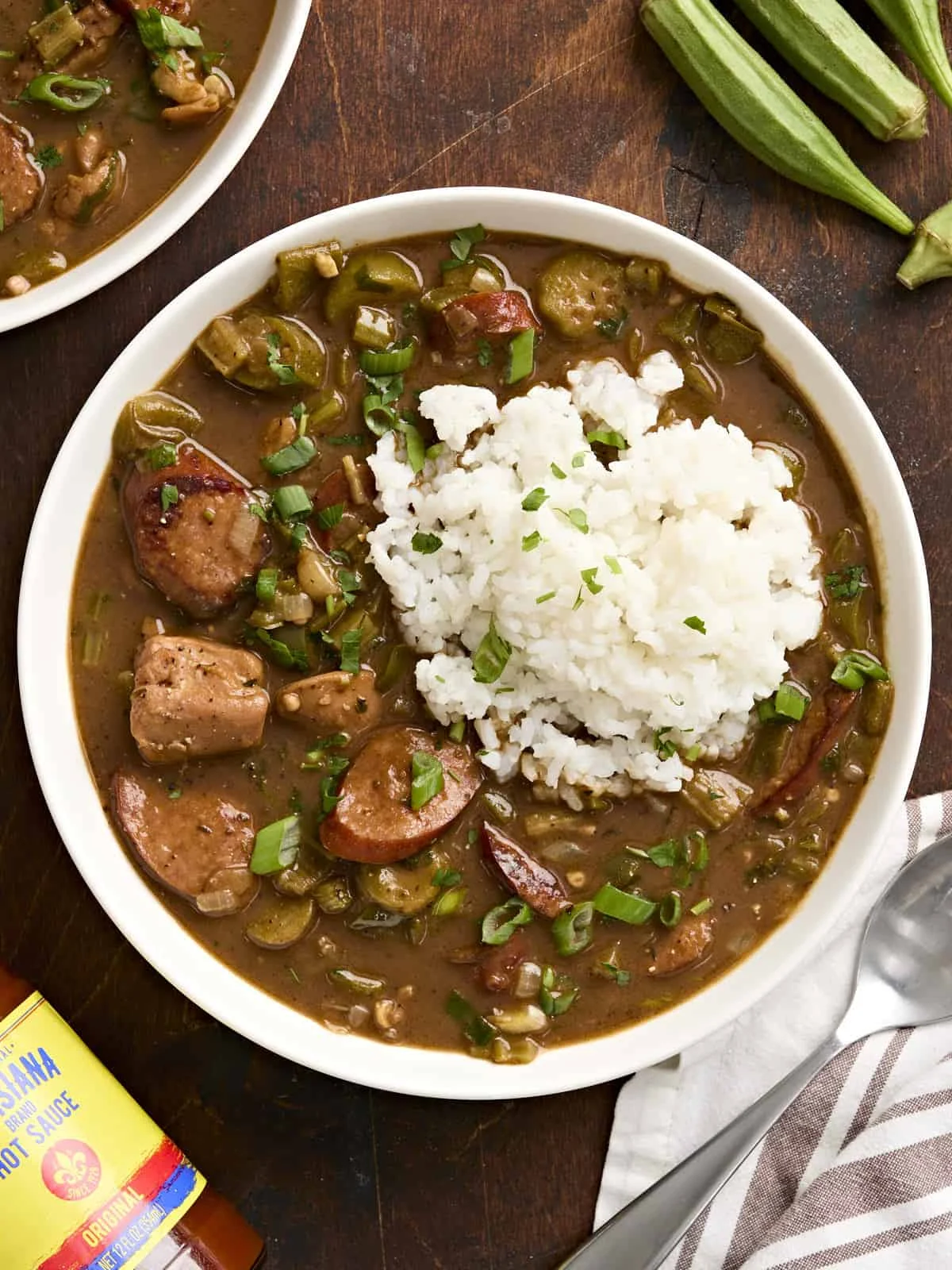
Gumbo, the quintessential culinary symbol of Louisiana, represents a complex intersection of historical migration, regional agriculture, and economic ingenuity. Recent developments in the culinary research sector, specifically from the Nashville Test Kitchen, have highlighted a refined approach to this traditional dish that prioritizes both authentic depth of flavor and modern budgetary constraints. By analyzing the structural components of the dish—ranging from the chemical transformation of the roux to the strategic selection of proteins—food historians and recipe developers are documenting how traditional "slow food" can remain accessible in an era of rising grocery costs. The current iteration of the recipe, developed by culinary expert Melissa Nolan, demonstrates that a high-quality, eight-serving yield of gumbo can be produced for approximately $15.06, or roughly $1.88 per serving, offering a stark contrast to the premium prices often found in commercial restaurant settings.
The Foundations of Cajun and Creole Culinary Science
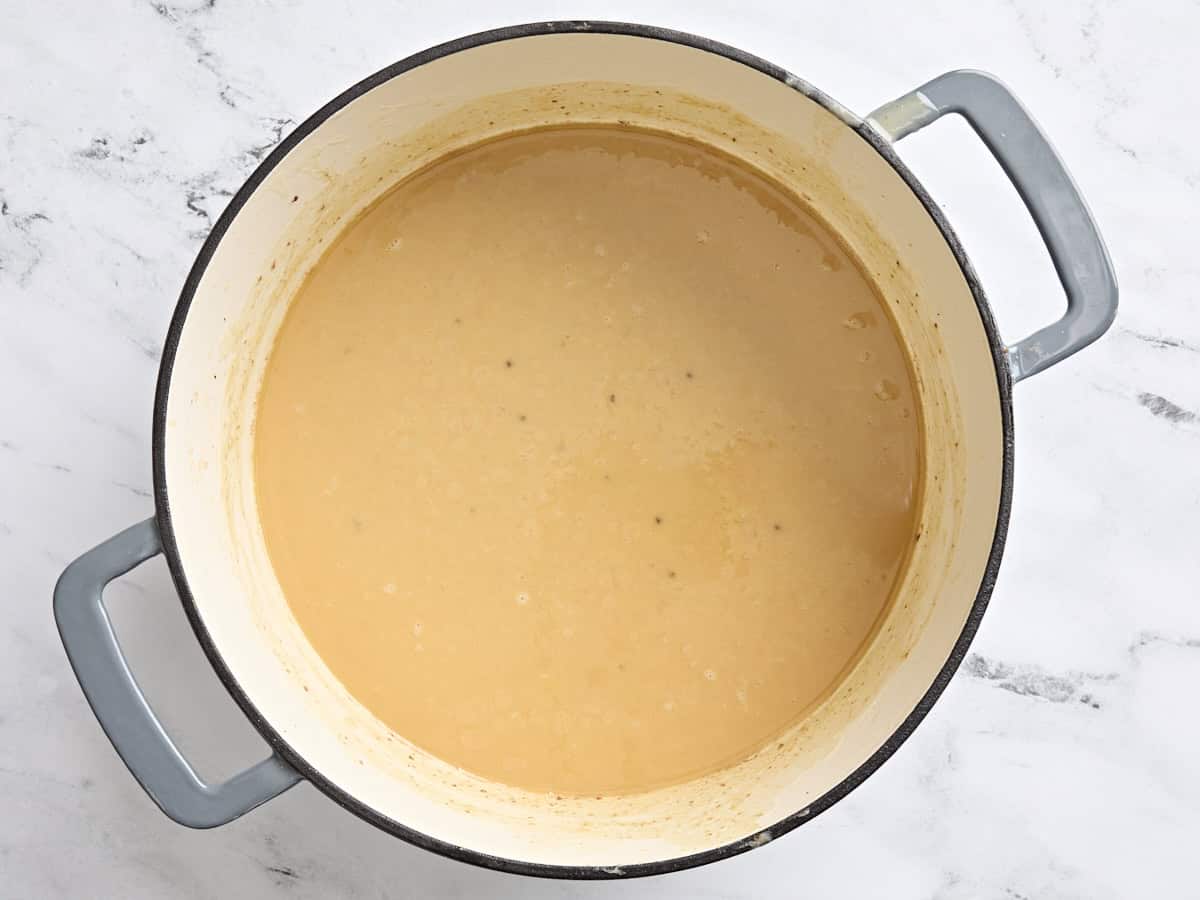
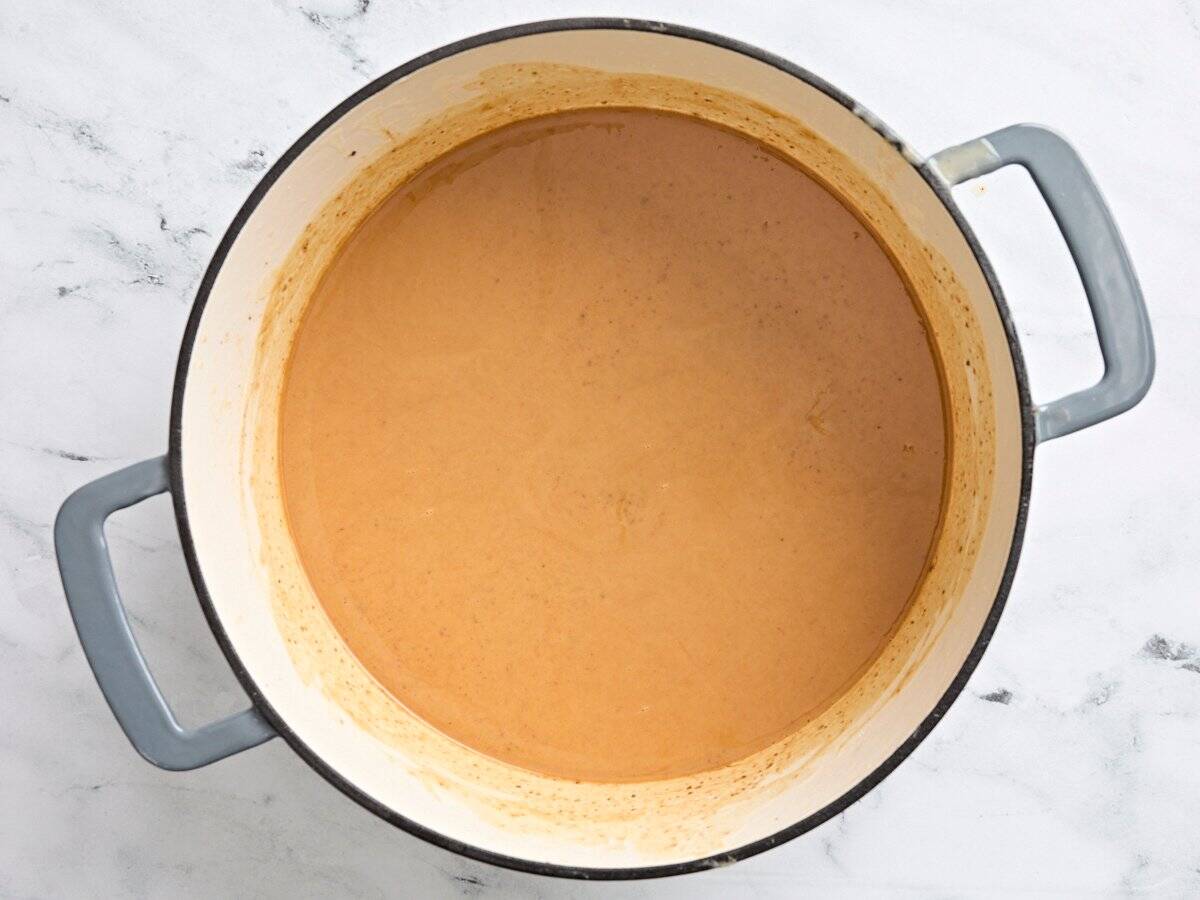
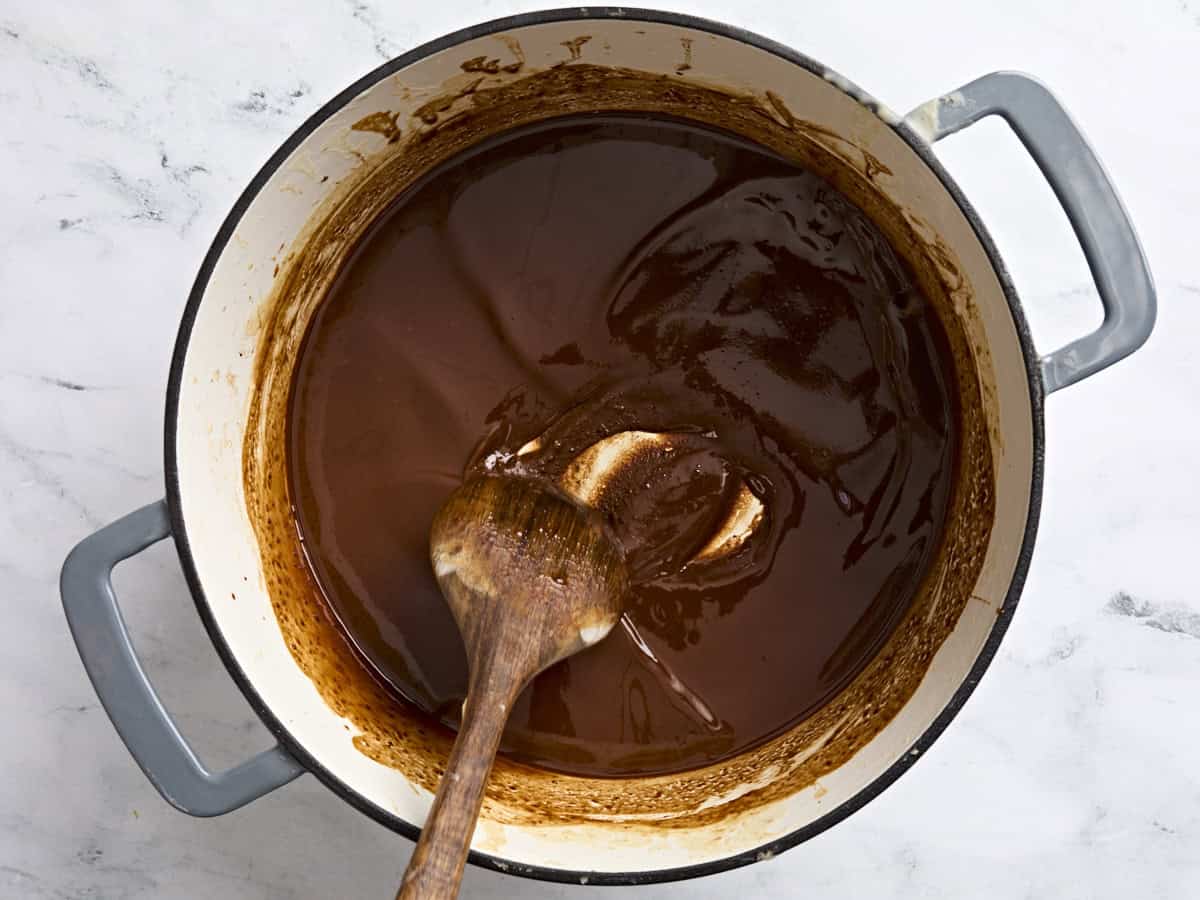
At the center of the gumbo narrative is the roux, a mixture of fat and flour that serves as both a thickener and the primary flavor profile for the stew. Unlike the lighter veloutés or béchamels of classical French cuisine, the Cajun roux used in this specific preparation requires an extended cooking period of approximately two hours. During this time, the flour undergoes a Maillard reaction, a chemical process where reducing sugars and amino acids react under heat to create hundreds of different flavor compounds.
The Nashville Test Kitchen’s methodology emphasizes the necessity of patience in this stage. A roux that is rushed or cooked over excessive heat risks burning, which introduces a bitter, acrid taste that necessitates restarting the entire process. Conversely, a properly developed dark roux provides a nutty, toasted base that defines the dish’s character. This slow-cook approach reflects a broader trend in domestic science that favors technique over expensive ingredients to achieve "restaurant-quality" results.
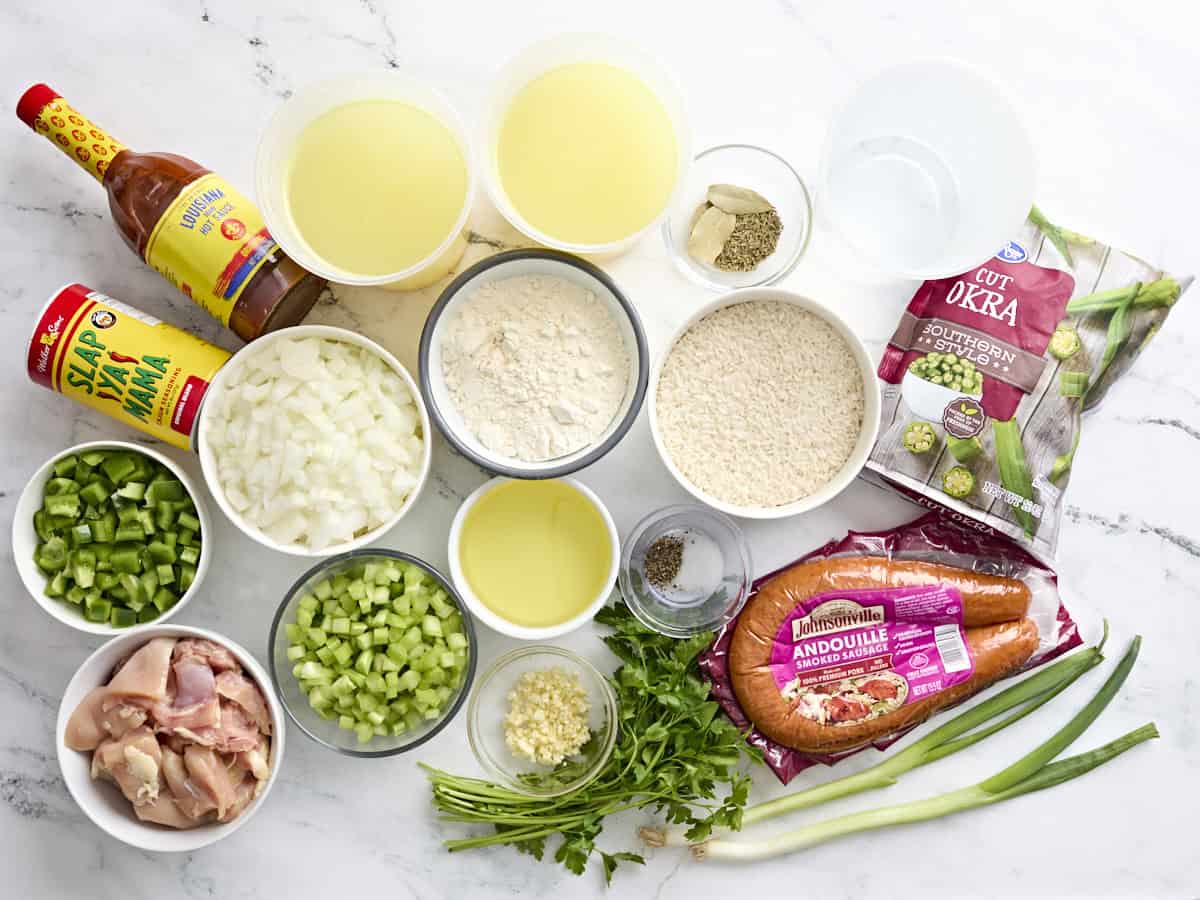
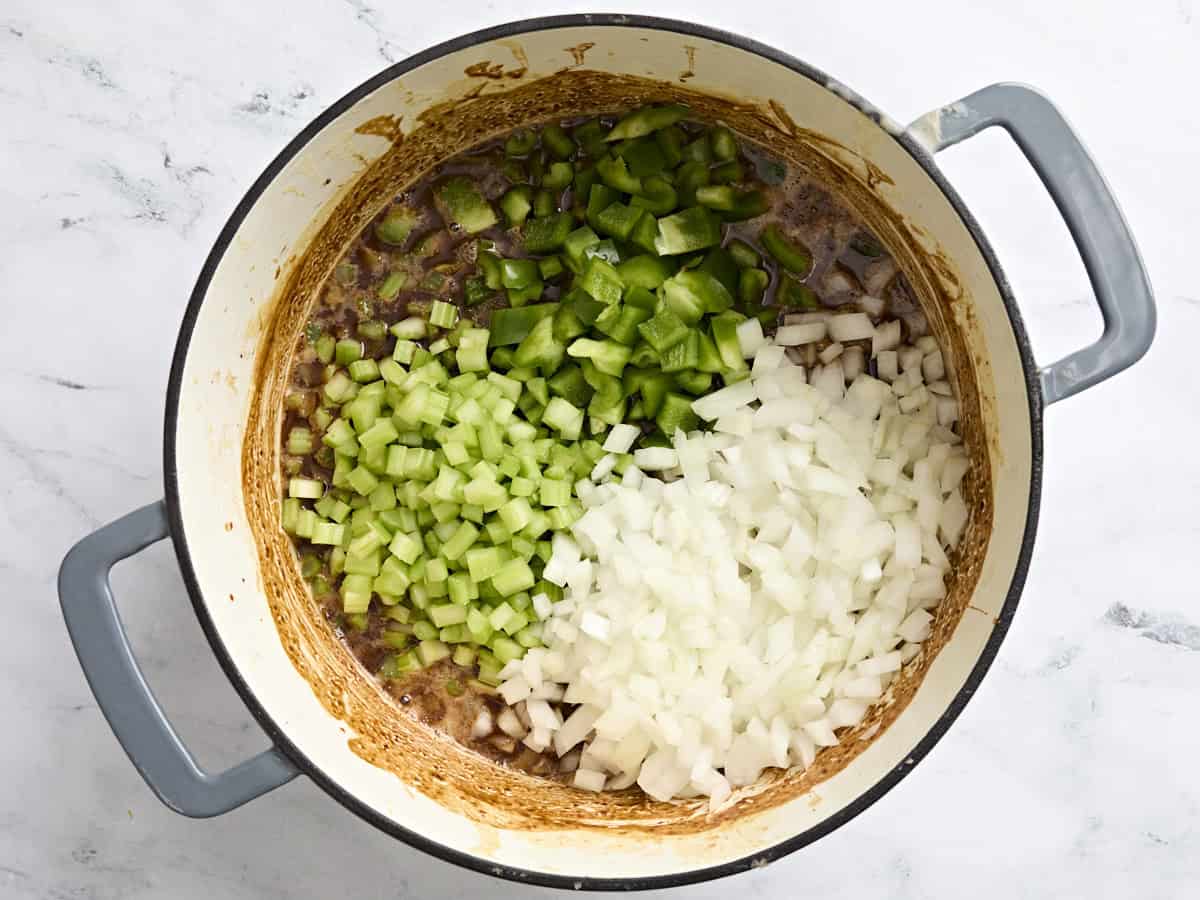
Supporting the roux is the "holy trinity" of Cajun cooking: a foundational aromatic base consisting of diced onions, green bell peppers, and celery. This regional adaptation of the French mirepoix (which typically uses carrots instead of peppers) reflects the historical availability of ingredients in the Louisiana bayous. When sautéed in the dark roux, these vegetables soften and release moisture, creating a savory essence that underpins the subsequent layers of the stew.
Economic Analysis and Ingredient Selection
In a period of significant food inflation, the economic viability of traditional recipes has become a focal point for consumer advocacy groups and home cooks. The Budget Bytes analysis of this gumbo recipe reveals a strategic use of affordable proteins and preserved vegetables to maintain a low cost-per-serving without sacrificing nutritional density.
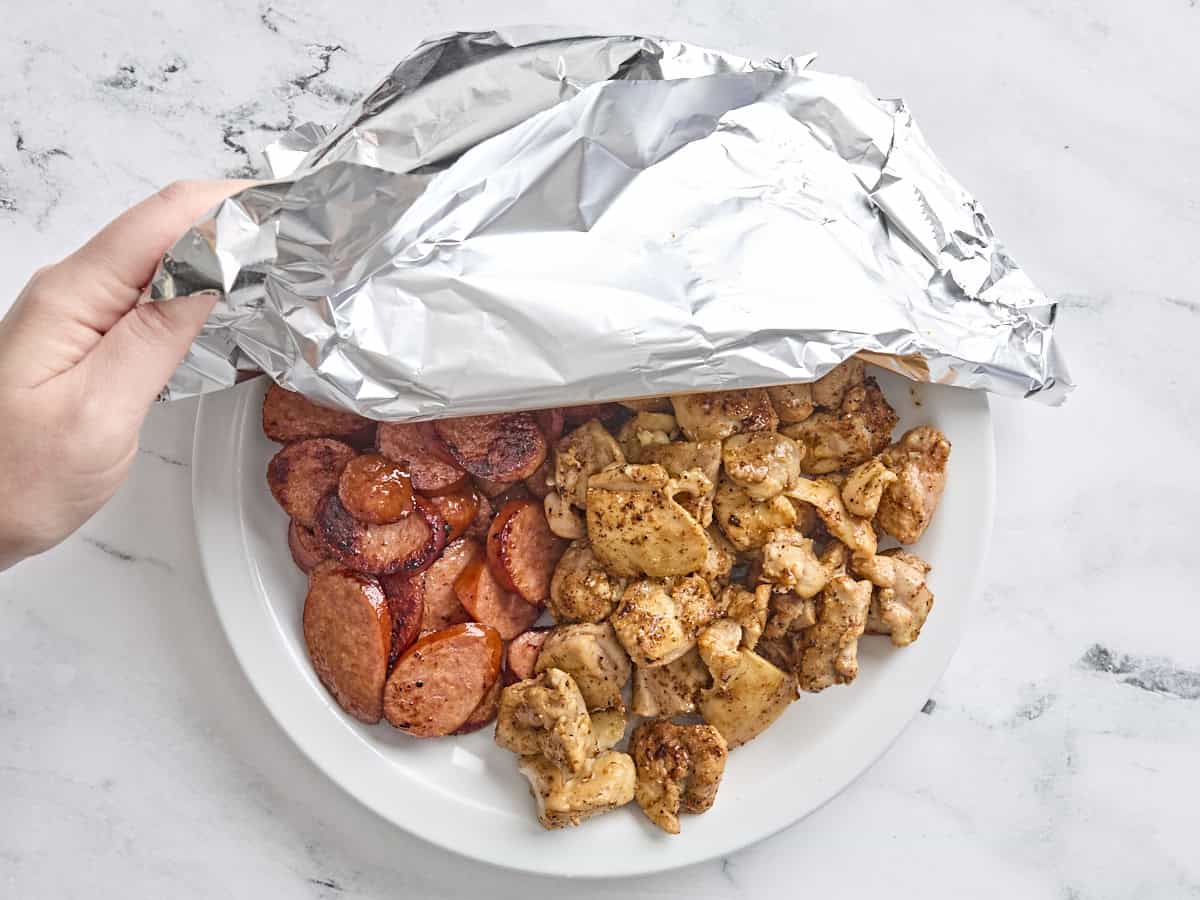
The selection of chicken thighs over chicken breasts is a deliberate choice based on both flavor and finance. Chicken thighs contain more connective tissue and fat, which break down during the three-hour simmering process, resulting in a more tender product that does not dry out. Economically, thighs are frequently priced lower per pound than breasts. Similarly, the inclusion of andouille sausage—a smoked, highly seasoned pork product—provides a concentrated source of flavor, meaning a smaller quantity can season a large pot of stew effectively.
The use of okra serves a dual purpose. Historically, okra was brought to the Americas via the transatlantic slave trade and became a staple in Southern agriculture. In gumbo, it acts as a natural thickener due to its mucilaginous properties. The Nashville Test Kitchen recommends using frozen okra as a cost-saving measure, noting that the freezing process preserves the vegetable’s structural integrity for use in long-simmering stews, making it an ideal year-round ingredient for budget-conscious households.
Nutritional Breakdown per Serving:
- Total Calories: 673 kcal
- Protein: 27g (54% of Daily Value)
- Carbohydrates: 58g
- Fat: 37g
- Sodium: 1280mg
- Fiber: 4g
While the sodium content is high—largely due to the use of processed sausage and Cajun seasoning blends—the dish provides a significant portion of the daily required protein and complex carbohydrates, making it a complete meal when served over rice.
Chronology of Preparation: A Three-Hour Commitment
The production of an authentic gumbo is a chronological exercise in heat management and layering. The process documented by Nolan involves several distinct phases:
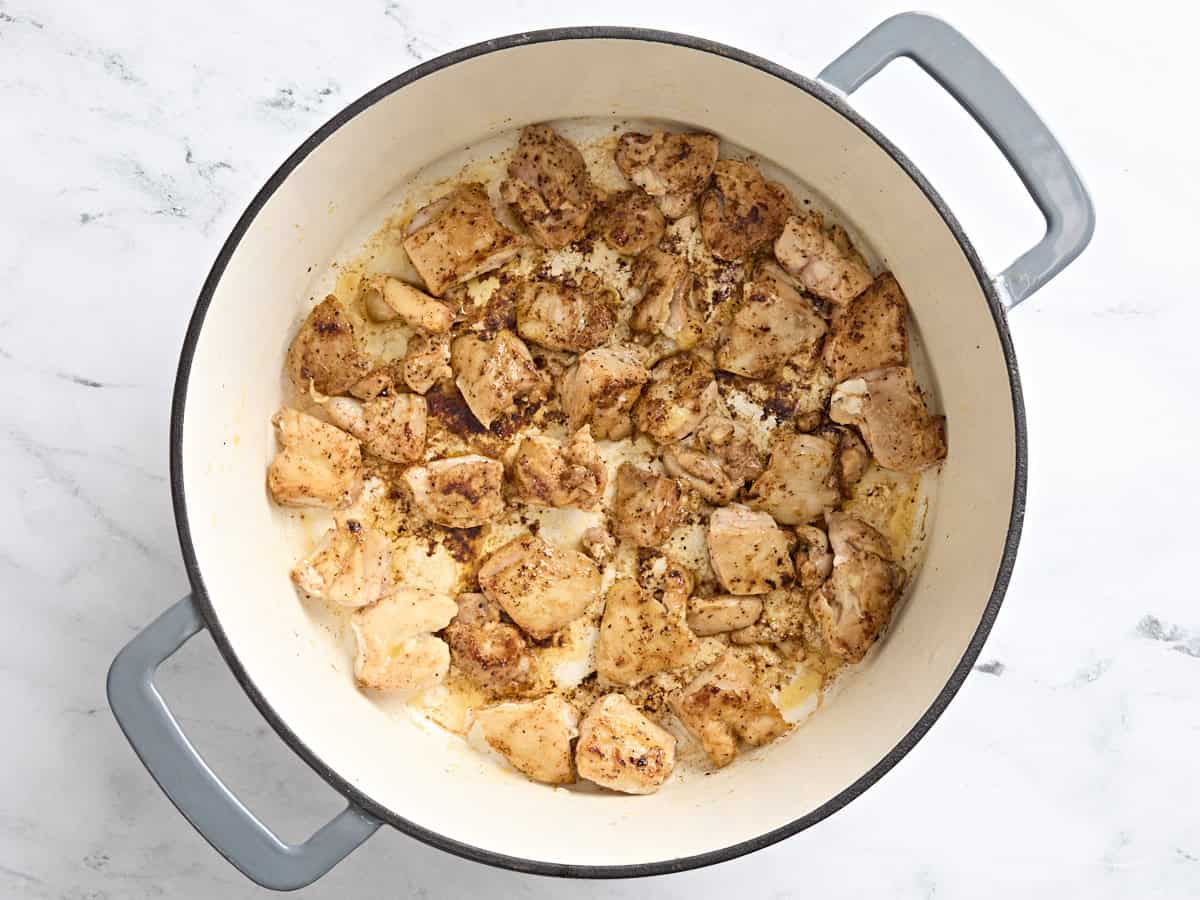
- Protein Searing (Minutes 0–20): The process begins with browning the sliced andouille sausage and seasoned chicken thighs in vegetable oil. This step is not intended to cook the meat through but to develop a crust (fond) on the bottom of the pan, which will later be deglazed to add depth to the broth.
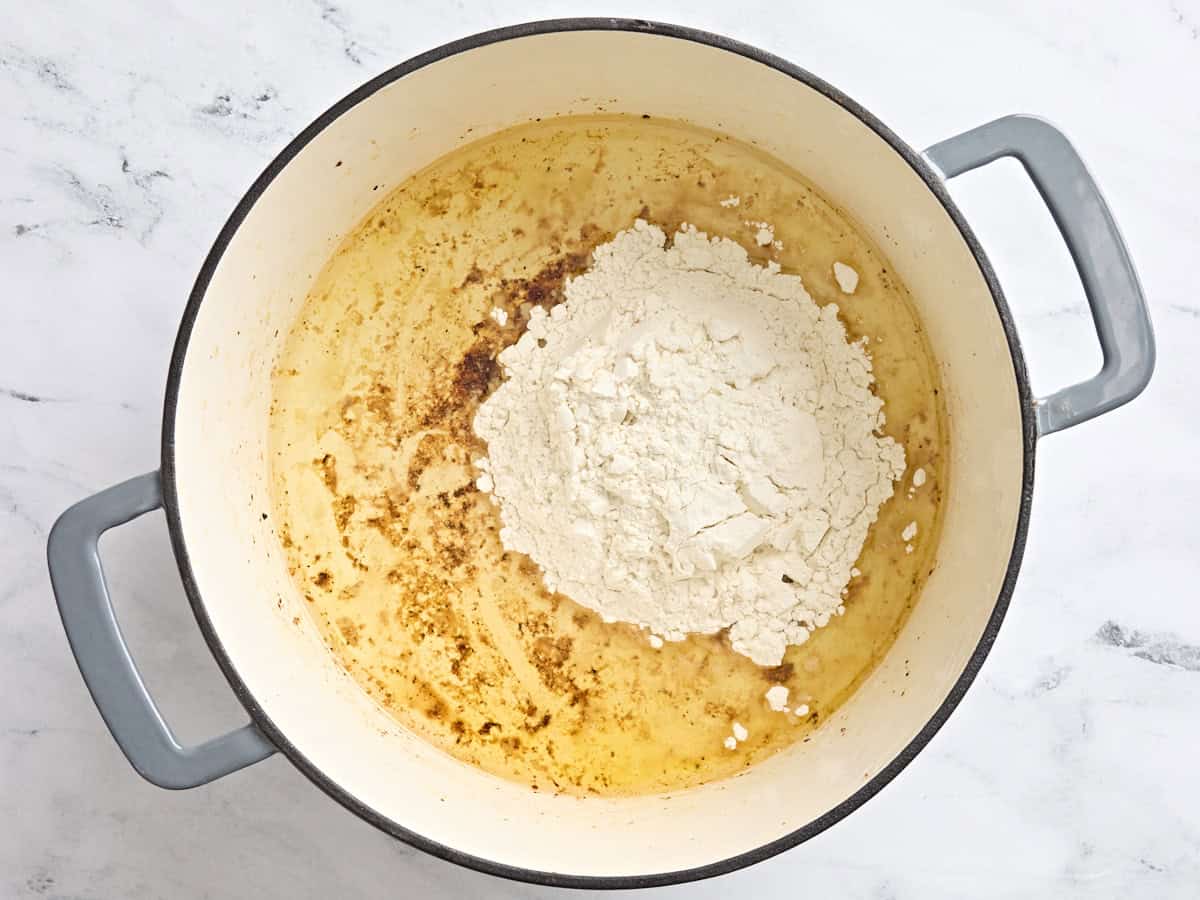
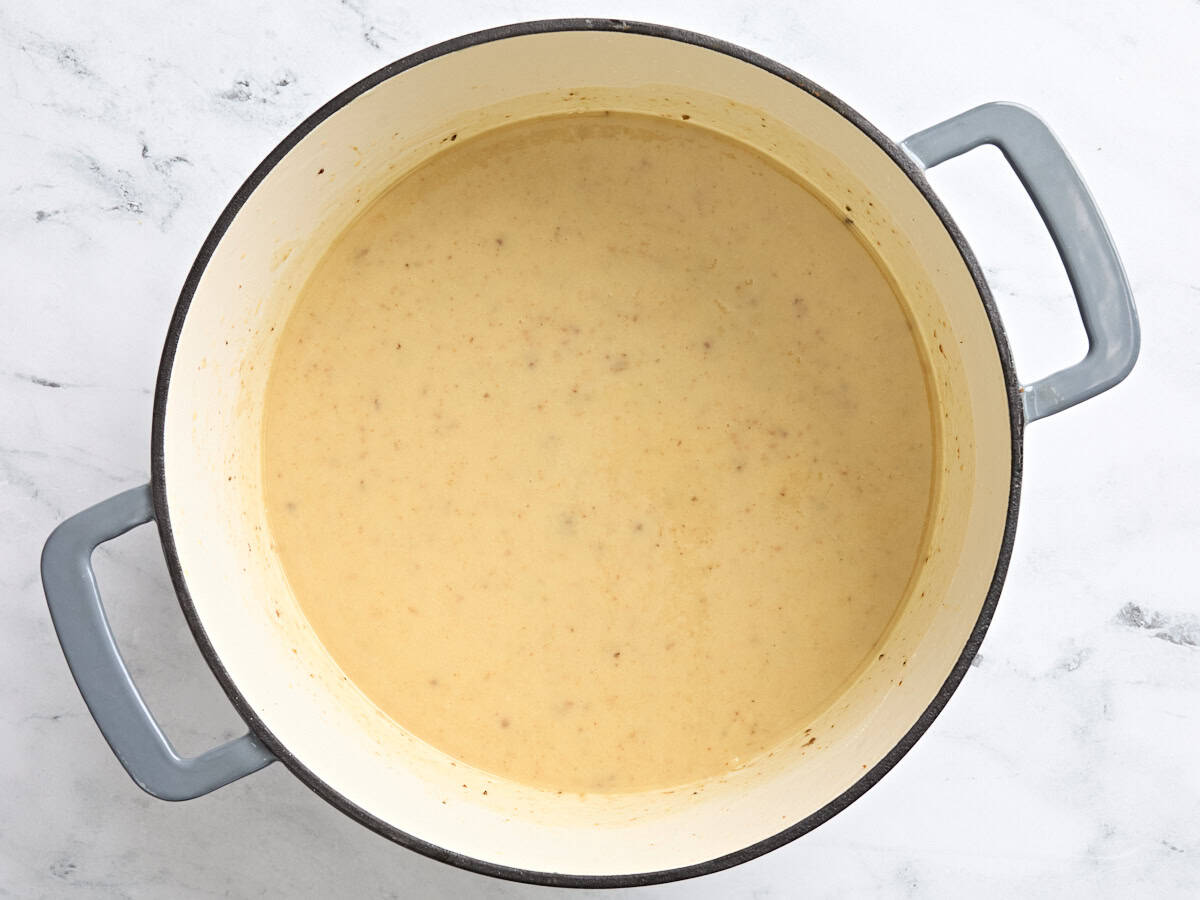
- The Roux Development (Minutes 20–140): This is the most labor-intensive phase. Using a ratio of approximately 3/4 cup oil to 1 cup flour, the cook must stir constantly over medium-low heat. The mixture transitions through various stages: white, blonde, light brown, medium brown, and finally a deep, chocolate-like dark brown.
- Aromatic Integration (Minutes 140–150): Once the roux is perfected, the "holy trinity" is added. The moisture from the vegetables prevents the roux from darkening further, effectively "locking in" the color and flavor.
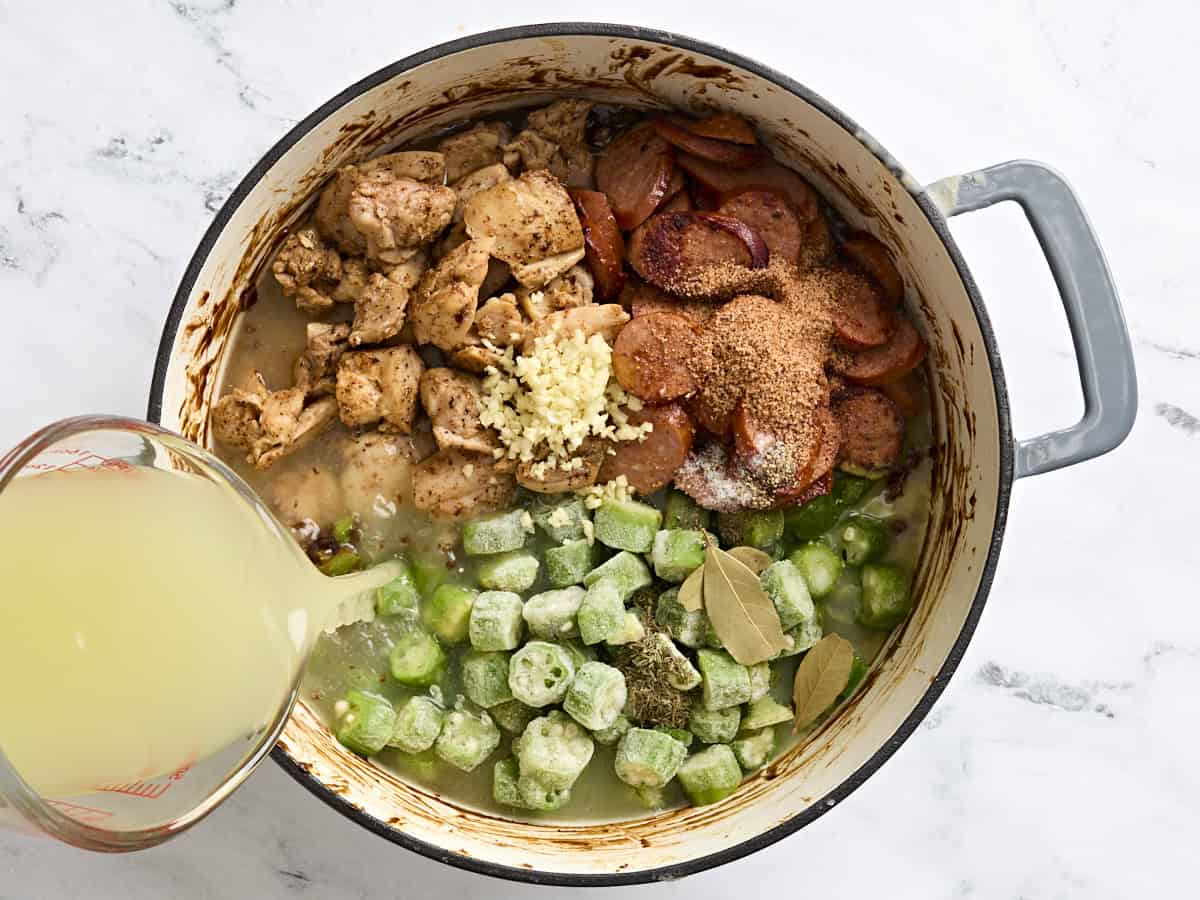
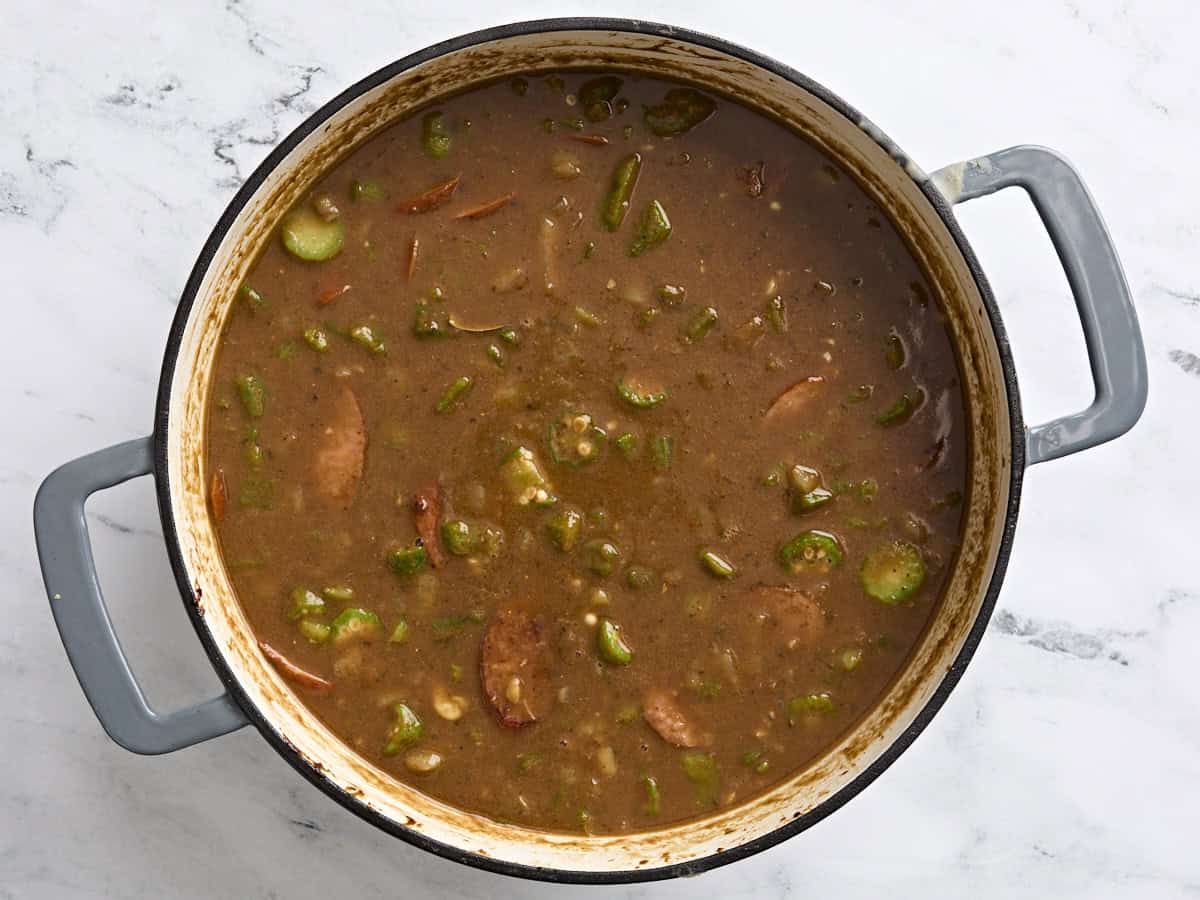
- The Long Simmer (Minutes 150–180): The seared meats are reintroduced along with chicken broth, okra, garlic, thyme, bay leaves, and Cajun seasoning. The mixture is brought to a boil and then reduced to a simmer for at least 30 minutes to allow the flavors to meld and the okra to thicken the liquid.
- Final Seasoning and Service: In the final five minutes, fresh elements like parsley, green onions, and hot sauce are added to provide a bright contrast to the heavy, toasted flavors of the roux.
Historical Context and Cultural Significance
The term "gumbo" is derived from the West African Bantu word for okra, kingombo. The dish’s origins are a testament to the "melting pot" of the Gulf Coast, incorporating African okra, French roux, Spanish aromatics, and Choctaw filé powder (dried sassafras leaves). Over centuries, the dish evolved into two primary branches: Cajun gumbo, which typically avoids tomatoes and uses a darker roux, and Creole gumbo, which may include tomatoes and a wider variety of seafood.

The specific recipe analyzed here follows the Cajun tradition, emphasizing the earthy, smoky notes of the dark roux and andouille. This style of cooking was born out of the necessity of the Acadian people—French refugees who settled in the swamps of Louisiana—who had to adapt their culinary traditions to the rugged, humid environment. Gumbo was historically a "communal pot" dish, designed to be stretched with whatever ingredients were available, a legacy that continues in the modern focus on budget-friendly versions.
Broader Implications for Modern Home Cooking
The resurgence of interest in labor-intensive dishes like gumbo suggests a shift in consumer behavior. As restaurant prices for specialized regional cuisines increase, there is a documented movement toward "culinary self-sufficiency." Analysts suggest that the willingness of a modern cook to spend three hours on a single meal is a reaction to the perceived lack of quality in fast-casual dining and a desire for cultural connection.
Furthermore, the Nashville Test Kitchen’s emphasis on "rigorous testing" reflects a demand for "fail-proof" instructions. In an age where digital content is saturated with "quick and easy" recipes that often fail to deliver complex flavors, the success of a 1,200-word deep dive into roux-making indicates that consumers are willing to invest time if the result is guaranteed to be "delicious and affordable."
The social implications of the "MawMaw" standard—a reference to the matriarchal figures of Louisiana who guard their family recipes with passion—cannot be understated. Gumbo is more than a meal; it is a point of regional pride. By providing a structured, affordable pathway to creating this dish, recipe developers are helping to preserve a form of intangible cultural heritage that might otherwise be lost to the convenience of processed foods.
Future Outlook
As the cost of living continues to fluctuate, the ability to transform basic pantry staples—flour, oil, and rice—into a sophisticated, nutrient-dense stew remains a vital skill. The Nashville Test Kitchen and Budget Bytes have indicated that they will continue to explore regional American classics through the lens of economic accessibility. Future reports are expected to cover other "low-cost, high-effort" dishes that utilize traditional techniques to mitigate the impact of rising food prices.

In conclusion, the traditional Louisiana gumbo stands as a premier example of how historical culinary techniques can be adapted for the modern kitchen. Through the careful management of heat, the strategic selection of ingredients, and a respect for the time required for chemical transformations, home cooks can achieve a level of gastronomic excellence that honors the past while respecting the financial realities of the present.
