
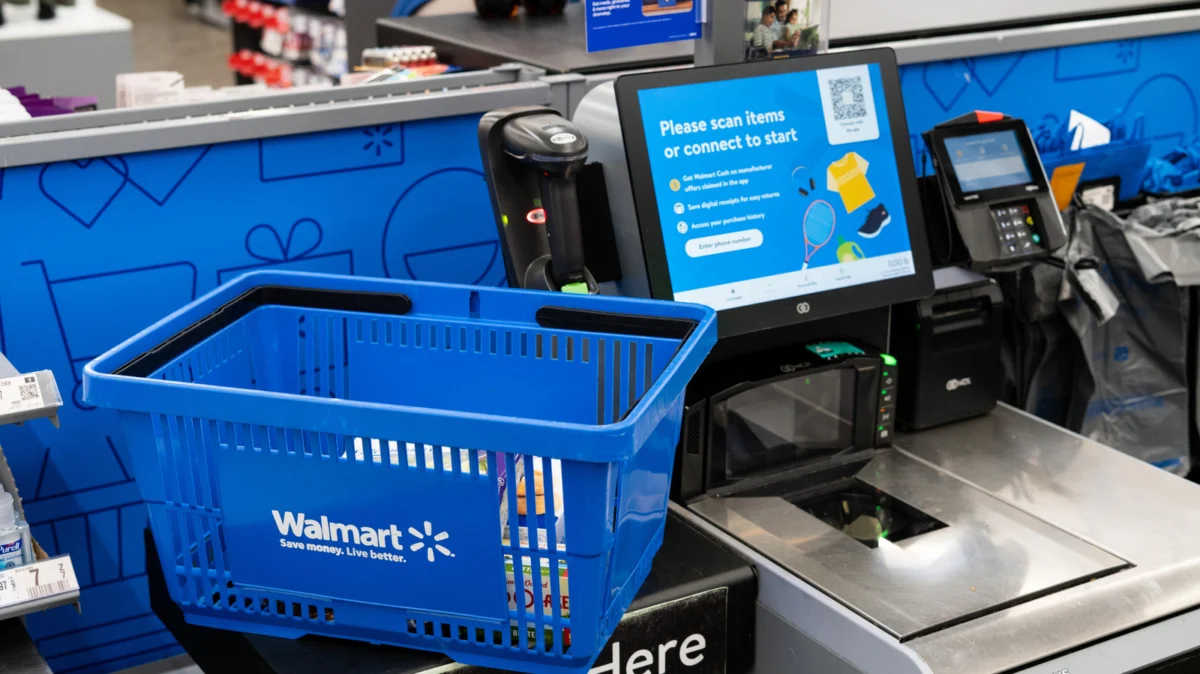
The familiar sight of a lengthy queue snaking through the aisles of a Walmart store has become a persistent source of frustration for many shoppers. This perennial complaint, often centered on slow checkout speeds, is a recurring theme in customer feedback and online discussions, impacting the overall shopping experience for millions. Whether navigating a crowded weekend or a quick mid-week stop, the prospect of a lengthy wait at the checkout counter can turn a routine errand into a test of patience. For customers with frozen goods or perishable items, the extended time spent in line can be particularly disconcerting, raising concerns about the quality of their purchases by the time they reach home. This issue has become so prevalent that it’s frequently cited as a primary reason for shoppers to abandon their carts and seek alternatives, impacting customer loyalty and potentially driving business to competitors.
The sentiment was vividly captured by a customer on Reddit, who expressed their dismay: "I stop at Walmart to grab lunch because the prices can’t be beat on many things. I just want one or two items for my lunch and I get to the checkout and it’s a massive line no matter if you want self checkout or human checkout." This frustration, they stated, often leads to the decision to "just put my items down, walk out, and go somewhere else." The ripple effect of this customer dissatisfaction is evident in changing shopping habits. Some shoppers have increasingly turned to Walmart’s pickup services, while others are leveraging the Walmart+ Mobile Scan & Go feature, designed to allow customers to scan items as they shop and bypass traditional checkout lanes altogether. For those who still prefer to shop in-store, strategic timing can be key, with Tuesdays and Wednesdays often cited as the best days to visit Walmart for a less crowded experience and potentially better stock availability, according to industry insights.
The Evolution of Walmart’s Checkout Strategy: A Shift from Self-Service
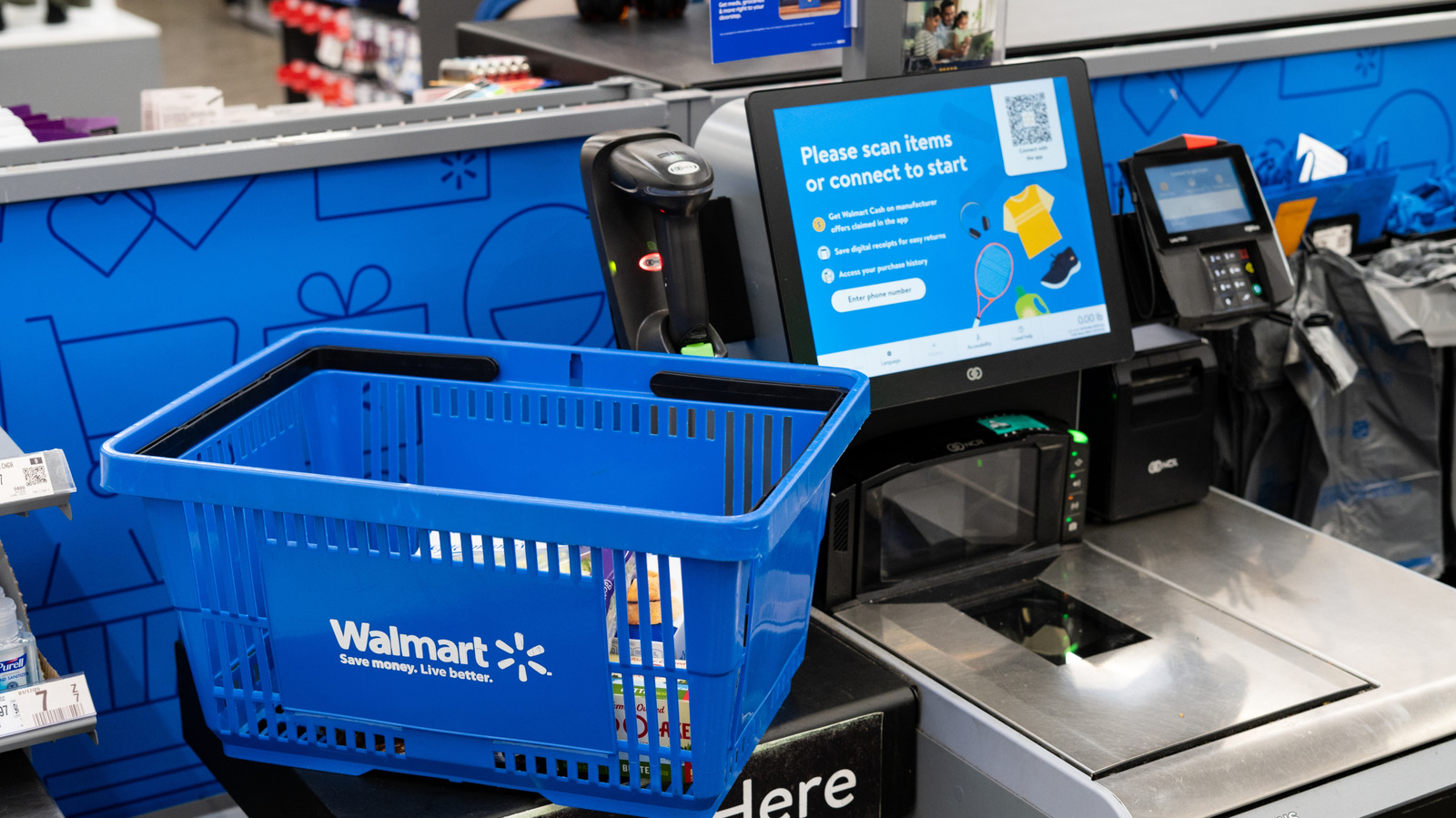
The current checkout quandary at Walmart is not a sudden development but rather a consequence of strategic shifts in the company’s approach to customer service and loss prevention. In an effort to streamline the shopping process and address long queues, Walmart made a significant push towards self-checkout kiosks. Around 2020, the retail giant expanded its self-checkout areas, aiming to create expansive zones equipped with a large number of registers. The vision was to empower shoppers to scan their own items, with the expectation that this would reduce wait times and improve overall efficiency. This initiative was, in principle, designed to tackle the very complaint that now plagues the company.
However, by 2023, it became apparent that this large-scale self-checkout experiment had encountered significant challenges. One of the primary drawbacks that emerged was a noticeable increase in retail theft. The reduced human oversight inherent in many self-checkout setups provided an easier avenue for individuals to engage in dishonest practices, leading to substantial financial losses for the company. Reports from various sources, including internal analyses and media coverage, indicated a sharp rise in theft incidents directly linked to the proliferation of self-checkout lanes. This escalating problem prompted a reevaluation of the strategy, and Walmart began to systematically reduce, or at least limit, the availability of self-checkout options in many of its stores.
The Impact of Limiting Self-Checkout: A Double-Edged Sword
The decision to scale back self-checkout services was, from a loss prevention perspective, a strategic move that yielded positive results for Walmart. According to reports from publications like The Sun, one Walmart store that completely eliminated self-checkout lanes saw a remarkable 50% reduction in theft-related arrests. This data underscores the direct correlation between the availability of self-checkout and the incidence of shoplifting. For Walmart, curbing these losses is a critical component of maintaining profitability, especially given the scale of their operations and the razor-thin margins often associated with grocery retail.
However, this operational adjustment has had a significant and arguably detrimental impact on the customer experience. While the company may have intended for a return to one-on-one cashier service to enhance customer interaction and potentially speed up transactions for those with larger orders, many shoppers perceive the opposite. The reduction in self-checkout options has, for a considerable segment of the customer base, resulted in the resurgence of the very issue they sought to avoid: long and slow checkout lines.
Customer feedback on social media platforms highlights this growing dissatisfaction. One Facebook user lamented, "Ugh I loathe regular checkouts. Employees scan and move way too slow." This sentiment was echoed by another user who stated, "Self checkouts made everyone get out quicker, with less wait time." This perspective suggests a disconnect between Walmart’s intended outcome of improved customer experience through fewer self-checkouts and the actual lived reality for many shoppers who found the self-service option to be more efficient for their needs. The efficiency of self-checkout, particularly for smaller baskets, is a key factor in this perception.
Analyzing the Broader Implications for Walmart and the Retail Landscape
The ongoing tension between minimizing theft and optimizing customer checkout speed presents a complex challenge for Walmart and the broader retail industry. The financial implications of retail theft are substantial. Industry estimates often place annual losses due to shoplifting in the billions of dollars across the United States. For a company of Walmart’s size, even a small percentage increase in theft can translate into hundreds of millions of dollars in lost revenue. Therefore, the operational decision to reduce self-checkout is understandable from a financial risk management standpoint.
However, the cost of alienating customers through prolonged wait times can be equally damaging. Retail loyalty is increasingly driven by convenience and efficiency. Stores like Aldi, for instance, have built a reputation for faster checkout speeds, which can serve as a significant draw for shoppers seeking to minimize their time spent in the store. If Walmart’s checkout lines continue to be a major deterrent, it could lead to a gradual erosion of its customer base, particularly among those who prioritize speed and convenience.
A candid comment from a Walmart employee on Reddit provided further insight into the company’s internal calculus: "Walmart lost 1.2 million in the store theft last year at my store, due to mostly self checkout stealing. So loosing a few sales due to long lines really doesn’t matter in the grand scheme of things." This statement, if representative of a wider company perspective, suggests a strategic prioritization of loss prevention over immediate sales volume from frictionless checkout. It implies that the financial impact of theft is viewed as a more significant threat to profitability than the potential loss of a few customers due to longer queues.
Potential Solutions and Future Outlook
As Walmart navigates this complex issue, several strategies could be explored to mitigate the negative impact of long checkout lines.
- Optimizing Staffing and Training: While some customers find cashiers to be slow, a portion of this can be attributed to understaffing or insufficient training. Investing in more efficient training programs for cashiers and ensuring adequate staffing levels during peak hours could help to improve throughput.
- Hybrid Checkout Models: Instead of a complete elimination, Walmart could explore more nuanced hybrid models. This might involve designating specific self-checkout lanes for certain types of purchases (e.g., small baskets with fewer items) or implementing stricter monitoring of self-checkout areas to deter theft without entirely removing the option.
- Technological Advancements: Further investment in technology could offer solutions. This could include advanced scanning systems that are faster and more accurate, or AI-powered systems that can better monitor self-checkout activity to flag suspicious behavior.
- Customer Feedback Integration: A more proactive and transparent approach to incorporating customer feedback into checkout strategy adjustments could be beneficial. Regularly soliciting and acting upon customer suggestions might foster a greater sense of understanding and reduce frustration.
The long checkout lines at Walmart represent a multifaceted problem with no easy solutions. The company faces the delicate balancing act of safeguarding its assets from theft while simultaneously ensuring a positive and efficient shopping experience for its vast customer base. The coming months and years will likely see continued experimentation and adjustment as Walmart seeks to strike the right equilibrium, a challenge that will undoubtedly be closely watched by consumers and competitors alike. The ultimate success of these efforts will be measured not only in reduced theft statistics but also in the satisfaction and loyalty of the millions of shoppers who rely on Walmart for their everyday needs.
