
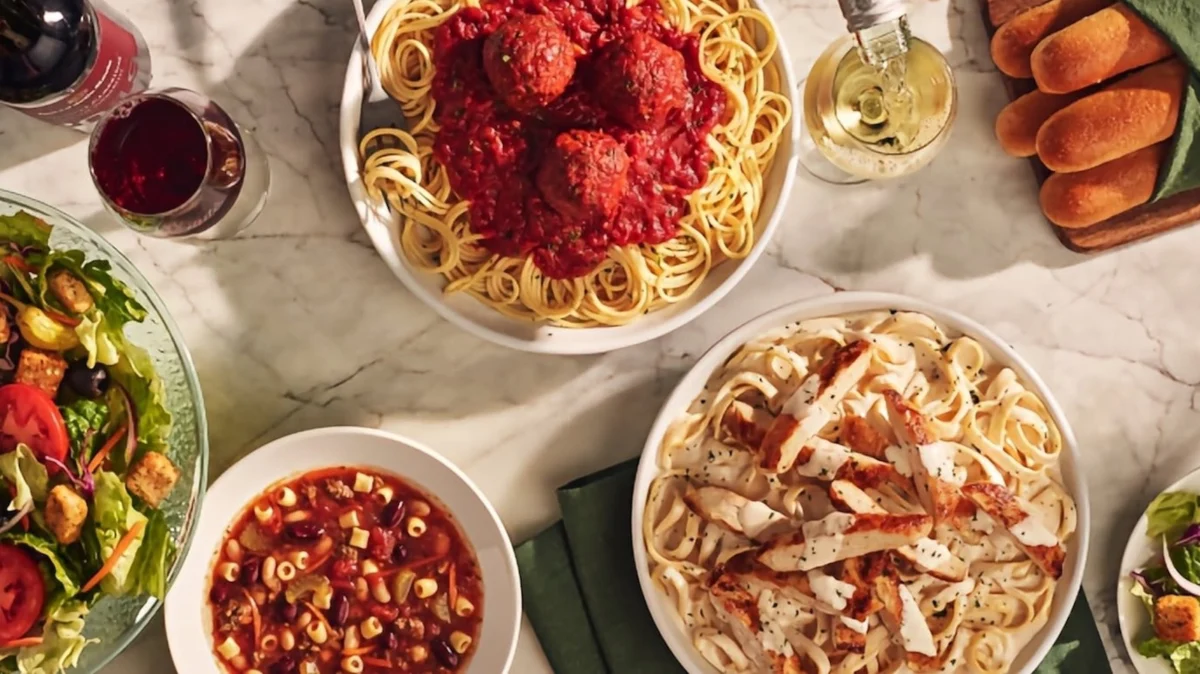
For many, the allure of Olive Garden transcends its Italian-American menu; it’s a familiar, comforting experience that evokes a sense of casual conviviality and an abundance of signature breadsticks. However, this widespread appeal invariably leads to significant patronage, often resulting in lengthy wait times, particularly during peak hours. Understanding the optimal dining schedule at this popular chain can transform a potentially frustrating wait into a relaxed and enjoyable meal. Olive Garden employees, privy to the daily ebb and flow of customer traffic, often point to the restaurant’s opening hours as the prime window for avoiding the throngs.
Typically, Olive Garden locations commence their service around 11:00 AM. Arriving shortly after the doors open presents an opportunity to secure a table without the usual queues that can form as the lunch and dinner rushes commence. This early entry is particularly advantageous for those seeking a tranquil dining experience, allowing for leisurely enjoyment of popular dishes such as the Tour of Italy or the Endless Garden Salad. The strategy of arriving early is not merely anecdotal; it’s a practical approach for maximizing the dining experience at a venue known for its consistent popularity.
The chain’s operational structure also offers insights into crowd management. Olive Garden serves its dinner menu starting at 3:00 PM. This earlier dinner service caters to a diverse clientele, including retirees and families who prefer to dine earlier in the evening, thus potentially alleviating some pressure on the later, more traditional dinner hours. Furthermore, a dedicated lunch menu is available from 11:00 AM to 3:00 PM, Monday through Friday. This menu often features discounted portions, making early weekday visits not only less crowded but also more budget-friendly for patrons keen on enjoying Olive Garden’s staple pasta dishes and other favorites.
Navigating Peak Times and Alternative Strategies
Beyond the early bird advantage, certain days and times are predictably busier at Olive Garden. Sunday afternoons, particularly following local church services, tend to see a surge in diners. Similarly, weeknights, as families and individuals seek convenient dinner options, are also characterized by substantial customer volume. These predictable peaks underscore the importance of strategic planning for those who wish to avoid extended waits.
For diners whose schedules do not permit an early arrival, Olive Garden offers several alternative strategies to enjoy its offerings. The restaurant’s online platform and mobile application provide a valuable tool for potential patrons. Users can often check estimated wait times and, in many cases, join a virtual waitlist in advance. This feature is especially useful for parties of six or fewer, allowing them to significantly reduce their physical waiting time upon arrival. By pre-registering their party, diners can streamline their entry and proceed more directly to their dining experience.
For those who prefer to dine at home or are seeking an even more immediate solution to their Olive Garden cravings, the chain provides robust takeout and delivery services. Options include curbside pickup, where orders are brought directly to a vehicle, and local delivery, facilitated through Olive Garden’s own services or third-party delivery platforms. These services extend to both individual meals and larger catering orders, ensuring that the Olive Garden experience is accessible regardless of dining location or time constraints.
The Broader Appeal and Semi-Homemade Solutions
Olive Garden’s enduring popularity can be attributed to its consistent offering of accessible, crowd-pleasing dishes. While not aiming for strict culinary authenticity, the chain has mastered a formula that resonates with a broad demographic. The combination of hearty pasta dishes, signature soups and salads, and the ubiquitous breadsticks creates a dining experience that many find comforting and satisfying. This widespread appeal, however, is the very reason for the consistent crowds.
In a testament to the brand’s recognition and the desire for its signature flavors outside the restaurant, Olive Garden has also expanded its retail presence. Many of its popular products, including salad dressings, breadsticks, and even grated Parmesan cheese, are available for purchase at grocery stores. This allows consumers to recreate a taste of Olive Garden at home, offering a semi-homemade alternative. The availability of these retail items provides a unique opportunity for fans to enjoy their favorite flavors on their own terms, bypassing the need to visit a restaurant altogether. This retail strategy, which began to gain traction as consumer demand for familiar, at-home dining options increased, further solidifies Olive Garden’s presence in the culinary landscape beyond its traditional dine-in model.
Data-Driven Insights into Dining Habits
While specific, granular data on Olive Garden’s daily traffic patterns is proprietary, general consumer dining trends offer a framework for understanding the dynamics at play. Studies on restaurant patronage consistently show that lunch hours (12:00 PM to 1:30 PM) and dinner hours (6:00 PM to 8:00 PM) are the most frequented periods across most casual dining establishments. Weekends, particularly Friday evenings and Sunday afternoons, often exhibit higher traffic volumes than weekdays.
Olive Garden’s own operational calendar aligns with these broader trends. The introduction of the lunch menu from 11:00 AM to 3:00 PM on weekdays effectively segments the day, offering a distinct period for a different service and price point. The 3:00 PM transition to the dinner menu also serves as a strategic point, drawing in patrons who prefer earlier evening meals and potentially easing the pressure on the peak 6:00 PM to 8:00 PM window. The Sunday afternoon surge is a well-documented phenomenon in the food service industry, often linked to post-religious service gatherings and family meal traditions.
The ability to join a waitlist through digital platforms represents a significant technological integration in managing customer flow. For a chain of Olive Garden’s size, with hundreds of locations across the United States and internationally, such digital tools are crucial for operational efficiency and customer satisfaction. The success of these features is directly tied to their ability to provide accurate wait time estimations and a seamless virtual queuing experience.
Implications for Consumers and the Industry
The consistent popularity of Olive Garden, despite its casual dining positioning and non-authentic Italian approach, highlights a powerful consumer desire for familiarity, comfort, and value. The brand has successfully cultivated an image of accessible, family-friendly dining that appeals across generations. The strategies employed by Olive Garden to manage crowds, such as early opening, segmented menus, and digital waitlists, are not unique but are implemented effectively due to the brand’s scale and customer base.
For consumers, understanding these patterns is key to optimizing their dining experience. The information provided by employees and observable trends points to a clear strategy: arrive early, especially on weekdays, or utilize digital tools for waitlist management. For those unable to dine in, takeout and delivery options, along with retail product availability, offer convenient alternatives that continue to leverage the brand’s appeal.
The broader implication for the casual dining sector is the continued importance of efficient operations and customer service, especially in the face of increasing competition from fast-casual and delivery-only models. Brands like Olive Garden that can effectively manage customer flow, offer value, and provide multiple access points to their products are likely to maintain their market share. The success of their early opening strategy, for instance, can be seen as a proactive measure to capture a segment of the market that prioritizes a less congested dining environment, thereby enhancing overall customer satisfaction and potentially fostering loyalty. The chain’s ability to adapt to evolving consumer preferences, from dine-in to digital ordering and even at-home preparation, underscores its resilience and strategic foresight in a dynamic food industry.
