
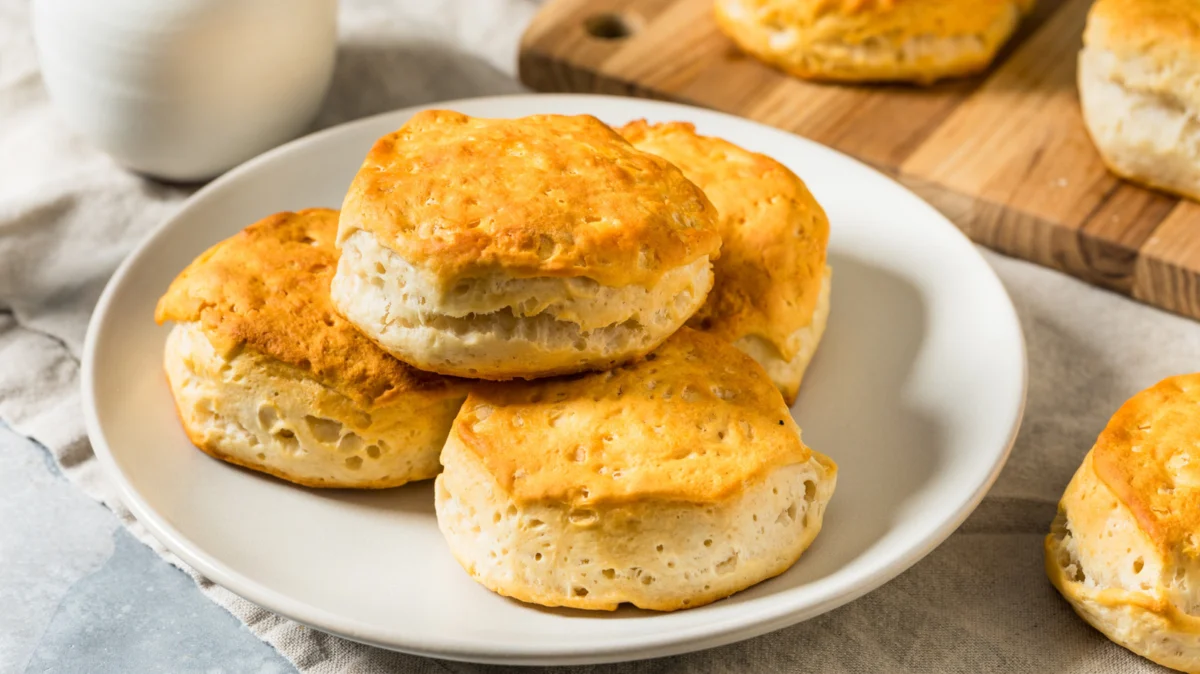
For decades, the convenience of refrigerated canned biscuit dough has served as a cornerstone of the American pantry, providing a shortcut for home cooks seeking the comfort of a warm, fluffy biscuit without the labor-intensive process of cutting butter into flour and managing delicate dough hydration. Among the various market offerings, Pillsbury Grands! has maintained a dominant position in the industry, evolving from a simple shelf-stable product into a diverse lineup of flavors and textures. A recent comparative analysis of five Pillsbury Grands! varieties has identified the Southern Homestyle Buttermilk biscuit as the superior choice, outperforming specialized options including butter-infused and honey-laced varieties.
The Evolution of the Refrigerated Biscuit
The history of the canned biscuit is inextricably linked to the post-World War II era, a period defined by the rapid expansion of convenience foods. In 1931, Ballard & Ballard Co. patented the first refrigerated biscuit dough, a revolutionary concept that allowed consumers to store raw dough in a pressurized cardboard canister. Pillsbury later acquired the technology, refining the leavening process to ensure that the dough would rise consistently under heat.
Over the decades, the product line expanded to meet shifting consumer demands. The introduction of the "Grands!" line—characterized by a larger, thicker biscuit profile—marked a significant shift toward satisfying the preference for high-volume, bakery-style baked goods. Today, the market for refrigerated dough in the United States generates billions in annual revenue, with Pillsbury consistently leading in brand recognition and market share.
Comparative Analysis and Taste Testing
In a controlled sensory evaluation of the current Pillsbury Grands! portfolio, analysts examined five distinct flavor profiles: Original, Butter Tastin’, and three specialty variations, including the Mike’s Hot Honey collaboration. The objective was to assess flavor complexity, texture, crumb structure, and versatility in culinary applications.
The Southern Homestyle Buttermilk variety secured the top ranking primarily due to its balanced flavor profile. Unlike the Butter Tastin’ variant, which can sometimes skew heavily toward synthetic fat profiles, or the Original, which can be perceived as flavor-neutral, the Buttermilk version offers a distinct, subtle acidity. This acidity provides a necessary structural backbone that mimics the traditional chemical reaction between buttermilk and baking soda found in scratch-made Southern recipes.
The sensory panel noted that the buttermilk variant allows the foundational profile of the biscuit to remain prominent. This makes it an ideal "empty canvas" for savory applications, specifically those involving high-fat gravies or rich, protein-heavy breakfast sandwiches. The Butter Tastin’ flavor placed second, proving popular for consumers seeking a richer mouthfeel, though it was noted that the intensity of the butter flavoring could potentially clash with certain toppings or gravies.
Culinary Versatility and Consumer Sentiment
The appeal of the Southern Homestyle Buttermilk biscuit lies in its structural integrity. Consumer data from retail platforms like Walmart and Amazon indicates that the product’s primary value proposition is its ability to withstand heavy moisture absorption without losing its shape. This is particularly relevant when used in "Southern-style" preparations, such as sausage gravy.
"Light, airy, and carries gravy marvelously," is a recurring sentiment found in user-generated reviews across major e-commerce platforms. This feedback suggests that the product’s crumb structure is sufficiently robust to absorb liquids—like sausage gravy or chicken and dumpling broth—without dissolving into an unappealing paste.
Furthermore, the versatility of the product extends beyond the breakfast table. Culinary experts often cite the buttermilk biscuit as a reliable base for:
- Monkey Bread: Using the pre-portioned dough to create a pull-apart dessert, relying on the biscuit’s ability to maintain a soft interior while caramelizing on the exterior.
- Chicken and Dumplings: The acidity in the buttermilk adds a layer of depth that standard or original doughs lack, preventing the dumplings from tasting one-dimensional against the savory soup base.
- Pot Pies: The layered, flaky structure provides a professional-looking crust that is often preferred by home cooks over traditional, rolled pie crusts.
Broader Market Implications
The preference for the Buttermilk variety over more experimental flavors—such as the hot honey-infused dough—highlights a broader trend in the packaged food industry: the "return to basics." While consumer goods companies frequently innovate with "limited time offers" or flavor-infused doughs to generate social media engagement and trial purchases, the sustained success of the Southern Homestyle Buttermilk variety suggests that, for staple items, consumers prioritize consistency and utility over novelty.
From a production standpoint, maintaining the quality of the buttermilk tang requires consistent fermentation and precise leavening agents. Market analysts point out that Pillsbury’s ability to scale this specific flavor profile while maintaining a competitive price point remains a significant barrier to entry for smaller, artisanal refrigerated dough competitors.
Economic Context of Convenience Baking
The rising cost of dining out has spurred a significant increase in home-prepared breakfast meals. According to recent Bureau of Labor Statistics data, the cost of "food at home" has seen steady inflation, prompting consumers to seek "bridge" products—items that provide the experience of a restaurant meal at a fraction of the cost.
Canned biscuits fit this economic model perfectly. When compared to the cost of purchasing a biscuit sandwich from a quick-service restaurant (QSR), which can range from $4.00 to $7.00 per unit, a tube of Pillsbury Grands! allows for a comparable, if not superior, experience for a significantly lower per-biscuit cost. This economic advantage, combined with the perception of higher quality in the "Southern Homestyle" branding, has reinforced the product’s position in the average household refrigerator.
Official and Expert Perspectives
While Pillsbury has not released specific sales figures broken down by flavor, the frequency with which the Southern Homestyle Buttermilk variety is featured in promotional materials and recipe collaborations suggests it is the brand’s flagship product.
Nutritionists, however, offer a caveat. While these products are highly convenient, they are categorized as ultra-processed foods. The leavening agents, stabilizers, and emulsifiers required to keep the dough shelf-stable in a pressurized can contribute to higher sodium content compared to scratch-made equivalents. Experts recommend that consumers consider the nutritional profile, particularly the sodium levels, when incorporating these products into daily meal plans.
Future Outlook
As the food industry moves toward cleaner labels and more transparent sourcing, it is possible that the refrigerated dough market will see an evolution toward "natural" leavening agents or alternative, less-processed ingredients. However, the current success of the buttermilk variety suggests that until an alternative can replicate the specific mouthfeel and acid-balance of the current offering, it will remain the industry benchmark.
In summary, the consensus among both professional evaluators and the broader consumer base is clear: the Southern Homestyle Buttermilk biscuit represents the optimal intersection of convenience, texture, and flavor profile. Whether serving as the base for a savory breakfast, a component in a complex casserole, or a simple vehicle for butter and jam, the buttermilk biscuit remains the most versatile and reliable option in the Pillsbury Grands! lineup. Its ability to serve as a high-performance vessel for other ingredients, rather than overpowering them, cements its status as a staple of modern American home cooking.
