
The Evolution of the Negroni
The Negroni, historically attributed to Count Camillo Negroni in 1919 Florence, has long been defined by its unwavering ratio: one part gin, one part Campari, and one part sweet vermouth. While the drink remains a staple of global cocktail culture due to its simplicity, it has become a canvas for modern flavor experimentation. Infusing spirits with seasonal ingredients—specifically figs—introduces a textural and aromatic layer that complements the botanical notes of juniper while tempering the aggressive bitterness of the Campari. This variation specifically highlights the bridge between summer’s end and the depth of autumn, utilizing the fig’s natural high sugar content and unique viscosity to create a fuller mouthfeel.
Technical Requirements and Infusion Chronology
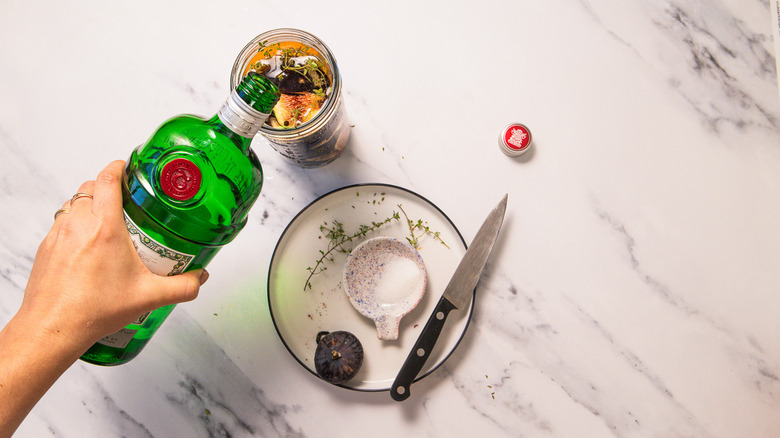
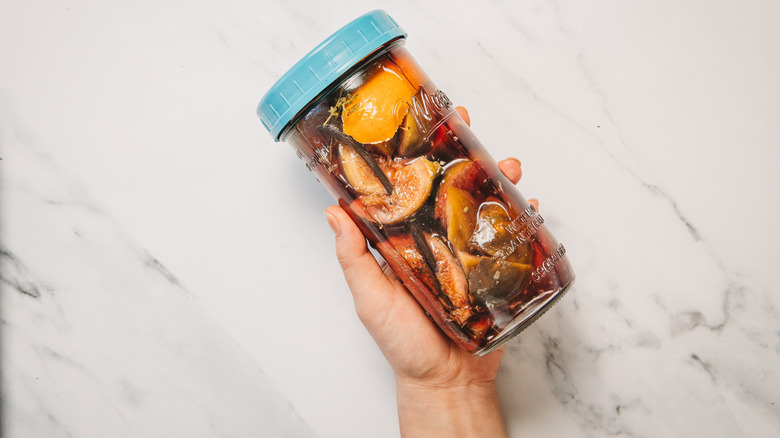
The successful preparation of a fig-infused Negroni requires careful adherence to a timeline that prioritizes maceration over speed. The primary infusion process, which involves steeping fresh figs, Madagascar vanilla beans, cracked black peppercorns, fresh thyme, and orange zest in a high-proof gin, necessitates a minimum of 72 hours under refrigeration.
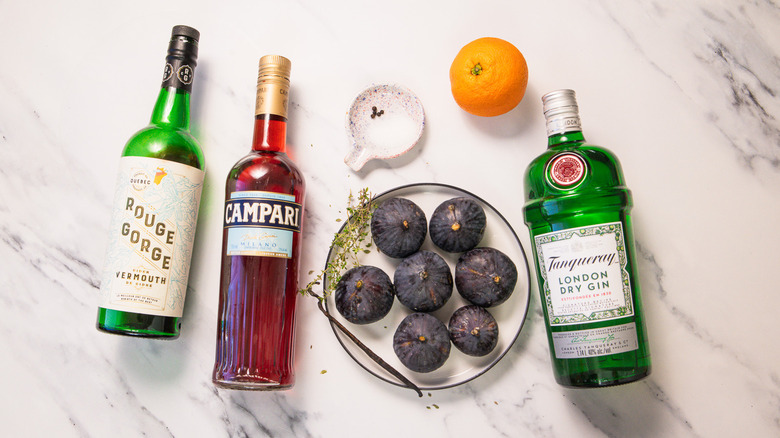
The chemistry of this infusion is critical. The ethanol in the gin acts as a solvent, extracting the essential oils from the orange zest and the aromatic compounds from the vanilla and thyme. The figs, meanwhile, provide a subtle, jammy undertone. The addition of peppercorns introduces a capsaicin-adjacent bite that balances the sweetness of the fruit. Shaking the infusion daily is a standard industry practice to ensure uniform distribution of solutes, preventing sediment buildup at the base of the container.
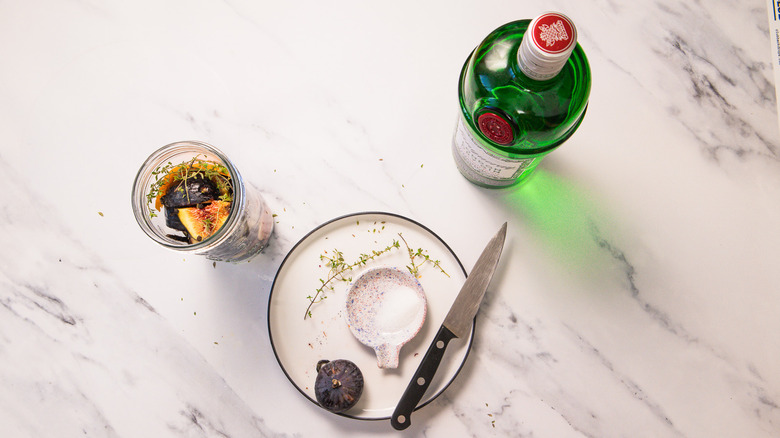
For those requiring an accelerated timeline, culinary professionals suggest alternative methodologies. Vacuum-sealed sous vide infusion at 135 degrees Fahrenheit can reduce the extraction period from days to mere hours. Alternatively, the creation of a concentrated syrup—boiling the aromatics with water and sugar before adding them to the final drink—remains a viable, albeit structurally different, shortcut that preserves the flavor profile without the extended waiting period.
Ingredient Selection and Distillation Science
The selection of the base spirit is the most significant factor in the drink’s final profile. Culinary analysis indicates that London Dry gins, such as Tanqueray or Beefeater, are the most effective vessels for this infusion. The high juniper content inherent in London Dry styles provides a structural backbone that prevents the fig’s sweetness from becoming cloying.
Conversely, experts advise against using floral or highly perfumed gins, such as those featuring heavy lavender or cucumber profiles, as these can conflict with the earthy notes of the figs and the herbal undertones of the thyme. When selecting vanilla beans, consumers are encouraged to source Grade A Tahitian or Bourbon beans, as their moisture content is higher, leading to a more efficient release of vanillin into the spirit.
The Sensory Experience of the Garnish
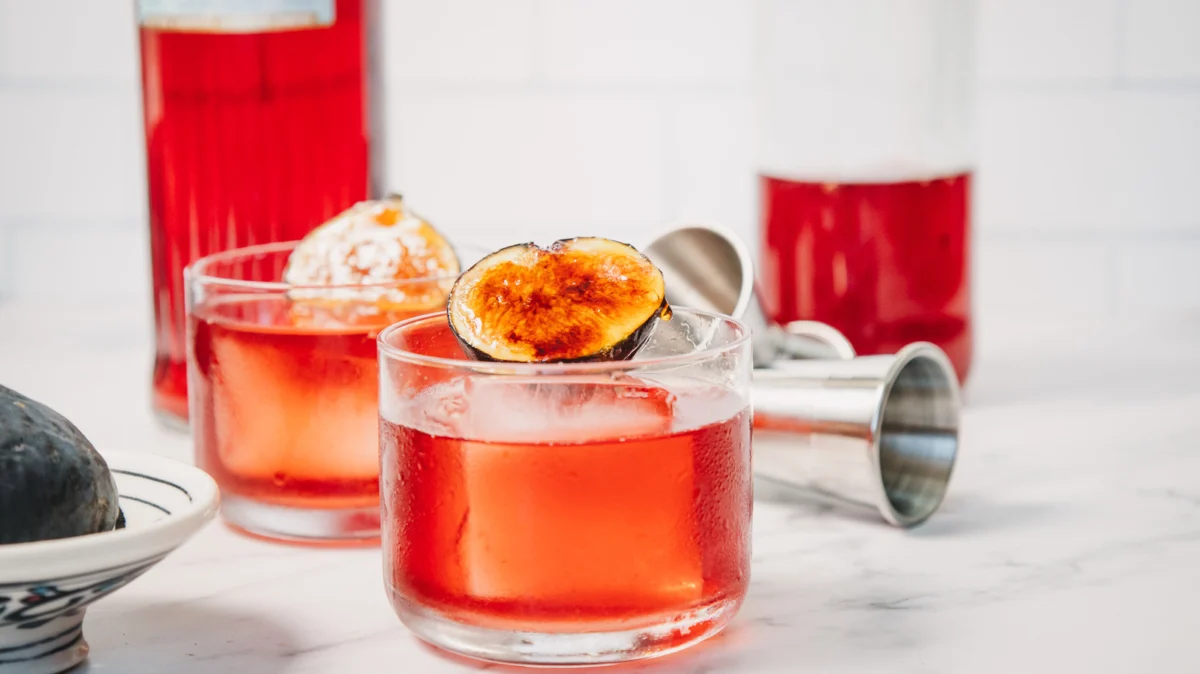
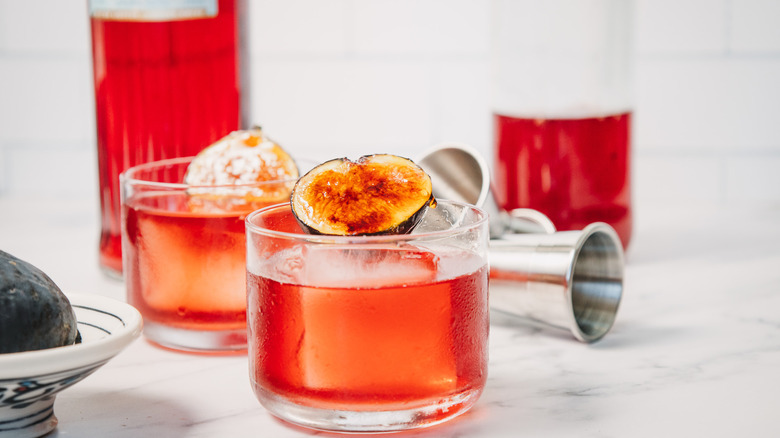
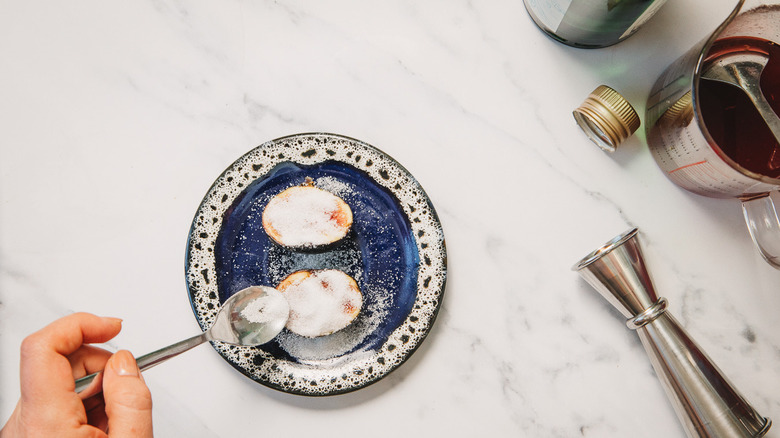
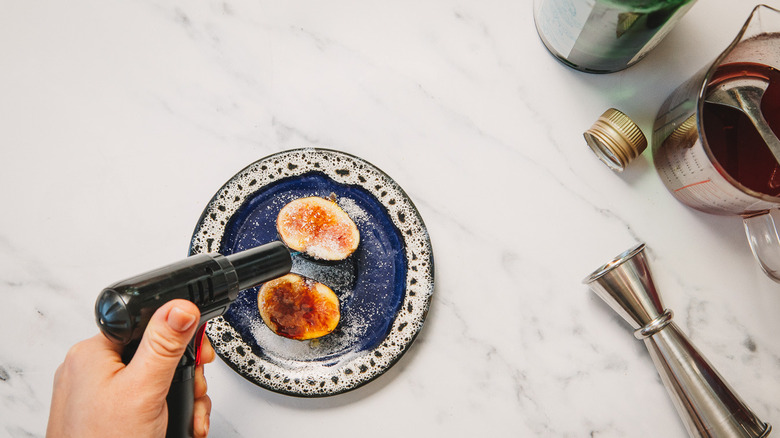
The inclusion of a brulèed fig garnish is not merely aesthetic; it serves a functional purpose in the consumer’s sensory journey. The process involves halving a fresh fig, applying granulated sugar to the exposed flesh, and applying direct heat via a culinary torch. This creates a caramelized crust—a Maillard reaction—that provides an immediate scent of toasted sugar upon the first sip. As the guest consumes the drink, the contrast between the cold, bitter Negroni and the warm, sugary, soft fruit provides a multi-sensory experience that defines the modern craft cocktail experience.
Nutritional and Dietary Considerations
While the Negroni is traditionally a spirit-forward drink, the infusion process and the caramelized garnish contribute to a slightly higher caloric profile than the standard version. A single serving of this infused cocktail contains approximately 332 calories, with 33.2 grams of carbohydrates and 27.1 grams of sugar. The inclusion of the fruit provides a negligible amount of fiber (4.9 grams), but the primary caloric density is derived from the sugars in the vermouth and the brulèed garnish. It is noted that these figures are estimates based on standard preparation and should not replace professional dietary advice for those with specific health requirements.
Broader Implications for Home Mixology
The popularity of infusion-based cocktails signals a shift in consumer behavior. Data from culinary trend reports suggest that the "slow drink" movement—characterized by preparation times exceeding 48 hours—is gaining traction. This shift is driven by a desire for personalization and the "do-it-yourself" (DIY) ethos that has permeated the beverage industry since 2020.
By taking the time to curate specific flavor profiles at home, consumers are effectively bypassing the high cost of premium, small-batch spirits. The fig-infused Negroni is a prime example of this democratization of luxury; it allows an individual to utilize common produce and standard grocery store spirits to create a product that mimics the complexity of a bar-quality drink costing significantly more at a high-end establishment.
Conclusion and Practical Application
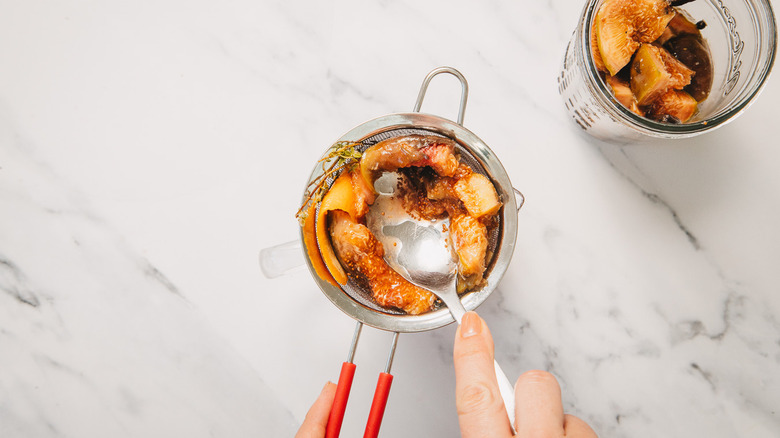
To execute this recipe successfully, one must maintain a high level of cleanliness in the infusion jar, as the high sugar content of the figs can encourage fermentation if the seal is compromised. After the three-to-five-day infusion period, the liquid must be passed through a fine-mesh sieve or cheesecloth to ensure the removal of all solid particles. Failure to properly strain the infusion will result in a gritty texture and potential spoilage of the remaining spirit.
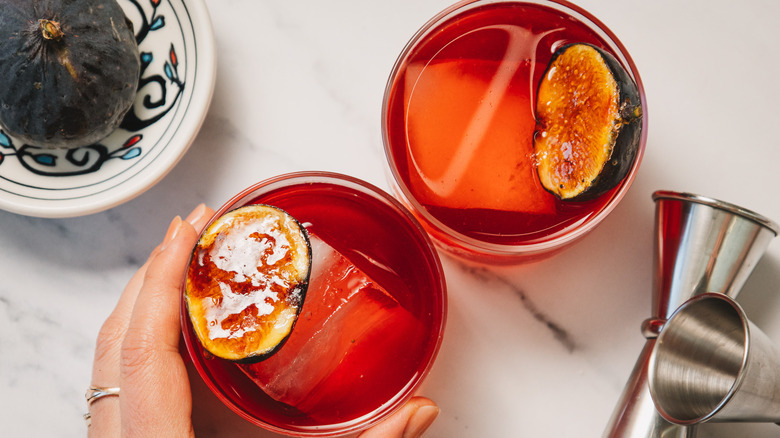
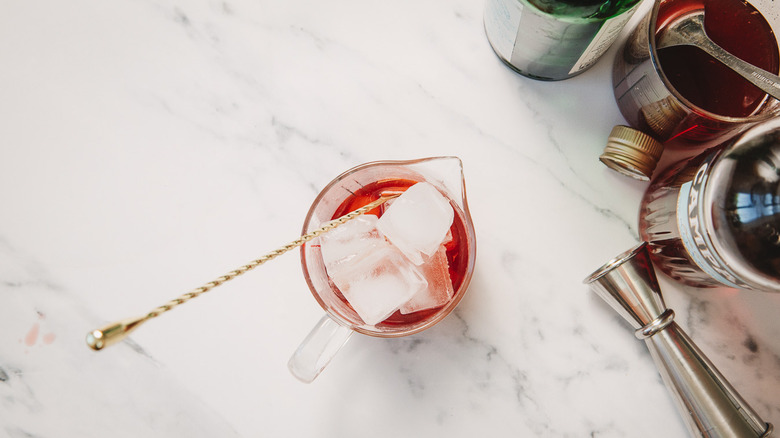
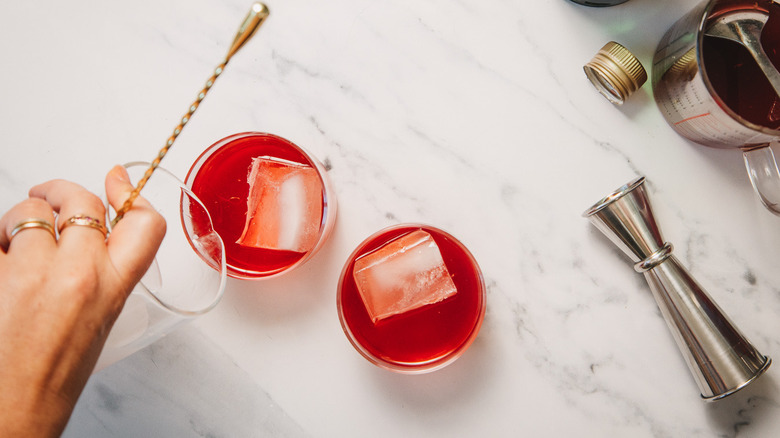
Once the infusion is strained and stored, the assembly of the Negroni remains consistent with traditional methods: two ounces of the infused gin, one ounce of Campari, and one ounce of sweet vermouth, stirred over ice in a mixing glass for at least 30 seconds to achieve proper dilution and temperature. The final presentation in a rocks glass, finished with the brulèed fig, offers a balanced, professional-grade cocktail that highlights the potential of seasonal ingredients in classic mixology. As the culinary landscape continues to prioritize local, seasonal, and artisanal inputs, recipes such as this provide a blueprint for the future of the home bar, proving that time, when applied correctly, is perhaps the most important ingredient in any craft cocktail.
