
Despite its almost mythical status in the fast-food landscape, In-N-Out Burger, a beloved West Coast institution, isn’t immune to criticism. While many laud its commitment to fresh ingredients, consistent quality, and a streamlined menu, a vocal segment of its fanbase and casual diners have identified several aspects that detract from the overall experience. These critiques, frequently aired on platforms like Reddit and Facebook, range from operational frustrations to specific food quality concerns, painting a more nuanced picture of a brand often perceived as flawless. This article delves into the seven most commonly cited complaints about In-N-Out, examining the reasons behind them and the broader implications for the chain and its patrons.
The Persistent Problem of Enormous Lines
Perhaps the most ubiquitous complaint leveled against In-N-Out is the sheer length of its queues, particularly at the drive-thru. It appears that no matter the day or time, a line of cars is an almost guaranteed feature of an In-N-Out visit. While the presence of a line can often be interpreted as a testament to a product’s popularity, for many, the wait times at In-N-Out cross the threshold from acceptable to exasperating. Anecdotal reports from loyal customers and occasional visitors frequently mention drive-thru waits stretching to an hour during peak dinner rushes.
This lengthy wait can be attributed to several factors. Firstly, the consistently high demand for In-N-Out’s offerings means more cars are vying for service. Secondly, the chain’s commitment to preparing orders fresh, rather than holding pre-made items, inherently extends the preparation time per order. This meticulous approach, while contributing to quality, directly impacts throughput. The result is a bottleneck that can significantly test the patience of even the most ardent fan.
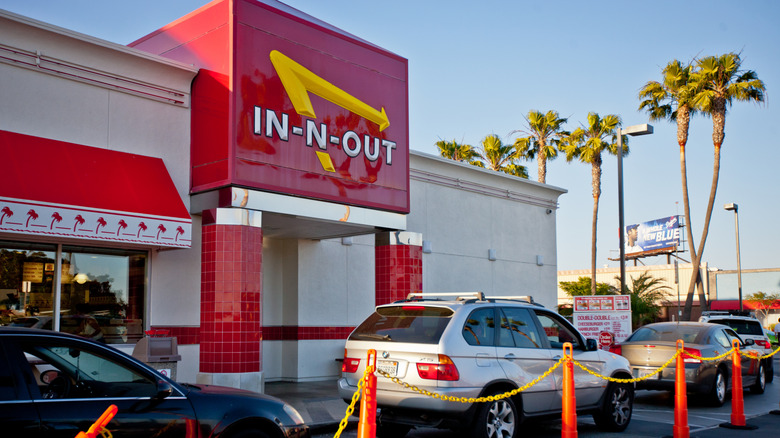
The issue is so pronounced in some areas that it has necessitated traffic management plans. For instance, the In-N-Out location in Lone Tree, Colorado, implemented a complex queuing system involving designated waiting areas and cones to manage the overflow of cars, preventing them from obstructing public roads and ensuring the safety of customers and other motorists. This proactive measure underscores the severity of the traffic congestion problem, transforming what should be a simple fast-food stop into a significant logistical challenge. While the long lines are undeniably a symptom of In-N-Out’s success, they also represent a tangible barrier for customers seeking a quick and convenient meal. The dichotomy of desiring fresh, high-quality food versus enduring an extended wait is a central tension for many who frequent the chain.
The Controversial Case of the Fries
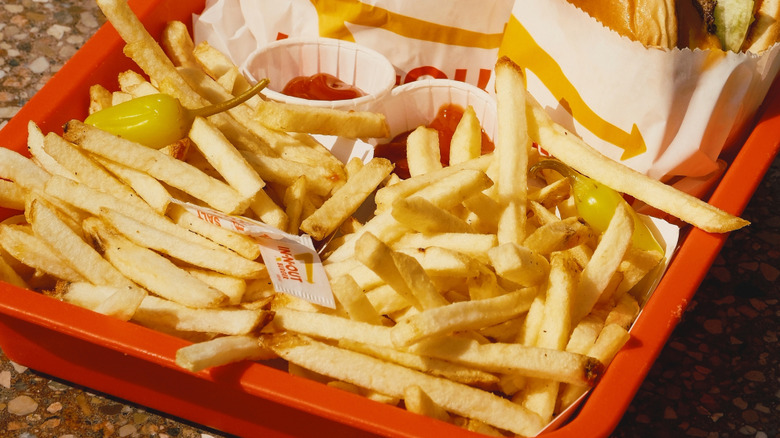
When In-N-Out’s menu is discussed, one item that consistently draws negative attention is its french fries. Unlike the widespread adoration for its burgers, the fries are a frequent target of online criticism. Reddit, in particular, hosts numerous threads where users passionately debate the perceived shortcomings of In-N-Out’s fries, with comments often escalating to descriptions like "styrofoam" or "garbage."
The core of the issue appears to be texture and flavor. Many find the fries to be insufficiently crisp, lacking the satisfying crunch that is a hallmark of well-prepared fries. Some attribute this to the potatoes being cut too thinly, leading to a faster loss of moisture and a softer, more pliable texture. Others point to the cooking process itself, suggesting they are not fried for long enough. This has led to a common workaround among patrons: ordering fries "well done" to achieve a crisper result. For those who prefer a softer fry, the "light-well" option is sometimes recommended, though the overall consensus remains that the standard preparation leaves much to be desired.
The type of oil used for frying is another speculated factor, though In-N-Out has historically maintained a commitment to using pure, high-quality vegetable oil. The rapid degradation of the fries’ quality once they leave the fryer is also a significant concern. For many, the ideal In-N-Out fry experience is fleeting, and consuming them even a few minutes after purchase can result in a noticeably inferior product.
To combat these issues, resourceful customers have developed "secret menu" hacks. Ordering fries "Animal Style," which involves topping them with cheese, a special spread, and grilled onions, is a popular method to enhance flavor and mask textural deficiencies. Similarly, the "Roadkill" fry order, a more complex customization, aims to create a richer, more satisfying dish. These workarounds highlight a community that is actively trying to salvage an otherwise disappointing component of the meal, demonstrating a dedication to the In-N-Out experience even when it requires extra effort.
The Constraints of a Limited Menu
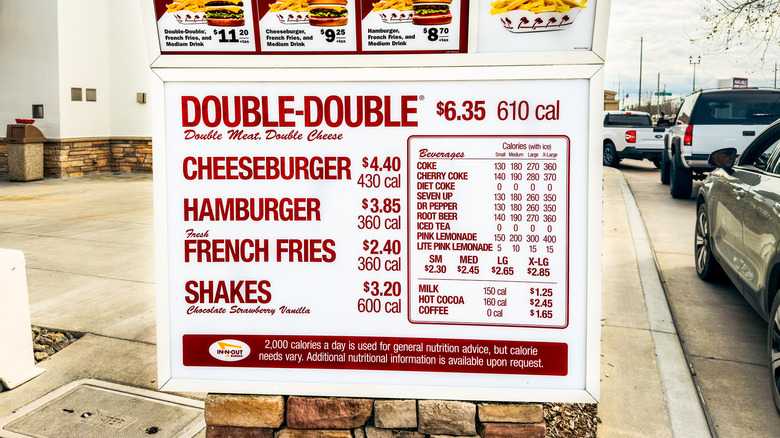
In an era where fast-casual dining often emphasizes extensive customization and a wide array of options, In-N-Out’s famously concise menu stands out. While proponents argue this focus on a few core items allows for superior quality control and efficiency, many customers find the limited selection to be a significant drawback. The menu primarily consists of burgers, fries, and shakes, with a few well-known "secret menu" items that are essentially variations on these staples.
This lack of variety means customers won’t find popular additions common at other burger joints, such as barbecue sauce, turkey burgers, or alternative cheese options beyond American. The absence of bacon, a staple for many burger enthusiasts, is particularly noted, with some customers resorting to bringing their own to add to their burgers. The desire for more flexibility is so strong that a petition was once circulated advocating for the addition of ranch dressing to the menu.
The signature spread, often described as a Thousand Island-like dressing, is another point of contention for some. While beloved by many, its distinct flavor profile isn’t universally appealing, and the lack of alternative condiments like ketchup or mayonnaise as standard options can be frustrating for those who prefer different flavor profiles.
The debate over the limited menu is polarized. On one hand, loyalists argue that the simplicity allows In-N-Out to perfect its core offerings and maintain high standards. They believe that adding more items would complicate operations and dilute the brand’s focus. On the other hand, a segment of the customer base yearns for greater choice, viewing the restricted menu as a missed opportunity for broader appeal. For individuals who seek diverse culinary experiences or have specific dietary preferences, In-N-Out’s menu can feel restrictive, leading to a feeling of being underserved. This tension between simplicity and variety is a recurring theme in discussions about the brand.
The Debate Over Patty Size
The size of In-N-Out’s burger patties has become a recurring point of discussion and concern among consumers. Many customers perceive the patties to be notably thin, often leading them to opt for the "Double-Double" or even larger variations like the "4×4" (four patties and four slices of cheese) to achieve a more substantial meal. This perception has fueled speculation about "shrinkflation," the phenomenon where product sizes decrease while prices remain the same or increase slightly.
Customer complaints frequently express a feeling that the patties have become smaller over time, contributing to a less satisfying burger experience. This sentiment is often tied to changes in calorie counts. For example, historical data suggests a hamburger patty’s calorie count has decreased from approximately 390 to 350 calories. While some attribute this directly to a reduction in patty size, others propose alternative explanations, such as changes in the type or amount of oil used in preparation.
A significant point of contention arises from claims made by individuals identifying as long-time employees. Some have stated on online forums, such as Reddit, that the patty size has remained consistent at 2 ounces pre-cooked for decades. They suggest that the perception of smaller patties might be subjective, perhaps influenced by personal growth or changes in how the burgers are assembled. One individual, claiming over 20 years of experience, shared on Reddit, "Patties have always been ¼ of a lb," implying a consistent weight. However, the discrepancy between customer perception and alleged internal consistency continues to fuel the debate.
The implication of this debate extends beyond mere satisfaction. If the patties have indeed remained a consistent size, then the perception of them being "thin" is a fundamental characteristic of the In-N-Out burger. If they have shrunk, it represents a subtle but impactful change in the product that has gone unnoticed by some but is keenly felt by others. Regardless of the objective truth, the subjective experience of thin patties remains a persistent criticism, influencing ordering habits and overall customer sentiment. A "4×4," which might sound imposing, is, by this accounting, only half a pound of meat, a quantity that some find less substantial than anticipated.
The Conundrum of the "Secret Menu"
While In-N-Out’s "secret menu" has achieved a near-legendary status, it also represents a point of frustration for a significant portion of its customer base. The concept of a secret menu implies a level of insider knowledge, where patrons must be privy to specific item combinations or preparation requests to unlock the full potential of the In-N-Out experience. For many, this is seen as an unnecessary hurdle, suggesting that if certain customizations enhance the food, they should be standard offerings.
The sentiment, often expressed on platforms like Reddit, is that customers shouldn’t have to undertake extensive research or make multiple visits to decipher a "secret code" to get their burger the way they want it. One user articulated this frustration by stating, "I shouldn’t have to do a bunch of research and/or make multiple visits to figure out the ‘secret code’ for getting a burger the way I want." This perspective argues that a truly great menu should be intuitive and accessible to all patrons, regardless of their familiarity with the brand’s nuances.
The challenge is particularly acute for out-of-town visitors or those who only have the opportunity to visit In-N-Out infrequently. For them, deciphering the secret menu is not a casual endeavor but a significant undertaking that can detract from the overall dining experience. While some existing customers actively encourage newcomers to explore the secret menu, highlighting how it can elevate their meals, the underlying principle of requiring such knowledge remains a point of contention.
Furthermore, there’s a segment of the population that believes the "secret menu" items are not particularly remarkable and do not warrant the effort required to order them. This perspective suggests that the mystique surrounding the secret menu may outweigh its actual culinary benefits. The underlying issue is that the perceived need for a "secret menu" implies that the standard offerings, or the way they are presented, are somehow incomplete, necessitating these unofficial modifications to achieve optimal satisfaction.
The Oddity of Napkins Placed Over Food
A peculiar and frequently discussed operational practice at In-N-Out is the placement of napkins directly on top of the food, particularly burgers. This seemingly innocuous action has become a notable point of annoyance for many customers. At first glance, it can appear careless, messy, or even unsanitary, especially when cheese or burger grease inevitably adheres to the napkin.
The primary complaint revolves around the usability of the napkin. When a napkin is pressed against a hot, greasy burger, it can become saturated and stick to the cheese, leading to an unpleasant experience. Customers often report having to painstakingly pick off small shreds of napkin from their burgers, a tedious task that detracts from the enjoyment of the meal. The adhesion to the cheese is particularly vexing, as it can result in the loss of some of the melted cheese itself.
The rationale behind this practice is a subject of much speculation and debate among patrons and observers. Some believe it is a store policy designed to absorb excess grease and maintain the warmth of the food. Others suggest it is a way to keep the toppings, such as lettuce and tomatoes, in place. However, the effectiveness and logic of this method are questioned by many, who argue that it creates more problems than it solves.
Despite the controversy, the practice persists. It serves as a small, yet persistent, example of how a seemingly minor operational detail can become a significant point of irritation for a vocal segment of the customer base. For some, it’s so bothersome that it’s cited as "the worst thing about In-N-Out." While it’s a minor inconvenience in the grand scheme of things, it highlights how even beloved brands can have operational quirks that alienate or annoy their patrons, underscoring the importance of customer perception in every aspect of the dining experience. It’s a reminder that sometimes, the most straightforward approach is the most appreciated.
The "Cult-Like" Devotion of Fans and Employees
One of the most striking, and for some, off-putting, aspects of the In-N-Out phenomenon is the intense and unwavering dedication exhibited by both its fans and employees. This "cult-like" devotion is frequently observed in online discussions, where any form of criticism or even a neutral question about the brand is met with a barrage of enthusiastic defenses.
Customers who dare to question aspects like patty size or express a desire for menu expansion often find themselves facing a united front of loyalists eager to extol the virtues of In-N-Out. This unwavering defense can come across as dismissive or even aggressive to those with dissenting opinions. One Reddit user aptly described this phenomenon: "They just echo whatever the company does like NPCs running a script." This comparison to non-player characters in video games highlights the perception that employees and some fans operate with a pre-programmed loyalty that leaves little room for objective discussion or constructive criticism.
This intense allegiance can be particularly jarring for individuals who are new to In-N-Out or have had only a few experiences with the chain. The sheer fervor surrounding the brand can create an impression of an insular community, where adherence to the In-N-Out ethos is paramount. While this dedication fosters a strong brand identity and a loyal customer base, it can also create an environment where genuine critique is stifled.
There is, of course, a spectrum of opinions. Not everyone who enjoys In-N-Out exhibits this level of devotion. Many fall into a middle ground, appreciating the food as good but perhaps overrated, and acknowledging the brand’s strengths without succumbing to what they perceive as hyperbole. However, the vocal minority of intensely loyal fans and employees often dominates online discourse, shaping the narrative around the brand. This intense loyalty, while a powerful asset for In-N-Out, can also alienate potential customers who are put off by what they perceive as an almost dogmatic adherence to the brand’s principles, especially when coupled with the company’s history of facing various scandals over the years, which might also prompt a more critical evaluation of the "burger cult."
