
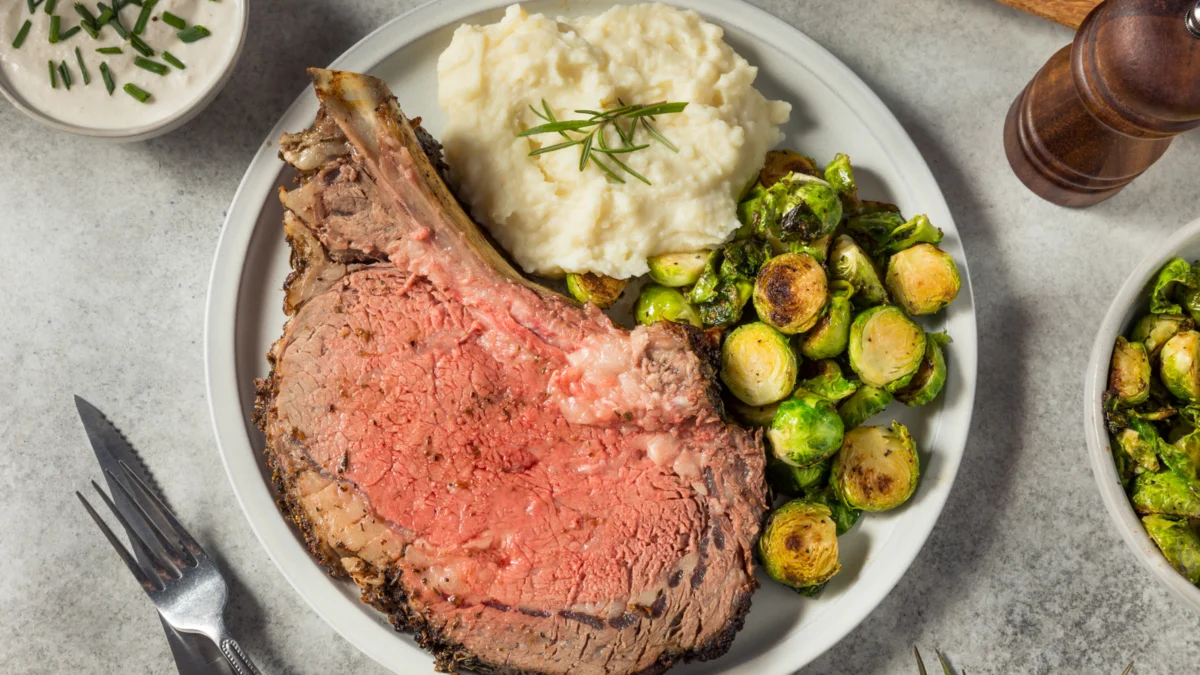
There are numerous culinary techniques available to enhance the inherent flavors of a prime rib roast, ranging from the application of marinades to the precise injection of seasoned liquids. However, for a cut as substantial and dense as prime rib, methods like marinating pork chops in ginger beer or injecting a turkey with Cajun butter might prove less effective in achieving deep, pervasive flavor. A more direct and impactful approach involves strategically creating small incisions in the meat, allowing for the insertion of aromatics such as garlic and herbs. This technique ensures that the prime rib is imbued with rich, complex flavors not only on its surface but also within its core.
This effective method was recently showcased on TikTok by Cassie Yeung, a celebrated author known for her New York Times bestselling cookbook, "Bad B*tch in the Kitch." Yeung presented her "favorite thing to make for Christmas" – a perfectly cooked medium-rare prime rib, complemented by a classic au jus and a zesty horseradish cream sauce. Her demonstration begins with the preparation of a flavor-packed compound butter. This butter is crafted by softening a stick of unsalted butter and then thoroughly mixing in finely chopped fresh rosemary and thyme. The herbaceous blend is further enhanced with garlic powder, onion powder, Tony Chachere’s Creole Seasoning (the specific variety was not detailed in the video, but this seasoning is known for its robust blend of salt, cayenne pepper, and other spices), Dijon mustard, Worcestershire sauce, salt, and freshly ground black pepper. The inclusion of Tony Chachere’s seasoning, a staple in Cajun and Creole cuisine, introduces a layer of savory depth and a hint of spice that complements the richness of the prime rib.
Following the preparation of the compound butter, Yeung employs a paring knife to meticulously create small, deep holes across the upper surface of the prime rib roast, which has been thoroughly patted dry to ensure optimal searing. She then dips slivers of fresh garlic into the prepared butter mixture, using it as a lubricant to facilitate their insertion into the pre-made holes. To further amplify the aromatic infusion, she sandwiches additional rosemary sprigs around the garlic slivers before pushing them deep into the incisions. Yeung notes that a chopstick can be a valuable tool for ensuring these flavor-packed additions are securely positioned within the roast. Once the garlic and herbs are artfully embedded, the entire surface of the prime rib is generously slathered with the remaining compound butter. The roast is then placed in a roasting pan, surrounded by chopped vegetables and any leftover herbs, ready for its transformation in the oven.
The cooking process Yeung outlines begins with a high-heat sear at 500 degrees Fahrenheit for the initial 15 minutes. This intense heat is crucial for developing a beautiful, caramelized crust on the exterior of the prime rib, a hallmark of expertly cooked roasts. Following this initial blast of heat, the oven temperature is reduced to 325 degrees Fahrenheit for the remainder of the cooking time. The general guideline provided is an additional 13 minutes of cooking per pound of meat. This two-stage cooking method, known as the high-heat sear followed by a lower, slower roast, is a widely recognized technique for achieving both a perfectly browned exterior and a tender, evenly cooked interior for large cuts of meat like prime rib. The USDA recommends an internal temperature of 145°F for medium-rare beef, and for a prime rib, this typically translates to approximately 13-15 minutes per pound at 325°F after the initial sear.
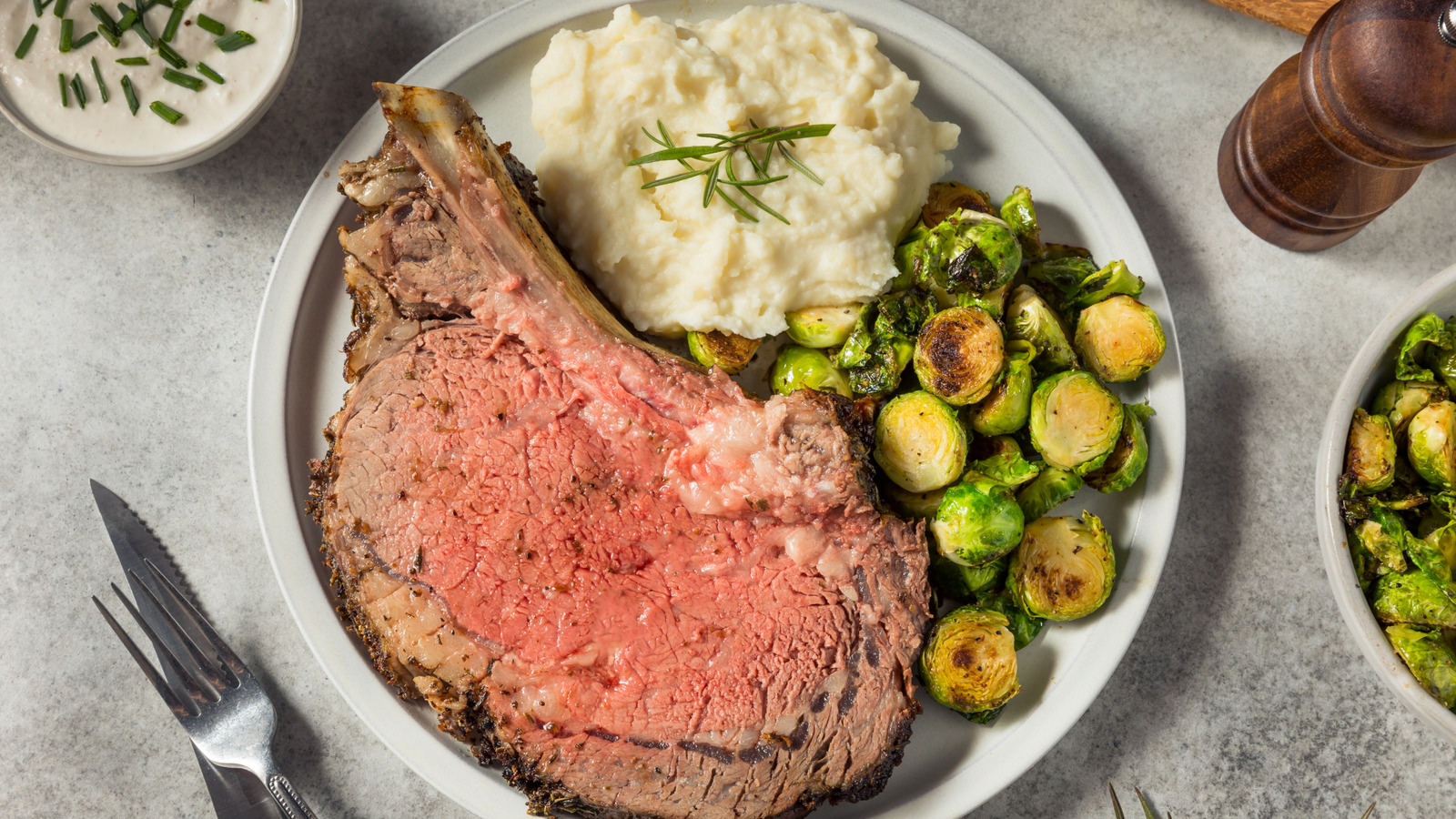
Expanding the Culinary Horizon: Compound Butters and Alternative Cooking Methods
While Cassie Yeung’s compound butter recipe is undeniably appealing, particularly due to the inclusion of Dijon mustard, a key ingredient for achieving that desirable dark, flavorful crust on prime rib, the technique of stuffing the roast offers a prime opportunity to explore the vast and delicious world of compound butters. This method allows home cooks to experiment with a diverse range of flavor profiles. For those seeking inspiration, an exploration of various compound butters recommended for steak can readily be adapted for prime rib. Options such as anchovy butter, for instance, can introduce an intense umami depth that is particularly well-suited to rich cuts of beef. The choice of compound butter ultimately depends on individual palate preferences and the desired flavor complexity of the final dish. The versatility of this stuffing technique means that virtually any herb, spice, or aromatic can be incorporated, allowing for endless customization.
Beyond the traditional oven roasting method, considering alternative cooking techniques can further elevate the prime rib experience. For instance, cooking the roast on a smoker can impart a distinct smoky flavor that beautifully complements the beef’s natural richness. However, it is important to note that smoking significantly alters cooking times. A smoker maintained at a consistent temperature of 225 degrees Fahrenheit, for example, could require approximately 35 minutes per pound for the prime rib to reach even a rare internal temperature. This extended cooking time necessitates careful planning and monitoring to ensure the roast is cooked to perfection without becoming dry. The controlled environment of a smoker allows for a gradual, even cooking process, which can result in an exceptionally tender and flavorful roast, especially when combined with the internal infusion of aromatics.
The Art of Flavor Infusion: Beyond Garlic and Herbs
The core of Yeung’s technique lies in the strategic insertion of flavor. While garlic and rosemary are classic pairings for prime rib, the possibilities for internal flavoring are virtually limitless. One could consider incorporating slivers of shallots, minced anchovies for an umami boost, or even finely chopped sun-dried tomatoes for a touch of sweetness and tang. The butter mixture itself can be customized with a variety of spices. For example, a blend of smoked paprika and cumin could introduce a subtle smokiness and earthy warmth, while a touch of chili flakes could add a gentle heat. Fresh herbs like thyme, sage, or marjoram can also be used individually or in combination, each offering a distinct aromatic profile. The key is to ensure that the ingredients are finely minced or slivered to facilitate their insertion and even distribution within the roast.
When it comes to the cooking temperature and time, precision is paramount for achieving the desired level of doneness. For a medium-rare prime rib, an internal temperature of 130-135°F (54-57°C) is typically targeted. Using a reliable meat thermometer is essential for accurate temperature readings. The initial high-heat sear at 500°F for 15 minutes is designed to create a Maillard reaction on the surface, resulting in browning and flavor development. Subsequently reducing the temperature to 325°F allows the interior of the roast to cook gently and evenly without overcooking the exterior. The resting period after cooking is also critical; allowing the prime rib to rest for at least 15-20 minutes before carving helps to redistribute the juices throughout the meat, ensuring a more tender and flavorful final product. This resting phase allows the muscle fibers to relax, preventing the juices from escaping when the meat is cut.
Accompaniments and Culinary Considerations
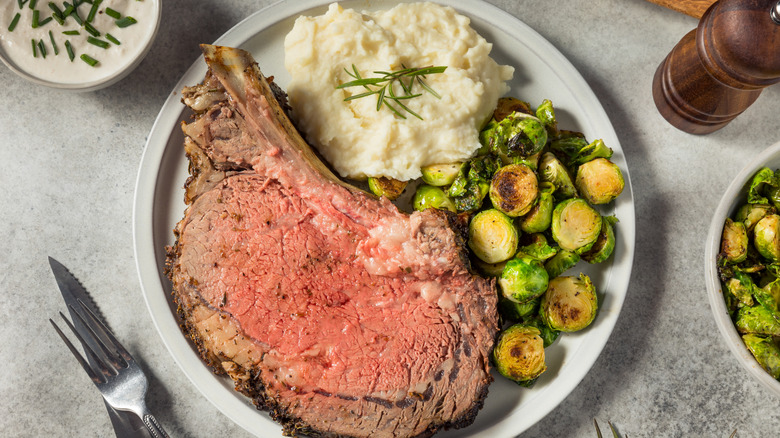
Regardless of the chosen cooking method or the specific aromatics used for internal flavoring, the prime rib will undoubtedly benefit from carefully selected side dishes. Classic pairings such as creamy mashed potatoes, roasted Brussels sprouts, or a simple green salad are always excellent choices. However, for those seeking a more elevated experience, consider the steakhouse-endorsed option of fat-roasted potatoes. These potatoes, typically roasted in beef fat or rendered bacon fat, achieve an unparalleled crispiness and depth of flavor. The richness of the potatoes provides a delightful contrast to the tender, flavorful prime rib.
An important consideration for those employing this garlic-stuffing technique is the final presentation and consumption of the garlic itself. While some enthusiasts at Tasting Table find the idea of an overly garlicky prime rib to be an appealing prospect, it is acknowledged that not all palates may share this preference. In such cases, the stuffed garlic cloves and herbs can be removed before serving, allowing diners to enjoy the subtle, infused flavors without the intensity of eating the cooked garlic directly. This offers a nuanced approach to flavor enhancement, where the aromatics serve their purpose during the cooking process without necessarily being consumed. The subtle essence they impart can elevate the overall dining experience, providing a sophisticated layer of flavor that is both complex and harmonious.
The practice of stuffing roasts with aromatics is not a new culinary trend, but rather a time-honored technique that has been employed across various cuisines for centuries. The Romans, for example, were known to stuff meats with herbs and spices to enhance their flavor. In French cuisine, the term "barder" refers to wrapping meat in fat, but also often involves inserting aromatics into the meat itself to improve moisture and flavor. This method, as demonstrated by Cassie Yeung, brings a modern twist to an ancient practice, making it accessible and highly effective for home cooks looking to impress. The simplicity of the tools required—a paring knife and potentially a chopstick—belies the sophisticated results that can be achieved. This technique underscores the principle that even the most impressive dishes can be elevated through thoughtful and precise application of fundamental culinary methods. The ongoing popularity of prime rib as a celebratory meal, particularly during holiday seasons, ensures that such techniques for flavor enhancement will continue to be explored and refined by home cooks and professional chefs alike. The ability to imbue a large cut of meat with profound flavor from the inside out is a testament to the power of simple yet ingenious culinary interventions.
