
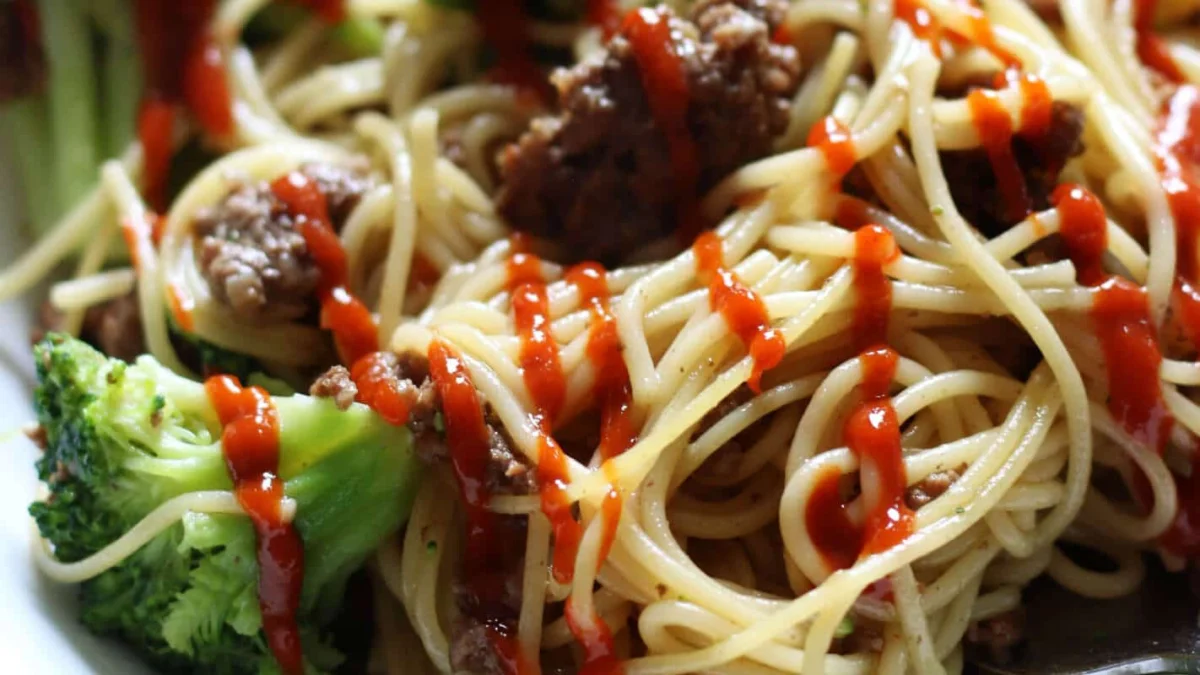
The landscape of modern home gastronomy has undergone a radical transformation over the last decade, driven by the dual pressures of diminishing leisure time and a heightened consumer demand for diverse, global flavor profiles. Central to this shift is the emergence of high-efficiency kitchen technology, specifically the electric multicooker, which has paved the way for dishes like Sticky Beef Noodles—a one-pot culinary solution that integrates tenderized beef, cruciferous vegetables, and delicate pasta within a remarkably brief operational window. This dish, characterized by its two-minute pressure-cooking duration, exemplifies a broader movement toward "one-pot" nutrition, where protein, carbohydrates, and fiber are synthesized in a single vessel to minimize labor and maximize nutritional output.
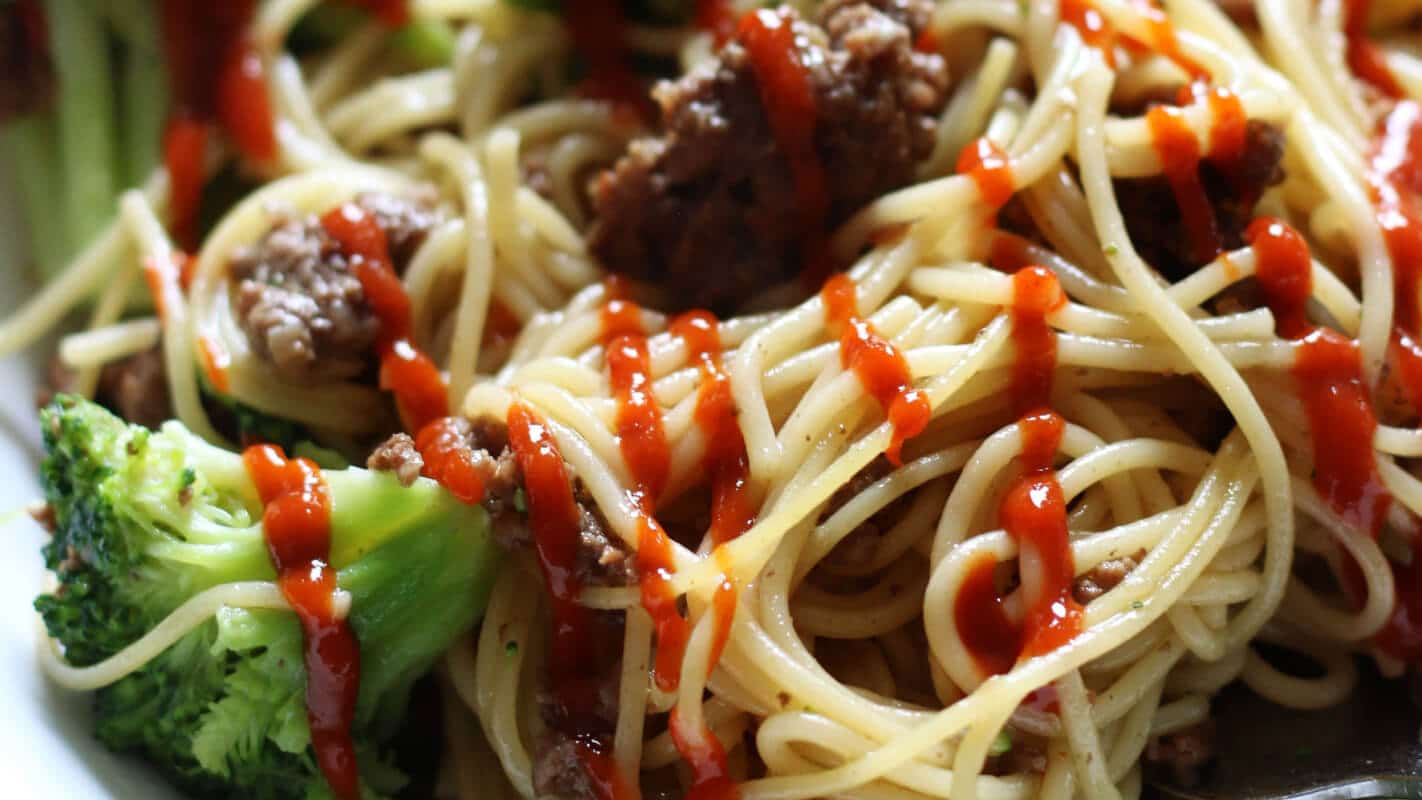
The Evolution of High-Efficiency Home Gastronomy
The contemporary kitchen is no longer merely a site for traditional food preparation; it has become an arena for efficiency-oriented engineering. The Sticky Beef Noodles recipe utilizes the Instant Pot’s unique pressurized environment to achieve in minutes what would historically require hours of braising. By employing a sweet chili sauce base complemented by the pungent aromatics of garlic and ginger, the dish bridges the gap between traditional Asian stir-fry techniques and Western convenience cooking.
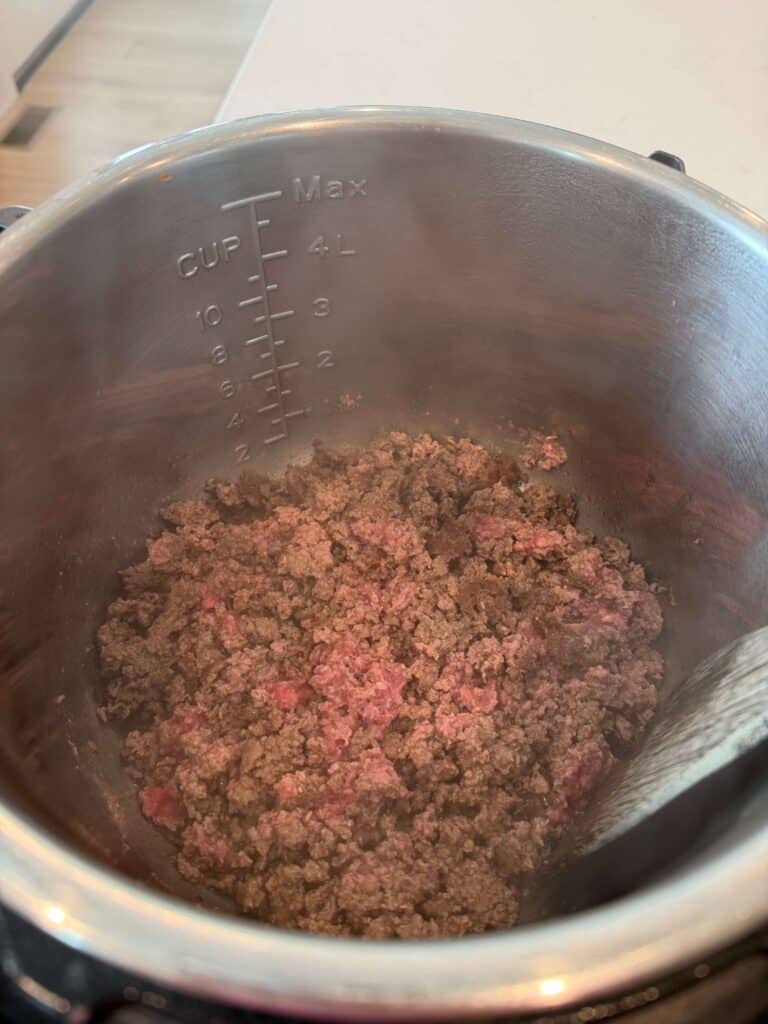
Historically, beef and noodle dishes required separate preparation stages: the boiling of pasta, the searing of meat, and the independent steaming of vegetables. The innovation of the Sticky Beef Noodles method lies in its sequential layering. The process begins with the browning of ground or sliced beef using the sauté function, a critical step that triggers the Maillard reaction—a chemical reaction between amino acids and reducing sugars that gives browned food its distinctive flavor. This foundational layer of flavor is then deglazed with water, ensuring that the "fond" or caramelized bits are integrated into the final sauce, preventing the "burn" errors common in high-pressure cooking.
Technical Chronology of Preparation
The methodological approach to Sticky Beef Noodles is defined by a strict adherence to timing and temperature control.
- The Searing Phase: The multicooker is set to the high-heat sauté function. Once the vessel reaches the optimal thermal threshold, the beef is introduced. A five-minute browning period follows, during which the protein is fragmented to increase surface area exposure. Excess lipid content is drained to ensure the final sauce maintains its "sticky" rather than oily consistency.
- Aromatic Integration: Freshly grated gingerroot and minced garlic are introduced to the residual heat. These aromatics are briefly toasted to release essential oils without reaching the point of carbonization.
- The Deglazing and Layering Phase: Water is added to halt the sautéing process and provide the necessary steam-generation liquid. At this juncture, a mixture of brown sugar, soy sauce, and vinegar is introduced. These components establish the "Sticky" profile—the sugar provides viscosity and caramelization, the soy sauce contributes umami and salinity, and the vinegar offers a necessary acidic counterbalance.
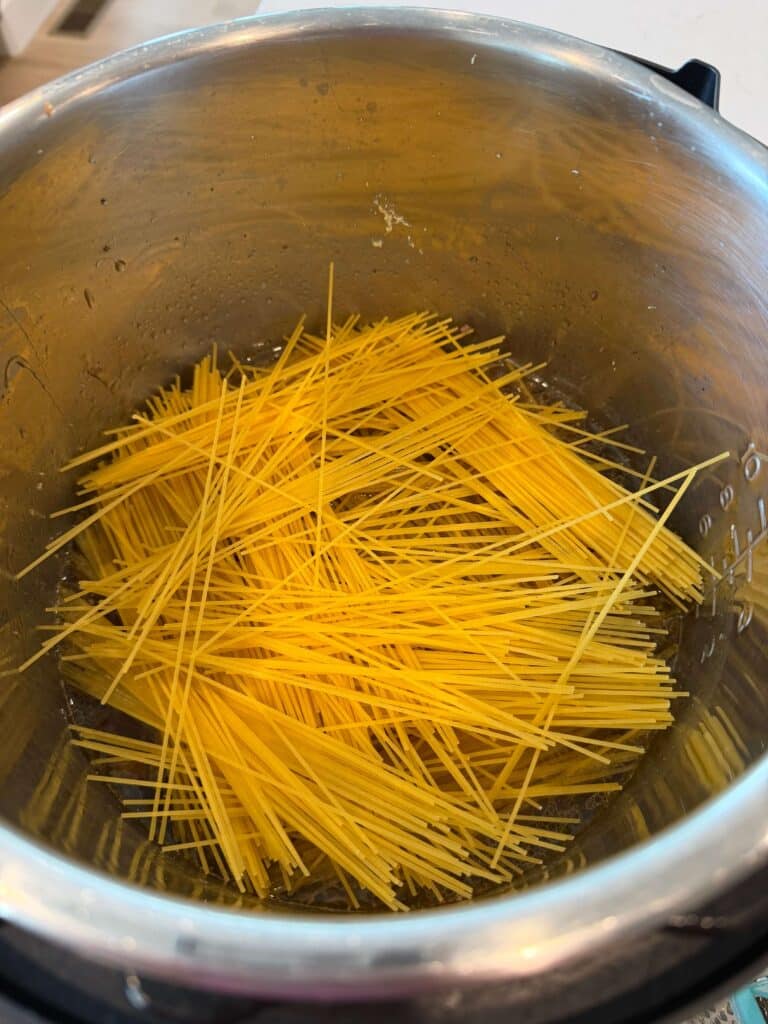
- The Pasta Strategy: Angel hair noodles, selected for their rapid hydration properties, are broken in half and arranged in a "criss-cross" pattern. This specific orientation is vital in pressure cooking to prevent the pasta from clumping into a singular, uncookable mass.
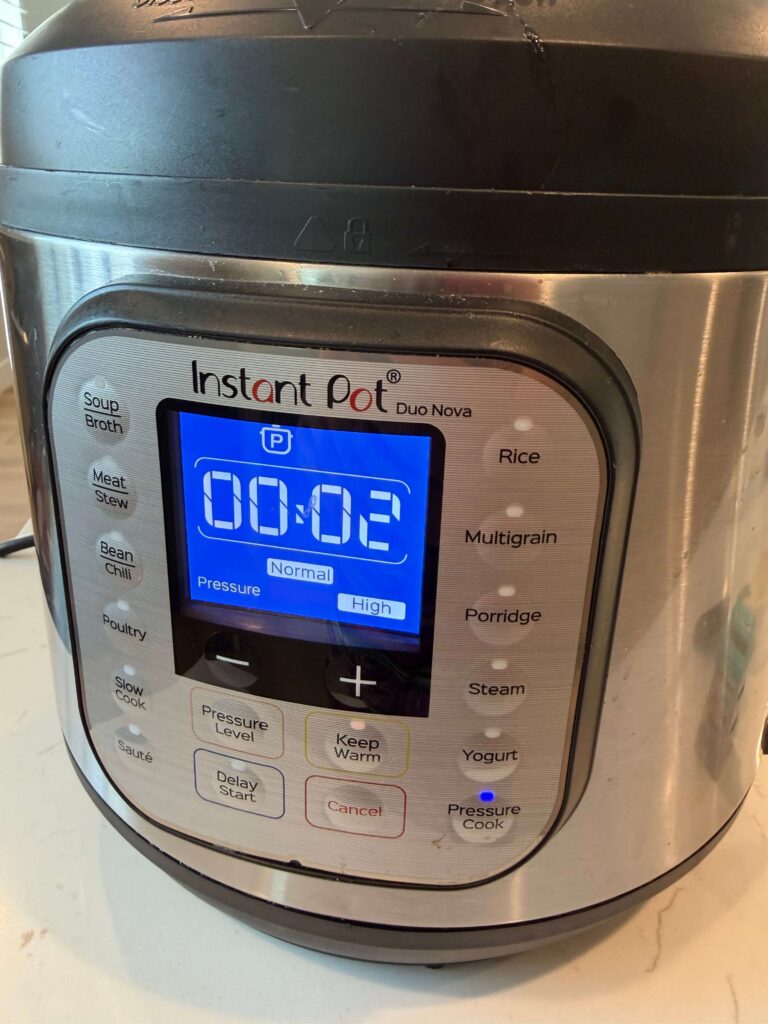
- The Pressurized Cycle: The unit is sealed and subjected to two minutes of high pressure. This is followed by a five-minute "natural release" period, allowing the internal temperature to stabilize and the pasta to reach an al dente state without becoming mushy.
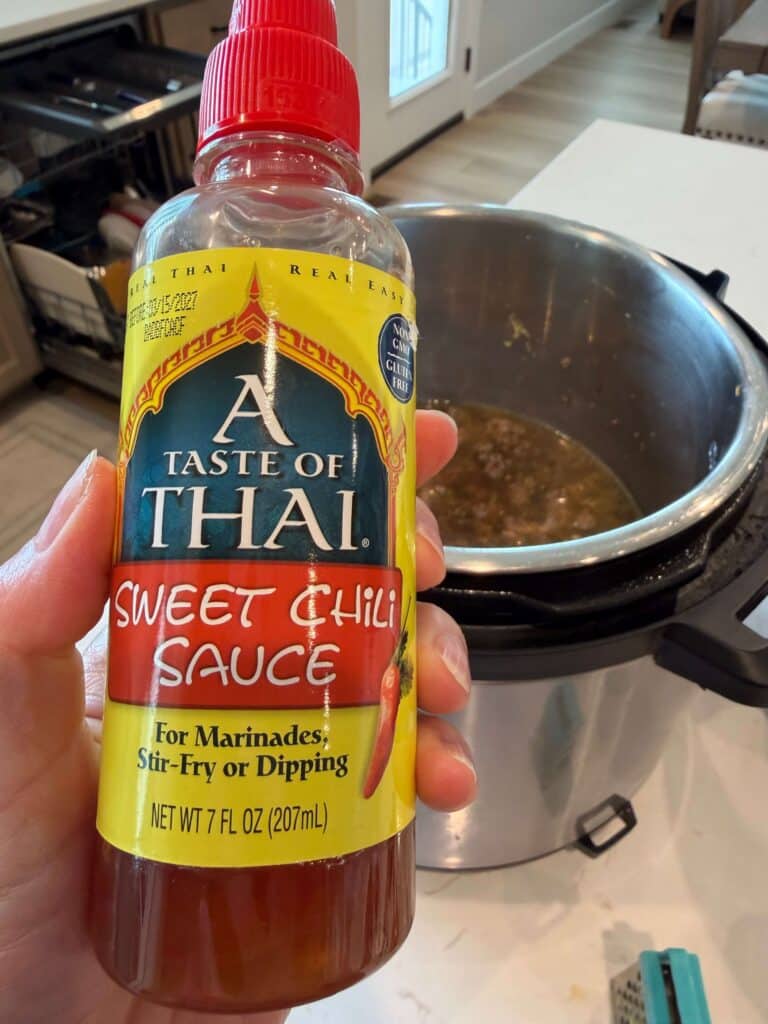
- The Final Assembly: Post-pressurization, steamed broccoli and sweet chili sauce are folded into the mixture. The residual heat of the beef and noodles thickens the sauce, creating the signature glaze that defines the dish.
Ingredient Profiles and Nutritional Synergy
The selection of ingredients in the Sticky Beef Noodles ensemble is not merely aesthetic but functional. The use of ground beef provides an accessible, cost-effective protein source that distributes evenly throughout the noodles, ensuring a consistent protein-to-carb ratio in every serving. For consumers seeking alternatives, the methodology supports substitutions such as thinly sliced flank steak or even plant-based protein crumbles, provided the fat-management steps are adjusted accordingly.
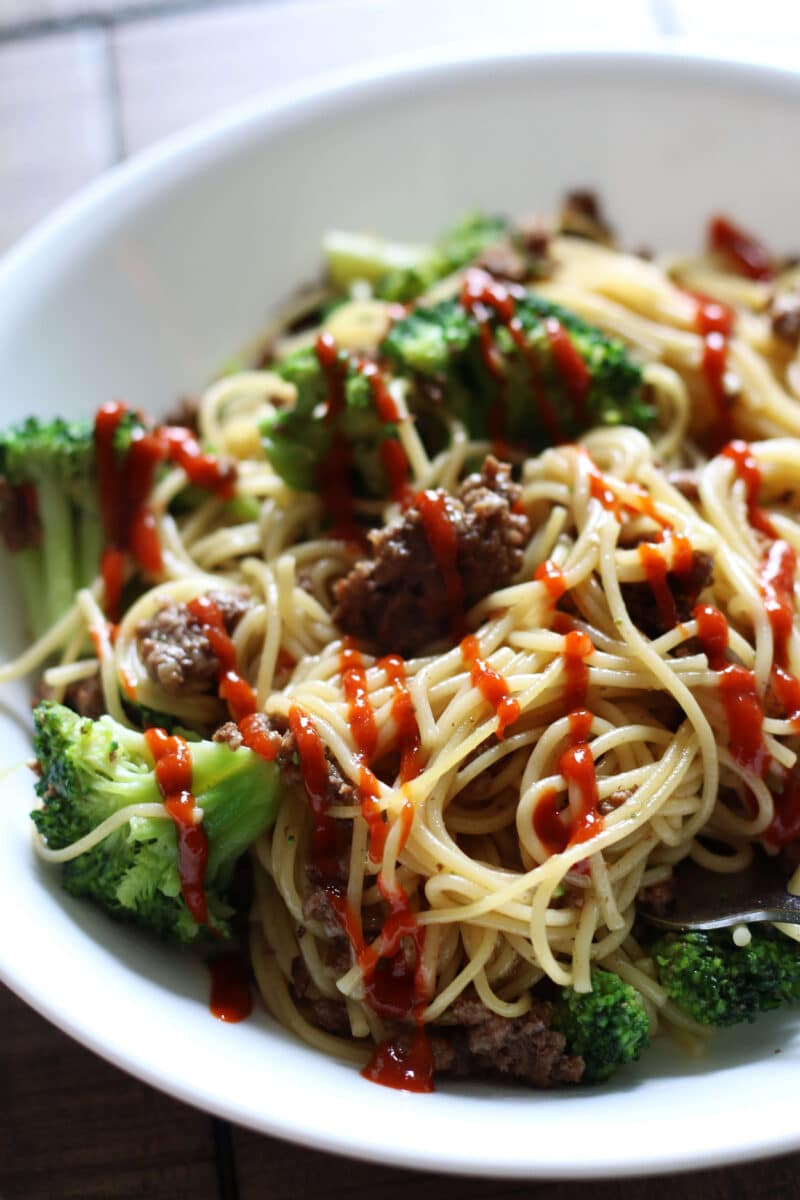
Broccoli, the primary vegetable component, serves as a nutritional anchor. As a cruciferous vegetable, it provides significant amounts of Vitamin K, Vitamin C, and fiber. By steaming the broccoli separately (often via a microwave-in-bag method), the cook ensures that the vegetable retains its structural integrity and vibrant chlorophyll pigmentation, which would otherwise be lost if subjected to the high-pressure environment alongside the beef.
The sauce’s flavor profile relies on the "trinity" of sweet, salty, and sour. The brown sugar provides a deep, molasses-tinted sweetness that adheres to the noodles. The soy sauce acts as a fermentation-derived salt source, while the vinegar—ideally rice vinegar or apple cider vinegar—provides the brightness needed to cut through the richness of the beef. The optional addition of sriracha or green onions allows for individual customization of heat and freshness, catering to the varying palates of a multi-generational household.
The "Fakeaway" Phenomenon: Economic and Social Drivers
The rise in popularity of recipes like Sticky Beef Noodles is inextricably linked to the "fakeaway" movement—a portmanteau of "fake" and "takeaway." As global inflation impacts the hospitality sector, the cost of restaurant-quality Asian fusion meals has risen significantly. Supporting data from consumer research firms suggests that middle-income households are increasingly substituting Friday night takeout with home-cooked "one-pot" meals that mimic the flavor profiles of popular restaurant chains.
The economic efficiency of Sticky Beef Noodles is substantial. A standard portion of beef, a head of broccoli, and a box of angel hair pasta can feed a family of four for a fraction of the cost of four individual restaurant entrees. Furthermore, the total active labor time—estimated at approximately 15 to 20 minutes—competes directly with the delivery times of most third-party apps, making the home-cooked option both more economical and time-efficient.
Comparative Analysis of Asian-Fusion Multicooker Cuisine
Sticky Beef Noodles exists within a broader ecosystem of "Instant Pot Asian" recipes that have gained viral status on social media platforms like Pinterest and TikTok. To understand its impact, one must look at related culinary developments:
- Korean BBQ Beef Bowls: Similar to the sticky noodles, this dish utilizes sesame oil and pear juice or sugar to create a glazed finish, though it typically emphasizes rice over pasta.
- Bang Bang Beef Casserole: This variant introduces a creamy element, often through the use of mayonnaise or sour cream mixed with chili sauce, representing a more Westernized "casserole" interpretation of Asian flavors.
- Potsticker Soup: A liquid-based alternative that uses many of the same aromatics (ginger, garlic, soy) but focuses on dumplings and broth, highlighting the versatility of the multicooker in handling different textures.
These recipes share a common DNA: they prioritize the "dump and start" method, where multiple ingredients are added to the pot with minimal intervention. This reduces the cognitive load on the home cook, who may be balancing professional responsibilities with domestic management.
Technological Impact and the Future of Home Cooking
The success of the Sticky Beef Noodles recipe is a testament to the engineering of the modern multicooker. Unlike the stovetop pressure cookers of the mid-20th century, which were often viewed with trepidation due to safety concerns, modern electric versions feature redundant safety valves and digital sensors that monitor internal pressure in real-time. This has democratized pressure cooking, allowing novice cooks to experiment with complex textures like "sticky" sauces and tenderized meats without fear of failure.
Market analysts predict that the multicooker market will continue to grow, with an expected compound annual growth rate (CAGR) of over 7% through the end of the decade. As these devices become smarter—integrating with Wi-Fi and recipe apps—dishes like Sticky Beef Noodles will likely be automated further, with sensors determining the exact second the pasta reaches perfection.
Conclusion: The Broader Implications
Sticky Beef Noodles is more than a simple weeknight meal; it is a case study in the evolution of the domestic kitchen. It represents the intersection of globalized taste, technological convenience, and economic pragmatism. By reducing the cooking time of a traditionally labor-intensive dish to just two minutes under pressure, it challenges our traditional definitions of "slow food" and "fast food," suggesting that high-quality, nutritionally balanced meals do not necessarily require hours of manual labor.
As home cooks continue to navigate a fast-paced world, the reliance on one-pot, high-efficiency recipes is expected to deepen. The Sticky Beef Noodles model—protein, vegetable, and starch unified by a complex, multi-layered sauce—provides a blueprint for the future of the American dinner table: a place where technology serves tradition, and where the world’s flavors are accessible to anyone with a multicooker and twenty minutes to spare. Through the careful balance of savory soy, sweet chili, and fresh aromatics, this dish secures its place as a staple of the modern culinary repertoire, proving that in the age of the Instant Pot, gourmet results are truly just a pressure-cycle away.
