
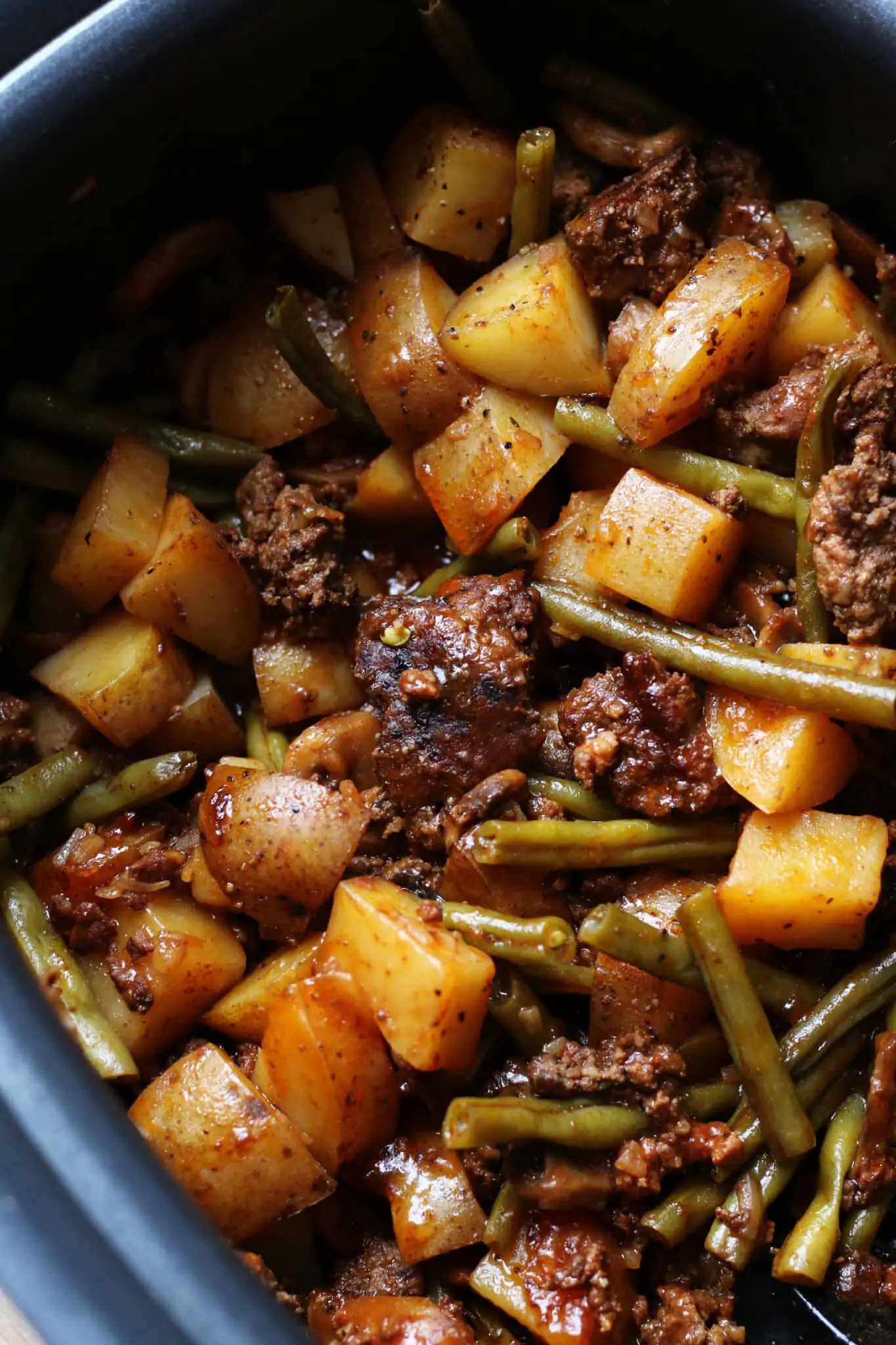
The culinary landscape of contemporary American households continues to evolve toward "one-pot" solutions that balance nutritional density with the logistical demands of modern scheduling. A prominent example of this trend is the Salisbury Steak Casserole, a sophisticated iteration of the classic mid-century beef patty dish, reimagined as a slow-cooked, multi-component meal. This specific preparation integrates lean ground beef, Yukon Gold potatoes, fresh green beans, and sliced mushrooms within a savory tomato-based broth. By consolidating protein, starch, and vegetables into a single cooking vessel, the dish addresses a growing consumer preference for efficiency without compromising the "comfort food" profile traditionally associated with the Salisbury steak lineage.
Historical Context and Culinary Evolution
To understand the significance of the Salisbury Steak Casserole, one must examine the origins of its namesake. The Salisbury steak was developed by Dr. James Henry Salisbury, a 19th-century physician and early proponent of a low-carbohydrate diet for health. During the American Civil War, Dr. Salisbury advocated for the consumption of minced beef to treat digestive ailments among soldiers. By the early 20th century, the dish had become a staple of American home cooking and school cafeterias, characterized by a ground beef patty smothered in brown gravy and onions.
The transition from a standalone patty to a casserole format represents a broader shift in domestic science. Casseroles gained popularity in the United States during the mid-20th century as a means of stretching expensive protein sources and utilizing new kitchen technologies. The integration of the slow cooker, or "Crockpot," into this process further revolutionized the dish. Originally patented as a bean cooker in the 1930s and rebranded for the mass market in the 1970s, the slow cooker allowed for the long-duration simmering of ingredients at low temperatures. This method is particularly effective for recipes like the Salisbury Steak Casserole, where the gradual breakdown of starches and proteins creates a cohesive, flavorful broth.
Chronology of Preparation and Technical Execution
The preparation of the Salisbury Steak Casserole follows a precise technical sequence designed to maximize flavor extraction and ensure food safety. The process begins with the Maillard reaction, a chemical reaction between amino acids and reducing sugars that gives browned food its distinctive flavor.
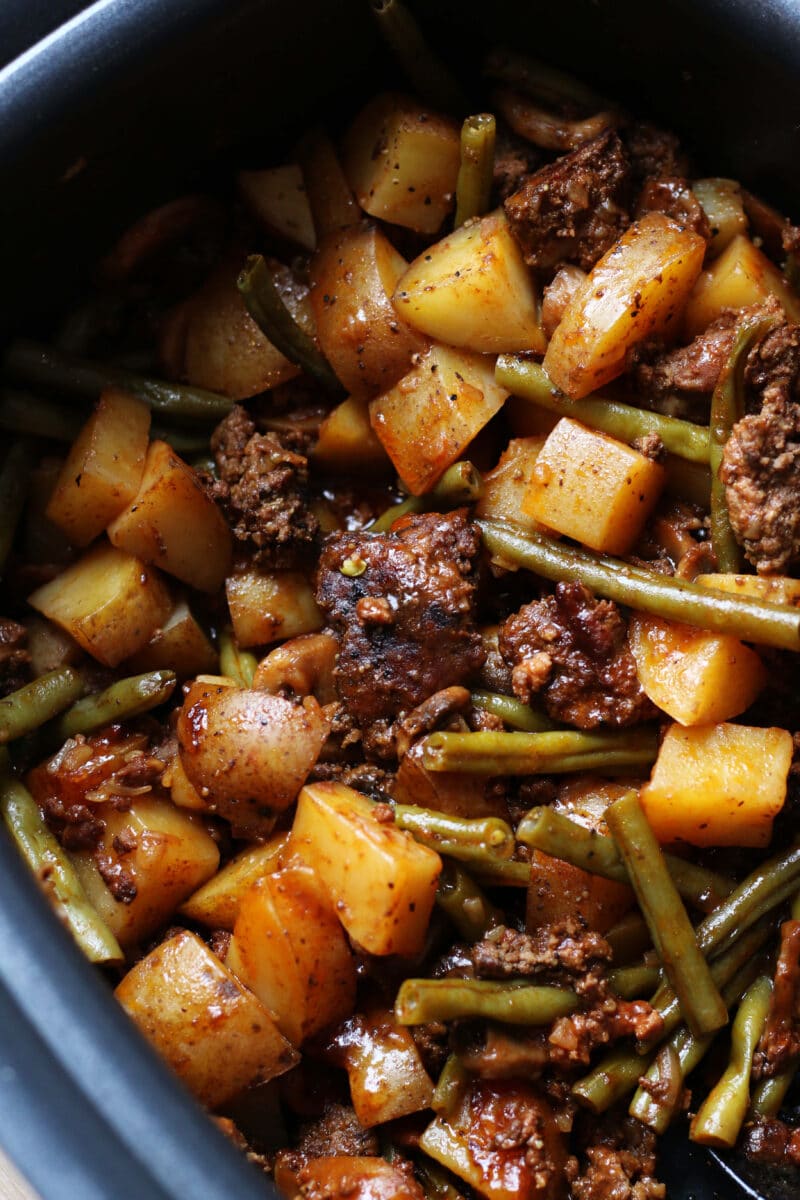
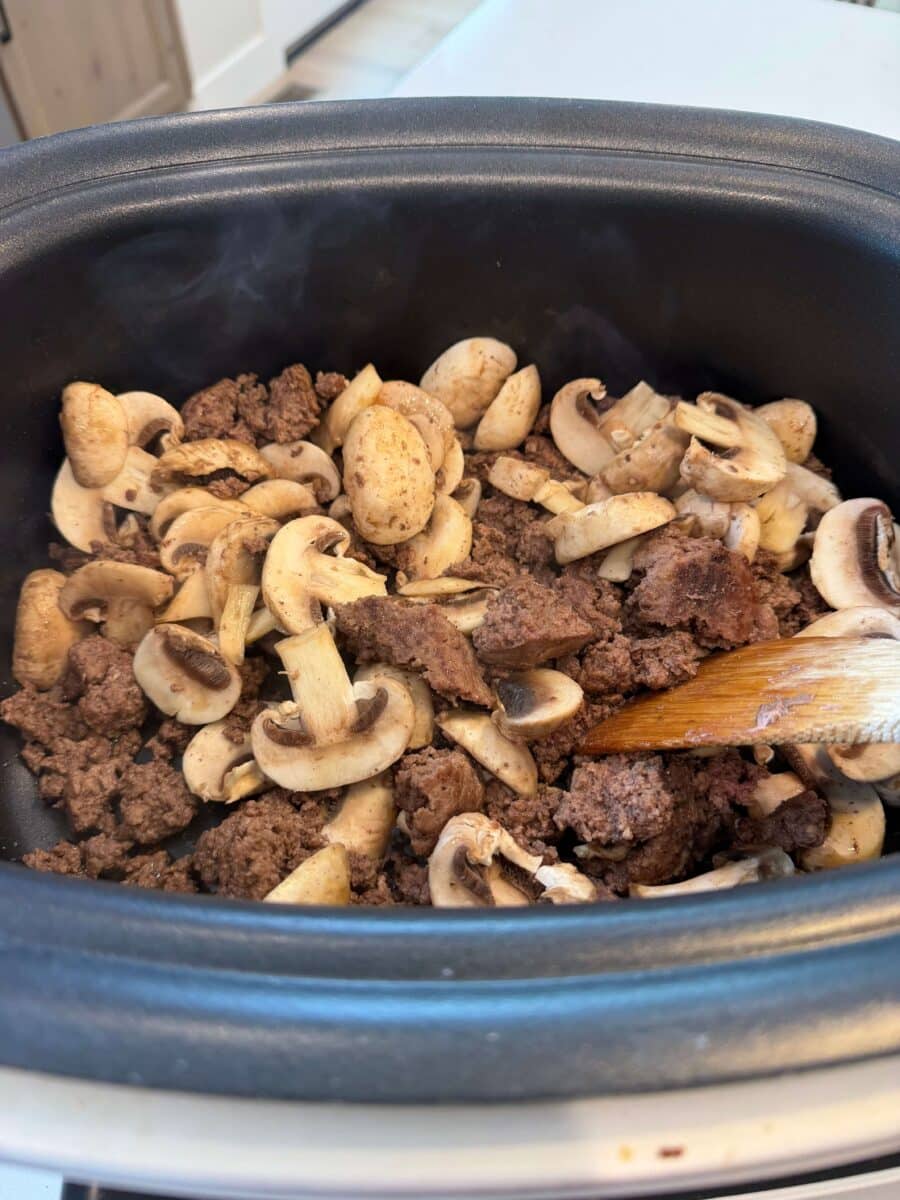
- Protein Searing and Seasoning: The initial stage involves heating a skillet over medium-high heat to brown the ground beef. This step is critical for removing excess lipid content (grease) and developing the base savory notes. Once the beef is fully cooked and drained, it is seasoned with a concentrated onion soup mix. This dehydrated component provides a high-density flavor profile that permeates the meat during the subsequent slow-cooking phase.
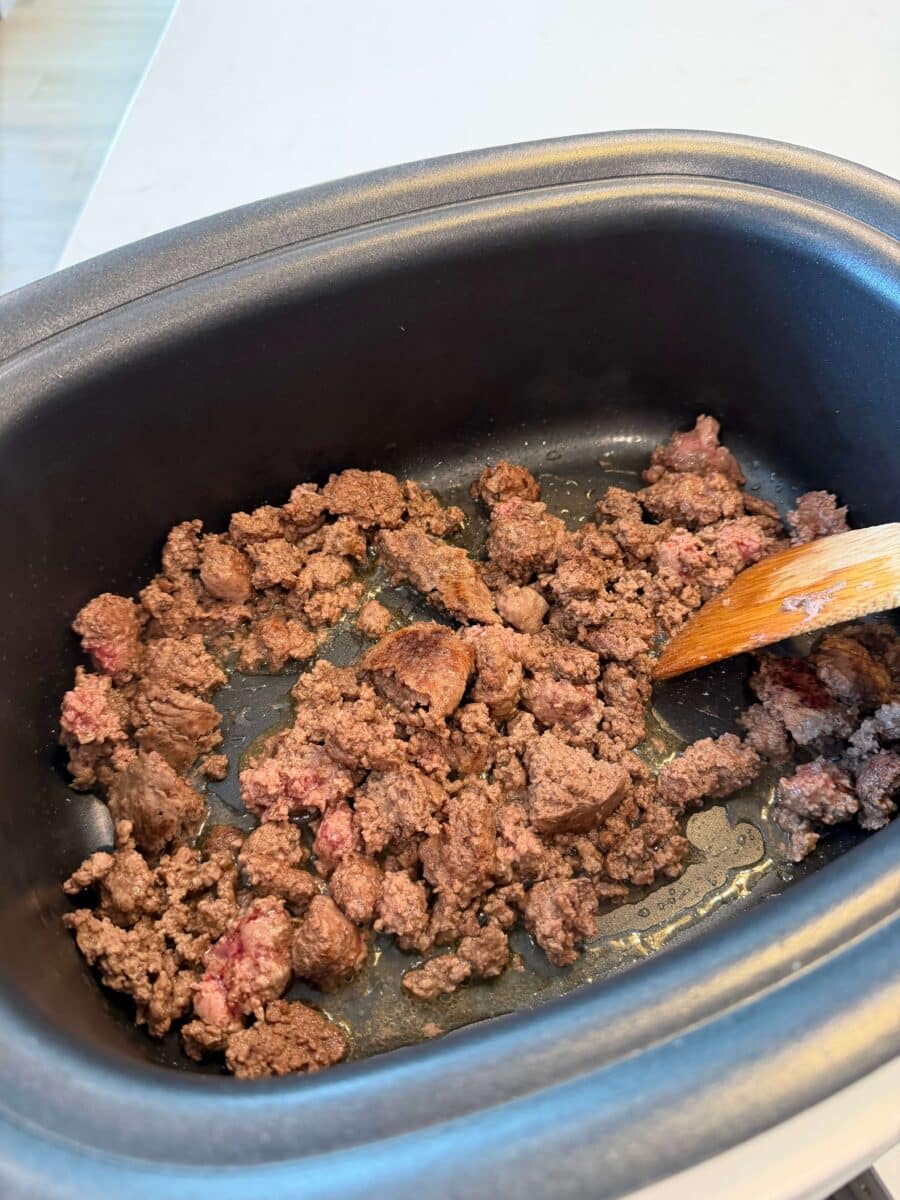
- Assembly of the Casserole Base: The seasoned beef is transferred to the slow cooker, where it is joined by a specific array of produce. Yukon Gold potatoes are utilized for their medium-starch content, which allows them to maintain structural integrity over several hours of heat exposure. Fresh green beans and sliced mushrooms are added to provide textural contrast and micronutrients.
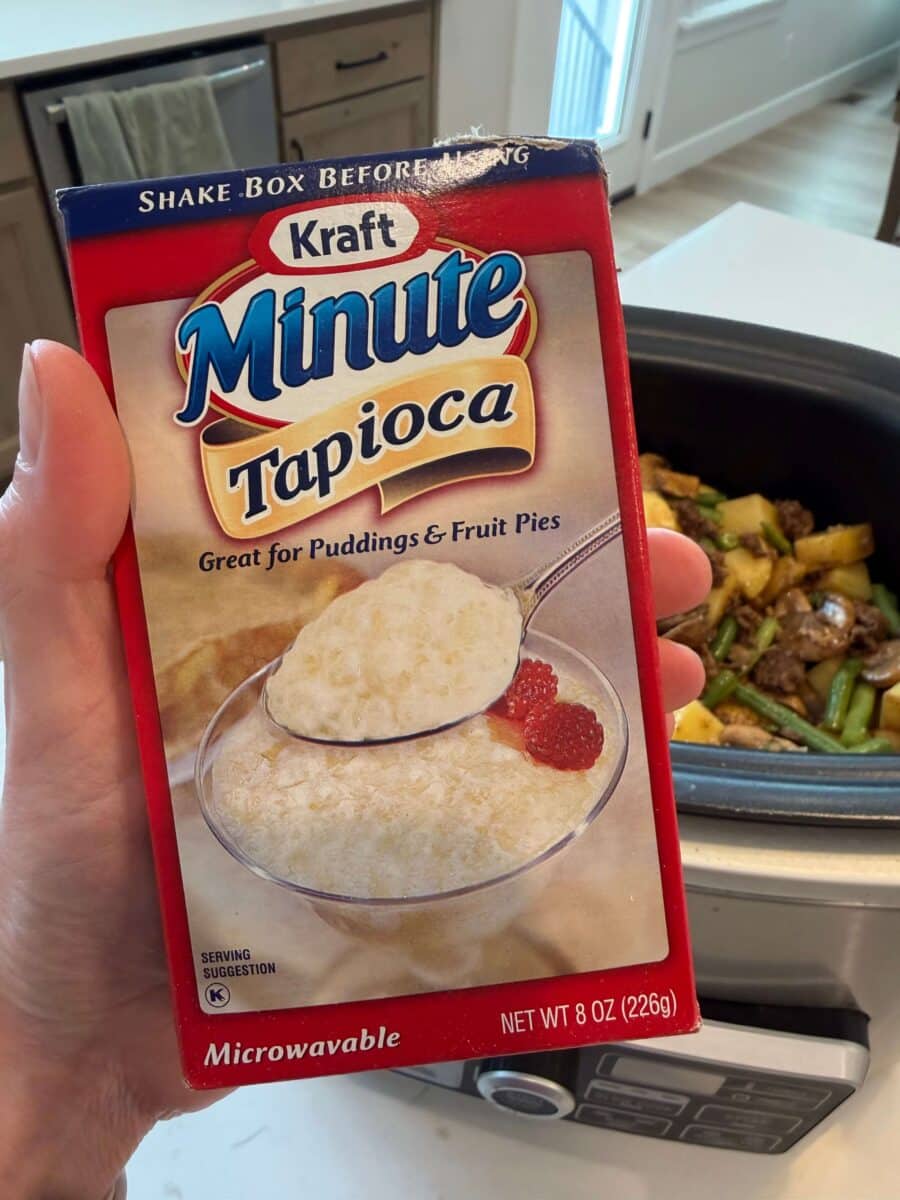
- Liquid Integration and Thickening: The dish is bound by a mixture of tomato juice, Worcestershire sauce, and mustard powder. A key technical addition is tapioca, which serves as a stabilizing thickening agent. Unlike flour-based roux, tapioca remains stable during long cooking cycles and provides a clear, glossy finish to the resulting sauce.
- The Thermal Cycle: The casserole is cooked on a "low" setting for a duration of two to three hours. This specific window is calibrated to ensure the potatoes reach a state of fork-tenderness while preventing the green beans from becoming overly softened, thereby preserving the dish’s aesthetic and textural appeal.
Supporting Data: The Economics of One-Pot Cooking
The rise of the Salisbury Steak Casserole as a preferred meal option is supported by significant economic and sociological data. According to market research, the "one-pot meal" segment has seen a 15% increase in consumer interest over the last five years. This is attributed to several factors, including the rising cost of dining out and the "time-poverty" experienced by dual-income households.
From a cost-analysis perspective, the Salisbury Steak Casserole is highly efficient. Ground beef remains one of the more accessible animal proteins, and the use of bulk-stable vegetables like potatoes and mushrooms lowers the overall price per serving. Furthermore, the energy consumption of a slow cooker is significantly lower than that of a conventional oven, with most units drawing only 70 to 250 watts of electricity. For a family of four, the total cost of ingredients for this casserole is estimated to be 40-60% less than an equivalent meal purchased at a mid-range casual dining establishment.
Nutritional Profile and Health Implications
The Salisbury Steak Casserole offers a balanced macronutrient distribution that aligns with general dietary guidelines. The inclusion of Yukon Gold potatoes provides a source of potassium and complex carbohydrates, while the green beans and mushrooms contribute dietary fiber, Vitamin C, and B vitamins.
| Component | Nutritional Contribution |
|---|---|
| Ground Beef | High-quality protein, Iron, B12 |
| Yukon Gold Potatoes | Potassium, Vitamin C, Carbohydrates |
| Green Beans | Fiber, Vitamin K, Folate |
| Mushrooms | Selenium, Riboflavin, Umami flavor |
| Tomato Juice | Lycopene, Vitamin A |
Dietary analysts note that by preparing the dish at home, consumers can exercise greater control over sodium levels—a common concern with traditional Salisbury steak recipes that rely heavily on canned gravies. The use of tomato juice and mustard powder provides a "zippy" flavor profile that reduces the necessity for excessive added salt.
Societal Reactions and Consumer Case Studies
The practical application of the Salisbury Steak Casserole is often highlighted in the context of youth athletics and extracurricular activities. In a documented case study involving a family attending a regional track meet, the casserole served as a strategic solution to "post-event exhaustion." By initiating the cooking process in the early afternoon, the meal was ready for immediate consumption upon the family’s return, eliminating the need for fast-food stops or lengthy evening food preparation.

Domestic strategists have lauded the dish for its "leftover potential." Because the flavors of the onion soup mix and Worcestershire sauce continue to develop as the dish cools, it is frequently cited as a meal that tastes better the following day. This makes it an ideal candidate for "meal prepping," a practice that has gained a massive following among young professionals and students seeking to optimize their weekly food intake.
Market Trends and the Future of Slow Cooking
The enduring popularity of recipes like the Salisbury Steak Casserole indicates a broader trend toward "functional comfort." While the 1950s version of this meal was often viewed through the lens of convenience at the expense of quality, the modern iteration emphasizes fresh ingredients and sophisticated flavor layering.
Culinary experts predict that the "casserole culture" will continue to expand as more consumers seek to reconcile their desire for home-cooked meals with the reality of busy lifestyles. The Salisbury Steak Casserole, with its blend of historical nostalgia and modern efficiency, stands as a benchmark for this movement. It reflects a shift away from "disposable" food culture toward a more sustainable, intentional approach to family dining.
Broader Impact and Implications
The success of the Salisbury Steak Casserole also has implications for the retail grocery sector. Supermarkets have reported increased sales in "stew meat" and "ground beef" categories when paired with promotional displays of slow cookers and root vegetables. This suggests that recipes shared via digital platforms and food blogs have a direct, measurable impact on supply chain demand.

Furthermore, the dish highlights the importance of "culinary literacy." By teaching home cooks how to properly brown meat and use thickening agents like tapioca, these recipes empower individuals to move away from pre-packaged, highly processed "TV dinners" toward scratch-made alternatives. The Salisbury Steak Casserole is more than just a recipe; it is a tool for domestic autonomy in an increasingly automated world.
In conclusion, the Salisbury Steak Casserole represents a perfect intersection of tradition and utility. It honors the nutritional intentions of Dr. Salisbury while utilizing the technological advantages of the 21st-century kitchen. As families continue to navigate the complexities of work, school, and athletics, the reliance on nutrient-dense, time-efficient, and cost-effective meals like this one is expected to remain a cornerstone of the American dietary landscape. Whether served after a high-stakes track meet or as a quiet weeknight dinner, the dish provides a consistent, reliable, and savory solution to the universal challenge of the evening meal.
