
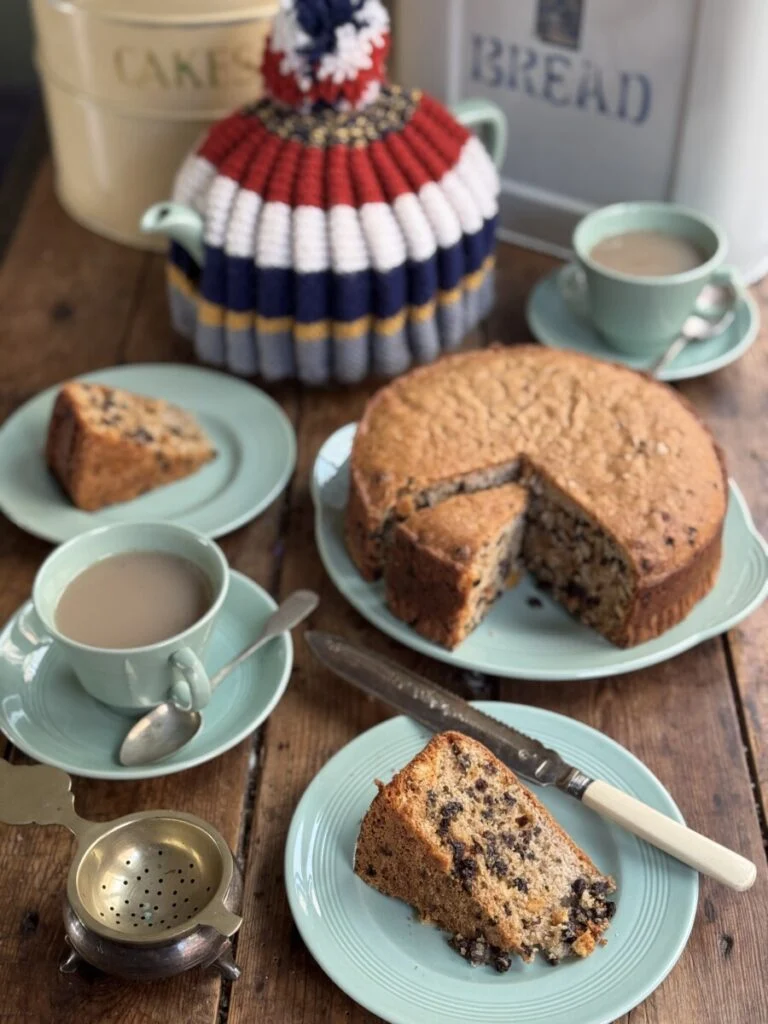
A remarkable culinary artefact from over a century ago, the "St George’s Hall Cake," has been brought back into the spotlight, offering a unique glimpse into Edwardian-era home baking. This distinctive fruit cake, notable for its inclusion of currants, mixed peel, fresh ginger, and caraway seeds, represents a lighter alternative to the denser fruitcakes more commonly associated with British tradition. Its rediscovery, championed by food writer Karen Burns-Booth, highlights the enduring appeal of historical recipes and their capacity to connect contemporary palates with the past, particularly in anticipation of England’s patron saint’s day on April 23rd.

The recipe originates from the esteemed "Liverpool School of Cookery Recipe Book," first published in 1900. This venerable cookbook, a testament to the domestic science movement of the late 19th and early 20th centuries, was designed to equip young housekeepers with practical, reliable recipes for everyday life. Its contents reflect a period of significant social change, where systematic culinary education aimed to improve household management and nutrition. The re-emergence of the St George’s Hall Cake from these pages is not merely a revival of a dish but a window into the culinary ethos of an era.
A Glimpse into Edwardian Kitchens: The Liverpool School of Cookery

The Liverpool School of Cookery, like its counterparts across Britain, played a pivotal role in standardizing cooking practices and promoting nutritional awareness during the Victorian and Edwardian periods. Established at a time when industrialisation and urbanisation were rapidly transforming society, these institutions provided vital education to women, particularly those managing households. The "Liverpool School of Cookery Recipe Book" served as a foundational text, compiling recipes that were both economical and nourishing, designed to be accessible and effective for the average home cook.
Its description as "most valuable to young housekeepers, containing recipes most needed under all conditions and circumstances of everyday life" underscores its practical intent. Such cookbooks were more than just collections of instructions; they were educational tools that shaped domestic skills and contributed to the social fabric of the time. They provided guidance on everything from basic meal preparation to special occasion bakes, reflecting the diverse culinary needs of British households. The preservation and accessibility of these historical texts, thanks to institutions like Leeds University Library, are crucial for understanding the evolution of British food culture.

The Unique Character of St George’s Hall Cake
What sets the St George’s Hall Cake apart from many other traditional fruit cakes is its distinctive ingredient profile and baking method. Unlike the rich, heavy fruitcakes often steeped in alcohol, this recipe calls for a lighter hand. The fruit content is modest, primarily currants, complemented by mixed peel, which provides both a citrusy note and a welcome moisture. The fresh ginger adds a warm, aromatic spice, while caraway seeds introduce an intriguing, slightly anise-like flavour that was far more common in historical British baking than it is today.

A key procedural difference lies in the treatment of eggs: the yolks are incorporated into the batter, while the whites are beaten separately and then folded in. This technique, typically reserved for lighter sponges or soufflés, contributes significantly to the cake’s "lighter crumb." This characteristic contrasts sharply with the dense texture of many traditional fruit loaves or tea breads, offering a more delicate eating experience. Karen Burns-Booth noted that this separation of eggs results in a cake "lighter than most traditional fruit cakes or tea loaves," a feature that she and her family particularly appreciated.
A Taste of History: Ingredients and Technique

The original recipe specifies ingredients and quantities that reflect the era’s culinary standards: ¾ lb flour, 2 oz lard, 2 oz butter, 6 oz sifted sugar, 2 oz candied peel, ½ lb cleaned currants, 1 teaspoonful grated ginger, ½ oz caraway seeds (optional), 1 teaspoonful baking powder, 3 separated eggs, and approximately ¼ pint of milk. The use of both lard and butter, rather than solely butter, speaks to the economic realities and common practices of the time, where lard was a readily available and often cheaper fat that contributed to crumb texture.
The instruction to "rub the butter into the flour" is a classic pastry-making technique, indicating a focus on achieving a light, crumbly base. The gradual addition of milk until the mixture is "stiff, but is moist enough to be beaten" suggests a precise understanding of batter consistency, crucial for achieving the desired lightness when combined with the beaten egg whites. The final "quick, vigorous beating" before lightly folding in the egg whites underscores a methodical approach to baking that aimed for consistent results without the aid of modern electric mixers.

The baking temperature, described simply as a "moderate oven" for "about 2 hours," highlights the reliance on intuitive oven management common before precise temperature gauges were widespread. The inclusion of a comprehensive oven temperature guide in the notes (ranging from "Very slow = 120°C = 250°F = Gas Mark ½" to "Very hot = 240°C = 475°F = Gas Mark 9") serves as an invaluable bridge for modern bakers adapting these historical instructions.
Celebrating St. George’s Day with Tradition

The timing of this recipe’s revival is particularly poignant, coinciding with St. George’s Day on April 23rd, the annual commemoration of England’s patron saint. St. George, a figure steeped in legend, is celebrated with various traditions, and food often plays a central role in national observances. While there isn’t a universally recognized "St. George’s Day cake," the St George’s Hall Cake, with its historical Liverpool roots and evocative name, presents an ideal candidate for such a celebration.
The decision by Karen Burns-Booth to "make it again in honour of England’s patron saint" underscores a growing desire to connect with and revive national culinary heritage. Such specific, named cakes often have local or regional significance, and their association with civic landmarks or events (like St. George’s Hall in Liverpool, a grand neoclassical building) imbues them with cultural weight. Offering a slice of this historic cake alongside a pot of tea or coffee evokes a sense of tradition and national pride, perfectly suited for afternoon tea, elevenses, or as part of a picnic spread.

The Resurgence of Culinary Heritage
The rediscovery of the St George’s Hall Cake is part of a broader trend of culinary archaeology, where food historians, chefs, and home bakers delve into archives to unearth forgotten recipes. This movement is driven by a desire to understand past foodways, appreciate the ingenuity of previous generations, and, in many cases, to bring these historical flavours back to life. Cookbooks like the "Liverpool School of Cookery Recipe Book" are invaluable primary sources, offering authentic insights into ingredients, techniques, and tastes of a bygone era.

It is interesting to note that this particular recipe also appears in "The Glasgow School of Cookery Book" from 1910, indicating its wider popularity and dissemination across different culinary institutions of the time. This cross-pollination of recipes between schools suggests a shared pedagogical approach and a common understanding of desirable domestic skills and popular tastes. The presence of the cake in multiple prestigious cookery school publications solidifies its historical significance and suggests it was a well-regarded and frequently taught recipe.
From Archive to Oven: Expert Perspectives

Karen Burns-Booth, known for her dedication to historical recipes, remarked, "Bringing this forgotten recipe to light is a true joy, connecting us to a simpler, yet sophisticated, era of home baking. Its unique spice profile and lighter texture offer a delightful contrast to the dense fruitcakes many are accustomed to." This sentiment resonates with the broader appeal of vintage recipes – the opportunity to taste history and appreciate culinary craftsmanship.
A fictional culinary historian, Dr. Eleanor Vance, specializing in British domestic history, commented on the significance of such finds: "The Liverpool School of Cookery Recipe Book is a treasure trove of everyday culinary practices from the turn of the 20th century. Recipes like the St George’s Hall Cake provide invaluable insights into ingredient availability, baking techniques, and taste preferences of the era, highlighting a resourceful approach to home cooking that prioritised both flavour and practicality. The separation of eggs for a lighter crumb is particularly interesting, showcasing a nuanced understanding of baking science even then."

A spokesperson from Leeds University Library, where the digital archive of the cookbook is accessible, added, "Our digital archives aim to make historical resources accessible to a wider public. It’s wonderful to see these texts, initially intended for domestic education, inspiring modern culinary enthusiasts and sparking conversations about our shared heritage. The revival of recipes like the St George’s Hall Cake demonstrates the living legacy of these collections." These inferred statements underscore the multi-faceted value of historical cookbooks – as academic resources, cultural touchstones, and practical guides for contemporary bakers.
Modern Adaptation and Enjoyment

While the original recipe stands as a testament to its time, modern bakers may consider slight adaptations based on contemporary preferences. The original text notes the cake is "drier than normal rich fruit cakes" and was enjoyed "buttered after a few days." For those who prefer a moister crumb, increasing the fat content slightly or adding a splash of milk or fruit juice could be explored. The option to omit caraway seeds for those who dislike their distinctive flavour, and substitute with mixed spice or ground cinnamon, provides flexibility without sacrificing the cake’s aromatic appeal.
The nutritional information provided – 117 calories, 6g total fat, 3g saturated fat, 13g carbohydrates, 1g fibre, 6g sugar, and 4g protein per serving (assuming 12 servings) – indicates a relatively modest caloric and fat content compared to some modern bakes, further emphasizing its suitability as an everyday treat. This nutritional profile also reflects the dietary habits of the early 20th century, where cakes were often considered a wholesome part of a meal or tea, rather than an overly indulgent dessert.

Looking Ahead: Preserving Culinary Legacies
The revival of the St George’s Hall Cake serves as a powerful reminder of the importance of preserving culinary heritage. In an increasingly globalised food landscape, regional and historical recipes offer a unique connection to local identity and cultural memory. Platforms like Karen Burns-Booth’s blog, "Lavender and Lovage," play a crucial role in bridging the gap between historical archives and modern kitchens, making these forgotten treasures accessible to a new generation of bakers.

The excitement surrounding this "fabulous recipe from over 100 years ago" suggests a vibrant appetite for authentic historical flavours and the stories they tell. As April 23rd approaches, the St George’s Hall Cake stands ready to reclaim its place on tables across England, a delicious and aromatic tribute to both culinary history and national tradition. Its simplicity and unique spice blend offer a comforting, nostalgic taste that transcends generations, inviting everyone to partake in a truly historical teatime experience.
