
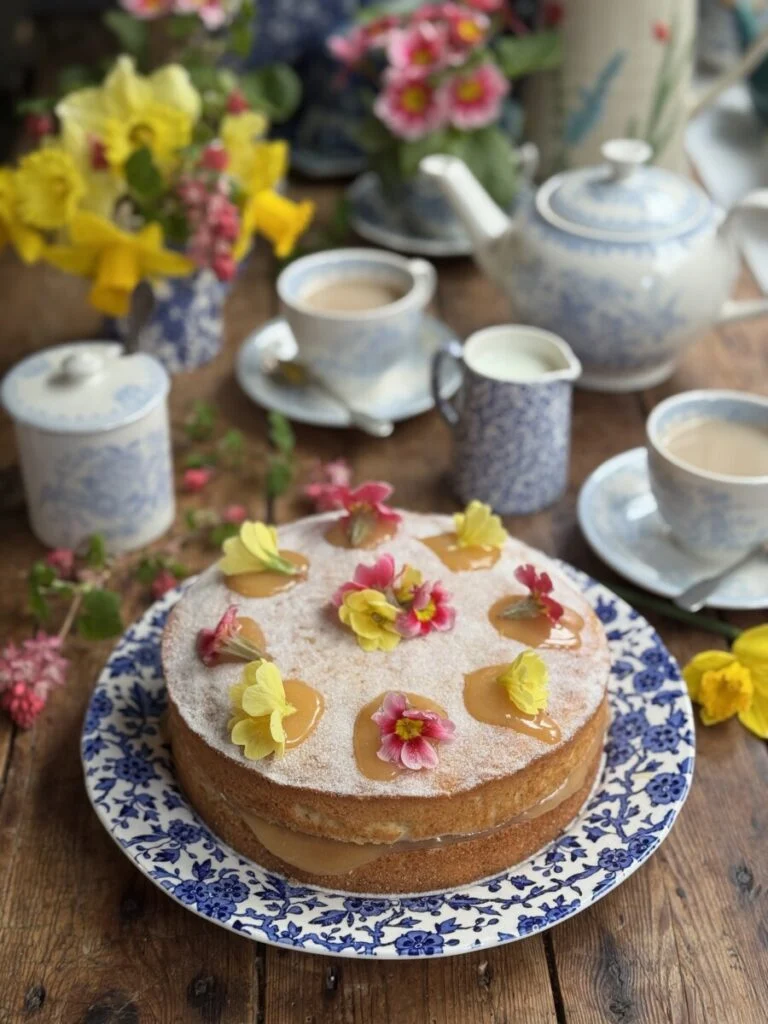
The Spring Equinox, observed annually around March 20th, has been marked this year by the unveiling of a delightful culinary creation: the Spring Posy Victoria Sandwich Cake with Lemon Curd. Crafted by esteemed food writer Karen Burns-Booth of Lavender and Lovage, this cake is presented as an ideal accompaniment for afternoon tea, particularly resonant with the seasonal shift from winter to spring. The recipe, a modern take on a British classic, combines the light, airy texture of a Victoria sponge with the zesty brightness of lemon curd and the delicate beauty of edible spring flowers, signifying the renewal and fresh beginnings associated with the equinox.

The Culinary Inspiration: A Classic Reimagined
At its heart, the Spring Posy Victoria Sandwich Cake is a testament to the enduring appeal of traditional British baking, specifically the Victoria sponge. This particular rendition distinguishes itself through its vibrant lemon curd filling and elegant edible flower decoration. The cake itself employs an "all-in-one" mixing method, a technique praised for its simplicity and accessibility, making it suitable for both novice and experienced bakers. This method involves combining all the primary cake ingredients simultaneously, resulting in a creamy, light batter that bakes into a consistently tender crumb. A hint of vanilla is incorporated into the sponge, providing a warm, aromatic counterpoint to the sharp, citrusy notes of the lemon curd.

The choice of lemon curd is deliberate, moving beyond the more traditional strawberry or raspberry jam often found in Victoria sandwiches. Lemon curd, with its tangy sweetness, offers a refreshing taste that aligns perfectly with the fresh, invigorating spirit of spring. The cake is generously filled with this curd, and additional dollops are strategically placed on top, serving as anchors for the decorative edible flowers. These floral adornments, which can include crystallised primroses or other suitable spring blossoms, elevate the cake from a simple dessert to a visually stunning centrepiece, embodying the "Spring Posy" in its name.
Understanding the Spring Equinox: A Celestial Marker

The timing of this cake’s release on March 20th, 2026, is intrinsically linked to the Spring Equinox, also known as the Vernal Equinox in the Northern Hemisphere. This astronomical event signifies the official conclusion of winter and the commencement of spring. An equinox occurs twice annually, typically around March 20th for spring and September 22nd for autumn, when the sun crosses the celestial equator. During an equinox, the Earth’s axis is neither tilted towards nor away from the sun, resulting in approximately equal durations of daylight and night across almost all latitudes globally. The term "equinox" itself originates from Latin, meaning "equal night" (aequus meaning equal and nox meaning night).
For millennia, the Spring Equinox has held profound cultural and agricultural significance across diverse civilisations. It traditionally marks a period of fertility, growth, and rebirth, prompting celebrations and rituals to welcome warmer weather and the planting season. Ancient cultures often associated the equinox with deities of spring and agriculture, performing ceremonies to ensure bountiful harvests. In many modern societies, while direct agricultural dependence may have lessened, the equinox continues to be a symbolic turning point, inspiring themes of renewal and optimism, perfectly encapsulated by the fresh, bright flavours and floral decorations of the Spring Posy Victoria Sandwich Cake.

A Nod to Culinary Heritage: The Victoria Sponge’s Legacy
The Victoria Sandwich Cake, a cornerstone of British culinary tradition, boasts a rich history dating back to the reign of Queen Victoria. It is widely believed that the cake was a favourite of the Queen herself, particularly when enjoyed with her afternoon tea. The advent of baking powder in the mid-19th century revolutionised baking, allowing for lighter, airier sponges that were previously unattainable. This innovation directly contributed to the Victoria sponge’s rise to prominence. Originally, the cake was made with two identical sponge layers, filled simply with jam and sometimes cream, and dusted with caster sugar. Its understated elegance and comforting flavour quickly cemented its status as a quintessential British tea-time treat.

Over the decades, the Victoria sponge has remained a beloved classic, adaptable to various fillings and decorations while retaining its fundamental structure. Culinary historians often point to its enduring popularity as a reflection of its simplicity, versatility, and the nostalgic comfort it provides. It is a staple at village fêtes, bake sales, and family gatherings, embodying a sense of home and tradition. Karen Burns-Booth’s recipe, while embracing this heritage, subtly modernises it with the lemon curd and edible flowers, catering to contemporary tastes for fresh, vibrant flavours and aesthetically pleasing presentations.
The Art of Presentation: Elevating the Experience

Beyond its intrinsic taste, the presentation of the Spring Posy Victoria Sandwich Cake is highlighted as an integral part of its appeal. The article specifically mentions serving the cake on "elegant, beautifully made British made china" from Burleigh, referencing their Blue Asiatic Pheasant, Blue Arden, and Blue Felicity patterns. This detail underscores the broader cultural significance of tea and cake in Britain, where the vessel and setting are often as important as the food itself.
Burleigh Pottery, established in 1851, is renowned for its traditional manufacturing techniques, including transfer printing, and its distinctive blue and white patterns. Using such heritage china not only adds a layer of sophistication but also evokes a sense of continuity with past traditions of afternoon tea. This deliberate choice of tableware suggests a conscious effort to create a complete sensory experience, where the visual beauty of the cake and its serving environment enhance the enjoyment of the culinary creation. It speaks to a growing consumer appreciation for artisanal products and the narrative behind them, extending beyond food to homeware.

Ingredient Spotlight: Lemon Curd and Edible Flowers
The choice of lemon curd as the primary filling is a key differentiator for this Victoria Sandwich. Homemade lemon curd, as suggested by Karen Burns-Booth who even links to her mother’s recipe, offers a superior depth of flavour and freshness compared to mass-produced alternatives. The process of making lemon curd, typically involving lemons, eggs, sugar, and butter, results in a rich, velvety spread that balances sweetness with a pronounced tanginess. This acidity cuts through the richness of the sponge, providing a delightful contrast that prevents the cake from being overly sweet. Lemons themselves are celebrated for their vibrant flavour, high vitamin C content, and versatile culinary applications, making them a popular ingredient in spring and summer dishes.

The decoration with edible spring flowers, such as crystallised primroses, is another element that distinguishes this cake. The use of flowers in cuisine dates back centuries, serving both aesthetic and flavour-enhancing purposes. Beyond their visual appeal, certain edible flowers can impart subtle peppery, sweet, or herbaceous notes. However, it is crucial to use only flowers specifically cultivated for consumption and to ensure they are free from pesticides or other harmful chemicals. The trend of incorporating edible flowers reflects a broader movement towards natural aesthetics and gourmet presentation in home baking, offering a simple yet impactful way to elevate a dish.
Culinary Trends and Consumer Preferences

The Spring Posy Victoria Sandwich Cake aligns with several prevailing culinary trends. The emphasis on seasonal ingredients, particularly those associated with spring, resonates with consumers’ growing desire for fresh, local, and environmentally conscious food choices. The cake’s aesthetic appeal, with its delicate floral decorations, taps into the popularity of visually pleasing food, often shared on social media platforms. The "all-in-one" method also speaks to the practical demands of modern home bakers who seek efficient yet reliable recipes.
Furthermore, the revival of classic recipes, often with a contemporary twist, is a significant trend. Consumers are increasingly drawn to nostalgic comfort foods that evoke a sense of tradition and familiarity, while also appreciating innovative flavour combinations or simplified preparation methods. This cake successfully bridges the gap between cherished heritage and modern convenience, making it appealing to a broad demographic. Food trend analysts have noted a sustained interest in home baking, particularly for occasions that bring people together, where a beautifully crafted cake can serve as both nourishment and a focal point of celebration.

Broader Cultural Significance and Implications
The unveiling of such a recipe for the Spring Equinox carries broader implications for how food is intertwined with cultural celebrations. By associating the cake with Mother’s Day and Easter, Karen Burns-Booth highlights its potential as a celebratory centrepiece for significant spring holidays. These occasions are traditionally marked by gatherings and special meals, and a homemade cake like this offers a personal touch and a sense of occasion.

The ease of the "all-in-one" method encourages more individuals to engage in home baking, democratising the creation of impressive desserts. This accessibility can foster a deeper connection to food preparation and seasonal eating. The emphasis on traditional British craftsmanship, through the mention of Burleigh china, also subtly promotes appreciation for local industries and heritage brands. Ultimately, the Spring Posy Victoria Sandwich Cake serves as more than just a recipe; it is a cultural artifact, reflecting a blend of historical tradition, seasonal celebration, and contemporary culinary trends, inviting individuals to partake in the joyful rituals of spring through the comforting act of baking and sharing.
