
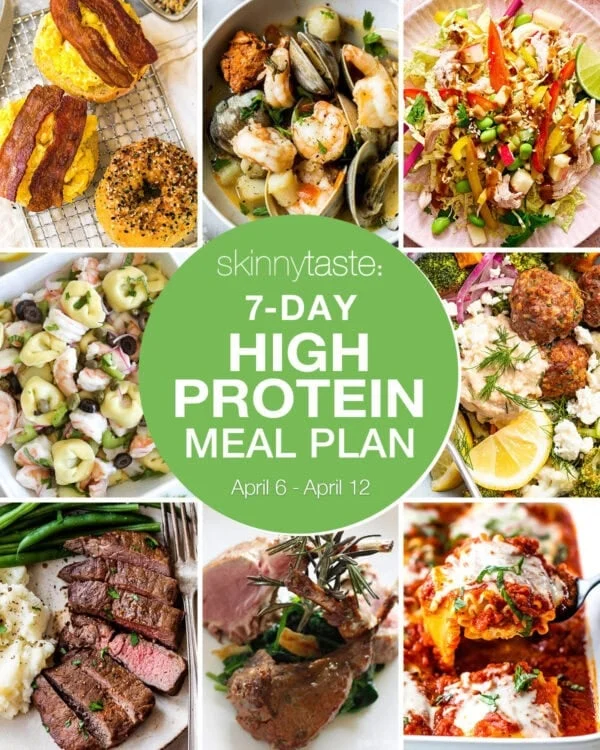
Skinnytaste, a prominent culinary platform, has announced the release of a comprehensive, free 7-day high-protein diet meal plan, designed to support individuals in achieving their nutritional goals. The plan, which includes detailed breakfast, lunch, and dinner ideas, along with a meticulously crafted shopping list, arrives at a time when interest in protein-rich diets for health and wellness is steadily climbing. Each recipe within the plan is equipped with essential nutritional data, including macros and Weight Watchers points, catering to a diverse audience committed to tracking their intake.
The initiative comes as part of Skinnytaste’s ongoing commitment to providing accessible, healthy eating solutions. The platform has long been recognized for its user-friendly approach to nutritious cooking, and this latest offering reinforces its position as a go-to resource for dietary planning. The meal plan is poised to benefit a wide array of users, from those focused on muscle gain and weight management to individuals simply seeking to enhance satiety and overall well-being through balanced nutrition.
The Rising Tide of Protein-Centric Nutrition
In recent years, the understanding and appreciation of protein’s pivotal role in human health have expanded significantly. Beyond its well-known function in muscle repair and growth, protein is now widely recognized for its contribution to satiety, making individuals feel fuller for longer and potentially aiding in weight management by reducing overall caloric intake. Furthermore, protein plays crucial roles in enzyme and hormone production, immune function, and maintaining lean body mass, particularly vital for aging populations combatting sarcopenia.
Dietary trends have shifted from an exclusive focus on low-fat or low-carbohydrate approaches to a more nuanced understanding of macronutrient balance. Health organizations and nutrition experts increasingly advocate for adequate protein intake across meals, recognizing its foundational impact on metabolic health and energy levels. This shift is not merely anecdotal; scientific literature consistently supports the benefits of a higher protein diet within healthy parameters for various physiological outcomes. The Skinnytaste meal plan taps directly into this evidence-based trend, offering practical guidance for individuals to integrate these principles into their daily lives.
A Personalized Journey Inspiring a Public Resource

The genesis of this specific high-protein meal plan stems from the personal experiences of Skinnytaste’s founder. Having followed a high-protein diet for several years with the explicit goal of muscle gain, the founder reported transformative results, noting enhanced strength and a profound sense of satisfaction after meals. This personal success acted as a catalyst, significantly reducing the urge to indulge in less healthy snack options between meals or late in the evening. This relatable narrative provides a compelling background for the meal plan, demonstrating its practical efficacy.
Driven by a desire to share these benefits and address a common challenge—many individuals struggle to consistently meet their daily protein targets—the decision was made to develop and share this structured plan. The founder’s approach to protein distribution, aiming for at least 30 grams per main meal and an additional 10 to 30 grams with snacks to achieve a daily goal of 120 grams, offers a tangible framework for users. This methodology emphasizes consistent protein intake throughout the day, optimizing its benefits for muscle synthesis and satiety. The promise of future monthly high-protein meal plans and a forthcoming high-protein cookbook further underscores Skinnytaste’s commitment to supporting this dietary focus.
Comprehensive Meal Planning for Modern Lifestyles
The newly released meal plan is meticulously structured to provide both guidance and flexibility, acknowledging the diverse needs and preferences of its users. Designed primarily as a foundational guide, it offers ample "wiggle room" for personalization. Users are encouraged to integrate additional foods such as coffee, various beverages, fruits, healthy snacks, or even occasional desserts, ensuring that the plan remains adaptable to individual caloric needs and lifestyle choices. This flexible philosophy stands in contrast to overly restrictive diets, promoting a sustainable approach to healthy eating.
A core feature of the plan is its detailed breakdown of meals, serving 1 person for breakfast and lunch from Monday to Friday, while dinners and all weekend meals are scaled to serve a family of four. This dual-serving strategy accommodates both individual dietary management during busy weekdays and communal family dining on weekends, enhancing its practicality for a broad demographic. The inclusion of a comprehensive shopping list, organized by food category, streamlines the grocery procurement process, making meal preparation significantly less daunting. Furthermore, the plan explicitly encourages the incorporation of high-protein snacks to assist users in consistently meeting their daily protein objectives, reinforcing a holistic approach to nutrition.
Each recipe within the plan is accompanied by specific macro breakdowns (protein, carbohydrates, fats) and Weight Watchers points, offering transparent nutritional information. This level of detail empowers users to make informed choices and track their intake accurately, aligning with various dietary methodologies and personal health goals. The emphasis on user autonomy and informed decision-making is a hallmark of Skinnytaste’s platform, distinguishing it as a valuable resource in the crowded field of health and wellness content.
Beyond Meats: Unearthing Protein in Spring Vegetables

A notable aspect of the meal plan is its spotlight on often-underestimated plant-based protein sources, specifically highlighting vegetables like green peas, spinach, and asparagus. While protein is commonly associated with animal products, these vibrant spring vegetables offer a significant contribution, alongside a wealth of vitamins, minerals, and fiber. The plan ingeniously integrates these ingredients, showcasing how to elevate their natural protein content within delicious, seasonal dishes.
Recipes such as Charred Sugar Snap Peas, Grilled Chicken Salad with Strawberries and Spinach, and Spring Asparagus Risotto not only emphasize the protein benefits but also celebrate the freshness and flavors associated with spring produce. This approach aligns with broader nutritional advice encouraging increased consumption of diverse vegetables, underscoring that a high-protein diet does not necessitate an exclusive focus on animal proteins. By featuring these plant-based options, the plan caters to individuals seeking to diversify their protein sources or incorporate more vegetarian-friendly meals into their regimen, promoting a balanced and nutrient-dense diet.
Navigating Dietary Changes: The Weight Watchers Integration
For the dedicated community of Weight Watchers (WW) members, the meal plan includes crucial updates regarding the program’s evolving points system. The announcement acknowledges the recent addition of new 0-point foods, such as oatmeal, a development that impacts how many members track their intake. Recognizing the time-consuming nature of updating a vast recipe database, Skinnytaste has confirmed that recipes from 2018 to 2025 have already been updated to reflect these changes.
Crucially, every recipe on the Skinnytaste site is linked to the WW recipe builder, a feature accessible via smartphone that automatically calculates the new points. This integration ensures that WW members can confidently utilize the meal plan with accurate point values, maintaining consistency with their personal tracking goals. This commitment to keeping pace with external program updates demonstrates Skinnytaste’s dedication to serving its diverse user base effectively and reliably. The adaptability to external dietary frameworks like WW further broadens the appeal and utility of the meal plan.
Important Considerations and Professional Guidance
While the high-protein meal plan offers a structured and beneficial approach to nutrition, Skinnytaste responsibly includes vital health disclaimers. It explicitly advises individuals with specific health conditions, such as kidney or liver disease, gout, certain metabolic disorders, or older adults with reduced kidney function, to exercise caution. In these cases, significantly increasing protein intake without prior medical consultation could lead to complications.
The platform strongly recommends that anyone considering a substantial dietary change, particularly an increase in protein intake, consult a healthcare provider or a registered dietitian. This professional guidance ensures that dietary adjustments are appropriate for individual health needs and conditions, preventing potential adverse effects. The article also provides a helpful external link to "examine.com" for general guidance on protein intake estimation, reinforcing the importance of informed decisions and personalized dietary planning. This journalistic integrity, prioritizing health and safety, is paramount in the dissemination of dietary advice.
Community and Continued Support
Beyond the meal plan itself, Skinnytaste cultivates a vibrant online community designed to support its users on their health journeys. An active Facebook Community provides a dynamic forum where members can share photos of recipes they’ve prepared, exchange ideas, and offer mutual encouragement. This social aspect is invaluable for motivation and for fostering a sense of shared purpose among individuals pursuing healthier lifestyles.
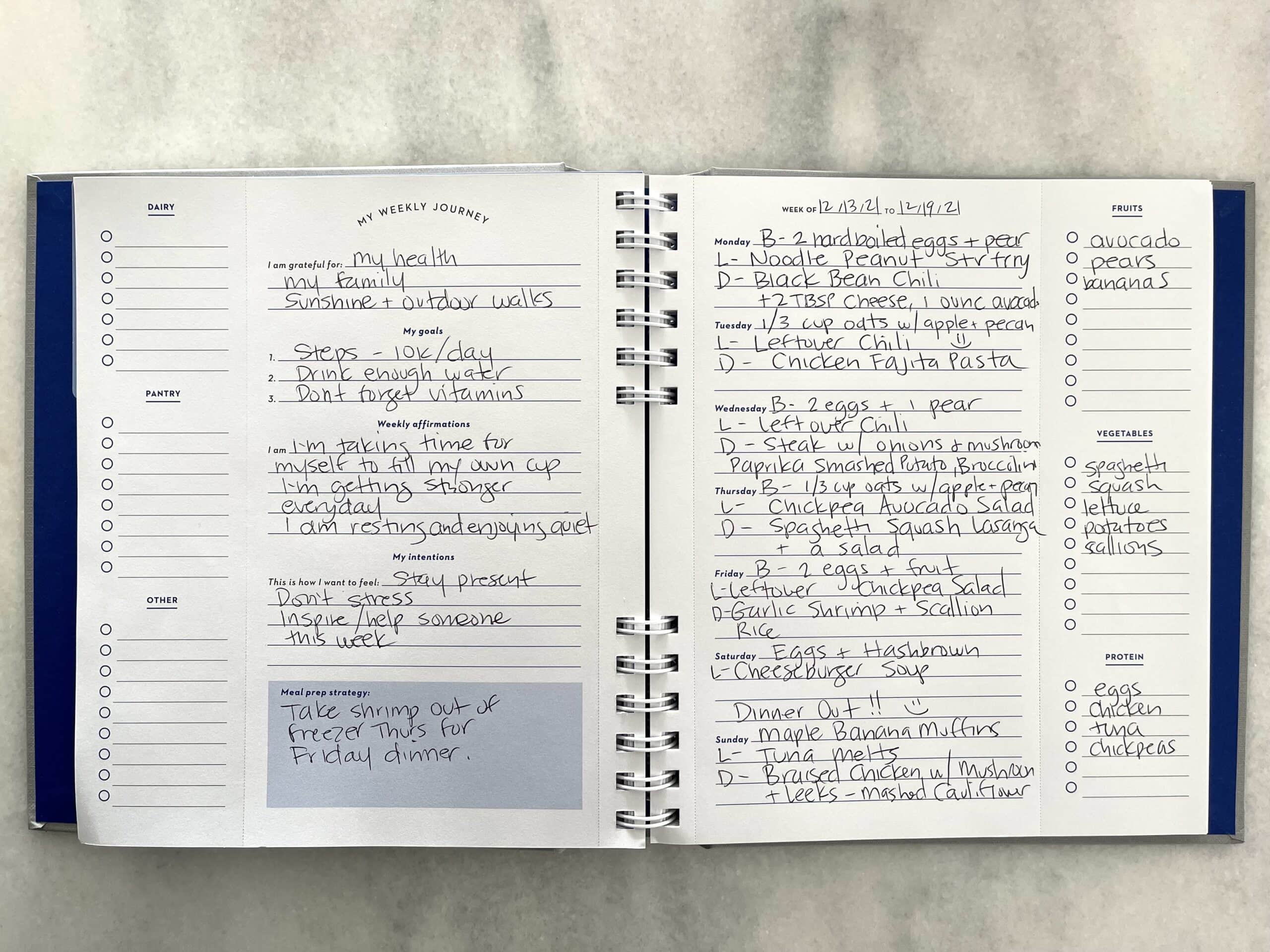
Additionally, users are invited to subscribe to an email list to receive regular updates, ensuring they never miss new meal plans or other valuable content. This multi-channel approach—combining a free, structured meal plan with online community support and ongoing communication—creates a holistic ecosystem for sustained dietary success. The availability of physical resources like the "Ultimate Skinnytaste Meal Planner," a 52-week spiral-bound planner with weekly grids, meal plans, recipes, and tear-out grocery lists, further complements the digital offerings, catering to different planning preferences.
The Week’s Culinary Journey: A Glimpse into the Plan
The 7-day high-protein meal plan provides a diverse and appealing array of dishes, ensuring variety and culinary satisfaction while adhering to protein targets. For instance, the week kicks off with a Strawberry Banana Smoothie for breakfast, followed by a Thai-Inspired Chicken Salad for lunch, and ends with Lasagna Roll Ups with Cottage Cheese and Arugula Salad for dinner, totaling 1,426 calories and 125g of protein. Mid-week options include Sheet Pan Mediterranean Meatball Bowls and Air Fryer Steak, while weekend meals feature dishes like High Protein Egg Bagels with Lox and Eggs, Chilled Italian Shrimp Tortellini Pasta Salad, and Lamb Chops with Dijon Glaze.
Daily calorie counts are presented as a guide, with an explicit note that women should generally aim for around 1500 calories per day, and a calculator is provided to help estimate individual needs. The plan consistently delivers high protein content, with daily totals ranging from approximately 120.5g to 134.5g, effectively demonstrating how to integrate significant protein into everyday meals. The provision of a comprehensive grocery list ensures that users have all the necessary ingredients to execute the plan seamlessly, from fresh produce like asparagus and spinach to various meats, dairy, and pantry staples.
Implications for Healthy Eating Trends
The launch of Skinnytaste’s free 7-day high-protein meal plan is more than just a new dietary offering; it signifies a broader trend in how health and wellness information is disseminated and consumed. By making such a detailed and nutritionally-backed plan freely available, Skinnytaste contributes to the democratization of healthy eating, making professional-grade meal planning accessible to a wider audience regardless of their budget. This accessibility can play a crucial role in empowering individuals to take control of their nutrition, potentially fostering healthier eating habits on a larger scale.
Furthermore, the emphasis on a high-protein approach, coupled with practical tools like macros, WW points, and shopping lists, reflects the evolving demands of consumers who seek both effective results and convenient execution. As interest in personalized nutrition continues to grow, resources like this meal plan serve as invaluable starting points, guiding individuals towards dietary patterns that support their specific health and fitness objectives. The ongoing development of high-protein resources, including future meal plans and a dedicated cookbook, suggests a sustained commitment to this nutritional philosophy, indicating its increasing relevance in the modern health landscape.
