
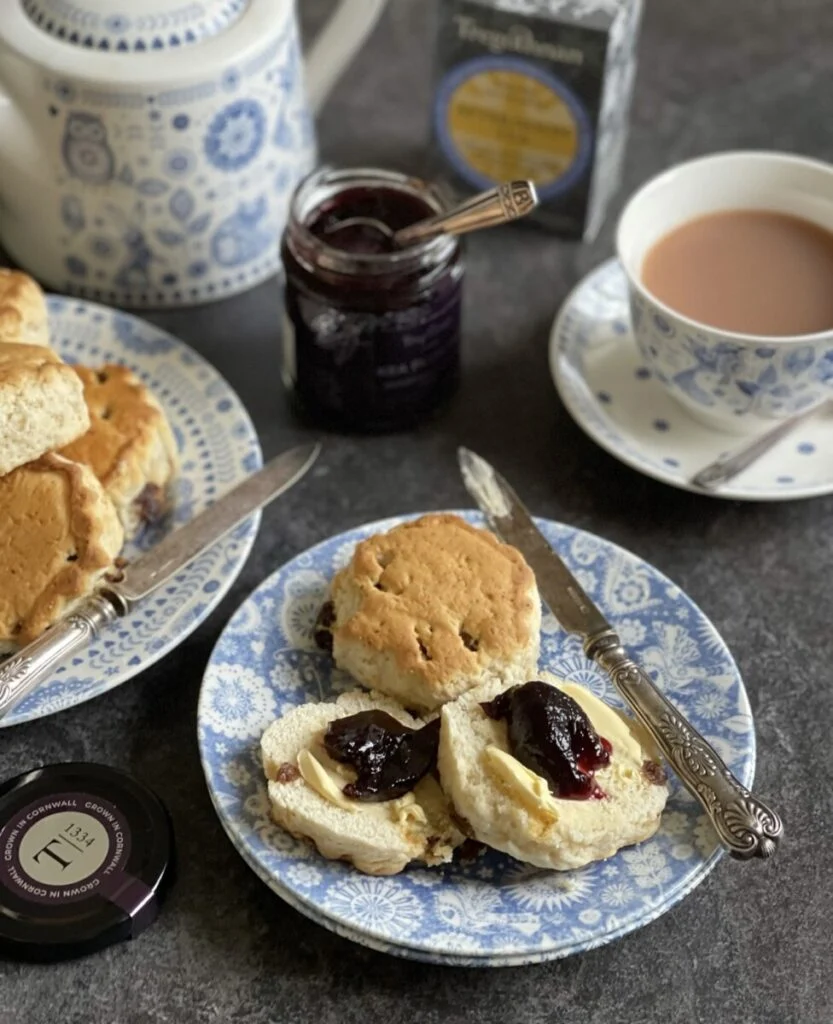
Culinary expert Karen Burns-Booth has unveiled a new recipe for Earl Grey Fruit Scones, a delightful creation infused with the distinctive bergamot notes of Earl Grey tea. Published on 27 May 2026, the recipe draws direct inspiration from a memorable excursion to the historic Tregothnan Estate in Cornwall, a pivotal location in the history of British tea cultivation. The innovative recipe, initially developed for Viking’s Explore Magazine, aims to elevate a classic British staple by integrating unique regional produce and a sophisticated flavour profile.

The genesis of these unique scones can be traced back to a specific journey undertaken by Burns-Booth in 2021. While sailing aboard the Viking Venus, a luxury ocean vessel renowned for its culturally immersive itineraries, Burns-Booth participated in an included excursion to the Tregothnan Estate. Located near Falmouth in Cornwall, the estate provided an idyllic backdrop for a culinary awakening. The journey involved an invigorating walk through "bucolic country lanes and paths, past beehives and over wooden stiles," culminating in a breathtaking vista of the River Fal and the estate’s sprawling tea terraces. This firsthand experience of Britain’s pioneering tea landscape, coupled with the serene beauty of "wild meadow flowers, ancient orchards and grassy countryside tracks," sparked the inspiration for a recipe that would encapsulate the essence of this unique English locale.

Tregothnan Estate: A Landmark in British Tea Production

The Tregothnan Estate holds a singular position in British agricultural history as the site of the first tea gardens in the United Kingdom. Its significance cannot be overstated, as it defied conventional wisdom about tea cultivation in temperate climates. In 2005, the estate achieved a remarkable milestone, yielding Britain’s first major crop of home-grown tea. This achievement marked the beginning of commercial tea production in the UK, transforming Tregothnan into a symbol of agricultural innovation and national pride. The estate’s unique microclimate, influenced by the warm Gulf Stream and sheltered valleys, proved unexpectedly conducive to growing Camellia sinensis, the plant from which all tea is derived. This success led to Tregothnan tea being hailed by some as the "new Darjeeling," a testament to its quality and distinct character. The estate cultivates various tea types, but its Earl Grey blend, made with leaves grown on Cornish soil and infused with natural bergamot oil, is particularly esteemed for its delicate yet robust flavour. The choice of Tregothnan Earl Grey tea for Burns-Booth’s scone recipe underscores a commitment to showcasing premium British ingredients and celebrating the country’s burgeoning tea heritage.

The Culinary Innovation: Earl Grey Infusion

Burns-Booth’s Earl Grey Fruit Scones distinguish themselves through a dual infusion method that maximizes the tea’s aromatic qualities. Not only is the Earl Grey tea incorporated into the scone dough itself, but the dried fruit components are also steeped in hot Earl Grey tea prior to baking. This technique serves several purposes: it imparts an "extra layer of citrusy and floral flavours" throughout the scone, and it ensures the dried fruit becomes "extra plump," contributing to a superior texture. The bergamot oil, a key component of Earl Grey, lends a fragrant, subtly citrusy note that complements the sweetness of the fruit and the richness of the scone. This innovative approach moves beyond a simple tea accompaniment, integrating the tea directly into the fabric of the bake, transforming a traditional scone into a sophisticated culinary experience. The recipe reflects a trend towards incorporating unexpected, yet complementary, flavours into classic dishes, demonstrating how traditional baking can be reinvented for a modern palate.

The Enduring Tradition of British Cream Tea

The Earl Grey Fruit Scones are presented as an ideal component of a classic British cream tea. This revered ritual, typically involving scones, clotted cream, and jam, holds a special place in British culture, symbolizing hospitality and leisurely indulgence. The article specifically references the Cornish method of serving, emphasizing "jam first" before the clotted cream – a practice distinct from the Devonshire tradition of cream first. This detail highlights the regional nuances within British culinary customs and underscores the recipe’s authentic British roots. The recommendation to serve these scones with a pot of loose leaf tea further reinforces the connection to traditional tea service, while the suggested accompaniments of homemade jam and rich clotted cream complete the quintessential cream tea experience.

Karen Burns-Booth: A Voice in Culinary Storytelling

Karen Burns-Booth, the author and creator of this recipe, is a notable figure in the culinary world, recognized for her contributions to food writing and recipe development. Her regular contributions to Viking’s Explore Magazine, which feature "specially created recipes, and travel stories," position her as an influential voice in culinary journalism. This partnership with Viking Cruises exemplifies a growing trend in the travel industry, where culinary experts collaborate with cruise lines to enhance guest experiences and provide unique gastronomic insights. By linking travel narratives with bespoke recipes, Burns-Booth effectively translates her travel experiences into tangible culinary creations, offering readers and enthusiasts a taste of the destinations she explores. Her work not only inspires home bakers but also promotes a deeper appreciation for the origins and cultural significance of ingredients.

Nutritional Information and Accessibility

The recipe yields 10 scones, with each serving containing approximately 249 calories. Nutritional data further breaks down each scone to 8g total fat (4g saturated, 3g unsaturated), 54mg cholesterol, 230mg sodium, 39g carbohydrates (1g fiber, 10g sugar), and 6g protein. This transparent nutritional information empowers consumers to make informed dietary choices while enjoying a treat. While the recipe was developed using Tregothnan Earl Grey tea, acknowledging its premium quality and unique provenance, Burns-Booth also notes the flexibility for home bakers to use "any high quality Earl Grey tea that you have to hand." This practical advice ensures the recipe’s accessibility, allowing a broader audience to recreate these gourmet scones regardless of specific brand availability, while still encouraging the use of quality ingredients for optimal flavour.

Broader Implications for Gastronomy and Tourism

The introduction of the Earl Grey Fruit Scones carries several implications for British gastronomy and culinary tourism. Firstly, it champions the use of indigenous British ingredients, specifically tea grown on UK soil. This promotes local agriculture and highlights the diversity of produce available within the country. Secondly, by associating the recipe with a luxury travel experience (Viking Cruises) and a historic estate (Tregothnan), it encourages culinary tourism, inviting visitors to explore Cornwall’s scenic beauty and its unique food landscape. The recipe serves as an ambassador for Tregothnan, potentially increasing demand for their teas and raising awareness of Britain’s tea-growing capabilities. Furthermore, it demonstrates the ongoing evolution of traditional British baking, showing how classic recipes can be innovated while retaining their comforting familiarity. This blend of tradition and modernity appeals to both purists and those seeking new culinary experiences. The recipe’s publication in a widely circulated magazine like Viking’s Explore Magazine also ensures significant exposure, further cementing its potential impact.

The Future of British Tea and Baking

The continuous development of recipes like the Earl Grey Fruit Scones points towards a vibrant future for British culinary traditions. As consumer interest in provenance, unique flavour profiles, and sustainable local produce continues to grow, initiatives that blend travel, history, and innovative cooking are likely to gain further traction. The success of Tregothnan Estate in cultivating tea, coupled with the creativity of chefs and food writers like Karen Burns-Booth, suggests a dynamic period for British food and drink. The emphasis on quality ingredients and thoughtful preparation ensures that these culinary traditions remain relevant and appealing to a global audience.

In addition to the Earl Grey Fruit Scones, Burns-Booth’s extensive portfolio includes a variety of other scone recipes, such as "Be-Ro Victoria Scones," "Buckingham Palace Fruit Scones," "Small Batch Cream Tea Scones," "Vintage BeRo Cheese Scones," "Sourdough Cheese and Marmite Scones," and "Cranks Cheese Scones." Her expertise also extends to preserves, with featured jam recipes including "Victoria Plum Jam," "High Dumpsie Dearie Jam," "Strawberry Jam," "Seedless Bramble Jam," "Greengage Jam," and "Homemade Blackberry Jam." These resources further solidify her reputation as a custodian and innovator of British baking and preserving traditions. The continued exploration and celebration of these classic dishes, reimagined with contemporary twists, ensures their enduring appeal and cultural significance.
