
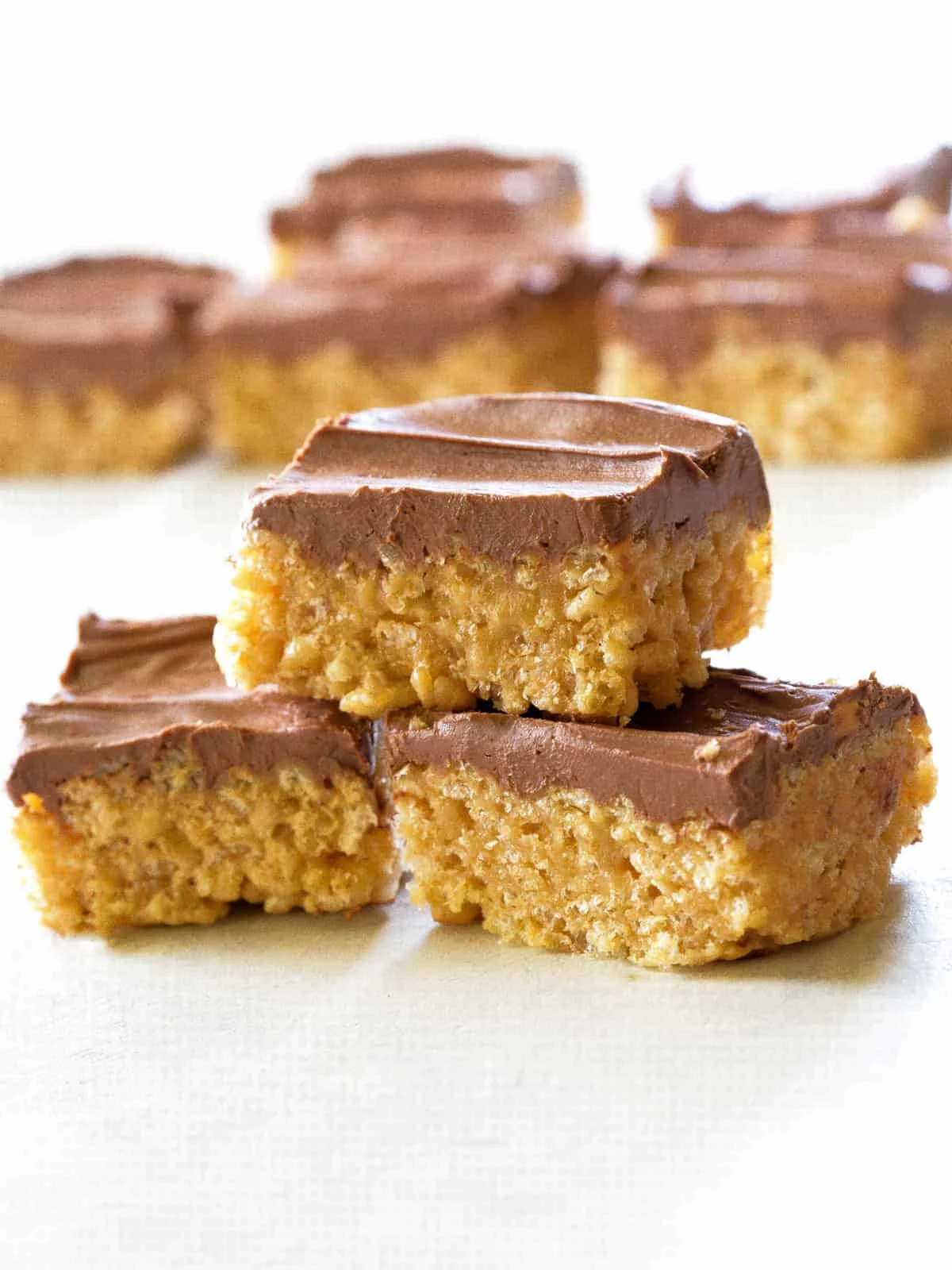
Scotcheroos are a beloved no-bake dessert characterized by their chewy peanut butter Rice Krispie treat base, generously topped with a decadent blend of melted chocolate and butterscotch chips. This iconic confection consistently emerges as the first to disappear at gatherings, a testament to its enduring popularity and status as a cherished favorite. The enduring appeal of Scotcheroos lies in its simple yet masterful combination of textures and flavors, offering a delightful contrast between the crisp crunch of the cereal and the smooth, sweet embrace of the peanut butter, chocolate, and butterscotch glaze.
The Genesis of a Culinary Classic
The origins of Scotcheroos, while not precisely documented with a singular founding event, trace their popularity to home kitchens and social gatherings, particularly in the latter half of the 20th century. Recipes for this no-bake treat began to circulate widely, often shared through family recipe cards, community cookbooks, and early food blogs. The simplicity of its preparation, requiring no oven time, made it an ideal option for busy households and large events. The unique flavor profile, a harmonious marriage of salty peanut butter with the sweet, caramel notes of butterscotch and the rich depth of chocolate, proved to be a winning combination that resonated with a broad audience.
One anecdotal account highlights the dessert’s ability to evoke fond memories, with individuals recalling its presence during formative years. A common sentiment expressed by those who have enjoyed Scotcheroos for years is the nostalgic connection they hold to simpler times, often associated with college days or family gatherings. The ease with which these treats can be prepared, typically involving melting ingredients together and combining them with puffed rice cereal, then topping with a melted glaze, further cemented their status as a go-to recipe for both novice and experienced bakers. This accessibility has allowed the Scotcheroo to transcend generations, remaining a comforting and familiar presence at celebrations and everyday occasions alike.
The Allure of a Winning Flavor Profile
The defining characteristic of Scotcheroos is their distinctive flavor combination. The base, a classic Rice Krispie treat, is infused with creamy peanut butter, lending a subtle saltiness and a rich, nutty depth. This foundation is then enrobed in a glossy topping created by melting together semi-sweet chocolate and butterscotch chips. This dual-chip glaze offers a complex sweetness, with the chocolate providing its familiar bittersweet notes and the butterscotch contributing a warm, caramel-like flavor. The interplay between the peanut butter and the sweet glaze creates a balanced and irresistible taste sensation.
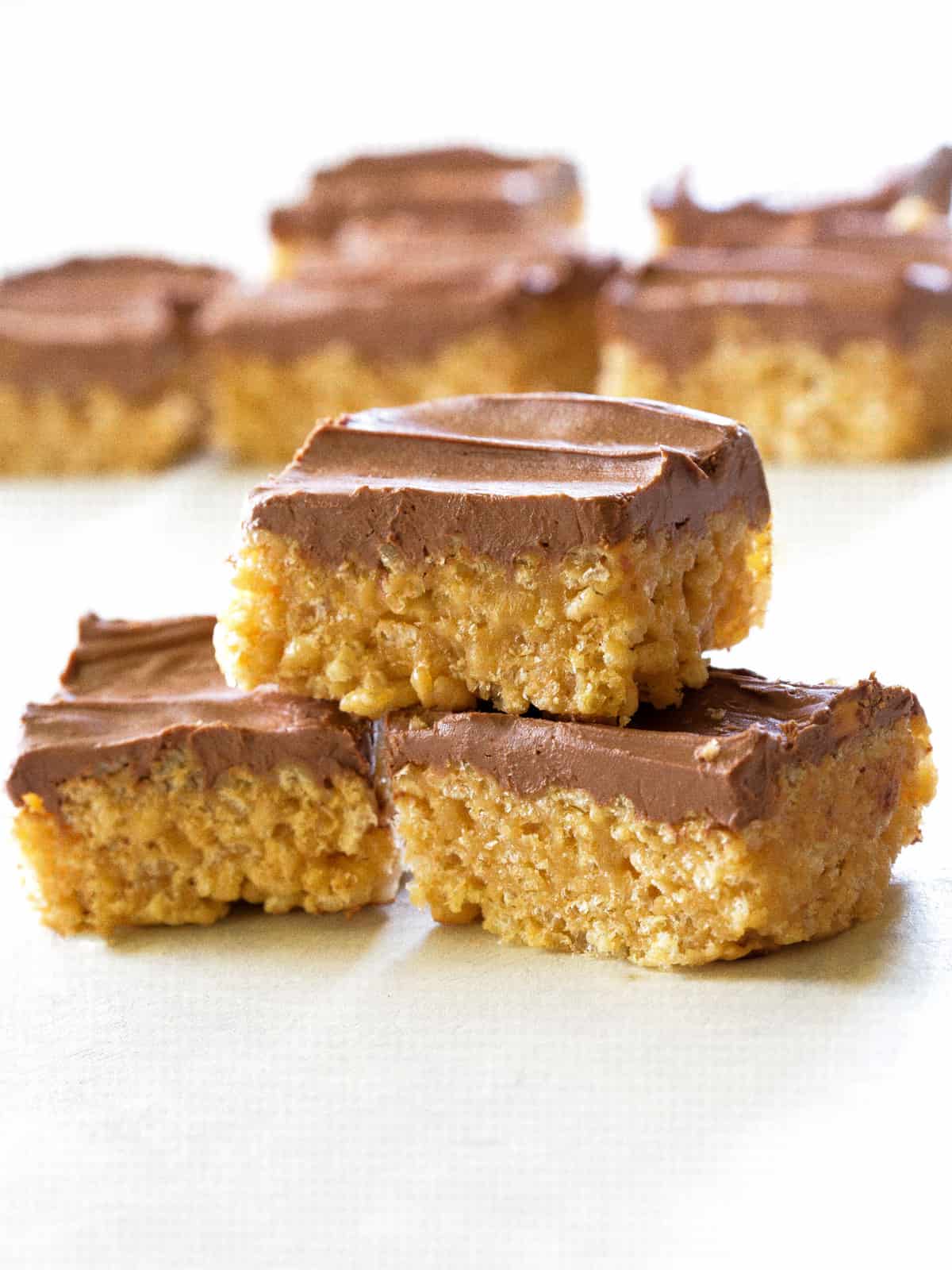
The textural contrast is equally crucial to the Scotcheroo’s appeal. The light crispness of the Rice Krispies cereal provides a satisfying crunch against the chewy, yielding texture of the peanut butter mixture. This combination ensures each bite is an engaging experience, preventing the dessert from becoming overly dense or monotonous. The smooth, melt-in-your-mouth quality of the chocolate and butterscotch topping further enhances this textural diversity.
A Staple in Potluck Culture
Scotcheroos have become a de facto staple at potluck dinners, community events, and family reunions across the United States. Their no-bake nature makes them exceptionally practical for these occasions, as they can be prepared in advance and transported without the risk of spoilage or melting in the way that baked goods might. The individual servings, typically cut from a rectangular pan, are easy to distribute and consume, further contributing to their suitability for large gatherings.
The consistent popularity of Scotcheroos at potlucks can be attributed to several factors. Firstly, they appeal to a wide range of palates, satisfying both chocolate and peanut butter lovers. Secondly, their inherent sweetness and satisfying chewiness make them a crowd-pleasing dessert that rarely fails to impress. The visual appeal of the glossy, two-toned glaze also adds to their allure, making them an attractive addition to any dessert table. The fact that they are often the "first to go" is a recurring observation, underscoring their status as a highly sought-after treat.
Variations and Adaptations
While the classic Scotcheroo recipe remains a beloved standard, various adaptations have emerged over the years, catering to different dietary needs and flavor preferences. One notable variation is the "Chex Scotcheroo," which substitutes Rice Krispies cereal with Chex cereal, often in a gluten-free variety. This adaptation allows individuals with gluten sensitivities to enjoy a similar flavor profile and texture. Other creative interpretations might involve adding a pinch of sea salt to the topping for a touch more savory complexity, or incorporating a drizzle of white chocolate for added visual appeal and a different sweet dimension. Some recipes also experiment with different types of peanut butter, such as natural or crunchy varieties, to alter the flavor and texture of the base.
The Science of No-Bake Desserts
The enduring success of no-bake desserts like Scotcheroos can be understood through the lens of convenience and accessibility. In an era where time is often a precious commodity, recipes that require minimal preparation and no oven time are highly valued. The fundamental principles behind these desserts involve creating a binding agent that holds together dry ingredients and a topping that solidifies upon cooling.
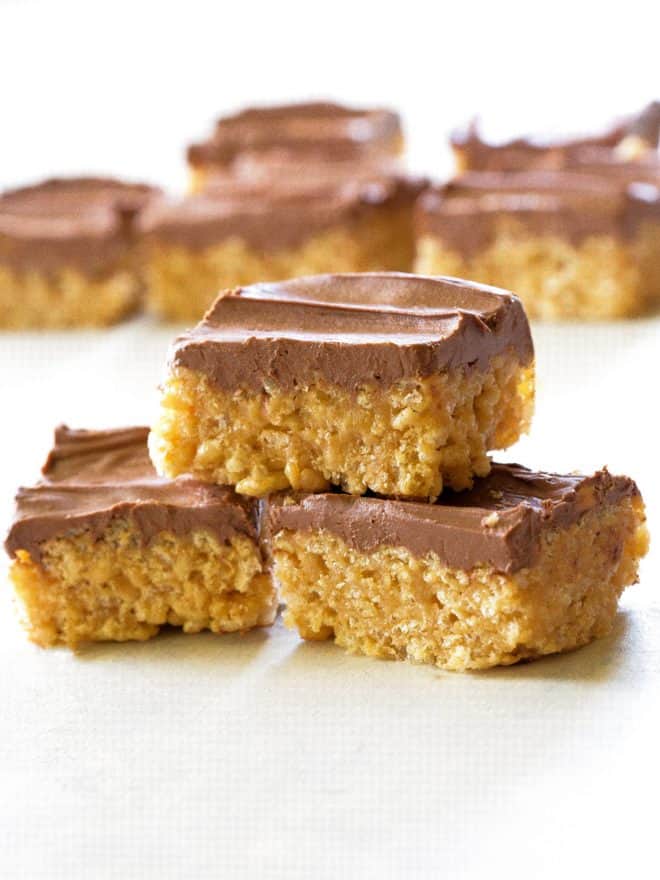
For Scotcheroos, the binding agent is typically a mixture of corn syrup, sugar, and peanut butter, which, when heated, creates a sticky, chewy matrix. This mixture coats the Rice Krispies cereal, ensuring it adheres together. The topping, a simple melt of chocolate and butterscotch chips, relies on the solidification of fats and sugars as it cools. This process is straightforward and forgiving, making it an ideal recipe for beginners.
The widespread availability of ingredients like Rice Krispies cereal, peanut butter, chocolate chips, and butterscotch chips further contributes to the ease of making Scotcheroos. These are pantry staples for many households, meaning the dessert can often be made with ingredients already on hand.
Broader Impact and Implications
The enduring popularity of Scotcheroos speaks to a broader trend in food culture: the appreciation for comfort foods and nostalgic flavors. In times of uncertainty or rapid change, familiar tastes and textures can provide a sense of grounding and continuity. Scotcheroos, with their association with childhood memories and simple pleasures, tap into this desire for comfort.
Furthermore, the accessibility of the recipe has democratized dessert-making. Individuals of all skill levels can successfully create these treats, fostering a sense of accomplishment and enjoyment in the kitchen. The sharing of these homemade desserts at gatherings also strengthens social bonds and community ties.
The continued presence of Scotcheroos on dessert tables and in recipe collections suggests that their appeal is not merely a passing fad but a deeply ingrained part of American culinary heritage. As new generations discover and embrace this classic treat, its legacy is likely to endure, ensuring that the delightful combination of peanut butter, chocolate, and butterscotch continues to bring smiles for years to come. The simple act of preparing and sharing Scotcheroos serves as a reminder of the power of food to connect people, evoke cherished memories, and create new ones.
Nutritional Considerations and Storage
While Scotcheroos are undeniably delicious, they are a treat and should be consumed in moderation as part of a balanced diet. A typical serving contains a significant amount of sugar and fat, contributing to its high calorie count. Specific nutritional information can vary depending on the exact ingredients and portion sizes used. For those seeking to moderate their intake, smaller serving sizes or the occasional indulgence are recommended.
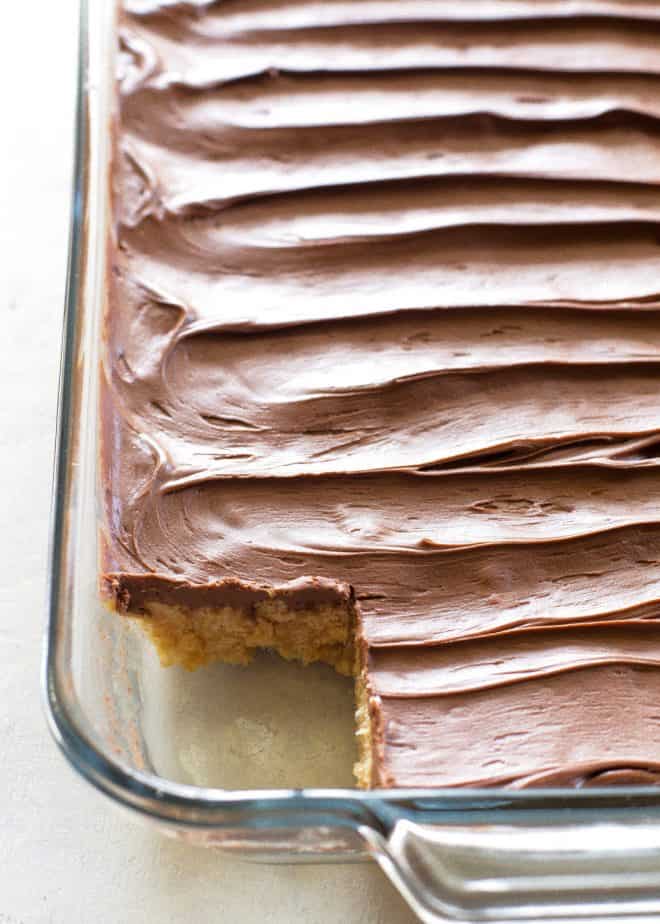
Scotcheroos are well-suited for storage due to their no-bake nature. Once cooled and cut, they can be stored in an airtight container at room temperature for up to three days. For longer storage, they can be frozen for up to three months. When freezing, it is advisable to wrap individual servings or the entire pan tightly in plastic wrap, followed by a layer of aluminum foil or placing them in a freezer-safe bag. Thawing can be done at room temperature or in the refrigerator. This makes them an excellent make-ahead dessert for busy schedules or for when unexpected guests arrive.
The enduring appeal of Scotcheroos, from their simple yet satisfying flavor profile to their role as a social connector, solidifies their place as a beloved classic in the realm of no-bake desserts. Their continued presence at gatherings and in home kitchens is a testament to their timeless charm and the universal delight they bring.
