
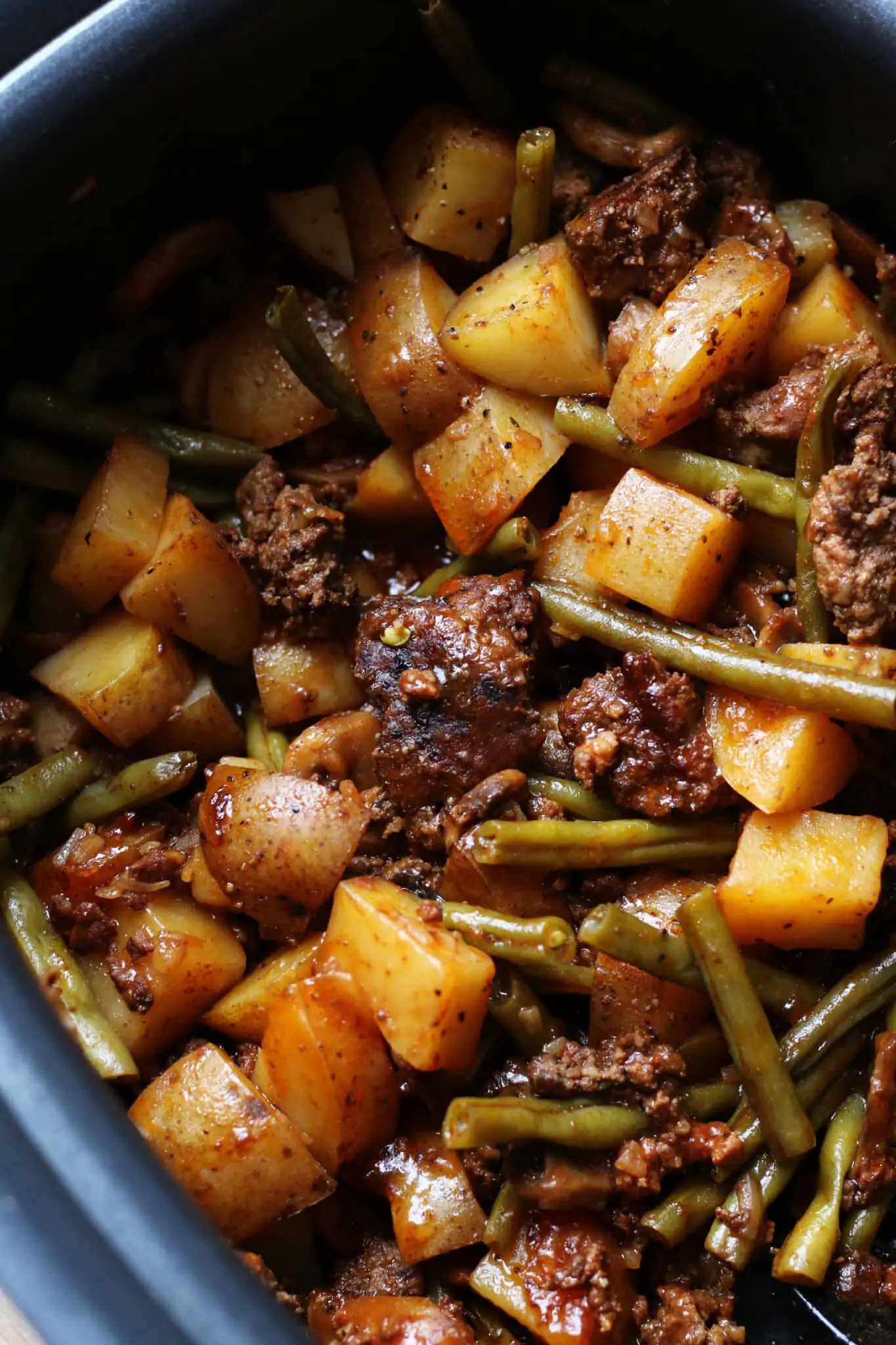
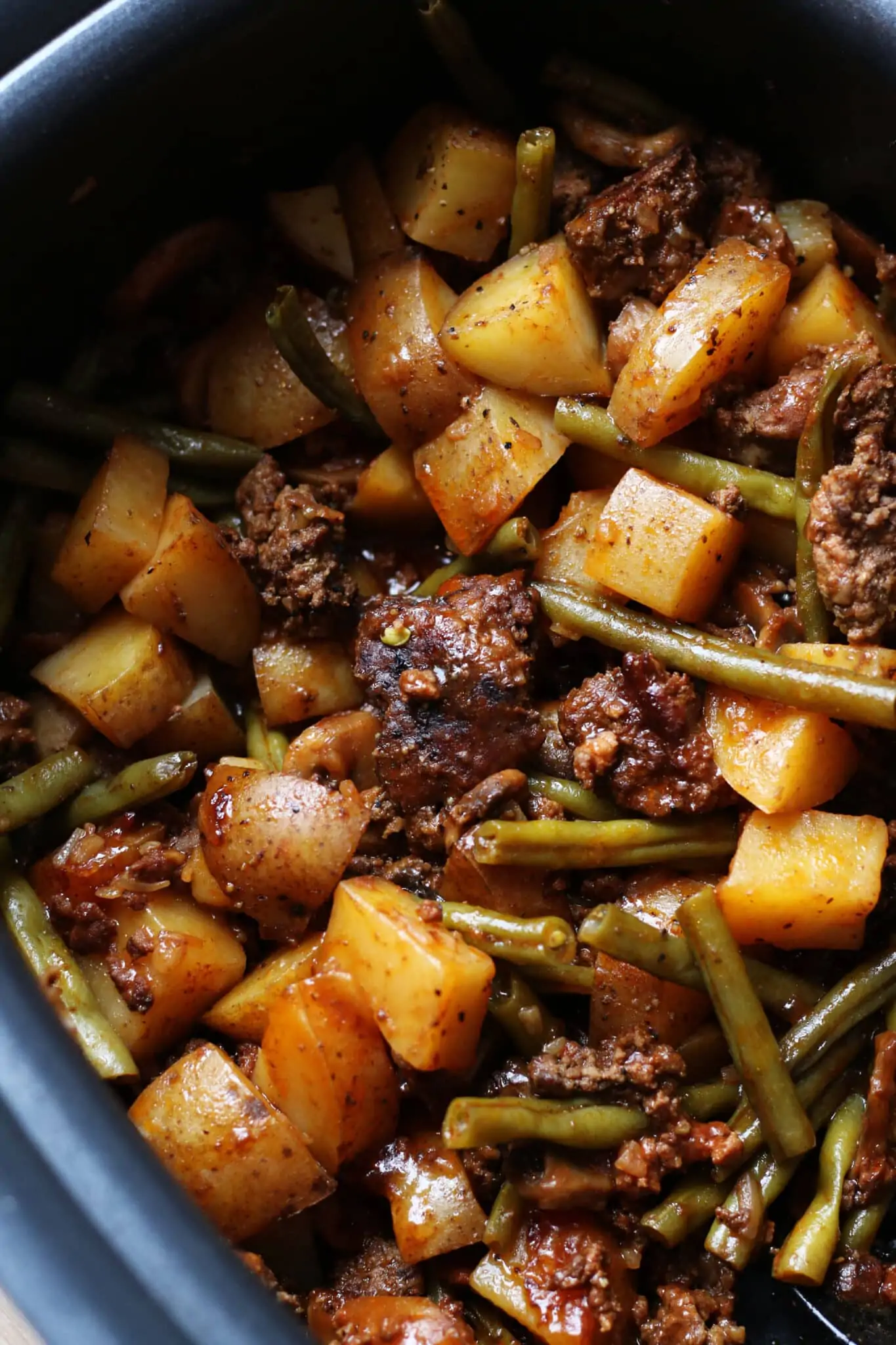
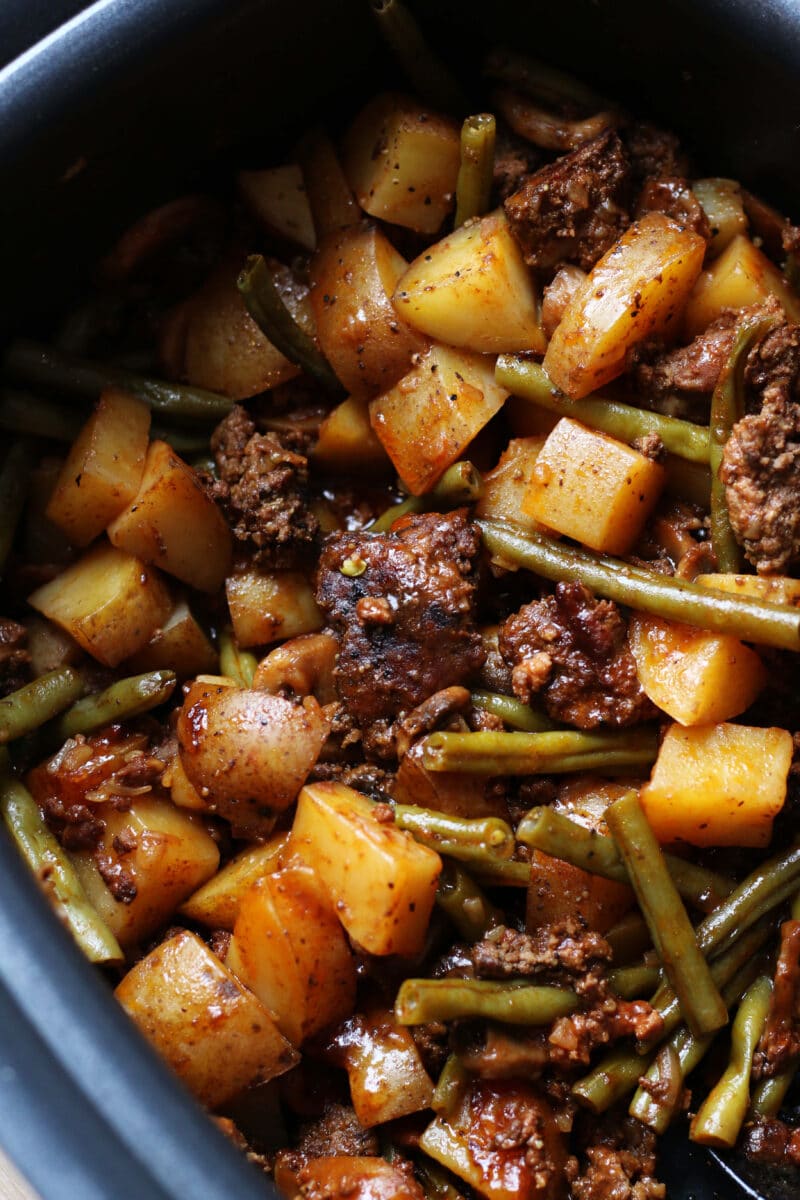
The modern culinary landscape has seen a significant resurgence in the popularity of one-pot meals, a trend driven by the increasing time constraints placed on contemporary households and a renewed interest in traditional comfort foods. Among these evolving classics, the Salisbury Steak Casserole stands out as a sophisticated iteration of the mid-century American staple, reimagined for the efficiency of slow-cooker technology. This specific preparation integrates lean ground beef, Yukon gold potatoes, fresh green beans, and sliced mushrooms within a savory, tomato-based broth, representing a shift toward more nutritionally balanced, all-in-one domestic dining solutions.
The Historical Genesis of Salisbury Steak
To understand the cultural significance of the Salisbury Steak Casserole, one must examine its nineteenth-century origins. The dish is named after Dr. James H. Salisbury, an American physician who was a pioneer of germ theory and a staunch advocate for the medicinal properties of a meat-centric diet. During the American Civil War, Dr. Salisbury observed that soldiers suffering from digestive ailments often recovered more quickly when fed a diet consisting primarily of lean, minced beef.
By 1888, Dr. Salisbury had formalized his dietary recommendations, suggesting that beef should be chopped into a "muscle pulp" and cooked thoroughly to ensure ease of digestion. While his original vision was purely medicinal, the "Salisbury Steak" eventually transitioned into a culinary mainstay during the Great Depression and World War II. Its popularity was cemented by its affordability; it provided the flavor and satiety of a traditional steak while utilizing more economical cuts of ground beef. The modern casserole version of this dish maintains these roots of affordability while introducing a complexity of flavor and texture that the original nineteenth-century iterations lacked.
The Evolution of the American Casserole
The integration of Salisbury steak into a casserole format reflects a broader movement in American domestic science that began in the 1950s. Historically, casseroles served as a method for stretching expensive proteins and utilizing seasonal vegetables. The introduction of the slow cooker—originally patented by Irving Naxon in 1936 as a bean cooker and later popularized by Rival Manufacturing in the 1970s as the "Crock-Pot"—further revolutionized this cooking style.
Data from consumer trend reports indicate that the "set it and forget it" methodology of slow cooking has seen a 15% increase in adoption among millennial and Gen Z demographics over the last five years. The Salisbury Steak Casserole aligns with this data, offering a preparation time that accommodates professional schedules and extracurricular family activities, such as the track meets and school events that often necessitate pre-planned evening meals.
Technical Analysis of Ingredients and Flavor Profiles
The efficacy of the Salisbury Steak Casserole lies in its specific selection of ingredients, each serving a distinct structural or flavor-enhancing purpose.
The Protein Base and Umami Enhancers
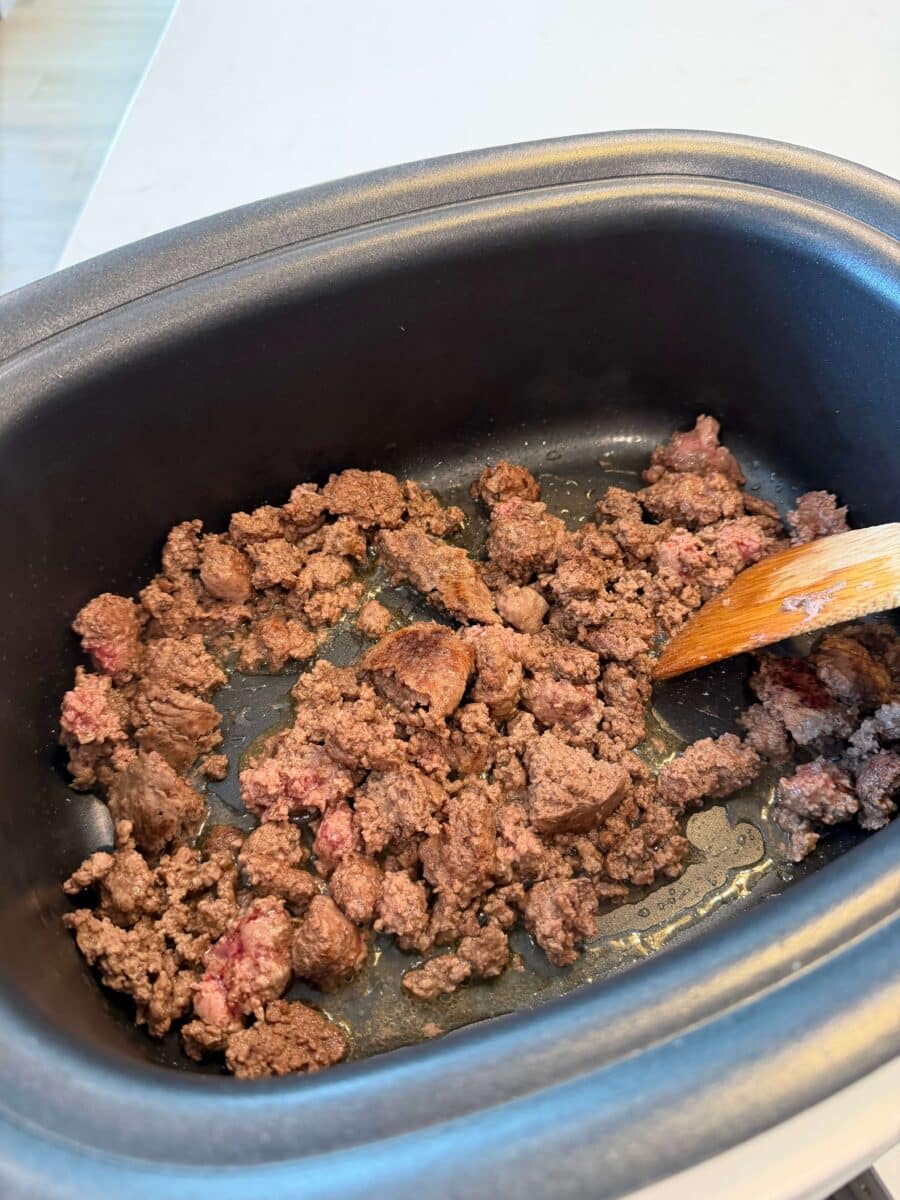
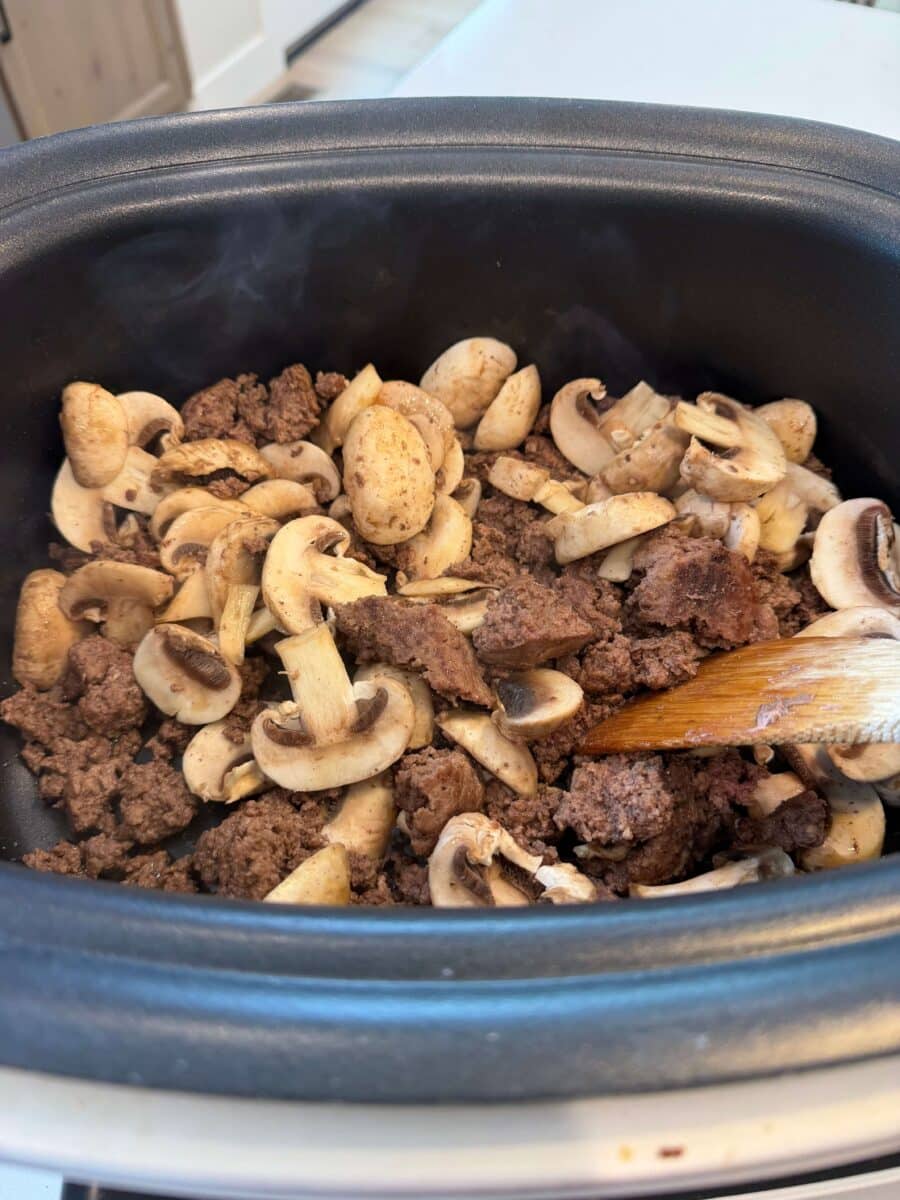
The foundation of the dish is ground beef, which is browned prior to being added to the slow cooker. This step is critical for the Maillard reaction—a chemical reaction between amino acids and reducing sugars that gives browned food its distinctive flavor. The inclusion of onion soup mix and Worcestershire sauce acts as a concentrated source of umami, providing the savory depth traditionally associated with long-simmered beef stews.
The Choice of Yukon Gold Potatoes
Unlike starchy Russet potatoes, which tend to disintegrate during prolonged cooking, Yukon Gold potatoes are categorized as all-purpose or waxy. Their medium starch content allows them to maintain their structural integrity over a 2-3 hour cooking cycle while absorbing the surrounding broth. This selection is a tactical decision to ensure the casserole maintains a distinct texture rather than becoming a homogenous mash.
Botanical Components: Mushrooms and Green Beans
The addition of sliced mushrooms serves a dual purpose: they provide an earthy undertone that complements the beef and offer a source of dietary fiber and B vitamins. Fresh green beans introduce a necessary brightness and a "snap" in texture, contrasting with the softer components of the dish. From a nutritional standpoint, these inclusions transform a traditionally heavy meat dish into a more comprehensive meal, providing essential micronutrients.

The Thickening Agent: Tapioca
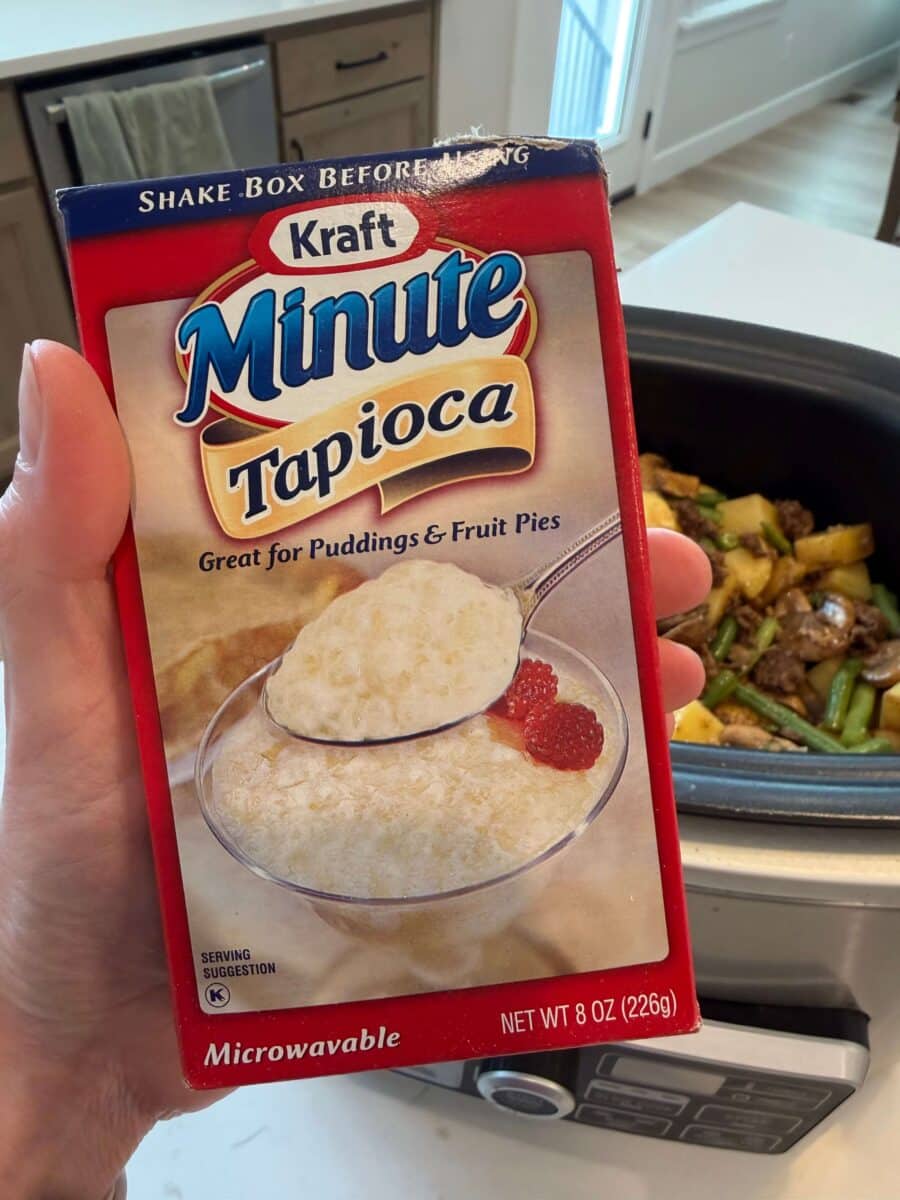
A notable technical aspect of this recipe is the use of tapioca as a thickening agent for the tomato-based broth. Culinary scientists often prefer tapioca in slow cooker recipes because it remains stable at high temperatures for long periods and does not impart a floury taste. Furthermore, tapioca results in a clear, glossy sauce that enhances the visual appeal of the casserole, avoiding the cloudy appearance sometimes caused by cornstarch or flour.
Procedural Chronology: From Prep to Plate
The preparation of the Salisbury Steak Casserole follows a logical progression designed to maximize flavor extraction while minimizing active labor.
- Searing Phase: The process begins with heating a pan over medium-high heat. The ground beef is added and broken into small pieces, cooked until no pink remains. This initial sear is vital for fat reduction; once the meat is browned, excess grease is drained, preventing the final casserole from becoming overly oily.
- Seasoning Integration: The onion soup mix is stirred directly into the browned beef before the mixture is transferred to the slow cooker. This ensures even distribution of the seasoning.
- Assembly Phase: The secondary ingredients—tomato juice, black pepper, sliced mushrooms, fresh green beans, Worcestershire sauce, mustard powder, cubed Yukon Gold potatoes, and tapioca—are added to the slow cooker.
- The Simmer Cycle: The unit is covered and set to a "low" heat setting. The cooking duration typically spans 2 to 3 hours. This timeframe is specifically calibrated to the tenderness of the potatoes. Overcooking beyond this point can lead to the green beans losing their vibrant color and the potatoes becoming overly soft.
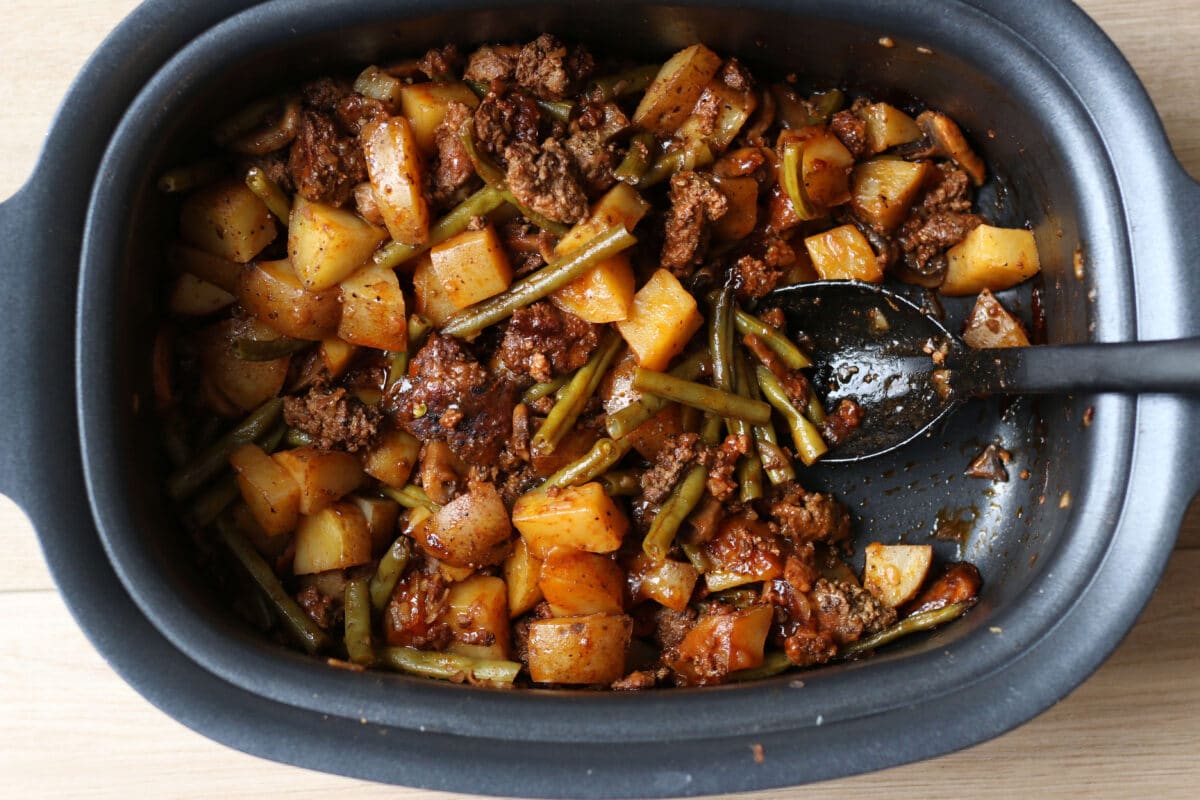
- Homogenization: After the cooking cycle is complete, a final stir incorporates the thickened broth with the solid ingredients, ensuring a consistent flavor profile in every serving.
Economic and Nutritional Implications
In an era of fluctuating food prices, the Salisbury Steak Casserole represents a cost-effective strategy for family nutrition. Ground beef remains one of the most accessible animal proteins, and the use of bulk vegetables like potatoes and mushrooms further reduces the per-serving cost.
Nutritionally, the dish provides a balanced ratio of macronutrients. A standard serving contains high-quality protein from the beef, complex carbohydrates from the potatoes, and essential vitamins from the green beans and tomato juice. The use of a tomato-based broth instead of a traditional heavy cream or flour-based gravy reduces the overall caloric density while increasing the intake of lycopene, a powerful antioxidant found in tomatoes.

Consumer Feedback and Market Trends
While official data on this specific recipe variant is localized to digital food communities, broader market analysis suggests that "casserole" and "slow cooker" remain top-performing search terms on platforms like Pinterest and Google Trends, particularly during the autumn and winter months.
Statements from home cooks and culinary influencers suggest that the appeal of the Salisbury Steak Casserole lies in its "one-pot" nature. By eliminating the need for separate side dishes, the recipe reduces the environmental impact associated with water usage for dishwashing and the energy consumption of running multiple kitchen appliances. Social media engagement data indicates that users highly value recipes that offer "leftover potential," with many reporting that the flavors of the Salisbury Steak Casserole deepen after 24 hours of refrigeration, making it an ideal candidate for meal prepping.
Broader Cultural Impact
The transition of Salisbury steak from a wartime necessity to a modern casserole reflects the enduring American preference for "comfort food"—dishes that evoke a sense of nostalgia and security. However, the modernization of these recipes through the inclusion of fresh vegetables and refined cooking techniques indicates a growing public awareness of health and ingredient quality.
The Salisbury Steak Casserole is more than a simple meal; it is a testament to the evolution of domestic labor. It showcases how traditional flavors can be preserved while adapting to the logistical realities of the modern world. As households continue to seek a balance between nutritional integrity and time efficiency, the role of the slow-cooker casserole is likely to remain a central fixture in the global culinary repertoire. Through the lens of food journalism, this dish represents a successful intersection of history, science, and practical domesticity.
