
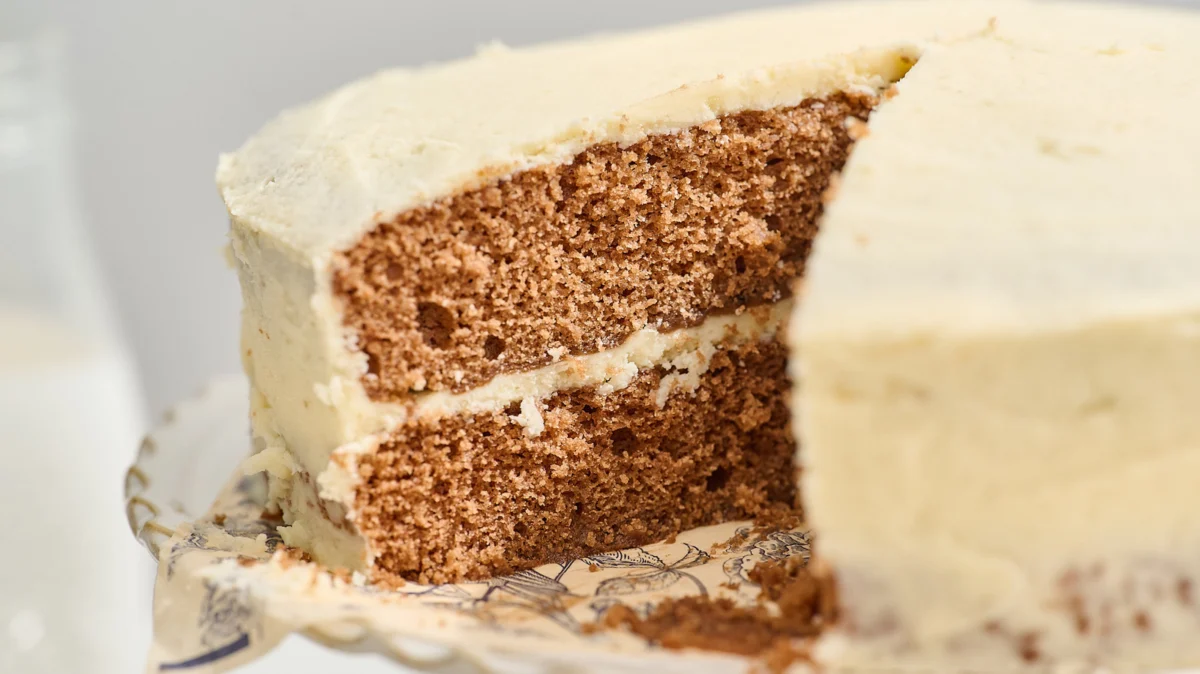
The allure of a perfectly baked cake is timeless, and among the cherished classics, the mahogany cake holds a special place. Often overshadowed by its more famous crimson cousin, red velvet, the mahogany cake boasts a rich history and a unique flavor profile that deserves its own spotlight. This recipe delves into the creation of an old-fashioned mahogany cake, celebrated for its tender crumb and crowned with a luxuriously smooth ermine icing, offering a delightful journey into a piece of baking heritage.
A Deep Dive into the Mahogany Cake’s Heritage
The genesis of cakes like red velvet and mahogany can be traced back to a time before artificial food colorings were commonplace. These cakes derived their distinctive hues from the natural reactions of ingredients. The mahogany cake, in particular, is considered by many culinary historians to be one of the earliest forms of chocolate cake. Its name, "mahogany," evokes the warm, deep reddish-brown color that emerges not from added dyes, but from the chemical interplay between cocoa powder, buttermilk, and baking soda.
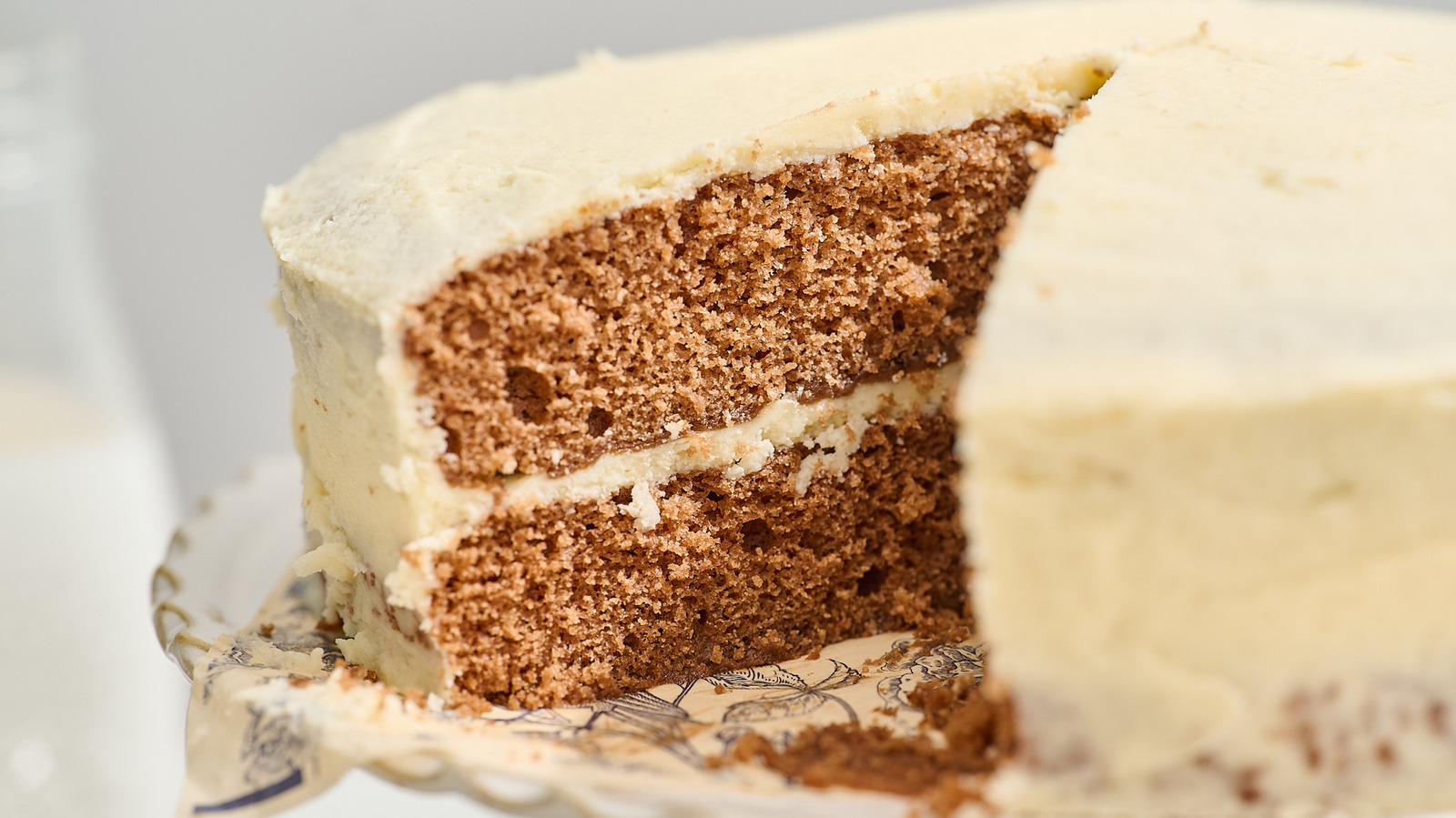
Historically, cocoa powder itself possessed a different acidity profile than many of today’s processed varieties. This natural acidity, when combined with the alkaline baking soda and the acidic buttermilk, would trigger a Maillard reaction that produced a subtle, yet distinct, reddish tint. This reaction is key to the cake’s signature color and contributes to its characteristic tender and moist texture. While modern cocoa powders, particularly Dutch-processed varieties, tend to be more neutral in pH and thus yield a darker, less reddish cake, the fundamental principles of creating a "velvet" texture remain. The term "velvet" itself refers to the cake’s incredibly smooth, soft, and fine crumb, a testament to the careful balance of ingredients and the leavening agents.
The ermine icing, also known as "cooked flour frosting" or "Seven Minute Frosting" (though distinct from the meringue-based Seven Minute Frosting), is another nod to historical baking practices. This frosting is created by cooking flour and milk into a custard-like base, which is then cooled and whipped with butter, sugar, and vanilla. The result is an exceptionally smooth, stable, and subtly sweet frosting with a texture often described as creamy, velvety, and almost custard-like. Its richness complements the mild chocolate notes of the mahogany cake without overpowering them.
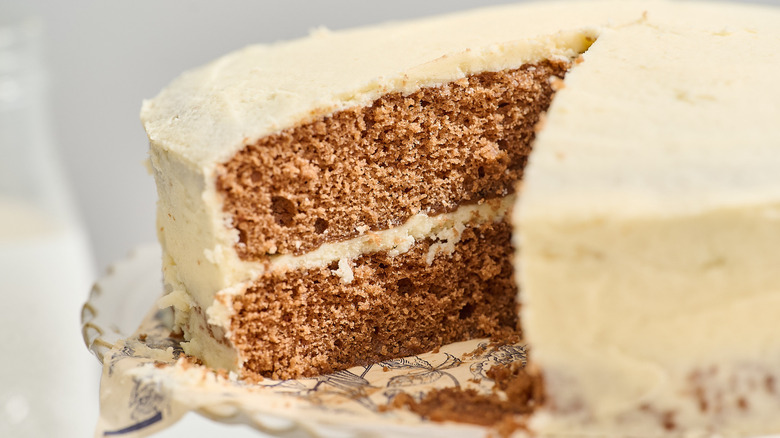
Essential Ingredients for an Authentic Mahogany Cake
Crafting this classic dessert requires a specific set of ingredients, each playing a crucial role in achieving the desired texture and flavor.
For the Mahogany Cake:
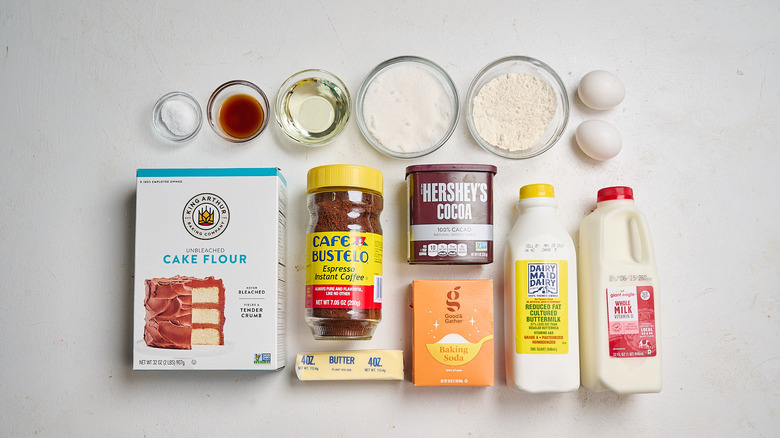
- Cake Flour: Its lower protein content results in a more tender crumb compared to all-purpose flour.
- Baking Soda: The primary leavening agent, reacting with acidic ingredients to create lift and contribute to the cake’s color.
- Espresso Powder: While not strictly essential for color, a small amount of espresso powder acts as a powerful flavor enhancer for chocolate, deepening its richness without imparting a distinct coffee taste.
- Salt: Balances sweetness and enhances other flavors.
- Unsalted Butter: Provides richness and structure.
- Granulated Sugar: Sweetens the cake and contributes to its tender texture.
- Vanilla Extract: Adds a warm aromatic note.
- Canola Oil: Contributes to moisture and a tender crumb.
- Eggs: Bind ingredients and add richness and structure.
- Buttermilk: Its acidity is crucial for activating the baking soda and achieving the cake’s characteristic hue and tender crumb.
- Natural Cocoa Powder: Opting for natural cocoa powder is key, as its higher acidity is more likely to produce a reddish tint when reacting with baking soda, unlike Dutch-processed cocoa which has been alkalized.
For the Ermine Icing:
- Granulated Sugar: Sweetens the frosting and is cooked with flour and milk.
- All-Purpose Flour: Forms the base of the cooked pudding mixture.
- Salt: Balances the sweetness.
- Milk: Used to create the pudding base.
- Unsalted Butter: Softened, it is whipped with the cooled pudding mixture to create a creamy frosting.
- Vanilla Extract: Adds its signature aroma and flavor to the frosting.
It is imperative to use natural cocoa powder for the best chance at achieving the subtle reddish hue. Similarly, buttermilk is non-negotiable; regular milk will not provide the necessary acidity for the chemical reactions that define this cake.
The Baking Process: A Step-by-Step Guide
Creating this nostalgic treat involves distinct stages, from preparing the pans to the final frosting.
Step 1: Oven and Pan Preparation
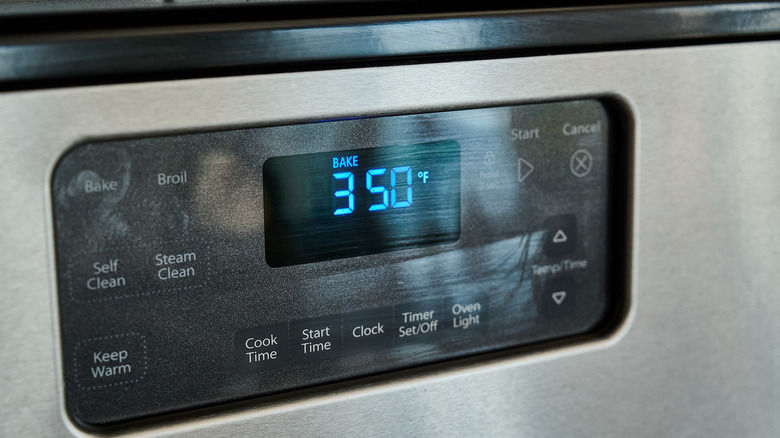
Begin by preheating your oven to 350°F (175°C). This ensures an even baking temperature from the moment the batter enters the oven. Prepare two 9-inch round cake pans by greasing them thoroughly. Lining the bottoms with parchment paper provides an extra layer of insurance against sticking, making for a clean release of the baked cakes.
Step 2: Harmonizing the Dry Ingredients
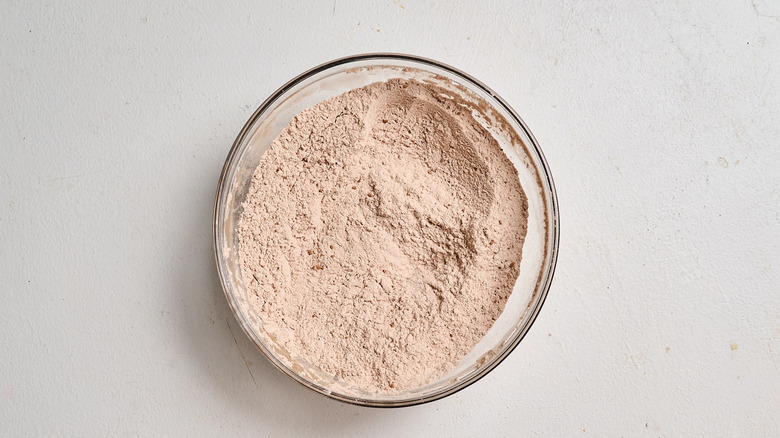
In a medium bowl, whisk together the cake flour, natural cocoa powder, baking soda, espresso powder (if using), and salt. Whisking ensures that all the dry ingredients are evenly distributed, which is vital for consistent leavening and flavor throughout the cake.
Step 3: Creaming Butter and Sugar
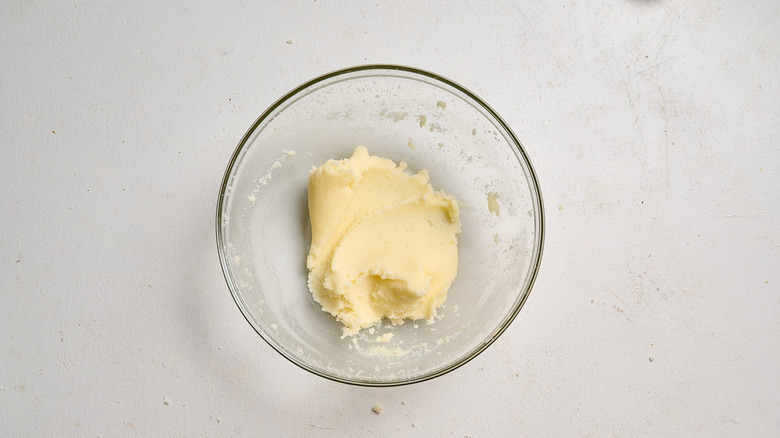
In a large bowl, using an electric mixer, cream the softened butter and granulated sugar together. This process, known as creaming, incorporates air into the mixture, which is crucial for the cake’s light and fluffy texture. Beat for approximately 3 to 4 minutes until the mixture is pale and fluffy. Next, add the vanilla extract and canola oil, and continue to mix for another minute until well incorporated.
Step 4: Incorporating the Eggs
Add the eggs to the creamed butter and sugar mixture one at a time. Beat well after each addition to ensure each egg is fully integrated into the batter. This gradual incorporation helps create a stable emulsion, preventing the batter from separating.
Step 5: Alternating Wet and Dry Ingredients
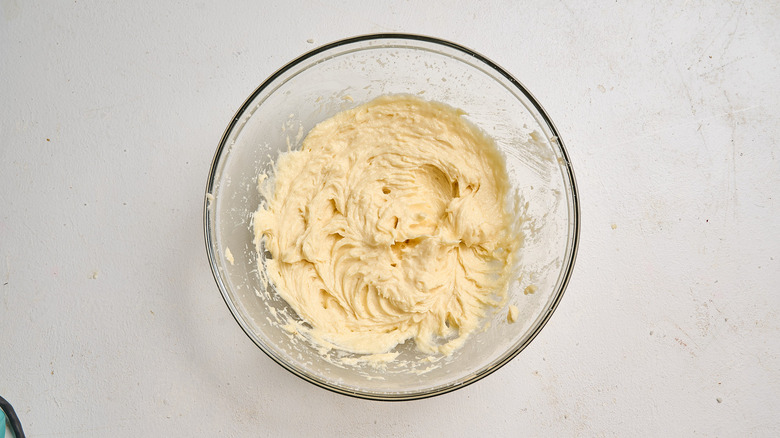
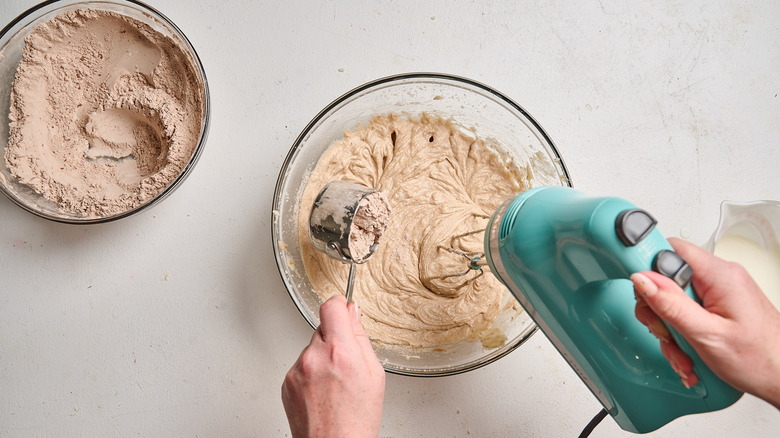
Begin by adding approximately ¼ cup of buttermilk to the batter and mix until just combined. Then, add ½ cup of the dry ingredient mixture and mix until just incorporated. Continue this process, alternating between the buttermilk and the dry ingredients, adding ¼ cup of buttermilk followed by ½ cup of the flour mixture, until all the ingredients are incorporated. Be careful not to overmix, as this can develop the gluten in the flour and lead to a tougher cake.
Step 6: Baking the Cakes
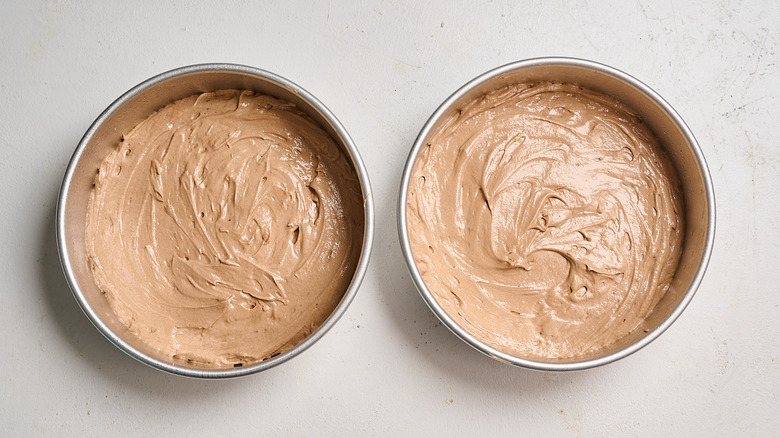
Divide the batter evenly between the two prepared cake pans. Smooth the tops with a spatula. Bake for 30 to 35 minutes, or until a wooden toothpick inserted into the center of the cakes comes out clean. The baking time may vary depending on your oven, so it’s essential to check for doneness.
Step 7: Cooling the Cakes
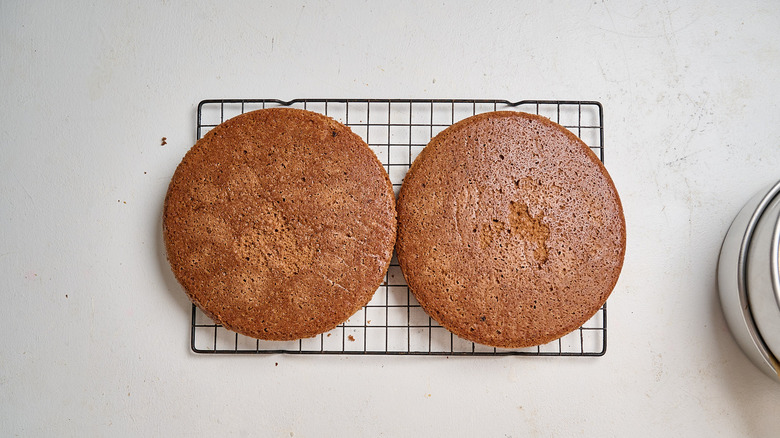
Once baked, allow the cakes to cool in their pans on a wire rack for about 10 to 15 minutes. This initial cooling period allows the cakes to set slightly, making them easier to handle. Then, carefully invert the cakes onto the wire rack to cool completely. Ensuring the cakes are entirely cool before frosting is critical to prevent the frosting from melting.
Step 8: Preparing the Ermine Frosting Base
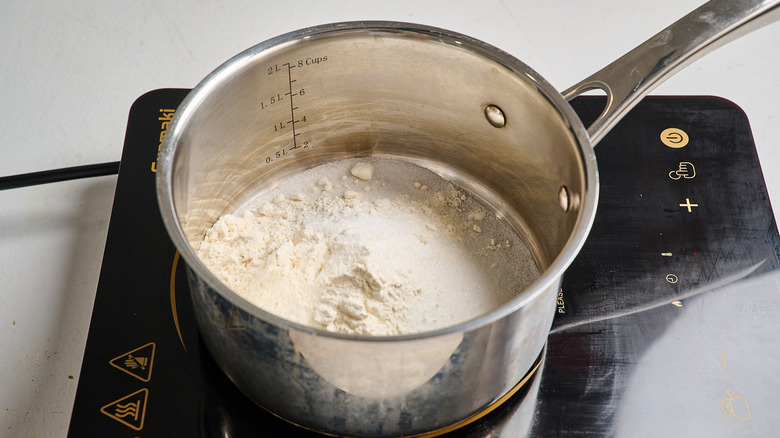
While the cakes are cooling, begin preparing the ermine frosting. In a medium saucepan, combine the granulated sugar, all-purpose flour, and salt. Whisk these dry ingredients together.
Step 9: Cooking the Pudding Base
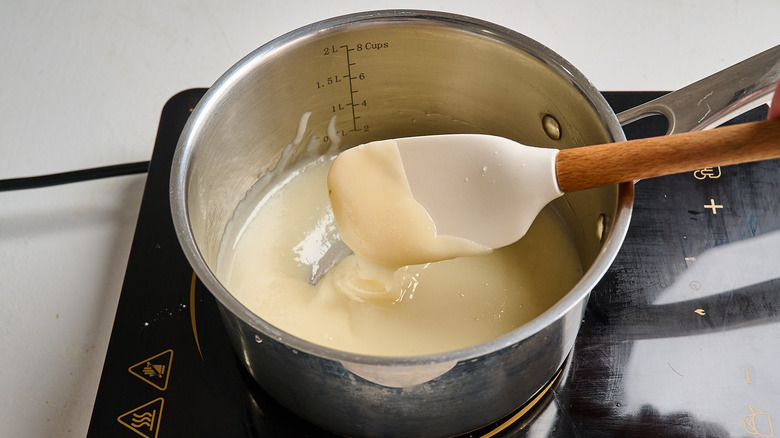
Gradually whisk in the milk until the mixture is smooth and lump-free. Place the saucepan over medium heat and cook, stirring constantly with a whisk or spatula, ensuring you scrape the bottom of the pan to prevent sticking and browning. Continue cooking until the mixture thickens to a pudding-like consistency, which should take about 3 minutes. The mixture should be thick enough to coat the back of a spatula.
Step 10: Chilling the Pudding Mixture
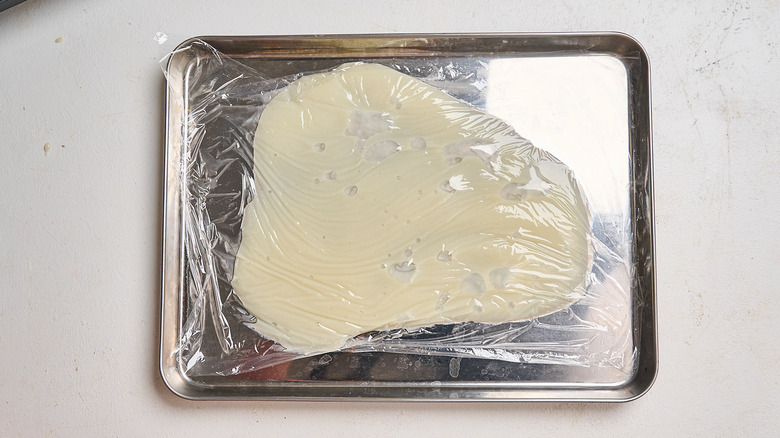
Once thickened, immediately spread the cooked milk and flour mixture onto a baking sheet. Cover the surface directly with plastic wrap, pressing the wrap down onto the pudding to prevent a skin from forming. Allow this mixture to chill completely in the refrigerator, which will take at least 30 minutes. This step is crucial for the frosting to achieve its characteristic texture.
Step 11: Whipping the Butter
In a large bowl, beat the softened butter with an electric mixer until it is light and fluffy, about 3 minutes. Scrape down the sides of the bowl as needed.
Step 12: Creating the Ermine Frosting
Once the pudding mixture is thoroughly chilled, gradually add it to the whipped butter, about ¼ cup at a time, beating well after each addition until fully incorporated. Continue beating until the frosting is smooth, creamy, and light. Add the vanilla extract and beat again to combine. The resulting frosting should be exceptionally smooth and spreadable.
Step 13: Assembling the Cake
Place one cooled cake layer on a serving plate or cake stand. Spread a generous layer of the ermine frosting evenly over the top of this cake layer. Carefully place the second cake layer on top of the frosting.
Step 14: Frosting the Entire Cake
Using an offset spatula, frost the top of the cake with the remaining ermine frosting. Then, frost the sides of the cake, working from the top down. For a classic finish, aim for smooth sides, though a more rustic look is also perfectly acceptable.
Serving Suggestions and Pairings
The rich, yet not overly sweet, flavor profile of the mahogany cake makes it incredibly versatile. It pairs beautifully with a simple cup of coffee or tea, allowing its delicate chocolate and vanilla notes to shine. For a more decadent experience, consider serving it with a scoop of vanilla bean ice cream or a fresh berry compote. The subtle tang of raspberries or the sweetness of strawberries can offer a delightful contrast to the cake’s richness.
Troubleshooting Ermine Frosting
While ermine frosting is generally forgiving, occasional issues can arise.
- Browning or Scorching: If the milk and flour mixture scorches during cooking, remove it from the heat immediately. Strain it through a fine-mesh sieve to remove any burnt bits. While the flavor might be slightly affected, it can often be salvaged. Constant stirring and moderate heat are the best preventative measures.
- Grainy or Separated Frosting: If the frosting appears grainy with noticeable lumps, it may indicate that the chilled milk mixture was too cold when added to the butter, causing the butter to clump. To fix this, place the frosting bowl over a warm water bath (a bowl set over a pot of simmering water) and gently warm it, stirring constantly, until the lumps disappear. Alternatively, place the bowl in a slightly warm oven for a few minutes. If the frosting becomes too soupy, it likely means it’s too warm. In this case, chill the frosting for a short period and then re-whip it.
The Role of Espresso Powder
The inclusion of espresso powder in mahogany cake recipes is a deliberate choice to enhance the chocolate flavor. Coffee, in small quantities, acts as a flavor amplifier for cocoa, deepening its complexity and richness without introducing a distinct coffee taste. If espresso powder is unavailable or if you prefer to omit it, simply leave it out of the dry ingredients. The cake will still be delicious, though perhaps with a slightly less pronounced chocolate depth. Avoid using brewed coffee as a substitute, as the added liquid can alter the batter’s consistency and affect the final texture and baking time.
Nutritional Considerations
A slice of this rich, old-fashioned mahogany cake with ermine icing typically contains approximately 790 calories, with about 44.4 grams of total fat, including 23.4 grams of saturated fat. It also provides around 93.5 grams of total carbohydrates, with 62.2 grams of sugar, and 1.5 grams of dietary fiber. The sodium content is around 467.5 mg, and protein is approximately 7.7 grams per serving. These figures are estimates and can vary based on specific ingredients and portion sizes.
The legacy of the mahogany cake is a testament to the ingenuity of early bakers. By understanding the natural properties of ingredients, they created desserts that were not only visually appealing but also exquisitely flavored. This recipe invites you to recreate that heritage, offering a slice of history that is as delightful to eat as it is to bake.
