
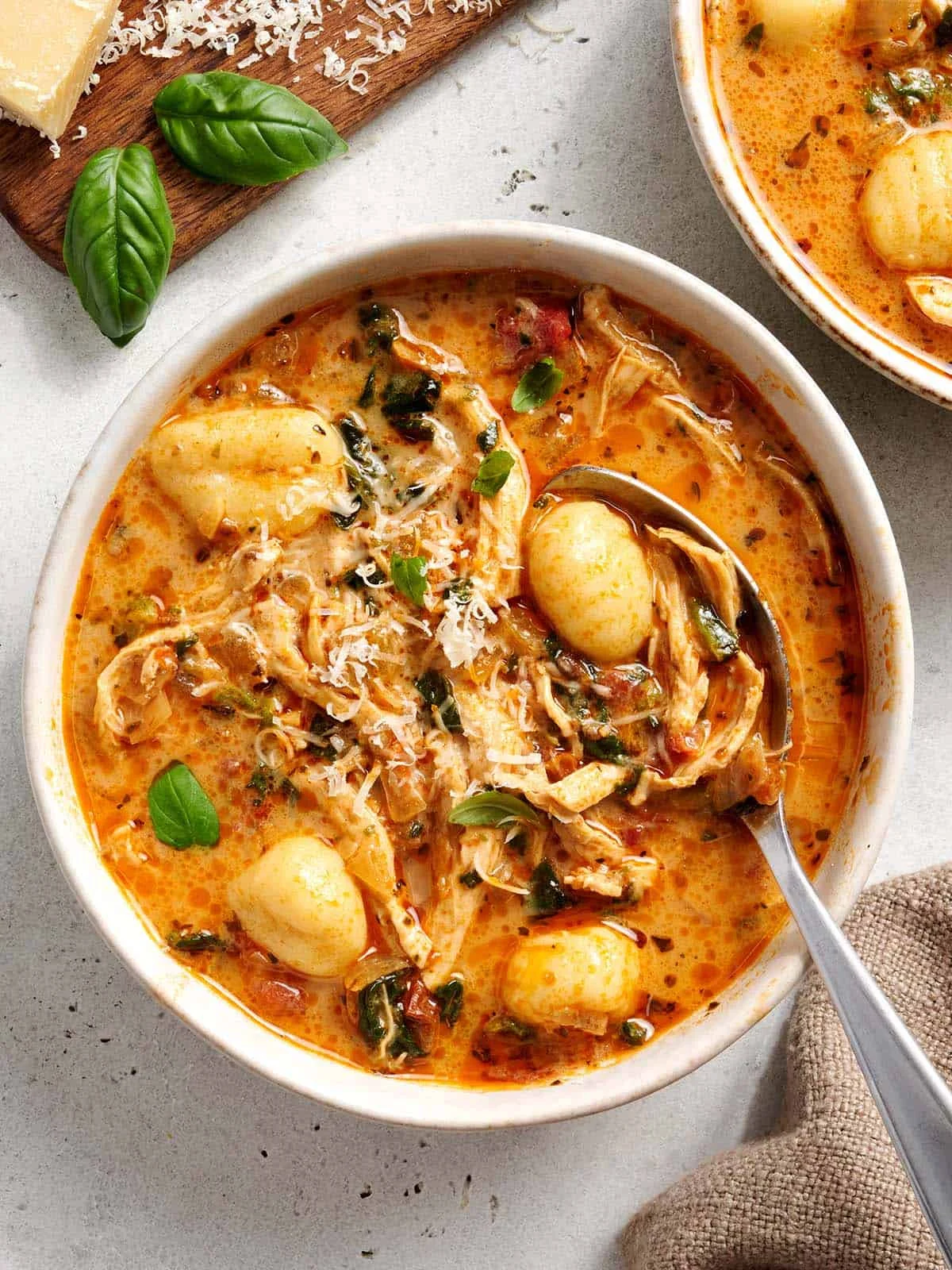
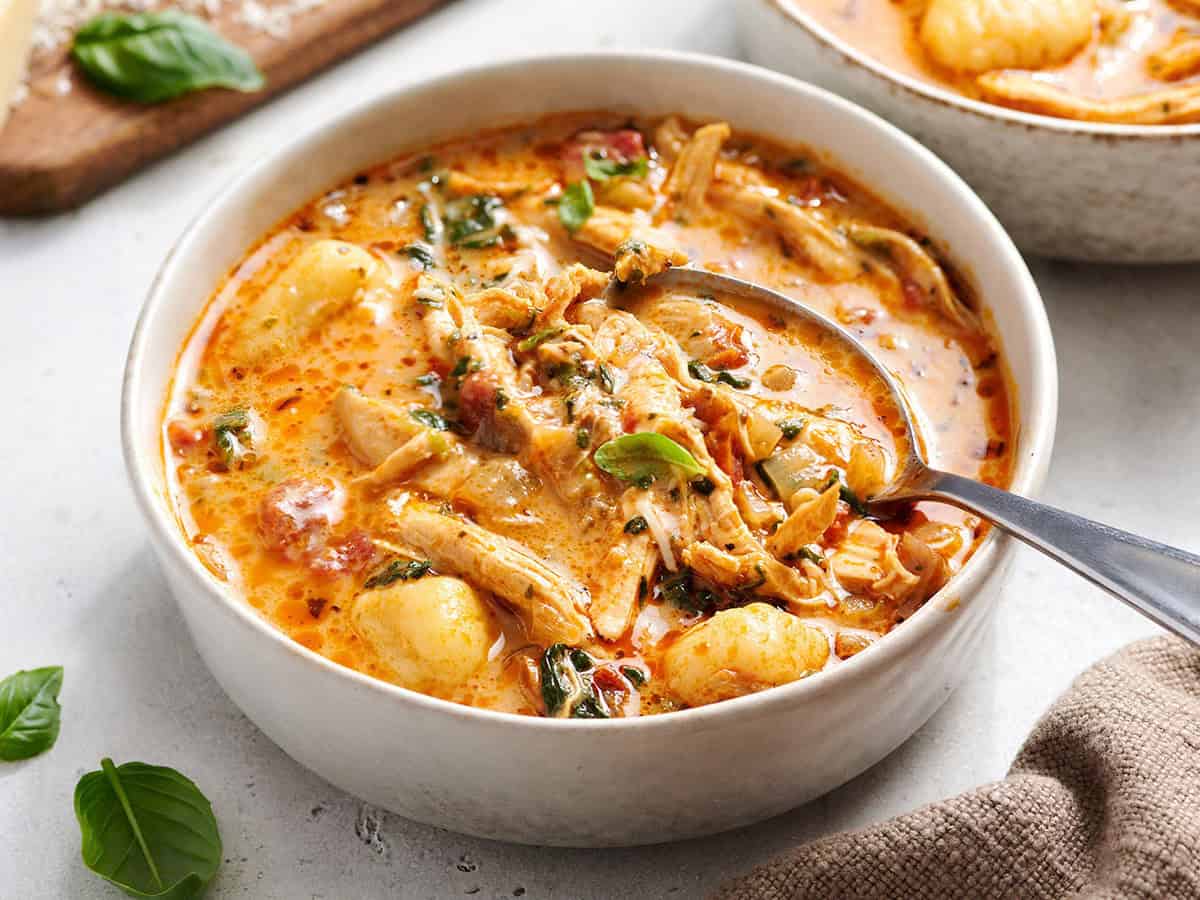
The culinary landscape of 2025 has seen a significant shift toward the "affordable luxury" segment of home cooking, a movement exemplified by the recent viral surge of the Marry Me Chicken Soup. This dish, a liquid-based iteration of the famous "Marry Me Chicken" recipe that first gained notoriety in the mid-2010s, represents a convergence of social media trend-cycling and pragmatic domestic economics. Developed and refined in the Nashville Test Kitchen by experts like Jennie Alley, the soup version seeks to provide a high-end, comforting dining experience at a fraction of the cost associated with Italian-style casual dining chains. By utilizing a strategic blend of shelf-stable flavor enhancers and fresh produce, the recipe achieves a cost-per-serving of approximately $1.58, positioning it as a significant data point in the study of modern frugal gastronomy.
Historical Context and the Origin of the Marry Me Moniker
To understand the current popularity of Marry Me Chicken Soup, one must trace the lineage of its predecessor. The original "Marry Me Chicken" first appeared in the digital sphere around 2016, purportedly named by editors at Delish who claimed the dish was so flavorful that it could elicit a marriage proposal. The flavor profile—defined by a heavy cream base, parmesan cheese, sun-dried tomatoes, and red pepper flakes—became a cornerstone of "engagement chicken" lore for the social media age.
In the years following its inception, the recipe underwent various mutations, moving from a pan-seared chicken breast dish to pasta bakes, and finally, in late 2024 and early 2025, into a hearty soup. The transition to soup is not merely a textural change but a response to consumer demand for "one-pot" efficiency and increased volume. By incorporating gnocchi—traditional Italian potato dumplings—the dish transforms from a protein-centric entrée into a complete, starch-integrated meal that appeals to the "cozy cooking" aesthetic prevalent on platforms like TikTok and Instagram.

Technical Development in the Nashville Test Kitchen
The Marry Me Chicken Soup variant highlighted in recent culinary reports was subjected to rigorous testing within the Nashville Test Kitchen to ensure it met specific benchmarks for ease of preparation, affordability, and flavor density. The development team focused on a 40-minute preparation window, catering to the "weeknight warrior" demographic—individuals who seek high-quality meals but are constrained by professional and personal time commitments.
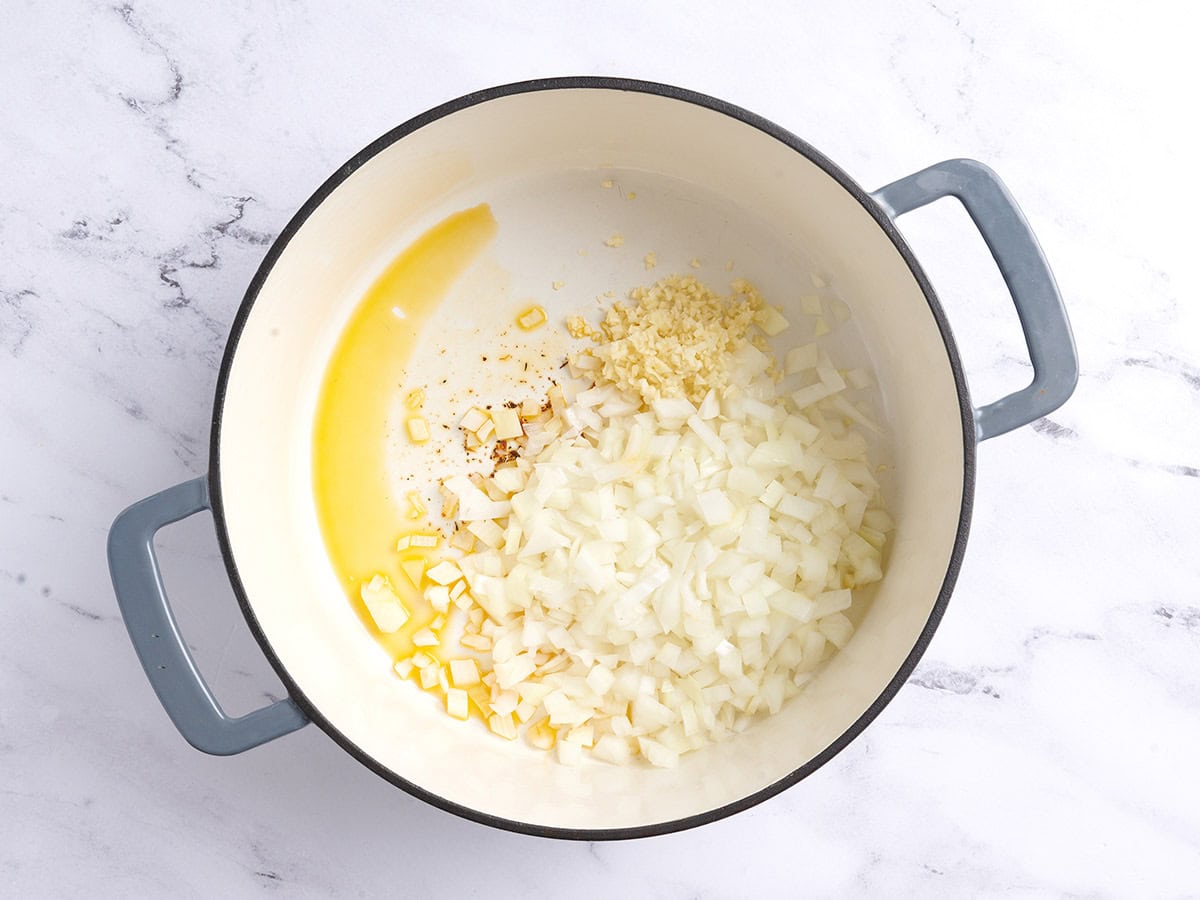
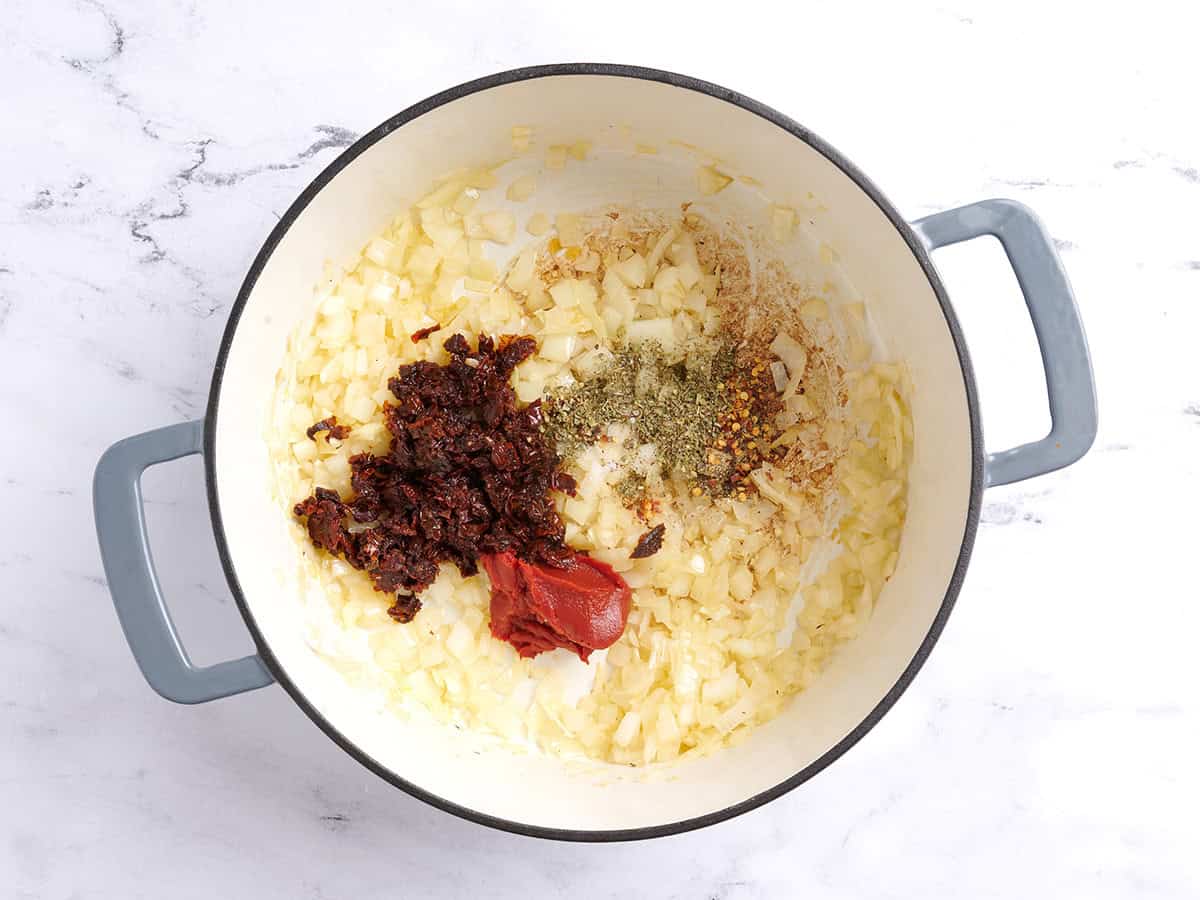
The technical execution of the soup relies on several key culinary principles. First is the utilization of aromatics—onions and garlic—sautéed in the oil reserved from jarred sun-dried tomatoes. This "recycled flavor" technique is a hallmark of modern budget-conscious cooking, as it extracts maximum value from a single ingredient purchase. The addition of tomato paste, which is caramelized for one to two minutes to deepen the umami profile, serves as the foundation for the broth.
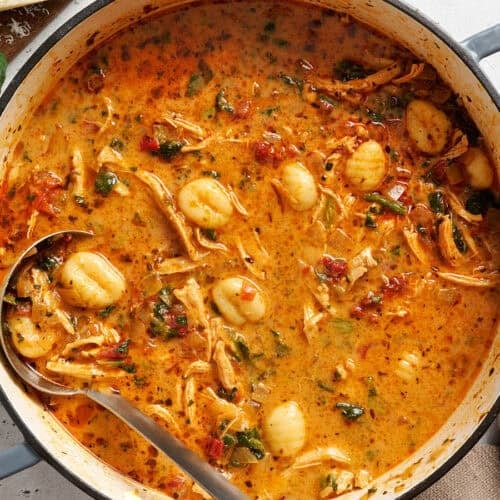
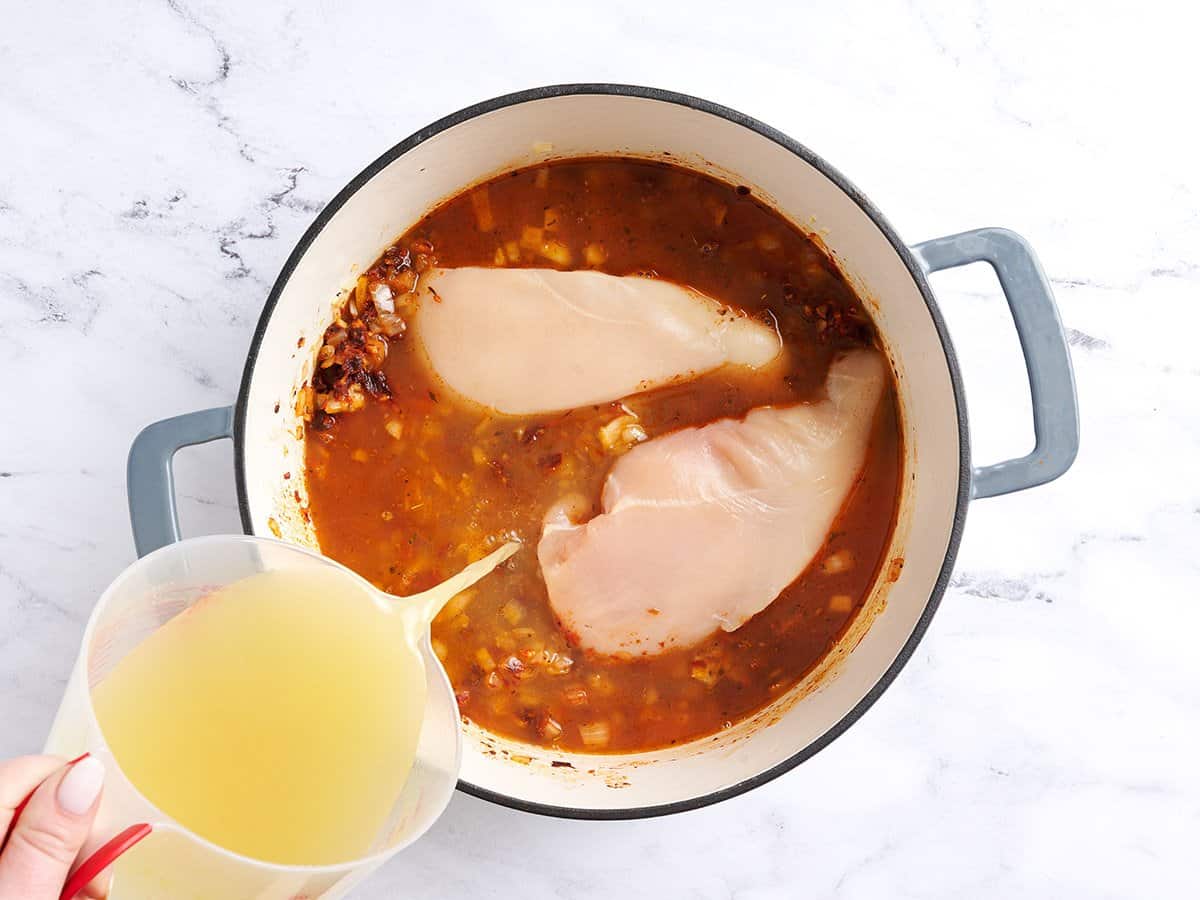
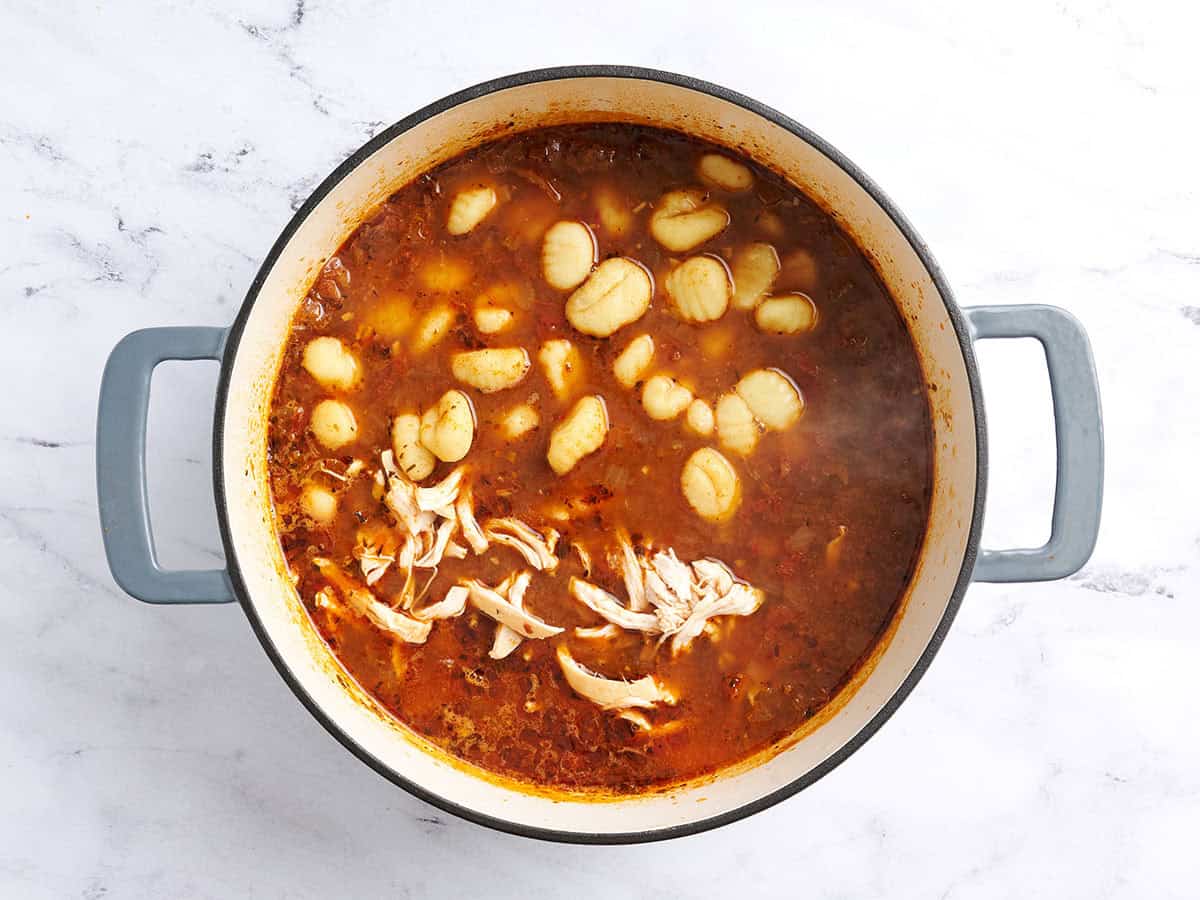
According to technical specifications from the test kitchen, the chicken is poached directly in the broth. This method serves a dual purpose: it ensures the chicken remains tender and moist while simultaneously enriching the broth with natural proteins and fats. The inclusion of gnocchi occurs in the final stages of the cooking process, requiring only three to four minutes to reach the "al dente" floating stage, thereby preventing the starch from breaking down and clouding the liquid.
Economic Analysis: Cost Breakdown and Market Comparison
In an era of fluctuating food inflation, the economic viability of the Marry Me Chicken Soup is one of its most compelling features. The Nashville Test Kitchen provided a detailed cost analysis, revealing a total recipe cost of $9.45 for six servings.
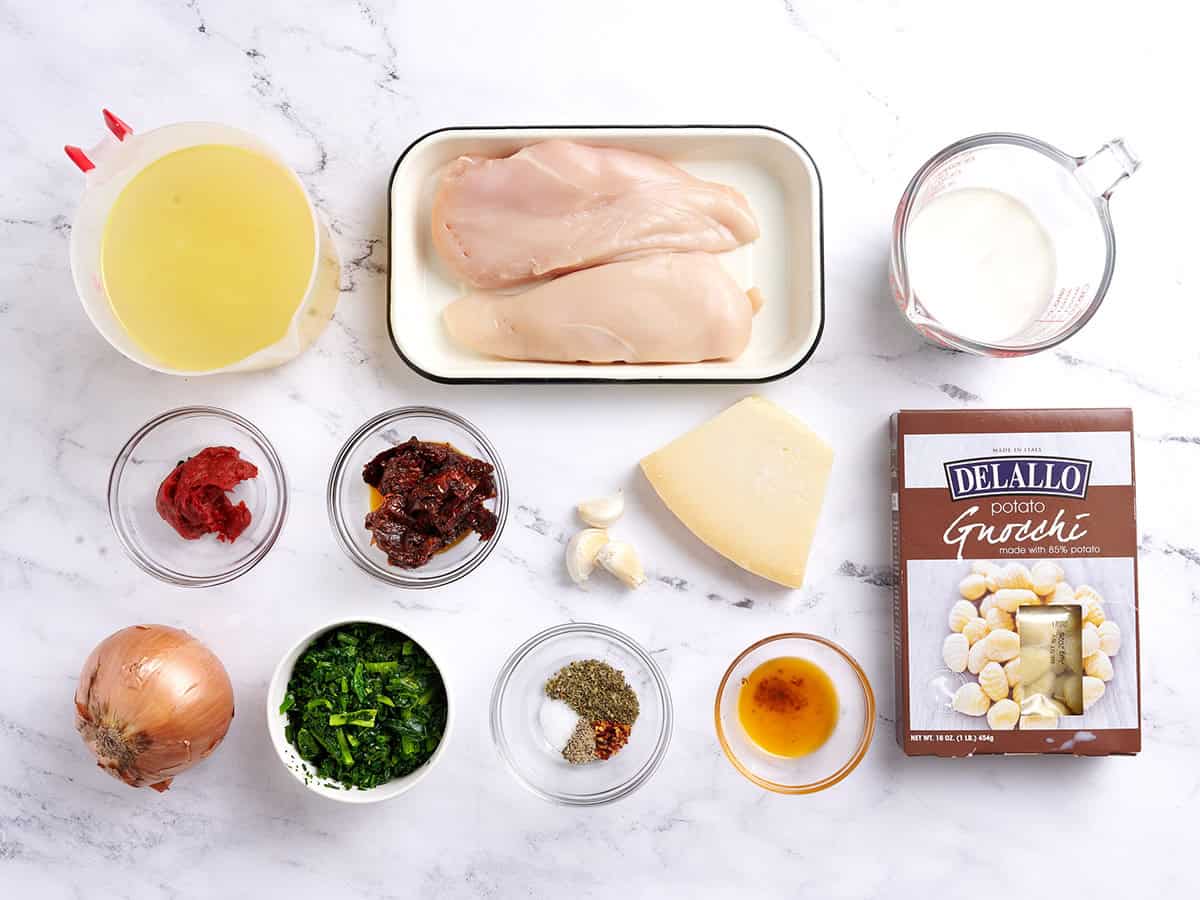
The breakdown of expenses highlights the efficiency of the ingredient list:
- Protein: 1 lb. of chicken breasts, often the most expensive component, is stretched across six portions.
- Starch: A 16 oz. package of gnocchi provides significant satiety for a low price point.
- Flavor Agents: The use of "Better Than Bouillon" is cited as a strategic choice to maintain strong flavor without the expense of purchasing multiple cartons of liquid stock.
- Produce: Fresh or frozen spinach and sun-dried tomatoes provide micronutrients and aesthetic appeal without exceeding the $10 threshold for the entire meal.
When compared to a standard bowl of gnocchi-based soup at a national Italian restaurant chain—where prices typically range from $7.00 to $9.50 per individual bowl—the homemade version offers a savings of over 80% per serving. This price gap is a primary driver for the recipe’s viral success, as households look to replicate "restaurant-style" experiences at home.
Nutritional Profile and Dietary Implications
From a nutritional standpoint, the Marry Me Chicken Soup offers a balanced profile, though it is notably high in sodium—a common trait in savory, broth-based dishes. A single serving contains approximately 316 calories, making it a relatively light option for a cream-based soup.
Key nutritional data includes:
- Protein (25g): Represents 50% of the daily recommended value for an average adult, primarily derived from the shredded chicken.
- Carbohydrates (35g): Sourced from the potato-based gnocchi.
- Fat (9g): A controlled amount, considering the use of half-and-half and parmesan cheese.
- Sodium (1593mg): At 69% of the daily value, this is the most significant health consideration for the dish.
Recipe developers suggest that for those monitoring sodium intake, substituting the bouillon with low-sodium alternatives or increasing the volume of fresh vegetables can mitigate these levels. The inclusion of spinach—which must be thawed and squeezed dry to prevent dilution—adds essential vitamins and minerals, contributing to the dish’s status as a "hug in a bowl."
Chronology of Preparation: From Pantry to Table
The workflow for the Marry Me Chicken Soup is designed for maximum efficiency, following a logical progression that minimizes kitchen labor.
- Aromatic Foundation (0-5 minutes): Sautéing onion and garlic in sun-dried tomato oil.
- Flavor Building (5-10 minutes): Incorporating tomato paste, Italian seasoning, red pepper flakes, and sun-dried tomatoes to create a concentrated base.
- Protein Infusion (10-25 minutes): Simmering chicken breasts in the broth until they reach an internal temperature of 165°F.
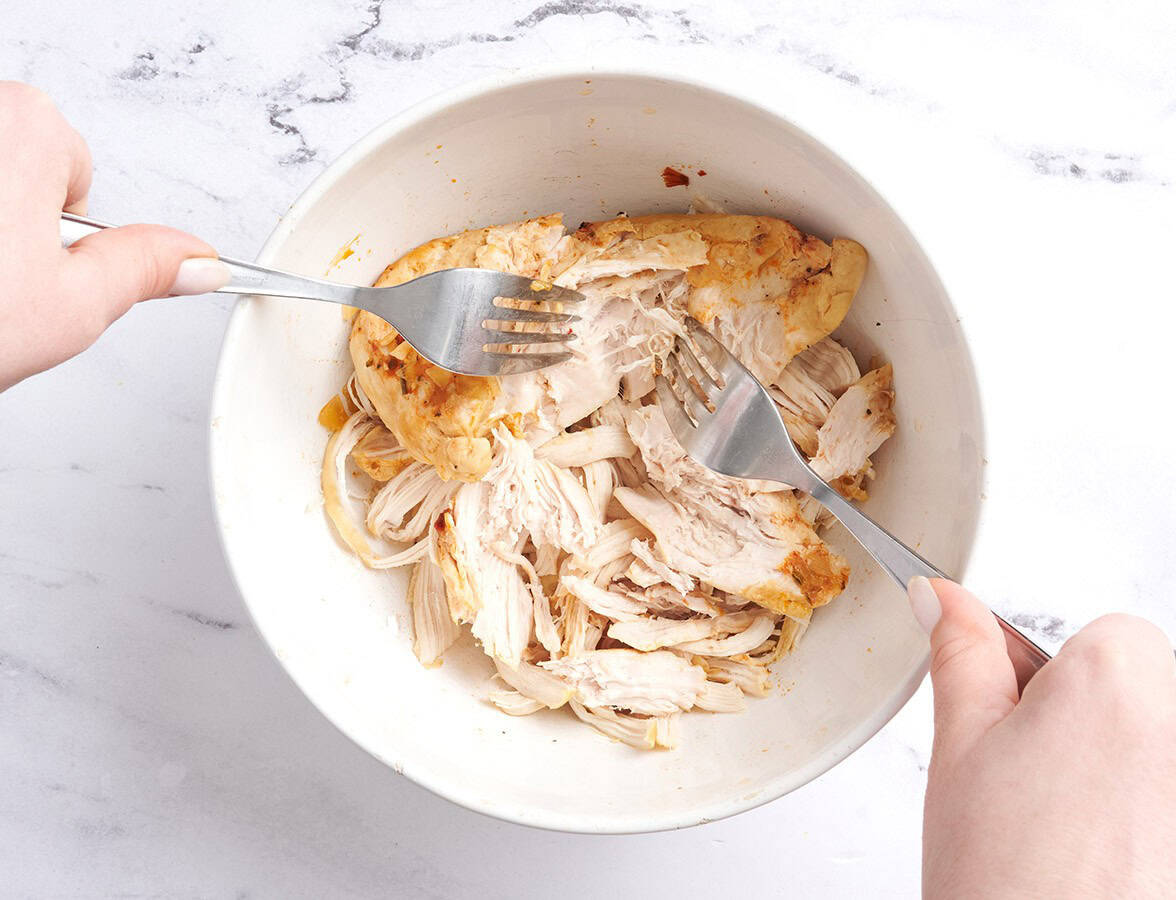
- Textural Finalization (25-35 minutes): Shredding the chicken and returning it to the pot alongside the gnocchi.
- Emulsification (35-40 minutes): Stirring in half-and-half, parmesan, and spinach to achieve the signature creamy consistency.
This timeline demonstrates how complex flavor profiles can be achieved within a standard lunch hour or after-work window, further cementing the recipe’s utility in the modern kitchen.
Broader Impact on the Digital Food Economy
The success of the Marry Me Chicken Soup is indicative of a broader trend in the digital food economy: the "democratization of gourmet." As recipe developers like Jennie Alley bridge the gap between professional culinary school techniques and the average home cook’s budget, they create a new category of content that is both aspirational and attainable.
Social media platforms have acted as an accelerant for these recipes. The "Marry Me" family of dishes has become a recognizable brand in its own right, with users frequently sharing their own adaptations and "results." This creates a feedback loop where the popularity of a dish is sustained not just by its taste, but by its cultural capital. Serving Marry Me Chicken Soup is, in many ways, a performance of being "in the know" regarding current internet trends.
Furthermore, the emphasis on "Nashville Test Kitchen" validation provides a layer of institutional trust that is often missing from purely user-generated content. By ensuring that recipes are "rigorously tested," brands can distinguish themselves in a crowded marketplace, offering consumers a guarantee of success that encourages them to invest their time and money into the ingredients.
Conclusion and Future Implications
The Marry Me Chicken Soup phenomenon is more than a fleeting internet craze; it is a reflection of the 2025 consumer’s desire for comfort, community, and cost-efficiency. As food costs remain a central concern for many households, the ability to create a "proposal-worthy" meal for under $2.00 a serving is a powerful proposition.
Looking forward, it is likely that the "Marry Me" flavor profile will continue to be adapted into new formats—perhaps vegetarian versions utilizing chickpeas or mushrooms, or slow-cooker variations for even greater convenience. The enduring appeal of the creamy sun-dried tomato and parmesan combination suggests that this "flavor family" has secured a permanent place in the American culinary canon. Whether used for a quiet weeknight dinner or a strategic "date night" maneuver, the Marry Me Chicken Soup stands as a testament to the power of a well-engineered, budget-friendly recipe in the modern age.
