
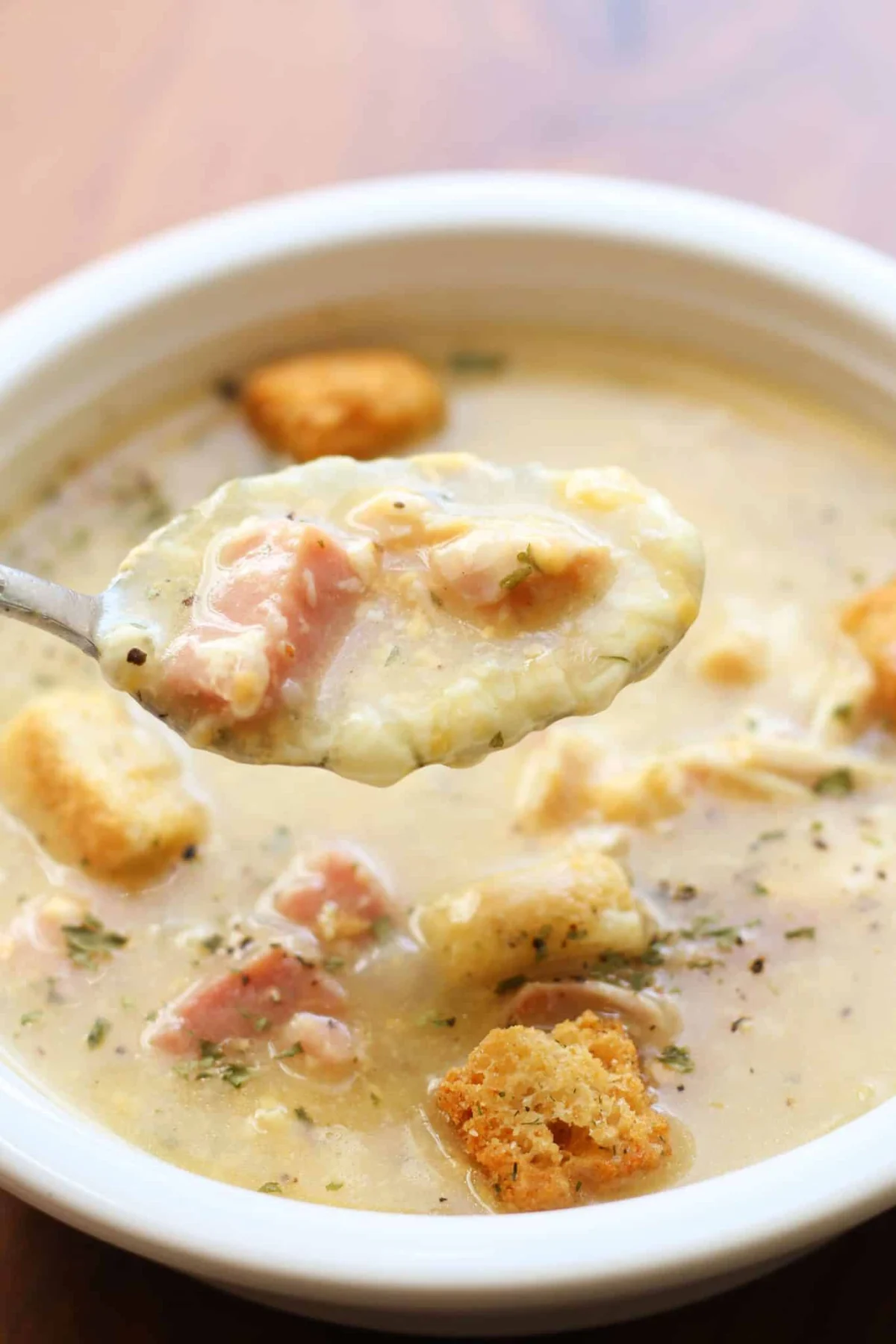
Historical Context and Culinary Evolution
The Monte Cristo sandwich itself is a variation of the French croque-monsieur, a grilled ham and cheese sandwich that gained popularity in Paris around 1910. The American iteration evolved in the mid-20th century, notably appearing in cookbooks as early as the 1930s and later becoming a staple of diner menus across the United States. The defining characteristic of the sandwich is the interplay between salty deli meats, nutty Swiss cheese, and the sweet acidity of fruit preserves, often finished with a dusting of confectioners’ sugar.
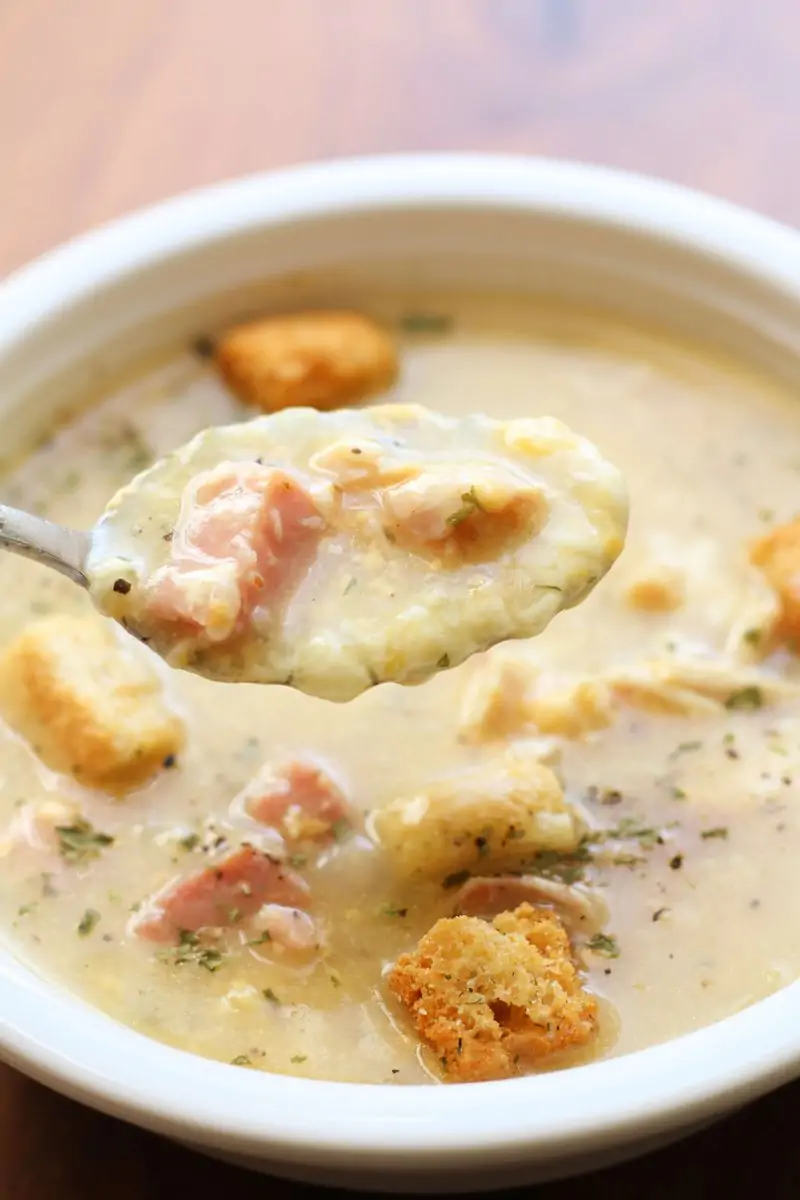
Transitioning these specific flavor profiles into a soup format represents a significant shift in home-meal preparation. While traditional soup recipes focus primarily on savory umami profiles, the Monte Cristo Soup experiment highlights a broader culinary trend toward "fusion comfort food." By utilizing the Instant Pot, home chefs can reduce the preparation time for complex base stocks while achieving a depth of flavor that usually requires hours of traditional simmering.
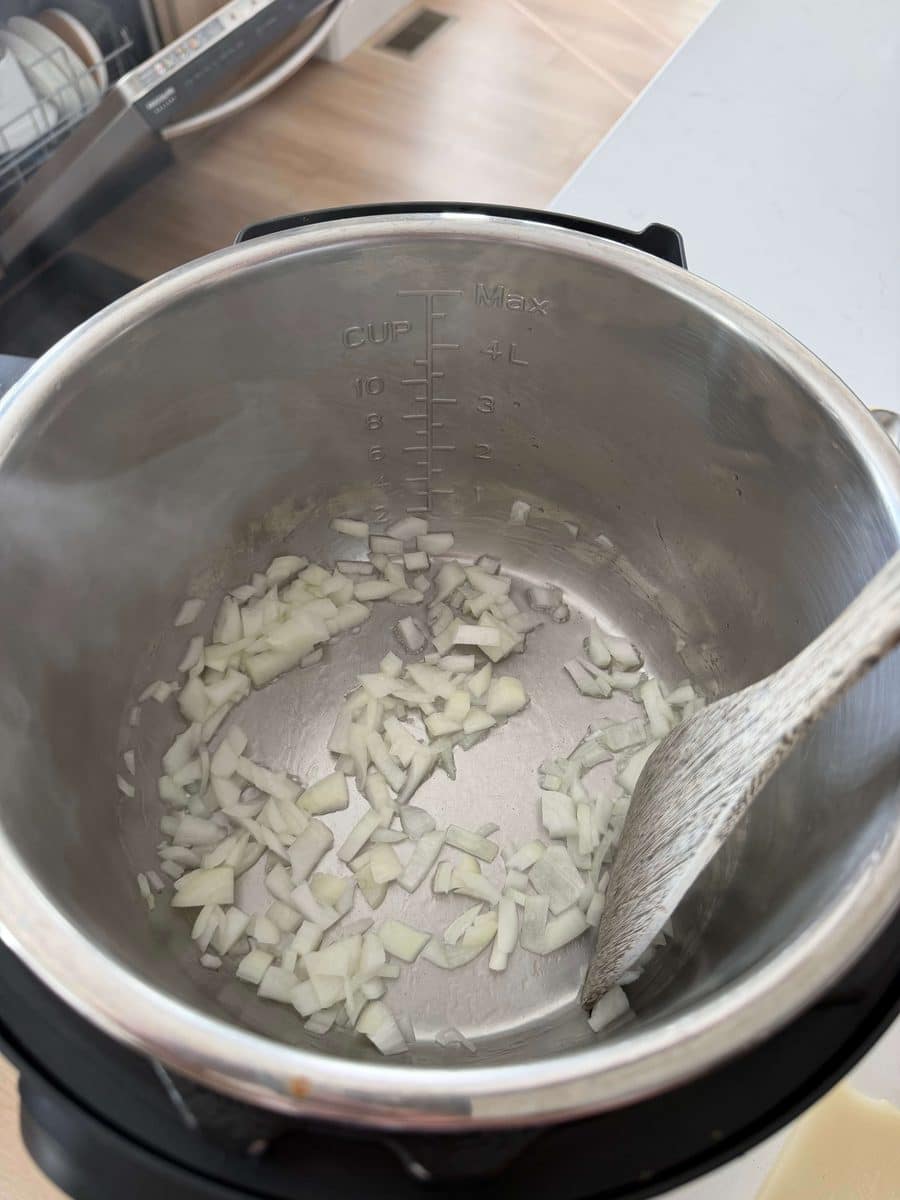
Technical Methodology and Preparation
The preparation of this dish relies on the precise functionality of electric pressure cookers. The process begins with the sautéing of aromatic bases, such as onions and garlic, which provide the foundational depth for the soup. The addition of ham, turkey, or chicken provides the protein-dense structure, while the inclusion of Dijon mustard acts as an essential emulsifier and flavor enhancer, balancing the richness of the cheese.
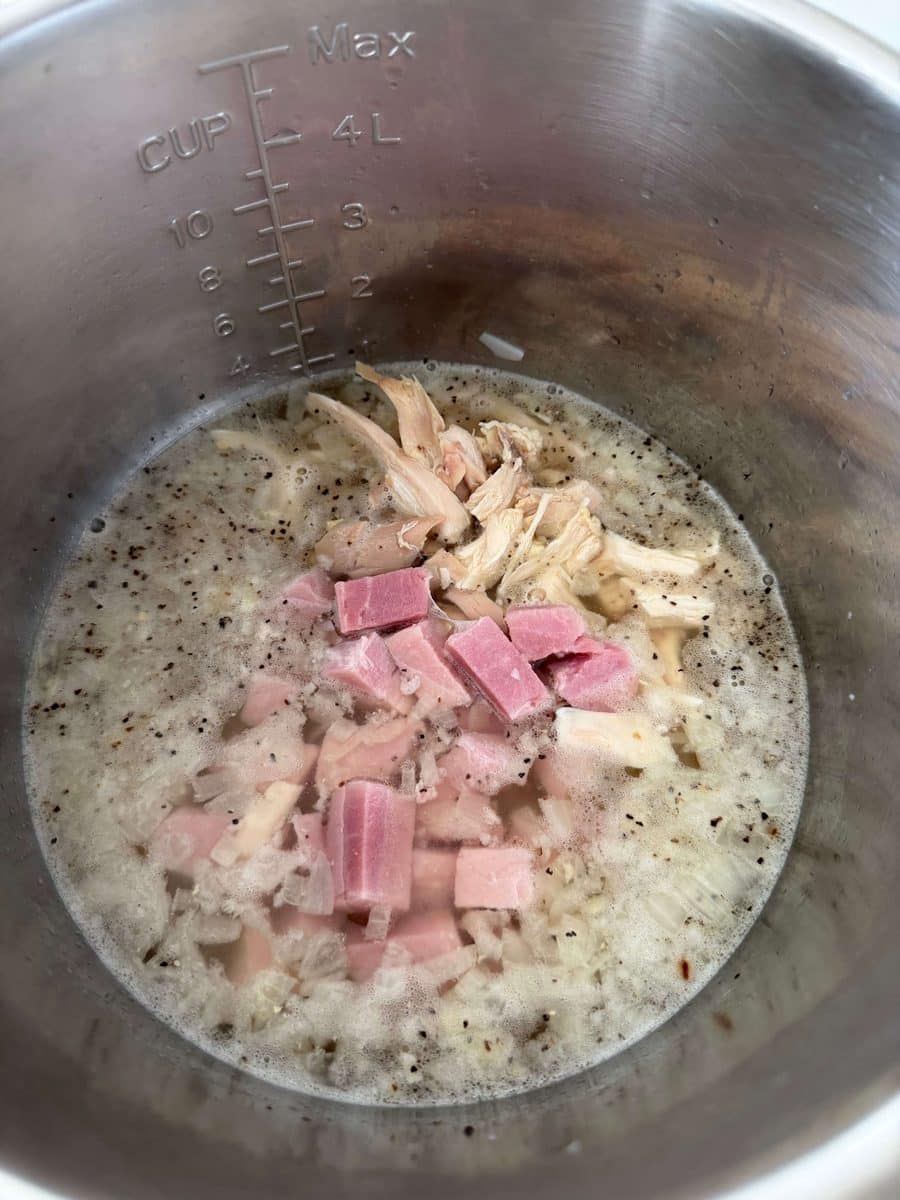
The chronology of the cooking process is critical to the texture of the final product:

- Aromatic Sauté: The Instant Pot is set to the sauté function to caramelize onions and toast the garlic, ensuring a robust flavor profile.
- Pressure Cooking Phase: Broth and meats are added, and the pot is sealed for a short, three-minute pressure cycle. This quick cook time prevents the deli meats from becoming overly fibrous or tough.
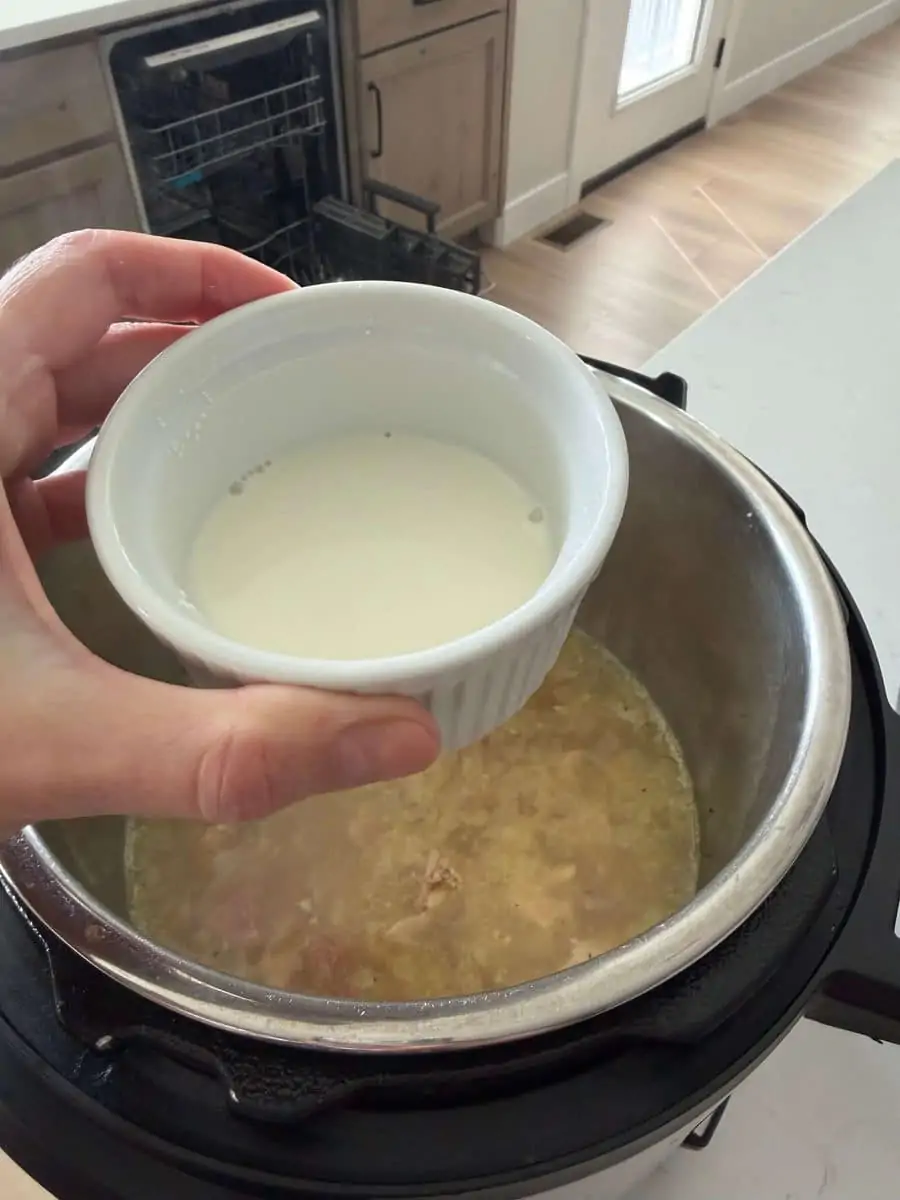
- Thickening and Emulsification: A cornstarch slurry is introduced to provide the necessary viscosity for a "cream-style" soup, followed by the incorporation of Swiss and cheddar cheeses. The addition of cheese must occur after the pressure-cooking phase to prevent curdling or separation.
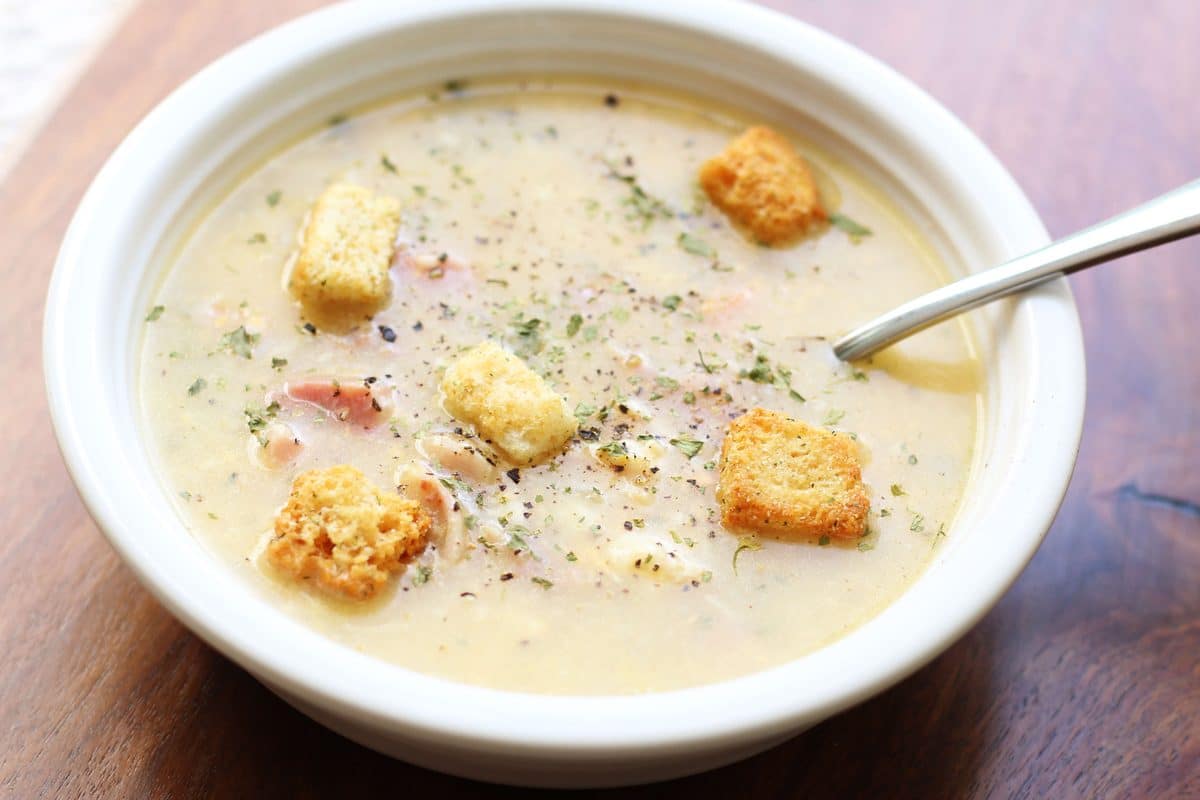
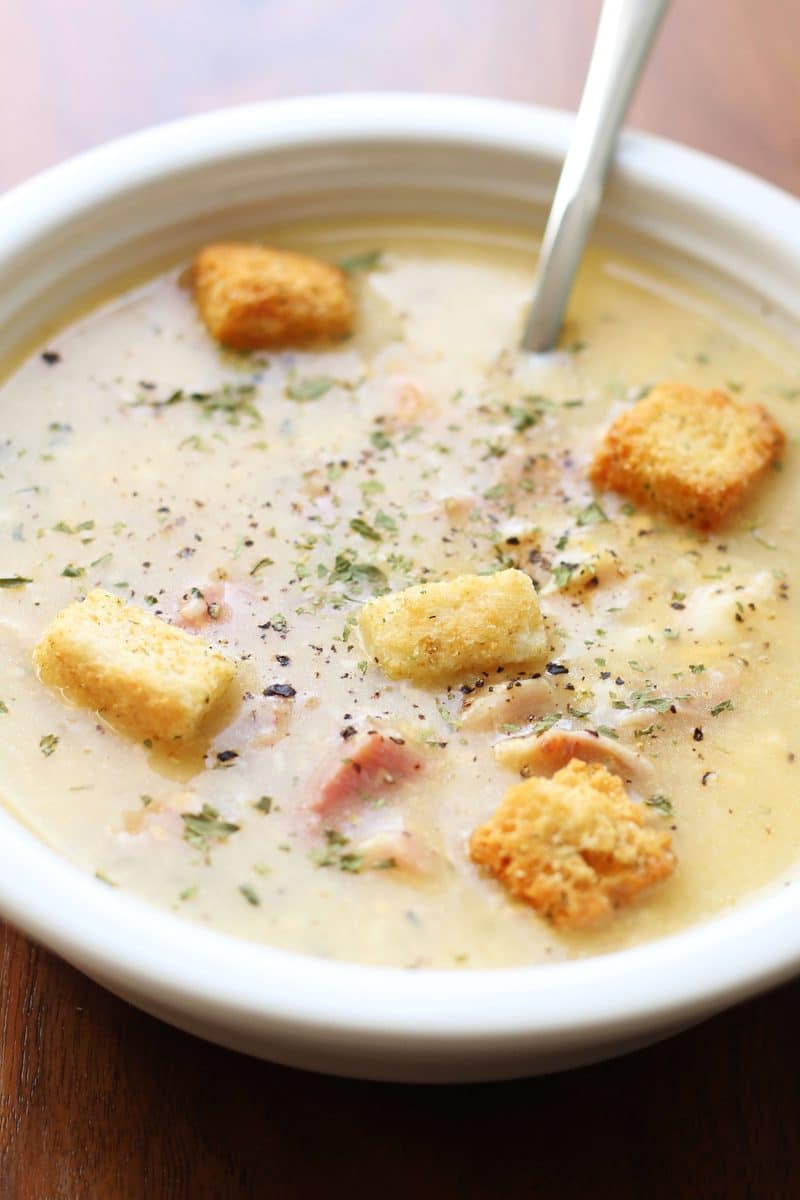
- Final Assembly: The soup is finished by ladling it into individual bowls, topped with crunchy croutons—acting as a proxy for the sandwich’s bread—and a precise drizzle of raspberry preserves to maintain the signature sweet-and-savory contrast.
Nutritional and Dietary Considerations
From a nutritional perspective, this dish is classified as a high-protein, calorie-dense meal. The combination of poultry and ham provides substantial amino acid profiles, while the inclusion of two types of cheese increases the calcium and fat content.
Dietary experts note that while this dish is indulgent, the use of pressure cooking allows for a controlled sodium intake if low-sodium broths are utilized. Furthermore, the adaptability of the recipe allows for significant modifications. For instance, those looking to reduce carbohydrates can omit the croutons or substitute them with toasted seeds, while those with gluten sensitivities can easily adapt the thickening agent from flour to gluten-free cornstarch or potato starch.

Market Trends in Home Cooking
The rise of such recipes is closely linked to the increased market penetration of multi-cookers, such as the Instant Pot, which have revolutionized home kitchens over the last decade. Data from consumer goods analysts suggests that interest in "one-pot" meals has increased by over 40% since 2020. This trend is driven by a demographic shift toward time-efficient meal preparation among working professionals and families.
The Monte Cristo Soup serves as a case study for "leftover transformation," a segment of the recipe industry that focuses on reducing food waste. By repurposing holiday poultry or deli-counter remnants, the recipe aligns with growing consumer interest in sustainable kitchen practices. Food bloggers and culinary influencers have noted that the "soup-ification" of traditional solid foods is an effective way to introduce variety into a weekly meal rotation without requiring extensive grocery shopping.
Expert Analysis of Flavor Profiles
Culinary scientists often point to the "Monte Cristo effect" as an ideal example of the "flavor contrast" principle. The human palate is biologically predisposed to seek out combinations of fat, salt, and sugar. The saltiness of the ham and the fat from the Swiss cheese provide the base, while the raspberry preserves introduce a sharp, acidic sweetness that prevents the dish from feeling overly heavy.
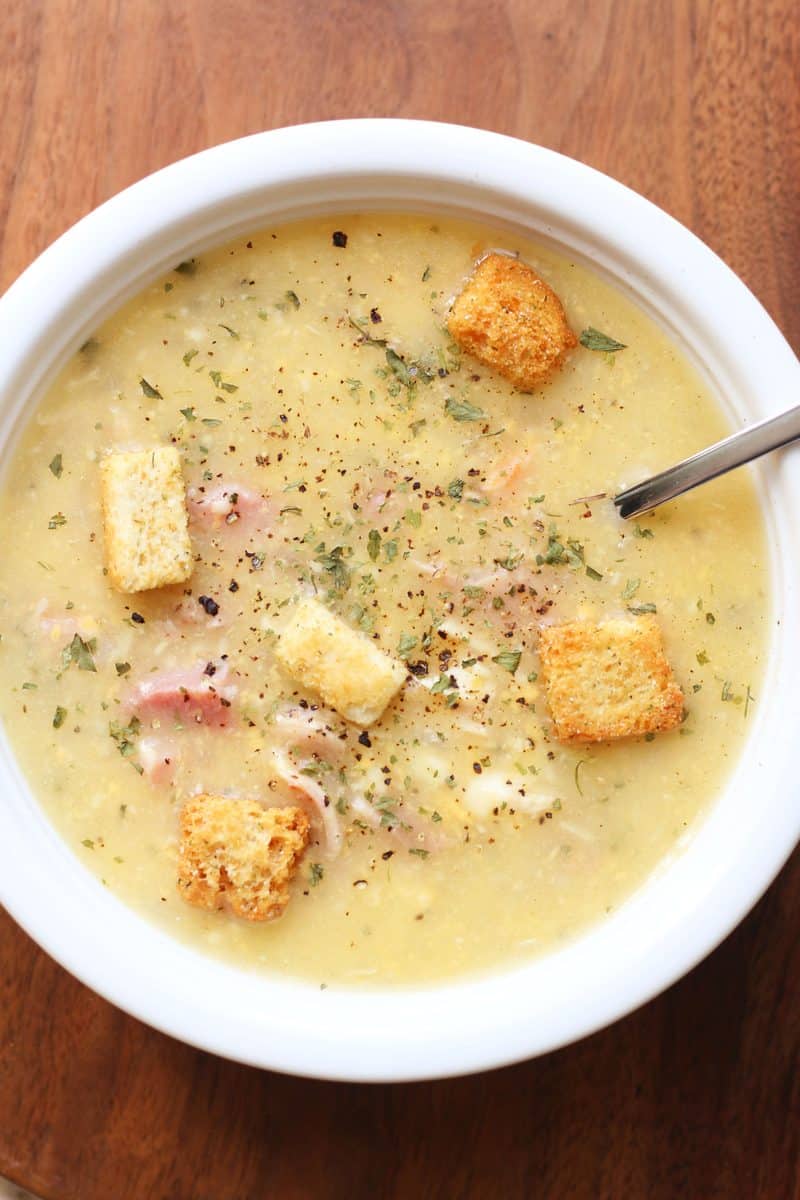
"The successful transition of a sandwich into a soup requires the careful management of the liquid-to-solid ratio," says an independent culinary consultant. "By turning the bread into croutons and the jam into a topping, you retain the texture of the original sandwich while enjoying the warmth of a bowl of soup. It is an exercise in structural deconstruction that remains faithful to the original dish’s identity."

Broader Implications and Future Outlook
As home cooking continues to evolve, the integration of restaurant-style flavors into simplified, home-appliance-friendly formats is expected to grow. The Monte Cristo Soup is not merely a recipe; it is a signal of a broader movement toward "comfort-food modernization." This approach respects historical dishes while leveraging contemporary kitchen technology to make them accessible for a Tuesday night dinner.

Furthermore, the popularity of such recipes indicates a shift in how families approach meal planning. With the availability of digital recipe archives and filtering systems, users are increasingly empowered to search by ingredients they already have in their pantry, such as "leftover turkey," rather than planning meals around specific grocery lists. This behavior supports a circular economy within the household, minimizing waste and maximizing the utility of existing food supplies.

In conclusion, the Monte Cristo Soup represents a successful bridge between high-concept diner food and accessible, efficient home cooking. Through the application of modern kitchen technology and an understanding of foundational flavor balancing, home cooks have created a dish that is as versatile as it is comforting. As appliance technology continues to advance, it is likely that we will see further deconstructions of classic dishes, turning the familiar into the innovative, one bowl at a time. Whether viewed as a creative challenge or a practical solution for leftovers, this recipe stands as a testament to the enduring appeal of the sweet-and-savory combination in the modern American diet.
