
The Culinary Mechanics of the Dish
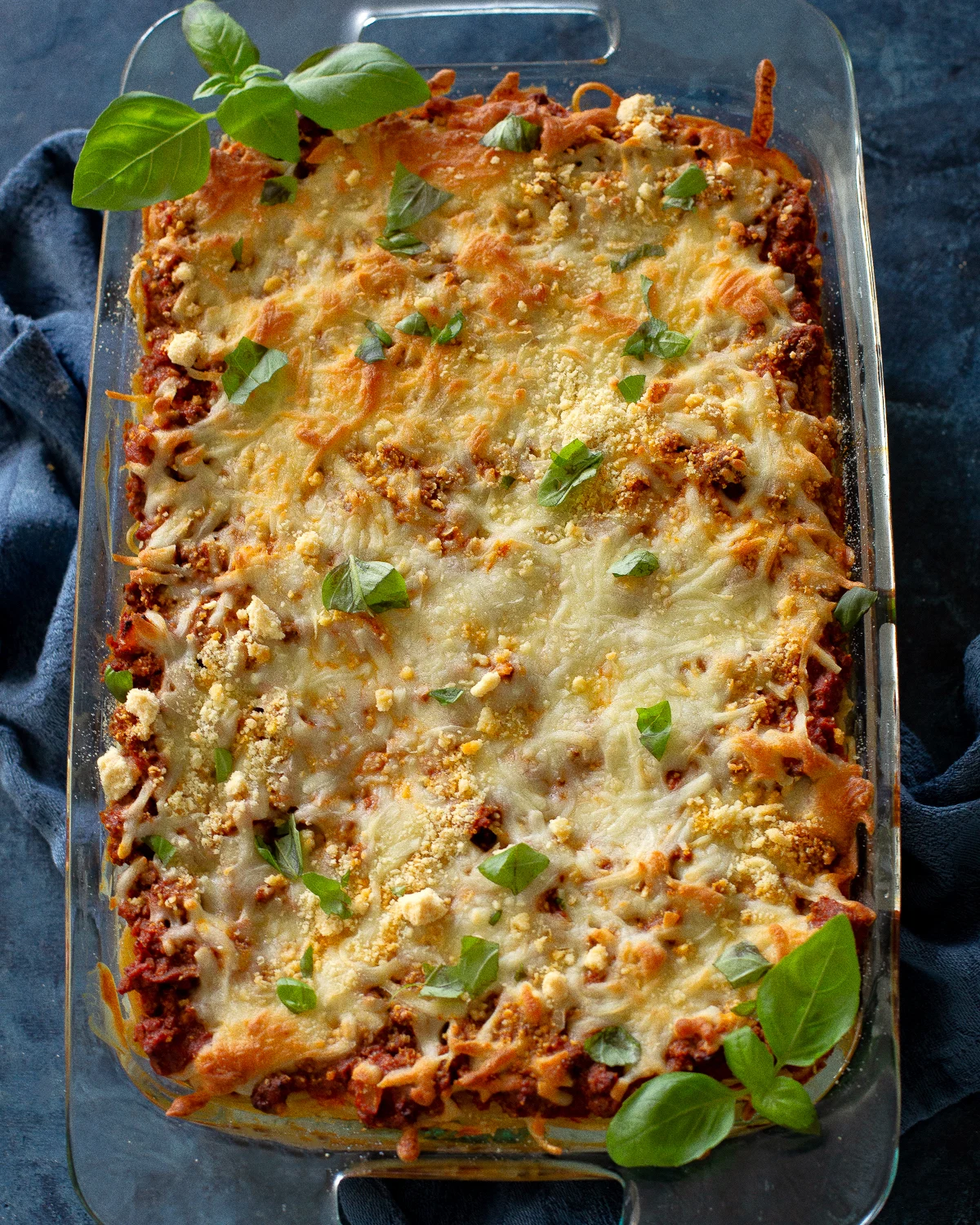
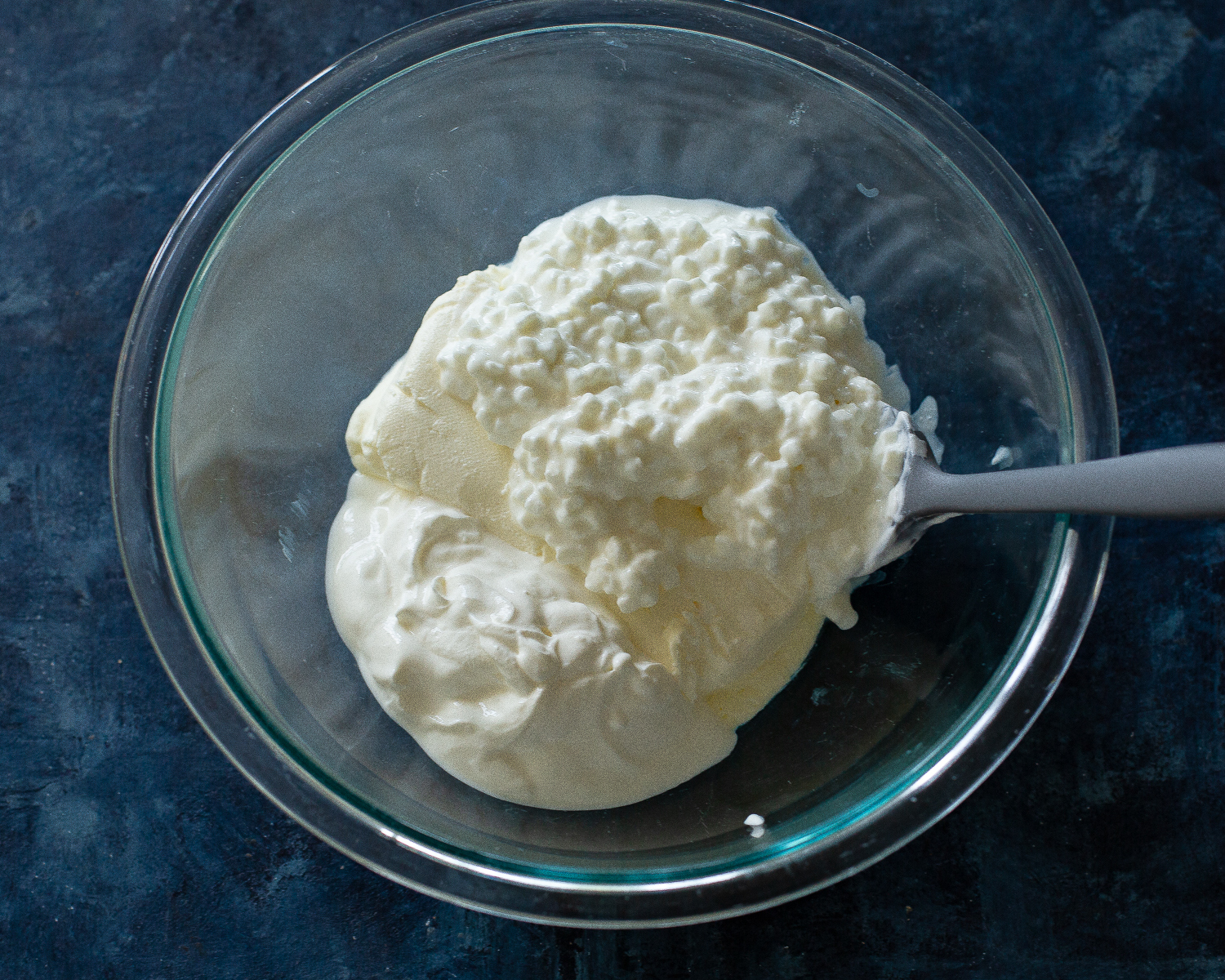
At its core, Million Dollar Spaghetti is designed to address the common pain points associated with preparing traditional lasagna. While a standard lasagna requires the careful placement of pasta sheets, sauce, and cheese—a process that can often be time-consuming—this variation utilizes spaghetti noodles as the foundation. The "million-dollar" moniker stems from the perception of its richness; the dish incorporates a signature blend of creamy components, including cottage cheese, cream cheese, and sour cream.
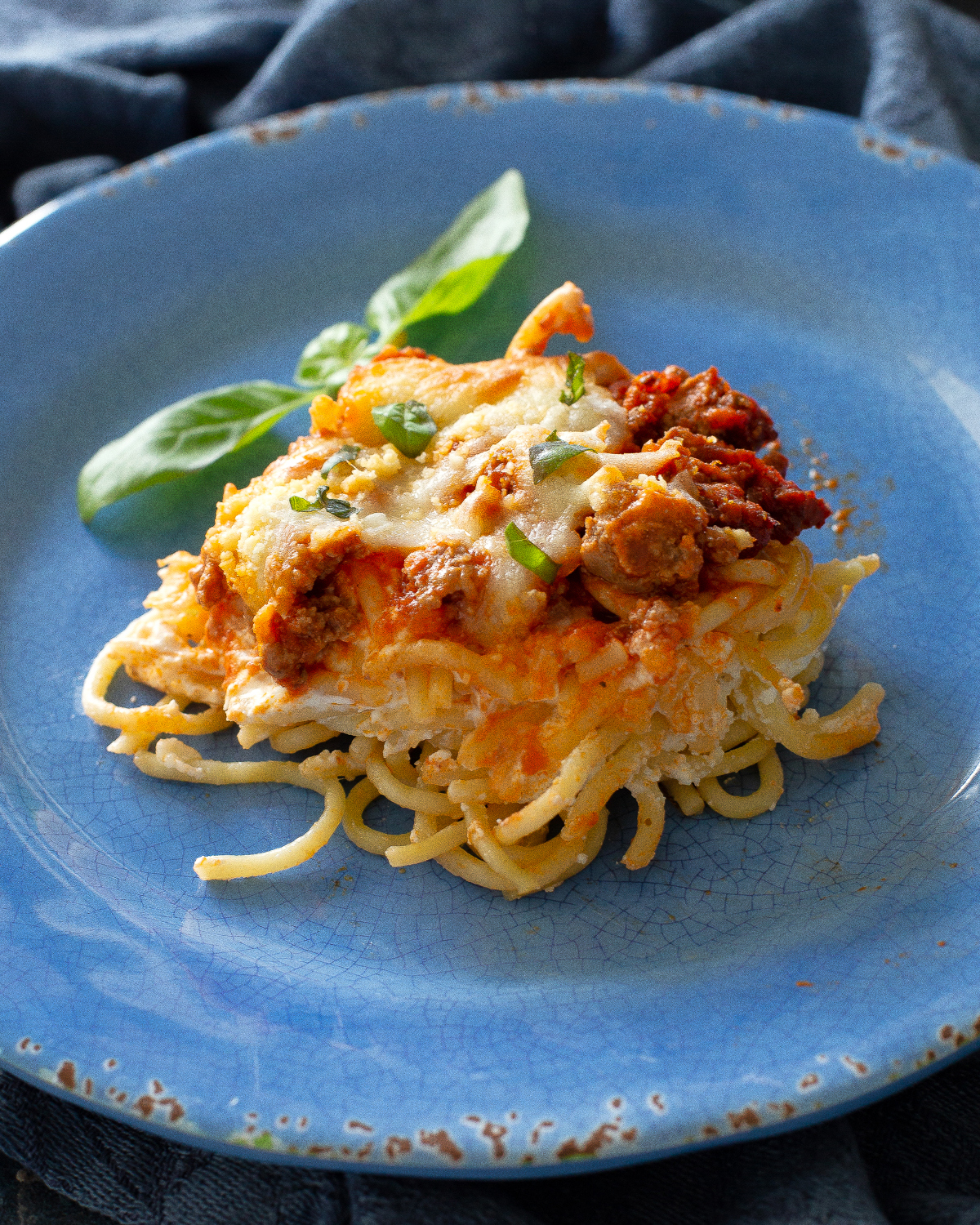
This specific dairy combination serves a dual purpose. Firstly, it acts as a stabilizing agent for the sauce, creating a thick, velvety texture that adheres to the noodles. Secondly, it provides a neutral, high-fat base that balances the acidity of tomato-based meat sauces. Despite the inclusion of cottage cheese—an ingredient that often polarizes home cooks due to its texture—the baking process effectively breaks down the curd structure, rendering the component virtually undetectable while maintaining its functional benefits.
Historical Context and Evolution of Freezer Meals
The rise of Million Dollar Spaghetti aligns with broader shifts in domestic food preparation over the last two decades. As the pace of professional and personal life has accelerated, there has been a measurable increase in the adoption of "batch cooking" and "freezer-friendly" meal planning. Data from home economics studies suggest that the popularity of casseroles like this one spiked during the mid-2010s, as families sought out recipes that could be prepared in bulk, frozen, and thawed for later consumption without significant loss of texture or nutritional integrity.
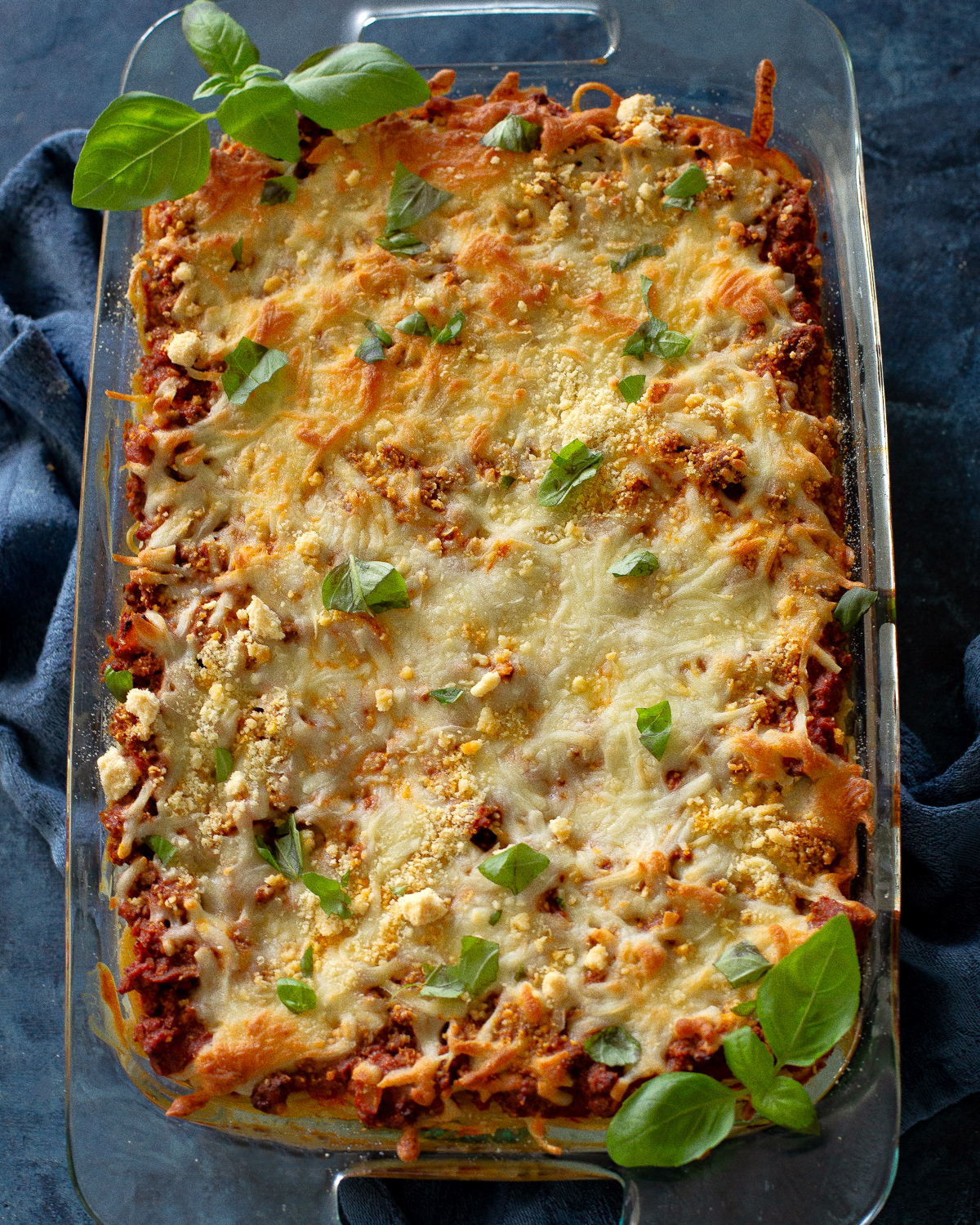
Historically, the freezer was once viewed primarily as a storage unit for raw ingredients. However, the modern movement toward "cook-once, eat-twice" methodology has transformed the freezer into an essential tool for meal management. Million Dollar Spaghetti stands as a flagship example of this transition, as its density and high fat content allow it to withstand the structural stresses of freezing and reheating—a process that often compromises lighter, vegetable-heavy dishes.
Comparative Analysis: Traditional Lasagna vs. Million Dollar Spaghetti
When evaluating the two dishes side-by-side, the distinctions in labor and output become clear. A standard lasagna requires approximately 45 to 60 minutes of active assembly time, depending on the complexity of the sauce and the number of layers. In contrast, Million Dollar Spaghetti reduces active assembly time by roughly 40 percent.
The structural integrity of the dish is maintained by the binding agents. In traditional lasagna, the noodles serve as the primary architecture. In this iteration, the combination of cheese and cream acts as a mortar, ensuring that the dish can be portioned into slices even after being frozen and baked. From a nutritional standpoint, both dishes are high-calorie, comfort-forward options, typically featuring proteins such as ground beef or Italian sausage, though the "million-dollar" version allows for easier portion control due to its baked casserole format.
Culinary Logistics and Preparation
The preparation of this dish typically follows a standardized industrial kitchen logic adapted for the home environment:
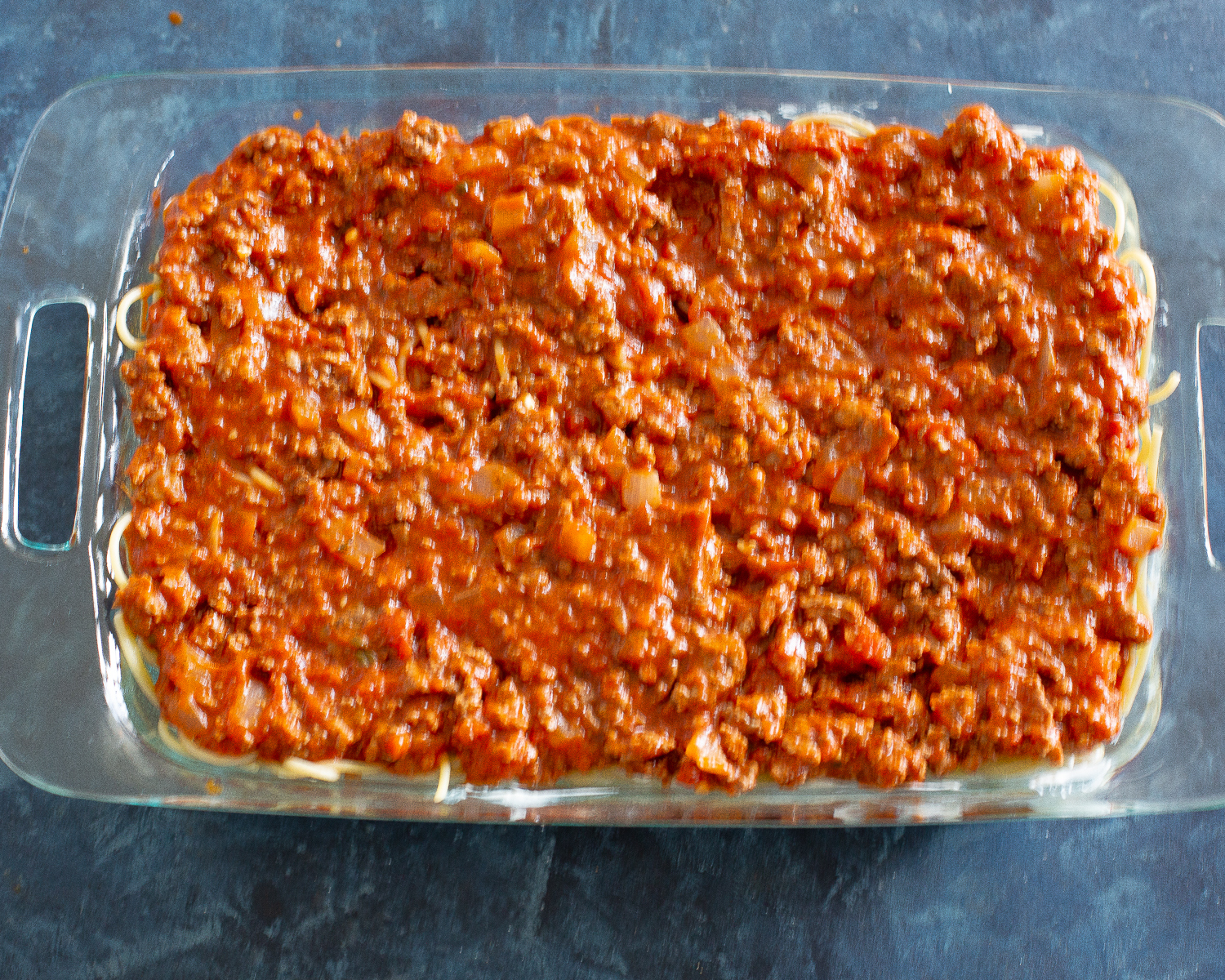
- Protein Preparation: The foundation of the dish begins with browning ground meat. Many professional home cooks recommend prepping large batches of ground beef or sausage ahead of time, a practice that reduces the total time required for the final assembly of the pasta.
- The Cream Blend: The secondary layer is composed of the signature mixture of cottage cheese, cream cheese, and sour cream. This mixture is often seasoned with herbs such as garlic, oregano, or parsley to add depth.
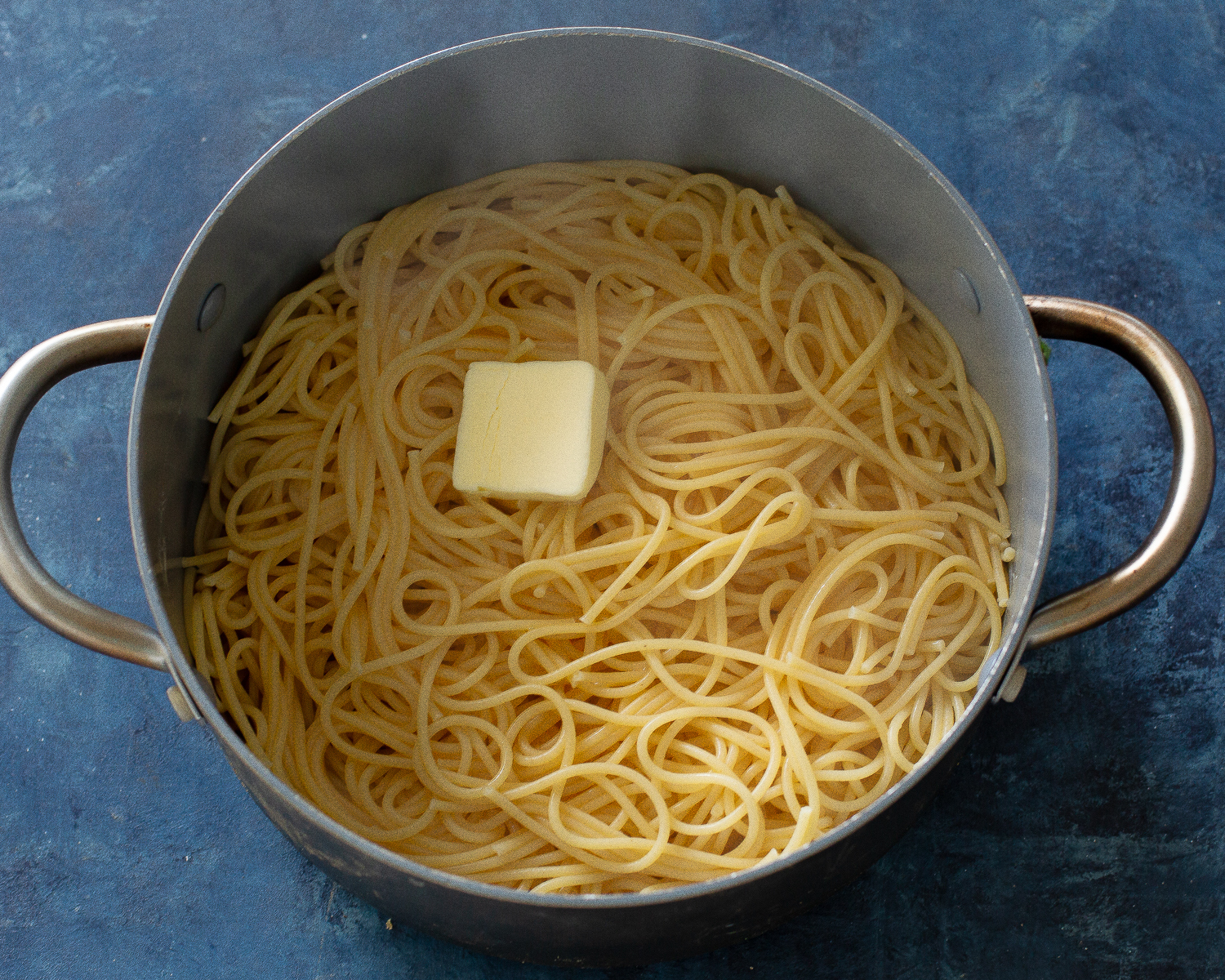
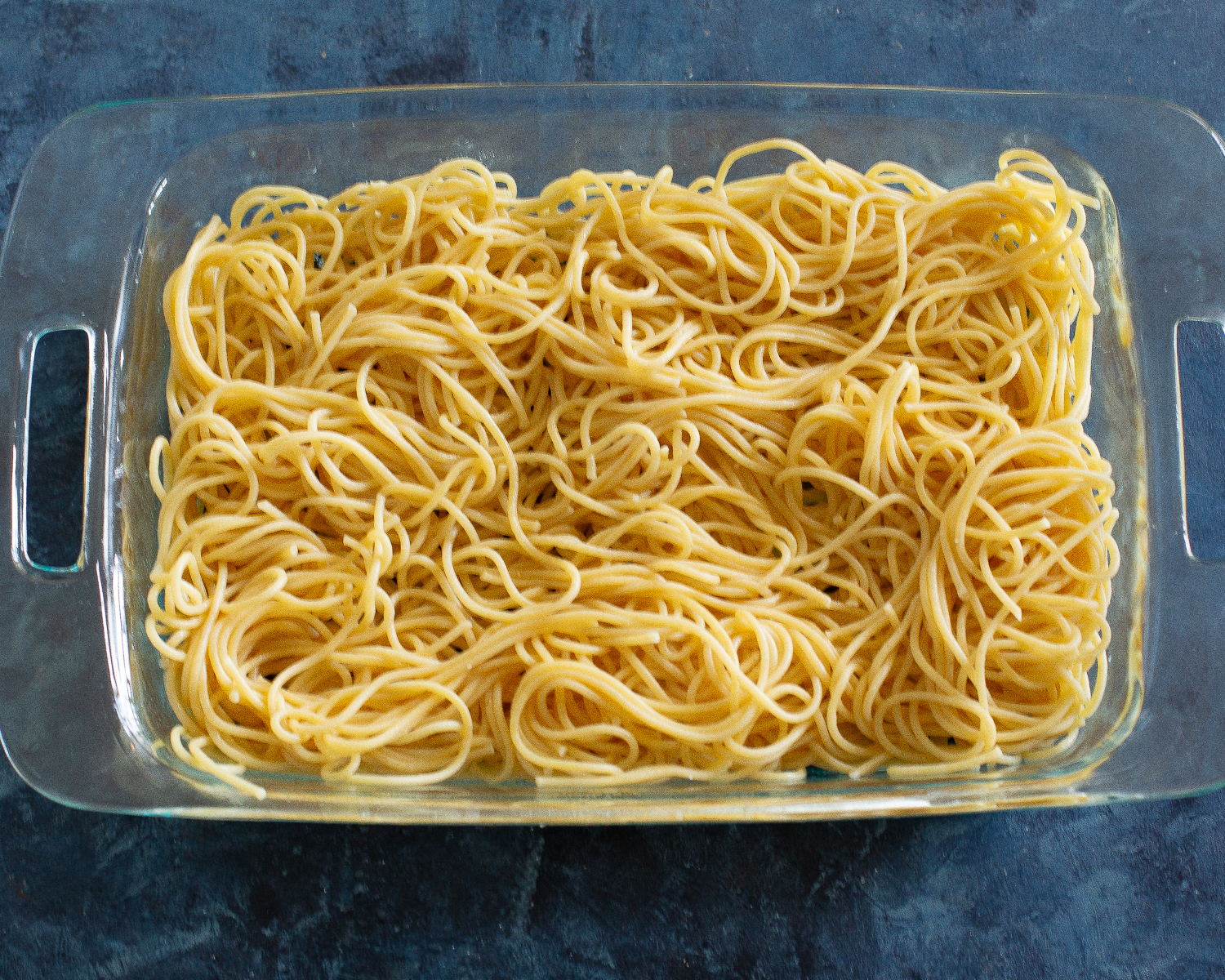
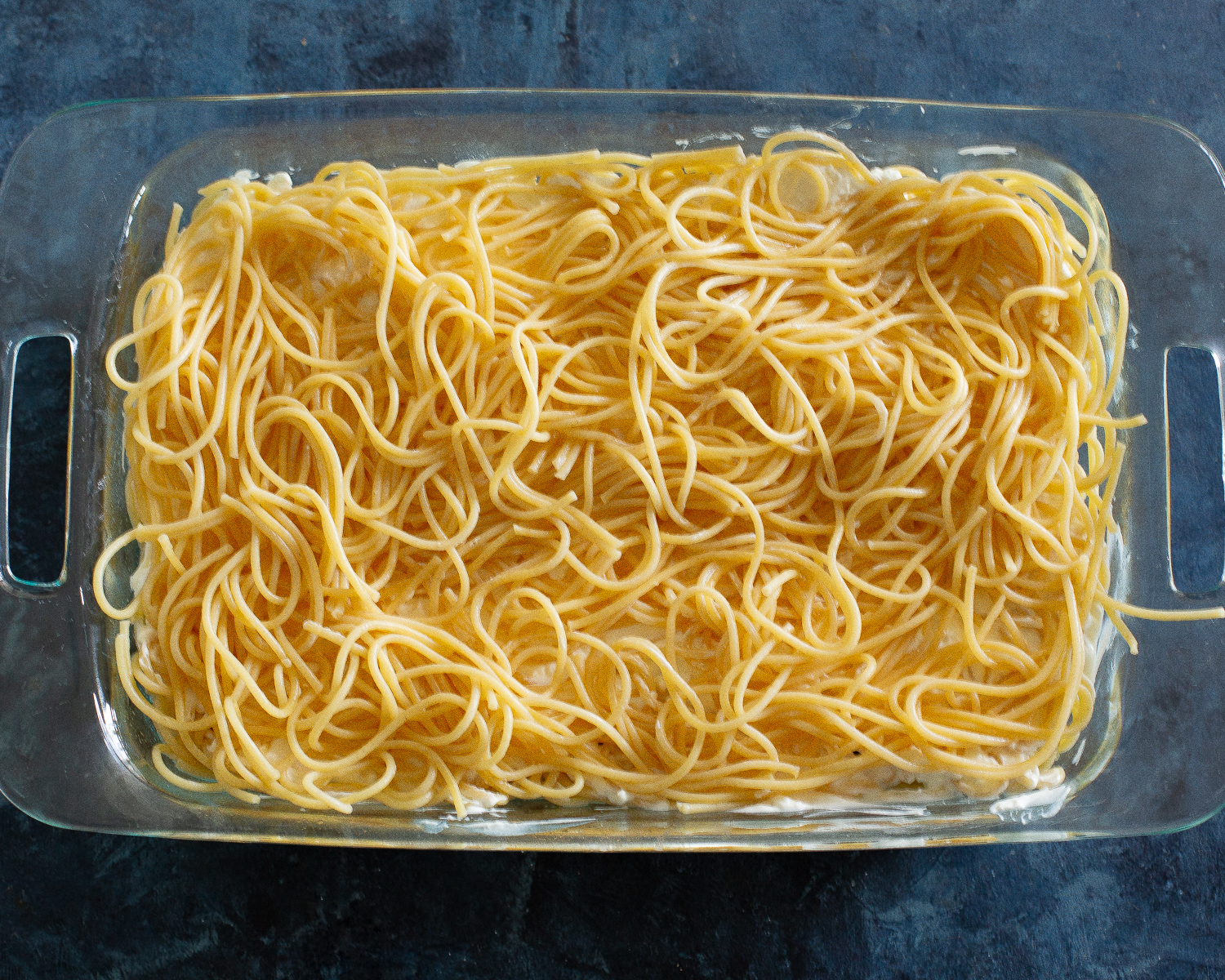
- Assembly: Unlike lasagna, where noodles must be kept flat, the spaghetti is typically tossed in a portion of the red sauce before being layered with the cream mixture, ensuring even distribution of flavors.
- The Baking Process: A standard bake time of 30 to 45 minutes at 350°F (175°C) is generally sufficient to achieve the necessary internal temperature while ensuring the cheese layers are properly browned and bubbly.
Economic and Practical Implications
The widespread adoption of this recipe reflects current economic trends in food consumption. With the rising cost of dining out, households are increasingly seeking ways to replicate restaurant-quality meals at a fraction of the cost. Million Dollar Spaghetti utilizes budget-friendly staples—pasta, canned tomatoes, and bulk dairy products—making it an economically efficient choice for large families or those managing strict food budgets.
Furthermore, the environmental impact of reducing food waste through freezer-friendly recipes cannot be overlooked. By allowing consumers to preserve excess prepared food, the recipe assists in mitigating the frequency of grocery store visits and minimizing the spoilage of perishable goods.
Expert Perspectives on Home Cooking Efficiency
Culinary professionals often cite the importance of "mise en place"—the French term for "everything in its place"—when discussing the success of dishes like Million Dollar Spaghetti. By having all components prepped, the dish moves from a complex culinary project to a simple assembly task. This efficiency is highly valued in modern households where time is considered the most limited resource.
Nutritionists, while noting that this is an indulgent dish, highlight that the inclusion of protein and dairy provides a balanced macronutrient profile, provided it is served with a side of fiber-rich greens. The common recommendation to pair this dish with a simple garden salad or steamed vegetables addresses the nutritional deficiency of the primary casserole, which is essentially a carbohydrate and fat-heavy dish.
Broader Impact on Meal Planning Culture
The legacy of recipes like Million Dollar Spaghetti is found in the shift toward intentional meal planning. In the past, "freezer meals" were often associated with bland, commercial TV dinners. Today, the focus has shifted toward high-quality, homemade meals that are preserved through technology. This shift has been facilitated by the internet, which allows for the rapid sharing of techniques and "hacks" that improve the quality of reheated meals.
As the industry moves toward more sustainable and cost-effective eating habits, the role of the casserole as a staple of the home kitchen continues to grow. Million Dollar Spaghetti has successfully bridged the gap between the convenience of quick pasta dishes and the satisfaction of a slow-cooked Italian meal. Its persistence in popularity suggests that as long as households continue to navigate the demands of modern living, the demand for high-flavor, low-effort solutions will remain a priority in the domestic culinary landscape.
In summary, the dish remains a hallmark of efficient home management. By leveraging the flavor profiles of Italian cuisine and applying modern preservation methods, the home cook is able to produce a meal that satisfies the palate while respecting the constraints of a busy schedule. Whether served for a weeknight dinner or stored in the freezer for future use, the dish provides a reliable, consistent, and popular solution to the daily challenge of meal preparation.
