
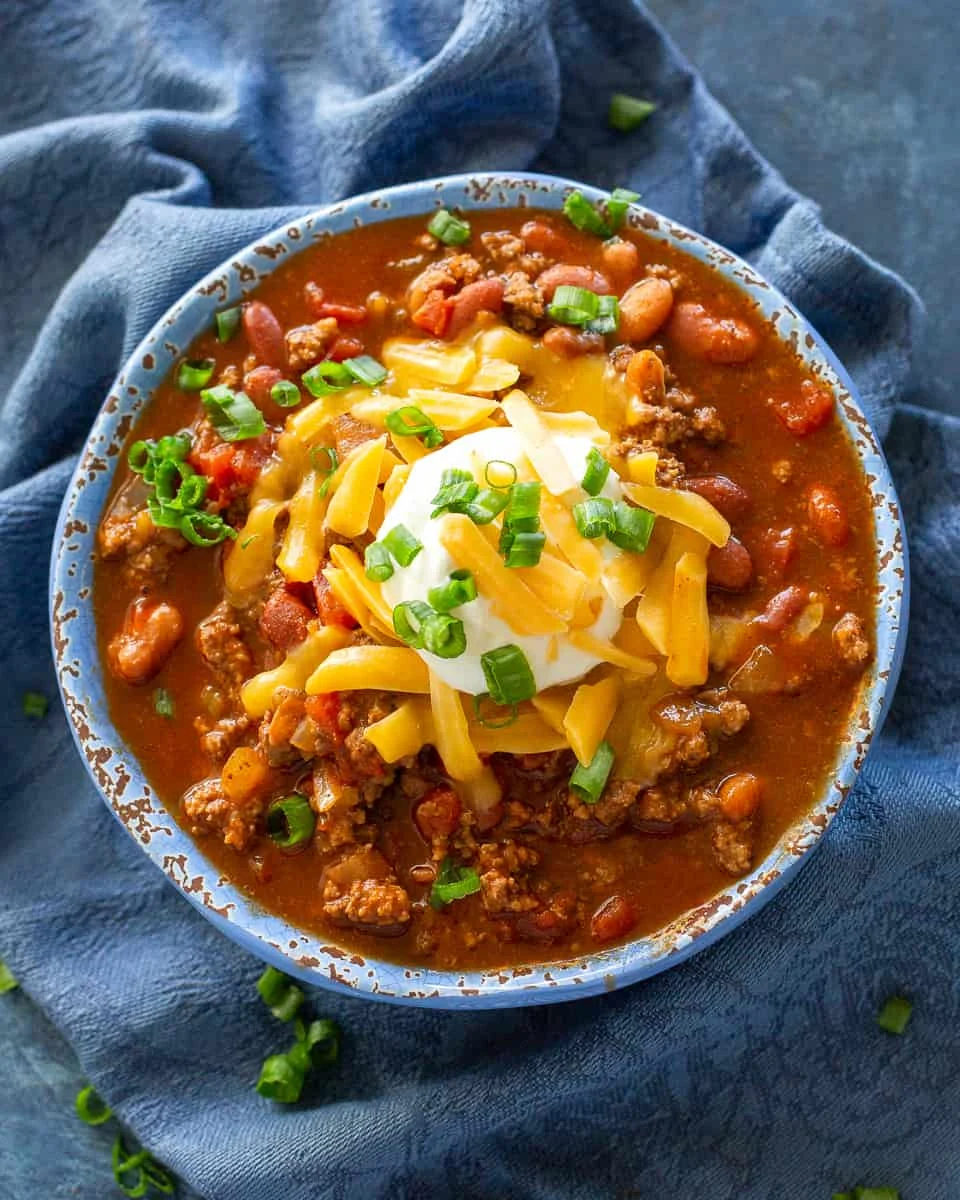
The quintessential American bowl of red, known commonly as classic chili, remains a cornerstone of domestic culinary tradition, representing a complex intersection of history, regional variation, and nutritional utility. Often characterized by a robust blend of ground beef, kidney and pinto beans, and a concentrated tomato-based sauce, this dish has transcended its humble origins to become a staple in both casual home cooking and competitive culinary circuits. Recent interest in optimizing the preparation of this dish has shifted focus toward ingredient integrity, particularly regarding the handling of canned legumes and the science of flavor extraction during the simmering process.
The Historical and Cultural Evolution of Chili
The origins of chili—or chili con carne—are deeply rooted in the American Southwest, specifically Texas. While folklore often attributes the dish to 19th-century pioneers or cattle drivers, historical records suggest that it emerged from a blend of Indigenous, Mexican, and Anglo-American culinary influences. By the late 1800s, the "Chili Queens" of San Antonio had cemented the dish’s status, serving it from open-air carts to tourists and locals alike.
Over the decades, the recipe underwent significant diversification. The debate between "bean" and "no-bean" varieties remains one of the most polarizing topics in American regional cooking. While purists in Texas often exclude beans to emphasize the quality of the beef and the complexity of the chili pepper mash, the "classic" version—as favored in broader domestic settings—incorporates beans for texture, fiber content, and volume. This evolution reflects a broader trend of adapting professional culinary techniques for the home kitchen, balancing convenience with the depth of flavor traditionally achieved through long, slow cooking.
Technical Preparation and the Science of Thickening
Modern culinary research has challenged long-standing domestic habits regarding the preparation of canned goods. Traditionally, home cooks were advised to rinse canned beans to remove excess sodium and starchy residue. However, recent findings from institutions such as America’s Test Kitchen have provided a counter-narrative, suggesting that the starchy liquid—often called "aquafaba" in the context of chickpeas, but applicable to various beans—serves as an essential thickening agent.
The liquid found in canned beans contains starches that, when simmered with the meat and tomato base, contribute to a natural emulsification. This process eliminates the need for artificial thickeners like flour or cornstarch, which can sometimes mute the intensity of the spices. For professional and home chefs, this represents a move toward "clean label" cooking, where the components of the dish work in tandem to achieve the desired consistency without additional processing aids.
Ingredients and Nutritional Profile
A standard batch of classic chili, typically yielding approximately 12 servings, provides a significant source of protein and essential minerals. Based on nutritional analysis, a single serving of this dish—assuming a balanced ratio of lean beef to legumes—contains approximately 147 calories. Key nutritional markers include:
- Protein: 16g, primarily derived from the beef and beans.
- Fiber: 1g (variable depending on bean selection).
- Fat: 8g, with a balanced profile of saturated and unsaturated fats.
- Potassium: 317mg, a critical electrolyte often found in high concentrations in tomato and bean bases.
The selection of spices is equally vital. A traditional flavor profile relies on a foundation of cumin, smoked paprika, chili powder, and garlic. The "secret" to achieving a professional-grade depth of flavor, according to culinary experts, is the "melding phase." This involves a prolonged simmer, allowing the volatile compounds in the spices to integrate with the fat rendered from the beef. This chemical process, known as the Maillard reaction—which occurs during the initial browning of the meat—combined with the long simmer, creates a multi-layered flavor profile that improves upon reheating.
Storage and Logistics: The Freezer-Friendly Factor
Chili is frequently cited by food scientists and home economists as one of the most "freezer-friendly" meals. Because the dish is acidic due to the tomato base and possesses a high density of solid ingredients, it maintains its structural integrity through the freeze-thaw cycle.
When stored properly in airtight containers, chili can remain viable for up to three months. The best practice for reheating involves a gradual thaw in the refrigerator, followed by a low-temperature reheat on a stovetop or in a slow cooker. This method prevents the breakdown of the bean skins and ensures that the meat remains tender rather than becoming fibrous. This logistical convenience has made chili a primary choice for meal-prepping, contributing to its sustained popularity in busy households.
The Role of Accompaniments and Presentation
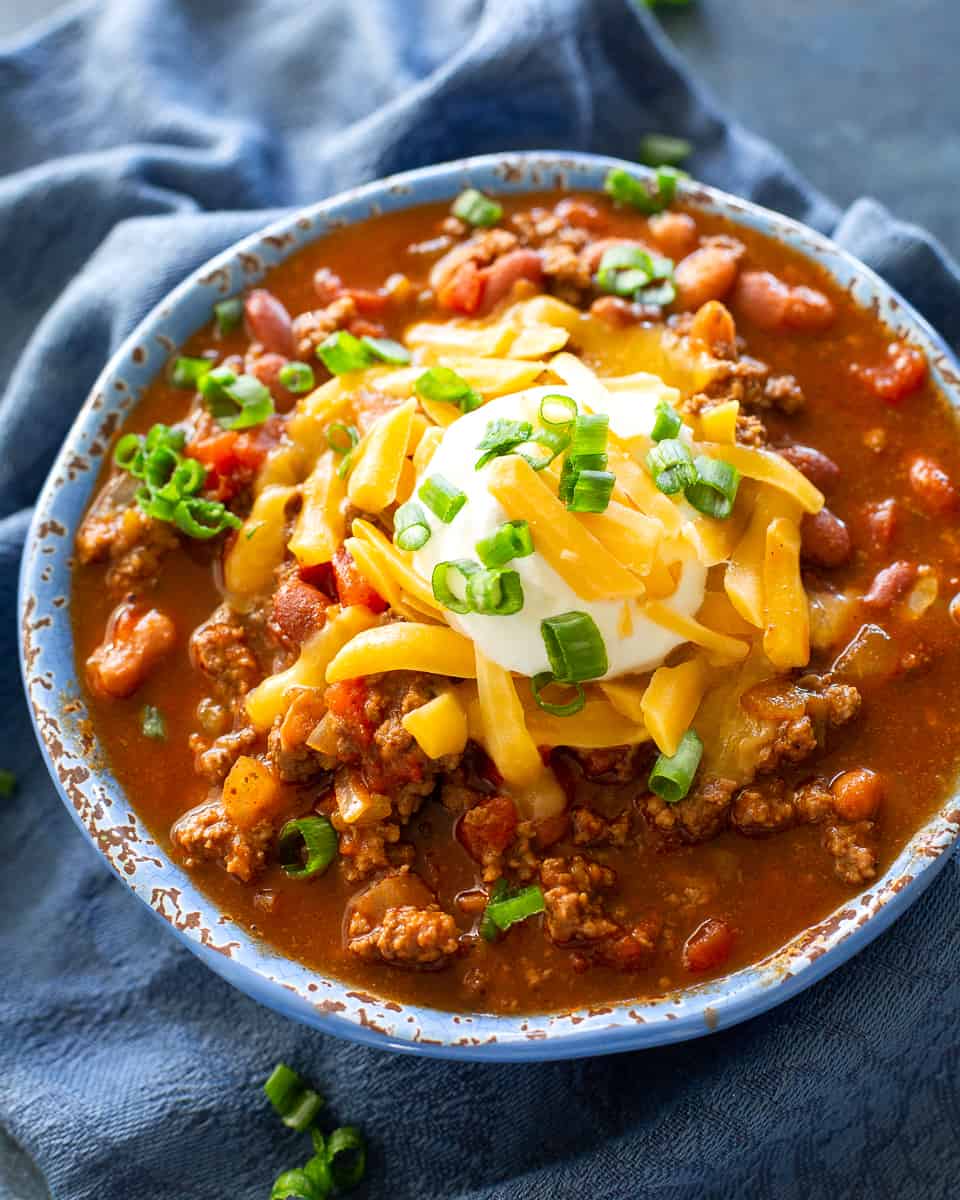
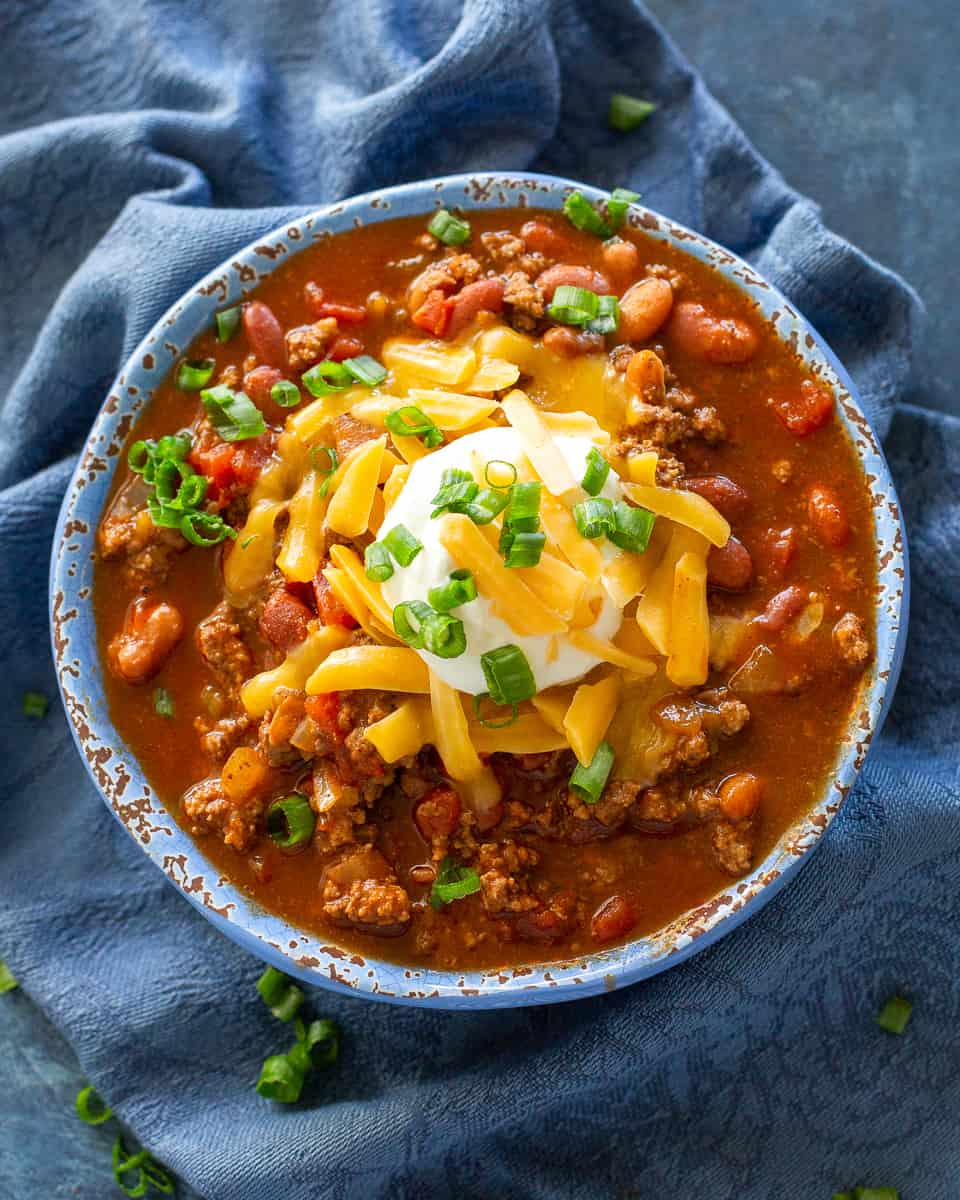
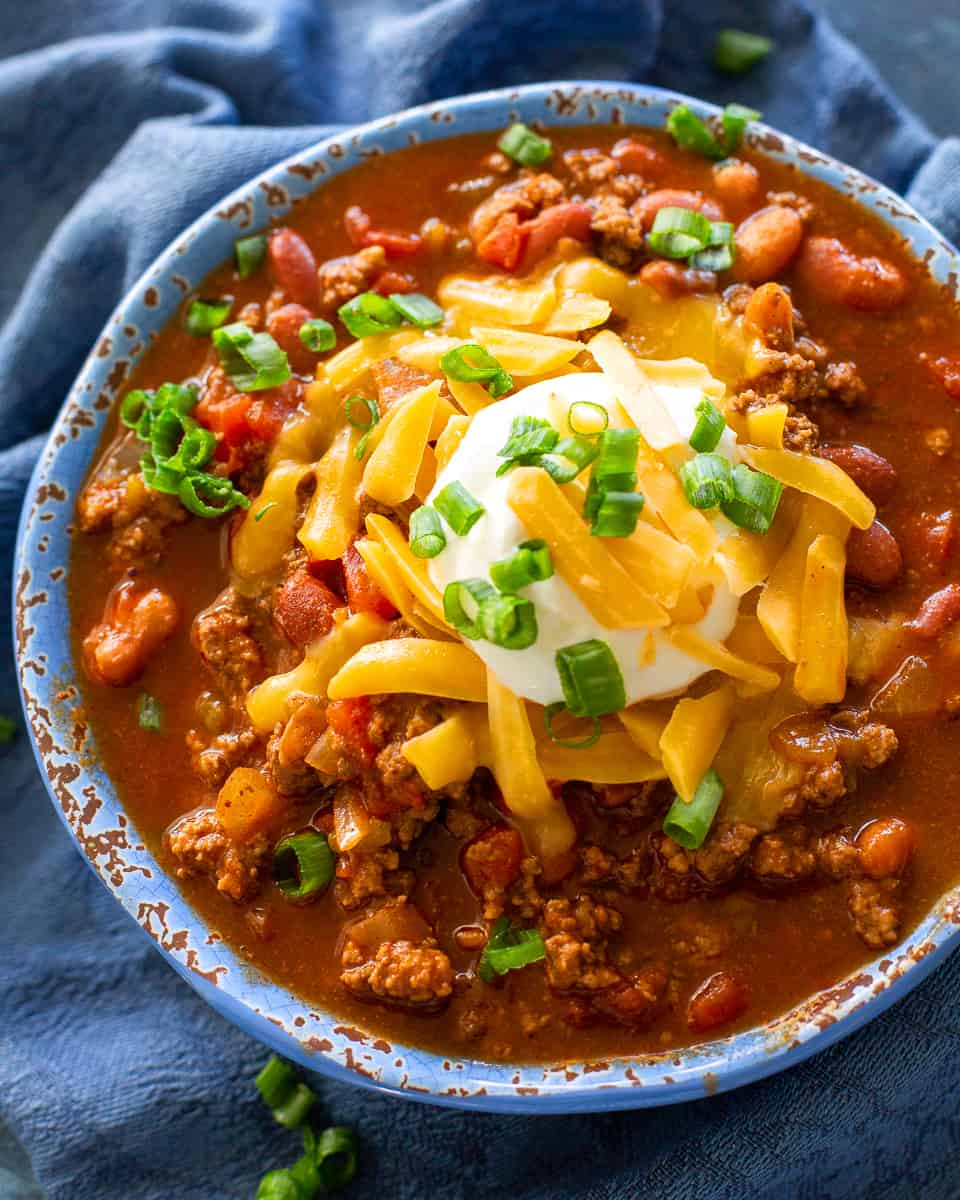
The presentation of chili has evolved to become a highly interactive experience. The inclusion of toppings—such as shredded cheddar, sour cream, green onions, and jalapeños—is not merely aesthetic; it is functional. The acidity of lime juice, for instance, cuts through the richness of the beef, while the cooling effect of sour cream balances the heat of the chili peppers.
Serving the dish with cornbread is a nod to Southern culinary traditions, providing a sweet and crumbly textural contrast to the savory, umami-forward chili. This pairing has become a standard feature in institutional dining and home gatherings, reflecting a preference for balanced, high-satiety meals.
Broader Economic and Social Implications
The enduring popularity of the classic chili recipe is also an economic indicator. As food prices fluctuate, chili remains a cost-effective, high-yield meal that relies on shelf-stable pantry staples. The ability to utilize lower-cost cuts of beef, which become tender during the long simmering process, makes it an accessible option for diverse economic demographics.
Furthermore, the shift toward using the liquid from canned beans highlights a minor but significant trend toward reducing food waste. By utilizing the entire contents of the can, home cooks minimize unnecessary disposal and maximize the nutritional yield of their ingredients.
Conclusion
The classic chili recipe is more than a simple confluence of beef and beans; it is a sophisticated, historical, and scientifically sound dish that rewards patience and precise preparation. From the early days of the San Antonio chili stands to the modern emphasis on ingredient utilization and nutritional density, the dish continues to occupy a central place in the North American culinary landscape. Whether prepared in a slow cooker to accommodate a modern, fast-paced lifestyle or simmered on a stovetop to maximize the development of complex flavors, the classic chili remains a reliable, nutrient-dense, and culturally significant staple. As culinary practices continue to evolve, the core principles of this dish—simmering, layering, and balance—will likely ensure its longevity for generations to come.
