
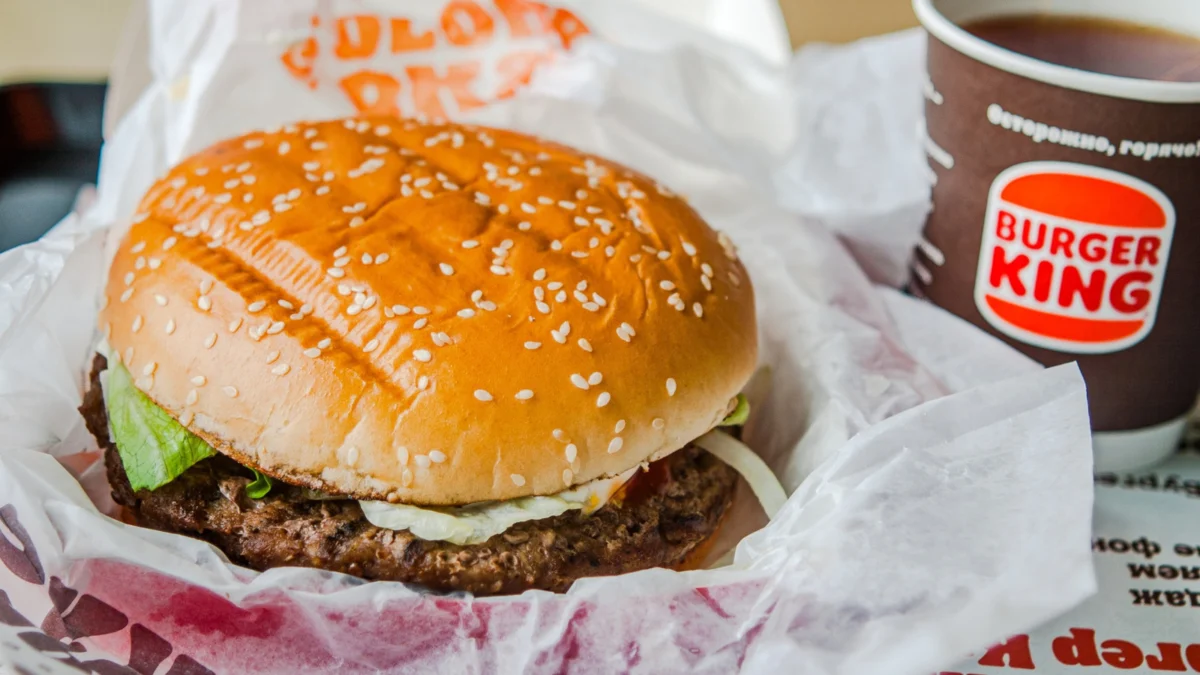
The enduring "Burger Wars" between McDonald’s and Burger King, a legendary clash in the fast-food landscape, has seen numerous strategic product launches and aggressive marketing campaigns aimed at capturing market share. Among these competitive maneuvers, McDonald’s introduced the Big N’ Tasty, a burger explicitly designed to rival the iconic Burger King Whopper. However, despite its deliberate design and aggressive pricing, the Big N’ Tasty ultimately failed to dethrone the long-established king of Burger King’s menu, a testament to the Whopper’s deep-rooted appeal and the enduring power of brand loyalty.
The Genesis of a Rival: McDonald’s Enters the Fray
The late 1990s and early 2000s marked a period of intense competition in the fast-food industry. McDonald’s, a titan of the industry, constantly sought ways to innovate and counter the strengths of its rivals. Burger King, with its signature Whopper, commanded a significant portion of the premium burger market. Recognizing this, McDonald’s strategized a direct counter-offensive, aiming to offer a comparable, yet distinctly McDonald’s, experience. The Big N’ Tasty emerged from this strategic thinking, a product meticulously crafted to mirror the Whopper’s appeal.
A Familiar Recipe: The Big N’ Tasty’s Composition
The Big N’ Tasty, first test-marketed in 1997, was officially rolled out across much of the United States in 2000, achieving national distribution by 2001. Its construction was remarkably similar to its arch-rival. It featured a quarter-pound beef patty, served on a sesame seed bun, and was adorned with a classic ensemble of toppings: ketchup, mayonnaise, lettuce, tomato, onions, and pickles. This ingredient list was virtually identical to that of the Burger King Whopper, a clear indication of McDonald’s intention to offer a direct alternative.
The pricing strategy further underscored this competitive intent. The Big N’ Tasty debuted at an attractive 99 cents, positioning it as a cornerstone of McDonald’s value-driven Dollar Menu. This aggressive price point was designed to entice budget-conscious consumers and directly challenge the value proposition of the Whopper, which itself was often featured in promotional pricing, including a 99-cent offering that had proven highly successful for Burger King. By 2003, the Big N’ Tasty’s price had seen a slight increase to $1.49, reflecting adjustments in operational costs and market dynamics.
The Shadow of the Whopper: Market Performance and Decline
Despite its strategic positioning and aggressive pricing, the Big N’ Tasty struggled to gain significant traction against the established dominance of the Whopper. Reports from the era suggest that McDonald’s was experiencing challenges with overall sales growth, while Burger King, bolstered by the consistent popularity of its 99-cent Whopper promotions, was seeing expansion. This disparity in market performance highlighted a fundamental challenge for the Big N’ Tasty: it was entering a market where the Whopper had a decades-long head start in consumer perception and loyalty.
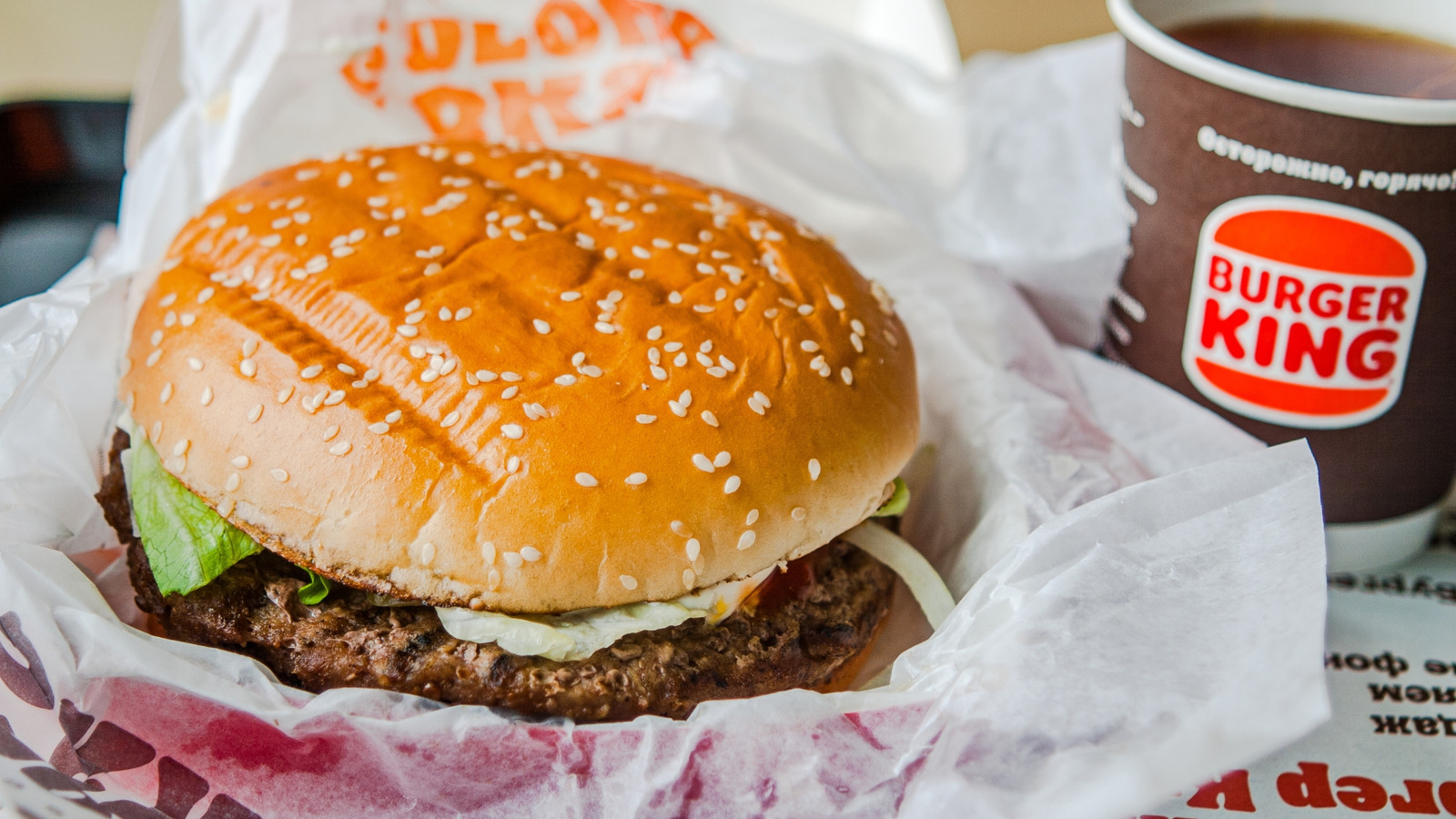
The Whopper, first introduced in 1957, had cultivated a deeply ingrained brand identity. Its association with flame-grilled patties, a distinct cooking method that imparts a unique flavor profile, was a significant differentiator. For 40 years, Burger King had honed the Whopper’s appeal, building a loyal customer base that associated the burger with a specific taste and experience. The Big N’ Tasty, while a competent replication of the Whopper’s ingredients, could not replicate this legacy.
By the early 2010s, the sales performance of the Big N’ Tasty had become a concern for McDonald’s. A 2010 report by the Chicago Tribune highlighted that several menu items, including the Big N’ Tasty, were experiencing sluggish sales. The article quoted a former McDonald’s executive who suggested that the Big N’ Tasty was maintained primarily as a counter-measure against the Whopper, intended to be deployed during potential "burger wars" or to anchor the Dollar Menu. The executive’s sentiment implied that removing the Big N’ Tasty would eliminate the need for Burger King to engage in retaliatory pricing with its own low-cost Whopper offerings. This perspective underscored the defensive rather than offensive role the Big N’ Tasty had come to occupy.
The Official Word: Reasons for Discontinuation
In 2011, McDonald’s officially announced the removal of the Big N’ Tasty from its menu. While the exact motivations can be multifaceted, operational efficiency and product portfolio streamlining are often cited as contributing factors in such decisions. In the United Kingdom, a similar burger, the Big Tasty, was discontinued with an official explanation citing its substantial size and the significant counter space it occupied within the restaurant’s kitchen operations. While this logistical reason was provided in the U.K., the underlying driver for the Big N’ Tasty’s demise in the U.S. market was undoubtedly its underperformance in terms of sales.
The decision to remove the Big N’ Tasty was not an isolated incident. McDonald’s has a history of menu rationalization, removing underperforming items to optimize operations and focus on core offerings. The Mac Snack Wraps, another item mentioned in the Chicago Tribune report, also faced discontinuation due to poor sales, with some locations selling as few as 10 to 15 units per day. This pattern of menu adjustments reflects a business strategy focused on efficiency and maximizing the impact of successful products.
Analysis of the Burger Wars Landscape
The Big N’ Tasty’s fate can be analyzed through the lens of brand equity and competitive differentiation. The Whopper’s enduring success is not solely attributable to its ingredients but also to its established brand narrative, its association with a unique cooking method, and its long history in the consumer consciousness. McDonald’s, while a master of fast-food execution, faced the formidable task of displacing a deeply entrenched competitor.
Furthermore, the comparison of the Whopper to McDonald’s flagship burger, the Big Mac, by Tasting Table, revealed a preference for the Whopper. This suggests that even McDonald’s own iconic burger could not consistently outperform the Whopper in direct comparisons, indicating the Whopper’s significant appeal. The Big N’ Tasty, as a derivative product, faced an uphill battle in convincing consumers to switch from a product they had come to know and love over decades.
The flame-grilled aspect of the Whopper’s patty is a critical differentiator. This cooking technique imparts a smoky flavor that is distinct from the griddled patties typically used by McDonald’s. While McDonald’s could replicate the visual and ingredient profile, the subtle yet significant difference in taste and cooking method proved to be a barrier that the Big N’ Tasty could not overcome.
Broader Implications and the Enduring Legacy
The story of the Big N’ Tasty serves as a case study in the complexities of competitive strategy within the fast-food industry. It highlights that simply replicating a competitor’s product, even with aggressive pricing, is often insufficient to unseat a market leader with a strong brand identity and a loyal customer base. The longevity and consistent popularity of the Whopper underscore the importance of brand heritage, unique product attributes, and sustained marketing efforts in building lasting consumer preference.
While the Big N’ Tasty may have faded from menus, its existence represents a significant chapter in the ongoing narrative of the Burger Wars. It was a bold attempt by McDonald’s to directly challenge a formidable rival, demonstrating the constant innovation and competitive spirit that defines the fast-food landscape. The ultimate victory, in this particular product battle, remained with Burger King, solidifying the Whopper’s status as an enduring icon in the annals of fast food history. The ability of Burger King to maintain the Whopper’s appeal for over six decades, weathering numerous competitive challenges, speaks volumes about its strong brand equity and the deep connection it has forged with consumers worldwide. The Big N’ Tasty, though a valiant effort, ultimately served as a reminder that legacy and distinct culinary identity can be powerful, often insurmountable, competitive advantages.
