
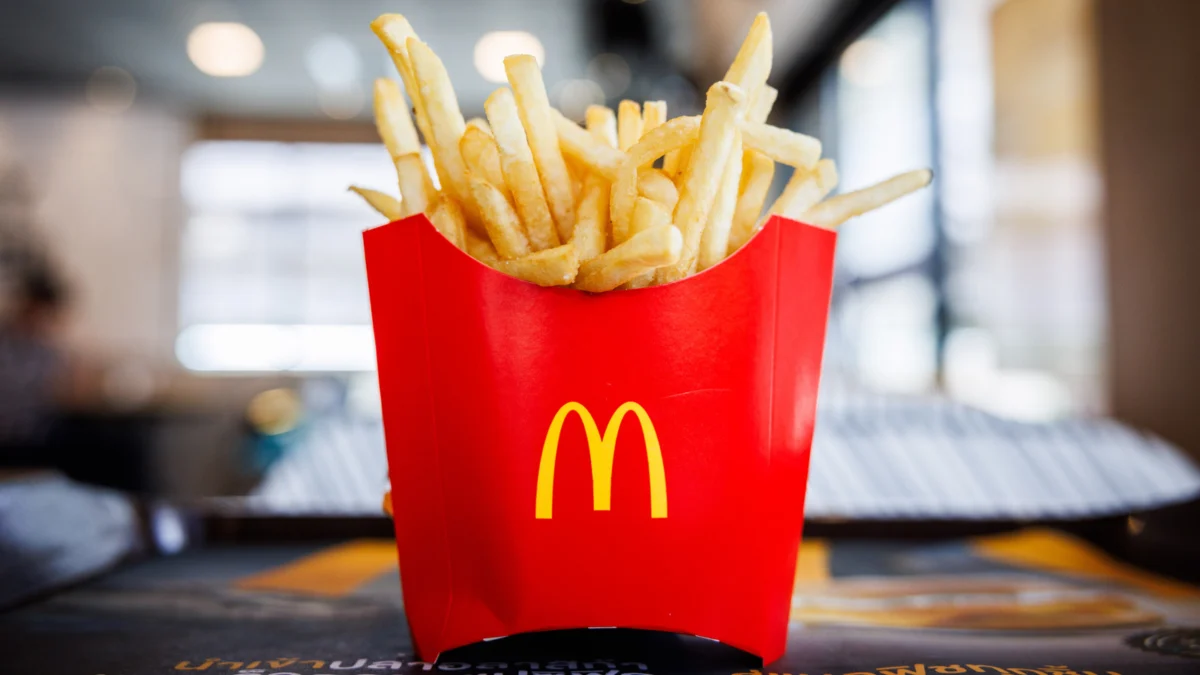
The iconic golden arches of McDonald’s have long been synonymous with quick, satisfying meals, and at the heart of its enduring appeal are its world-renowned french fries. Consistently delivering that perfect balance of crispy exterior and fluffy interior, these potato sticks have remained the undisputed top-selling item on the McDonald’s menu, even as the brand has evolved its offerings. The journey from humble potato to the perfectly fried, uniformly golden fry served in restaurants across the globe is a testament to sophisticated agricultural and food processing technology, a process that increasingly resembles a science fiction narrative.
The Genesis of the McDonald’s Fry: From Field to Factory
The genesis of the McDonald’s french fry begins not in a kitchen, but in vast agricultural fields. The primary suppliers of these beloved potatoes include industry giants like J.R. Simplot, Lamb Weston, and McCain. These companies have established rigorous standards for the potato varieties used, prioritizing those with high solids and low moisture content, which are crucial for achieving the desired fry texture and minimizing oil absorption during frying.
The transformation of raw potatoes into McDonald’s signature fries is a highly automated and meticulously controlled process that commences at specialized processing plants. Upon arrival, the potatoes undergo an initial, albeit brief, human inspection where any obvious blemishes are manually removed. However, from this point forward, the vast majority of the process is handled by advanced machinery, minimizing direct human contact to ensure unparalleled consistency and efficiency.
The timeline of this transformation involves several key stages:
- Washing and Peeling: Potatoes are thoroughly washed to remove soil and debris. Subsequently, they are mechanically peeled, often through abrasion or steam peeling methods, to create a smooth surface.
- Cutting and Inspection: This is where the "sci-fi" element truly begins to manifest. Whole potatoes are propelled at high speeds, up to 75 miles per hour, using pressurized water cannons. These projectiles are directed into precisely engineered grids of cutting blades. This high-velocity impact ensures clean, uniform cuts, transforming the potatoes into the classic shoestring fries that customers recognize. This method is so powerful that, as noted in a past Reddit AMA by a factory employee, the wastewater can move with such force that it has historically posed a safety risk, requiring rescue efforts for a coworker who was inadvertently caught in its flow.
- Quality Control Through Optical Scanning: After cutting, the fries embark on a journey down conveyor belts where they are subjected to intense scrutiny by advanced optical scanning machines. These sophisticated systems are designed to detect and reject any fries exhibiting blemishes, discoloration, or improper shape. This automated quality control operates at an astonishing pace, scanning thousands of fries every minute. The objective is to eliminate any imperfect specimens, ensuring that only the most visually appealing and structurally sound fries proceed to the next stage. This level of precision and speed far surpasses what human inspectors could achieve.
- Ingredient Dip and Partial Frying: To further enhance uniformity and shelf-life, the fries undergo a critical "ingredient dip." This process involves treating the potatoes with a specific blend of ingredients. Dextrose, a type of sugar, is applied to ensure a consistent, appealing golden-brown color during the final frying process. Simultaneously, sodium acid pyrophosphate is introduced. This chemical compound plays a vital role in preventing the potatoes from developing a greyish hue, particularly after they have been frozen, thereby preserving their visual appeal. Following this treatment, the fries are then subjected to a partial frying in oil heated to approximately 400 degrees Fahrenheit. This step partially cooks the fries, setting their structure and initiating the development of their characteristic texture.
- Freezing and Packaging: After the initial fry, the potatoes are rapidly chilled. They enter a long, specialized freezer tunnel, often measuring around 50 yards in length. Within minutes, their temperature is reduced to a frigid 10 degrees Fahrenheit. This rapid freezing process locks in their texture and prepares them for long-term storage and transportation. Once frozen, they are packaged and distributed to McDonald’s restaurants worldwide.
The Role of Advanced Technology and AI
The modernization of fry production extends beyond mechanical precision and optical inspection. Companies like McCain are at the forefront of integrating Artificial Intelligence (AI) and predictive crop intelligence technologies. These advanced systems leverage data from satellite imagery, weather patterns, and soil analysis to optimize potato crop conditions and maximize yield. Similarly, Lamb Weston is employing AI to refine its potato cutting and sorting processes, aiming to increase efficiency and minimize waste. For processing plants that handle billions of pounds of potatoes annually, even marginal improvements derived from these cutting-edge technologies translate into significant gains in productivity and product consistency. This suggests that the fries gracing McDonald’s trays in the future may be the direct product of not only sophisticated factory systems but also advanced robotics and AI, a far cry from the rudimentary methods of their early days.
A Historical Perspective: The Evolution of McDonald’s Fry Production
The origins of McDonald’s french fry production paint a stark contrast to today’s high-tech operations. In the early days of the McDonald’s enterprise, the preparation of fries was a considerably more manual and less standardized affair. Historical accounts suggest that one of the initial methods involved leaving potatoes out in the sun to dry. This rudimentary approach highlights the immense technological leap that has occurred over the decades.
The shift away from traditional fats like beef tallow to vegetable oils in the late 1990s, driven by health concerns and evolving consumer preferences, also necessitated a recalibration of the entire production process. This change required adjustments in potato sourcing, processing techniques, and the specific ingredients used to maintain the desired flavor and texture. The introduction of dextrose and sodium acid pyrophosphate, for instance, became crucial in replicating the sensory attributes that customers had come to expect.
Supporting Data and Industry Trends
The global demand for french fries is immense. According to industry reports, the global frozen potato market, which is heavily driven by french fry production, is projected to reach significant figures in the coming years, indicating sustained consumer appetite. McDonald’s, as a dominant player in the fast-food landscape, contributes substantially to this market.
The emphasis on automation and technological integration in food processing is a broader industry trend. As labor costs rise and the demand for consistent quality intensifies, companies are investing heavily in technologies that can enhance efficiency, reduce errors, and ensure food safety. The application of AI and machine learning in agriculture and food production is not limited to fries; it extends to optimizing crop yields, improving supply chain management, and developing more sustainable farming practices.
Analysis of Implications
The sophisticated technology employed in McDonald’s french fry production has several key implications:
- Unwavering Consistency: The primary benefit is the assurance of a consistent product experience for consumers, regardless of geographic location. This reliability is a cornerstone of brand loyalty.
- Enhanced Efficiency and Scale: Automation allows for the processing of massive quantities of potatoes to meet global demand, operating at speeds and volumes unattainable through manual labor alone.
- Food Safety and Quality: Rigorous automated inspection and controlled processing environments contribute to higher standards of food safety and product quality.
- Cost Optimization: While initial investment in advanced technology is significant, the long-term gains in efficiency, reduced waste, and minimized labor can lead to cost savings.
- Sustainability: The use of AI in crop management can lead to more efficient resource utilization, such as water and fertilizers, contributing to more sustainable agricultural practices.
- Future Innovation: The ongoing integration of AI and robotics suggests a future where fry production could become even more precise, responsive to market demands, and potentially more customized.
The journey of the McDonald’s french fry from a simple farm product to a meticulously engineered food item underscores the transformative power of technology. What was once a manual task has evolved into a high-tech operation, driven by innovation and a relentless pursuit of perfection, ensuring that the beloved golden fries continue to satisfy millions worldwide.
