
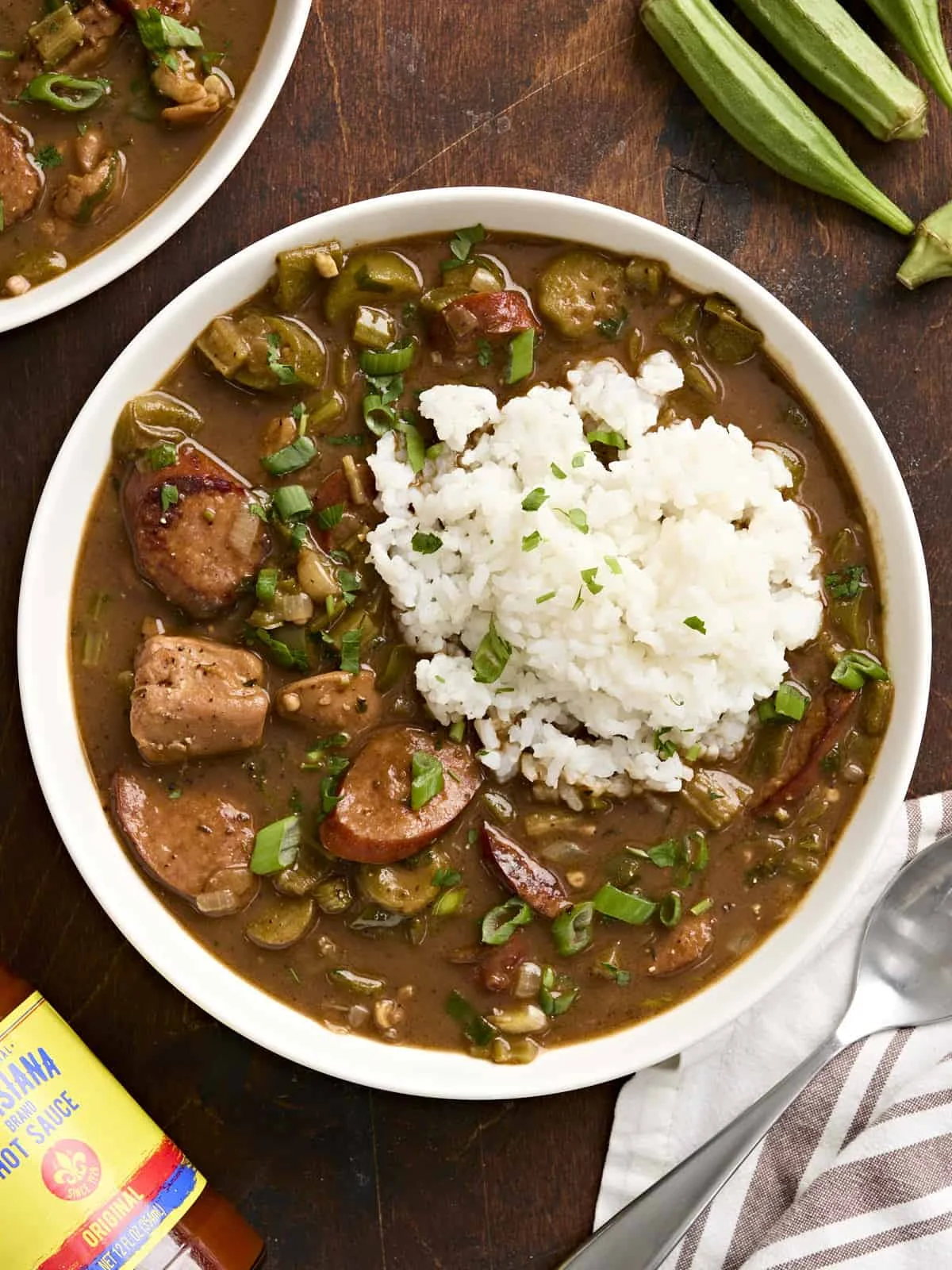
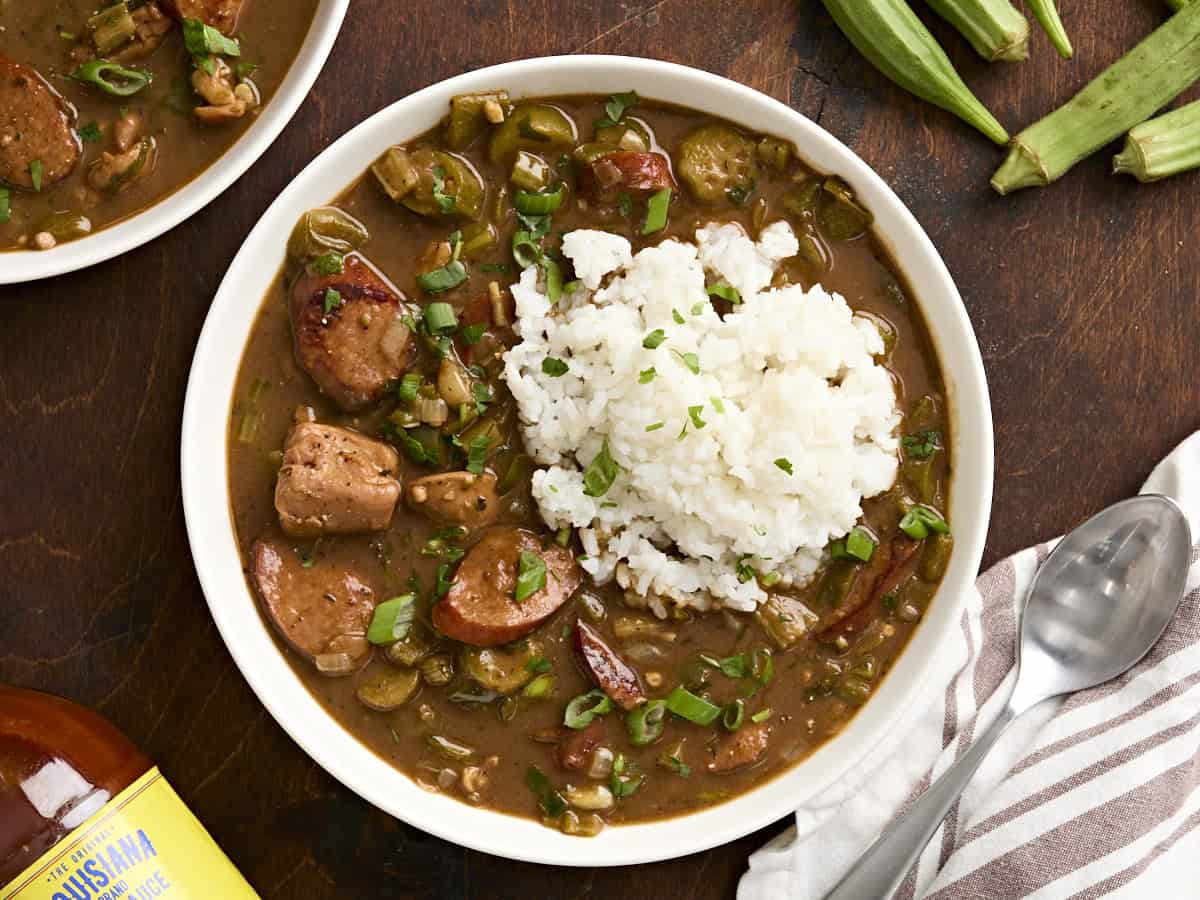
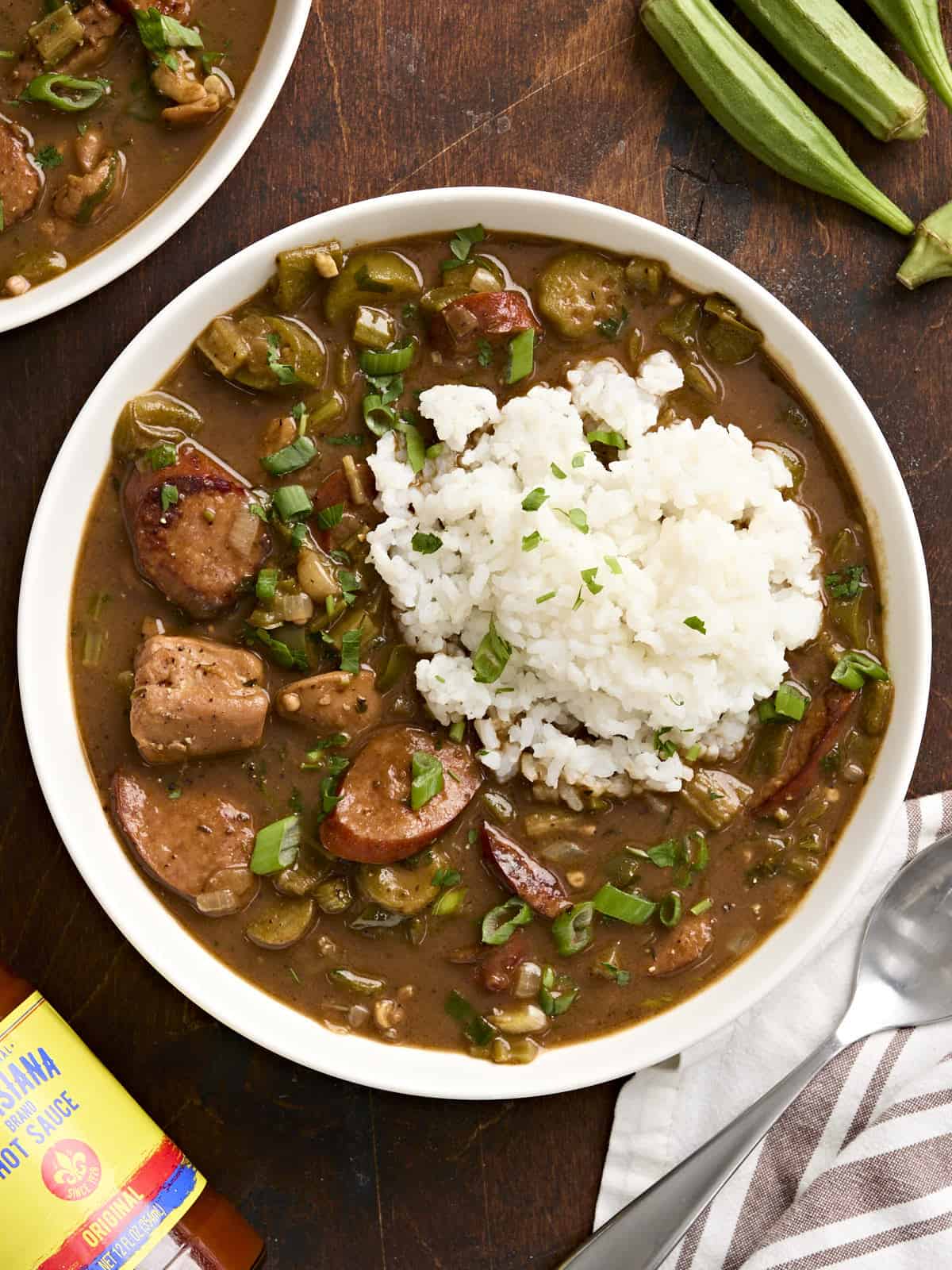
Louisiana gumbo stands as a premier example of American culinary synthesis, representing a complex intersection of French, Spanish, African, and Native American influences. As a cornerstone of Gulf Coast cuisine, gumbo is more than a mere stew; it is a cultural artifact that has evolved over centuries to reflect the socioeconomic conditions and available resources of the region. Recent culinary analysis from the Nashville Test Kitchen, spearheaded by recipe developer and chef instructor Melissa Nolan, highlights a modern approach to this traditional dish that prioritizes both authentic flavor profiles and economic accessibility. By utilizing cost-effective proteins such as chicken thighs and andouille sausage, alongside a meticulously prepared dark roux, the dish remains a staple of high-volume, budget-friendly home cooking.
The Historical and Cultural Foundations of Gumbo
To understand the architecture of a modern gumbo recipe, one must first examine its historical roots. The word "gumbo" is widely believed to be derived from the West African Bantu word for okra, kingombo. Okra was brought to the Americas by enslaved Africans and served as the primary thickening agent for early iterations of the dish. Simultaneously, the Native American Choctaw people introduced filé powder—ground sassafras leaves—which provided an alternative thickening method and a distinct earthy flavor.
The French influence is most visible in the use of a roux, a mixture of fat and flour. However, while a traditional French roux is typically cooked to a "blonde" or "light" stage to thicken sauces like béchamel, the Louisiana variation demands a "dark" or "chocolate" roux. This involves cooking the flour and fat for an extended period until it reaches a deep brown hue, which sacrifices some thickening power in exchange for a profound, nutty complexity. This evolution reflects the adaptation of European techniques to the rustic, bold ingredients of the Louisiana bayou.
The Science and Patience of the Dark Roux
The defining characteristic of an authentic Cajun gumbo is the roux. Unlike many modern "quick-fix" meals, gumbo demands a significant investment of time, particularly in the development of the flour-fat base. According to technical data from culinary experts, the process of achieving a dark roux can take upwards of two hours when conducted over medium-low heat.
During this process, the starch molecules in the flour undergo a series of chemical changes known as the Maillard reaction and pyrolysis. As the temperature of the flour rises, the proteins and sugars break down, creating hundreds of different flavor compounds. This is a delicate operation; if the heat is too high, the flour will burn, resulting in black specks and a bitter acridity that necessitates discarding the entire batch. A successful roux should be stirred constantly, transitioning through stages described by chefs as "blonde," "peanut butter," "copper," and finally, "dark chocolate."
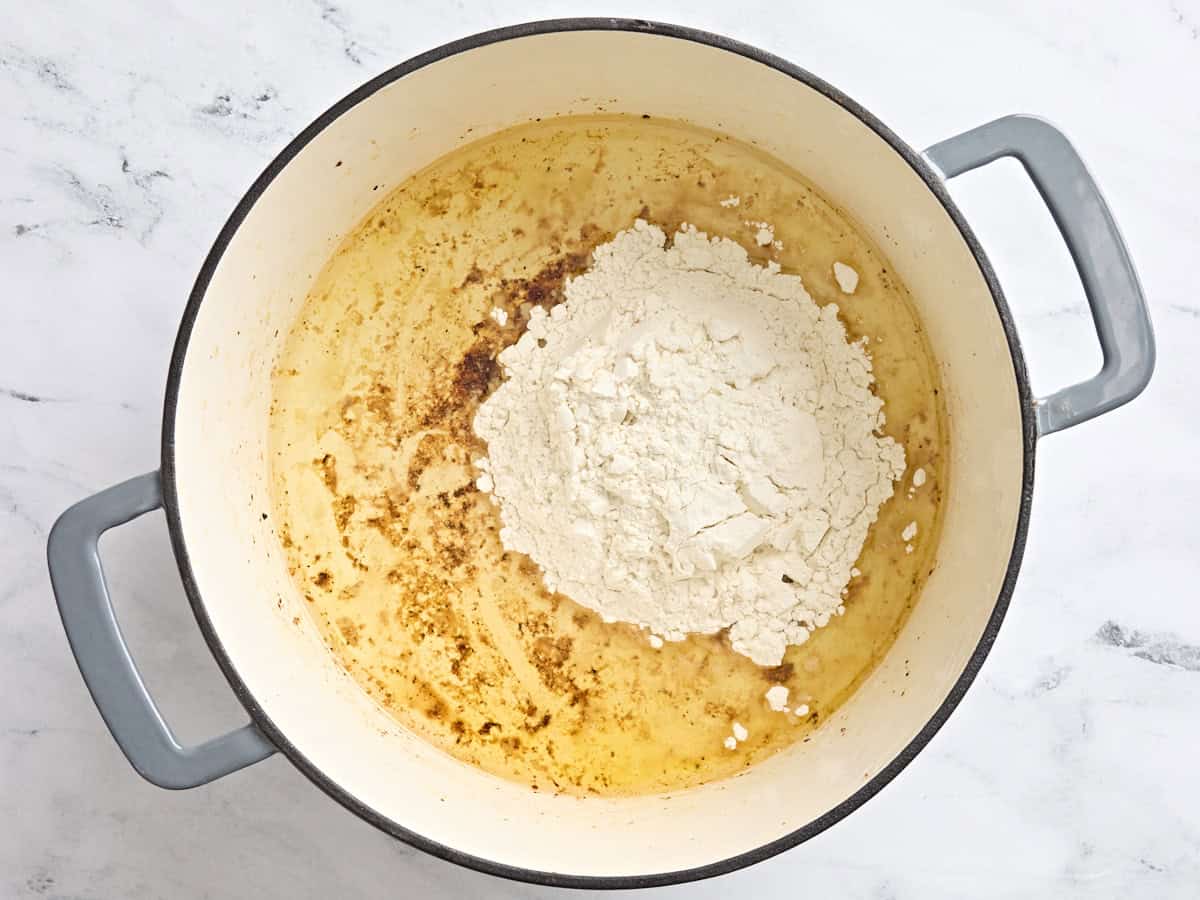
In the recipe standardized by the Nashville Test Kitchen, a ratio of 3/4 cup vegetable oil to 1 cup all-purpose flour is utilized. The choice of oil over butter is significant; vegetable oil has a higher smoke point, allowing for the sustained high temperatures required for a dark roux without the milk solids in butter burning prematurely.
The Anatomy of Ingredients: The Holy Trinity and Beyond
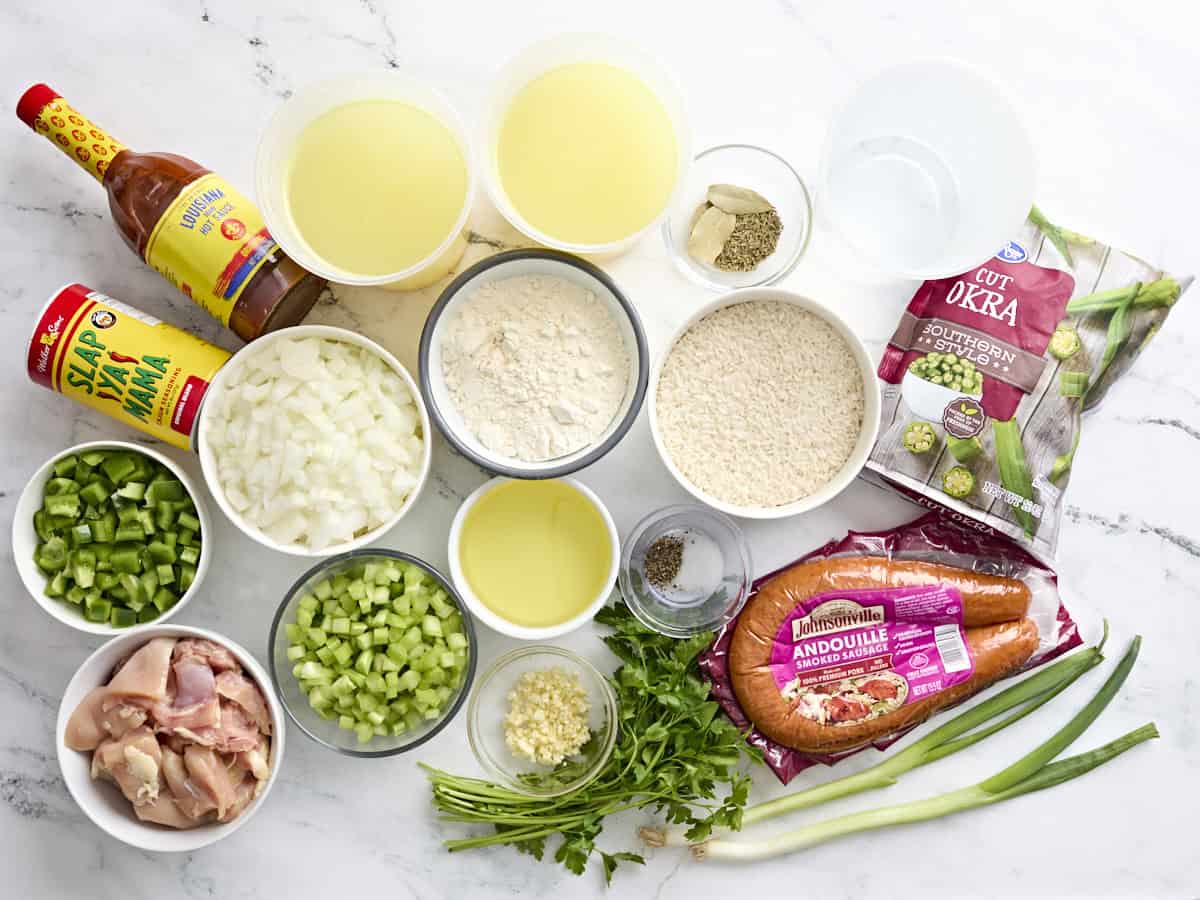
Once the roux has reached its peak color, the "Cajun Holy Trinity" is introduced. This aromatic base consists of onions, celery, and green bell peppers. In classical French cooking, a mirepoix consists of onions, celery, and carrots. However, because carrots did not grow well in the damp Louisiana soil, early settlers substituted green bell peppers, creating a flavor profile that is now synonymous with Acadian cooking.
The addition of these vegetables serves a dual purpose: they provide the foundational flavor of the stew and simultaneously halt the cooking process of the roux. The moisture released by the dicing of the vegetables prevents the roux from darkening further, effectively "locking in" the desired flavor profile.
For the proteins, modern economic considerations often dictate the use of chicken thighs and andouille sausage. Chicken thighs are preferred over breasts due to their higher fat content and connective tissue, which break down during the simmering process to provide a more succulent texture and richer broth. Andouille sausage, a heavily smoked pork sausage of French origin, adds a layer of spice and smokiness that is essential to the dish’s depth.
Economic Analysis and Nutritional Profile
In an era of rising food costs, the Nashville Test Kitchen’s gumbo serves as a case study in "budget-friendly" gourmet cooking. The total cost for a batch yielding eight servings is estimated at $15.06, which breaks down to approximately $1.88 per serving. This makes gumbo an exceptionally viable option for large families or communal gatherings.
The cost-efficiency is achieved through several strategic choices:
- Protein Selection: Utilizing chicken thighs (often priced significantly lower than poultry cuts like wings or breasts) and smoked sausage.
- Frozen vs. Fresh: The use of frozen okra significantly reduces the price point while maintaining the necessary mucilaginous properties required for thickening.
- Pantry Staples: The bulk of the dish’s volume comes from flour, oil, and rice—all of which are inexpensive shelf-stable items.
- Concentrated Bases: The use of bouillon bases (such as "Better Than Bouillon") rather than pre-packaged cartons of liquid broth allows for better control over sodium levels and reduces waste.
Nutritionally, a single serving of gumbo with rice provides approximately 673 calories. It is a macronutrient-dense meal, containing 27 grams of protein and 58 grams of carbohydrates. While the sodium content is relatively high at 1,280 mg (approximately 56% of the daily recommended value), this is typical for smoked meat stews and can be adjusted by the home cook through the selection of low-sodium seasonings or the omission of added salt.
Chronology of Preparation: A Three-Hour Commitment
The preparation of gumbo is an exercise in slow-food methodology. The timeline for a standard batch, as outlined by Chef Melissa Nolan, follows a strict progression to ensure layers of flavor:
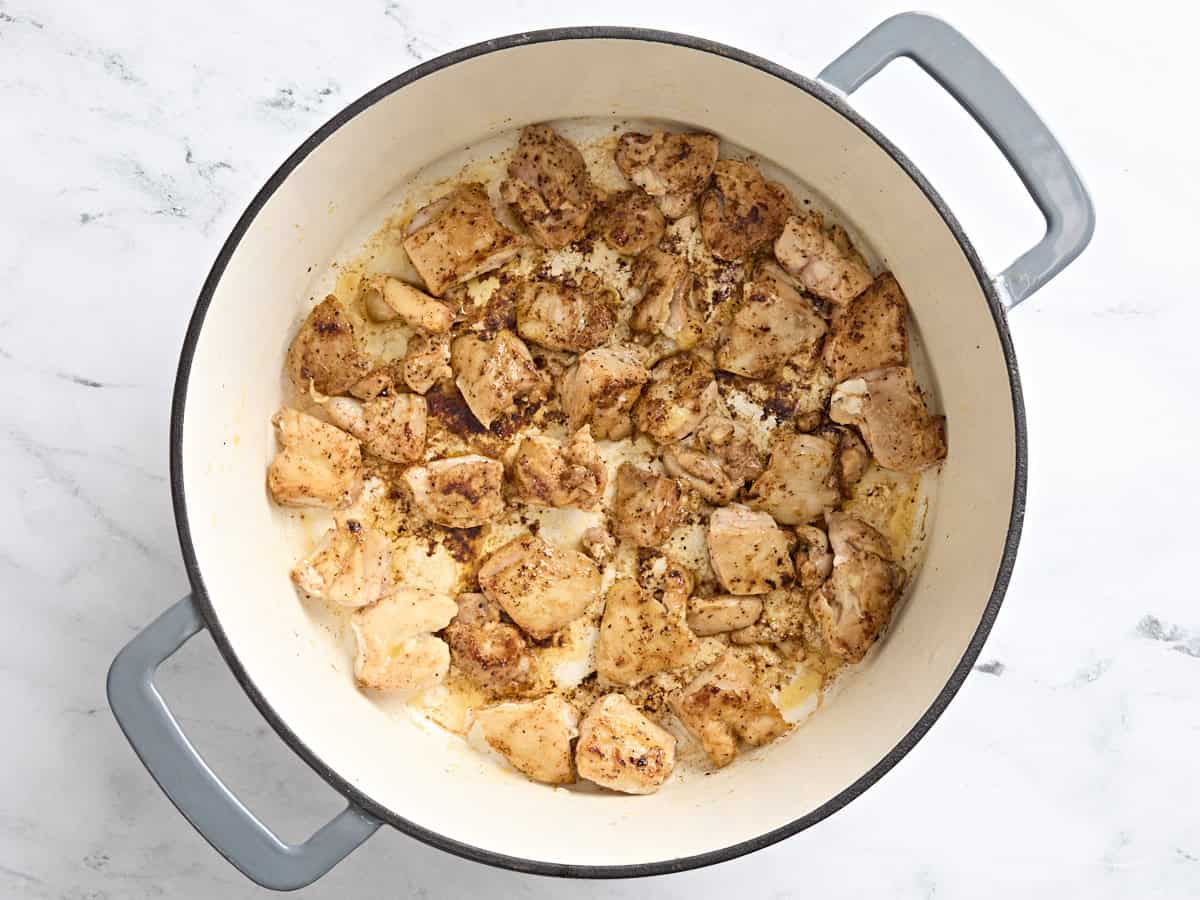
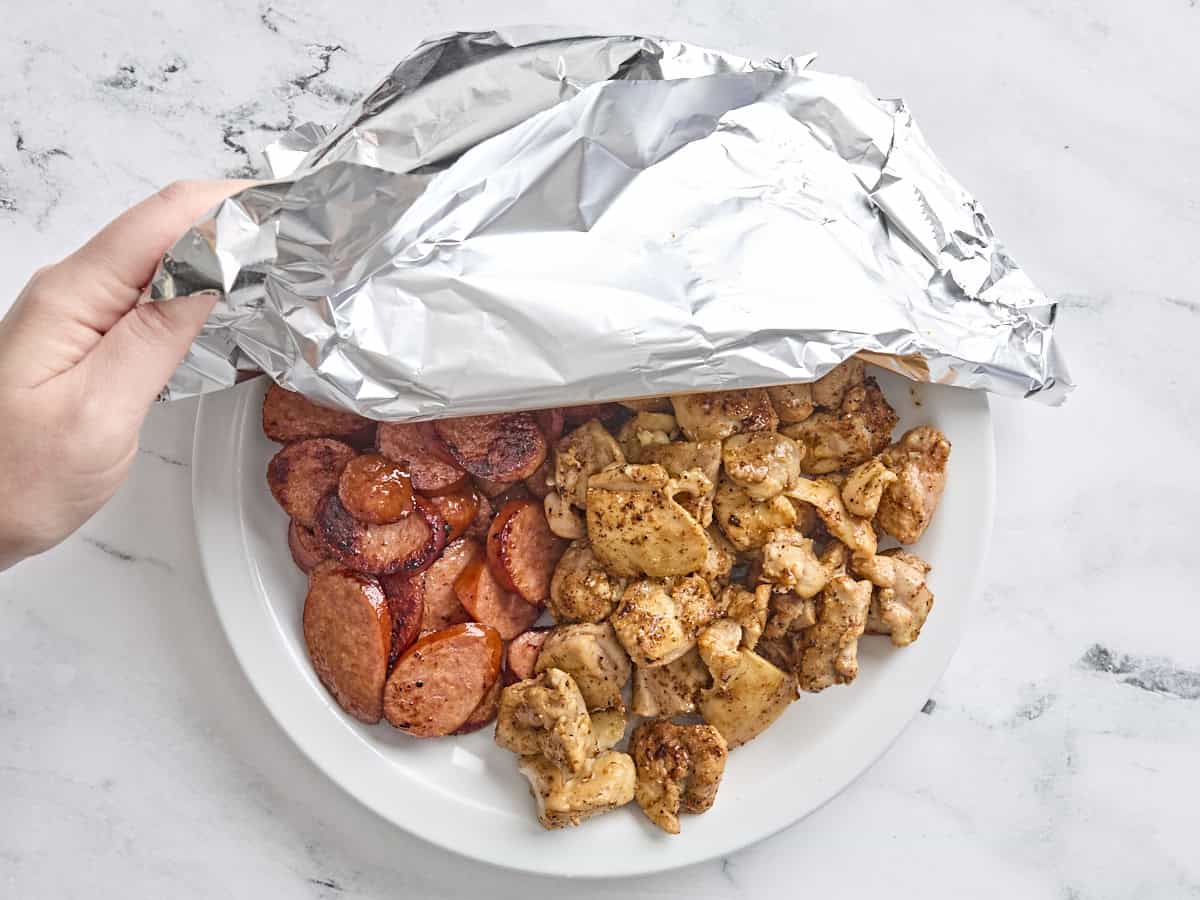
- 0:00 – 0:20: Searing of the meats. The andouille sausage and seasoned chicken thighs are browned in a large skillet. This creates a "fond"—the caramelized bits of protein on the bottom of the pan—which contributes to the eventual richness of the stew.
- 0:20 – 2:20: The Roux Phase. This is the most labor-intensive portion of the process. The oil and flour are combined and stirred continuously over medium-low heat. The chef must remain vigilant, as the transition from a perfect dark roux to a burnt one can happen in seconds.
- 2:20 – 2:30: The Sauté. The Holy Trinity of vegetables is added to the roux and cooked until softened. Garlic is added at the final minute to prevent burning.
- 2:30 – 3:00: The Simmer. Liquid (chicken broth) is added along with the seared meats, okra, and seasonings (thyme, bay leaves, Cajun spice). The mixture is brought to a boil and then reduced to a simmer.
- 3:00 – 3:15: Final Touches. Hot sauce, fresh parsley, and green onions are stirred in to provide a bright, acidic counterpoint to the heavy, smoky flavors of the stew.
Regional Variations and the "MawMaw" Standard
Gumbo aficionados often debate the "correct" way to prepare the dish, with many citing the recipes of "Louisiana MawMaws" (grandmothers) as the gold standard. These debates typically center on two main points: the inclusion of tomatoes and the choice of thickener.
Creole gumbo, often associated with the city of New Orleans, frequently includes tomatoes, reflecting the influence of Spanish and Italian immigrants in the urban center. Cajun gumbo, found in the more rural southwestern parts of the state, almost never includes tomatoes and tends to be darker and smokier.
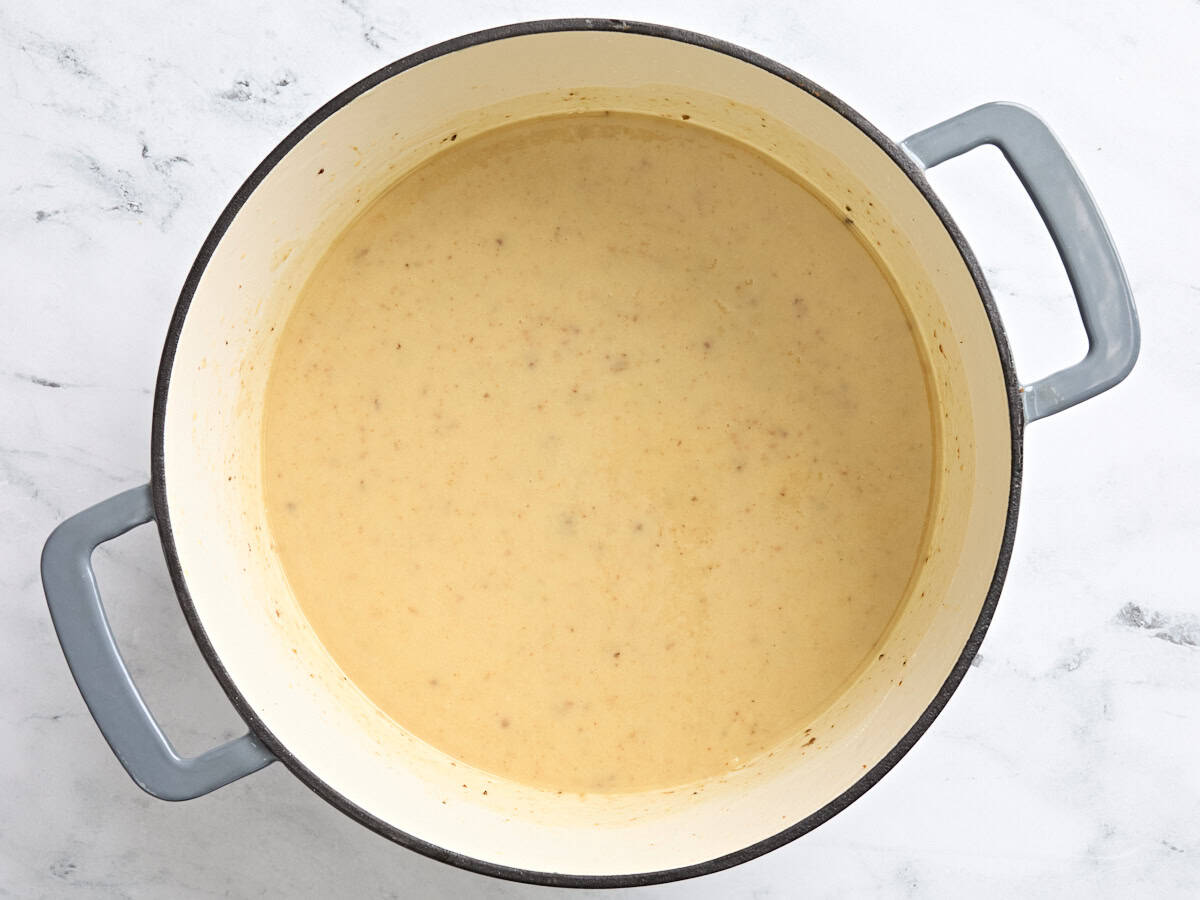
Furthermore, the "Okra vs. Filé" debate remains a point of regional pride. While many recipes, including the one from the Nashville Test Kitchen, use okra for its thickening properties and flavor, some prefer to use filé powder added only at the end of the cooking process. Using both is considered by some to be redundant, yet many families have traditions that incorporate both to achieve a specific "ropey" or thick consistency.
Broader Implications for Modern Culinary Education
The resurgence of interest in labor-intensive dishes like gumbo indicates a shift in modern culinary habits. Despite the prevalence of "fast food" and "instant meals," there is a growing segment of the population seeking to reconnect with traditional cooking methods. The Nashville Test Kitchen’s documentation of this process provides a roadmap for home cooks to master a difficult technique—the dark roux—without the intimidation factor often associated with high-level French or regional American cooking.
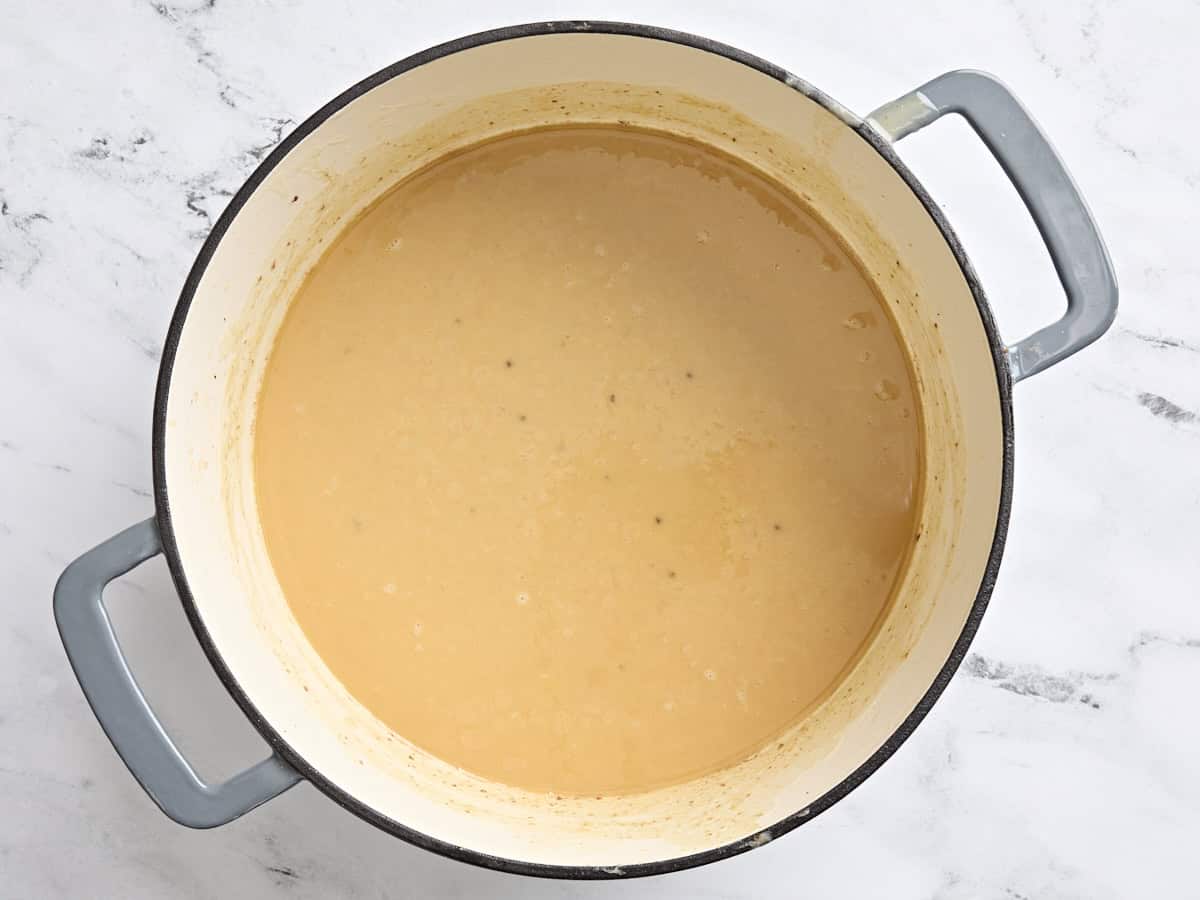
By providing step-by-step photographic evidence and rigorous testing data, culinary developers are ensuring that these regional traditions are preserved for future generations. The success of such recipes also underscores the importance of "soulful" cooking—dishes that require a "labor of love" and patience, resulting in a product that serves as a centerpiece for community and family interaction.
As the economic landscape continues to fluctuate, the ability to transform humble ingredients like flour, oil, and chicken into a world-class meal remains an essential skill. Gumbo, with its deep history and complex flavor, remains the ultimate testament to the ingenuity of the human spirit in the kitchen. Whether served with a side of potato salad or a simple slice of French bread, it continues to be a dish that commands respect, silence, and ultimately, a second helping.
