
The Evolution of the Marry Me Culinary Phenomenon
The "Marry Me" recipe trend, which serves as the foundation for this new soup adaptation, originally gained traction several years ago. The name stems from a cultural anecdote suggesting that the dish—traditionally a pan-seared chicken breast in a creamy sundried tomato and parmesan sauce—is of such high quality that it could elicit a marriage proposal from anyone who consumes it. Since its inception, the flavor profile has become a staple of digital food culture, appearing in thousands of variations across TikTok, Instagram, and Pinterest.
The transition from a skillet-based entree to a soup is a logical progression in modern recipe development. By transforming the heavy sauce into a broth-based soup, the dish becomes more approachable for weeknight cooking and easier to scale for larger families. The Nashville Test Kitchen’s version prioritizes accessibility, aiming to provide the same luxury associated with the original dish while maintaining a preparation time of under 40 minutes. This efficiency is critical for the modern consumer who balances a desire for high-quality dining with the constraints of a busy professional schedule.
Technical Composition and Culinary Mechanics
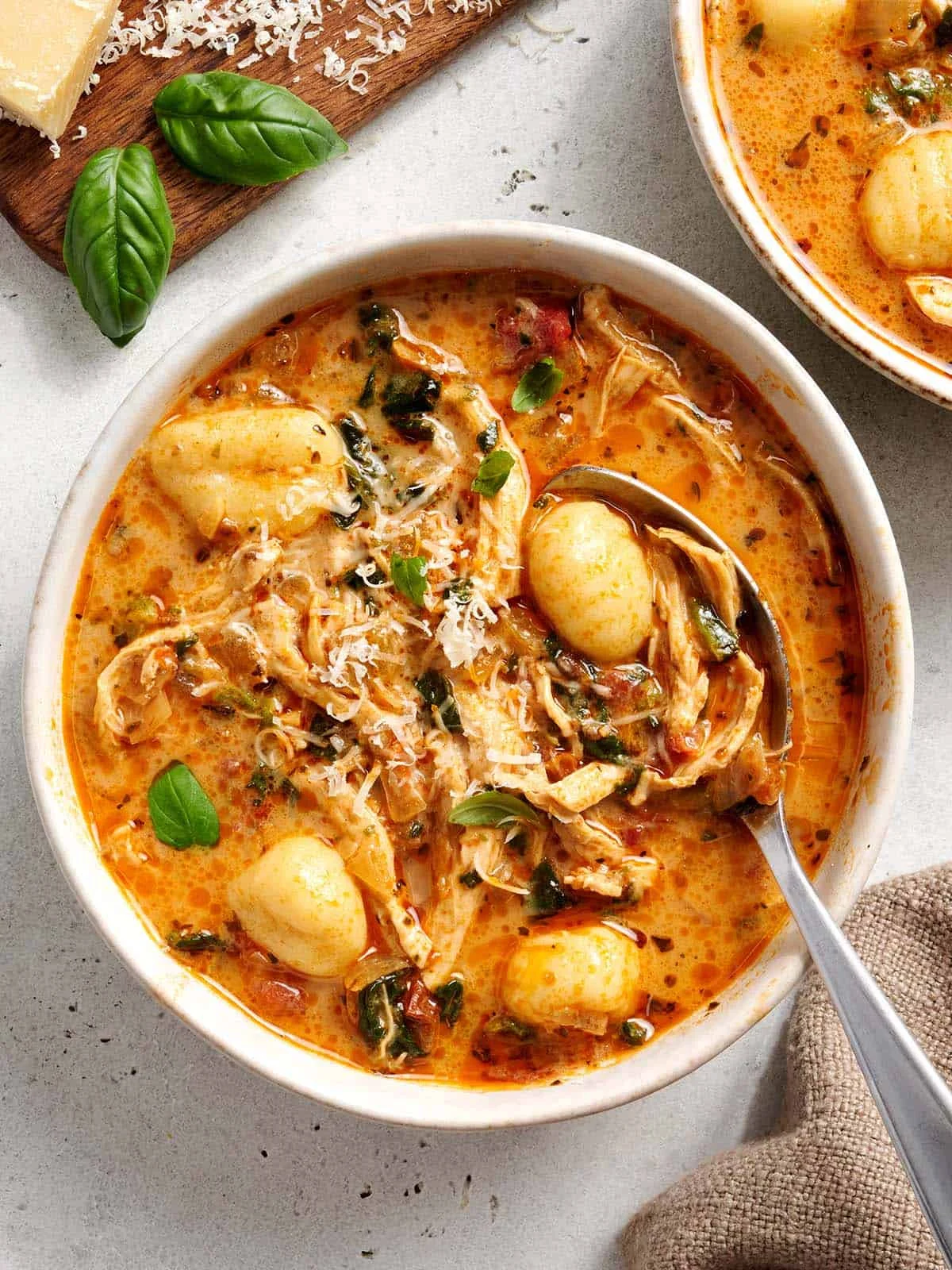
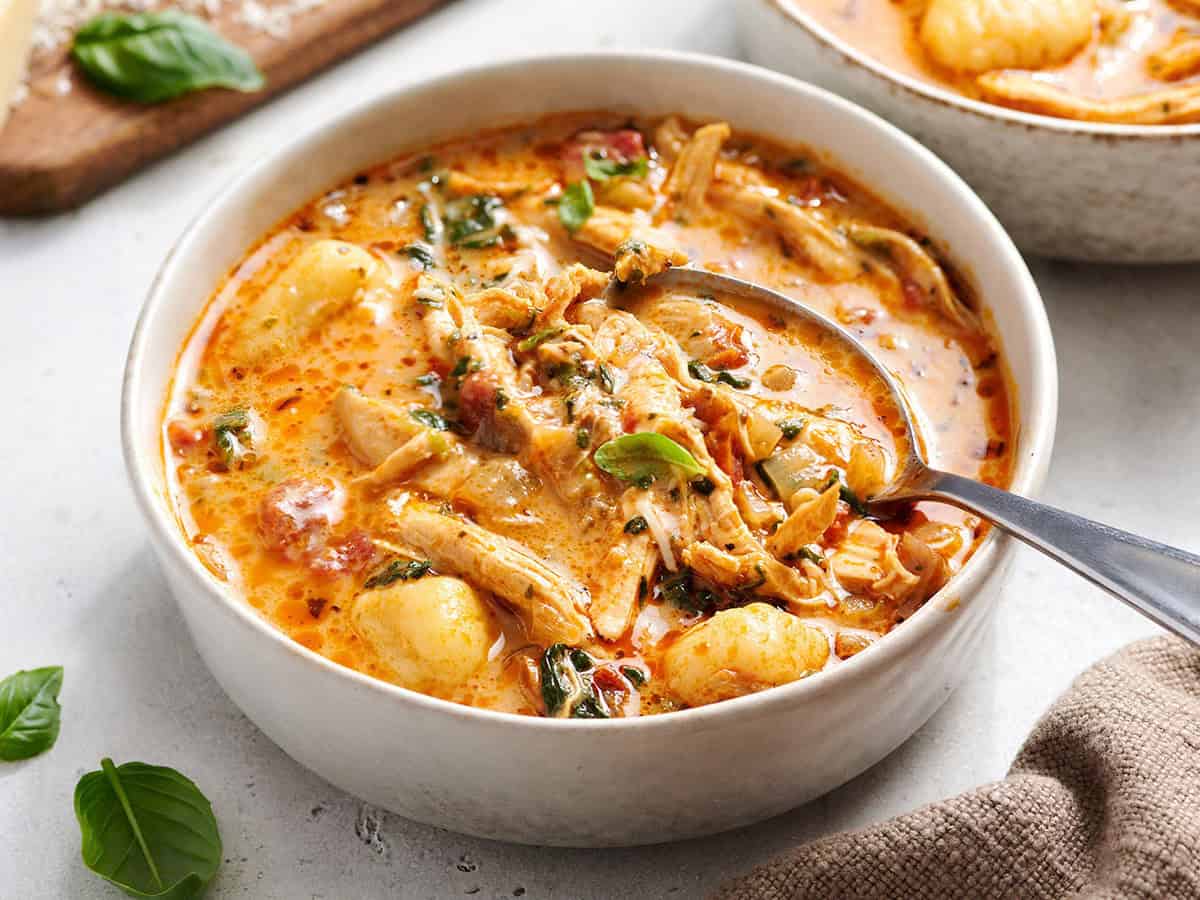
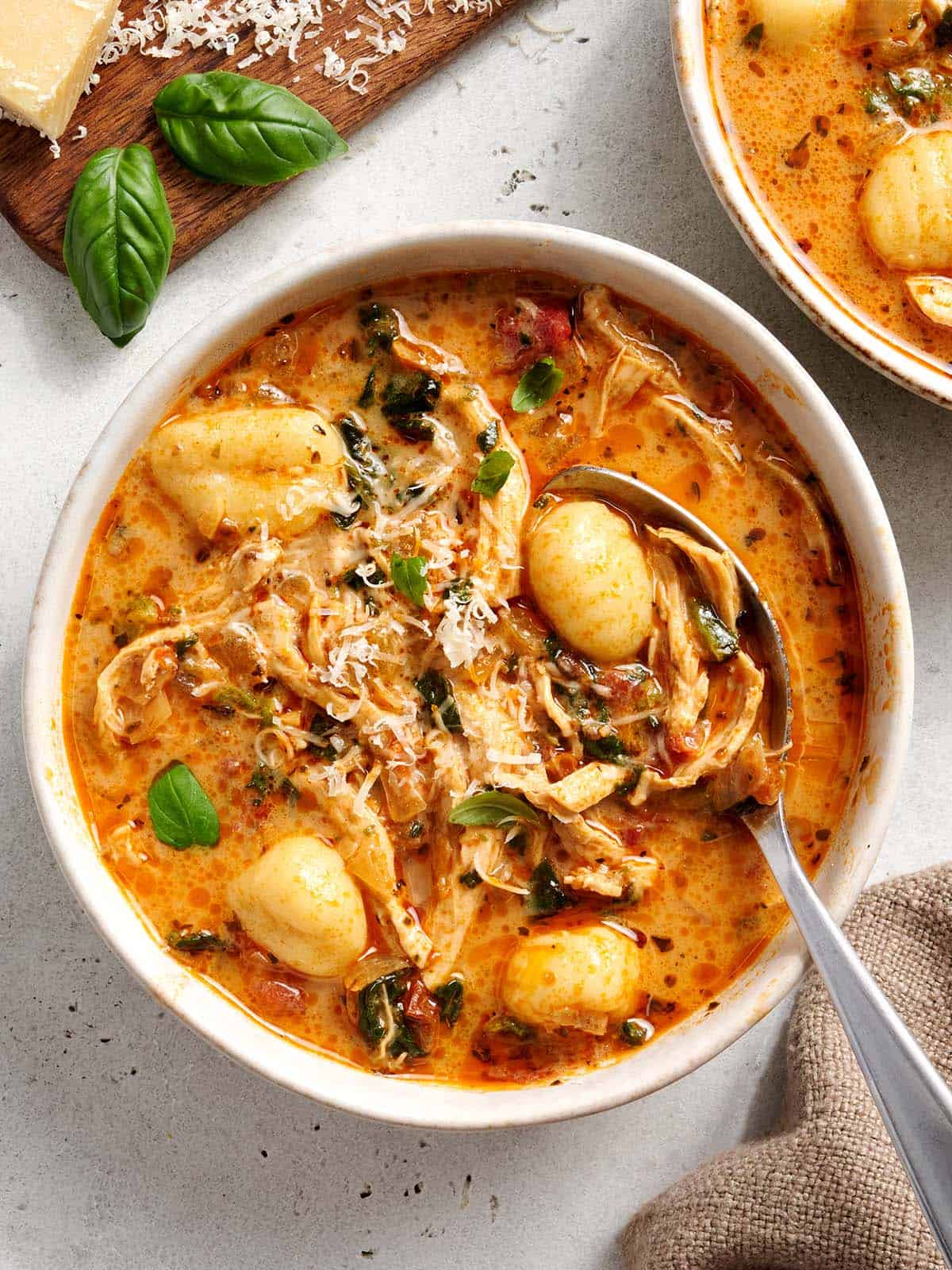
The structural integrity of the Marry Me Chicken Soup relies on several key components that balance texture and flavor. Unlike traditional chicken noodle soups, which use wheat-based pasta, this recipe utilizes potato gnocchi. Gnocchi, often referred to as "pillowy" in culinary circles, provides a dense, chewy contrast to the lighter shredded chicken and the liquid base.
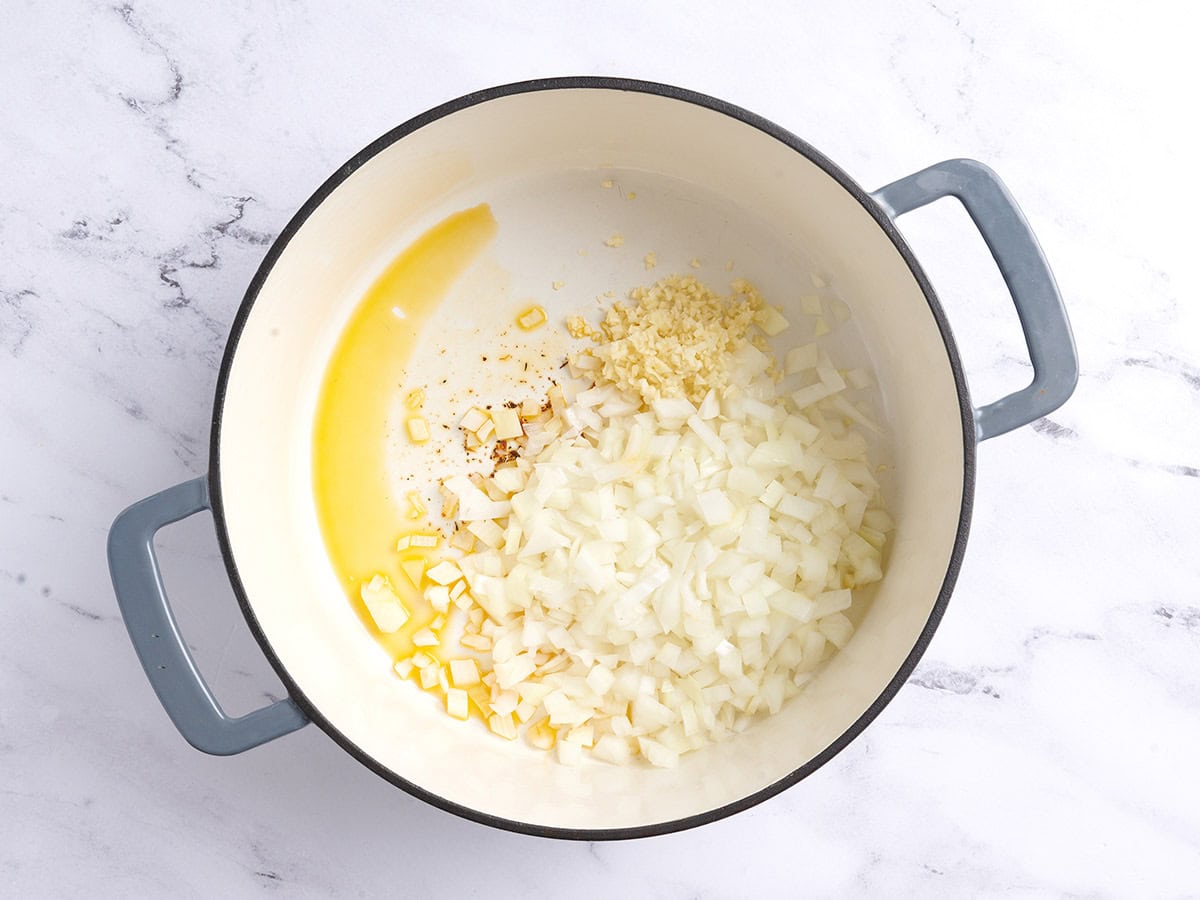
A defining characteristic of this recipe is the strategic use of sun-dried tomato oil. Rather than discarding the oil from the jar, the recipe instructs cooks to use it as the primary fat for sautéing aromatics like onions and garlic. This technique ensures that the concentrated, savory flavor of the tomatoes permeates the entire dish from the initial stages of cooking. The addition of tomato paste further deepens the color and adds a caramelized sweetness that balances the saltiness of the parmesan cheese.
The broth itself is enriched with half-and-half and grated parmesan, creating a "velouté-adjacent" texture that is creamy but not as heavy as a traditional chowder. The inclusion of spinach—thawed and squeezed dry or used fresh—introduces a necessary bitterness and a pop of color, adhering to the visual standards expected of the "Marry Me" aesthetic.
Economic Analysis: The Value of Home-Cooked Comfort
In an era of fluctuating grocery prices and high restaurant markups, the economic profile of the Marry Me Chicken Soup is a significant factor in its appeal. According to data provided by the Nashville Test Kitchen, the total cost for the recipe is approximately $9.45, which breaks down to just $1.58 per serving.
This pricing represents a substantial saving compared to similar offerings at casual dining chains. For example, a comparable chicken and gnocchi soup at a national Italian restaurant chain typically retails for between $6.00 and $8.00 per bowl. By producing six servings at home for less than $10.00, consumers can achieve a 70% to 80% reduction in cost per meal.
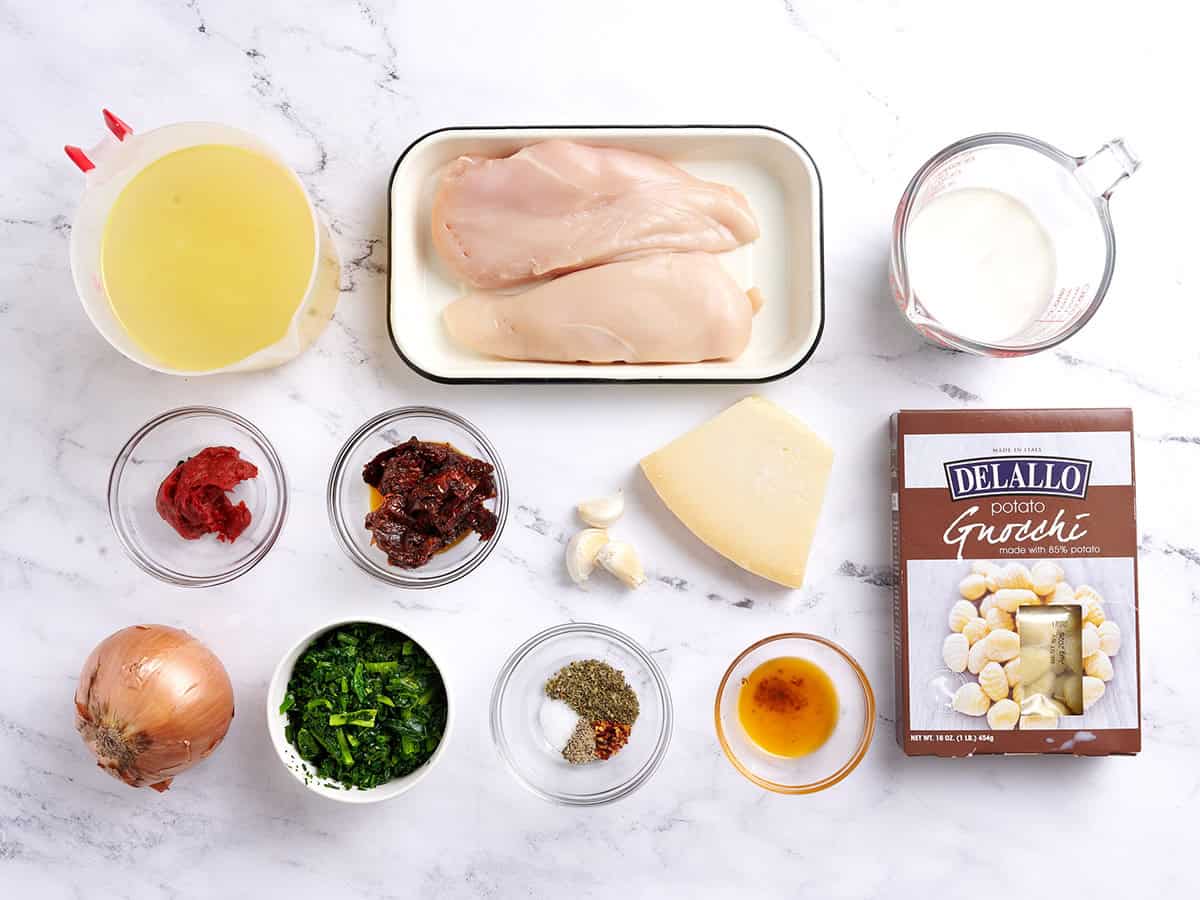
The recipe also utilizes cost-saving pantry staples to maintain this low price point. Specifically, it recommends the use of "Better Than Bouillon" or similar concentrated bases rather than expensive cartons of pre-made chicken stock. This approach not only reduces the cost per ounce of liquid but also allows the cook to control the intensity of the flavor. Furthermore, the use of frozen spinach—provided it is properly drained—offers a nutrient-dense ingredient at a fraction of the price of fresh out-of-season produce.
Nutritional Profile and Dietary Impact
From a nutritional standpoint, the Marry Me Chicken Soup offers a balanced macronutrient profile, though it is notably high in sodium—a common trait in savory, cheese-based soups. A single serving contains approximately 316 calories, making it a substantial meal that remains within the caloric limits of most standard dietary plans.
The protein content is particularly high at 25 grams per serving, largely derived from the pound of chicken breast used in the preparation. This high protein count is beneficial for satiety, making the soup a filling option for lunch or dinner. The carbohydrate count stands at 35 grams, primarily sourced from the potato-based gnocchi. While the fat content is relatively modest at 9 grams, the sodium level of 1,593mg (roughly 69% of the recommended daily value) suggests that individuals on sodium-restricted diets should approach the dish with caution or opt for low-sodium broth and cheese alternatives.
Chronology of Preparation: The 40-Minute Workflow
The efficiency of the recipe is achieved through a streamlined, multi-stage cooking process. The chronology of the preparation is as follows:
- Aromatic Foundation (Minutes 0–7): The process begins with sautéing onions and garlic in sun-dried tomato oil. This stage is crucial for building the base flavor profile.
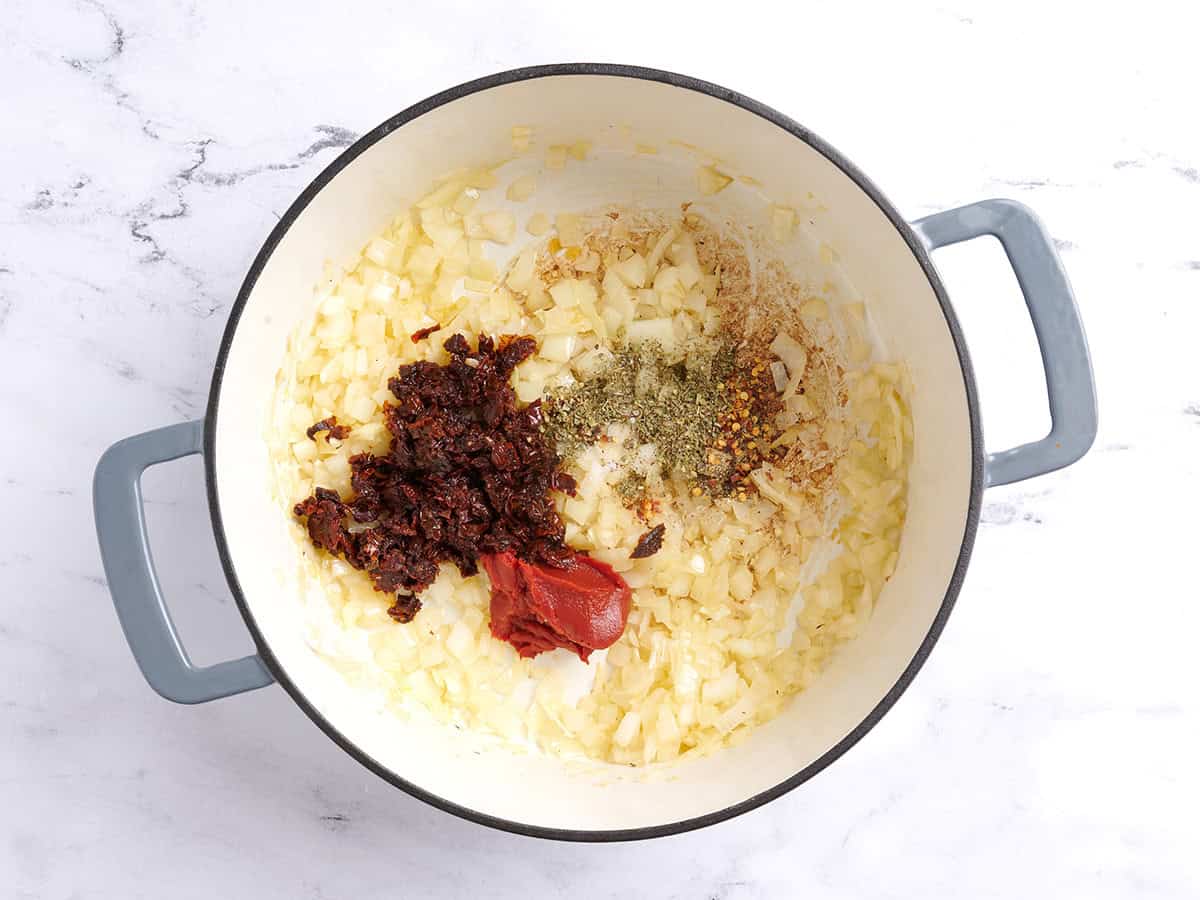
- Seasoning and Caramelization (Minutes 7–10): Tomato paste and spices, including Italian seasoning and red pepper flakes, are added to the pot. Sautéing these together allows the spices to bloom and the tomato paste to darken, which prevents a "raw" tomato taste.
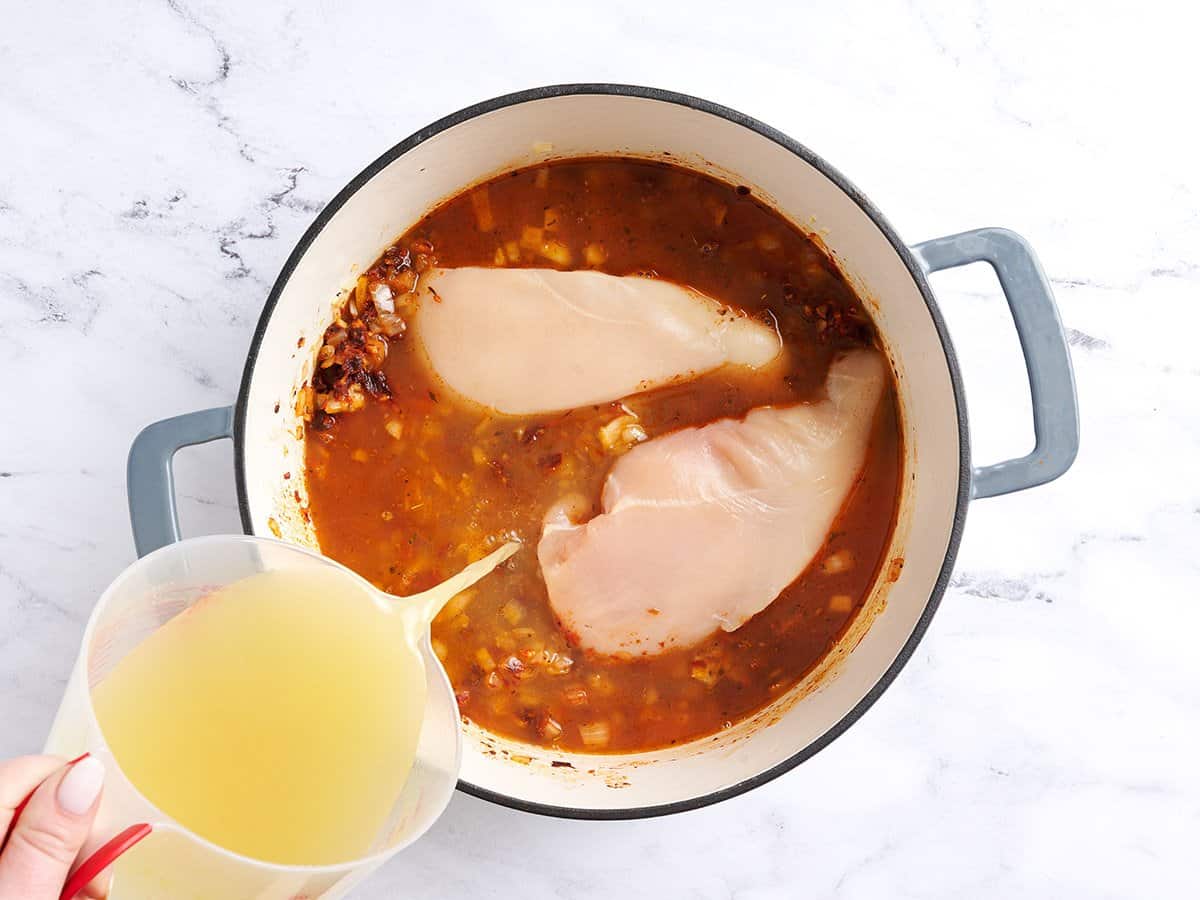
- Protein Infusion (Minutes 10–25): Whole chicken breasts are poached directly in the seasoned broth. This method ensures the chicken remains tender and absorbs the flavors of the soup while simultaneously enriching the broth with chicken juices.
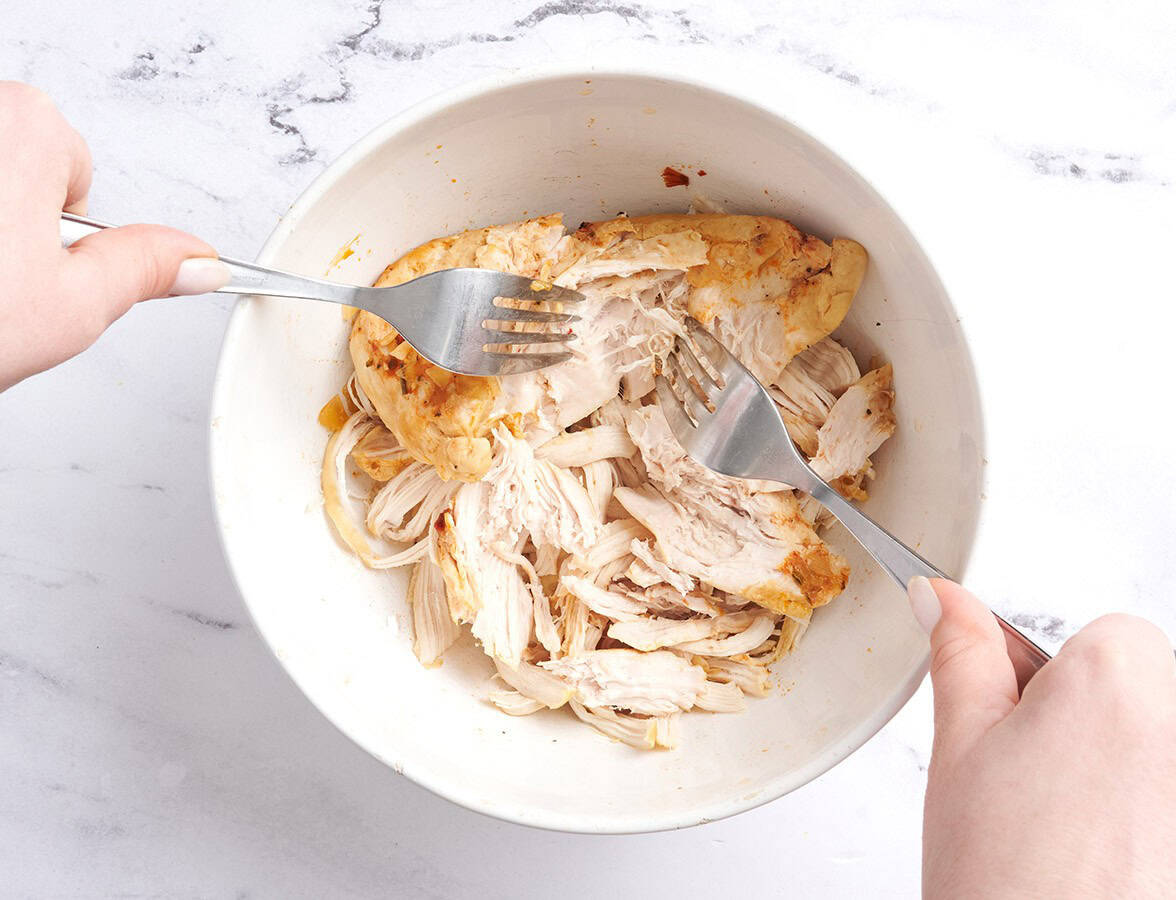
- The Shred and Return (Minutes 25–30): Once cooked to an internal temperature of 165°F, the chicken is removed, shredded with forks, and returned to the pot.
- Gnocchi and Final Enrichment (Minutes 30–40): The gnocchi is added last, requiring only a few minutes to cook until they float. The final steps involve stirring in the half-and-half, parmesan, and spinach to achieve the signature creamy finish.
Culinary Analysis and Market Implications
The release of the Marry Me Chicken Soup highlights a broader trend in the food industry: the "soupification" of popular entrees. As consumers seek ways to make expensive ingredients like chicken and specialty cheeses go further, soups offer an ideal medium. By shredding the chicken and adding bulk through gnocchi and broth, a relatively small amount of meat can feed an entire family.
Furthermore, the recipe’s emphasis on "step-by-step" visual aids and rigorous testing reflects the growing demand for "fail-proof" home cooking. The Nashville Test Kitchen’s commitment to testing ensures that the recipe works across different stovetop types and with varying brands of ingredients. This level of reliability is essential for maintaining consumer trust in the digital recipe space, where unverified viral content can often lead to poor results.
Industry analysts suggest that the continued popularity of "Marry Me" style dishes indicates a consumer preference for bold, Mediterranean-inspired flavors that utilize accessible ingredients. The combination of garlic, parmesan, and sun-dried tomatoes is a classic trio that appeals to a wide demographic, from families with young children to couples looking for an "impressive" yet simple date-night meal.
Storage, Reheating, and Sustainability
Sustainability and food waste reduction are also addressed in the recipe’s storage guidelines. While the soup stores well in the refrigerator for three to four days, the developers note that the gnocchi will naturally absorb more liquid over time, causing the soup to thicken. This transparency allows consumers to plan their leftovers accordingly, perhaps by adding a splash of milk or broth during reheating to restore the original consistency.
The advice against freezing the fully assembled soup—due to the potential for the cream to separate and the gnocchi to become mushy—demonstrates a commitment to quality over convenience. However, the provided alternative of freezing the base without dairy or gnocchi offers a compromise for those looking to meal-prep in bulk.
Conclusion
The Easy Marry Me Chicken Soup Recipe is more than just a seasonal dish; it is a calculated response to the intersection of viral food trends and economic necessity. By providing a high-flavor, low-cost alternative to restaurant dining, the Nashville Test Kitchen has solidified the "Marry Me" profile’s place in the permanent culinary canon. As the dish continues to circulate through social media and home kitchens, its success will likely be measured by its ability to provide a "hug in a bowl" to a global audience seeking comfort in challenging times.
