
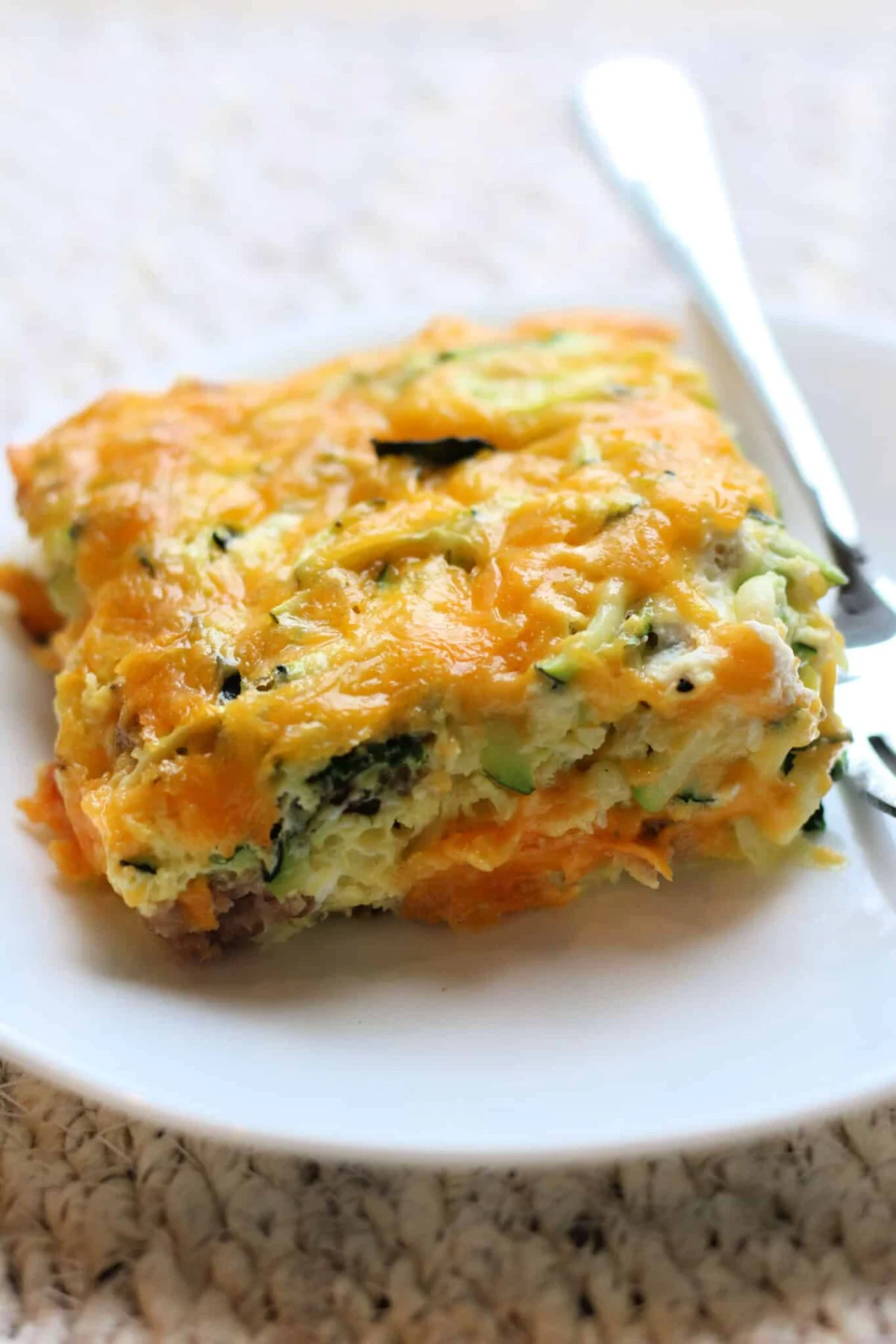
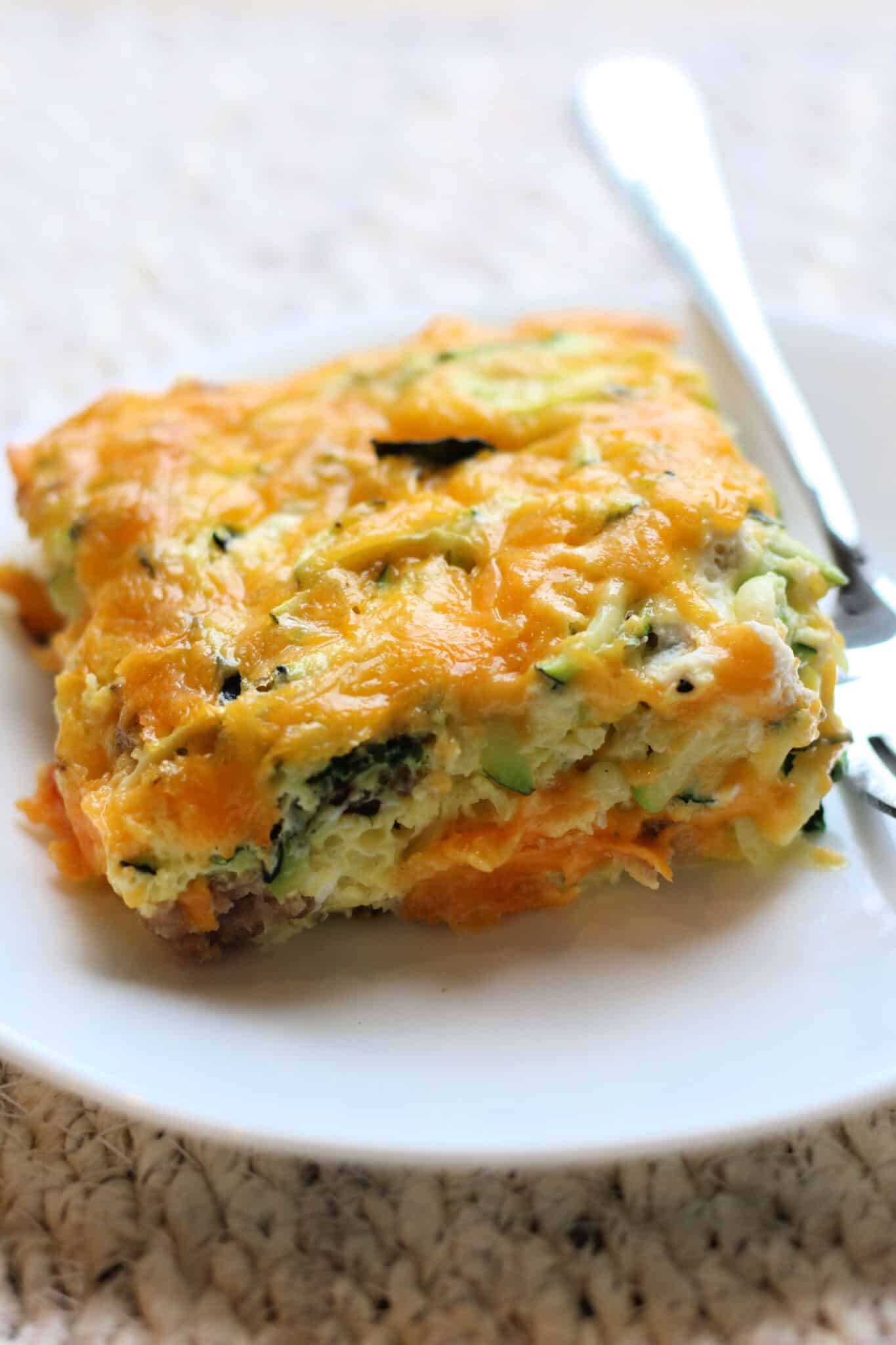
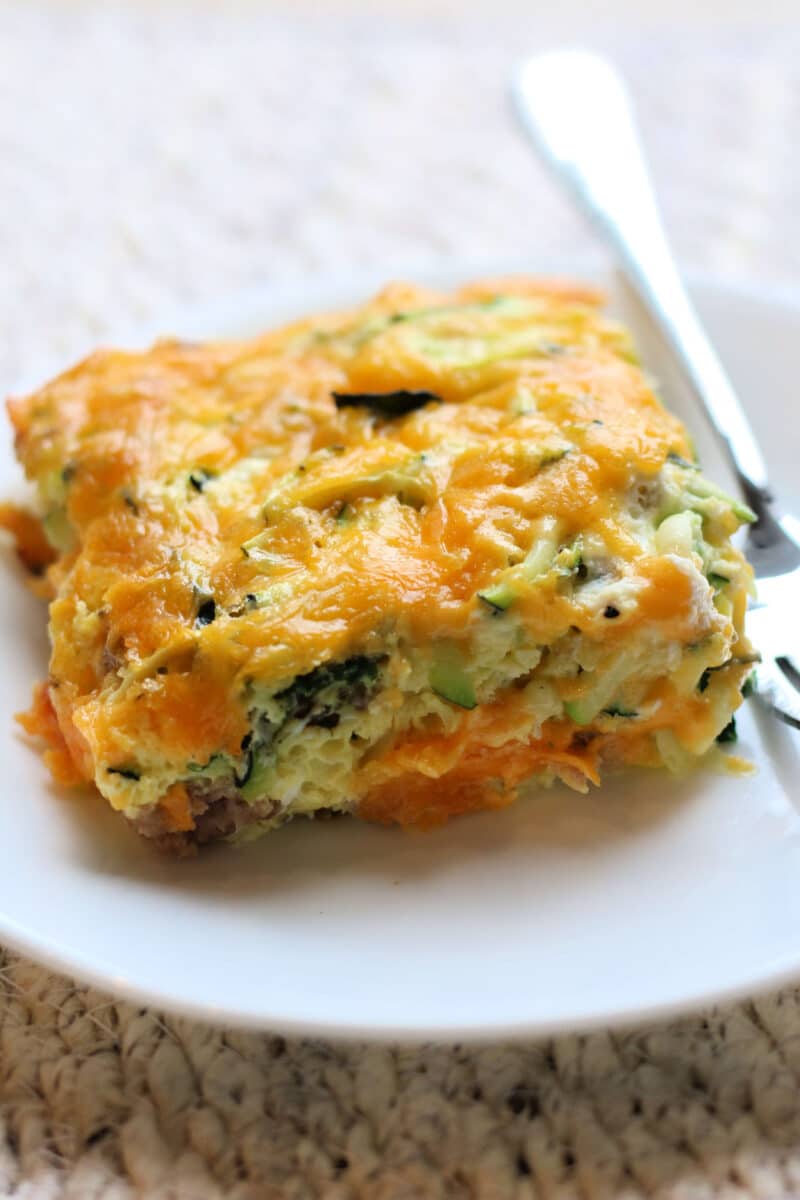
The culinary landscape of the early 21st century has been significantly reshaped by a growing emphasis on metabolic health, leading to a surge in demand for recipes that prioritize protein and fiber over refined carbohydrates. Central to this movement is the emergence of the low-carb casserole, a versatile dish that has transitioned from a niche dietary requirement to a mainstream staple of the "meal prep" culture. By combining accessible proteins like ground sausage with nutrient-dense vegetables such as spinach and zucchini, and binding them with an egg-based custard enriched with Greek yogurt, this specific iteration of the breakfast bake represents a broader shift in how individuals approach morning nutrition and long-term wellness.
The Evolution of the Breakfast Casserole
Traditionally, American breakfast casseroles were characterized by the inclusion of heavy starches—often bread cubes, frozen hash browns, or tater tots—designed to provide cheap, high-calorie energy for labor-intensive lifestyles. However, as sedentary office work became the norm and the medical community began to highlight the links between high sugar intake and chronic conditions such as Type 2 diabetes and metabolic syndrome, the composition of these dishes began to change.
The modern low-carb casserole removes the "filler" carbohydrates and replaces them with high-volume, low-calorie vegetables. In this specific recipe, the use of zucchini and spinach provides the structural integrity previously offered by bread or potatoes. This transition is not merely a culinary trend but a reflection of a data-driven approach to dieting, where "satiety per calorie" has become a key metric for consumers.
Technical Preparation and Culinary Methodology
The preparation of a protein-packed low-carb casserole follows a specific chronological sequence designed to maximize flavor while ensuring a stable, non-watery texture—a common challenge when working with high-moisture vegetables like zucchini.
- Thermal Foundation: The process begins with preheating a standard oven to 350°F (approximately 177°C). This temperature is critical for ensuring that the egg proteins coagulate slowly enough to remain tender while still allowing the cheese to achieve a golden-brown Maillard reaction on the surface.
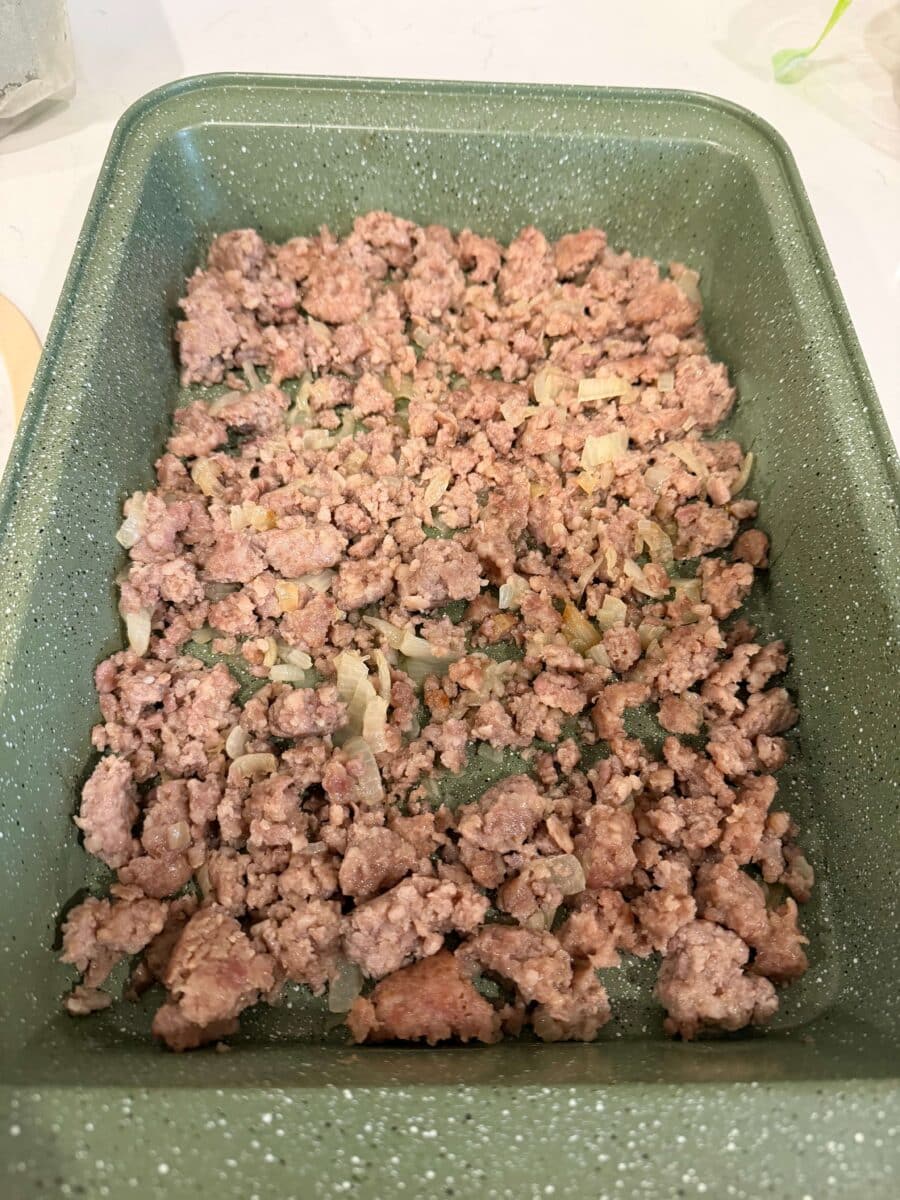
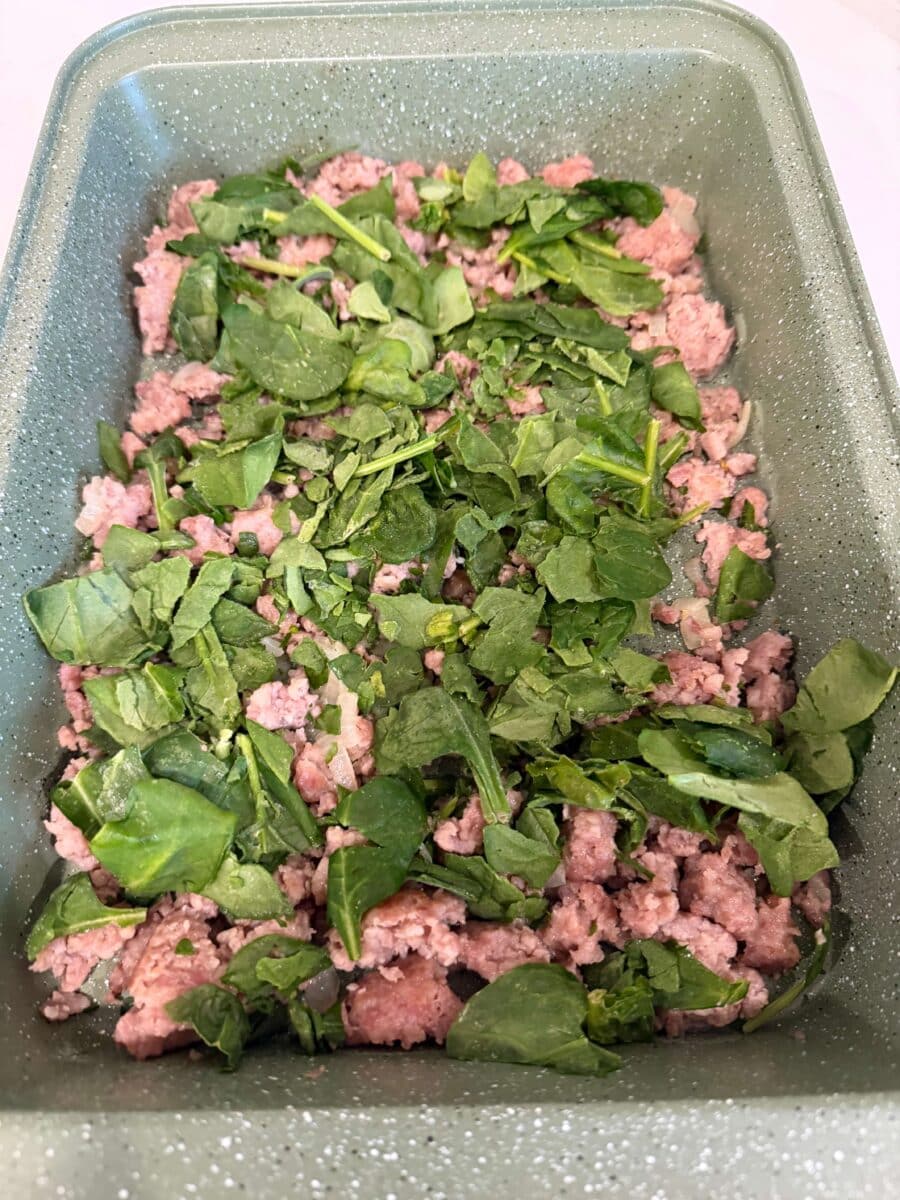
- Protein Searing and Degreasing: One pound of sausage is browned in a skillet over medium-high heat. During this four-minute window, the meat is broken into small crumbles to ensure even distribution. Onions are then introduced, cooking for an additional four minutes until translucent. A vital step in this phase is the drainage of excess grease; while fats are permitted in low-carb diets, an overabundance of rendered lard can cause the casserole to separate or become unpleasantly oily.
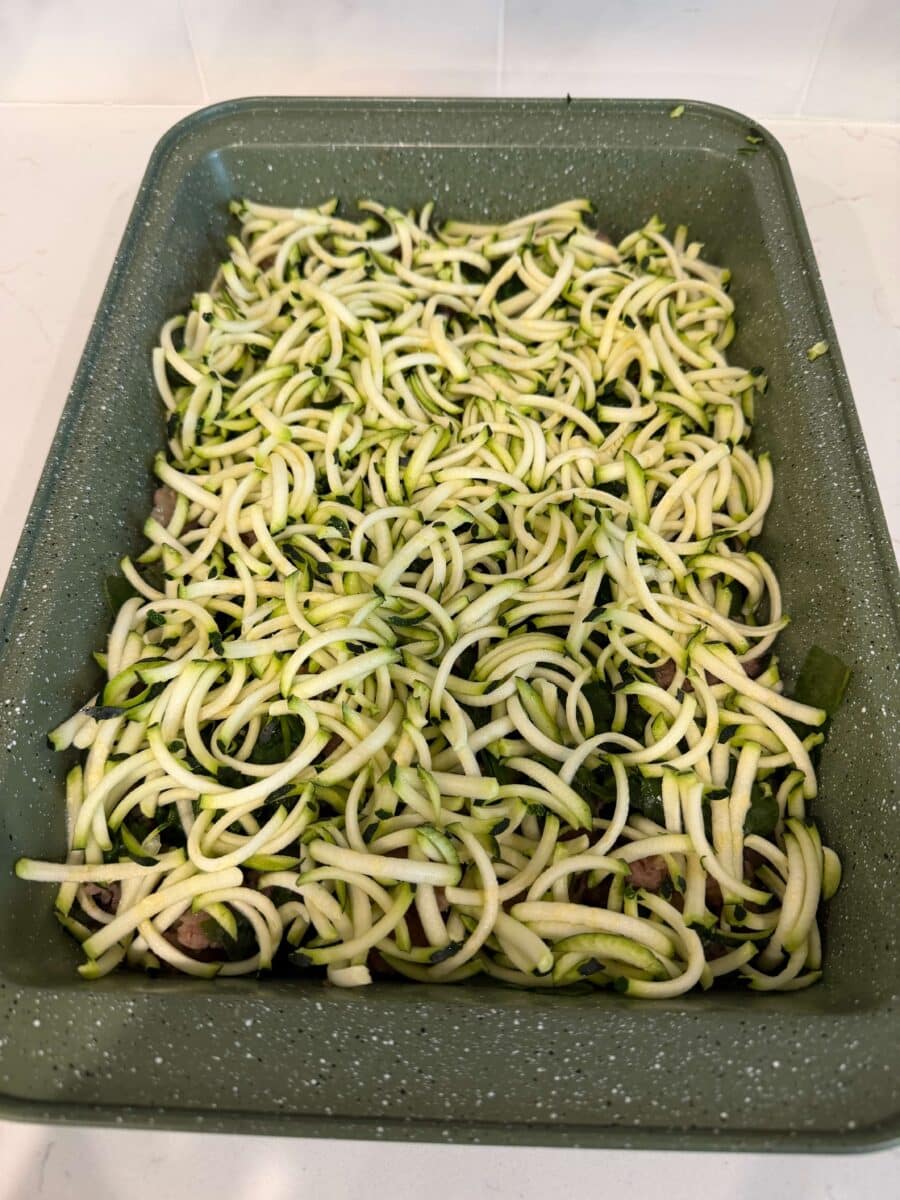
- Layering for Texture: The cooked sausage and onions form the base layer of a 9×13-inch baking dish. This is followed by a layer of fresh spinach and sliced or diced zucchini. By placing the vegetables over the warm meat, a slight wilting process begins even before the dish enters the oven, which helps the final product hold its shape when sliced.
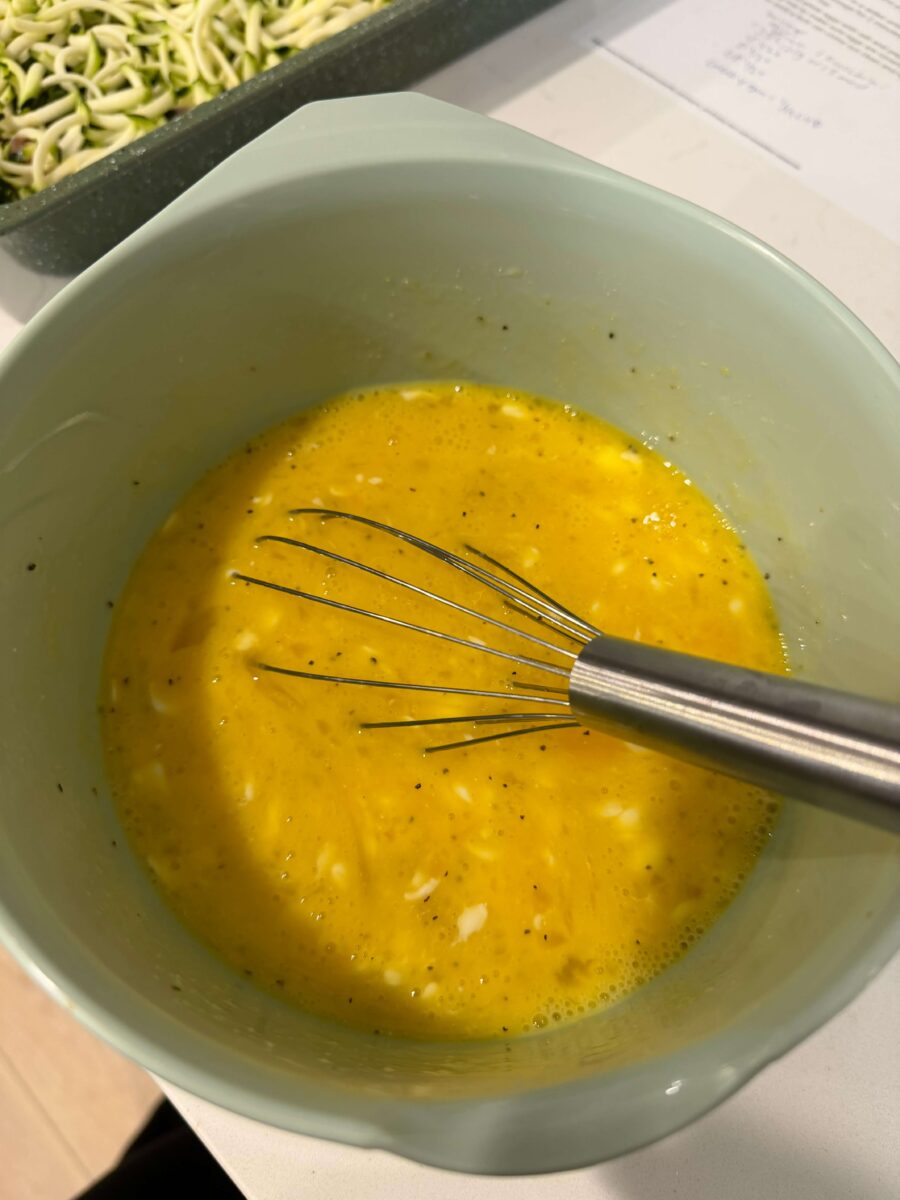
- The Binding Emulsion: In a separate mixing bowl, eggs are whisked with salt, pepper, and garlic powder. A notable departure from traditional recipes is the inclusion of Greek yogurt. In contemporary health-conscious cooking, Greek yogurt serves as a high-protein substitute for heavy cream or whole milk, providing a tangy profile and a creamy texture without the high-fat content of traditional dairy binders.
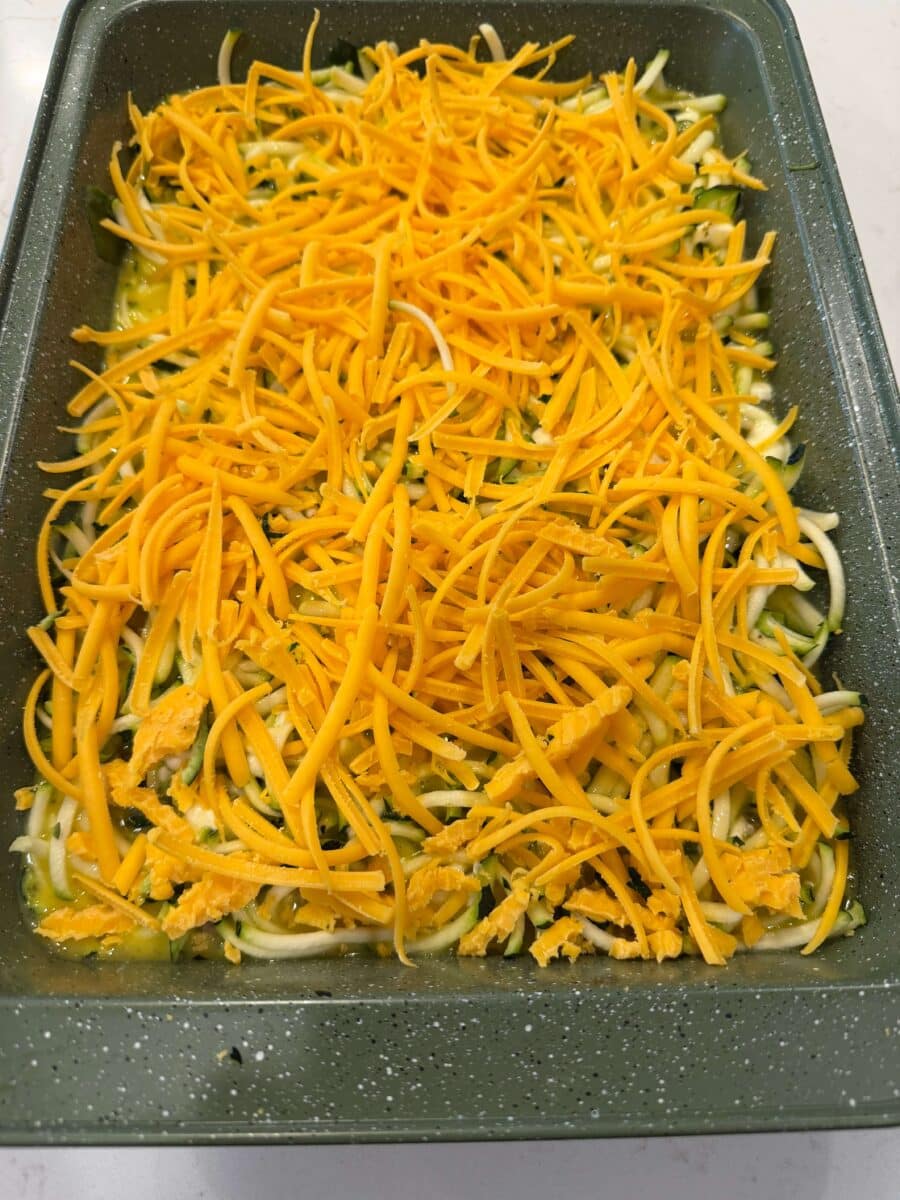
- Baking and Setting: Once the egg mixture is poured over the vegetable and meat layers and topped with shredded cheddar cheese, the dish is baked for approximately 45 minutes. This duration allows the eggs to set fully, creating a sliceable, portable meal that maintains its integrity during reheating.
Nutritional Analysis and Supporting Data
The shift toward low-carb, high-protein meals is supported by a growing body of nutritional research. According to data from the Centers for Disease Control and Prevention (CDC), over 38 million Americans have diabetes, and approximately 98 million have prediabetes. For these populations, managing glycemic load is a medical necessity rather than a lifestyle choice.
A standard serving of this low-carb casserole typically contains significantly fewer grams of carbohydrates than a traditional bagel or a bowl of sweetened cereal. By utilizing eggs—which the World Health Organization (WHO) often cites as a "gold standard" for protein quality—the dish provides all nine essential amino acids. Furthermore, the inclusion of zucchini and spinach adds potassium and Vitamin K, which are essential for cardiovascular health and bone density.
Market research from firms like Nielsen and Mintel indicates that "high protein" and "low carb" remain the most influential labels for consumers in the grocery aisle. The "meal prep" industry, valued at billions of dollars globally, thrives on recipes like this because they are "fridge-stable." Unlike pancakes or toast, an egg-based casserole can be portioned and stored for up to five days, retaining its texture and nutritional value when reheated in a microwave.
Social and Economic Implications of Meal Prepping
The rise of the low-carb casserole is also a response to the economic and time pressures facing modern households. With the rising cost of food—specifically the volatility in egg and meat prices seen between 2022 and 2024—consumers are looking for "one-dish" solutions that minimize waste.
By using a 9×13-inch format, a single cooking session can produce six to eight servings. This efficiency appeals to the "crowd-feeding" demographic as well as the "solo meal-prepper." Socially, the casserole remains a symbol of communal eating, but its contents have been updated to reflect the dietary restrictions of a diverse populace, including those following ketogenic, gluten-free, or grain-free protocols.
Expert Reactions and Dietary Perspectives
Nutritionists generally view the transition toward vegetable-heavy egg dishes as a positive development. "The removal of refined grains from breakfast is one of the most effective ways to prevent the mid-morning insulin spike and subsequent energy crash," says a consensus of dietary experts. By focusing on whole foods—sausage, eggs, and fresh produce—individuals avoid the hidden sugars and preservatives often found in processed "low-fat" breakfast bars.
However, some culinary historians note that the "low carb" movement is a return to form rather than a new invention. Pre-industrial breakfasts often consisted of leftovers from the previous night’s dinner, which frequently included meats and cooked greens. The "cerealization" of breakfast was a 20th-century phenomenon driven by industrial food processing; therefore, the low-carb casserole represents a modern reclamation of traditional high-protein morning fare.
Broader Impact on the Food Industry
The popularity of recipes like the Low Carb Casserole has forced the food industry to adapt. Traditional grocery stores have expanded their "alternative flour" and "high-protein dairy" sections, while restaurants are increasingly offering "crustless quiches" and "protein bowls" as standard menu items.
Furthermore, the digital ecosystem has played a pivotal role. Platforms like Pinterest and Instagram have turned functional recipes into visual media, where the "cheese pull" and the vibrant greens of the spinach serve as marketing tools for healthy living. This "aesthetic of health" encourages younger generations to engage in home cooking, a skill that had been declining in previous decades.
Future Outlook: Sustainability and Innovation
As the world looks toward more sustainable food systems, the low-carb casserole is likely to evolve further. Future iterations may see the replacement of pork sausage with plant-based proteins or the use of "upcycled" vegetables to reduce food waste. However, the core principle—a baked, protein-rich dish that is easy to prepare and store—is expected to remain a cornerstone of the global diet.
In conclusion, the Low Carb Casserole is more than just a recipe; it is a manifestation of the current intersection between health science, economic necessity, and culinary convenience. By prioritizing nutrient density and ease of preparation, it addresses the primary challenges of the modern diner: the need for sustained energy, the desire for weight management, and the reality of a time-constrained lifestyle. As dietary guidelines continue to move away from the high-carb pyramids of the past, the egg-and-vegetable bake stands as a primary example of the future of the American breakfast.
