
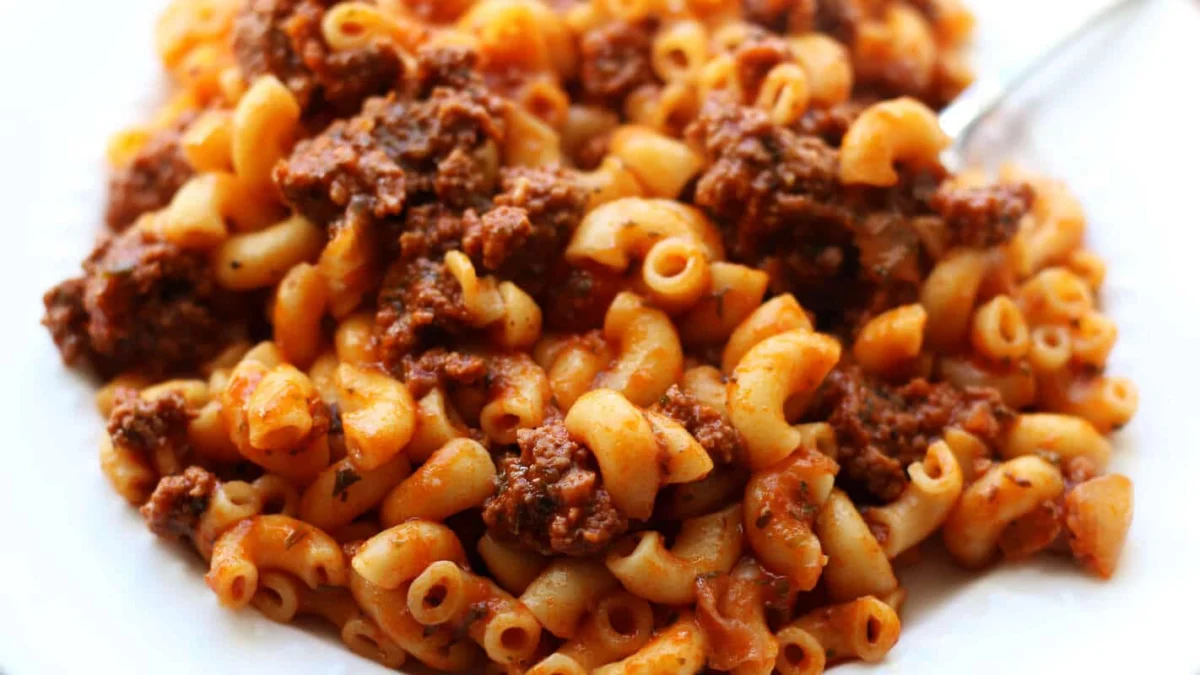
The landscape of American home cooking has undergone a significant transformation over the last decade, driven largely by the intersection of traditional family heritage and the rapid advancement of kitchen technology. A primary example of this culinary evolution is the recent adaptation of Jonny’s American Goulash, a multi-generational family staple, for the Instant Pot. This transition from a slow-simmered stovetop method to a high-pressure, one-pot preparation highlights a broader trend in domestic science: the preservation of "comfort food" profiles through modernized, time-efficient workflows.
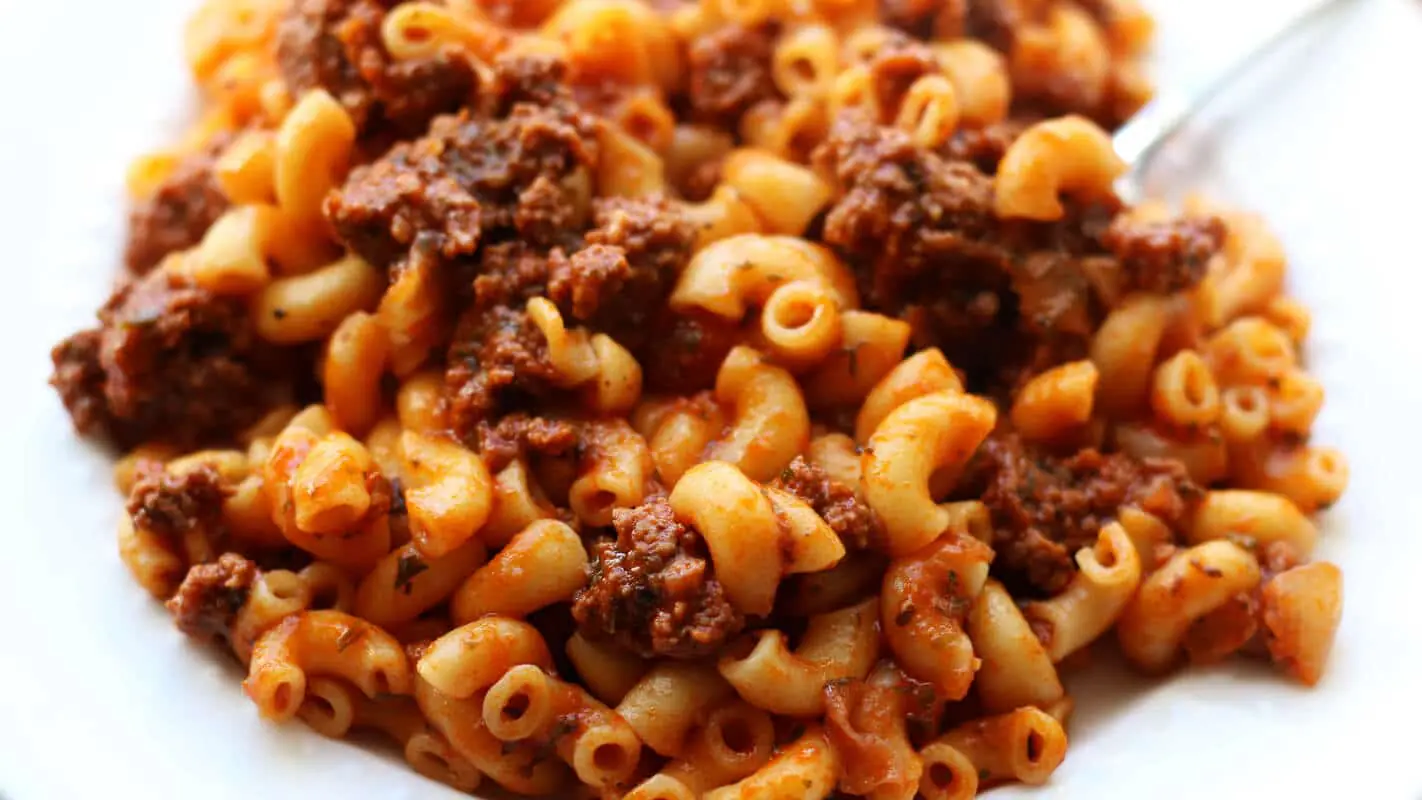
American goulash, a dish fundamentally distinct from its Hungarian namesake, has long served as a cornerstone of the United States’ domestic menu, particularly in the Midwest and Northeast. While the traditional Hungarian gulyás is a soup or stew featuring slow-cooked chunks of beef and heavy amounts of paprika, the American variation is a savory pasta-based dish typically comprising ground beef, elbow macaroni, and a tomato-heavy sauce. The adaptation of this specific recipe—attributed to a family lineage and shared via contemporary digital channels—offers a case study in how modern households are balancing the demands of a fast-paced lifestyle with the desire for nostalgic, high-quality nutrition.
Historical Context and the Evolution of American Goulash
The origins of American goulash, sometimes colloquially referred to as "Slumgullion" or "American Chop Suey," can be traced back to the early 20th century. Historical culinary data suggests the dish gained prominence during the Great Depression and the subsequent rationing periods of World War II. During these eras, home cooks were tasked with creating "stretchable" meals that could feed large families on a limited budget. The combination of inexpensive ground beef, shelf-stable pasta, and garden-canned tomatoes provided a nutrient-dense solution that satisfied both caloric needs and flavor preferences.
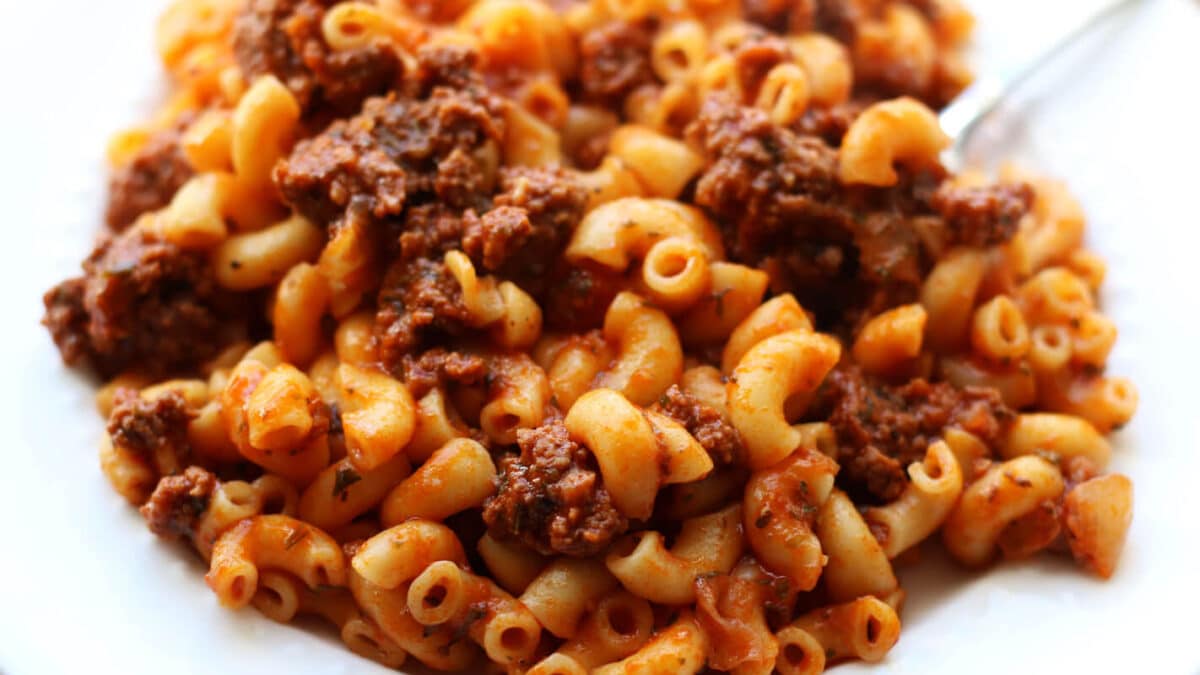
By the mid-1950s, the dish had become a staple of school cafeterias and community potlucks across the United States. Its popularity was fueled by its simplicity and the relative ease with which it could be scaled for large groups. Unlike the original Hungarian versions, which rely on the slow breakdown of collagen in tough cuts of beef, the American iteration utilizes ground meat, which significantly reduces the necessary cooking time. This made it an ideal candidate for the "one-pot" revolution that began with the invention of the slow cooker in the 1970s and has reached its zenith with the modern electric pressure cooker.
The Provenance of the Recipe: From Oral Tradition to Digital Archive
The specific version known as Jonny’s American Goulash emerged from a classic oral tradition. According to documentation provided by the recipe’s curator, the dish was identified by a young man named Jonny as a favorite prepared by his mother and grandmother. This lineage is representative of how domestic knowledge was historically transferred—through observation and verbal instruction rather than written standardized metrics.
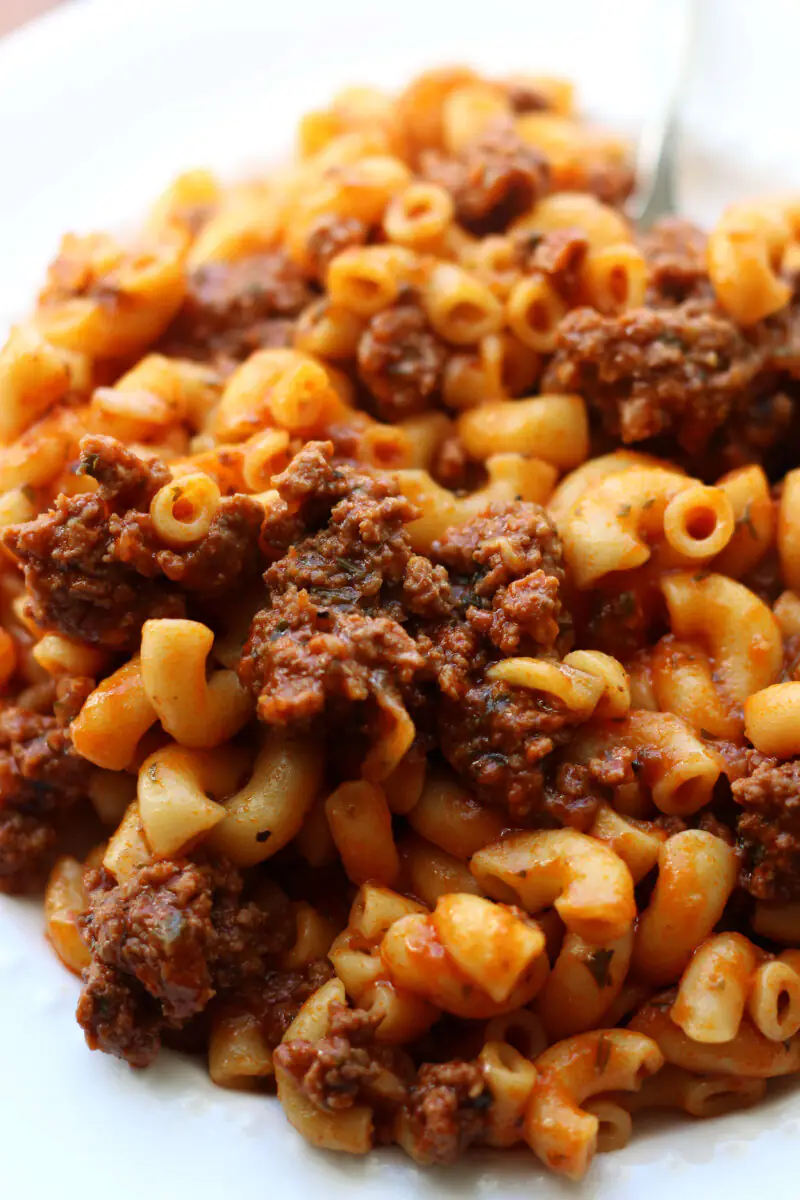
In a formal statement regarding the recipe’s history, Jonny’s mother noted the informal nature of its origins. "It’s nothing special," she remarked, reflecting a common sentiment among home cooks regarding their most cherished staples. "I’m not even sure if it’s actually goulash or if that just sounded like a good word to my grandma. And I don’t actually have a recipe, but this is what we do."
This statement underscores a significant aspect of American culinary sociology: many "heritage" dishes are defined more by the feeling they evoke and the method of their assembly than by rigid ingredient lists. The transition of this specific dish into a standardized Instant Pot format marks the point where informal family history becomes part of the public digital record, allowing for broader dissemination and analysis.
Technical Specifications and Preparation Methodology
The adaptation of Jonny’s American Goulash for the Instant Pot requires a precise understanding of pressure-cooking mechanics, specifically the management of liquid-to-starch ratios. The following chronology details the modernized preparation process, which condenses a traditional 60-minute stovetop simmer into a roughly 20-minute cycle.
The Sauté and Maillard Phase
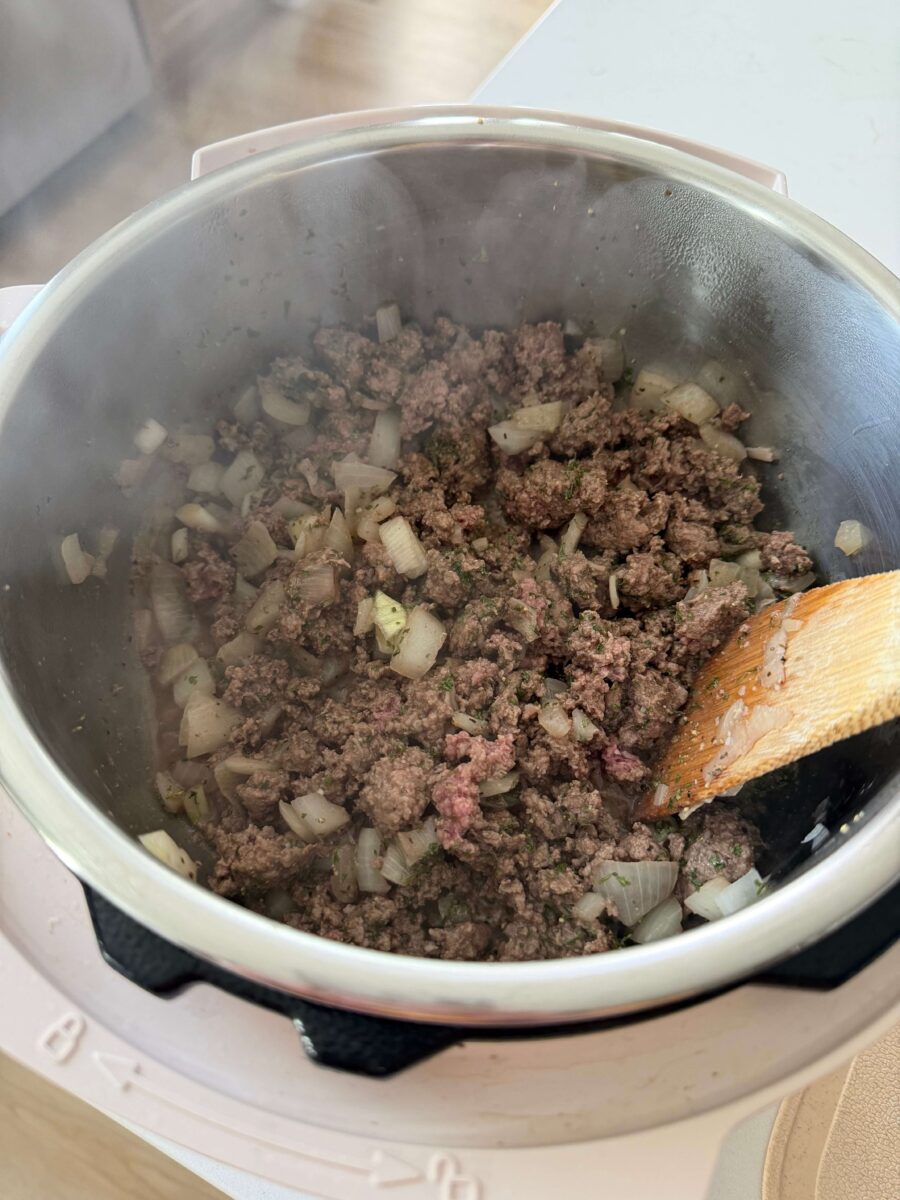
The process begins with the "Sauté" function of the pressure cooker. One pound of ground beef is browned alongside a diced onion. This stage is critical for the development of flavor through the Maillard reaction—a chemical reaction between amino acids and reducing sugars that gives browned food its distinctive savory taste. Excess grease is drained following a five-minute browning period to ensure the final product is not overly oily.
Flavor Infusion and Deglazing
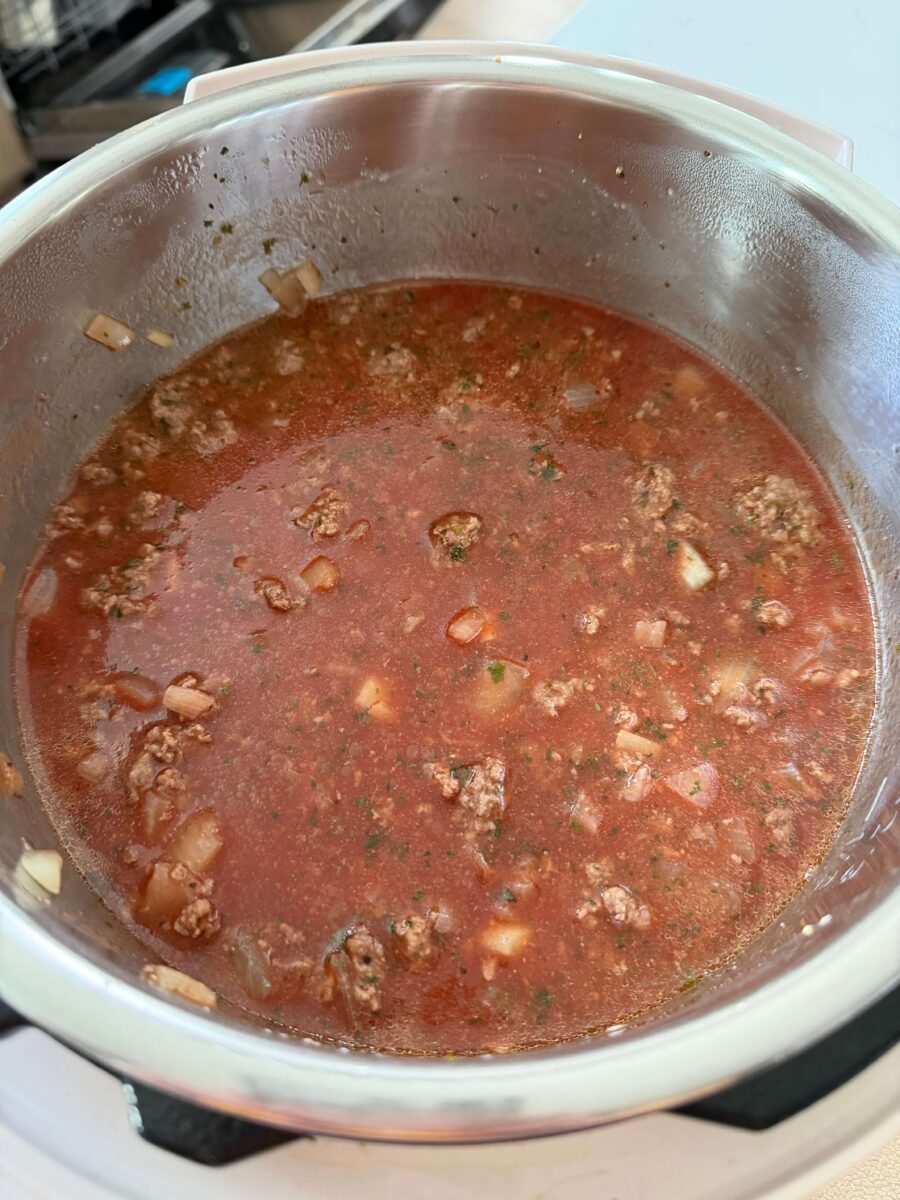
Once the meat is browned, spices—including salt, black pepper, garlic powder, and paprika—are integrated. The introduction of tomato juice (approximately 64 ounces) serves a dual purpose. First, it provides the flavor base for the sauce. Second, it acts as a deglazing agent. Cookers are instructed to scrape the bottom of the stainless steel pot to release "fond" (the browned bits of meat and onion). Failure to perform this step in a pressure cooker often leads to a "Burn" error, as the high heat can carbonize trapped particles at the base.
The Pressure Cooking Cycle
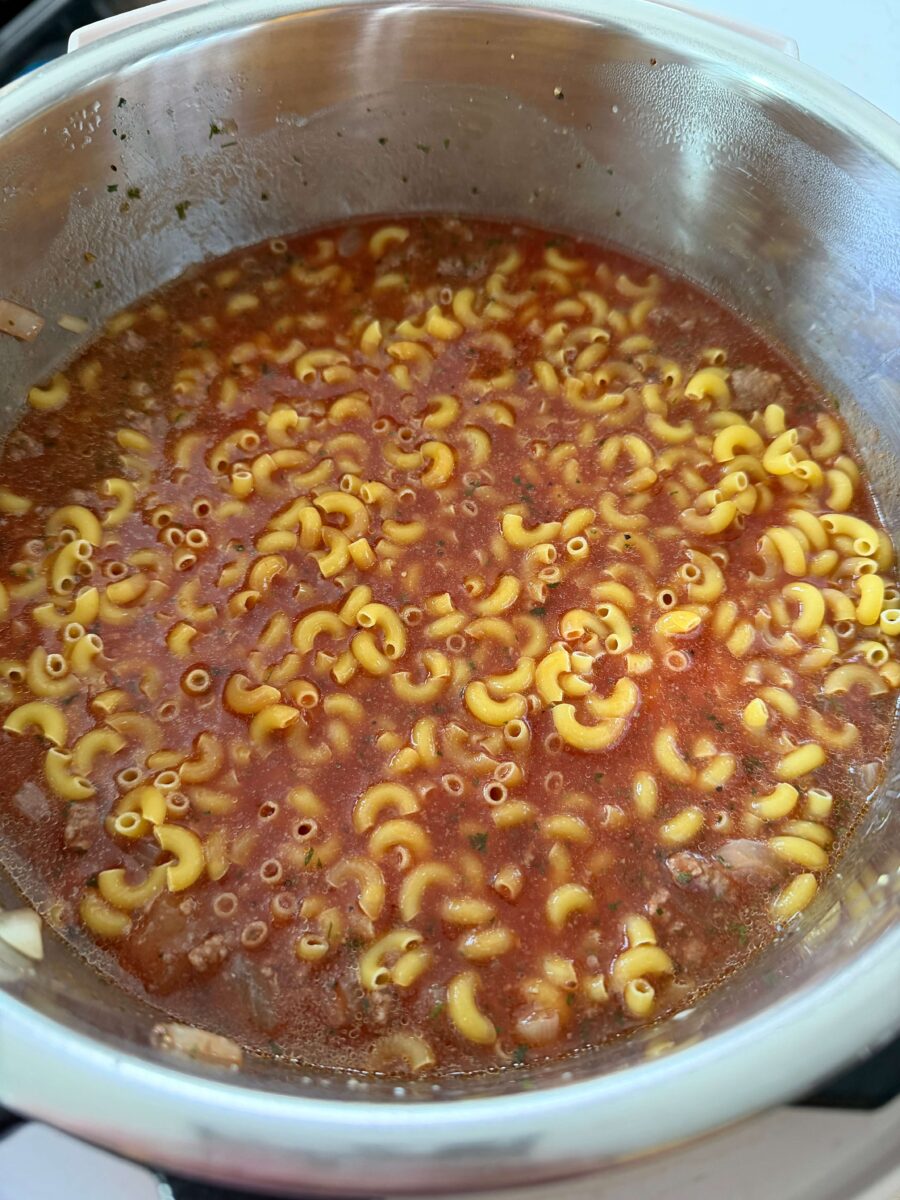
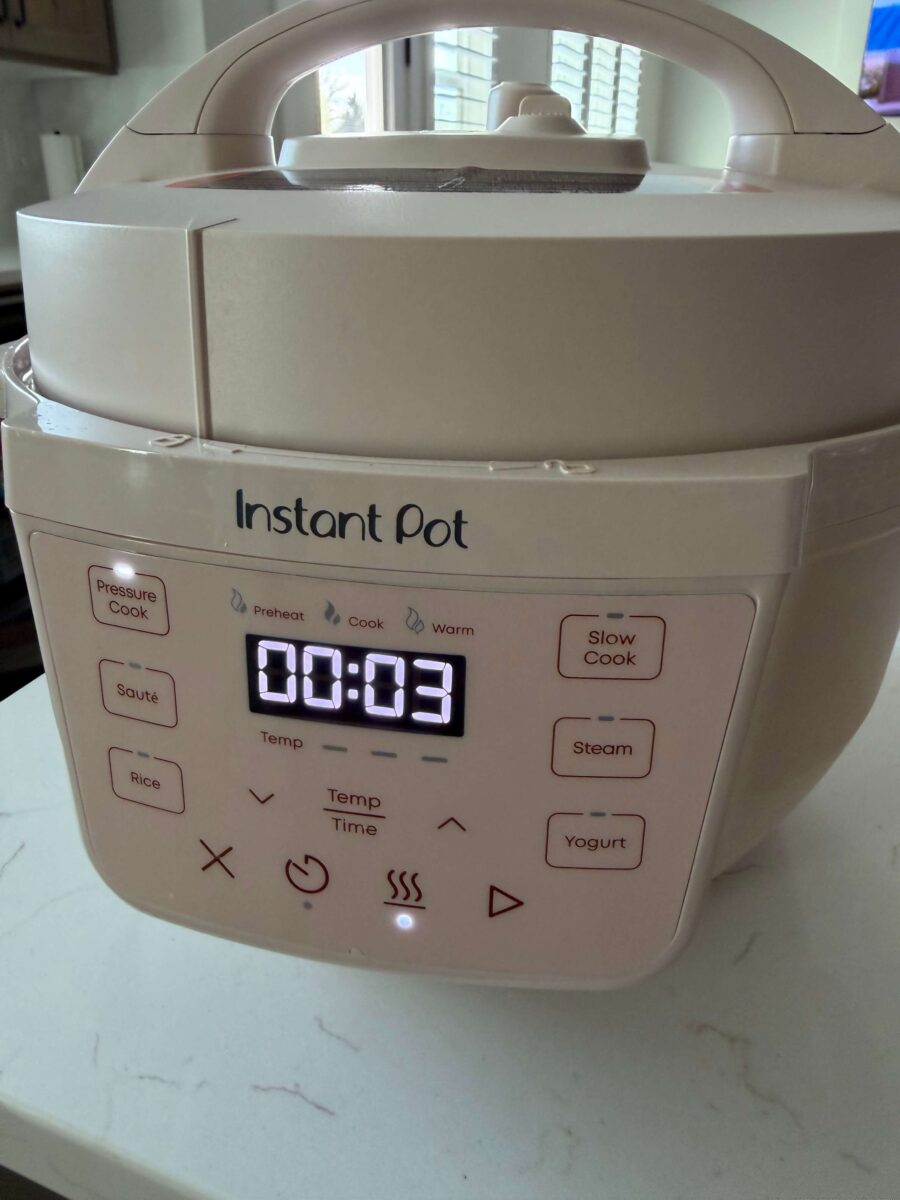
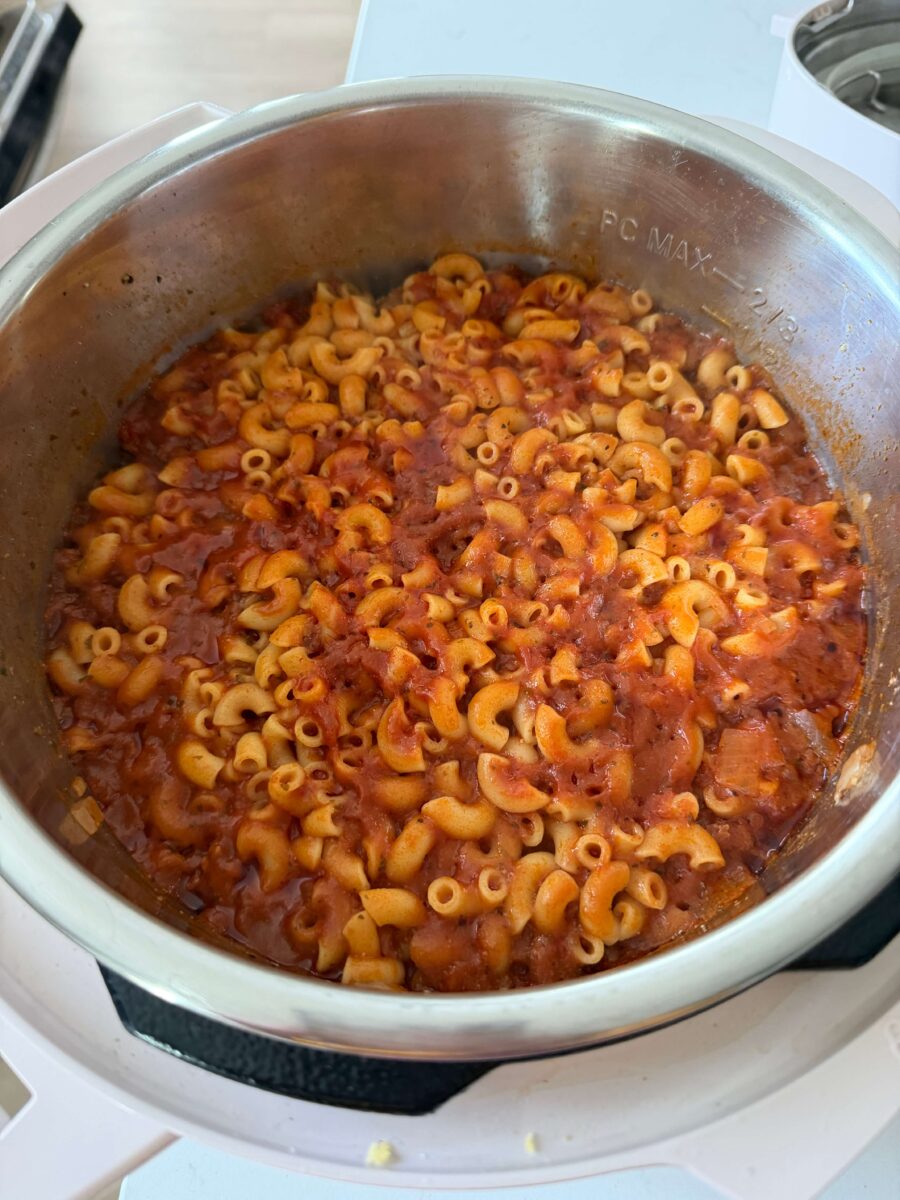
In a departure from stovetop methods where macaroni is boiled separately, the Instant Pot method utilizes a "layering" technique. Sixteen ounces of dry elbow macaroni are sprinkled evenly over the liquid but are intentionally not stirred. This prevents the pasta from sinking to the bottom and sticking during the high-pressure phase. The unit is then sealed and set to manual high pressure for three minutes.
The Release and Finalization
Following the completion of the pressure cycle, a "natural release" period of five to ten minutes is observed. This allows the internal temperature to drop slowly, preventing the pasta from bursting while ensuring the beef remains tender. A final addition of balsamic vinegar is stirred in after the lid is removed. This technical addition provides the necessary acidity to balance the sweetness of the tomato juice and the richness of the beef.
Supporting Data: Economic and Nutritional Impact
The continued relevance of dishes like Jonny’s American Goulash can be quantified through economic and nutritional data. In the current inflationary environment, "one-pot" ground beef meals remain one of the most cost-effective ways to provide a balanced dinner.
- Cost Efficiency: As of 2024, the average cost per serving for a home-cooked American goulash is estimated at $1.50 to $2.10, depending on regional meat prices. This is significantly lower than the average cost of a fast-food meal ($7.00–$12.00) or a mid-range restaurant entree.
- Nutritional Profile: A standard serving of this goulash provides approximately 25 grams of protein and 45 grams of carbohydrates. When prepared with tomato juice—particularly home-canned or high-quality commercial versions—the dish is high in lycopene, an antioxidant linked to heart health and reduced risk of certain cancers.
- Time Management: The Instant Pot adaptation reduces active kitchen time by approximately 65%. For a dual-income household, this time-saving represents a significant reduction in the "domestic labor gap," allowing for more family interaction time.
Comparative Analysis of Regional Variations
While "Jonny’s" version is a definitive example of the genre, American goulash exists in several regional permutations that reflect local agricultural outputs and cultural influences:
- New England (American Chop Suey): Often includes green bell peppers and Worcestershire sauce, leaning more toward a savory, umami-forward profile.
- The Midwest (Johnny Marzetti): Frequently finished in the oven with a thick layer of melted cheddar or mozzarella cheese, bridging the gap between a stew and a casserole.
- North Dakota Variation: Commonly incorporates whole-kernel corn, adding a textural contrast and additional sweetness to the tomato base.
The "Jonny’s" version is notable for its reliance on tomato juice rather than crushed tomatoes or paste, resulting in a "moist but not loose" consistency that the recipe’s originators claim is superior for reheating the following day.
Broader Implications for the Modern Kitchen
The success of Jonny’s American Goulash in the digital sphere reflects a broader shift in how modern society views domesticity. The Instant Pot, which has seen its market value grow into a multi-billion-dollar industry since its 2010 debut, has effectively "democratized" complex cooking. By removing the need for constant monitoring, it allows recipes that were once the sole domain of stay-at-home parents to be executed by anyone with a basic understanding of the interface.
Furthermore, the documentation of these recipes serves as a form of cultural preservation. As traditional family structures evolve and geographic mobility increases, the "family recipe" is at risk of being lost. Digital archives and technical adaptations ensure that the "gold star" meals of previous generations—like the one Jonny’s mother inherited from her grandmother—remain accessible to future generations.
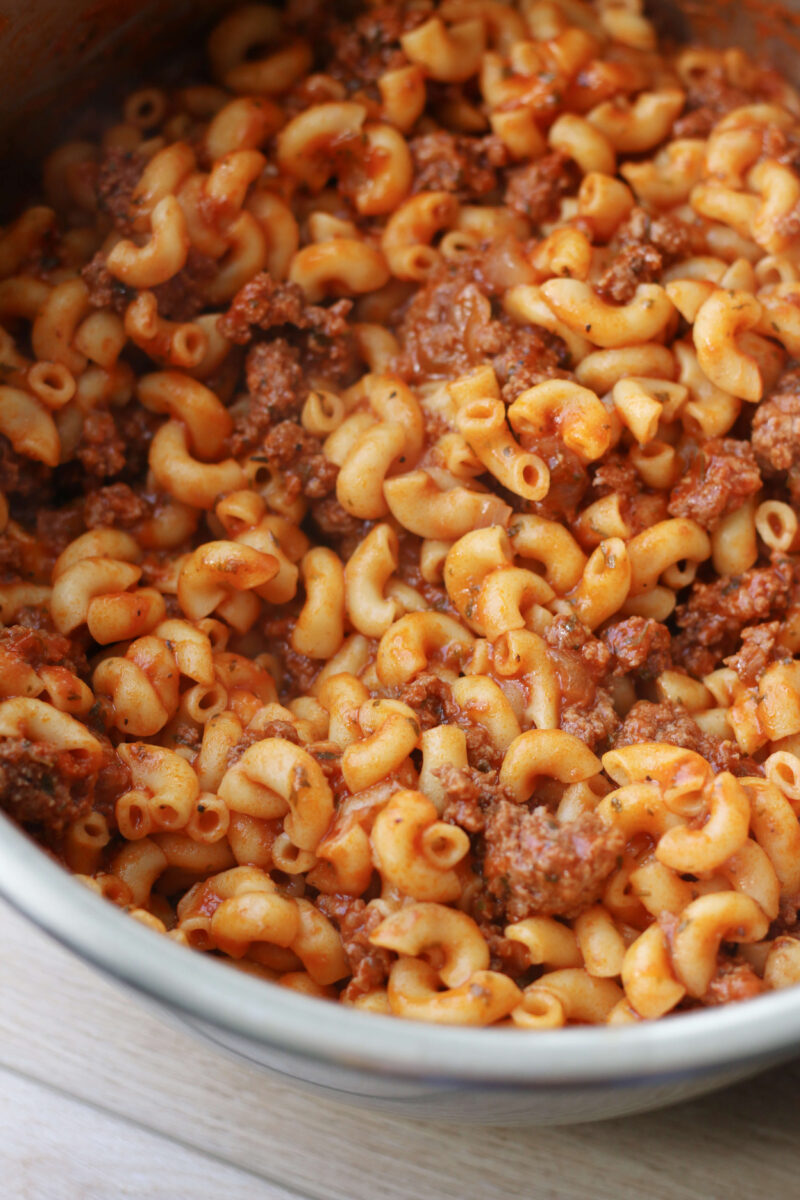
In conclusion, Jonny’s American Goulash is more than a simple weeknight dinner; it is a synthesis of historical necessity, family legacy, and modern efficiency. Its transition into the Instant Pot era demonstrates the resilience of American comfort food and the ongoing commitment of home cooks to maintain culinary traditions in an increasingly automated world. As families continue to seek out meals that provide both emotional satisfaction and practical convenience, the role of the modernized "one-pot" classic is likely to remain a permanent fixture of the American diet.
