
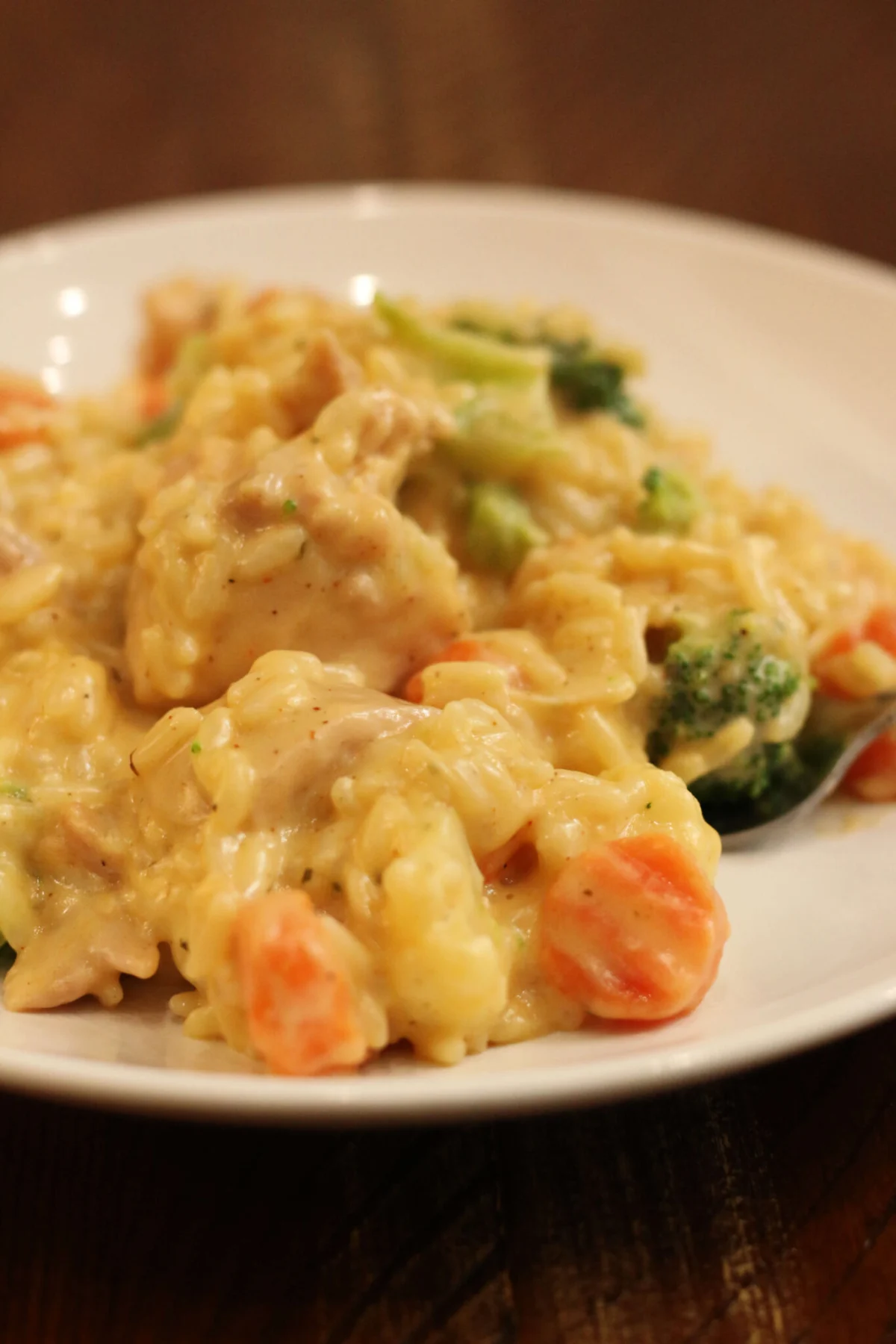
The 4 Million Dollar Casserole represents a significant intersection between traditional American comfort food and the rapid technological advancement of modern kitchen appliances. As domestic schedules become increasingly compressed, the demand for "one-pot" solutions has transformed from a niche culinary preference into a multi-billion-dollar industry. This specific preparation, which integrates tender chicken breast, Cajun-style seasoned rice, and a medley of cheesy vegetables, serves as a primary example of the "dump-and-go" methodology that has come to define home cooking in the 2020s. By leveraging the pressurized environment of the electric multi-cooker, commonly known by the brand name Instant Pot, home cooks are now able to achieve flavor depths that previously required hours of slow simmering in a fraction of the time.

The Evolution of the High-Value Casserole
The nomenclature "4 Million Dollar Casserole" follows a long-standing tradition in American folk cookery, where recipes perceived to be of exceptional quality or crowd-pleasing potential are bestowed with high-monetary titles. This lineage includes the "Million Dollar Spaghetti" and "Million Dollar Pound Cake," dishes that gained viral status through community cookbooks and, eventually, digital platforms like Pinterest. The transition of these recipes into the pressure-cooking format marks a pivotal shift in domestic labor. Historically, casseroles were oven-baked affairs requiring significant pre-cook preparation and lengthy bake times. The modern iteration focuses on atmospheric pressure to tenderize proteins and hydrate grains simultaneously, effectively re-engineering the structural chemistry of the meal.

Procedural Chronology and Methodology
The preparation of the 4 Million Dollar Casserole is a study in thermodynamic efficiency. The process begins with a specific layering technique designed to prevent the common "burn" error associated with high-starch ingredients in electric pressure cookers.

- Hydration Phase: The process initiates with the addition of water to the inner stainless steel pot, providing the necessary liquid to generate steam.
- Protein and Grain Integration: Half of the chicken, typically cubed for maximum surface area exposure, is placed at the bottom. This is followed by two packages of Cajun-style rice and their accompanying seasoning packets. The remaining chicken is layered on top to ensure even heat distribution.
- The Viscosity Barrier: A layer of condensed cream of chicken soup is scooped over the top. Critically, the instructions mandate a "no-stir" policy. This ensures that the heavier fats and thickeners remain atop the rice and water, preventing them from scorching against the heating element at the base of the pot.
- Pressurization: The unit is sealed and set to "Manual" or "Pressure Cook" for a duration of four minutes at high pressure. While the timer indicates a short window, the actual "cycle time" includes the 10 to 15 minutes required for the vessel to reach the necessary atmospheric pressure.
- The Natural Release Phase: Upon completion of the cook cycle, a "Natural Pressure Release" (NPR) period of five to ten minutes is observed. This allows the internal temperature to stabilize and prevents the chicken from toughening due to a sudden drop in pressure.
- The Finishing Stage: Once the remaining steam is vented and the lid is removed, the final texture is achieved by stirring in sour cream, sharp cheddar cheese, and a blend of vegetables. The residual heat of the rice and chicken is sufficient to melt the cheese and steam the vegetables to a crisp-tender state.
Technical Specifications and Ingredient Analysis
The success of the 4 Million Dollar Casserole relies on a precise balance of moisture and solids. Analysts of the "one-pot" movement note that the use of parboiled, seasoned rice mixes—such as those found in Cajun-style boxed products—is a strategic choice. These rice varieties are engineered to withstand high-heat environments without losing structural integrity, unlike delicate long-grain jasmine or basmati, which might turn to mush under similar pressure.

The protein component, generally chicken breast or thighs, provides the necessary amino acids to categorize the dish as a complete meal. For those seeking to optimize the nutritional profile, culinary experts suggest doubling the chicken portion, which increases the protein-to-carb ratio without requiring a significant adjustment to the cooking time. The addition of mushrooms is also noted as a common substitution, providing an umami depth that complements the bold spices of the Cajun seasoning.

Market Context: The Rise of the Instant Pot
The broader impact of recipes like the 4 Million Dollar Casserole cannot be understood without acknowledging the market dominance of the electric multi-cooker. Since its rise to prominence around 2010, the Instant Pot has shifted from a "cult" item to a household staple. Market data indicates that the multi-cooker market was valued at approximately $720 million in 2020 and is projected to continue growing as consumers seek energy-efficient alternatives to traditional ovens.

The "365 Days of Crockpot" platform, managed by Karen Petersen, has been a central node in this digital ecosystem. By providing filtered search capabilities—allowing users to sort by meat type, dietary restriction (low carb, gluten-free), and appliance—Petersen and similar influencers have democratized specialized cooking. This digital infrastructure supports the "affiliate marketing" model, where recipe creators link to specific tools and ingredients, creating a self-sustaining economy within the home-cooking sector.

Sociological Implications and Domestic Reactions
The reception of the 4 Million Dollar Casserole among working-class and middle-class families reflects a broader sociological trend: the "outsourcing" of culinary complexity to technology. Statements from home cooks often highlight the "mental load" reduction provided by dump-and-go meals. By eliminating the need for multiple pans and constant monitoring, these recipes allow caregivers to reclaim time during the "witching hour"—the high-stress period between the end of the workday and dinner.
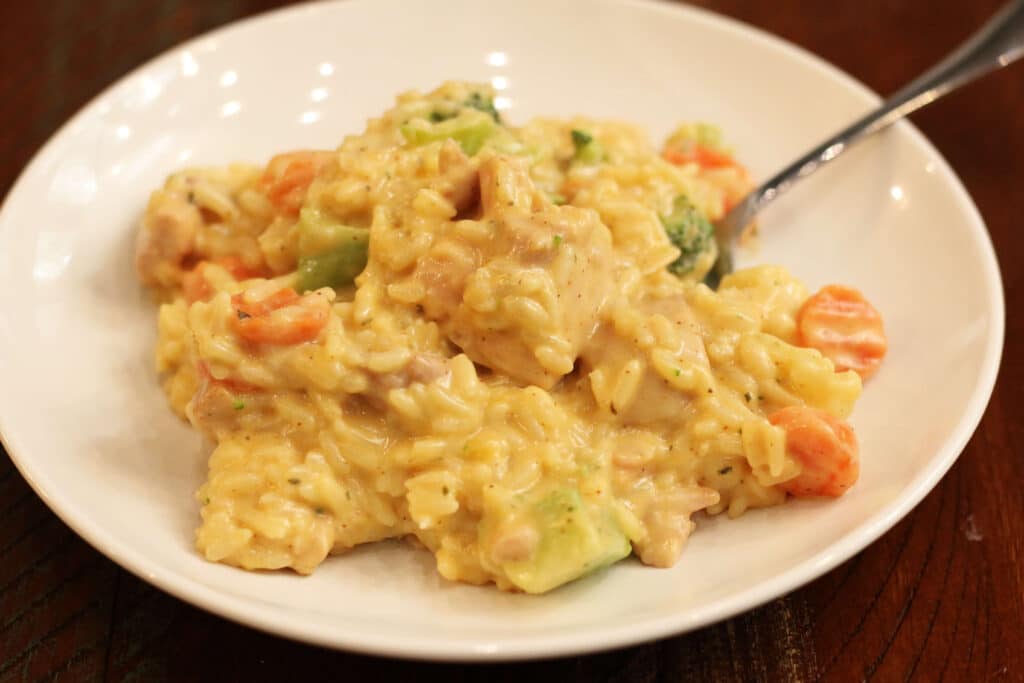
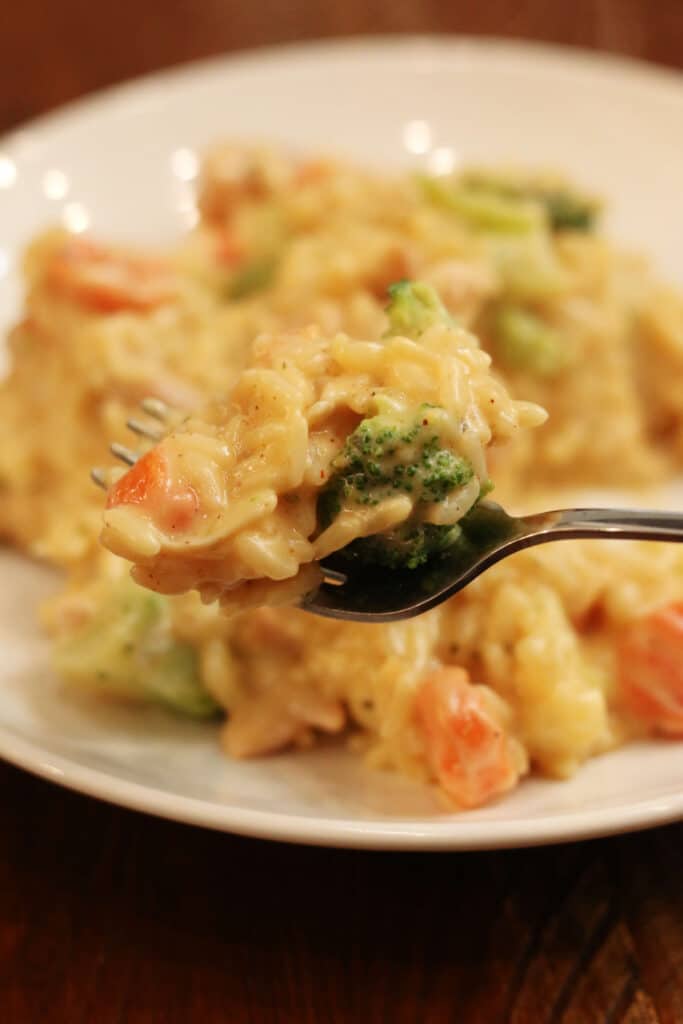
However, the trend has met with varying reactions from culinary purists. While some praise the accessibility and flavor density, others point to the high sodium content often found in the processed components, such as the seasoned rice packets and condensed soups. In response, a sub-movement of "clean" pressure cooking has emerged, as seen in related recipes like the "Instant Pot Cheesy Chicken Broccoli Rice Casserole," which substitutes Greek yogurt for condensed soups to achieve creaminess with a lower caloric footprint.
Comparative Analysis of Related Recipes
The 4 Million Dollar Casserole is part of a larger taxonomy of Instant Pot chicken and rice dishes, each serving a different demographic need:
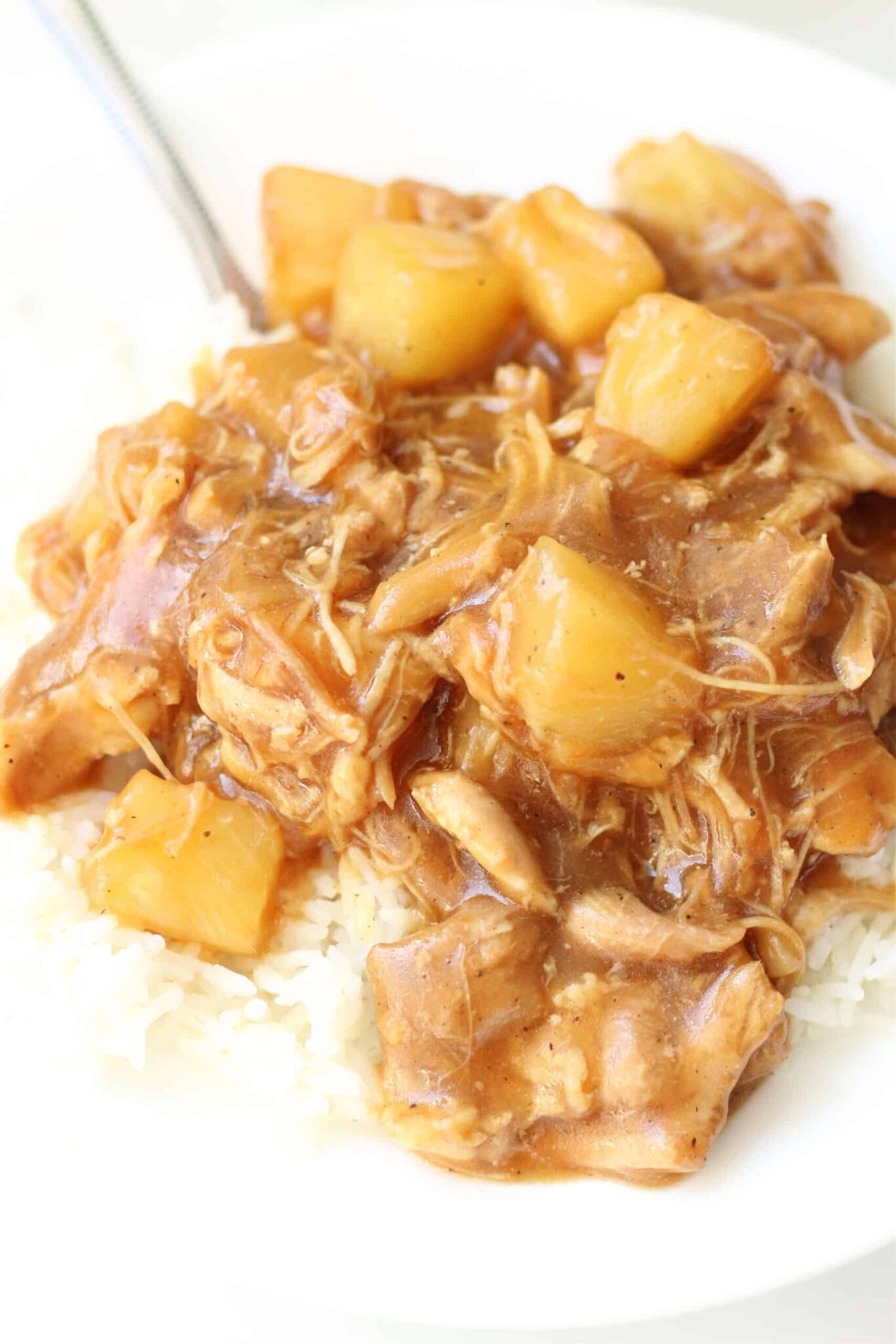
- Instant Pot Aloha Chicken: Focuses on a sweet-and-savory profile using pineapple, catering to families with children who prefer milder, fruit-forward sauces.
- Instant Pot Yellow Chicken Curry: Utilizes jasmine rice and coconut milk, demonstrating the appliance’s ability to execute "pot-in-pot" cooking where the rice and curry are cooked simultaneously in separate containers within the same vessel.
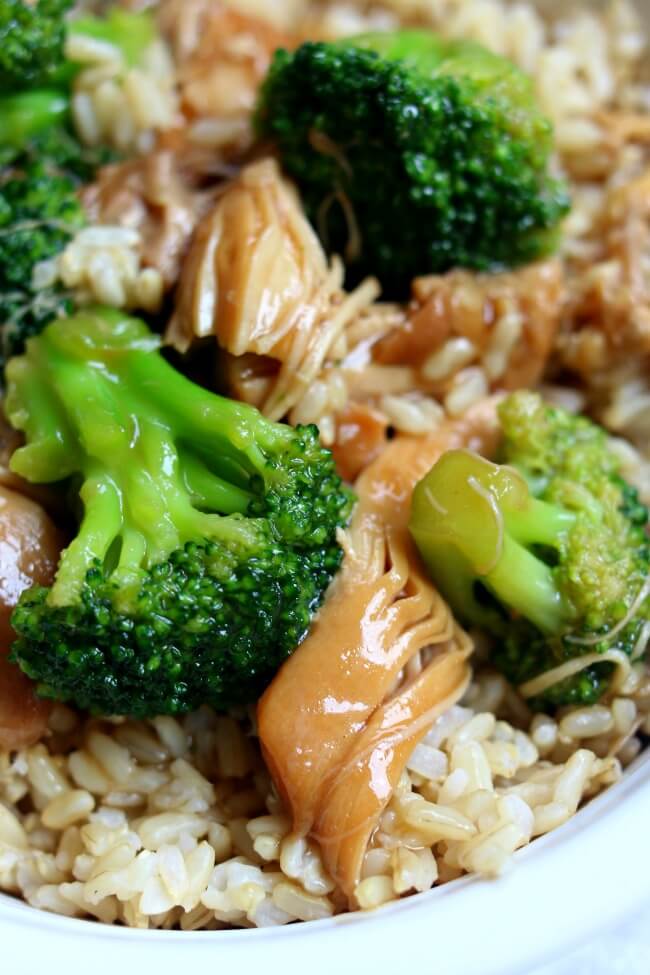
- Instant Pot Chicken and Brown Rice: Addresses the health-conscious market by utilizing whole grains, which require longer cook times and higher moisture levels, showcasing the versatility of the pressure settings.
Conclusion and Future Outlook
The 4 Million Dollar Casserole is more than a simple recipe; it is a artifact of contemporary domestic life. It illustrates the ongoing tension between the desire for "home-cooked" authenticity and the reality of time scarcity. As smart-kitchen technology continues to evolve—with the integration of Wi-Fi-enabled cookers and AI-driven meal planning—the "casserole" will likely continue to be redesigned.
The implications of this shift are twofold. Economically, it continues to drive the growth of the convenience-gourmet sector, where pre-seasoned and pre-cut ingredients are sold at a premium. Culturally, it preserves the "casserole" as a symbol of communal dining, even as the methods of its creation move further away from the hearth and closer to the microprocessor. For the millions of users pinning these recipes for later, the value lies not in the literal "four million dollars," but in the perceived wealth of a stress-free evening meal that satisfies the palate without exhausting the cook.
