
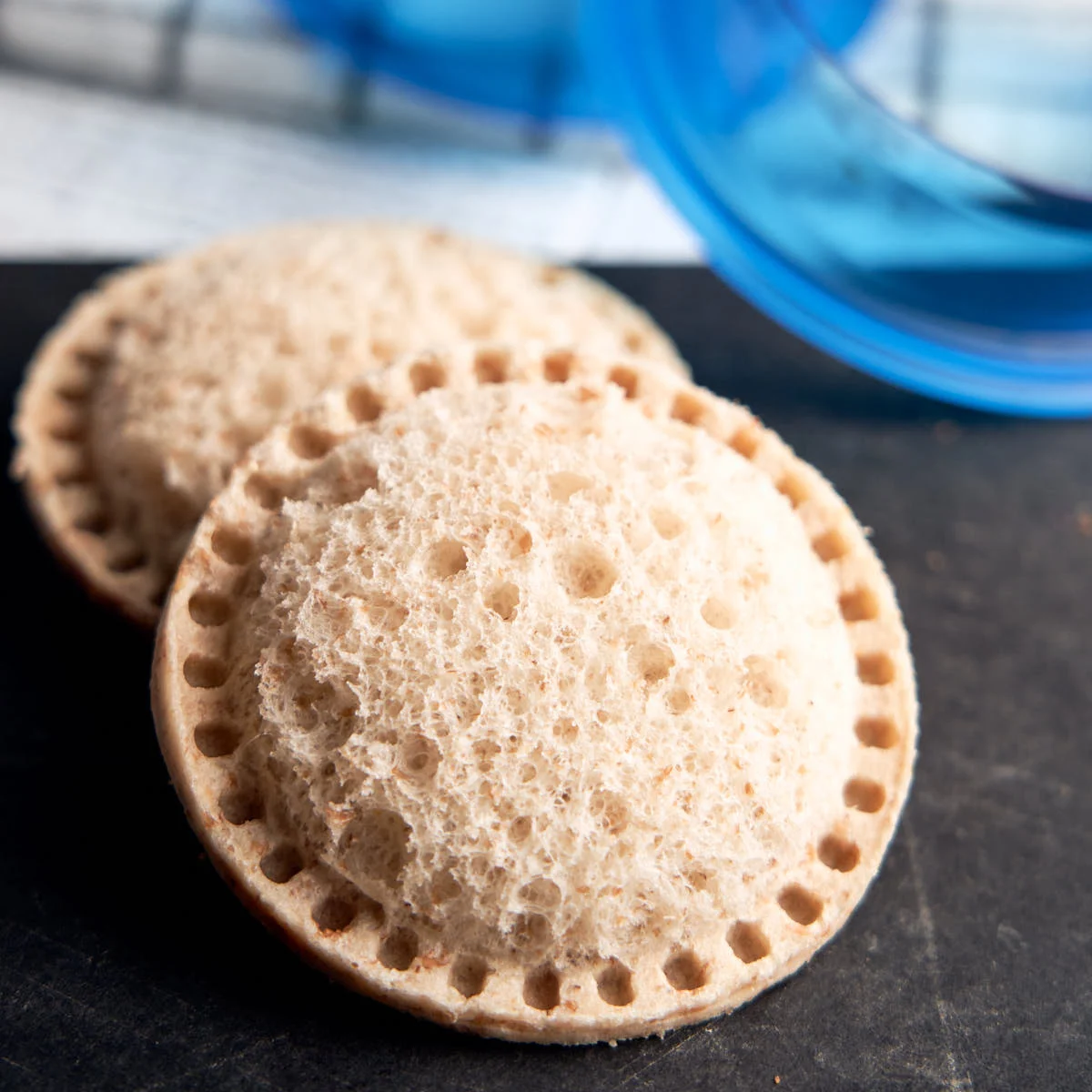
The creation of homemade peanut butter and honey Uncrustables is gaining traction as a popular and beneficial alternative to commercially produced versions. This approach not only offers a more wholesome and budget-friendly option but also significantly reduces plastic waste, aligning with growing consumer interest in sustainable living and healthier eating habits.
The Rise of Homemade Lunchbox Favorites
The appeal of the classic Uncrustables sandwich, with its convenient crustless design and pre-sealed edges, has long been established. However, a closer examination of store-bought varieties reveals ingredients that may not align with the preferences of health-conscious consumers. Many commercially produced "honey spreads" and even some peanut butters contain added sugars and processed ingredients, prompting a demand for more transparent and wholesome alternatives.
This demand has fueled a trend towards DIY lunchbox preparation. Families are increasingly investing in tools and techniques that allow them to recreate beloved snacks at home, offering greater control over ingredients and nutritional content. The homemade Uncrustables phenomenon is a prime example, allowing individuals to craft these portable treats with familiar, high-quality ingredients.
Nutritional Advantages of Homemade Uncrustables
A significant driver behind the shift to homemade Uncrustables is the ability to meticulously select ingredients. Store-bought Uncrustables often feature a "honey spread" where sugar is listed as the primary ingredient, alongside peanut butter that may also contain added sugars. By contrast, homemade versions allow for the use of natural peanut butter with no added sugar and pure honey, providing a more nutritious profile.
Data from the U.S. Department of Agriculture (USDA) indicates that a typical store-bought Uncrustable sandwich can contain upwards of 15 grams of added sugar. By opting for natural peanut butter and pure honey, homemade versions can significantly reduce this sugar content, offering a healthier choice for children’s diets. This conscious ingredient selection not only benefits individual health but also contributes to broader public health goals by promoting reduced sugar consumption.
Economic and Environmental Benefits
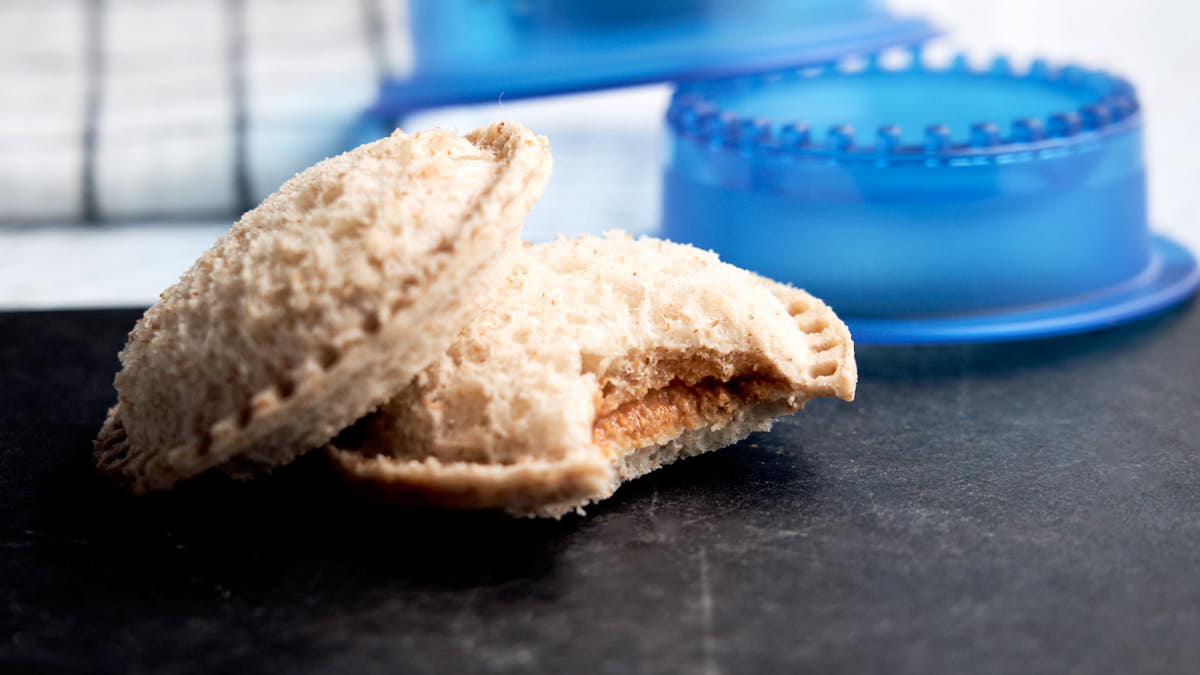
Beyond the nutritional advantages, making Uncrustables at home presents substantial economic and environmental benefits. The cost per sandwich is often considerably lower when made in batches at home compared to purchasing pre-packaged individual servings. While the initial investment in a sandwich cutter and sealer tool might be required, the long-term savings can be significant, especially for families packing lunches regularly.
Furthermore, the environmental impact of store-bought Uncrustables is a growing concern. Each individually wrapped sandwich contributes to single-use plastic waste. By contrast, homemade Uncrustables eliminate this packaging, offering a more sustainable approach. This aligns with a global movement towards reducing plastic consumption and embracing reusable alternatives. Reports from environmental organizations consistently highlight the detrimental effects of plastic pollution, making the choice to reduce such waste a responsible one for consumers.
The Uncrustable Maker: A Culinary Tool for Convenience
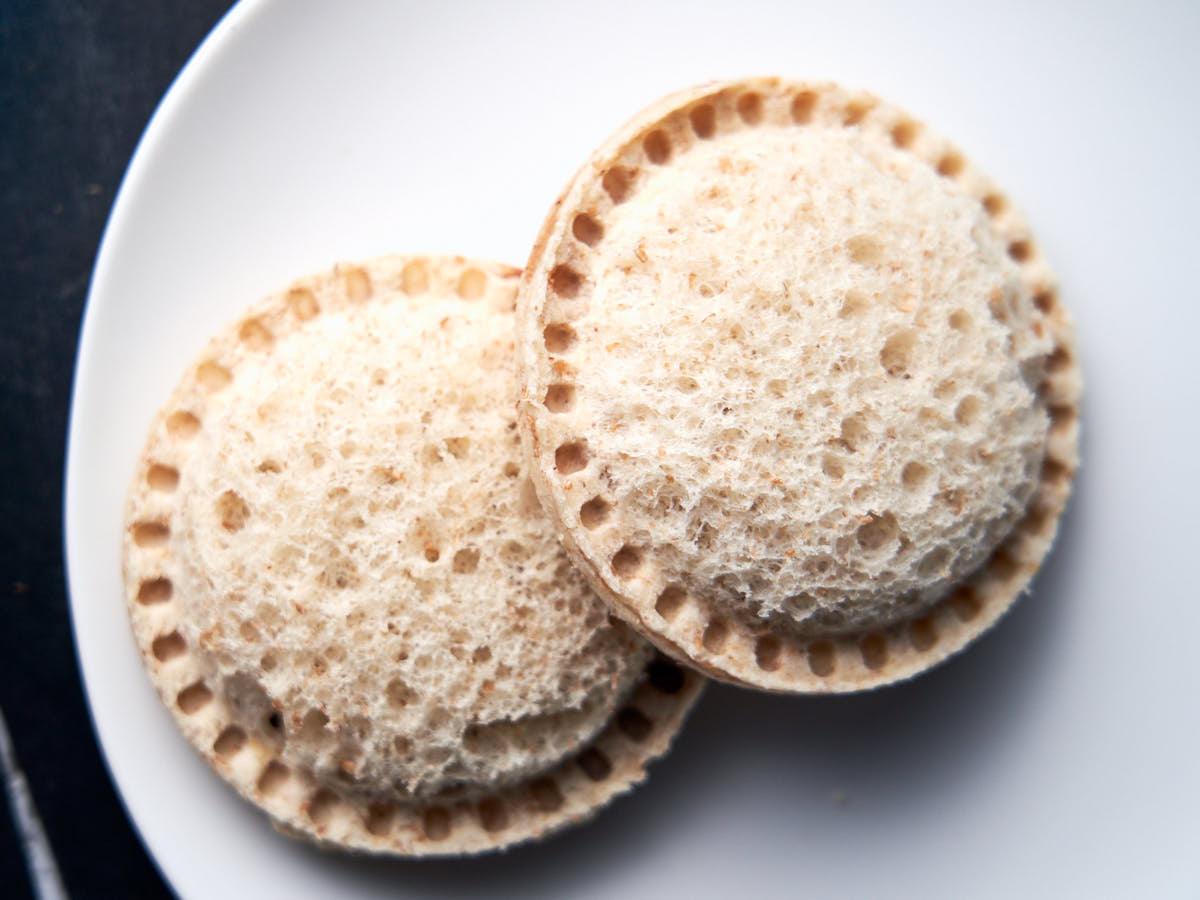
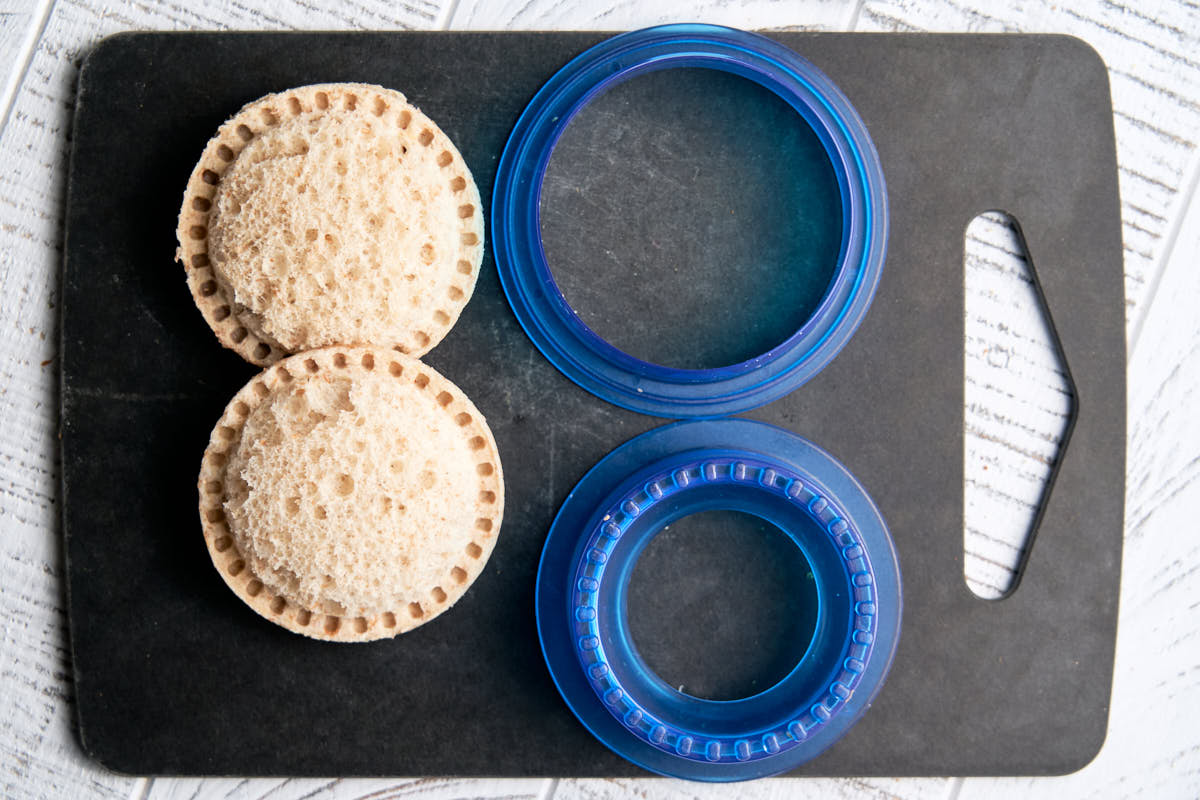
The popularity of the homemade Uncrustables trend has been significantly boosted by the availability of specialized sandwich cutters and sealers, often referred to as "Uncrustable makers." These tools are designed to precisely cut away the bread crusts and securely seal the edges of the sandwich, mimicking the iconic appearance and functionality of the store-bought version.
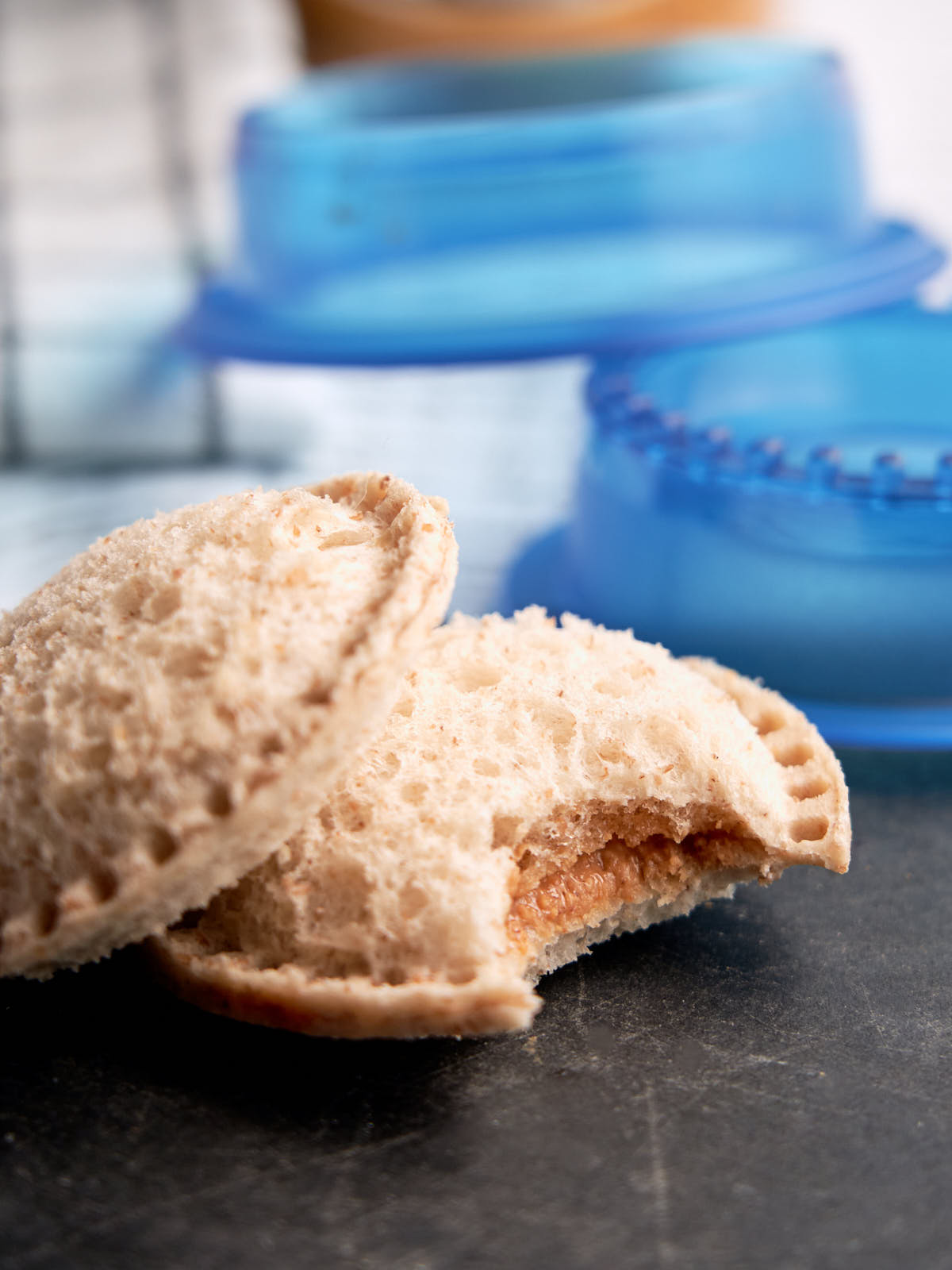
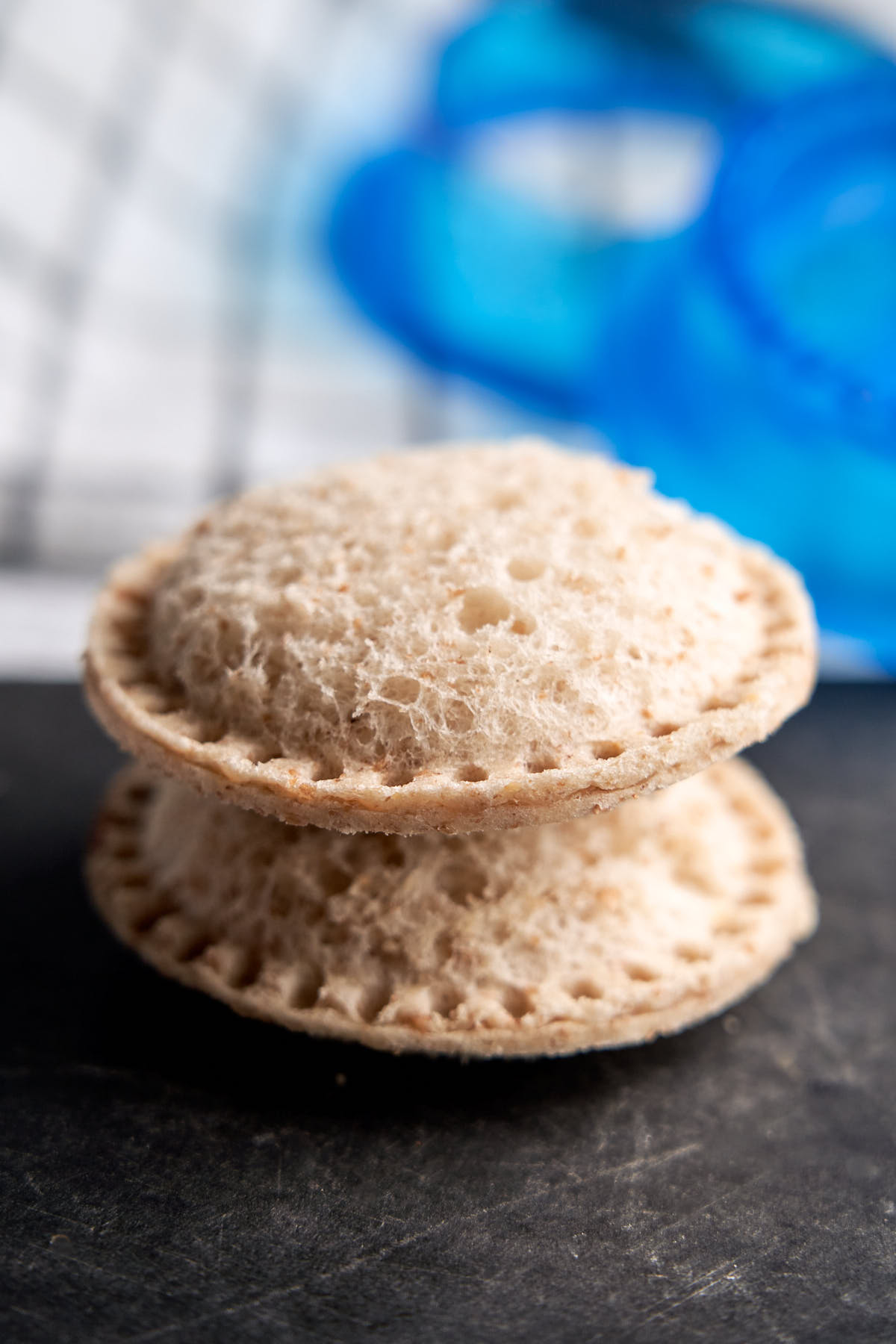
One particular tool that has garnered positive attention is a specific model that replicates the classic Smucker’s Uncrustables edge shape. This attention to detail ensures that the homemade creation offers a familiar aesthetic, enhancing the overall experience for both children and adults. The market offers a variety of these tools, with consumers often seeking out those that provide a clean seal and a classic, rounded edge, distinguishing them from alternatives that may leave a wavy or less refined border.
Maximizing Ingredient Use: Creative Solutions for Leftover Crusts
A common question that arises with the homemade Uncrustables process is the fate of the bread crusts. Rather than discarding them, resourceful home cooks have devised several creative and waste-reducing methods for utilizing these leftover portions.
Transforming Crusts into Croutons
One popular method involves transforming bread crusts into crispy croutons. This involves pan-frying the crusts in olive oil or butter, seasoned with a variety of herbs and spices. Combinations such as garlic powder, onion powder, Italian seasoning, and a pinch of salt are frequently employed, appealing to both adult and child palates. These homemade croutons can serve as a delightful snack or a flavorful addition to salads and soups, adding value and reducing food waste.
Crafting Homemade Breadcrumbs
Another practical application for bread crusts is their conversion into breadcrumbs. This can be achieved by toasting the crusts in a toaster oven on a low heat setting until they are dry and then processing them in a food processor or blender. Alternatively, for smaller quantities, they can be crushed manually with a fork. These homemade breadcrumbs can then be used in various culinary applications, such as breading meats, coating vegetables, or as a topping for casseroles, further minimizing household food waste.
Direct Consumption
In some instances, particularly when making a single sandwich, the bread crusts are simply consumed directly. This is a straightforward approach that avoids any waste and provides an additional portion of the bread. For younger children, the crusts can sometimes constitute a significant portion of the bread, and for parents seeking to manage portion sizes, this method offers a simple solution. The underlying principle remains consistent: a commitment to minimizing food waste.
The Nutritional Comparison: A Deeper Dive
A direct comparison between homemade and store-bought peanut butter and honey Uncrustables highlights the impact of ingredient choices. The primary difference lies in the quality and processing of the components. Store-bought versions often employ a "honey spread" that, upon closer inspection of ingredient lists, prioritizes sugar. Similarly, some peanut butters may contain added sugars to enhance palatability.
The homemade approach allows for the selection of natural peanut butter, where the only ingredients are typically peanuts and perhaps a touch of salt. For the sweetening agent, pure honey is preferred over processed honey spreads. While the fundamental components – bread, peanut butter, and honey – remain the same, the substitution of processed ingredients with their more natural counterparts can lead to a significantly healthier product. This conscious choice can have long-term implications for dietary habits, particularly for growing children.
A Timeline of Homemade Uncrustable Popularity
The trend of creating homemade versions of popular store-bought snacks is not entirely new, but the specific focus on Uncrustables has seen a marked increase in recent years. This surge can be attributed to several factors:
- Increased awareness of ingredient transparency: Consumers are more educated about what they are consuming and are actively seeking out healthier alternatives.
- The rise of food bloggers and social media: Platforms dedicated to food recipes and tips have popularized DIY approaches to common snacks.
- Growing environmental consciousness: The desire to reduce plastic waste has motivated many to find reusable and sustainable alternatives.
- Economic pressures: The rising cost of groceries has encouraged consumers to seek out more cost-effective ways to prepare family meals and snacks.
The development and widespread availability of sandwich cutters and sealers have been pivotal in making homemade Uncrustables an accessible and appealing option for a broader audience. What might have once been a more laborious process is now streamlined, allowing for quick and easy preparation.
Broader Implications and Future Trends
The movement towards homemade Uncrustables reflects a larger societal shift towards mindful consumption. Consumers are no longer content with simply purchasing convenience; they are demanding transparency, health benefits, and environmental responsibility from the products they choose.
This trend has several implications:
- For Food Manufacturers: There is increasing pressure on food manufacturers to reformulate their products to meet consumer demand for healthier, more natural ingredients and reduced packaging.
- For Consumers: The ability to control ingredients empowers consumers to make healthier choices and actively participate in reducing their environmental footprint.
- For Educational Initiatives: This trend can serve as an educational opportunity, teaching children about healthy eating, cooking skills, and the importance of reducing waste.
As consumer awareness continues to grow, it is likely that similar DIY trends for other popular convenience foods will emerge, further shaping the food landscape and promoting a more sustainable and health-conscious approach to eating. The humble peanut butter and honey Uncrustable, once a simple lunchbox staple, has become a symbol of this evolving consumer consciousness.
