
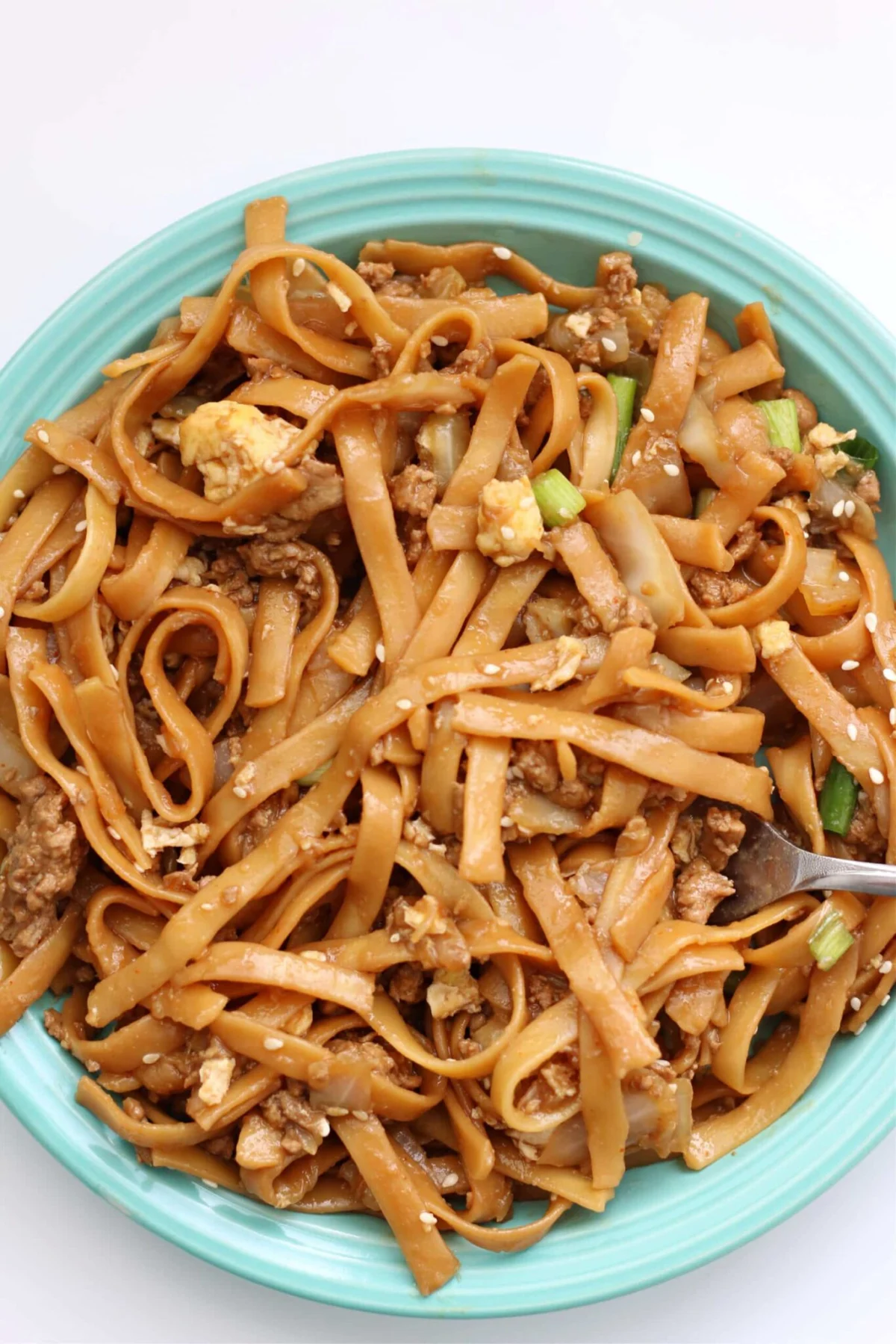
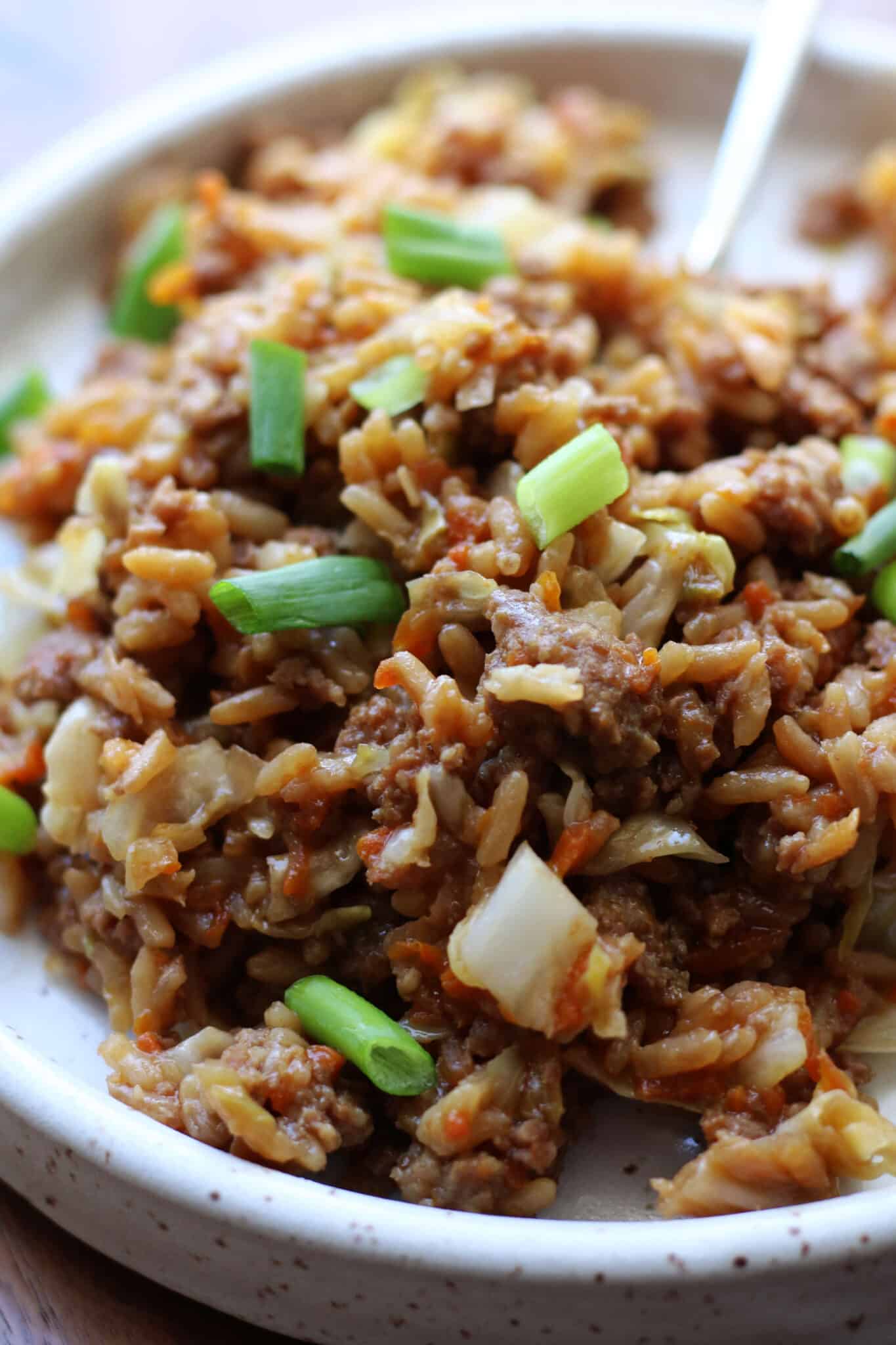
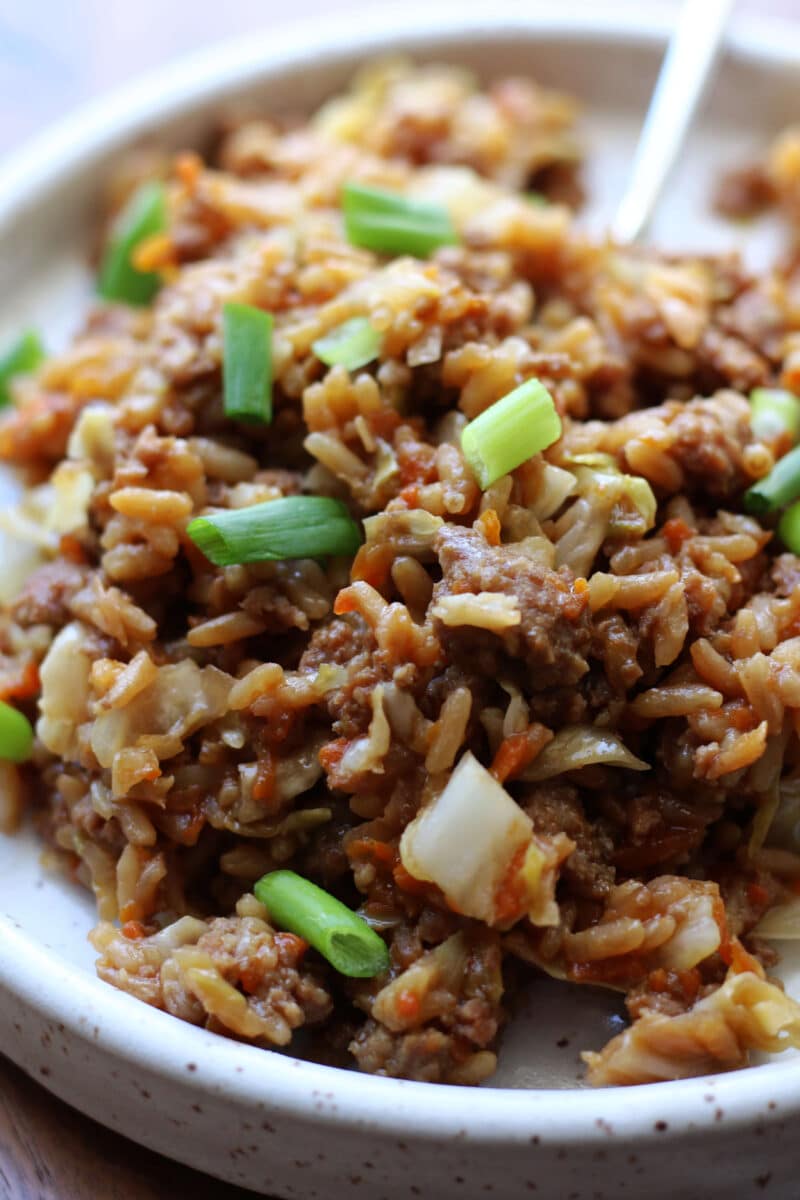
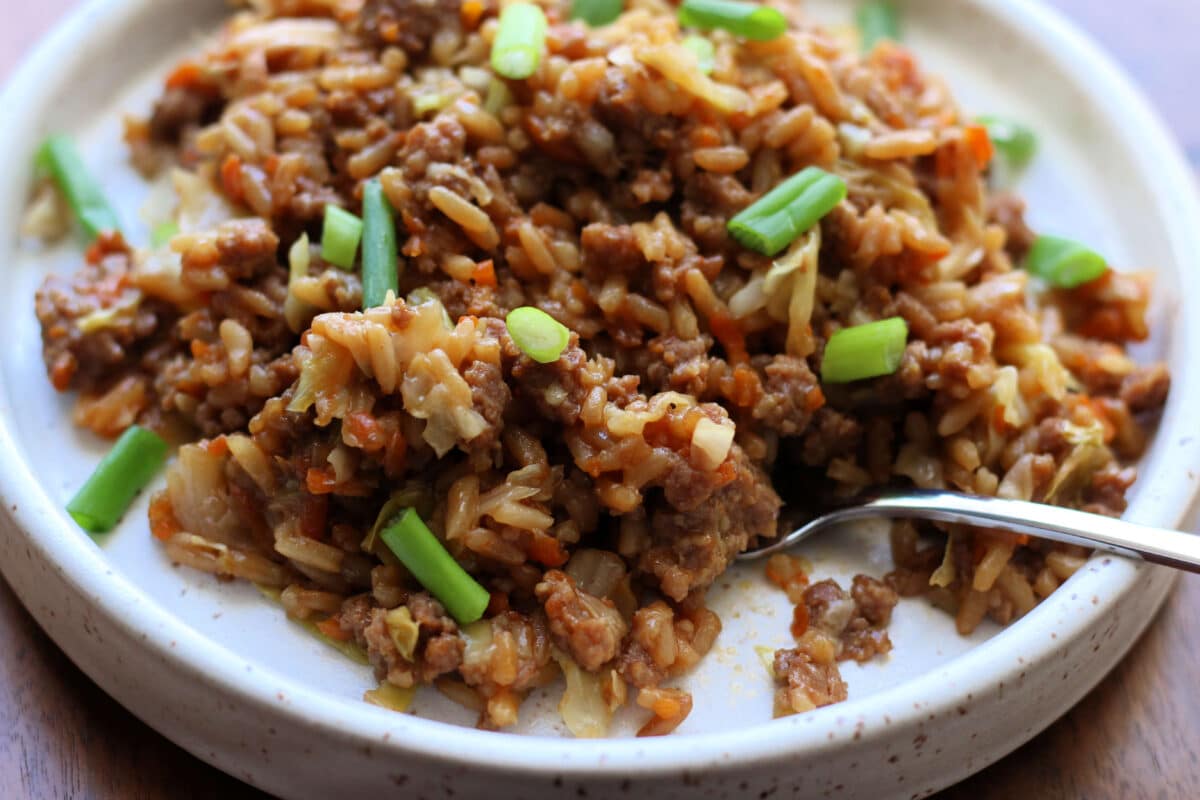
The landscape of contemporary home cooking has undergone a significant transformation over the last decade, driven by the dual demands of time efficiency and a desire for diverse, global flavor profiles. Central to this evolution is the "Egg Roll Casserole," a dish that exemplifies the "deconstructed" food trend by taking the traditional components of a deep-fried appetizer and reimagining them as a nutritious, one-pot family meal. By utilizing the modern electric pressure cooker, such as the Instant Pot, home cooks are now able to achieve complex flavors—traditionally requiring hours of simmering or meticulous frying—in a fraction of the time. This specific recipe utilizes ground pork, fresh cabbage, carrots, and a savory teriyaki base to create a dish that bridges the gap between convenience and culinary depth.
The Rise of the One-Pot Multi-Cooker Phenomenon
The adoption of the Instant Pot and similar multi-cookers has fundamentally altered the "chronology" of the weeknight dinner. Since the device’s surge in popularity around 2016, there has been a documented shift toward recipes that minimize both active preparation time and post-meal cleanup. Market analysts note that the multi-cooker market was valued at approximately $720 million in 2023, with a projected growth rate that suggests consumers are increasingly prioritizing "set-it-and-forget-it" technology.
The Egg Roll Casserole fits perfectly into this market segment. Unlike traditional egg rolls, which require labor-intensive wrapping and hazardous deep-frying, the casserole version focuses on the "filling"—the most nutrient-dense and flavorful part of the dish. By integrating rice directly into the pot, the recipe eliminates the need for secondary appliances, further streamlining the kitchen workflow.
Ingredient Analysis and Economic Considerations
A journalistic review of the ingredients reveals a strategic balance between cost-effectiveness and nutritional value. Ground pork, the primary protein in this casserole, is often cited by agricultural economists as a more budget-friendly alternative to ground beef or poultry. In recent years, while beef prices have fluctuated significantly due to supply chain disruptions, pork has remained a relatively stable staple for middle-class households.
Furthermore, the inclusion of large quantities of cabbage serves both a functional and health-conscious purpose. Cabbage is a cruciferous vegetable known for its high fiber content and significant levels of Vitamin K and Vitamin C. When cooked under pressure, cabbage undergoes a structural breakdown that allows it to absorb the ambient flavors of ginger, garlic, and soy sauce, effectively "shrinking" in volume while retaining its nutritional integrity. This allows parents to incorporate high volumes of vegetables into a meal in a way that is often more palatable to children or picky eaters.
Technical Methodology: The Chronology of Preparation
The successful execution of an Egg Roll Casserole in a pressure cooker requires adherence to a specific technical sequence to avoid common mechanical errors, such as the "Burn" notice. The process is divided into three distinct phases: the Maillard reaction phase, the deglazing phase, and the pressurized infusion phase.
Phase I: The Sauté and Maillard Reaction
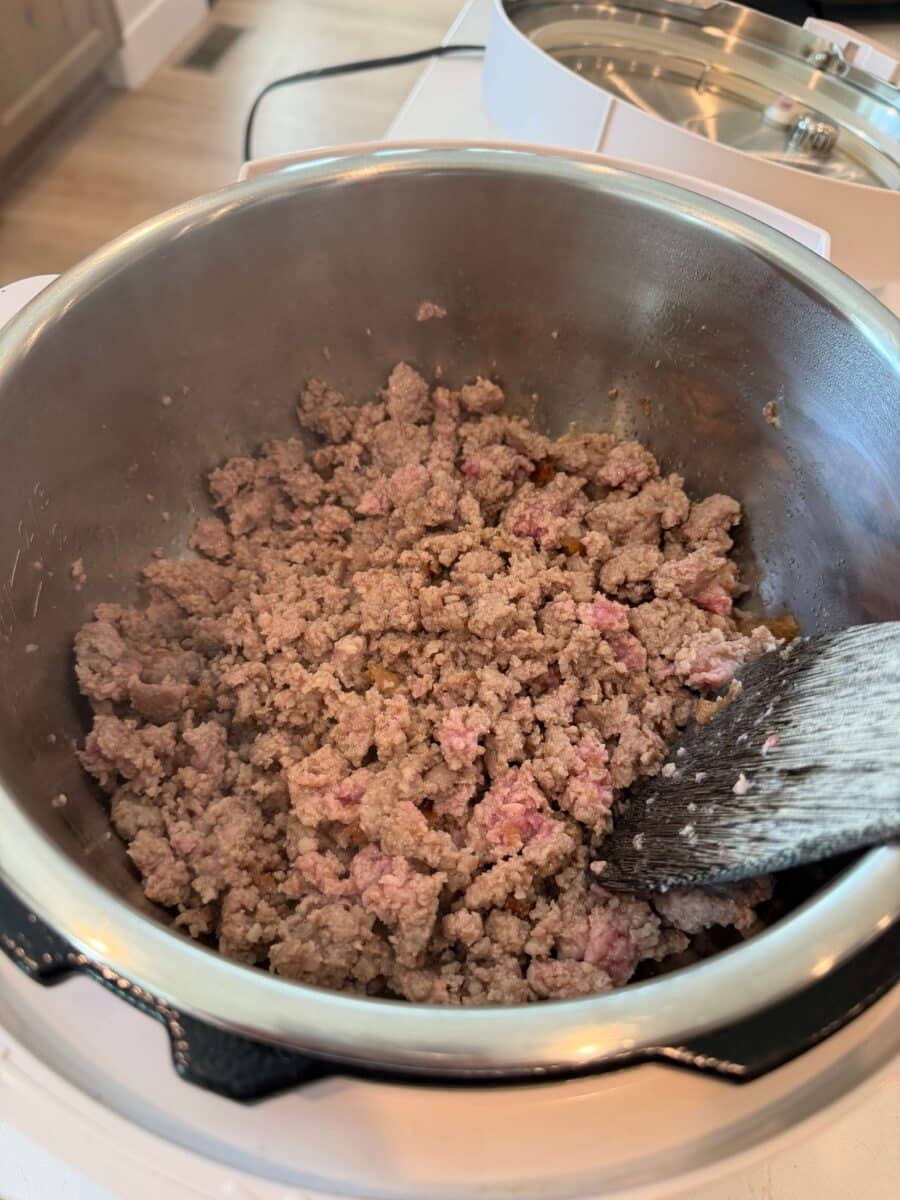
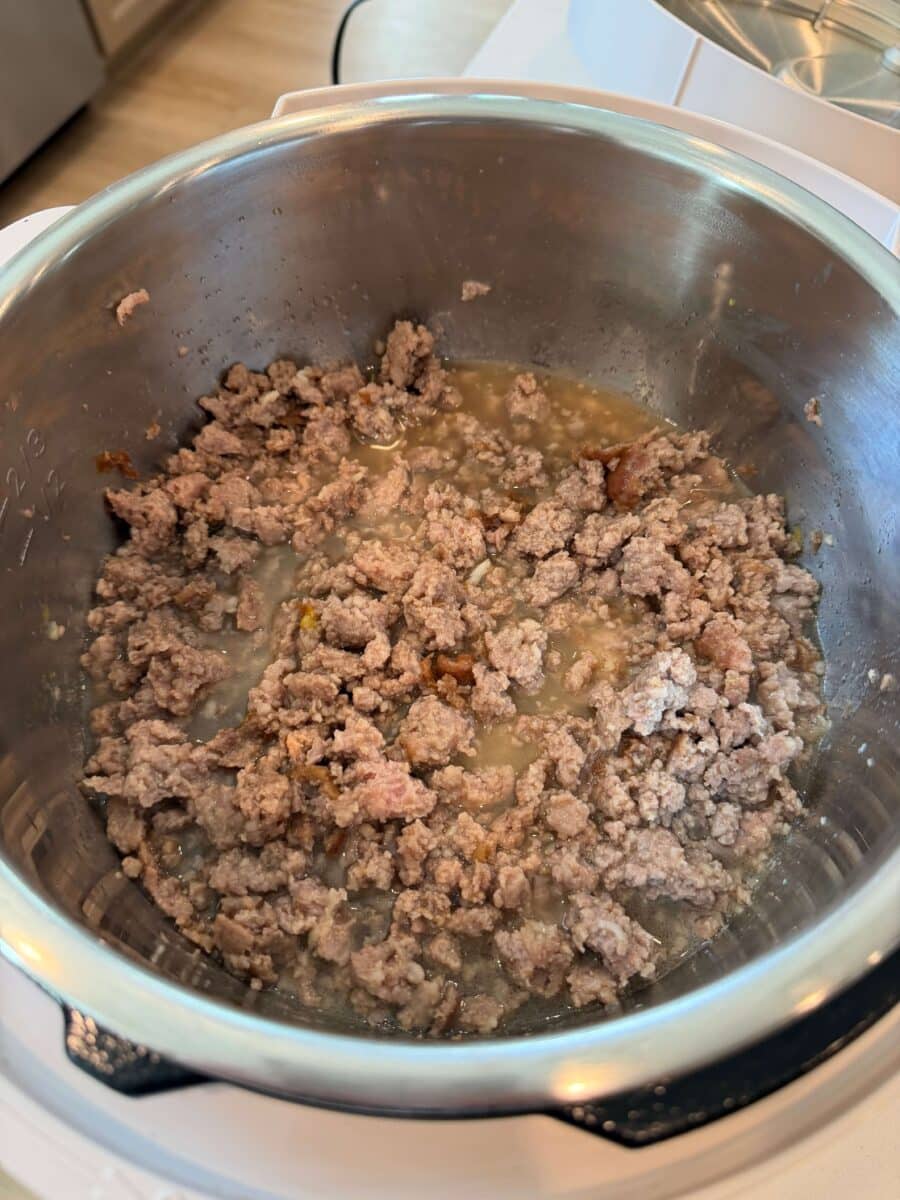
The process begins with the "Sauté" function, where the ground pork is browned. This step is critical not just for cooking the meat, but for initiating the Maillard reaction—a chemical reaction between amino acids and reducing sugars that gives browned food its distinctive flavor. Journalistic observations of culinary techniques suggest that skipping this step results in a "boiled" meat texture that lacks the depth found in traditional Asian-fusion cuisine.
Phase II: Deglazing and Layering
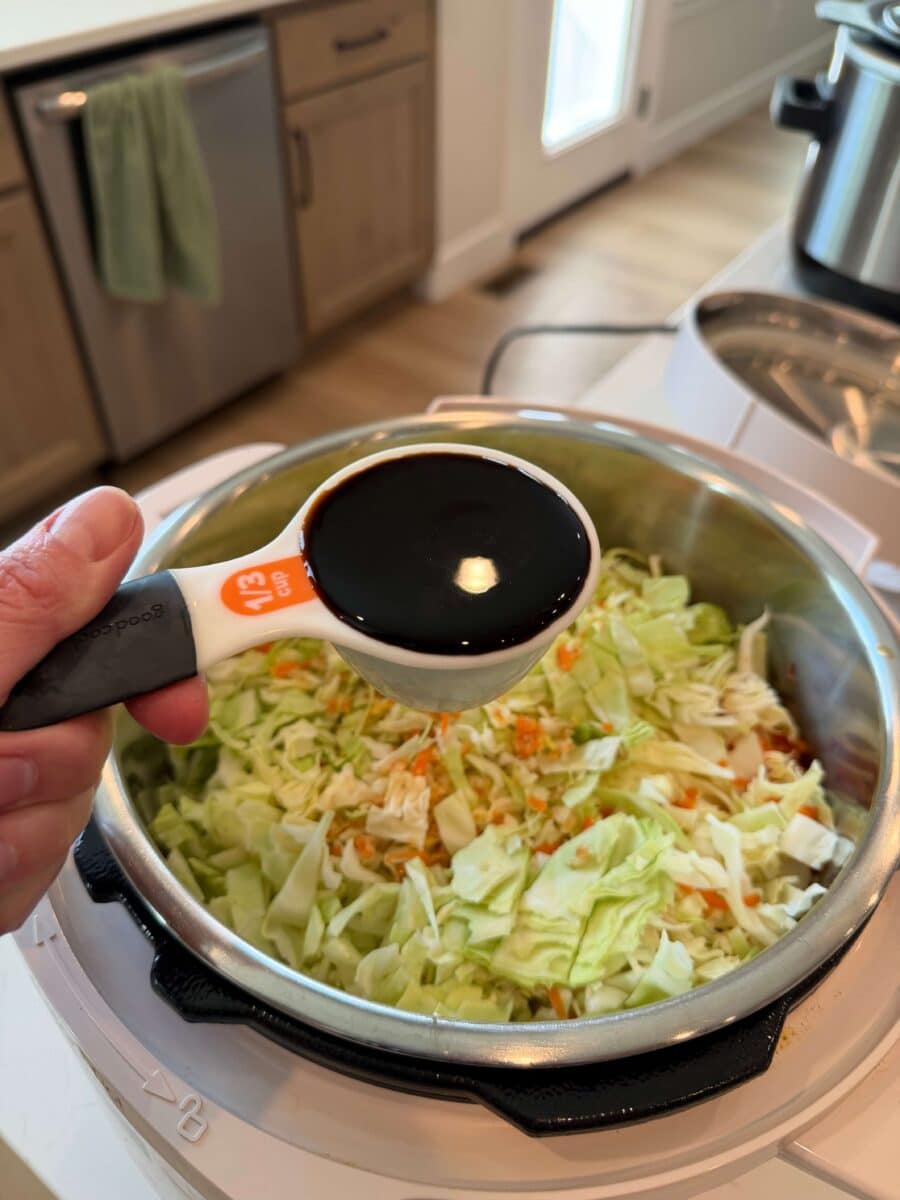
Following the browning of the pork, the cook must "deglaze" the pot. This involves adding liquid (water or broth) and scraping the bottom of the stainless steel insert. This is a vital safety and functional step; any scorched bits of meat left on the bottom can cause the sensors of the Instant Pot to overheat and shut down. Once the pot is deglazed, the rice is added. Crucially, the recipe dictates that the rice and subsequent vegetables—cabbage and carrots—must not be stirred. This layering technique ensures that the rice remains submerged in enough liquid to hydrate properly without becoming a scorched mass at the bottom of the unit.
Phase III: Pressurization and Natural Release
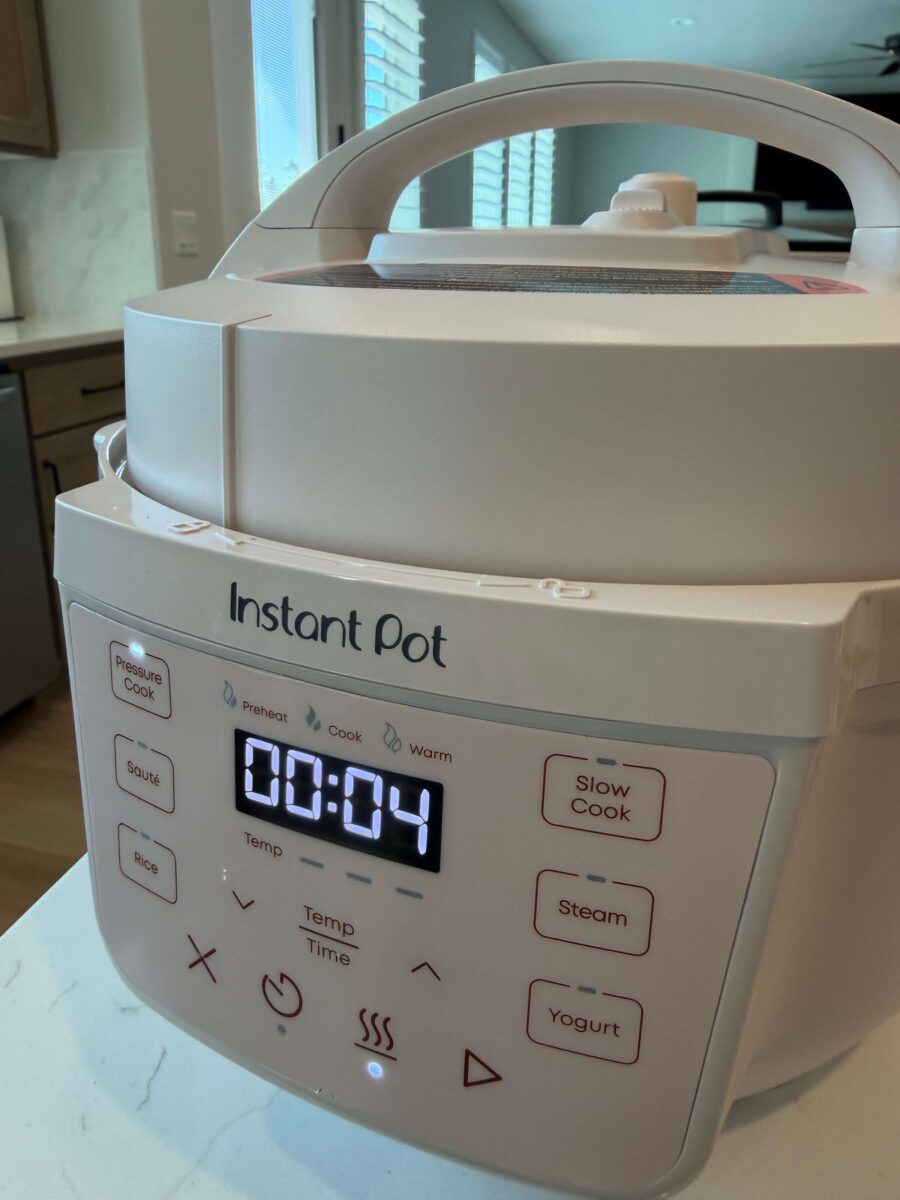
The final stage involves a four-minute high-pressure cycle followed by a ten-minute "natural release." During the natural release, the internal temperature of the pot gradually declines, allowing the rice to finish steaming through residual heat. This prevents the "mushy" texture often associated with overcooked grains and ensures the pork remains tender.
Supporting Data: Nutrition and Dietary Adaptability
Nutritionists often point to the Egg Roll Casserole as a prime example of a "high-volume, low-calorie" meal. By replacing the flour-based wrapper of a traditional egg roll with additional cabbage and a controlled portion of rice, the caloric density of the meal is significantly reduced.
- Protein Content: Ground pork provides approximately 22 grams of protein per 4-ounce serving, essential for muscle repair and satiety.
- Fiber Impact: A single head of cabbage can provide up to 15 grams of dietary fiber, which aids in digestion and cardiovascular health.
- Sodium Management: While traditional teriyaki and soy sauces are high in sodium, the "home-cooked" nature of this casserole allows for the use of low-sodium alternatives or coconut aminos, providing a heart-healthy modification that is rarely available in restaurant-sourced egg rolls.
The recipe also demonstrates significant versatility for specialized diets. For those following a ketogenic or low-carb lifestyle, the white rice can be omitted or replaced with cauliflower rice (added after the pressure cycle). For gluten-sensitive individuals, the substitution of tamari for soy sauce renders the entire meal gluten-free.
Market Trends: The "Deconstructed" Food Movement
The popularity of the Egg Roll Casserole is part of a broader "bowl" or "casserole" culture that has dominated social media platforms like Pinterest and TikTok. Culinary historians suggest that this trend is a reaction to the "perfectionism" of early 2000s food television. Today’s consumers are less interested in the aesthetic symmetry of a perfectly wrapped egg roll and more interested in the "flavor profile" and "macros" of the meal.
This shift has significant implications for the food service industry as well. Many "Fast Casual" restaurant chains have begun offering "Egg Roll Bowls" or "Asian Slaw Bowls" to mimic the convenience and health benefits found in these home-cooked versions. The DIY nature of the Instant Pot version, however, remains the most cost-effective method for the average consumer.
Official Responses and Consumer Sentiment
While there are no "official" government statements on specific recipes, the USDA and various health departments have long advocated for home-cooked meals as a primary tool in combating the national obesity epidemic. Consumer feedback on the Egg Roll Casserole consistently highlights the "leftover potential" of the dish. Unlike fried egg rolls, which become soggy when reheated, the casserole maintains its structural integrity and flavor, making it a favorite for "meal-prepping" professionals.
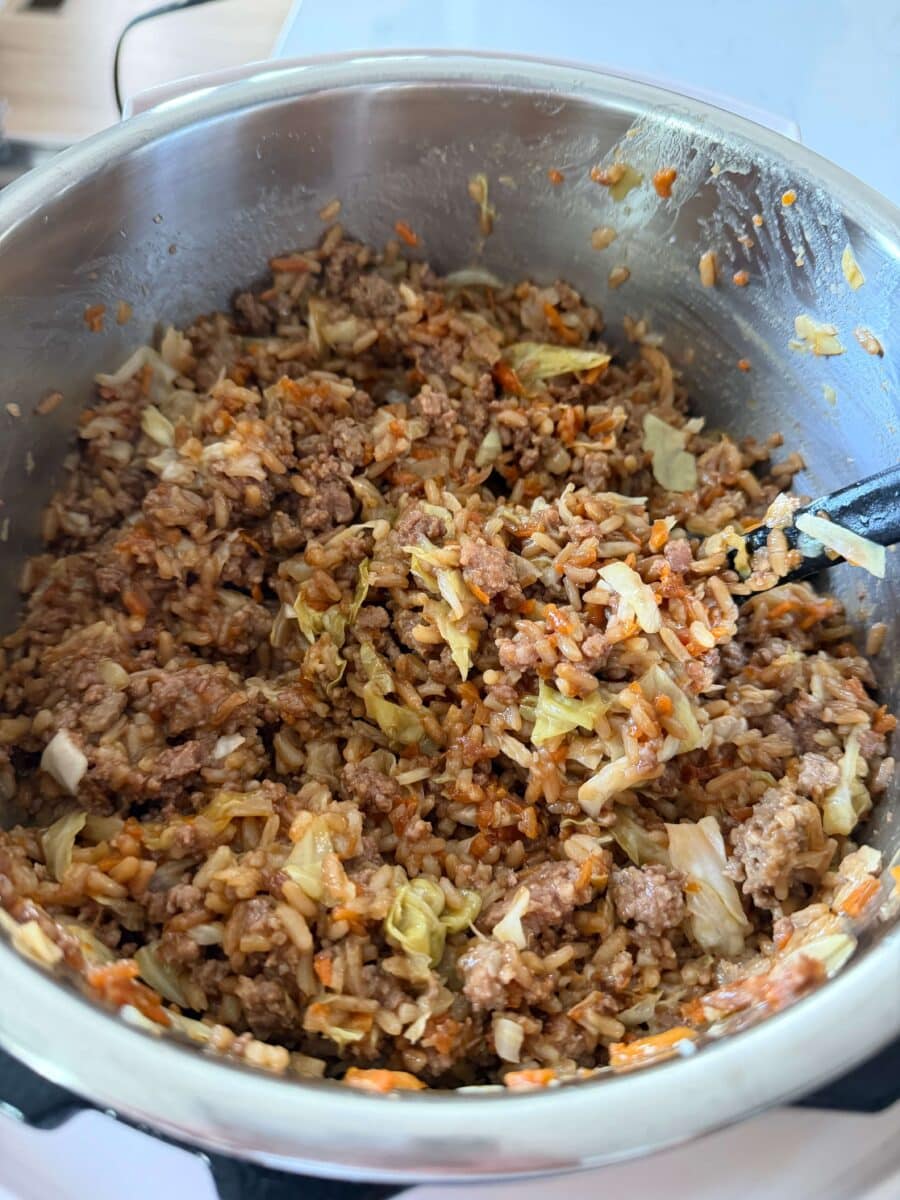
Busy parents have expressed particular satisfaction with the "hide the vegetable" aspect of the dish. As the cabbage cooks down under pressure, it integrates into the rice and pork, making it less intimidating for younger children. This "stealth health" approach is a frequently cited benefit in community cooking forums and parent-teacher associations discussing childhood nutrition.
Broader Impact and Future Implications
The continued relevance of recipes like the Egg Roll Casserole indicates a permanent shift in domestic life. As work-from-home remains a staple for a significant portion of the workforce, the "lunchtime dinner prep" has become common. A meal that can be assembled in ten minutes during a coffee break and left to cook is a powerful tool for the modern worker.
Looking forward, we can expect to see further iterations of this dish. The "Firecracker" variant, which adds sriracha or red pepper flakes, addresses the growing American palate for spicy foods. Meanwhile, the "Bang Bang" variant, incorporating a creamy, spicy mayo topping, shows how home cooks continue to borrow from popular restaurant appetizers to enhance their home-cooked repertoire.
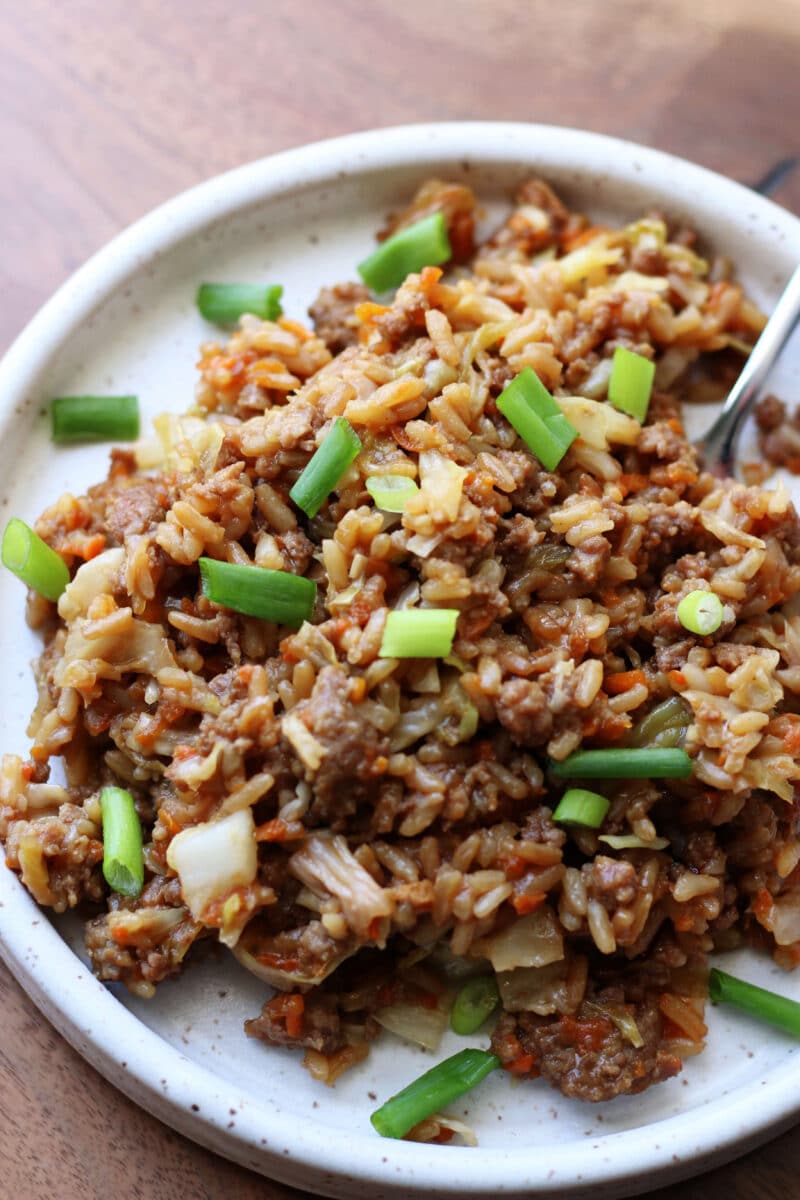
In conclusion, the Egg Roll Casserole is more than just a convenient dinner; it is a synthesis of economic necessity, technological advancement, and a globalized palate. It represents a move toward "functional" eating—where nutrition, flavor, and time-management are given equal weight at the dinner table. As the multi-cooker continues to evolve, so too will the recipes that define the modern kitchen, with the Egg Roll Casserole likely remaining a staple for years to come.
