
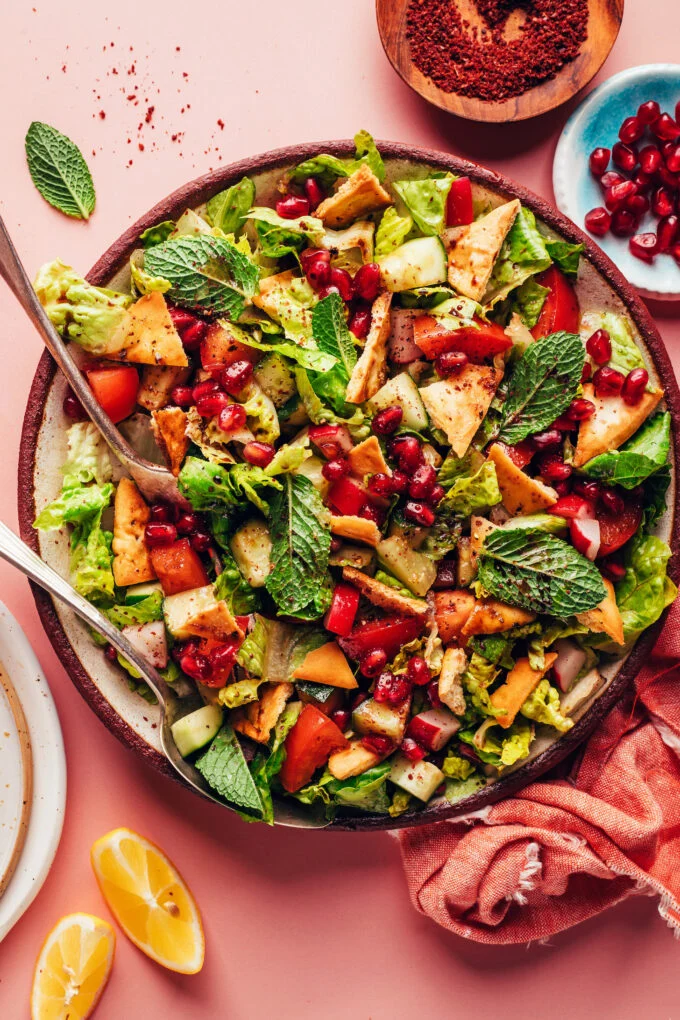
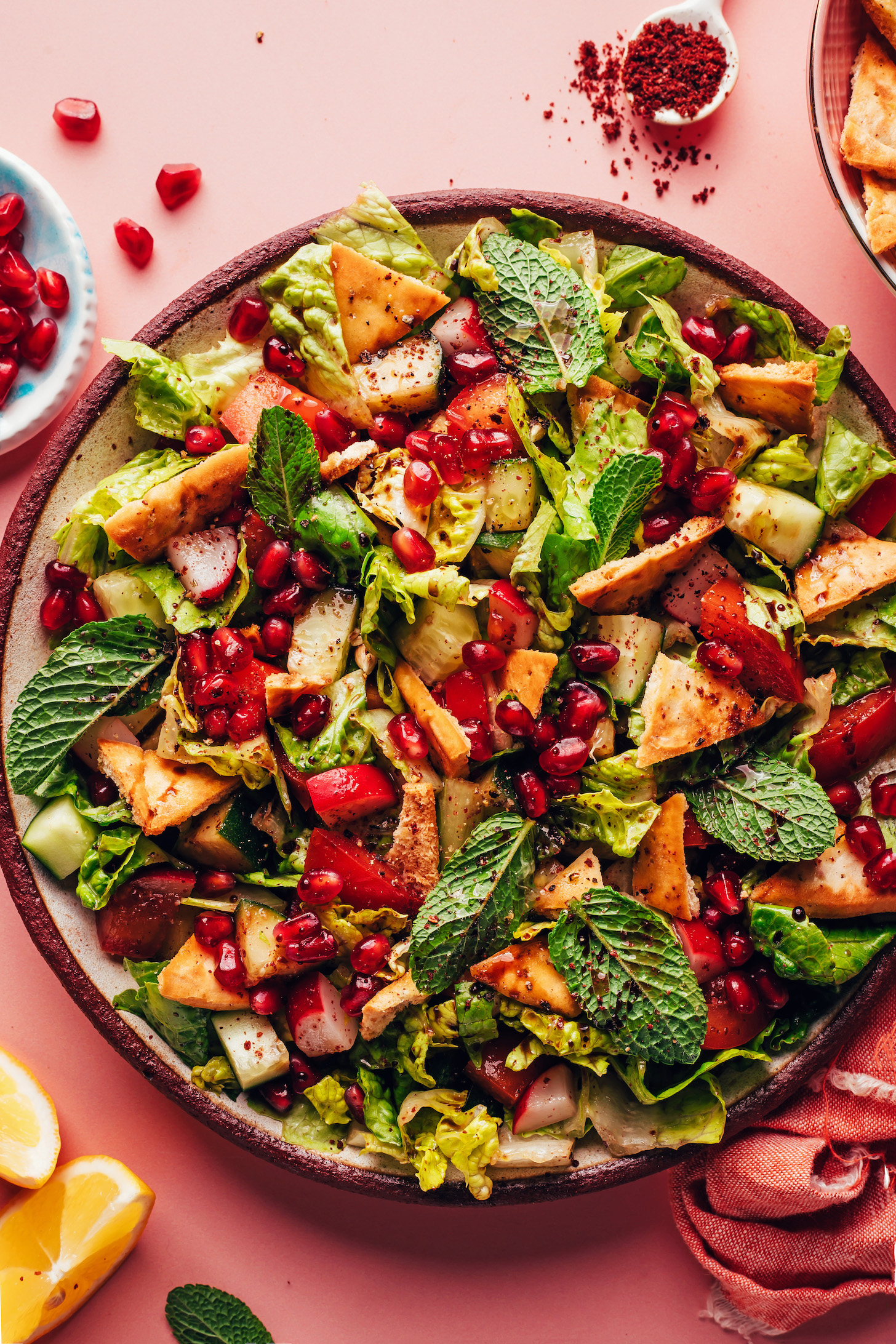
The culinary landscape is witnessing a growing trend towards simplifying traditional, nutrient-rich dishes to fit the demands of modern, fast-paced lifestyles. A recent development in this sphere is the introduction of a "weeknight-friendly" fattoush salad, meticulously crafted for efficiency, requiring just one bowl and approximately 20 minutes from preparation to plate. This innovative rendition aims to make the classic Levantine salad accessible for everyday consumption, blending fresh, crunchy vegetables with a vibrant pomegranate dressing, aromatic mint leaves, crispy pita chips, and succulent pomegranate arils.
This adaptation, inspired by the rich heritage of Mediterranean and Middle Eastern cuisines, offers a refreshing side dish or, with the addition of protein such as chickpeas, a complete light meal. Its design emphasizes speed and minimal cleanup without compromising the authentic flavor profile that defines fattoush.
The Heritage of Fattoush: A Culinary Staple from the Levant
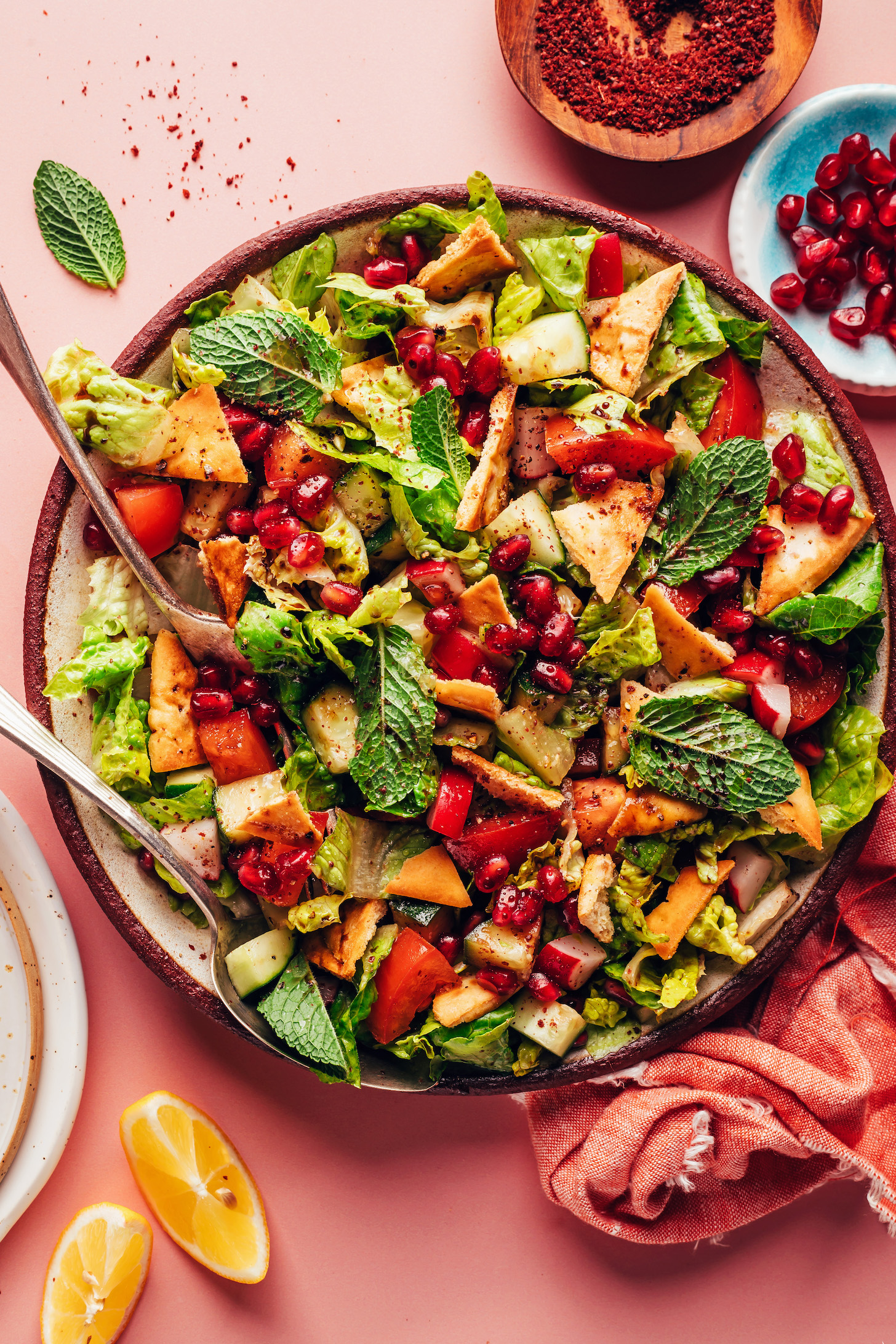
Fattoush is more than just a salad; it is a cultural icon deeply embedded in the culinary traditions of the Levant region, encompassing countries such as Syria, Lebanon, Jordan, and Palestine. Historically, fattoush emerged as a resourceful dish, utilizing stale or day-old flatbread (pita) by toasting or frying it and incorporating it into a vibrant mix of fresh garden vegetables. This practice not only prevented food waste but also added a distinctive textural element—a hallmark of the salad.
The traditional composition of fattoush typically includes a medley of finely chopped vegetables such as romaine lettuce, tomatoes, cucumbers, radishes, and green onions. Fresh herbs, most notably mint and parsley, are indispensable, contributing to its aromatic complexity. The dressing is characteristically bright and tangy, often featuring olive oil, lemon juice, and the unique addition of sumac, a deep red spice derived from dried berries, known for its tart, lemony flavor. Pomegranate molasses, a thick syrup made from reduced pomegranate juice, is another common ingredient that introduces a sweet-sour depth, enriching the salad’s overall profile.
The origins of fattoush are often traced back to peasant cooking, where ingenuity in using available ingredients was paramount. Over centuries, it evolved from a simple rustic dish into a celebrated component of Levantine cuisine, gracing tables in both humble homes and elaborate feasts. Its refreshing qualities make it particularly popular during warmer months and as a staple during religious observances like Ramadan, when light and invigorating meals are preferred after a day of fasting. The salad’s enduring popularity speaks to its balanced flavors, satisfying textures, and adaptability.
Adapting Tradition for the Modern Kitchen
The modern adaptation of fattoush, designed for a "weeknight-friendly" approach, reflects broader shifts in global dietary patterns and lifestyle choices. Contemporary consumers often seek meals that are not only nutritious and flavorful but also quick to prepare and require minimal effort for cleanup. The "1-bowl, 20-minute" promise directly addresses these contemporary demands, positioning the salad as an ideal solution for busy individuals and families.
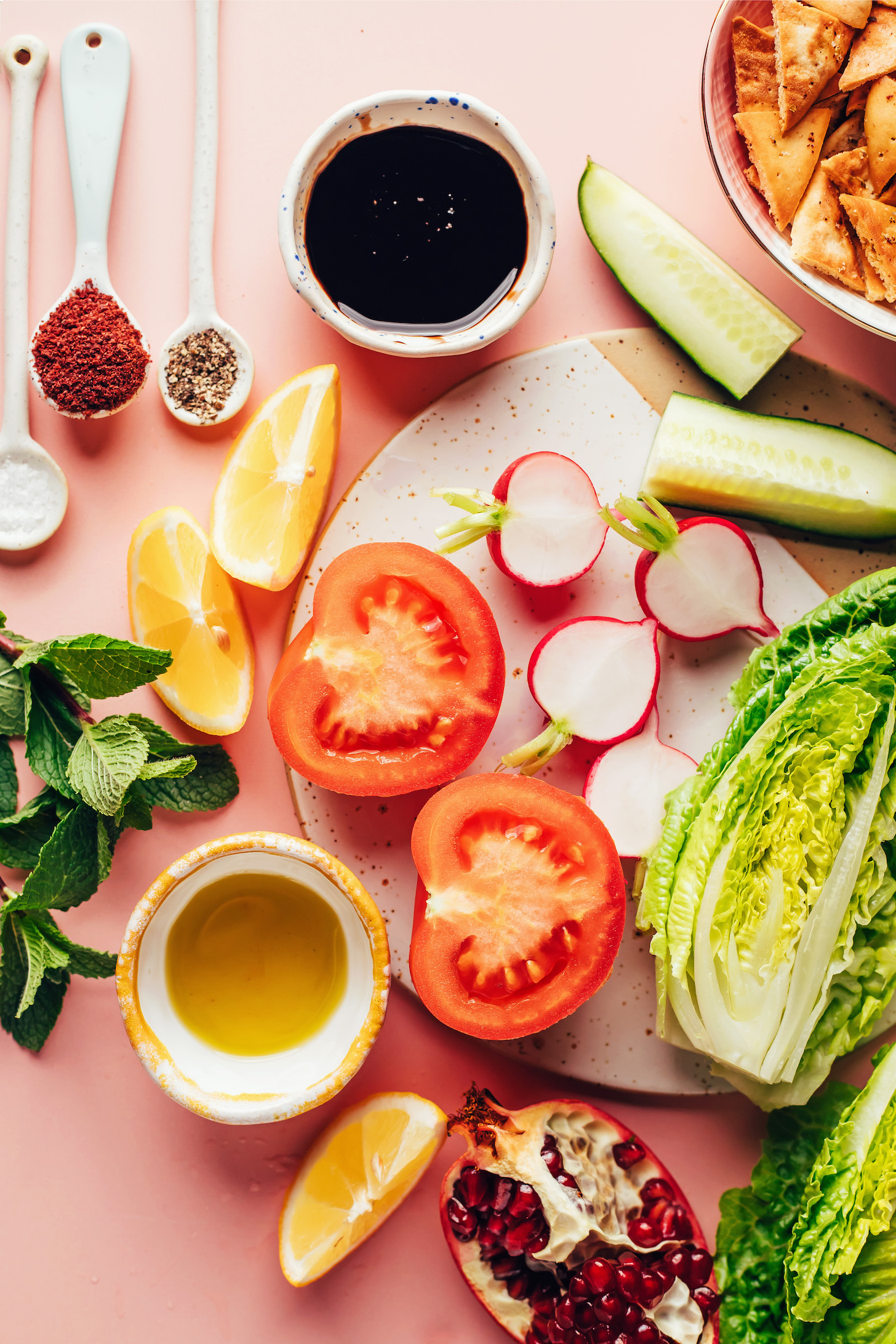
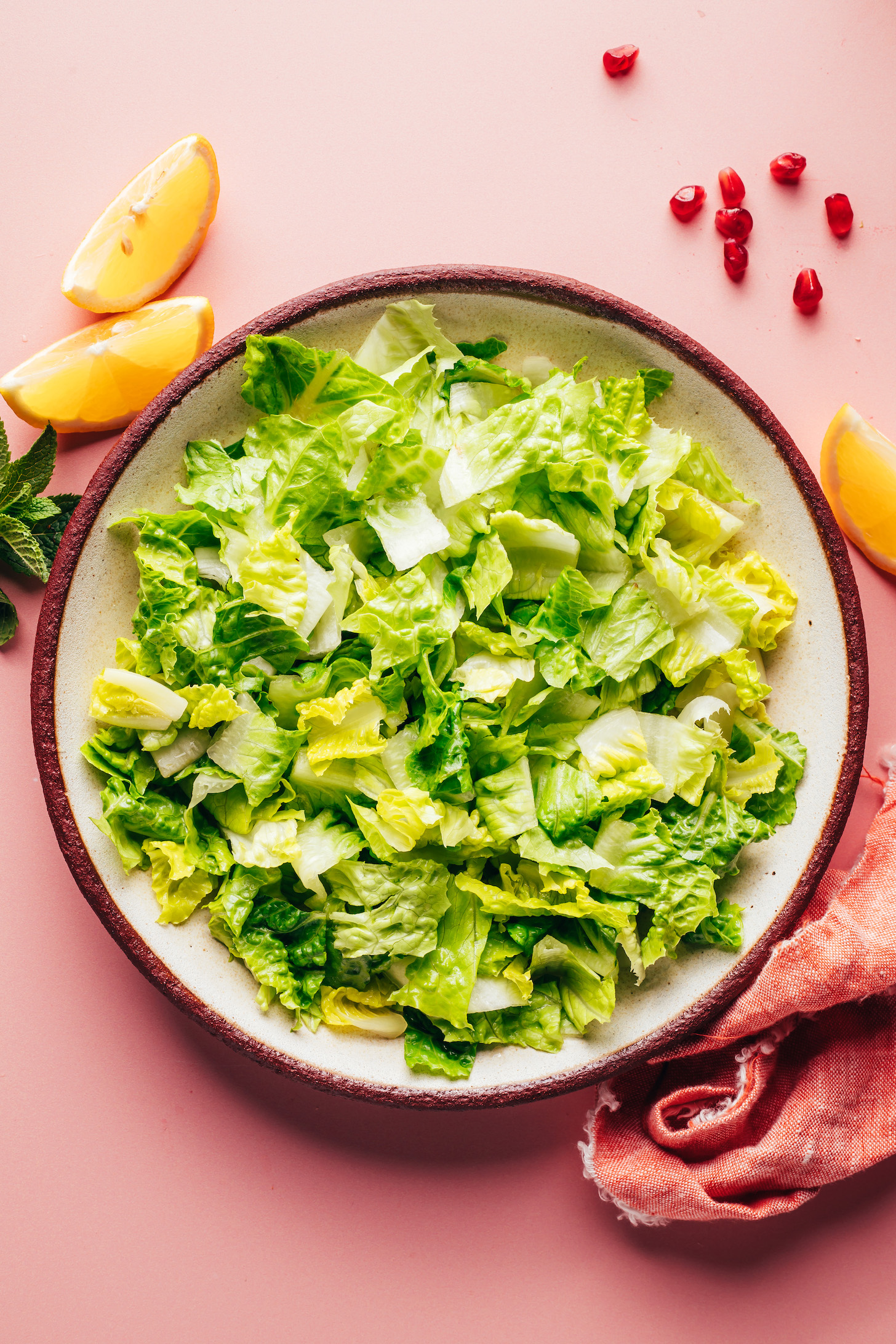
This streamlined version focuses on maximizing flavor and crunch with readily available ingredients. The core components remain true to the spirit of fattoush: a base of fresh, crisp romaine lettuce, complemented by the addition of crunchy vegetables like cucumber, tomato, and radish. The emphasis on seasonal vegetables is highlighted, underscoring the potential for enhanced flavor and nutritional value when ingredients are at their peak.
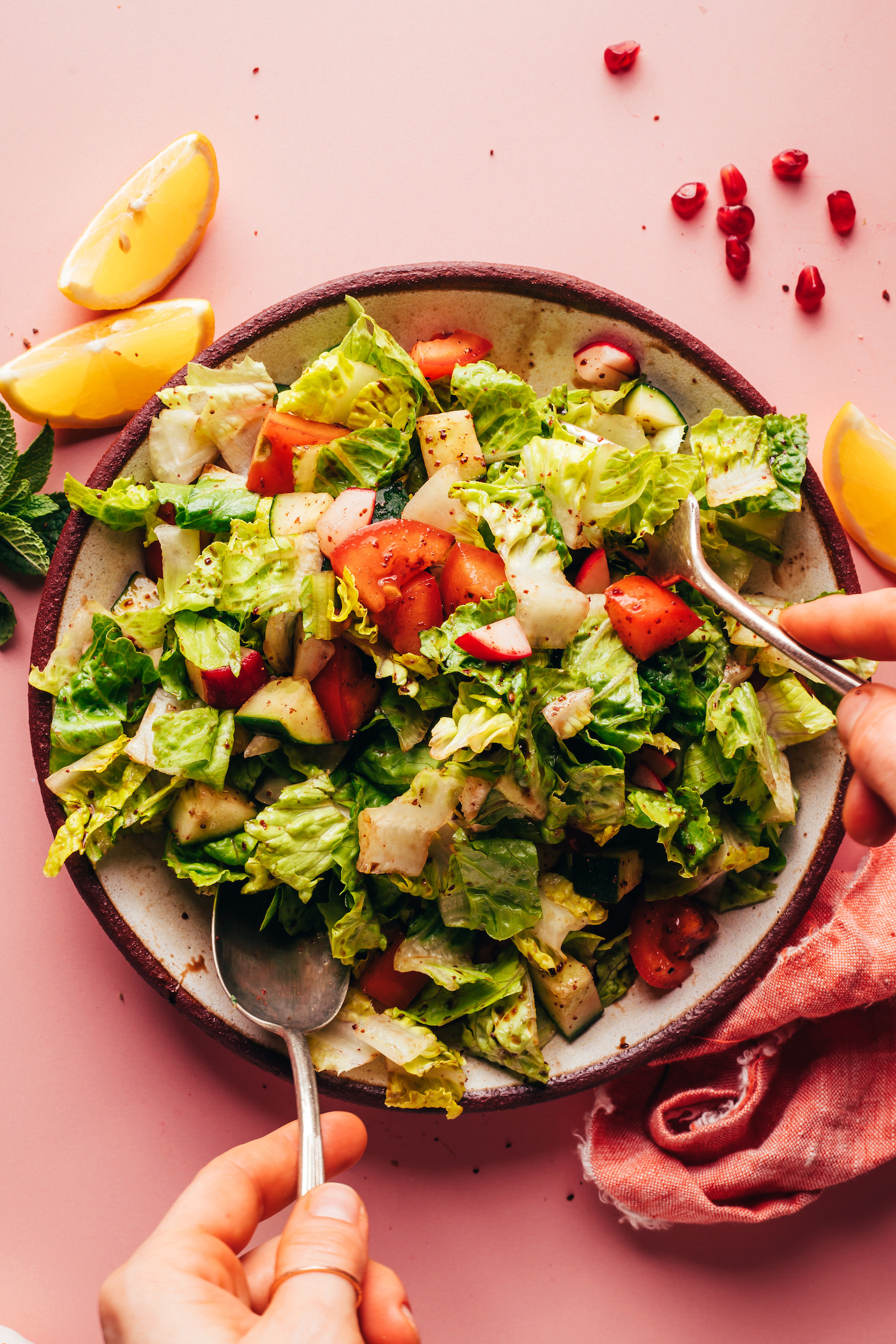
The dressing, a critical element in any fattoush, is simplified into a "no-mix" approach. This involves directly tossing the vegetables with lemon juice, pomegranate molasses, sumac, salt, and pepper. This method bypasses the need for separate dressing preparation, further reducing time and dishes. The optional inclusion of maple syrup and olive oil allows for a customization of sweetness and richness, catering to individual preferences and the inherent tartness of the pomegranate molasses used. Sumac, a cornerstone of authentic Levantine flavors, provides its signature tangy notes, while pomegranate molasses delivers a distinctive sweet-sour profile that is both complex and refreshing.
For the essential crunchy element, store-bought pita chips are recommended for convenience, aligning with the "easy" and "20-minute" promise. However, acknowledging traditional practices and the desire for homemade alternatives, instructions for crafting homemade pita chips from day-old flatbread are also provided. This offers a sustainable option, preventing food waste and allowing for customization of flavor and texture with ingredients like dried oregano and additional sumac.
Nutritional Profile and Dietary Adaptability
The Easy Fattoush Salad boasts an impressive nutritional profile, largely due to its abundance of fresh vegetables and beneficial ingredients. Romaine lettuce provides a significant source of vitamins A and K, along with folate. Cucumbers offer hydration and essential electrolytes, while tomatoes are rich in lycopene, an antioxidant linked to various health benefits. Radishes contribute vitamin C and dietary fiber.
The herbs, particularly fresh mint, are not merely flavor enhancers but also provide antioxidants and contribute to digestive well-being. Mint is known for its soothing properties and ability to aid digestion.
The dressing ingredients further elevate the salad’s health credentials. Olive oil, a staple of the Mediterranean diet, is a monounsaturated fat known for its heart-healthy benefits. Lemon juice is an excellent source of vitamin C and aids in nutrient absorption. Sumac, beyond its unique flavor, is recognized for its antioxidant and anti-inflammatory properties, with some studies suggesting potential benefits for blood sugar regulation. Pomegranate molasses, while providing sweetness, also carries the antioxidant benefits of pomegranates, which are rich in polyphenols.
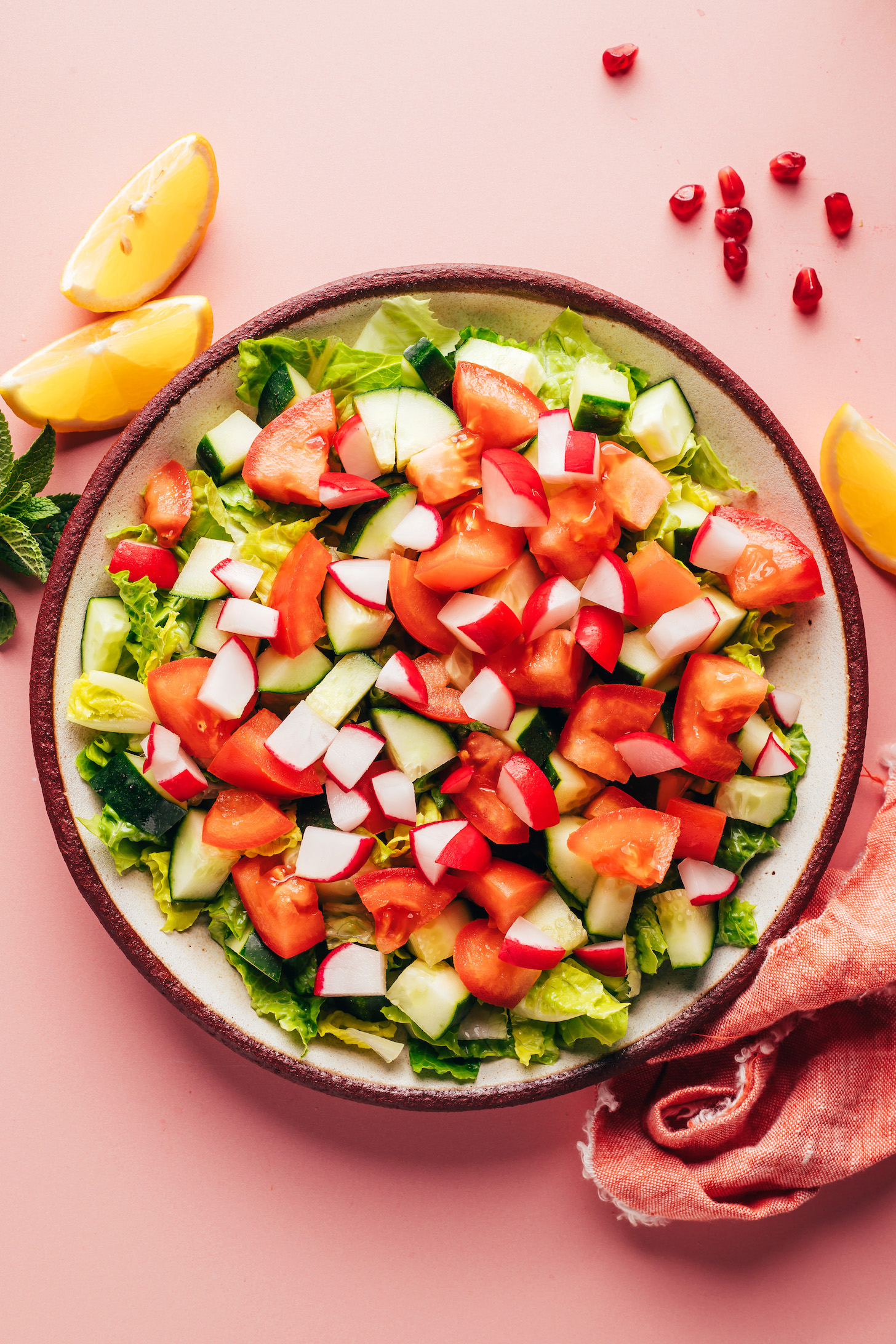
For those with specific dietary needs, this recipe offers flexibility. The option to use gluten-free pita crackers ensures that individuals adhering to a gluten-free diet can enjoy the dish without compromise. When paired with chickpeas, the salad transforms into a plant-based, protein-rich meal, suitable for vegan and vegetarian diets, and appealing to those looking to reduce meat consumption. The nutritional information provided suggests a modest calorie count per serving (approximately 127 calories for a side serving), making it a light yet satisfying option. It also highlights contributions of carbohydrates, protein, fiber, and various vitamins and minerals, reinforcing its status as a wholesome meal choice.
The "Minimalist Baker" Philosophy: Efficiency Meets Flavor
The development of this simplified fattoush aligns seamlessly with the ethos of "Minimalist Baker," the culinary platform behind this recipe. Known for its focus on recipes requiring 10 ingredients or less, one bowl or pot, or 30 minutes or less to prepare, the brand champions accessibility and efficiency in home cooking. This fattoush recipe, adhering to the "1-bowl, 20-minute" principle, exemplifies their commitment to making healthy and delicious meals achievable for everyone, regardless of their cooking expertise or time constraints.
By distilling the essence of a complex traditional dish into a manageable, swift preparation, Minimalist Baker caters to a demographic increasingly seeking practical culinary solutions. Their approach often involves thoughtful ingredient substitutions and methodological simplifications that preserve the integrity and flavor of the original dish while reducing the barriers to entry for home cooks. This philosophy not only demystifies cooking but also encourages exploration of diverse cuisines, such as Levantine and Mediterranean, which are often perceived as intricate.
Broader Implications: Culinary Trends and Cultural Exchange
The emergence of such simplified yet authentic recipes has broader implications for culinary trends, home cooking practices, and cultural exchange through food.
- Rise of Convenient Healthy Eating: This fattoush recipe is indicative of a wider movement towards convenient healthy eating. Consumers are no longer willing to sacrifice health for speed, nor flavor for simplicity. Recipes that successfully merge these elements are gaining significant traction, influencing grocery product development, meal kit services, and the content produced by culinary media.
- Democratization of Global Cuisines: By simplifying classic dishes like fattoush, culinary platforms play a crucial role in democratizing global cuisines. What might once have been considered an exotic or difficult dish to prepare at home becomes approachable, encouraging a wider audience to explore and appreciate diverse food cultures. This fosters a form of cultural exchange, allowing people to experience different traditions through their palates.
- Sustainability in Home Cooking: The emphasis on utilizing day-old pita for homemade chips subtly promotes sustainability by encouraging the reduction of food waste. This aligns with a growing environmental consciousness among consumers who are increasingly mindful of their ecological footprint.
- Impact on Food Industry: The success of such recipes influences the food industry, driving demand for specific ingredients like sumac and pomegranate molasses, which might have once been considered specialty items. It also encourages innovation in product categories like pre-chopped vegetables or ready-to-use arils, catering to the "quick prep" market.
- Health and Wellness Movement: As populations globally grapple with lifestyle-related health issues, the push for fresh, vegetable-centric meals is more pertinent than ever. Fattoush, with its lean protein options and abundance of raw produce, aligns perfectly with public health recommendations for increased fruit and vegetable intake, contributing to overall wellness.
Expert Commentary (Inferred)
Culinary experts and nutritionists generally commend efforts to make traditional healthy dishes more accessible. Dr. Anya Sharma, a food sociologist (hypothetical), might comment, "The genius of this adaptation lies in its respect for the authentic flavors of fattoush while ingeniously streamlining the preparation. It bridges the gap between culinary heritage and modern convenience, making it possible for individuals to enjoy the rich tapestry of Levantine cuisine without extensive time commitments."
Similarly, a registered dietitian, perhaps Sarah Jenkins (hypothetical), could observe, "This simplified fattoush salad is a prime example of how traditional, plant-forward meals can be integrated into a busy schedule. Its high fiber content, essential vitamins from fresh produce, and heart-healthy fats make it an excellent choice for maintaining a balanced diet. The option to add chickpeas further enhances its protein content, making it a truly satisfying and nutritionally complete meal."
Conclusion
The "Easy Fattoush Salad (1 Bowl!)" represents a significant evolution in how classic ethnic dishes are presented and consumed in contemporary society. It encapsulates the ongoing quest for culinary efficiency without sacrificing authenticity, flavor, or nutritional value. By offering a quick, versatile, and wholesome meal option, it not only caters to the immediate needs of busy home cooks but also contributes to broader trends in healthy eating, sustainable practices, and the global appreciation of diverse food cultures. This adaptation serves as a testament to the enduring appeal of Levantine cuisine and the ingenuity of modern recipe development in making timeless dishes relevant for today’s dynamic world.
