
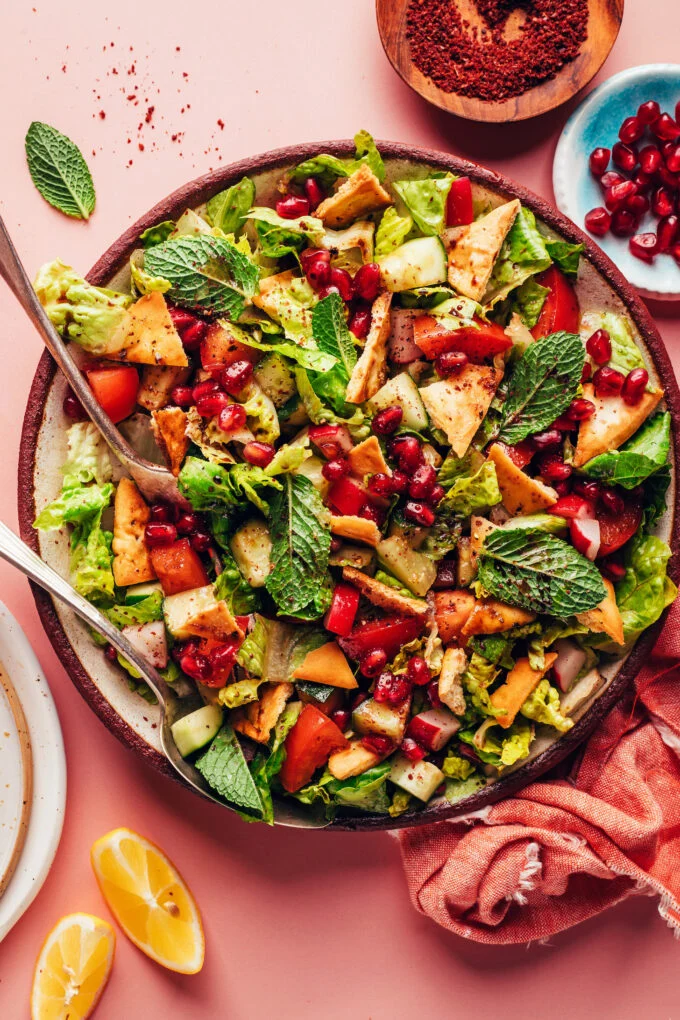
The culinary world is currently witnessing a significant trend towards the adaptation of traditional international dishes for modern, fast-paced lifestyles. Among these innovations, the "Easy Fattoush Salad" stands out as a prime example, offering a streamlined, "weeknight-friendly" interpretation of the classic Levantine staple. This particular rendition, emphasizing a "1-bowl" preparation method and a "20-minute" total time, aims to make authentic Middle Eastern flavors accessible to a broader audience, demonstrating how traditional cuisine can be re-imagined for contemporary convenience without sacrificing its core essence of freshness and vibrant taste.
The Cultural Tapestry of Fattoush: A Levantine Culinary Icon
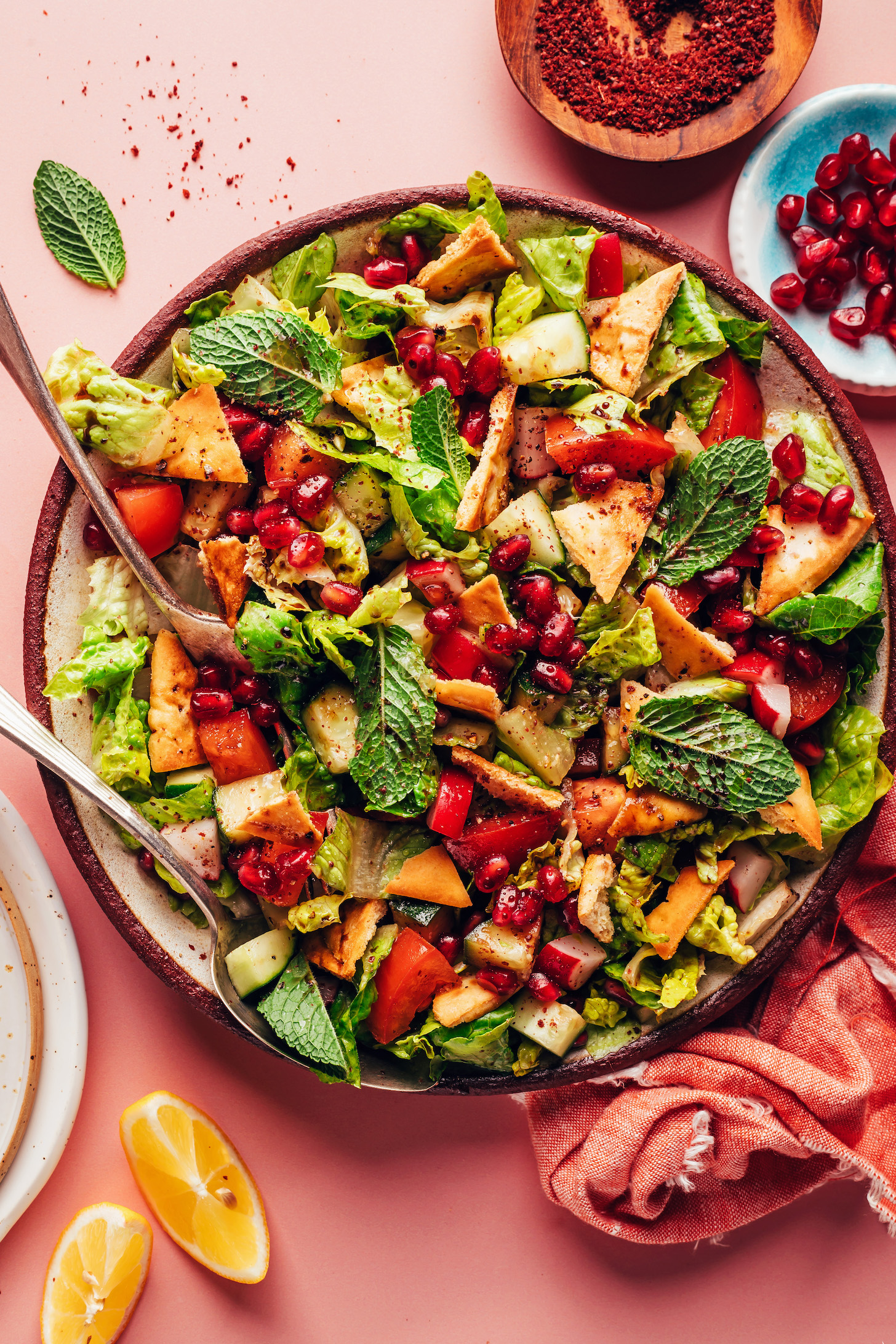
Fattoush is a cornerstone of Levantine cuisine, a region encompassing countries like Lebanon, Syria, Jordan, Palestine, and parts of Turkey. More than just a salad, it is a cultural artifact, deeply embedded in the culinary traditions and daily life of the Eastern Mediterranean. Traditionally served as part of a mezze (a selection of small dishes served as appetizers), or as a refreshing accompaniment to heartier meals, Fattoush is celebrated for its dynamic interplay of textures and flavors. Its origins are often traced back to the practice of utilizing stale pita bread, transforming it into a delicious component rather than discarding it, highlighting a historical culinary resourcefulness.
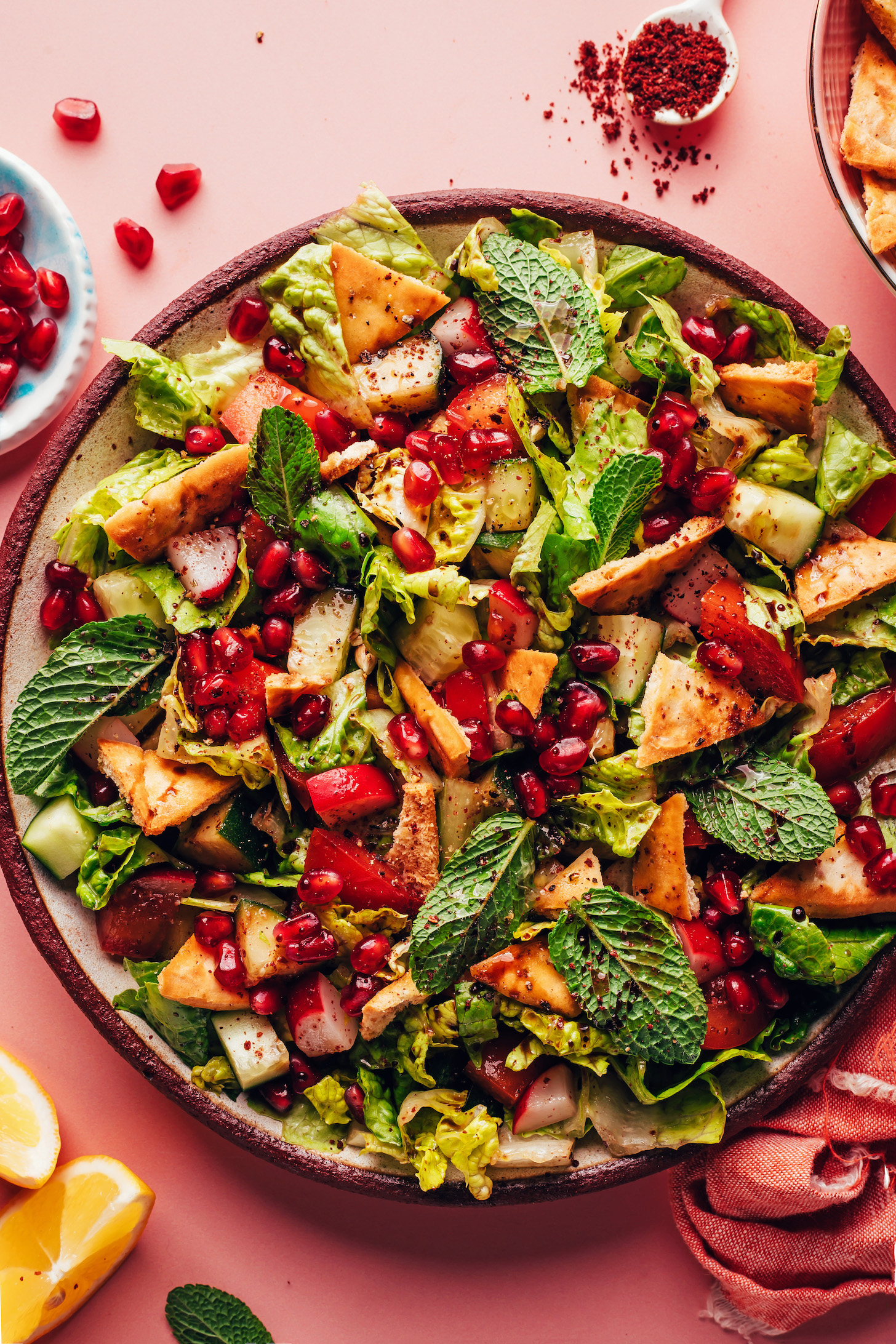
The traditional Fattoush typically features a robust mix of garden-fresh vegetables, including romaine lettuce, tomatoes, cucumbers, radishes, bell peppers, and often purslane. Fresh herbs like mint and parsley are indispensable, contributing aromatic layers. The defining characteristic, however, is the inclusion of toasted or fried pieces of khubz (Arabic flatbread or pita), which provide a crucial crunchy element. The dressing is typically a bright, tangy concoction of olive oil, lemon juice, and a generous sprinkle of sumac, a dried ground berry known for its distinctive tart, slightly citrusy flavor. Pomegranate molasses, a syrup made from reduced pomegranate juice, is frequently added, lending a sweet-sour depth that is quintessential to the salad’s profile.
Innovating for the Modern Kitchen: The "Easy Fattoush" Adaptation
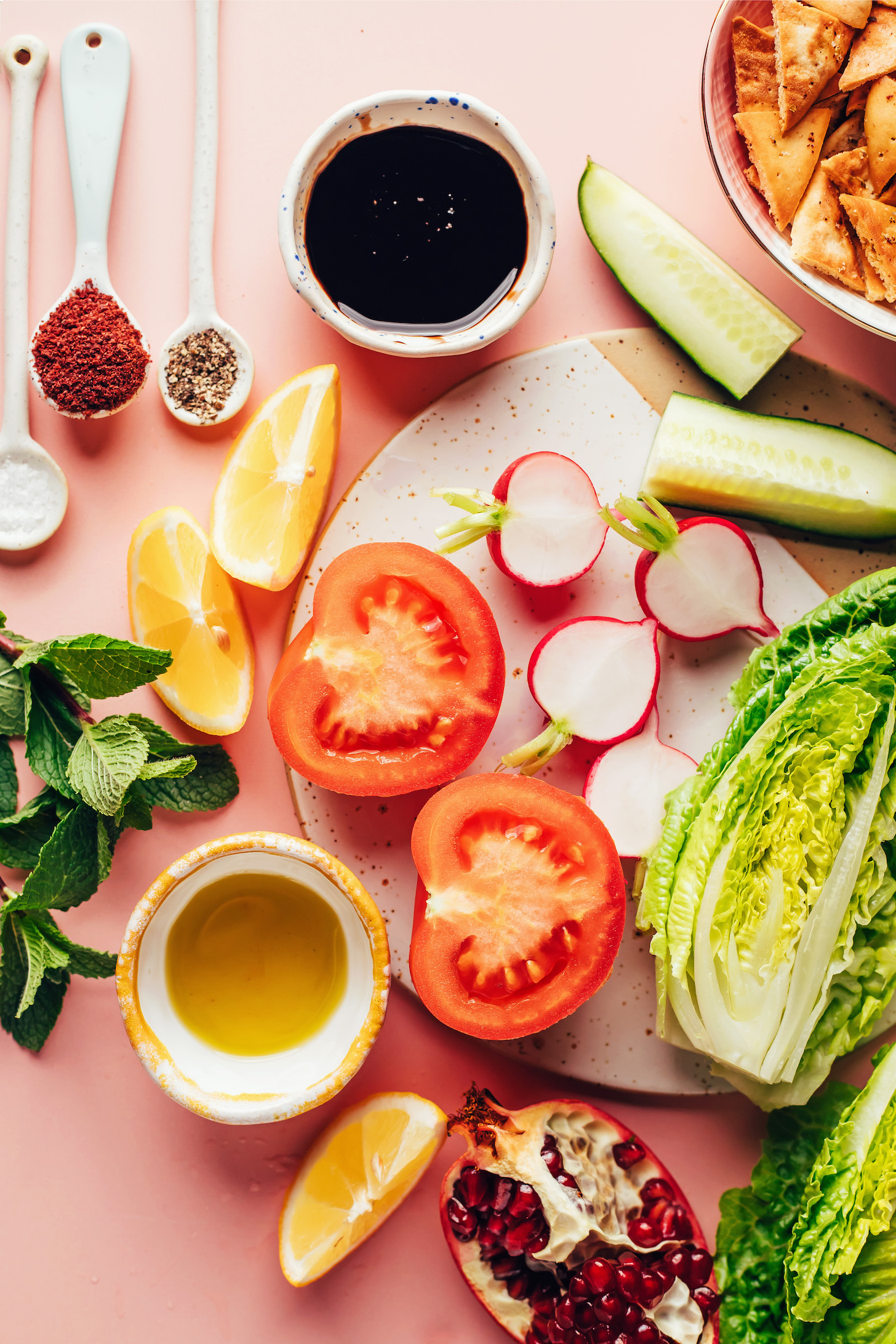
The contemporary "Easy Fattoush Salad" represents a thoughtful evolution of this classic. While honoring the foundational elements, it introduces modifications tailored for efficiency and simplicity, appealing to busy home cooks seeking healthful, flavorful meals. The "1-bowl" concept minimizes cleanup, a significant factor for individuals with limited time or kitchen space. The "20-minute" preparation time is achieved by streamlining ingredient preparation and opting for readily available components.
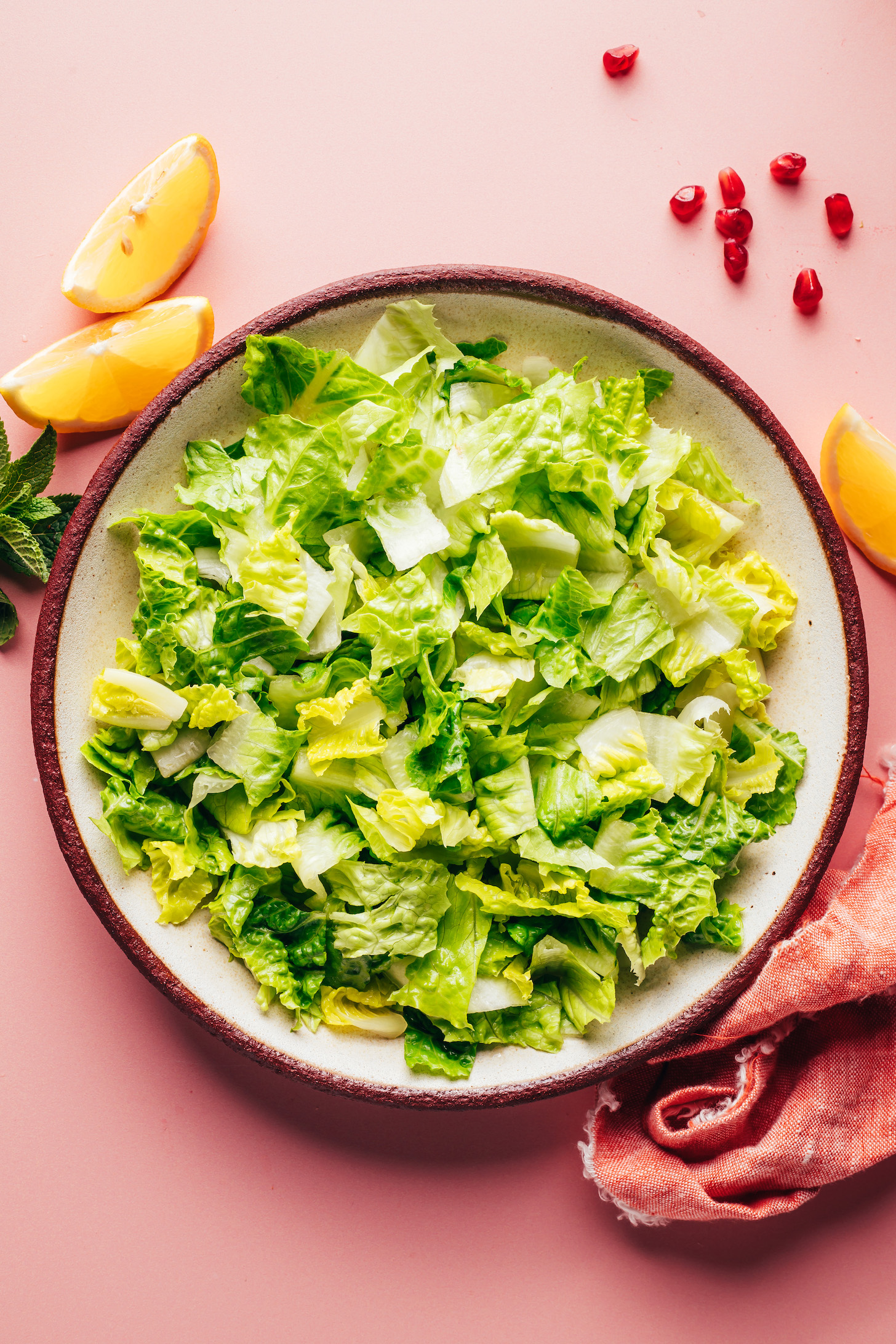
Central to this adaptation is the focus on fresh, crisp ingredients. Romaine lettuce forms the crunchy base, chosen for its neutral flavor profile and robust texture that stands up well to the dressing. It is complemented by an assortment of chopped vegetables such as cucumbers, tomatoes, and radishes. While the traditional recipe often emphasizes specific regional varieties of vegetables, this adapted version encourages the use of seasonal produce, ensuring maximum flavor and freshness, even suggesting homegrown options for an elevated experience.
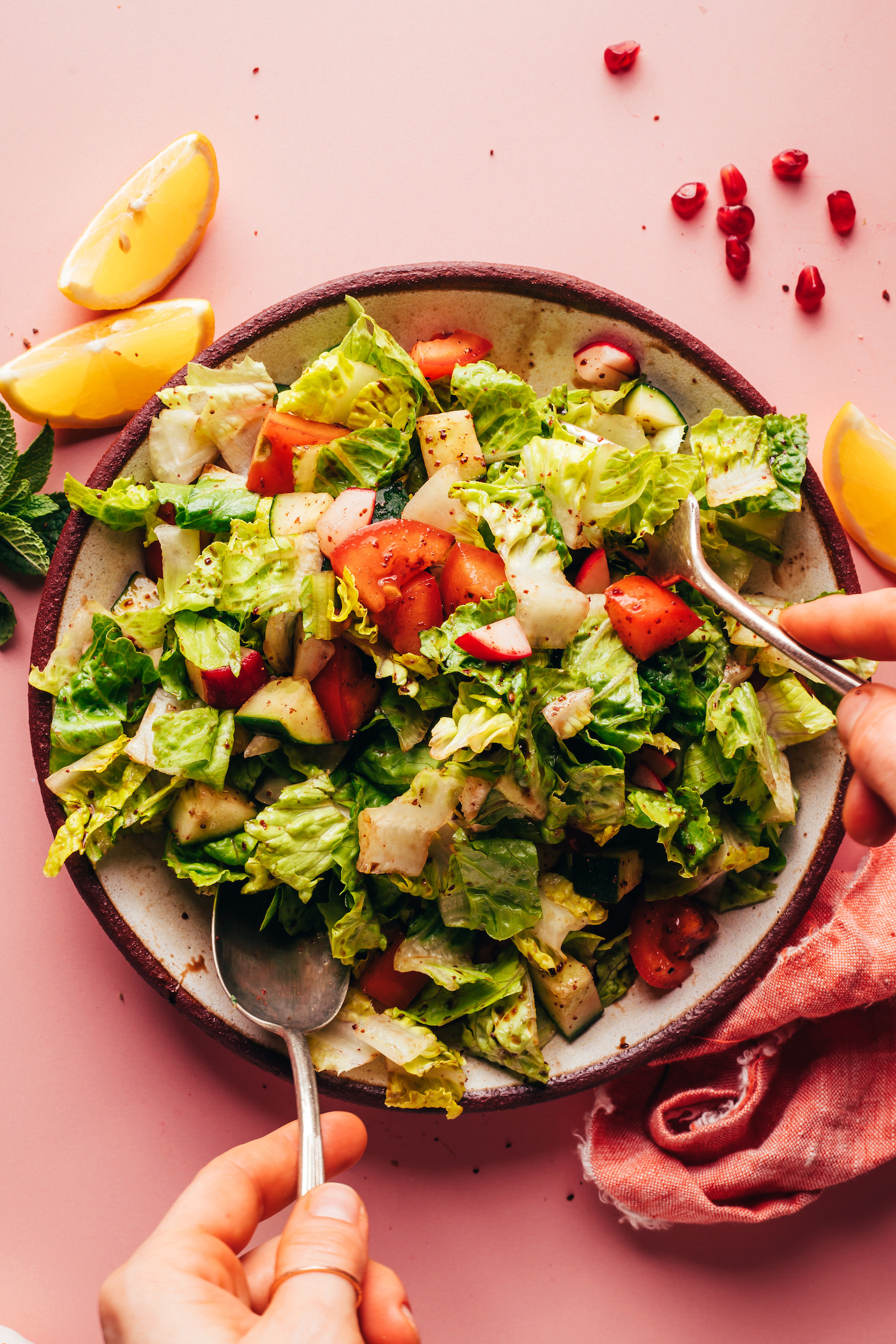
The dressing, a critical component of any Fattoush, is simplified in this iteration. It eschews a separate mixing process, instead combining lemon juice, pomegranate molasses, sumac, salt, and pepper directly with the vegetables. This "no-mix" approach is a clever time-saver, allowing the flavors to meld as the ingredients are tossed. Optional additions like maple syrup and olive oil are suggested to fine-tune the balance of sweetness and richness, acknowledging variations in pomegranate molasses and personal preference.
Key Ingredients: A Deeper Dive into Flavor and Nutrition
The success of Fattoush, whether traditional or adapted, relies heavily on its distinctive ingredients.
- Sumac: This deep red spice, derived from the berries of the sumac shrub (Rhus coriaria), is a hallmark of Middle Eastern cuisine. Its tart, slightly fruity flavor is irreplaceable in Fattoush, providing a bright, tangy note that distinguishes the dressing. Beyond its culinary appeal, sumac is also recognized for its antioxidant properties, contributing to the salad’s health benefits.
- Pomegranate Molasses: A thick, dark syrup made by reducing pomegranate juice, this ingredient offers a complex sweet-sour tang. It imparts a unique depth and glossy sheen to the dressing. Pomegranates themselves are rich in vitamins (especially Vitamin C and K) and powerful antioxidants, further enhancing the nutritional value.
- Fresh Mint: The inclusion of fresh mint leaves is non-negotiable in Fattoush. Its cooling, aromatic, and slightly peppery notes cut through the richness of other ingredients, providing a refreshing burst of flavor. In this easy adaptation, whole mint leaves are favored for their visual appeal and concentrated bursts of herbal freshness.
- Crispy Pita: Traditionally, stale pita bread is fried or toasted. This adapted recipe offers the convenience of store-bought pita chips, acknowledging the modern demand for speed. For those preferring a homemade touch or wishing to utilize day-old flatbread, instructions for baking pita triangles with olive oil, oregano, sumac, and sea salt are provided, ensuring the signature crunch is maintained. This element not only adds texture but also provides a satisfying carbohydrate component.
- Pomegranate Arils: These jewel-like seeds provide bursts of sweet-tart flavor and a delightful textural contrast. Their vibrant color also enhances the salad’s visual appeal, making it an attractive dish.
Nutritional Profile and Health Implications
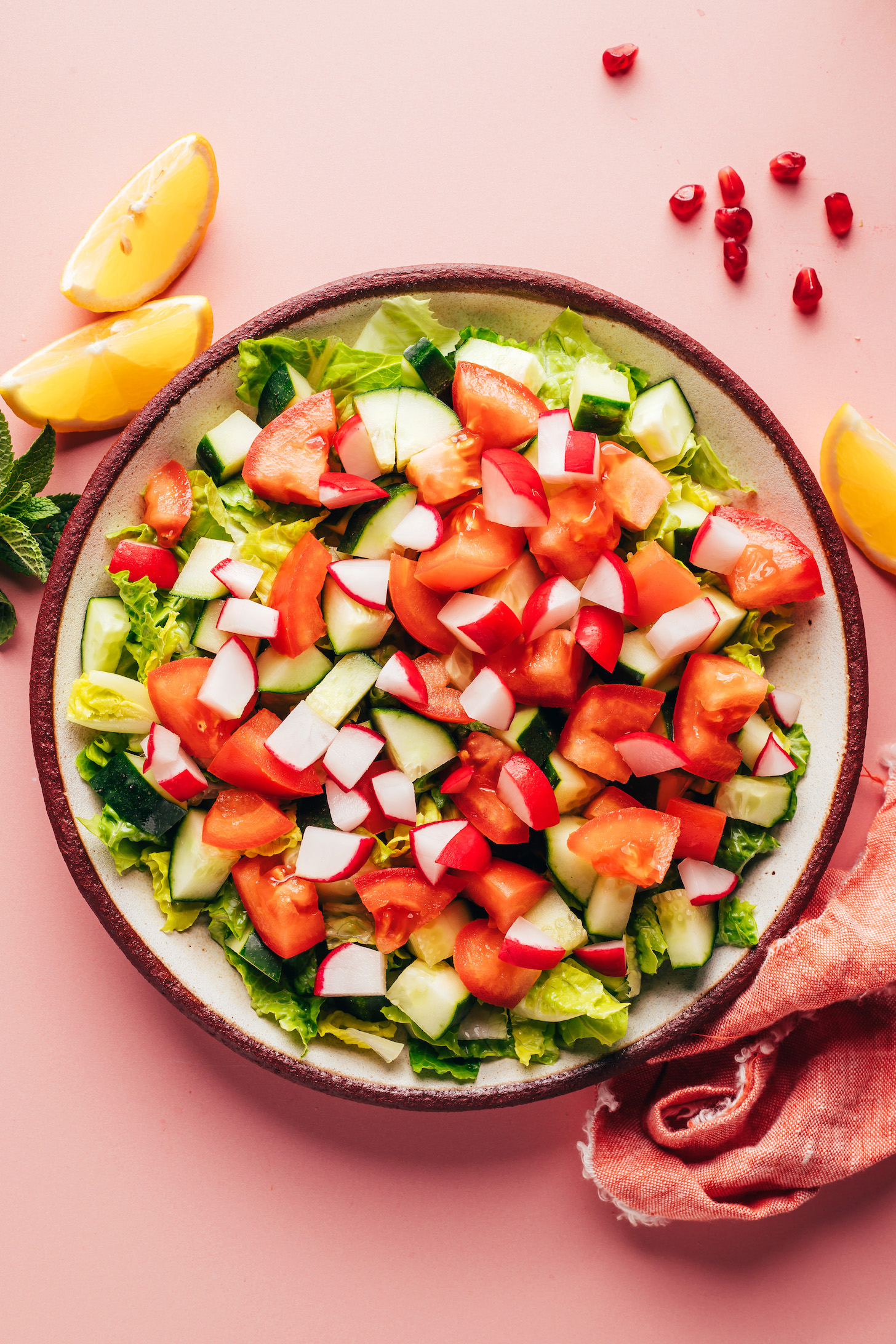
From a nutritional standpoint, the "Easy Fattoush Salad" aligns well with contemporary dietary recommendations focusing on whole foods, fresh produce, and plant-based ingredients. A single side serving, estimated at approximately 127 calories, offers a balanced profile of 21.6g carbohydrates, 2.8g protein, and 4.1g fat. It is notably rich in dietary fiber (4g), contributing to digestive health and satiety. Furthermore, the salad provides significant amounts of Vitamin A (562 IU) and Vitamin C (14mg), along with potassium (446mg), calcium (63mg), and iron (1.8mg).
The emphasis on fresh vegetables, such as romaine, cucumber, tomato, and radish, ensures a high intake of vitamins, minerals, and antioxidants. Romaine lettuce, for instance, is a good source of Vitamin K and folate, while tomatoes contribute lycopene, a powerful antioxidant. Pomegranate arils and molasses further boost the antioxidant content, which is crucial for combating oxidative stress in the body. The inclusion of olive oil, even in small amounts, provides healthy monounsaturated fats, beneficial for cardiovascular health.
Moreover, the versatility of this salad allows for further nutritional enhancement. The suggestion to "toss in some chickpeas to make it a light meal on its own" directly addresses the growing interest in plant-based protein sources. Chickpeas are an excellent source of protein, fiber, and various micronutrients, transforming the salad into a more substantial and nutritionally complete entrée. This adaptability makes Fattoush an ideal choice for various dietary preferences, including vegan and optionally gluten-free diets (by using gluten-free pita).
Market Trends and the Broader Impact of Accessible International Cuisine
The emergence and popularization of recipes like the "Easy Fattoush Salad" are indicative of several overarching culinary and lifestyle trends.
- Rise of Mediterranean and Middle Eastern Diets: These diets are consistently ranked among the healthiest globally, celebrated for their emphasis on fresh produce, whole grains, healthy fats, and lean proteins. As consumers become more health-conscious, there’s a natural gravitation towards cuisines that inherently promote well-being.
- Demand for Convenience: Modern lifestyles often leave little time for elaborate meal preparation. Recipes that promise quick turnaround times (like 20 minutes) and minimal cleanup (1 bowl) directly address this critical consumer need.
- Globalization of Flavors: Digital platforms and increased travel have exposed a wider audience to diverse culinary traditions. There’s a growing adventurousness in home cooking, with individuals eager to experiment with international flavors. Simplified recipes act as a gateway, making these global tastes less intimidating to prepare.
- Plant-Based Eating: With an increasing number of individuals adopting vegetarian, vegan, or flexitarian diets, recipes that are naturally plant-forward or easily adaptable to be so (like Fattoush) gain significant traction.
Culinary platforms, such as the "Minimalist Baker" referenced, play a pivotal role in this landscape. They act as bridges between traditional recipes and modern kitchens, taking classic dishes and re-engineering them for accessibility, often focusing on dietary requirements like vegan or gluten-free options. Their influence helps to democratize international cooking, fostering cultural exchange through food.
Conclusion: A Testament to Culinary Adaptability
The "Easy Fattoush Salad" serves as a compelling testament to the adaptability and enduring appeal of traditional Levantine cuisine in a rapidly evolving global food scene. By distilling the essence of a classic into a format that is quick, simple, and versatile, it caters to the demands of contemporary living while introducing rich cultural flavors to new audiences. This particular rendition, with its crisp textures, bright pomegranate dressing, herby mint, and satisfying crunch of pita, not only offers a delicious and healthy meal option but also symbolizes a broader culinary movement towards making international gastronomic heritage more approachable and integrated into everyday life. Whether enjoyed as a light meal, a refreshing side, or a vibrant contribution to a larger spread, this simplified Fattoush underscores the power of food to connect cultures and satisfy both the palate and modern lifestyle requirements.
