
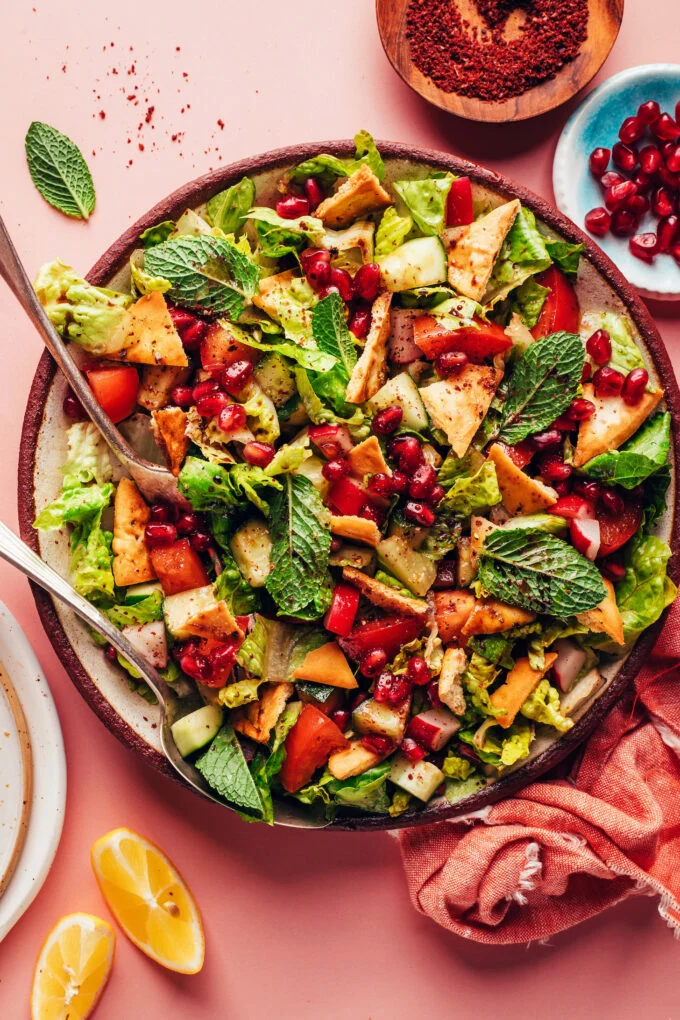
The Evolution of Fattoush: A Culinary Journey from the Levant
Fattoush is a traditional salad deeply rooted in the culinary heritage of the Levant, a historical and geographical region encompassing countries like Lebanon, Syria, Jordan, Palestine, and parts of Turkey. Its origins are often traced back to peasant cooking, where stale or day-old pita bread was repurposed and incorporated into fresh vegetable salads, a testament to the region’s resourceful culinary practices. This tradition of minimizing food waste while maximizing flavor has sustained Fattoush’s popularity for centuries.
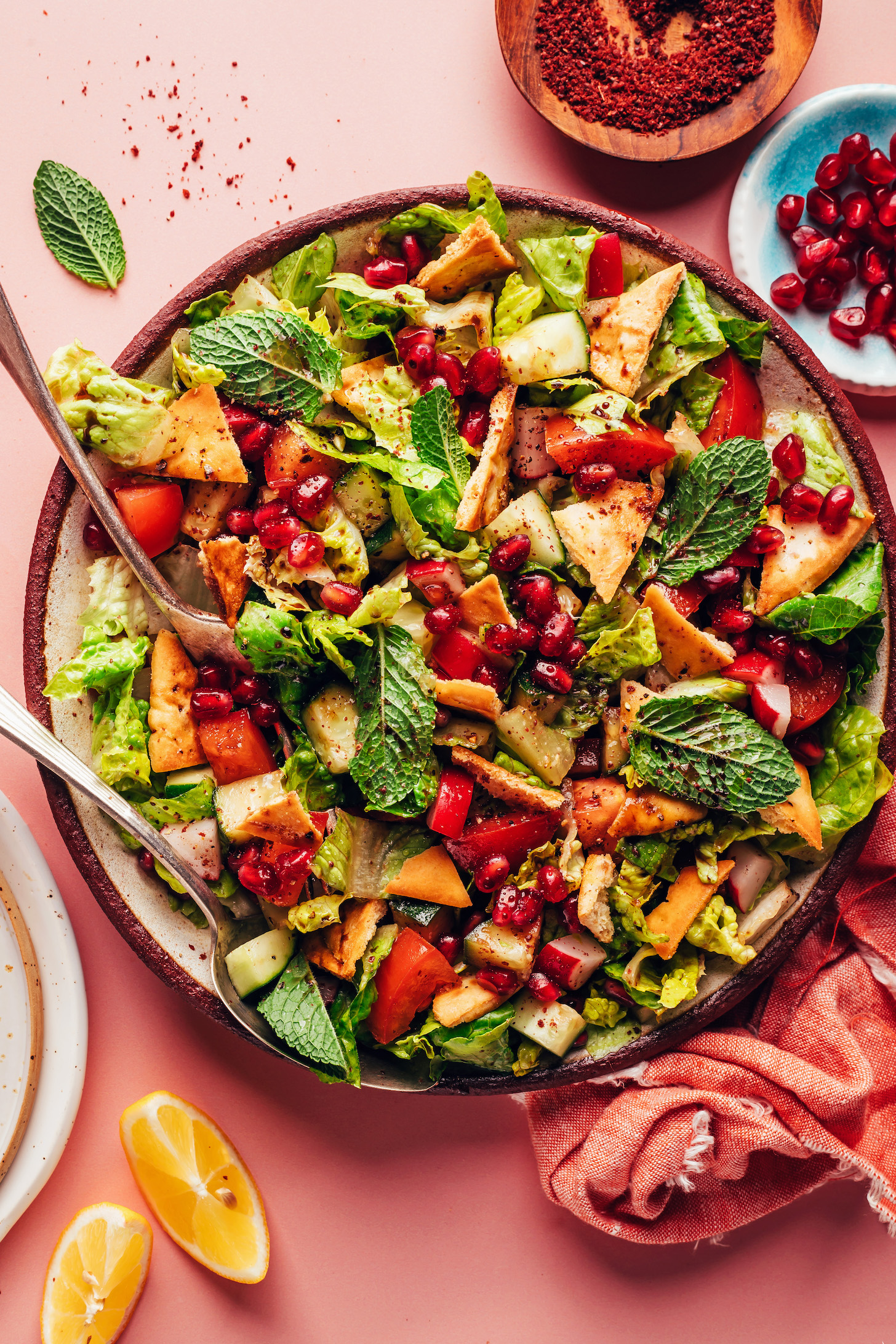
Historically, Fattoush served as a vibrant component of the mezze spread, a collection of small dishes served as appetizers in Middle Eastern cuisine. It is characterized by its refreshing balance of crisp textures and bright, tangy flavors. Traditional preparations typically feature a medley of chopped vegetables such such as lettuce, tomatoes, cucumbers, radishes, and bell peppers, often augmented with fresh herbs like parsley and mint. The distinguishing feature, however, remains the inclusion of toasted or fried pieces of khubz (Arabic flatbread), which provides a unique textural contrast. The dressing, a crucial element, traditionally combines olive oil, lemon juice, and sumac, often enhanced by the deep, tart notes of pomegranate molasses.
Over time, Fattoush has transcended its regional boundaries, gaining international recognition as a healthy and flavorful salad. Its appeal lies in its fresh ingredients, vibrant presentation, and the harmonious blend of savory, sour, and slightly sweet elements. Modern adaptations, such as the one presented, aim to retain these core characteristics while simplifying the preparation process to suit contemporary lifestyles.
Adapting a Classic for Modern Lifestyles
The "weeknight-friendly" Fattoush recipe exemplifies the ongoing trend of adapting traditional dishes to meet the demands of busy consumers. The emphasis on a "1-bowl" preparation underscores the desire for minimal cleanup, a significant factor for individuals seeking efficient meal solutions. The 20-minute total preparation time positions it as an ideal candidate for quick dinners or last-minute additions to a meal spread.
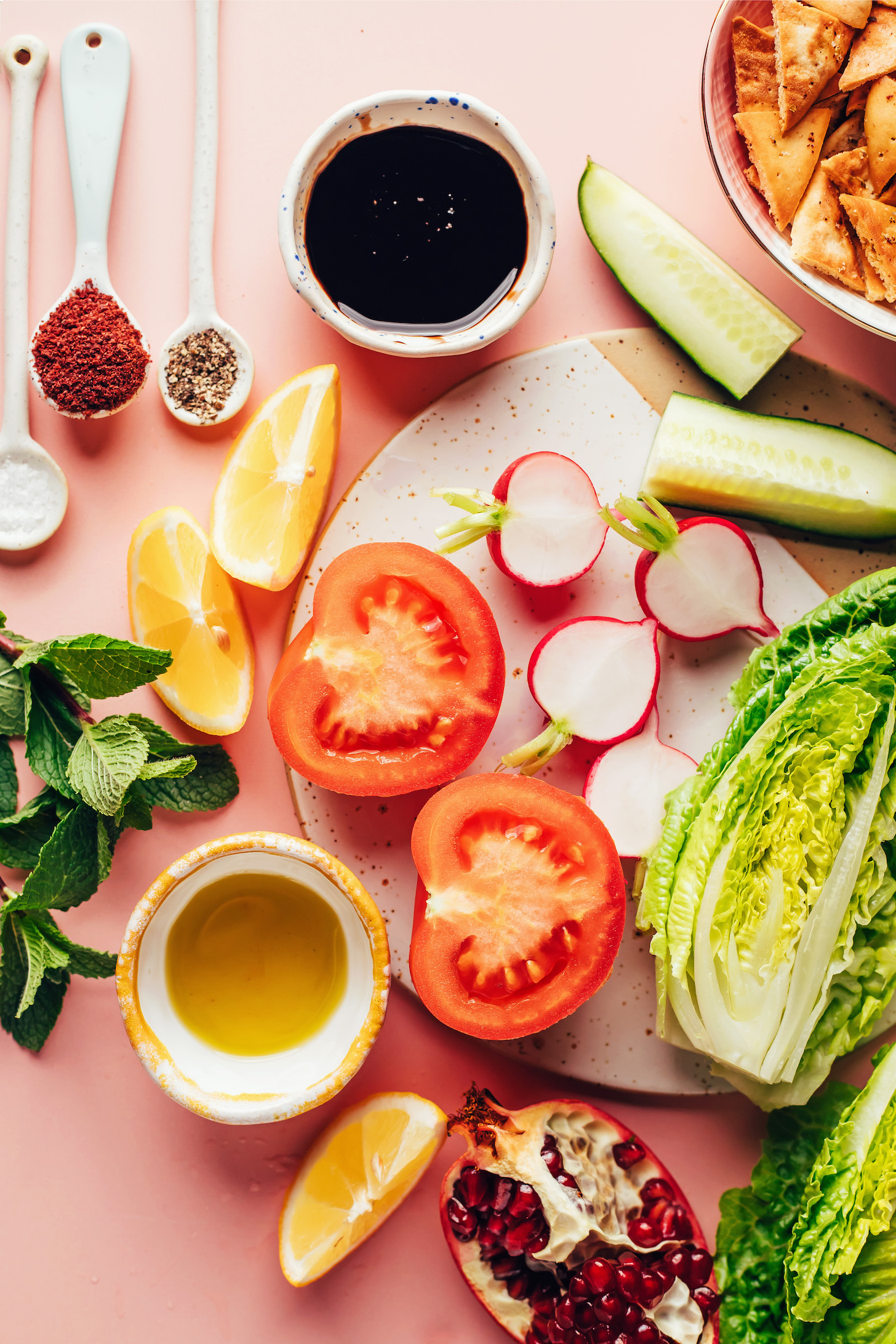
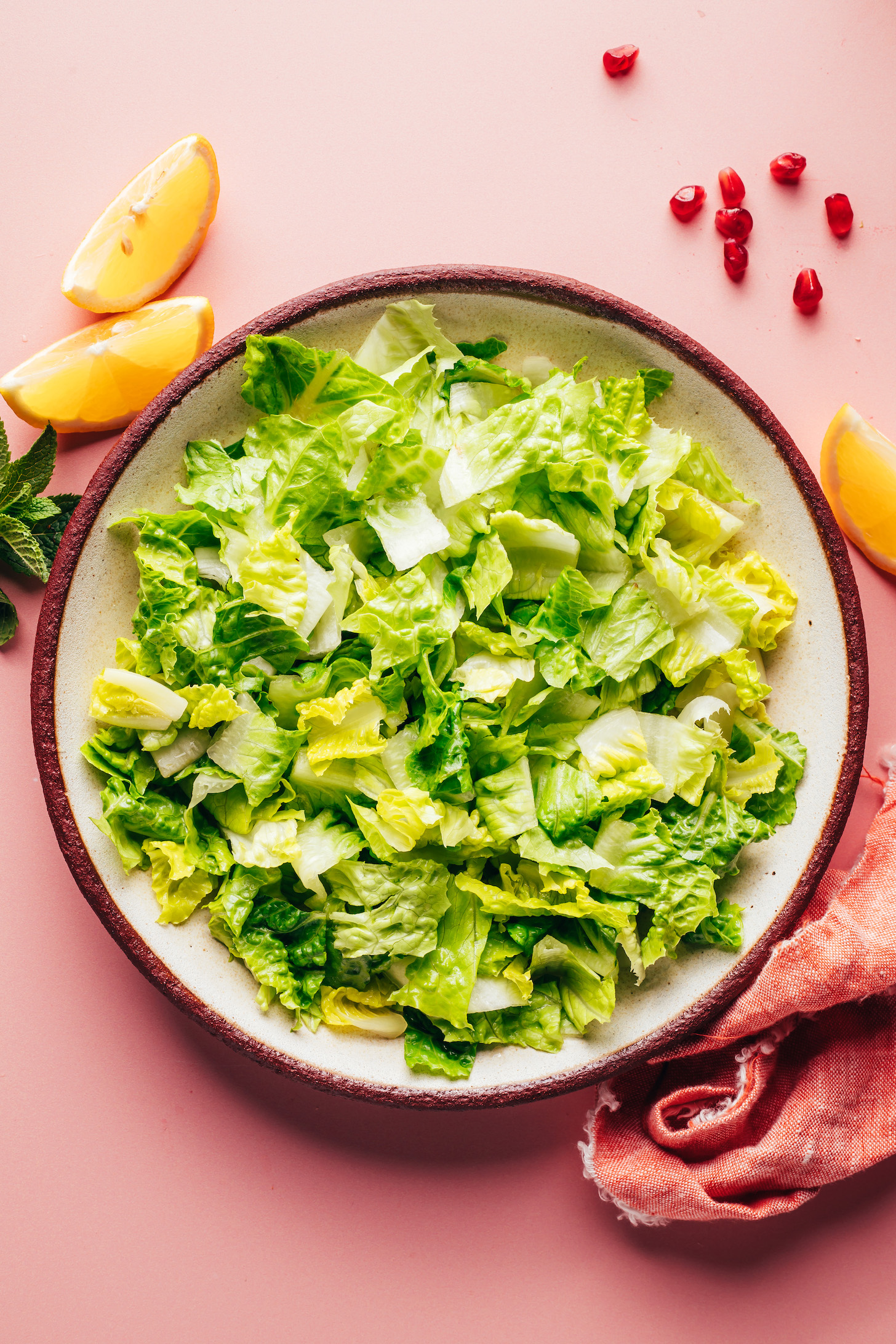
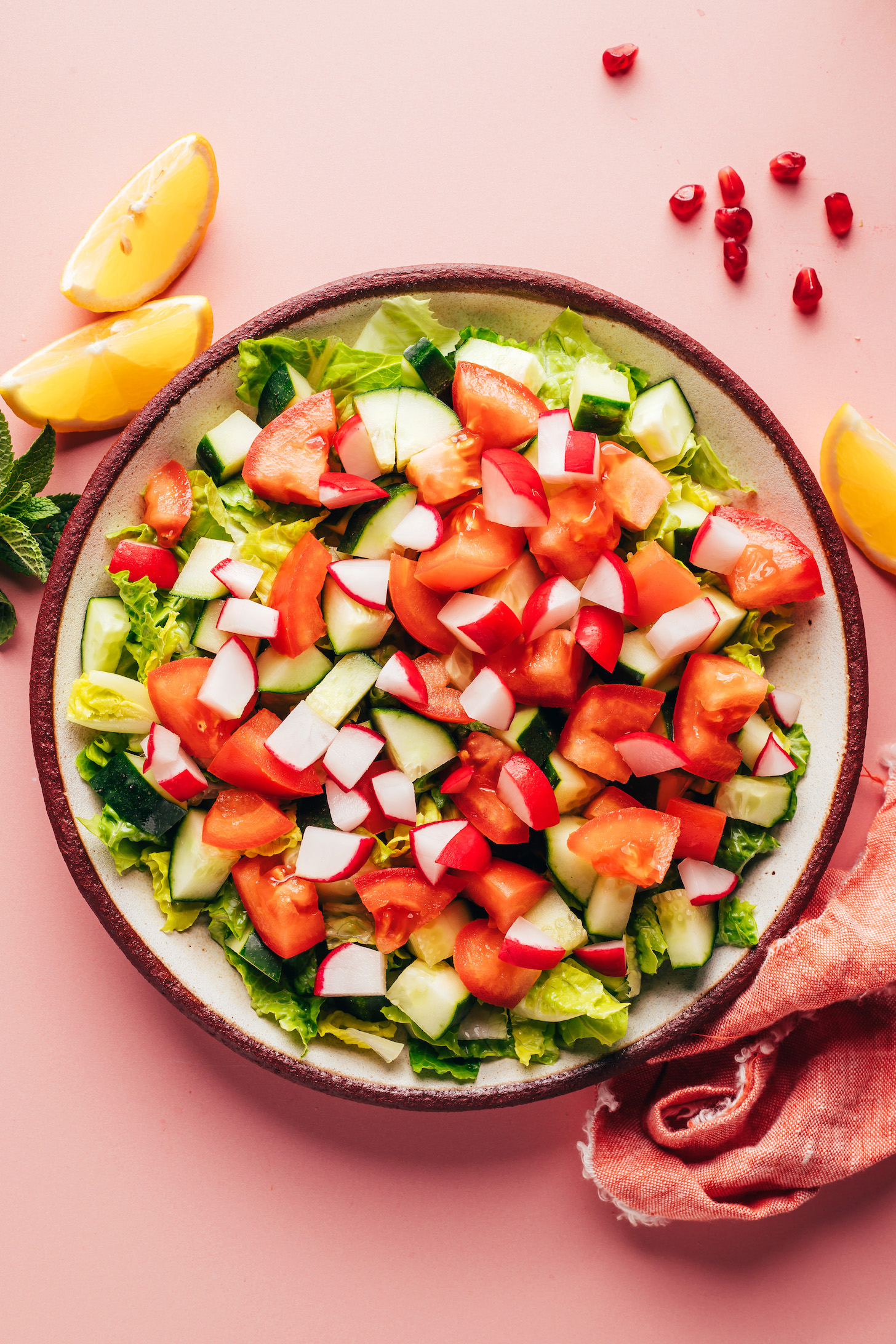
This particular rendition draws inspiration from the classic Levantine dish while incorporating elements that enhance convenience and flavor. The base typically consists of fresh chopped romaine lettuce, chosen for its crunchy texture and neutral flavor profile, which allows the other ingredients to shine. Complementing the romaine are an assortment of fresh, crisp vegetables, commonly including cucumbers, tomatoes, and radishes. The quality of these vegetables is paramount, with seasonal and locally sourced produce often yielding the most flavorful results. The recipe notes suggest that while fresh, flavorful vegetables are ideal, the robust dressing can elevate even less-than-perfect produce.
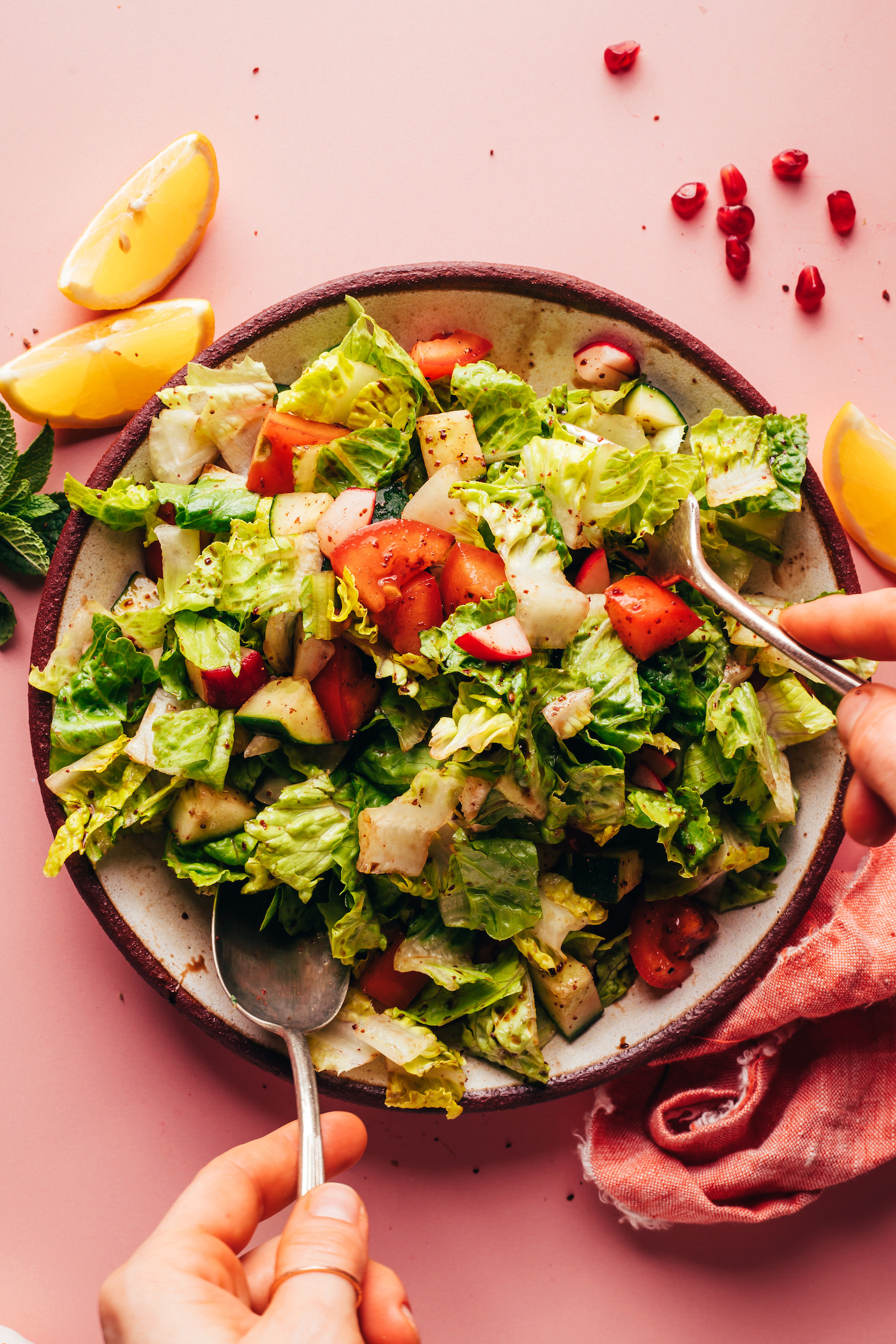
The dressing is a cornerstone of this Fattoush adaptation, designed for simplicity and maximum flavor impact. It is a "no-mix" dressing, meaning the ingredients are tossed directly with the salad components rather than prepared separately. Key ingredients include fresh lemon juice, pomegranate molasses, sumac, salt, and pepper. Pomegranate molasses, a thick, dark syrup made from reduced pomegranate juice, imparts a distinctive tart-sweetness and a deep, fruity complexity that is characteristic of authentic Levantine cuisine. Sumac, a vibrant red spice derived from the dried berries of the sumac plant, contributes a lemony, astringent flavor that brightens the entire dish. Optional additions of maple syrup can adjust the sweetness balance, particularly if the pomegranate molasses is exceptionally tart, while a drizzle of olive oil can add richness and mouthfeel.
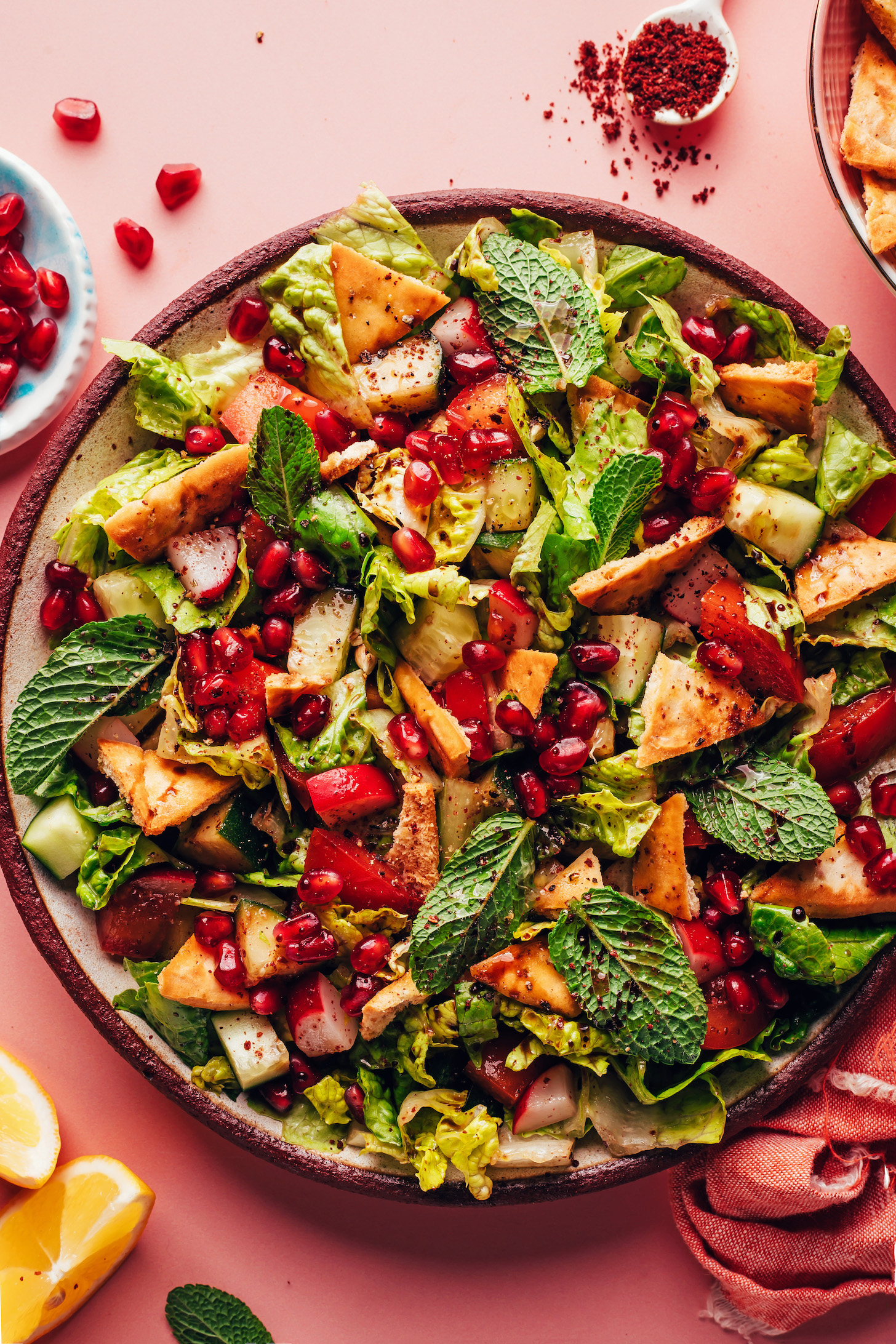
The final touches are crucial for both flavor and visual appeal. Fresh mint leaves are often incorporated whole, providing bursts of herbaceous freshness and a beautiful green contrast. The quintessential element of Fattoush, crispy pita chips, adds a satisfying crunch. While store-bought pita chips offer convenience, the recipe provides instructions for homemade versions, encouraging the use of day-old flatbread or pita to further reduce food waste, aligning with the dish’s historical roots. Pomegranate arils, the juicy seeds of the pomegranate, contribute a final layer of tart-sweetness and a vibrant ruby hue, elevating the salad’s aesthetic and flavor profile.
Nutritional Profile and Health Benefits
Fattoush, particularly in its fresh, vegetable-rich form, aligns well with healthy eating principles, including those of the Mediterranean and Middle Eastern diets, which are widely recognized for their health benefits. A typical side serving of this adapted Fattoush, estimated at 127 calories, offers a balanced macronutrient profile. It provides approximately 21.6 grams of carbohydrates, 2.8 grams of protein, and 4.1 grams of fat, with minimal saturated fat (0.4 g).
The salad is notably rich in dietary fiber, providing about 4 grams per serving, which is crucial for digestive health, satiety, and blood sugar regulation. It also contributes significantly to daily vitamin and mineral intake. For instance, it contains approximately 562 IU of Vitamin A and 14 mg of Vitamin C, both powerful antioxidants essential for immune function, skin health, and vision. Essential minerals such as potassium (446 mg), calcium (63 mg), and iron (1.8 mg) are also present, supporting various bodily functions including muscle contraction, bone health, and oxygen transport.
The ingredients themselves are packed with beneficial compounds:
- Romaine Lettuce: A good source of vitamins A and K, and folate.
- Cucumbers: High in water content, aiding hydration, and providing vitamins K and C.
- Tomatoes: Rich in lycopene, an antioxidant linked to heart health and cancer prevention, as well as vitamin C and potassium.
- Radishes: Known for their detoxifying properties and rich in vitamin C.
- Mint: Contains antioxidants and has potential digestive benefits.
- Pomegranate Arils: Abundant in antioxidants, particularly punicalagins, which have anti-inflammatory properties.
- Olive Oil: A cornerstone of the Mediterranean diet, providing monounsaturated fatty acids beneficial for heart health.
- Sumac: Contains antioxidants and has been studied for its potential anti-inflammatory effects.
- Pomegranate Molasses: While concentrated in sugars, it retains some of the antioxidant properties of pomegranates.
For those seeking a more substantial meal, incorporating plant-based proteins like chickpeas can transform this side salad into a complete entrée, enhancing its satiety and protein content. This flexibility makes Fattoush an excellent choice for individuals adhering to vegan or gluten-free diets, with easy modifications such as using gluten-free pita chips.
Broader Culinary and Cultural Implications
The popularization of "easy" versions of traditional ethnic dishes carries several broader implications for the culinary landscape and cultural exchange.
- Accessibility and Cultural Exchange: Simplified recipes make global cuisines more accessible to home cooks who may be intimidated by complex traditional methods or unfamiliar ingredients. This fosters cultural exchange and appreciation, allowing more people to experience and enjoy the flavors of the Levant.
- Promotion of Healthy Eating: By making a vegetable-rich salad like Fattoush quick and easy to prepare, it encourages healthier eating habits among busy individuals who might otherwise opt for less nutritious convenience foods.
- Innovation in Food Industry: The demand for "weeknight-friendly" and "one-bowl" solutions drives innovation in the food industry, leading to the development of convenient ingredients (like pre-cut vegetables or specialized dressings) and kitchen tools that support such cooking styles.
- Sustainability and Food Waste Reduction: The historical practice of using day-old pita bread in Fattoush inherently promotes food waste reduction. Modern adaptations that encourage homemade pita chips from leftover bread continue this sustainable tradition.
- Culinary Adaptations and Authenticity: While adaptations prioritize convenience, they also raise discussions about authenticity. Culinary experts often emphasize that while simplification can introduce new audiences to a dish, it is important to acknowledge and respect the traditional methods and cultural significance from which the dish originates. The aim is often to create an "inspired take" rather than a direct replication, striking a balance between heritage and modern utility.
The development of recipes like this "Easy Fattoush Salad" reflects a dynamic interplay between culinary tradition, contemporary lifestyle demands, and a globalized appreciation for diverse flavors. It underscores a significant trend where efficiency, health, and authentic taste converge to redefine the experience of home cooking for a new generation. Such adaptations contribute not only to individual meal planning but also to the broader ongoing evolution of global cuisine.
