
The Convergence of Convenience and Quality in Modern Home Cooking
The rise of recipes such as the Easy Cheddar Bay Hamburger Casserole reflects broader trends in the American food landscape. As inflationary pressures impact the cost of dining out, many households have transitioned toward "re-creating" restaurant-style experiences at home. This specific casserole serves as a hybrid of the traditional beef pot pie and the shepherd’s pie, but it replaces the labor-intensive pastry crust or mashed potato topping with a quick-rise biscuit dough.
The inclusion of "Cheddar Bay" flavoring is a significant cultural marker. Originally popularized by the Red Lobster restaurant chain in the early 1990s, the garlic-herb and cheddar biscuit has become a staple of American comfort food. By integrating this flavor profile into a hearty hamburger-based main course, the dish moves beyond a simple side item and becomes a foundational element of a family-style dinner. Analysts in the consumer packaged goods (CPG) sector have noted a sharp increase in the sales of branded baking mixes, suggesting that consumers are increasingly looking for ways to add "signature" flavors to basic pantry staples like ground beef and frozen vegetables.
A Detailed Chronology of Preparation
The preparation of the Easy Cheddar Bay Hamburger Casserole follows a logical, multi-stage progression designed to maximize flavor extraction while minimizing cleanup.
Phase I: Protein Searing and Aromatic Development
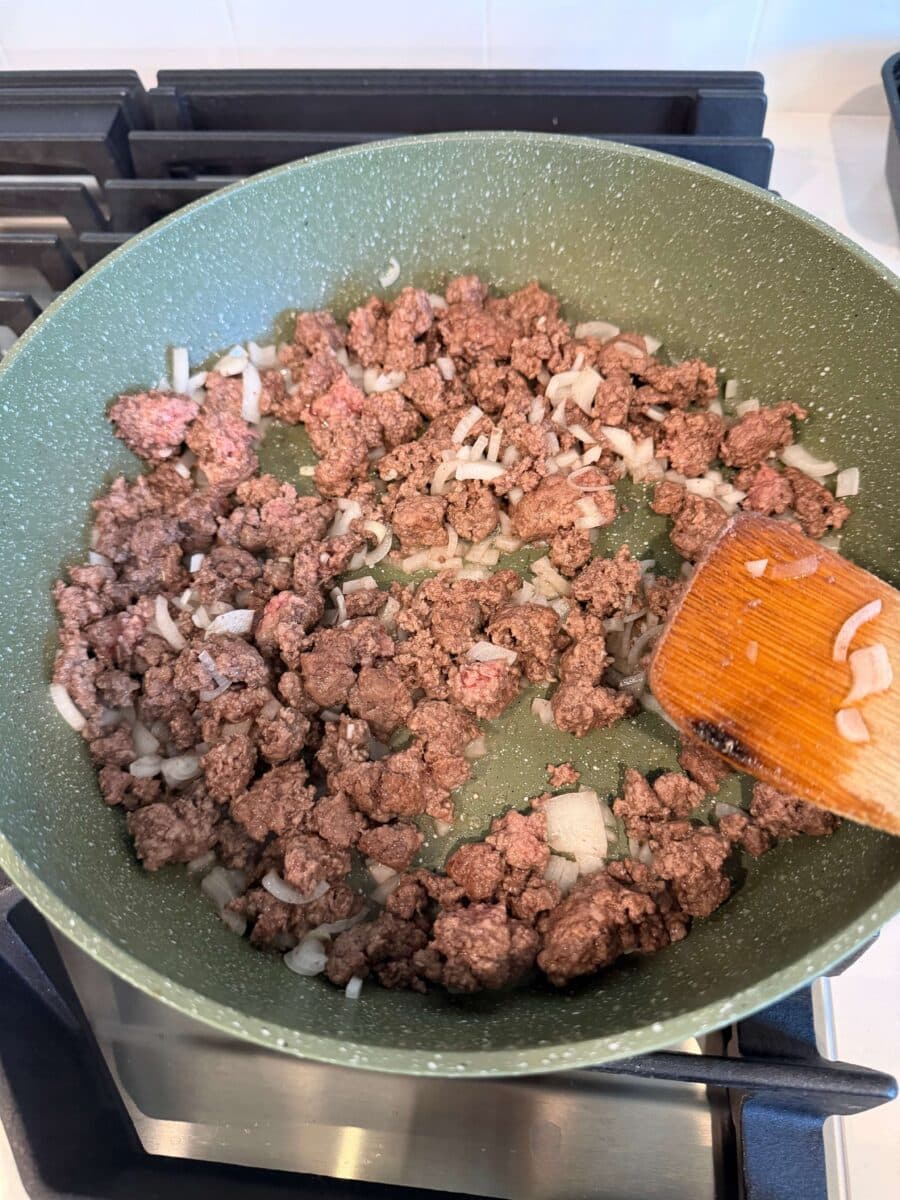
The process begins with the application of high heat to a large skillet. Ground beef is introduced and broken down into smaller fragments to increase surface area, allowing for the Maillard reaction—a chemical reaction between amino acids and reducing sugars that gives browned food its distinctive flavor. During this stage, chopped onions are added to the pan. The onions serve two purposes: they provide a foundational aromatic base and, as they release moisture, they assist in deglazing the pan, incorporating the browned beef bits back into the mixture. Once the beef is fully browned, excess grease is drained to ensure the final gravy is not overly oily.
Phase II: The Construction of the Flavor Base
Following the initial browning, the heat is adjusted to a medium setting to incorporate seasonings and aromatics. Garlic, salt, black pepper, smoked paprika, and dried thyme are introduced. The choice of smoked paprika provides a depth of flavor that mimics long-term slow cooking, while thyme adds an earthy, herbal note. At this juncture, Worcestershire sauce is added, providing acidity and umami.
The "homemade gravy" component is then built directly in the pan. A combination of beef base (such as Better Than Bouillon) and tomato paste is stirred into the meat. The tomato paste acts as both a thickener and a source of concentrated acidity, which balances the richness of the beef.
Phase III: Integration of Vegetables and Dairy
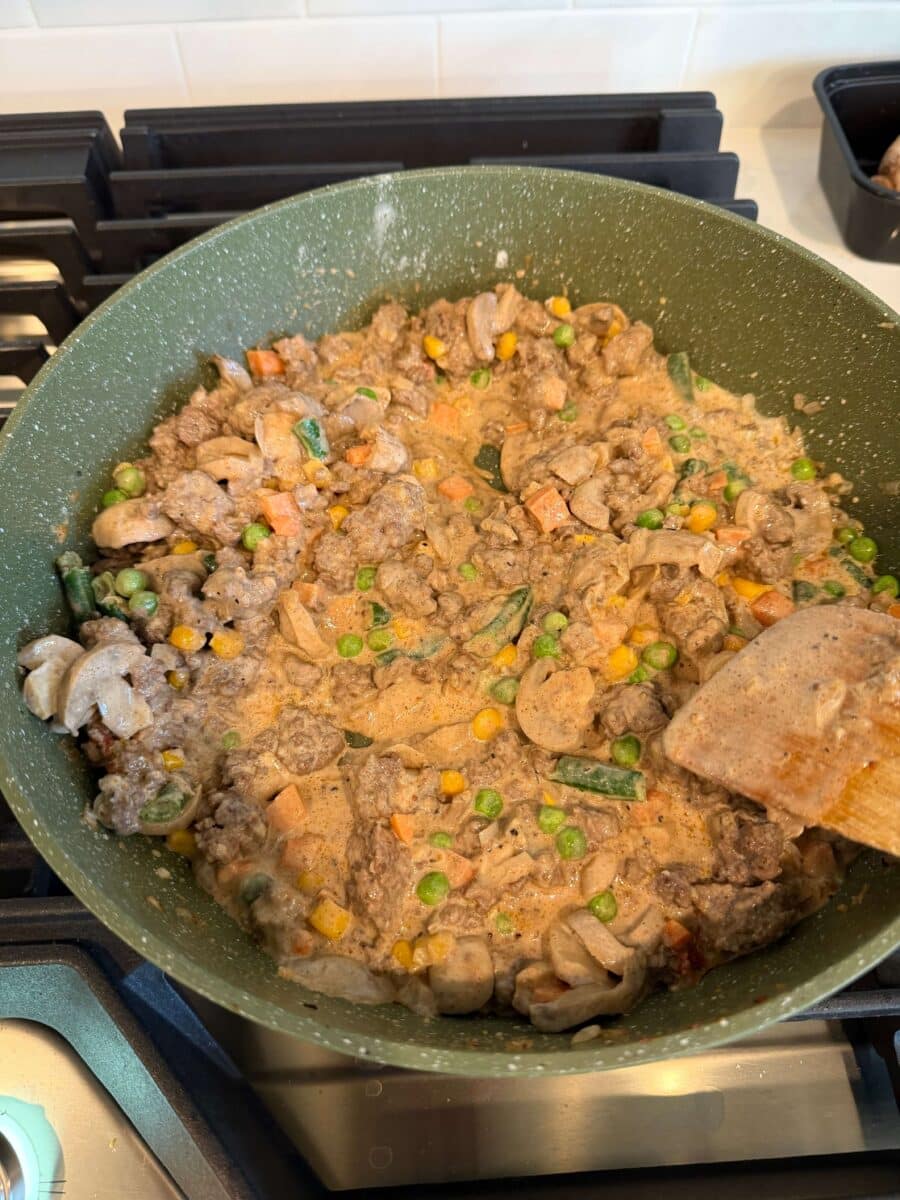
To increase the nutritional density and textural variety of the dish, a blend of vegetables and mushrooms is added to the skillet. Flour is sprinkled over the mixture, which, when combined with the existing fats and the moisture from the vegetables, creates a rudimentary roux. Half-and-half is then poured into the pan. As the mixture simmers for approximately five minutes, the flour particles swell and the liquid reduces, resulting in a thick, velvety sauce that binds the beef and vegetables together. This mixture is then transferred to a prepared 9×13-inch baking dish.
Phase IV: The Topping and Two-Stage Baking
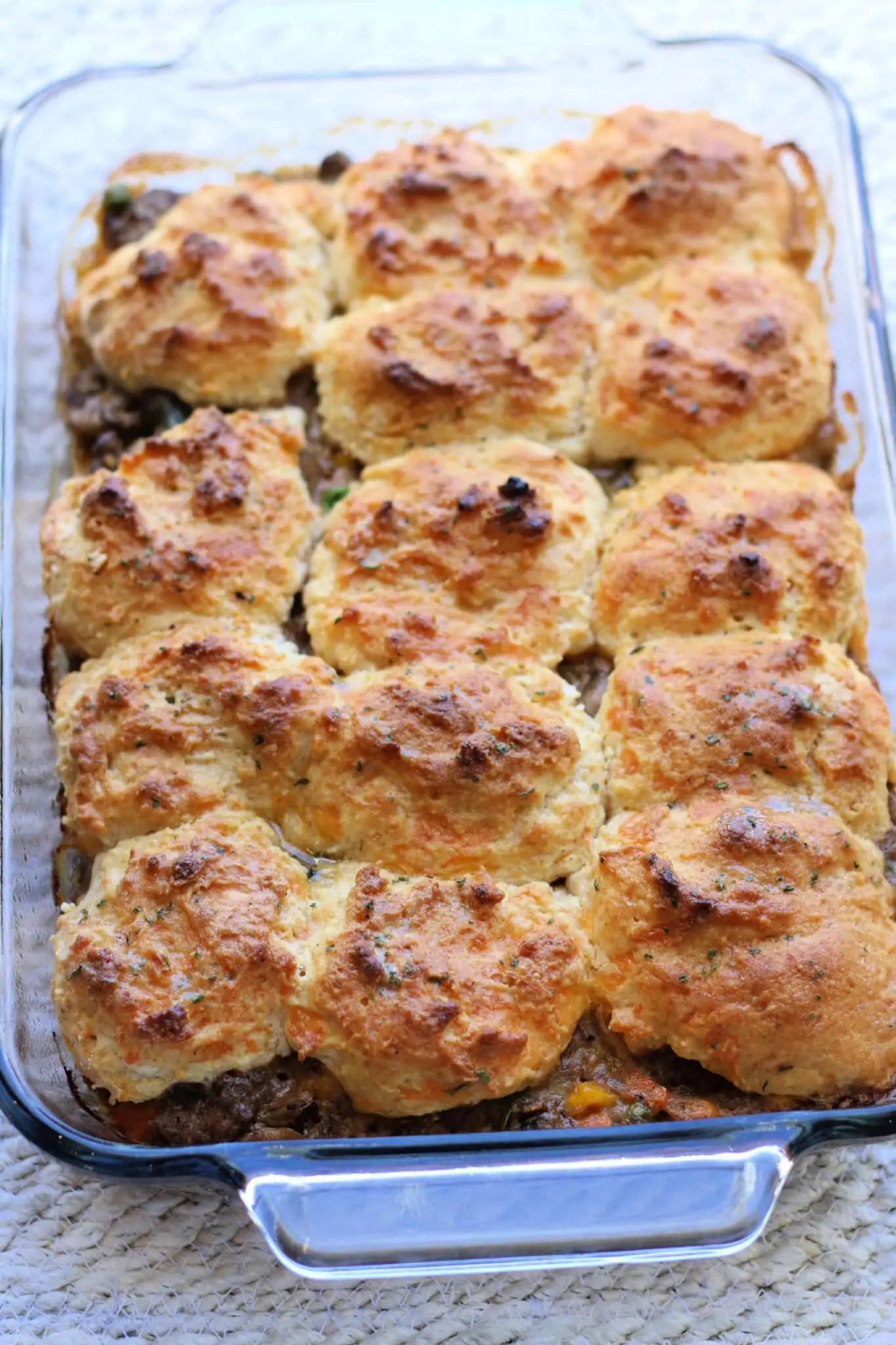
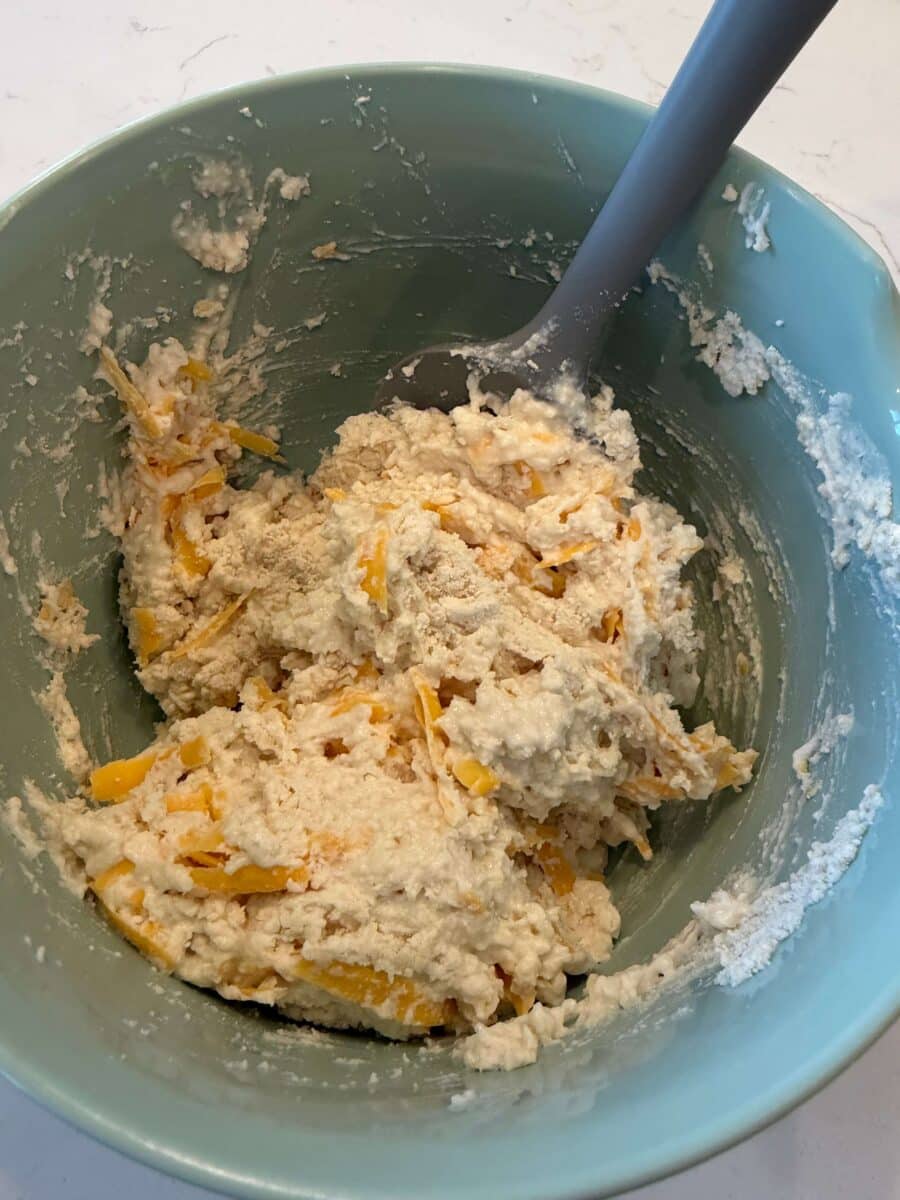
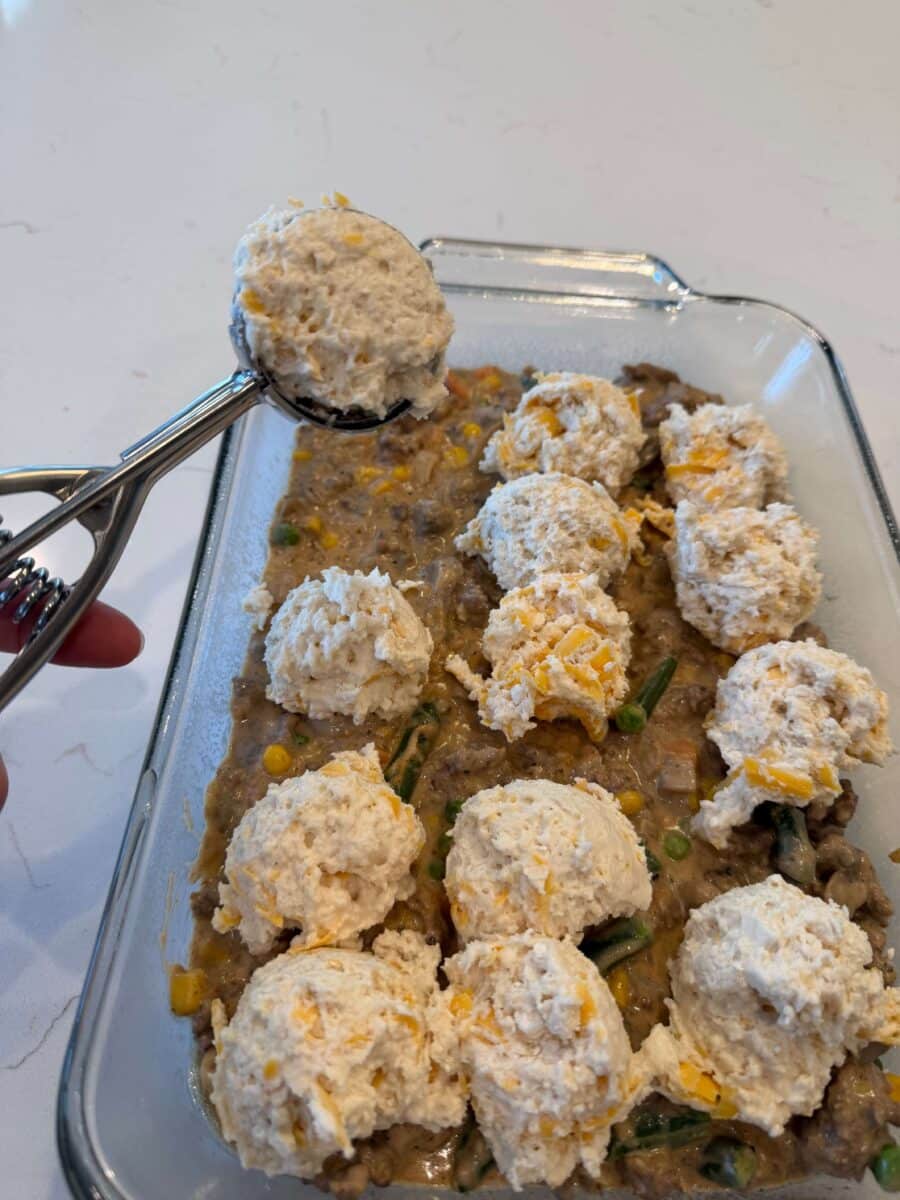
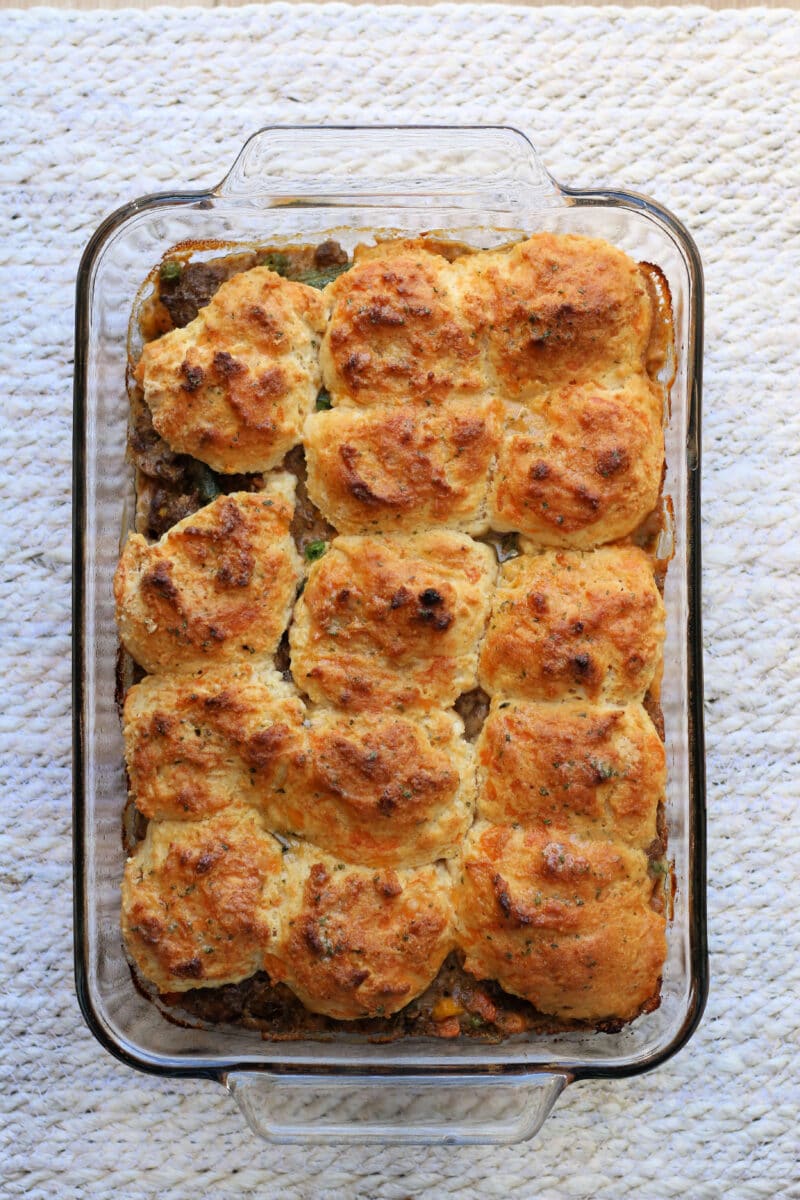
The final assembly involves the preparation of the biscuit topping. Using a standard Cheddar Bay biscuit mix, water, and shredded cheddar cheese are combined until just moistened. Overworking the dough is avoided to ensure the final topping remains fluffy rather than dense. Using an ice cream scoop or a large spoon, 1/4-cup portions of the dough are placed evenly across the surface of the beef mixture.
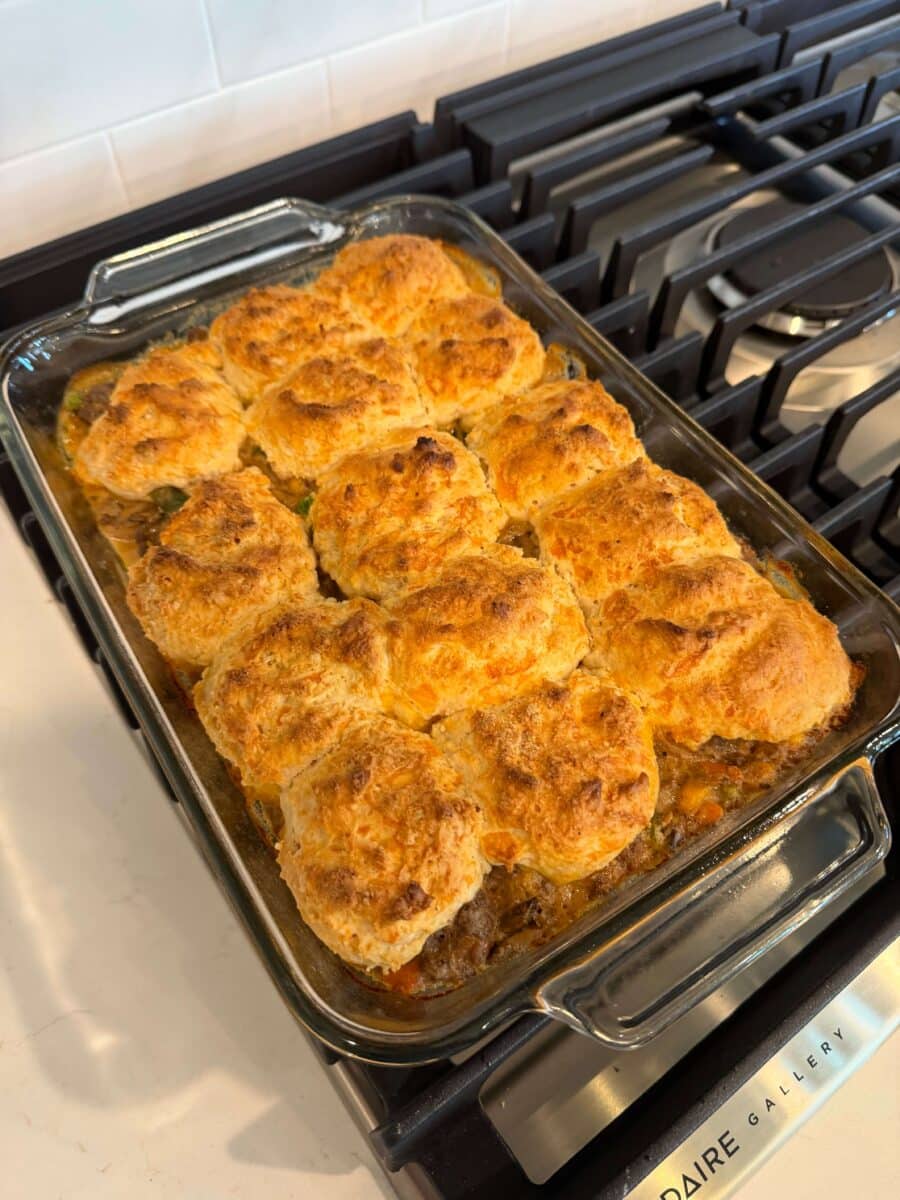
The baking process utilizes a two-stage temperature approach. The casserole is first baked at 375°F for 20 minutes to ensure the beef filling is bubbling and the biscuits are cooked through. The temperature is then increased to 425°F for an additional five minutes to achieve a deep golden-brown finish on the biscuit peaks.
Phase V: The Finishing Touch
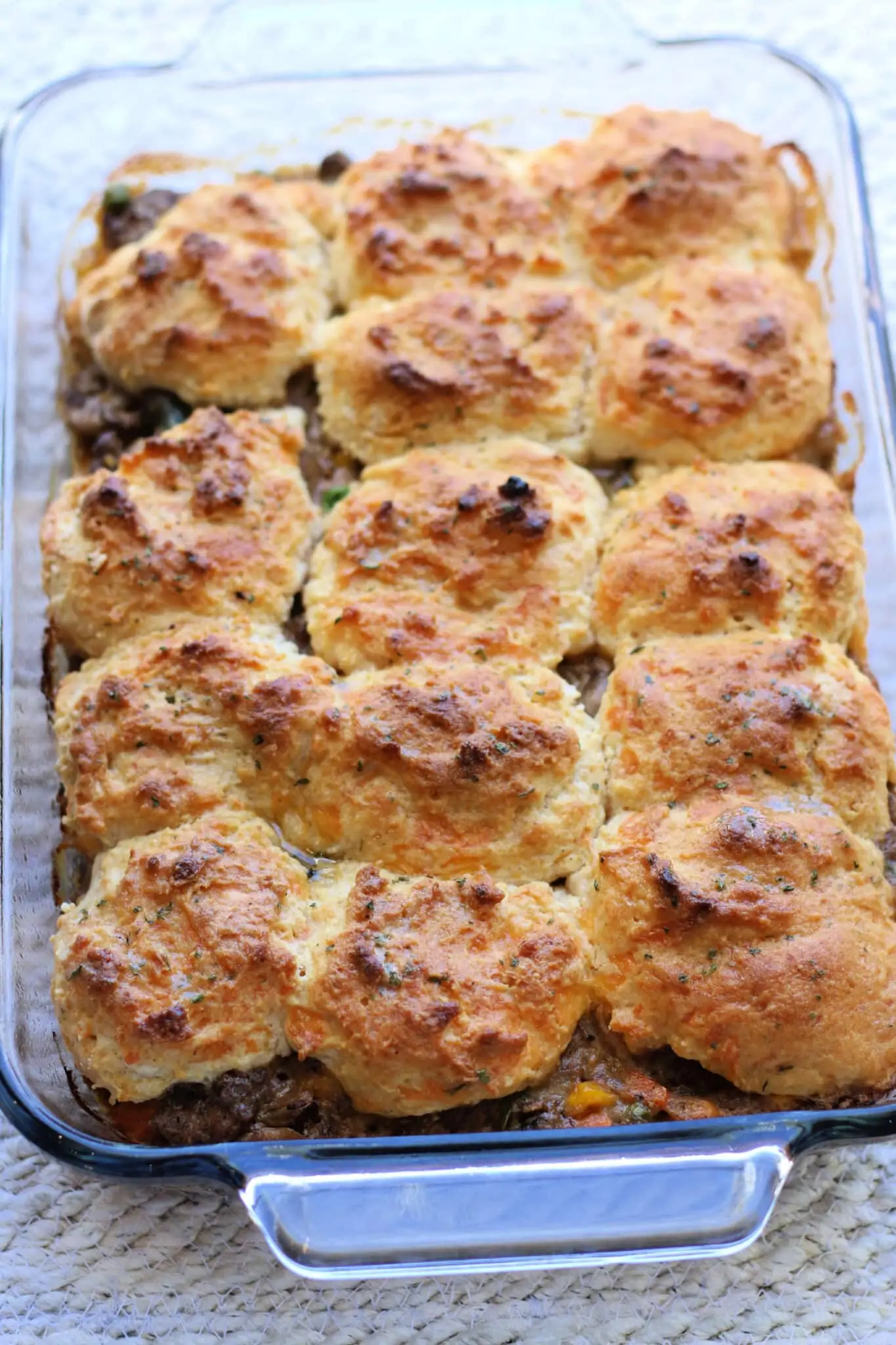
Upon removal from the oven, a mixture of melted butter and the seasoning packet included with the biscuit mix is brushed over the hot topping. This final step ensures that the signature garlic-herb aroma is prominent and provides a glossy, appetizing sheen to the dish.
The Architectural Components of Flavor
The success of the Easy Cheddar Bay Hamburger Casserole lies in its balanced flavor architecture. The "creamy beef filling" functions similarly to a traditional pot pie, but the use of beef base and Worcestershire sauce provides a more robust profile than standard cream-of-mushroom-based casseroles.
Data from culinary research indicates that the "all-in-one" nature of this meal is a primary driver for its popularity. By including mushrooms, carrots, peas, or corn directly in the gravy, the cook eliminates the need for separate side dishes, making it an efficient choice for "Sunday dinners"—a tradition that historically required several hours of labor but is now being compressed into manageable timeframes.
Economic Considerations in the Modern Kitchen
From a financial perspective, the Easy Cheddar Bay Hamburger Casserole is a strategic meal choice for middle-income households. Ground beef remains one of the more accessible proteins, and the use of frozen or canned vegetables allows for year-round preparation without the price volatility of fresh produce. Furthermore, the recipe is highly adaptable, allowing for the use of "fridge-clearing" ingredients.
Substitution and Customization Options:
- Protein Alternatives: While ground beef is standard, the recipe can be adapted for ground turkey or chicken for a lower-fat profile.
- Vegetable Variations: The "veggies" component is flexible. Home cooks often utilize frozen mixed vegetables (peas, carrots, corn) for ease, though fresh bell peppers or zucchini can be integrated during the sautéing phase.
- Dairy Adjustments: For those seeking a richer sauce, heavy cream can replace half-and-half, while whole milk can be used for a lighter version, provided the flour quantity is slightly increased to maintain the desired viscosity.
The Cheddar Bay Influence: A Cultural Staple
The nomenclature of "Cheddar Bay" carries significant weight in the American culinary lexicon. What began as a proprietary restaurant recipe has evolved into a flavor category of its own. By utilizing this branding, the casserole taps into a sense of nostalgia and reliability. For many consumers, the garlic-and-cheese combination represents a "safe" flavor profile that is universally liked by children and adults alike, making it an ideal candidate for "picky eater" households.
Broader Impact on Domestic Dining Traditions
The emergence of the Easy Cheddar Bay Hamburger Casserole highlights a broader evolution in domestic dining: the "Casserole Renaissance." While casseroles fell out of fashion in the late 1990s and early 2000s in favor of deconstructed meals and international cuisines, they have returned as a favored format for the 2020s.
The reasons for this return are manifold:
- Portion Control and Leftovers: One 9×13-inch pan provides approximately 8 to 10 servings, making it ideal for meal prepping or feeding a large family for multiple days.
- Heat Retention: The dense nature of the beef filling and the insulating biscuit topping allow the dish to remain warm for extended periods, accommodating the staggered schedules of modern family members.
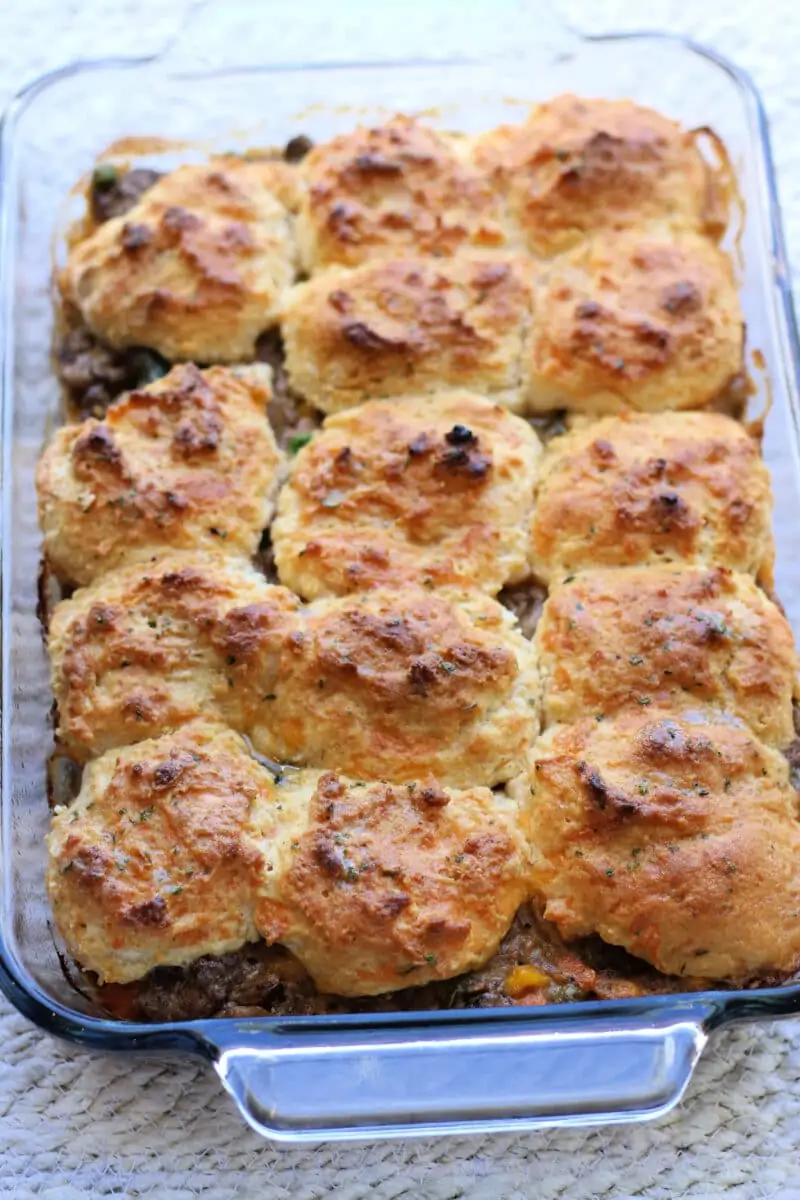
- Visual Appeal: The contrast between the rich, dark gravy and the bright, golden-brown biscuits makes the dish "social media friendly," a factor that continues to influence recipe sharing and adoption in the digital age.
Fact-Based Analysis of Implications
The popularity of this specific recipe—and others like it found on platforms like 365 Days of Crockpot—suggests a continued demand for "high-reward, low-effort" cooking. As professional lives become more demanding, the role of the home cook has shifted from "creator from scratch" to "curator of flavors." The use of Better Than Bouillon and branded biscuit mixes indicates that consumers are willing to pay a slight premium for high-quality semi-prepared components that guarantee a successful outcome.
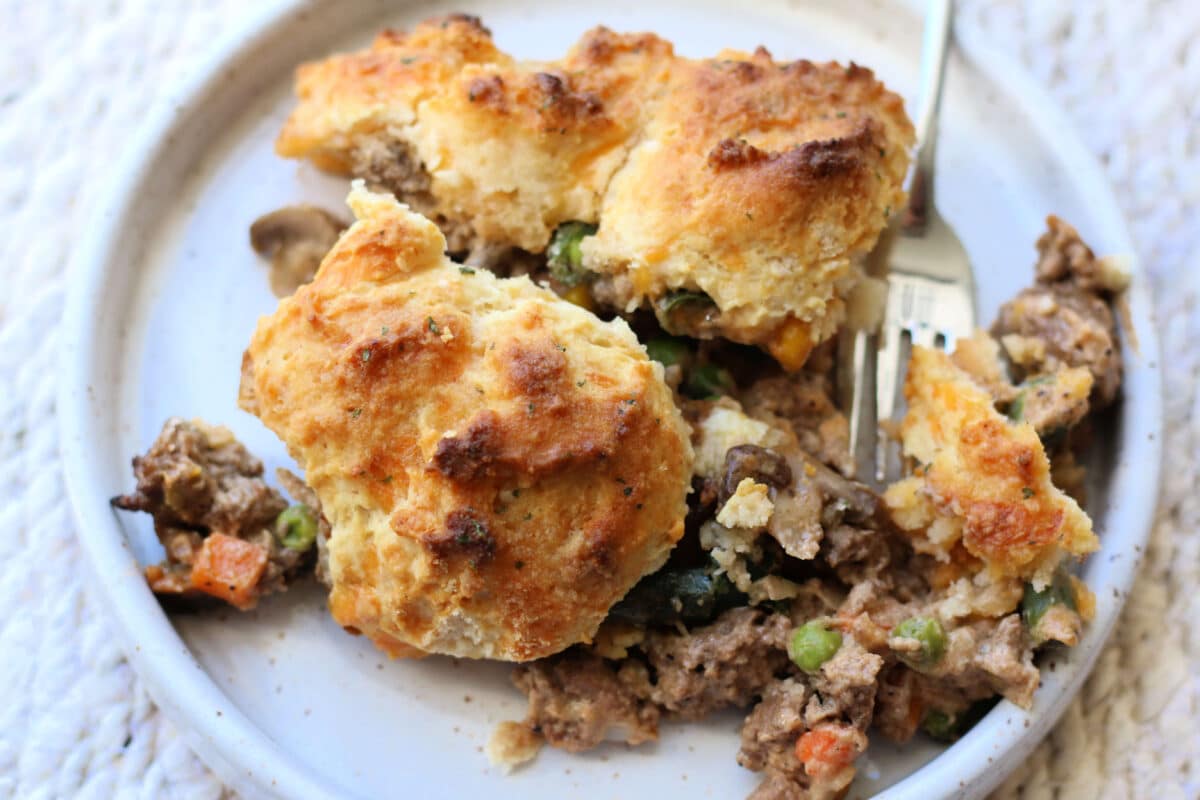
Furthermore, the integration of vegetables directly into the "comfort" elements of the dish (the beef and biscuits) reflects a subtle shift toward more balanced home meals. By "hiding" vegetables in a flavorful gravy, cooks are able to meet nutritional goals without sacrificing the palatability of the meal.
In conclusion, the Easy Cheddar Bay Hamburger Casserole is more than just a convenient dinner option; it is a reflection of the current state of American home cooking. It balances economic reality with a desire for restaurant-quality flavor, all while maintaining the communal spirit of the traditional Sunday dinner. As home cooks continue to seek out recipes that offer both efficiency and satisfaction, the "biscuit-topped casserole" is likely to remain a cornerstone of the modern kitchen repertoire.
