
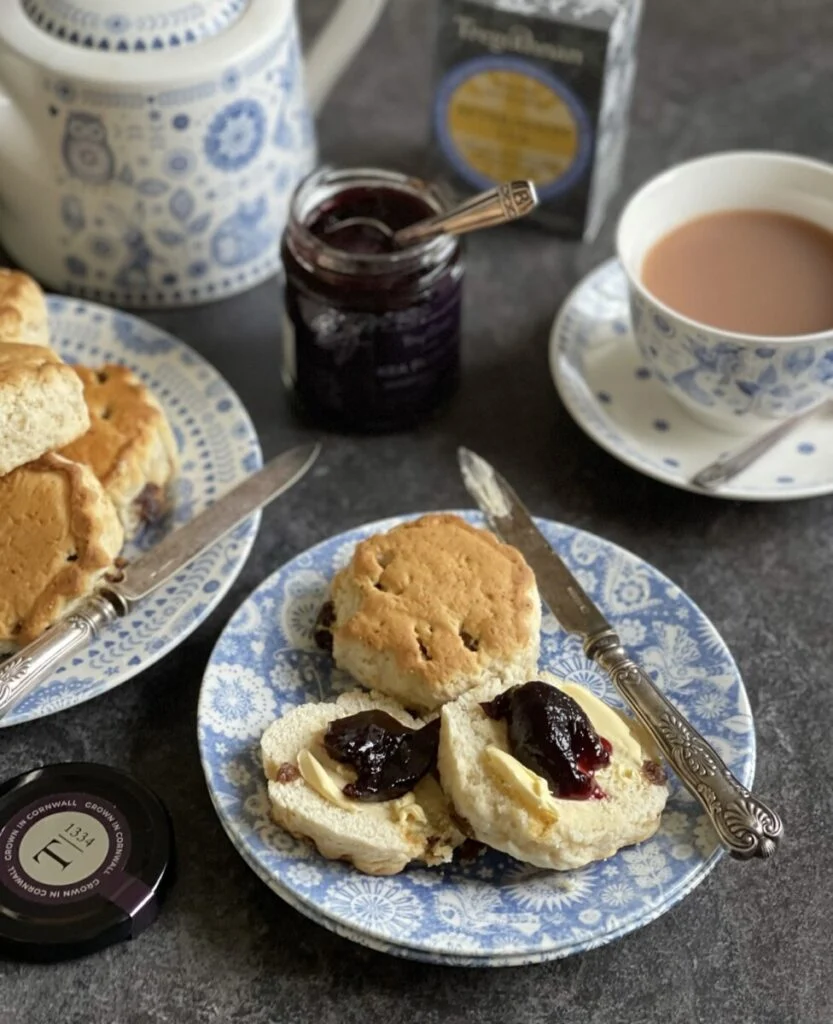
The Genesis of a Culinary Delight

The inspiration for these distinctive scones originated from Karen Burns-Booth’s enriching journey aboard the Viking Venus in 2021. During an included excursion, Ms. Burns-Booth embarked on an invigorating walk through the picturesque Cornish countryside surrounding the Tregothnan Estate, near Falmouth. Her trek led her along bucolic country lanes, past active beehives, and over charming wooden stiles, culminating in a breathtaking vista of the River Fal and the estate’s remarkable tea terraces. This immersive experience, wandering amongst wild meadow flowers, ancient orchards, and rolling grassy tracks, provided the vivid backdrop for her latest culinary creation.

Ms. Burns-Booth, a regular contributor to Viking’s "Explore Magazine," where she shares specially curated recipes and engaging travel stories, leveraged this memorable visit to craft a recipe that encapsulates the essence of the estate’s unique produce. The result is a scone that transcends the ordinary, offering a sensory journey back to the very source of its inspiration.

Tregothnan Estate: Pioneering British Tea

The Tregothnan Estate holds a singular and significant place in British agricultural history. Located in Cornwall, its unique microclimate and dedicated cultivation efforts led to a landmark achievement in 2005: the first major crop of home-grown tea in Britain. This historic harvest established Tregothnan as the United Kingdom’s inaugural tea garden, challenging the long-held notion that commercial tea cultivation was exclusive to distant lands. The estate’s commitment to quality and innovation has since earned its produce the esteemed moniker of "the new Darjeeling," signaling a paradigm shift in the global tea industry and fostering a nascent but growing British tea culture.

The estate’s success is attributed to its sheltered valleys, acidic soil, and the warm, moist air currents from the Gulf Stream, which create an environment surprisingly conducive to growing Camellia sinensis, the tea plant. Tregothnan cultivates a range of teas, with Earl Grey being a prominent offering, distinguished by its natural bergamot flavoring. This pioneering spirit not only provides high-quality, locally sourced tea but also contributes to the diversification of British agriculture and tourism. Visitors to the estate, like Karen Burns-Booth, are offered a rare glimpse into the journey of tea from plant to cup, connecting them directly with the land and its produce.

The Art of Earl Grey Infusion in Scones

The hallmark of Karen Burns-Booth’s Earl Grey Fruit Scones lies in the meticulous infusion of Earl Grey tea throughout the recipe. Earl Grey, traditionally a black tea flavored with oil of bergamot, a citrus fruit, is renowned for its distinctive fragrant aroma and bright, tangy taste. In this recipe, the tea’s bergamot essence is not merely a subtle undertone but a pronounced flavor profile that permeates every bite.

A key technique employed is the pre-soaking of dried fruit—typically currants or sultanas—in hot Earl Grey tea. This step serves a dual purpose: it imbues the fruit with an additional layer of citrusy and floral notes, harmonizing with the tea-infused dough, and simultaneously plumps the fruit, ensuring a succulent texture within the finished scone. The tea itself is also incorporated directly into the scone mixture, ensuring a consistent and delightful bergamot character throughout. This thoughtful approach transforms a simple fruit scone into a sophisticated pastry, ideal for pairing with a fresh pot of loose-leaf Earl Grey tea.

Scones: A Quintessential British Tradition and Its Nuances

Scones are an indispensable component of British culinary tradition, particularly central to the ritual of afternoon tea or cream tea. This beloved pastry, typically lightly sweetened and often studded with dried fruit, serves as a canvas for delightful accompaniments. The traditional serving method involves clotted cream and jam, but the order of application sparks a friendly, long-standing debate between the counties of Devon and Cornwall.

In Devon, the custom dictates that the scone is first split, then spread with clotted cream, and finally topped with jam. Conversely, Cornish tradition, as highlighted in Ms. Burns-Booth’s notes, insists on applying jam first, followed by a generous dollop of clotted cream. This seemingly minor difference is a point of regional pride and often a topic of lighthearted contention among enthusiasts. Regardless of the preferred order, the combination of a warm, freshly baked scone with rich clotted cream and sweet fruit jam remains a quintessential British experience. The Earl Grey Fruit Scones, with their unique flavor profile, offer a contemporary twist while firmly respecting these cherished traditions, inviting bakers and eaters alike to participate in this enduring cultural practice.

Nutritional Profile and Serving Suggestions

The Earl Grey Fruit Scones offer a balanced treat, with the recipe yielding approximately 10 servings. Each serving, comprising one scone, provides a nutritional breakdown that includes around 249 calories, 8g of total fat (4g saturated, 3g unsaturated), 54mg of cholesterol, 230mg of sodium, 39g of carbohydrates (1g fiber, 10g sugar), and 6g of protein. This information, provided with the recipe, allows for informed dietary choices while indulging in this delightful pastry.

Beyond the traditional cream tea setup, these scones are versatile. While clotted cream and jam are the quintessential pairings, they can also be enjoyed simply with butter or alongside a selection of cheeses for a savory counterpoint. The rich, aromatic qualities of the Earl Grey infusion make them particularly well-suited to be served with a variety of hot beverages, from a classic English breakfast tea to a robust coffee. The emphasis, however, remains on the communal and comforting aspect of sharing freshly baked goods, fostering moments of relaxation and enjoyment.

The Broader Impact of Culinary Tourism and Local Produce

The creation and promotion of recipes like the Earl Grey Fruit Scones, stemming from a unique travel experience and featuring locally sourced ingredients, underscore the growing significance of culinary tourism and the farm-to-table movement. Collaborations between culinary figures like Karen Burns-Booth, travel entities such as Viking Cruises, and local producers like Tregothnan Estate, play a crucial role in highlighting regional delicacies and sustainable agricultural practices.

Such initiatives not only stimulate local economies by promoting unique products and destinations but also educate consumers about the origins of their food. By connecting a recipe directly to its inspirational landscape and ingredients, it fosters a deeper appreciation for the craft of baking, the heritage of tea, and the natural beauty of places like Cornwall. The story of Tregothnan, transitioning from an ambitious experiment to a respected producer of "Britishness in every cup," exemplifies the potential for innovation within traditional sectors. This approach encourages a conscious consumption, where the story behind the food is as rich and rewarding as the flavors themselves.

Future Outlook for British Tea and Baking

The introduction of Earl Grey Fruit Scones by Karen Burns-Booth, inspired by the pioneering efforts of Tregothnan Estate, represents a dynamic evolution in British culinary arts. It signifies a future where traditional recipes are continuously reinterpreted with novel, high-quality ingredients, often sourced from within the UK. The success of Tregothnan in establishing a thriving tea industry in Cornwall demonstrates a broader trend towards leveraging unique local conditions to produce premium goods, enhancing Britain’s reputation not just for consuming tea, but for growing it.

As consumers increasingly seek authentic experiences and traceable food origins, the narrative of a scone born from a cruise through Cornwall and a visit to a British tea estate resonates deeply. This recipe, therefore, is more than just a baked good; it is a symbol of culinary innovation, regional pride, and the enduring allure of British traditions, promising a continued enrichment of the nation’s gastronomic landscape.
