
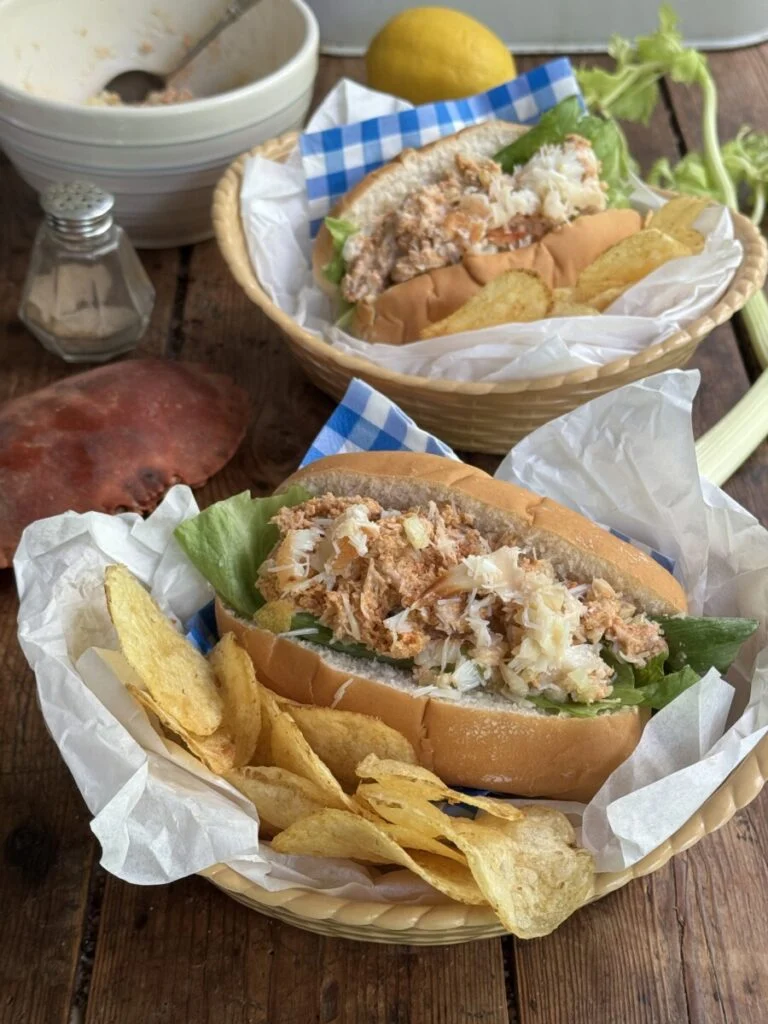
The quintessential British Seaside Fresh Crab Salad Roll, a dish deeply embedded in the nation’s collective memory of coastal holidays, is experiencing a notable resurgence, championed by culinary figures such as food writer Karen Burns-Booth. Published on May 30, 2026, Burns-Booth’s celebration of this classic offers a poignant reminder of simpler times and the enduring appeal of fresh, local seafood served with minimal fuss. This seemingly humble dish, often presented "retro style" in a basket alongside ready-salted crisps, embodies a significant slice of British culinary heritage, reflecting decades of seaside traditions, family excursions, and the simple pleasures of a day by the sea.

The Enduring Allure of British Seaside Holidays
For generations, the British seaside has been a cornerstone of family holidays and day trips, a vibrant tapestry of shared experiences that evoke a powerful sense of nostalgia. Images of "Kiss Me Quick" hats, the gentle plod of donkey rides on sandy beaches, the sweet indulgence of a "99" ice cream, and the familiar crunch of sand in sandwiches are indelibly etched into the national psyche. These memories are often intertwined with specific culinary delights, from the iconic fish and chips wrapped in newspaper, savored in the car on the journey home, to the refreshing tang of malt vinegar seeping through the paper onto sun-kissed legs. These traditions form a rich backdrop against which the British Seaside Fresh Crab Salad Roll gains its profound cultural significance.

Historically, coastal towns like Scarborough and Bridlington, mentioned by Burns-Booth as inspirations for her recipe, have long been synonymous with accessible leisure and simple, wholesome food. The post-war era, in particular, saw a boom in domestic tourism, as families sought affordable escapes. Food played a central role in these experiences, with an emphasis on fresh, local produce, especially seafood. While children might have gravitated towards chips and ice cream, adults often indulged in more refined, yet equally traditional, options like a fresh dressed crab or a simple crab sandwich. This discerning choice underscored an appreciation for the bounty of the sea, often purchased directly from local fishermen or small seafood stalls.
The Genesis of a Classic: Simplicity and Quality

Karen Burns-Booth’s recipe for the British Seaside Fresh Crab Salad Roll is a testament to this tradition, emphasizing that the fresh crab itself remains the undeniable "hero ingredient." The recipe’s simplicity—calling for just one large fresh dressed crab, a small amount of finely chopped celery for crunch, a squeeze of lemon for brightness, a dash of malt vinegar for a subtle tang, a spoonful of mayonnaise for creaminess, and a seasoning of white pepper—highlights a philosophy where quality ingredients are allowed to shine without unnecessary embellishment. This minimalist approach is not merely a stylistic choice but a reflection of how such dishes were traditionally prepared, ensuring the natural sweetness and delicate texture of the crab were paramount.
The choice of malt vinegar, a condiment deeply associated with British culinary habits, particularly with fish and chips, subtly reinforces the seaside theme. Its inclusion, alongside the creamy mayonnaise and citrus, creates a balanced flavor profile that enhances, rather than overwhelms, the crab. The option to serve it in a soft bread roll or as a standalone crab salad offers versatility, catering to different preferences while maintaining the core essence of the dish. This adaptability further speaks to its practicality as a light lunch or a delightful picnic item, perfect for consumption outdoors, ideally with the sound of waves in the background.

A Glimpse into Retro Dining: The "In a Basket" Phenomenon
The suggestion to serve these crab salad rolls "in a basket," accompanied by ready-salted crisps, is a deliberate nod to a popular dining trend of the 1970s and 1980s, particularly prevalent in British pubs. This "pub grub" style, where dishes like scampi, chicken, and sausages were informally served in wicker baskets lined with paper, offered a casual, convivial dining experience. It was an era when convenience and a relaxed atmosphere were highly valued, and this serving method became iconic. By incorporating this retro presentation, Burns-Booth not only evokes a specific time period but also subtly elevates the crab roll from a mere sandwich to a complete, nostalgic meal experience.

This serving style speaks to a broader cultural shift in dining habits, where food was increasingly seen as an accompaniment to social interaction rather than a formal affair. The inclusion of ready-salted crisps further grounds the dish in everyday British life, a staple snack that perfectly complements the savory crab and offers a satisfying textural contrast. This attention to detail in presentation transforms the meal into a sensory journey back to carefree days and cherished memories, making the British Seaside Fresh Crab Salad Roll more than just food; it’s a cultural artifact.
Economic and Local Implications of Culinary Revival

The renewed interest in traditional dishes like the British Seaside Fresh Crab Salad Roll carries potential positive implications for local economies, particularly in coastal areas renowned for their seafood. A surge in demand for fresh dressed crab directly benefits local fisheries and seafood suppliers in regions such as Scarborough and Bridlington, known for their abundant and high-quality crab catches. This could translate into increased revenue for small-scale fishing operations, supporting traditional livelihoods and promoting sustainable fishing practices.
Furthermore, the emphasis on fresh, locally sourced ingredients aligns with contemporary culinary trends focusing on sustainability, traceability, and supporting local producers. As consumers become more conscious about the origin and quality of their food, dishes that highlight regional specialties gain greater appeal. The crab roll, therefore, serves as an excellent ambassador for British seafood, potentially boosting culinary tourism to coastal towns. Visitors, inspired by such recipes, might seek out authentic crab rolls from local cafes, pubs, and seafood shacks, contributing to the broader tourism economy, including accommodation, retail, and other hospitality services. This interconnectedness underscores how culinary heritage can be a powerful driver of regional economic development.

Culinary Commentary and Broader Trends
Food historians and culinary commentators often observe that revivals of classic dishes are rarely isolated incidents. Instead, they typically reflect broader societal movements towards comfort, authenticity, and a reconnection with heritage. The resurgence of the British Seaside Fresh Crab Salad Roll can be interpreted as part of a larger appreciation for "slow food" principles and the inherent value of simple, well-prepared meals. In an age of increasingly complex global cuisines, there is a palpable yearning for the familiar and the genuinely traditional.

This trend is also evident in the proliferation of food blogs and social media platforms where classic recipes are re-shared, reinterpreted, and celebrated. Food writers like Karen Burns-Booth play a crucial role in preserving and popularizing these culinary traditions, making them accessible to new generations while reminding older ones of their cherished past. The collective sharing of these food memories fosters a sense of community and cultural continuity.
Moreover, the simplicity of the crab roll recipe fits well into modern lifestyles, offering a delicious yet straightforward option for home cooks. The ability to prepare a dish that is both gourmet in taste and easy in execution, while carrying a rich historical narrative, makes it particularly appealing. This convergence of nostalgia, quality ingredients, and ease of preparation positions the British Seaside Fresh Crab Salad Roll as a prime example of enduring culinary excellence.

Nutritional Profile: A Balanced Indulgence
From a nutritional standpoint, the British Seaside Fresh Crab Salad Roll offers a relatively balanced option, especially when compared to other traditional seaside fare. According to the provided nutritional information, a single serving yields approximately 279 calories, 13g of total fat (with 2g saturated and 11g unsaturated fat), 44mg of cholesterol, 524mg of sodium, 28g of carbohydrates (1g fiber, 4g sugar), and a commendable 12g of protein.

Fresh crab is an excellent source of lean protein, essential vitamins, and minerals, including B12, selenium, and zinc, while being relatively low in fat. The addition of celery provides dietary fiber, and lemon contributes vitamin C. While mayonnaise adds fat, choosing a good quality mayonnaise in moderation keeps the overall profile balanced. The carbohydrate content largely comes from the bread roll, offering a source of energy. The sodium content, at 524mg, should be considered within daily intake guidelines, particularly for individuals monitoring their salt intake. Overall, the crab roll presents itself as a wholesome and satisfying light meal choice, especially when consumed as part of a varied diet.
Serving Ideas and Adaptations

The versatility of the British Seaside Fresh Crab Salad Roll is further underscored by the suggested adaptations. The addition of chopped fresh parsley can introduce a herbaceous note and vibrant color. For those who prefer a spicier kick, a dash of Tabasco sauce offers a contemporary twist, while replacing malt vinegar with it provides an alternative flavor profile. To elevate the dish to a more luxurious offering, incorporating diced cooked prawns or shrimp can enhance the seafood medley. Finely diced spring onions contribute a mild, pungent freshness. For a more traditional "Seaside Cafe style" experience, serving the crab salad on sliced white or wholemeal bread instead of a roll offers another classic presentation. These adaptations demonstrate the recipe’s flexibility, allowing individuals to customize it to their taste preferences while retaining its core identity.
In conclusion, the British Seaside Fresh Crab Salad Roll is far more than a simple recipe; it is a culinary emblem of British culture and nostalgia. Karen Burns-Booth’s revival of this dish on May 30, 2026, serves as a poignant reminder of the joys of seaside holidays, the importance of fresh, local ingredients, and the enduring power of food to evoke cherished memories. Its unpretentious charm, combined with its historical context and potential economic benefits for coastal communities, solidifies its place as a significant component of Britain’s culinary landscape. As food trends continue to evolve, the enduring appeal of such classic dishes ensures that the taste of tradition remains a comforting and vital part of our shared heritage.
